Understanding patterns Worksheets for Ages 6-9 - Page 2
58 filtered results
-
From - To
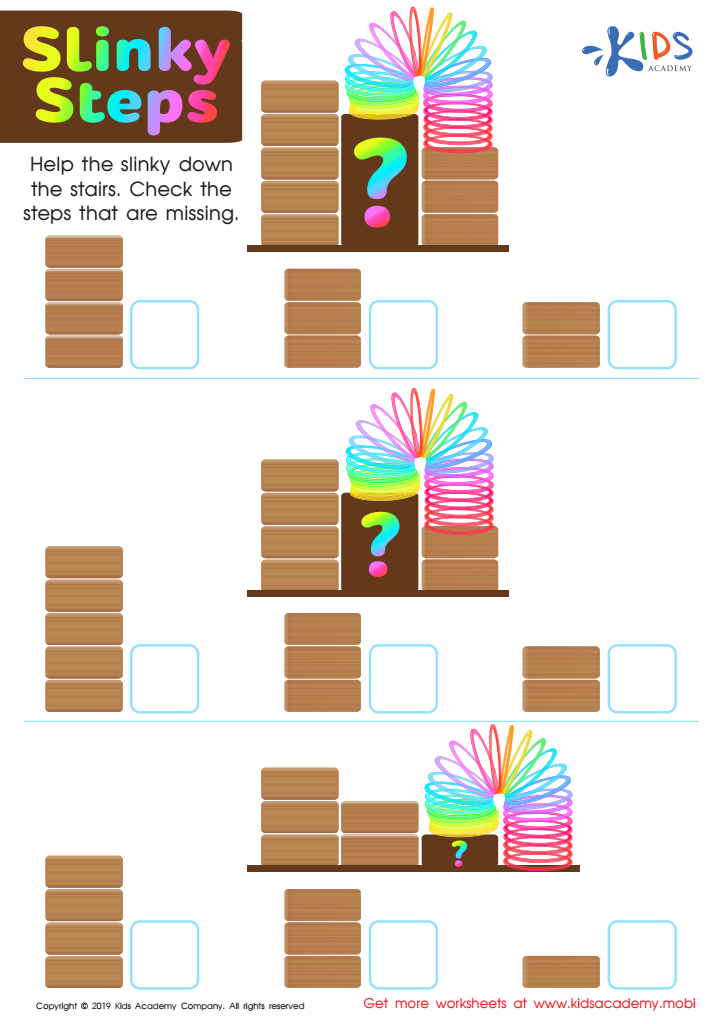
Slinky Steps Worksheet
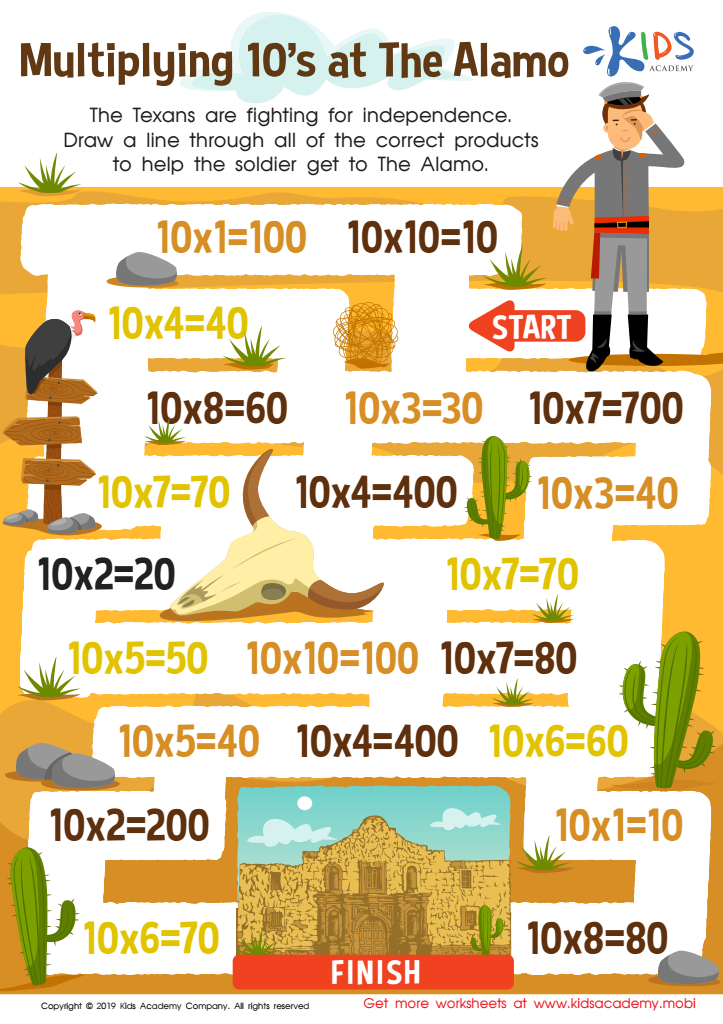
Multiplying 10’s at The Alamo Worksheet
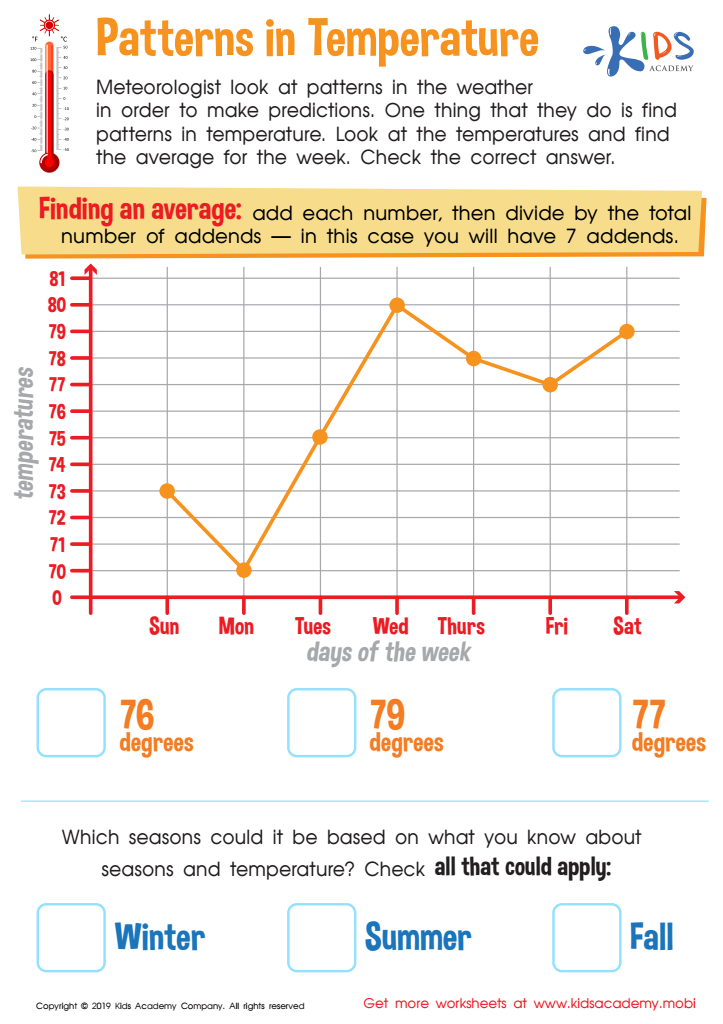
Patterns in Temperature Worksheet
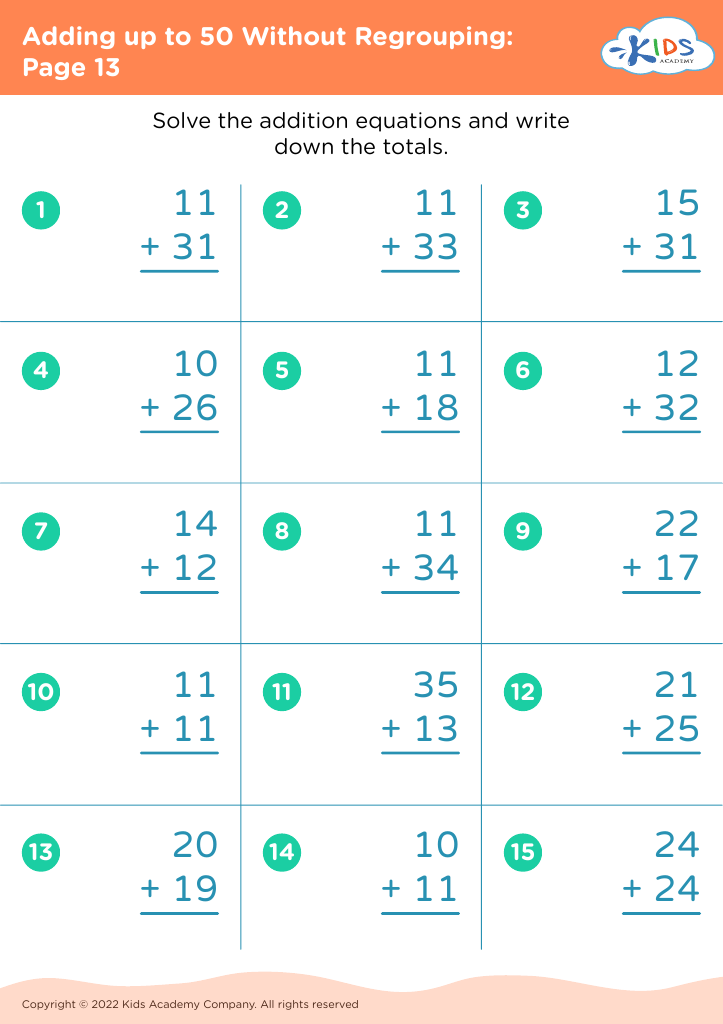
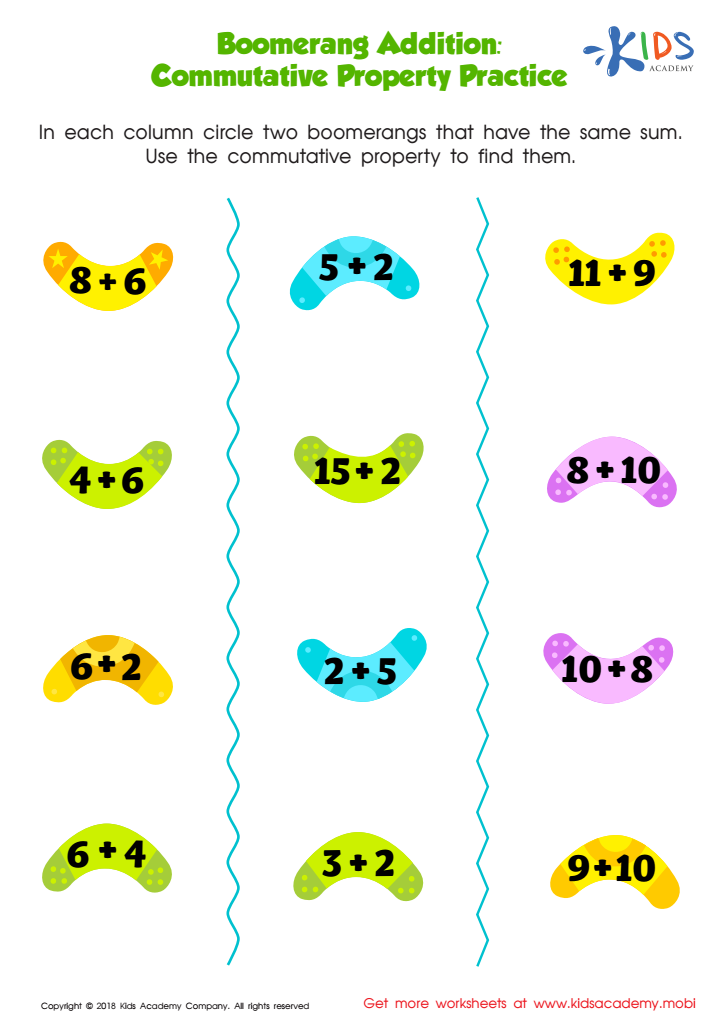
Boomerang Addition Worksheet
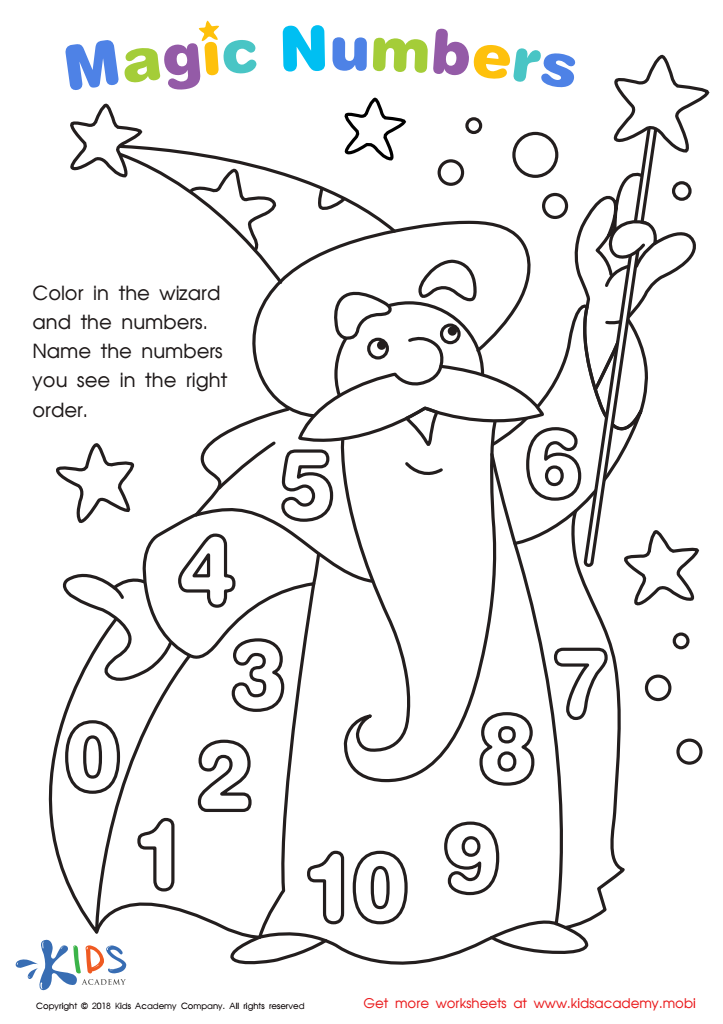
Magic Numbers Worksheet
 Assign to My Students
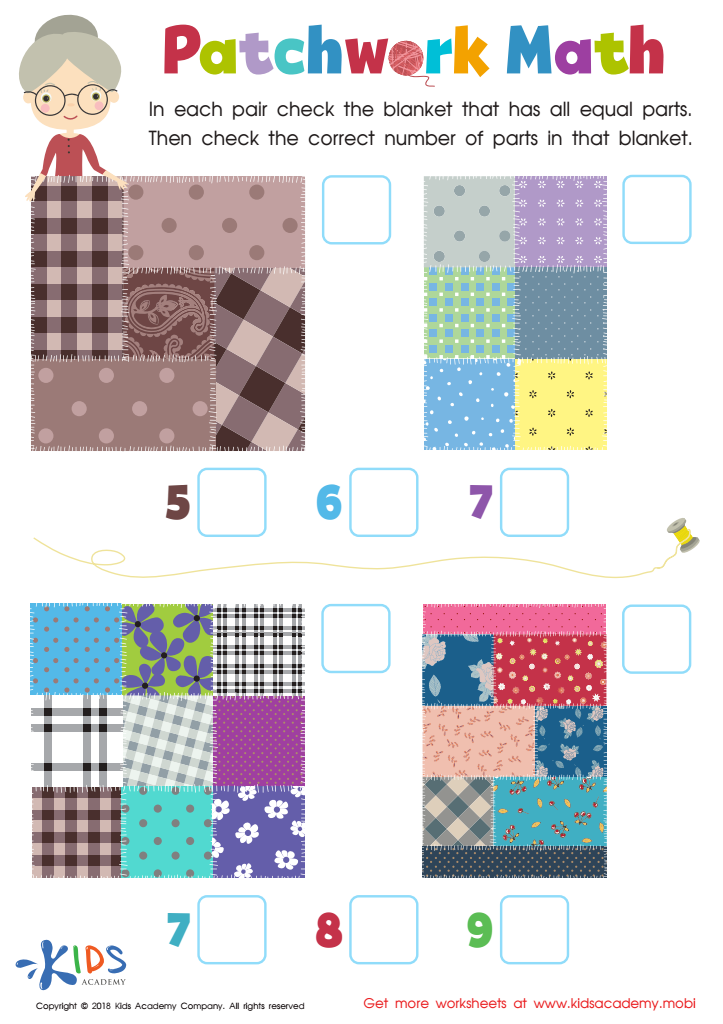
Patchwork Math Worksheet
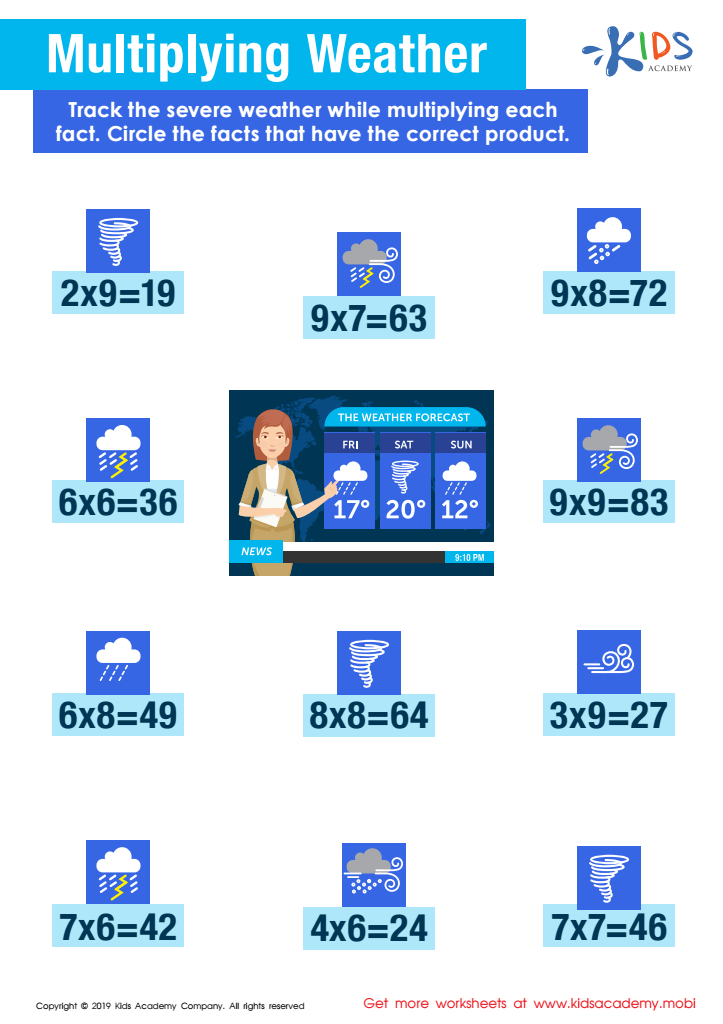
Multiplying Weather Worksheet
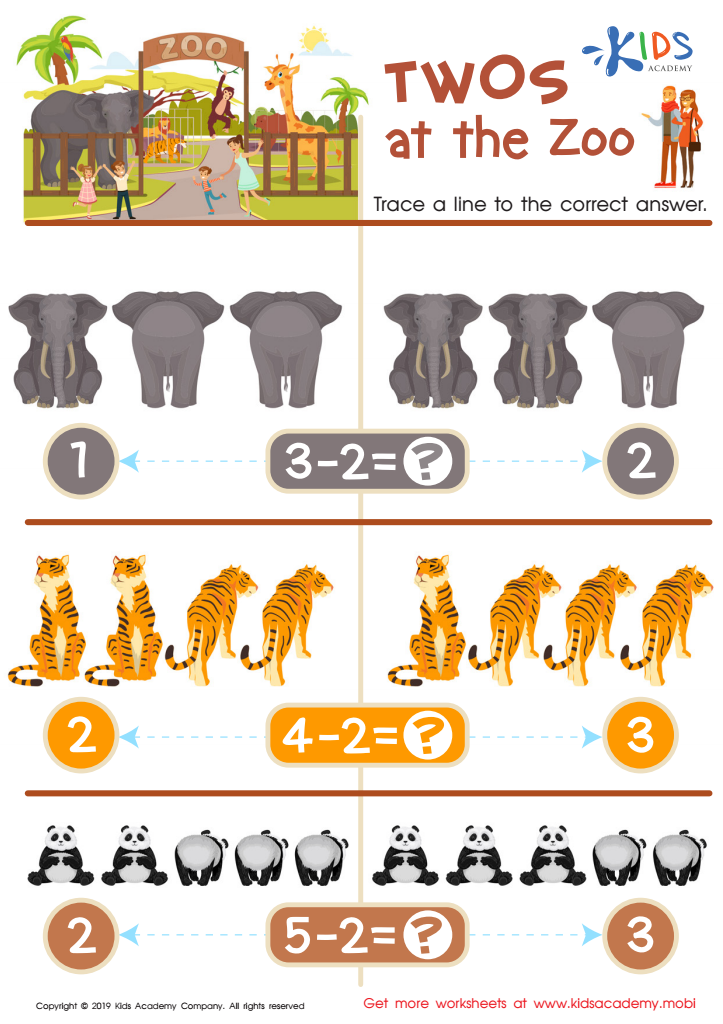
Twos at the Zoo Worksheet
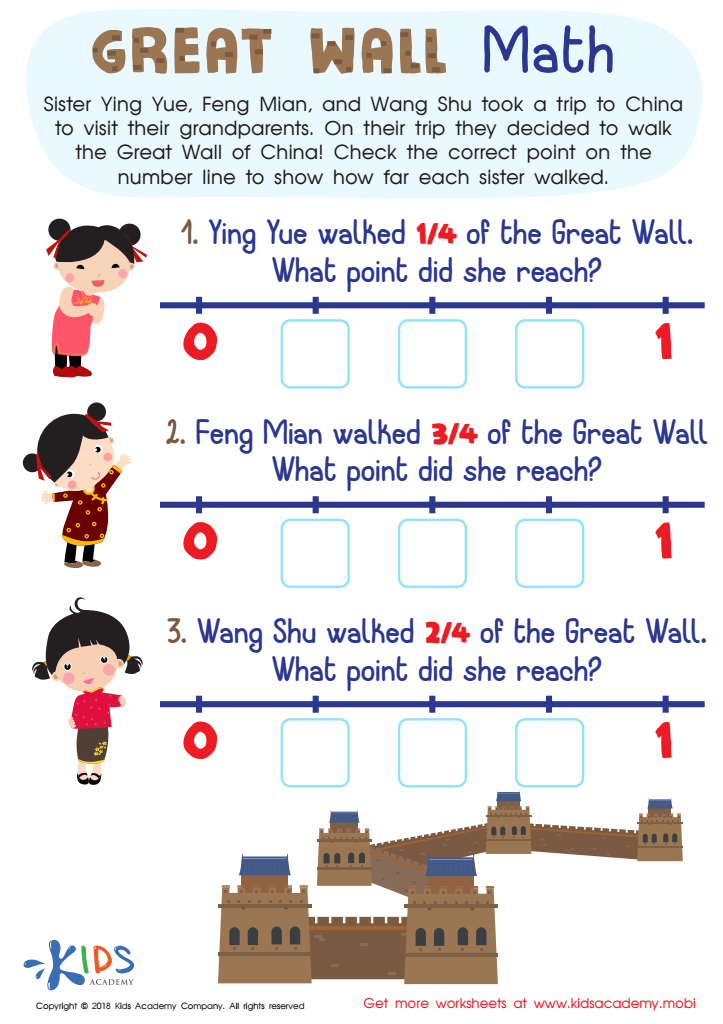
Great Wall Math Worksheet
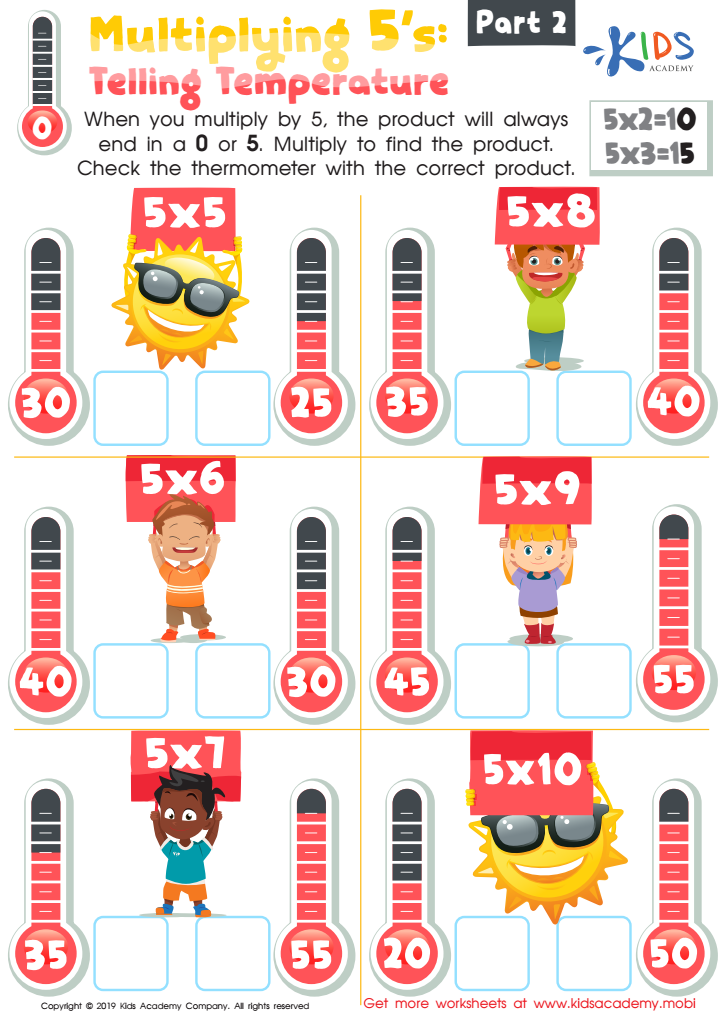
Multiplying 5’s: Telling Temperature Part 2 Worksheet






Understanding patterns is crucial for children ages 6-9 as it lays the foundation for mathematical thinking, problem-solving, and cognitive development. Patterns help children recognize order and predictability, which are essential for learning various math concepts such as counting, addition, subtraction, and multiplication. Recognizing patterns enhances a child's ability to make connections and from an early age, helps in grasping more complex mathematical ideas later on.
Patterns also play an integral role in developing logical thinking. For instance, when children identify and create patterns, they learn to observe details and understand sequencing, which sharpen their analytical skills. This extends beyond math; it applies to reading, science, and even daily routines, aiding in overall academic success.
Moreover, engaging with patterns encourages curiosity and engages children in playful learning. It transforms abstract concepts into visual and hands-on activities, making learning enjoyable and memorable. As they predict and test observed patterns, kids develop confidence and a positive attitude towards learning.
For parents and teachers, fostering pattern recognition is vital as it supports holistic development, including memory, planning, and attention to detail, ensuring children are well-rounded learners capable of tackling various cognitive challenges. Investing in pattern-based activities helps create a strong educational foundation, contributing to future academic achievements and everyday problem-solving skills.








