Understanding symmetry Worksheets for Ages 6-9
37 filtered results
-
From - To
Spark curiosity and boost learning with our "Understanding Symmetry Worksheets for Ages 6-9." Tailored for young learners, these fun and engaging worksheets help children master the concept of symmetry through interactive exercises and colorful illustrations. Kids will explore symmetrical shapes, complete symmetrical drawings, and identify symmetrical objects, enhancing their math and art skills simultaneously. Perfect for use at home or in the classroom, these worksheets provide a solid foundation in symmetry, fostering critical thinking and problem-solving abilities. Download now and watch your child's confidence and understanding soar while they enjoy learning something new!
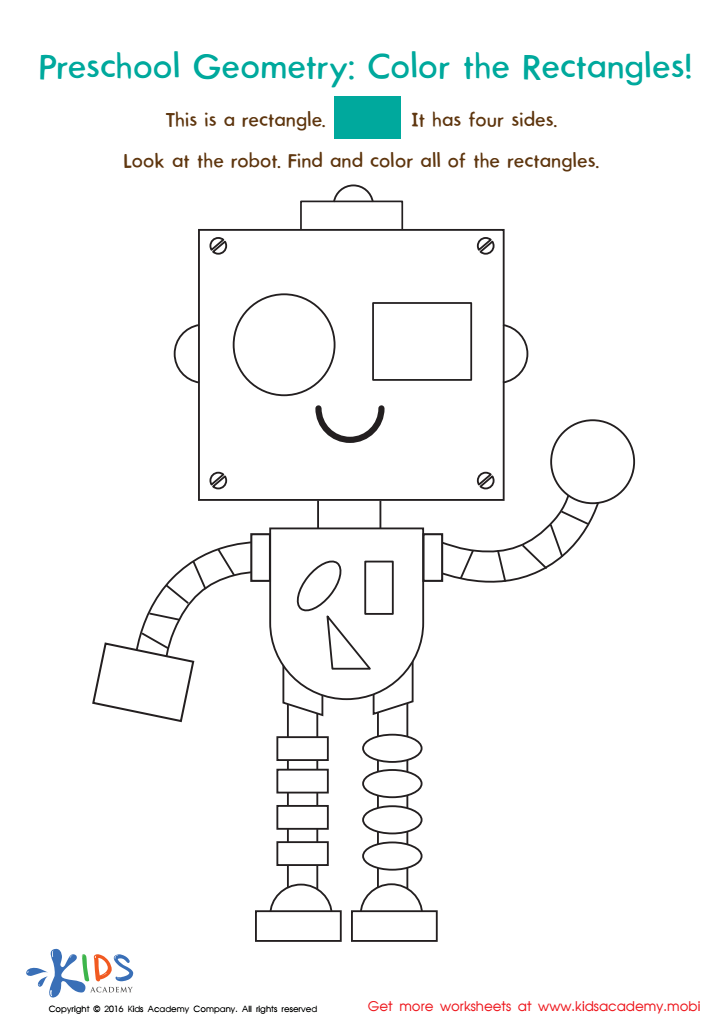
Geometry Worksheet
 Assign to My Students
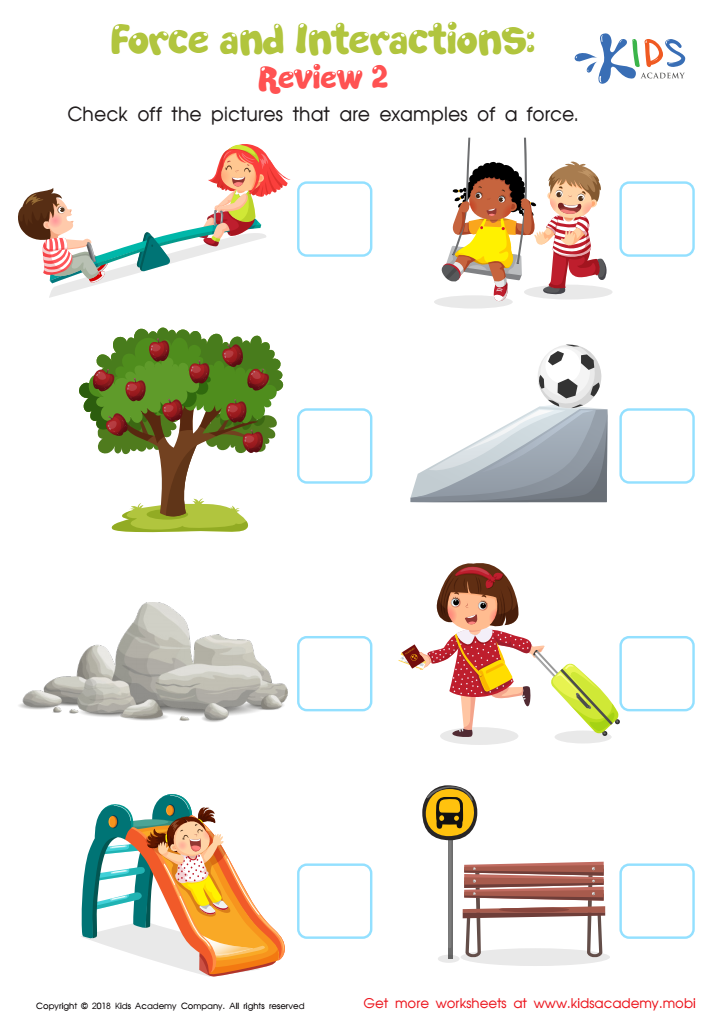
Force and Interactions: Review 2 Worksheet
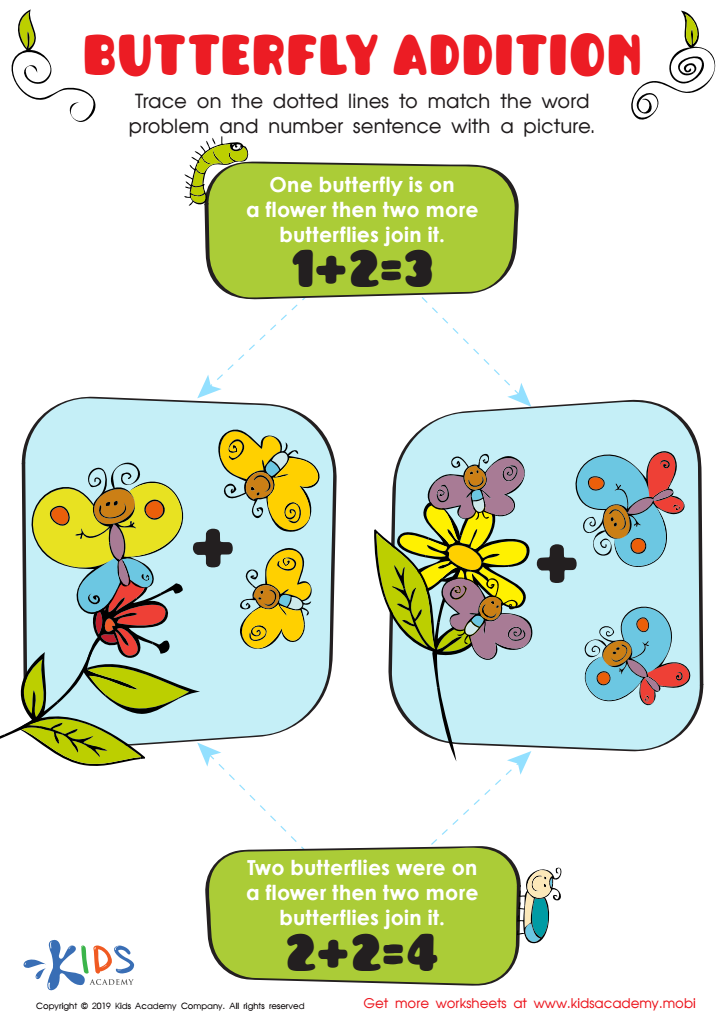
Butterfly Addition Worksheet
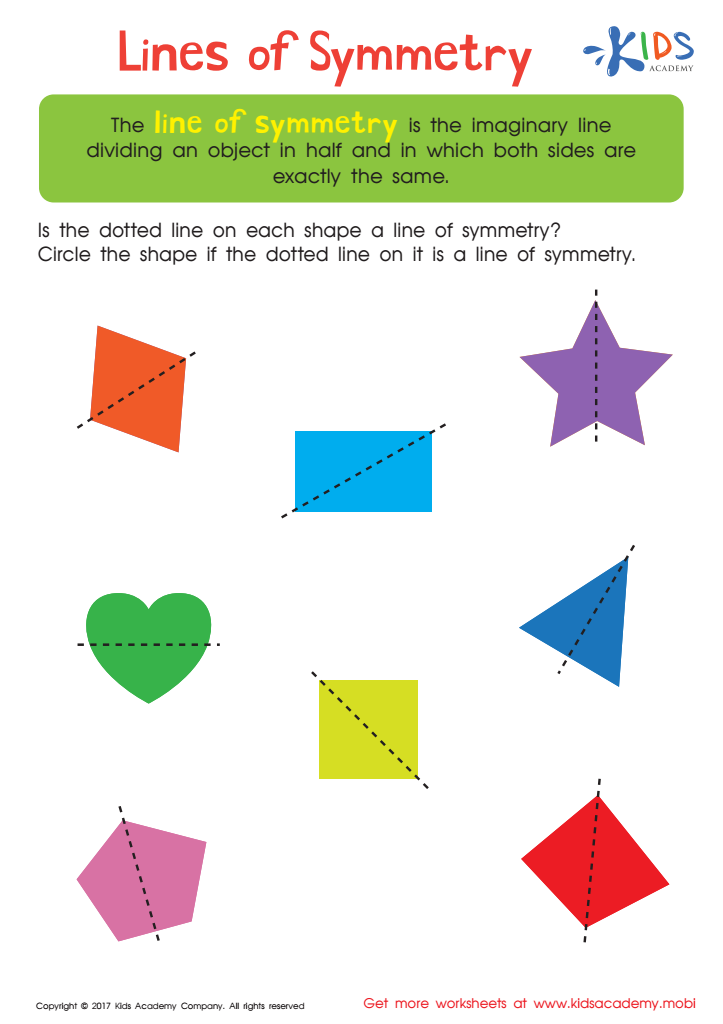
Lines of Symmetry Printable
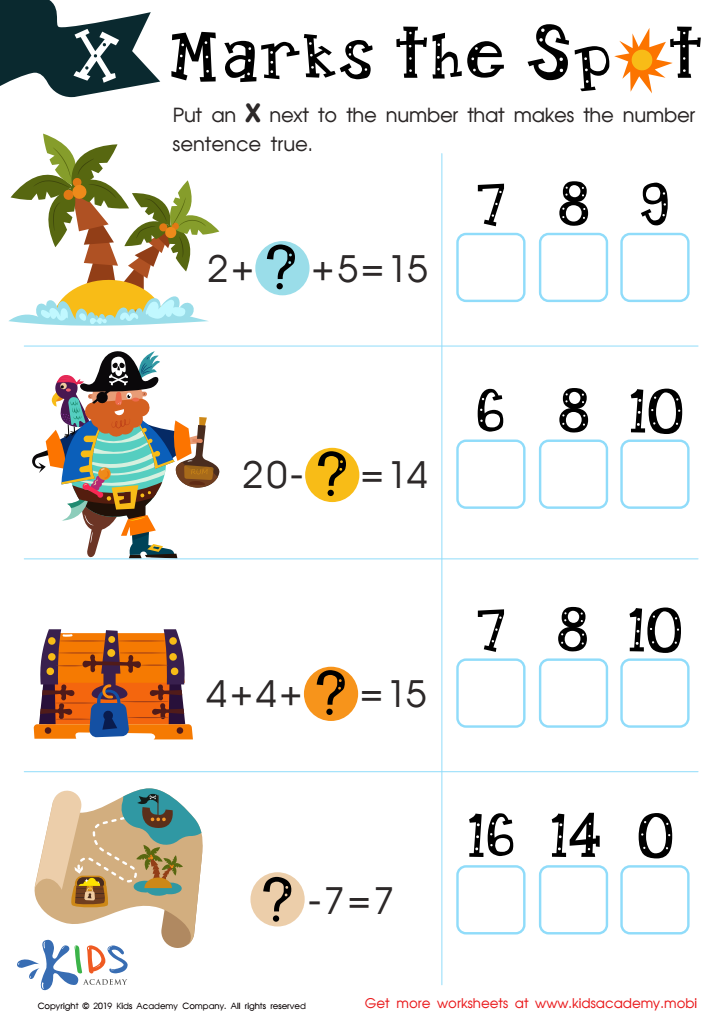
X Marks the Spot Worksheet
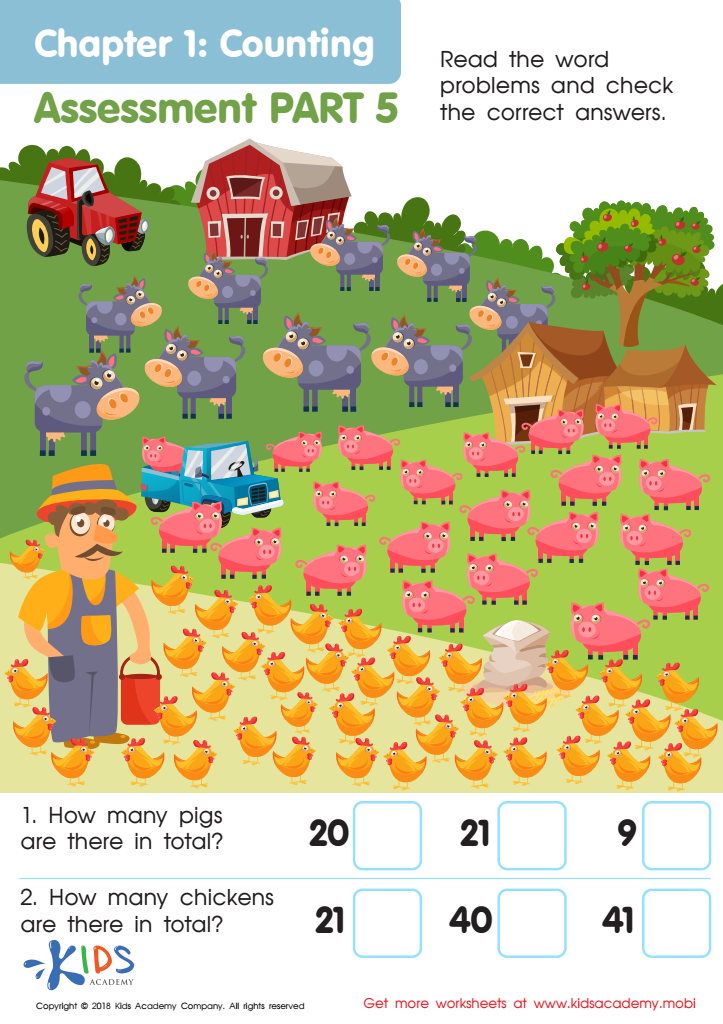
Counting: Assessment 5 Worksheet
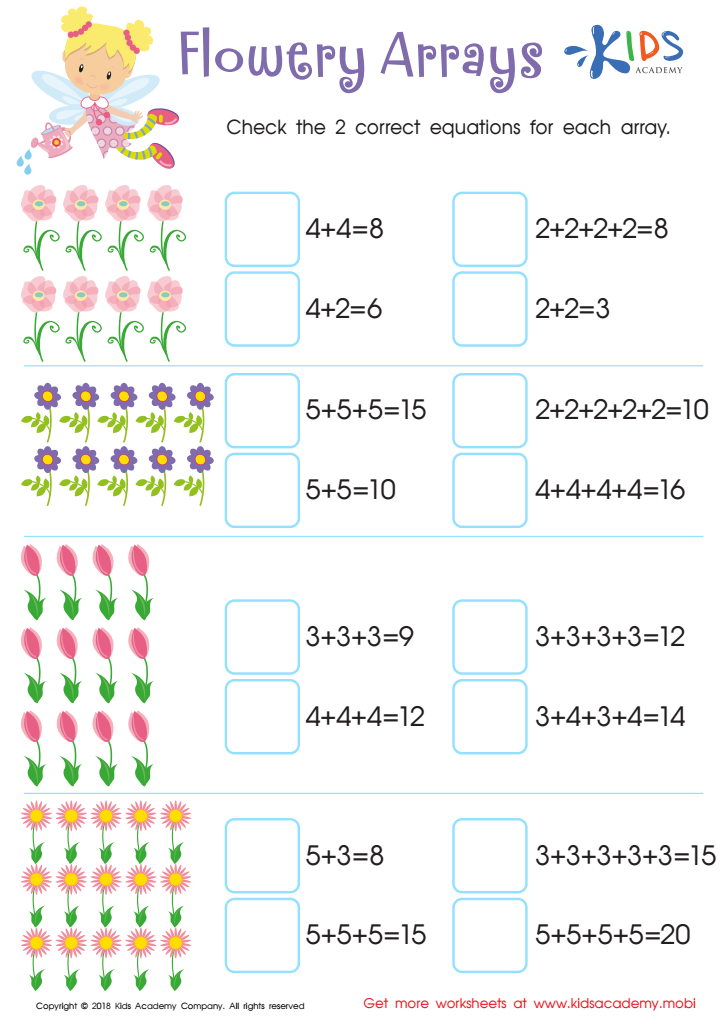
Flowery Arrays Worksheet







Understanding symmetry is crucial for young children ages 6-9 as it bolsters their cognitive growth, honing critical spatial reasoning and mathematical skills. Symmetry, a fundamental concept in both nature and art, helps children recognize patterns, organize information, and develop a sense of balance and proportion, integral to many aspects of learning and everyday life.
From an educational standpoint, symmetry supports the foundational knowledge requisite for more complex mathematical concepts. Recognizing and creating symmetrical shapes and patterns improves their abilities in geometry, as children learn about lines, angles, and shapes. Such skills are not restricted to math but also enhance science learning, where symmetry abounds in natural forms like leaves, butterflies, and crystals.
Moreover, symmetry stimulates visual perception and problem-solving abilities. For example, when children engage in activities like drawing, building, or even folding paper, they are employing symmetrical thinking, which boosts their fine motor skills and artistic expression. This not only enriches their creativity but also prepares them for subjects like engineering and architecture.
Encouraging children to explore symmetry fosters a deep appreciation for the structured beauty of the world, well beyond academics. It provides a bridge to comprehending the interconnectedness of various disciplines, thus helping them become well-rounded thinkers who appreciate the harmony in their surroundings.








