Visual perception Worksheets for Ages 6-9 - Page 2
48 filtered results
-
From - To
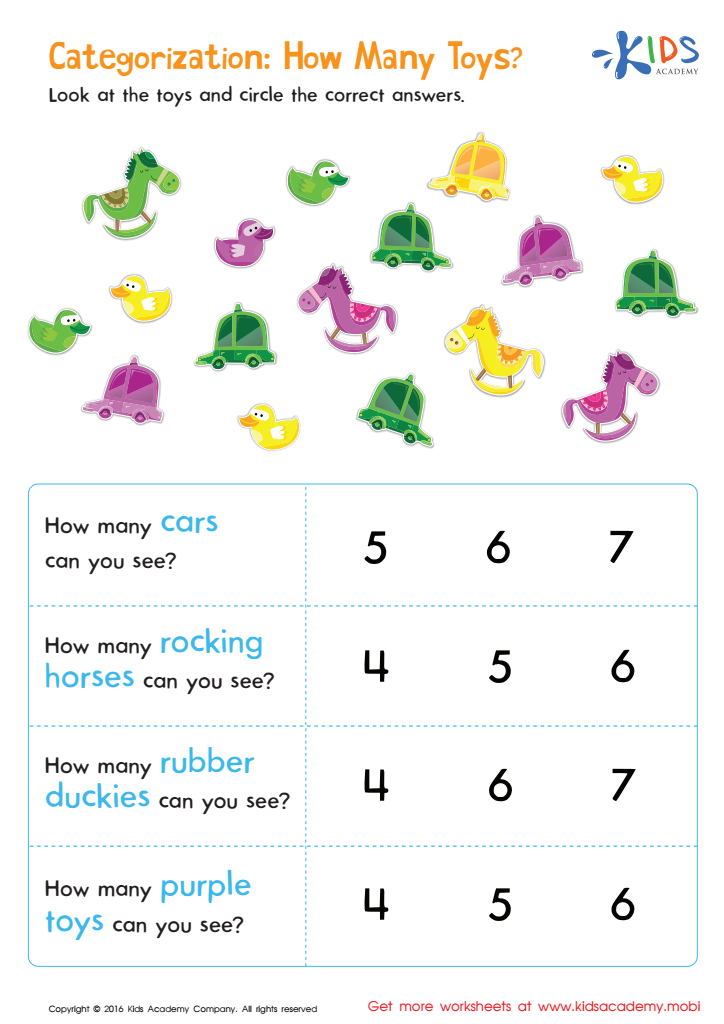
Classifying Toys by Type and Color Sorting Worksheet
 Assign to My Students
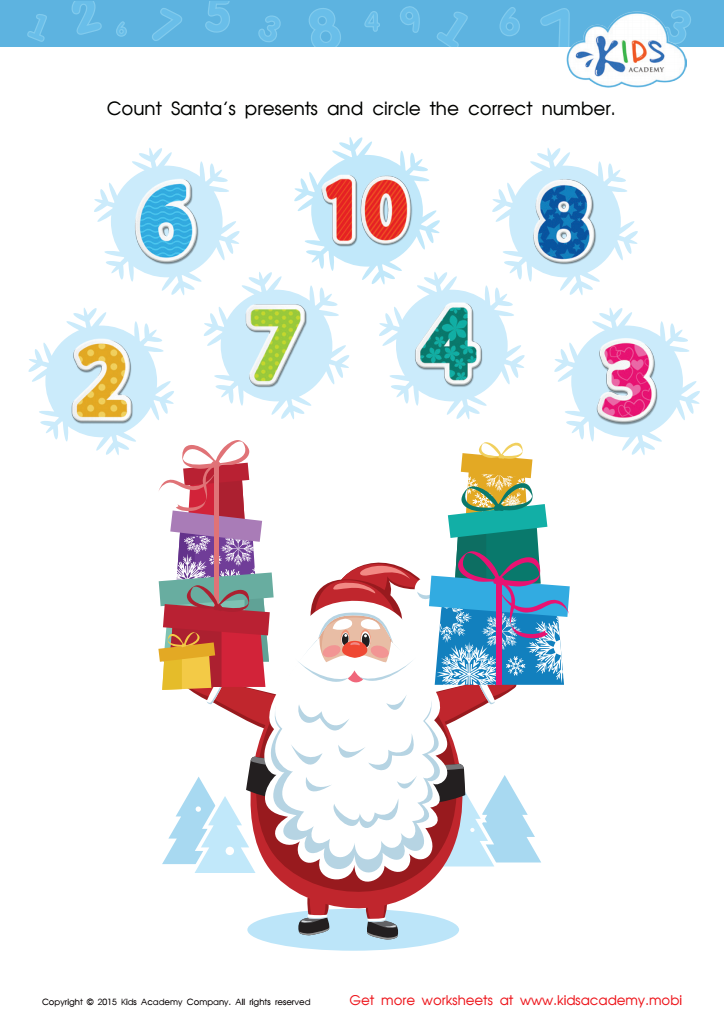
Count Santa's Presents Worksheet
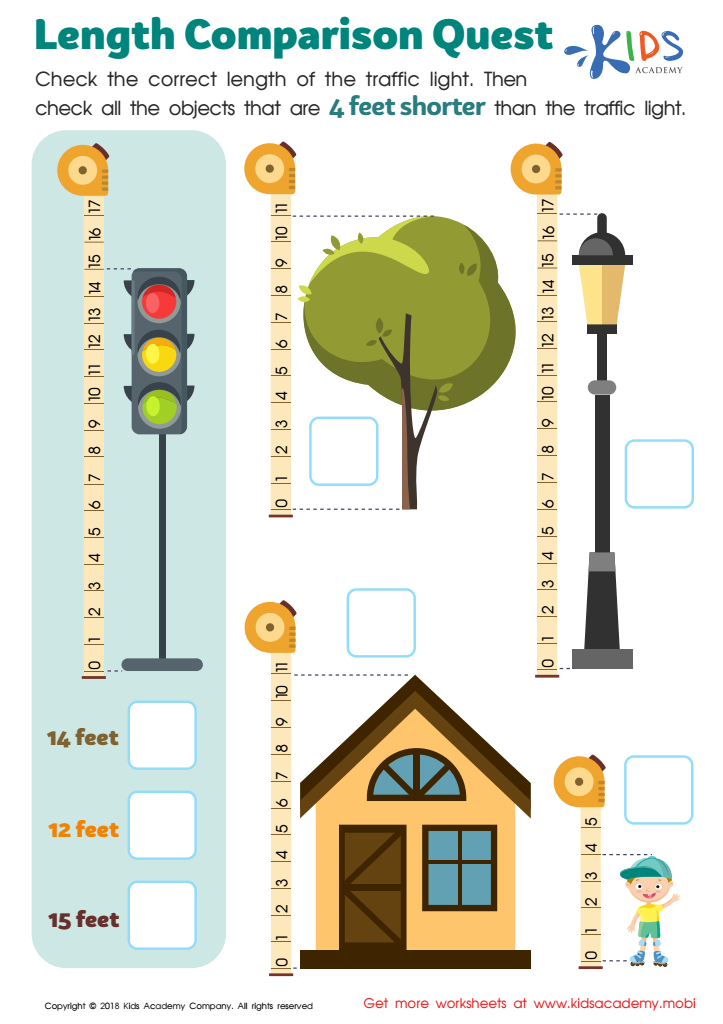
Length Comparison Quest Worksheet
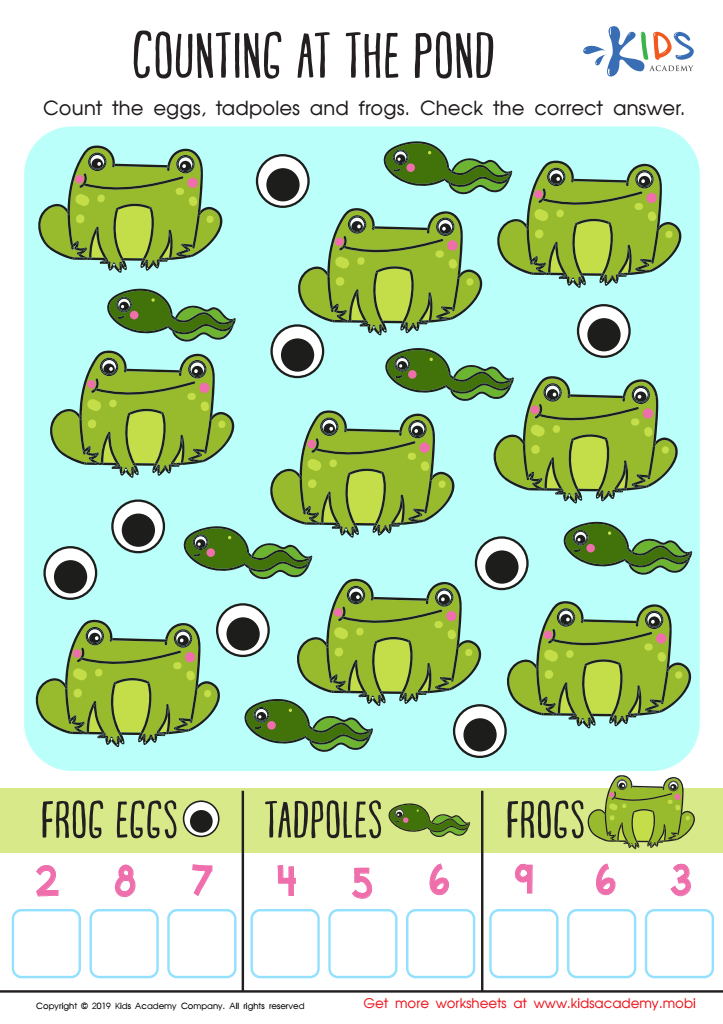
Counting at the Pond Worksheet
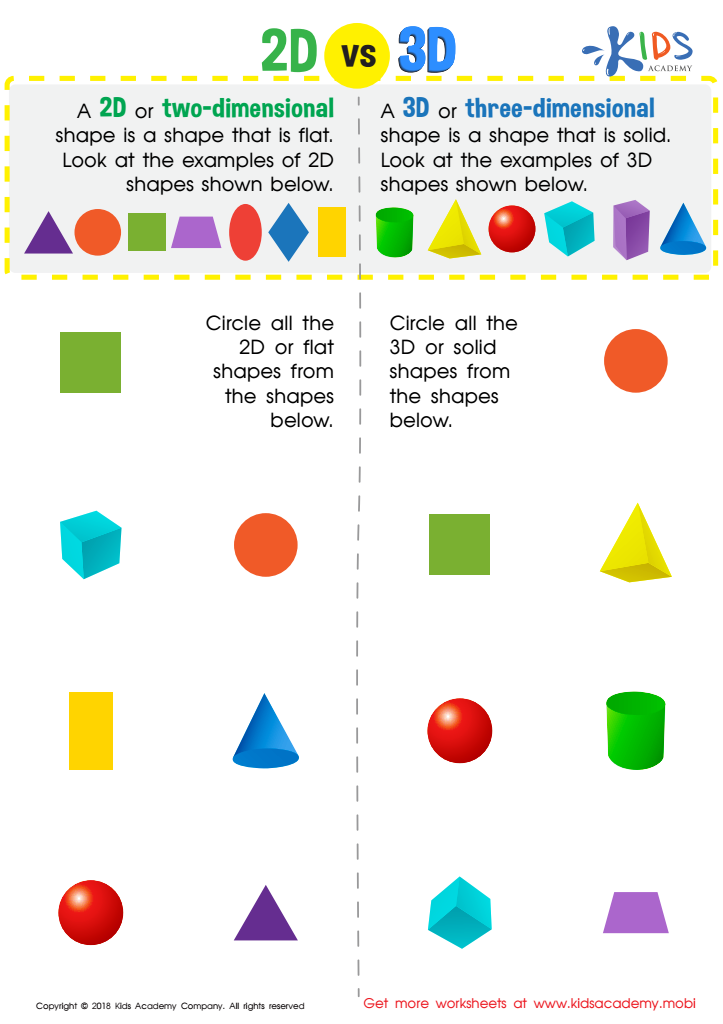
2D vs 3D Shapes Worksheet
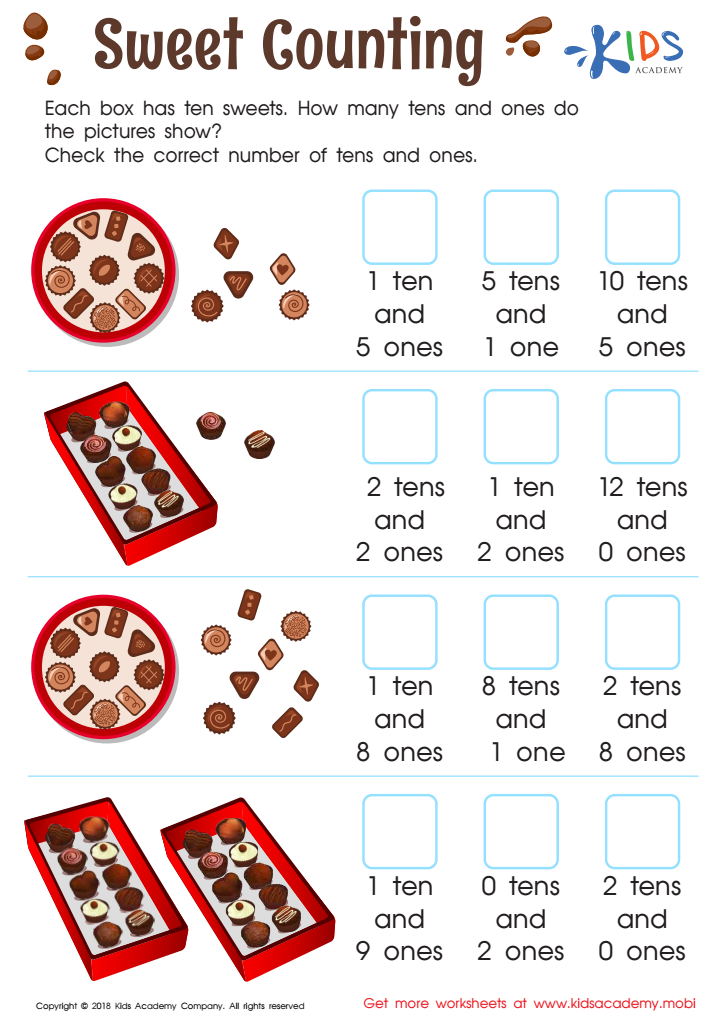
Sweet Counting - Part 2 Worksheet
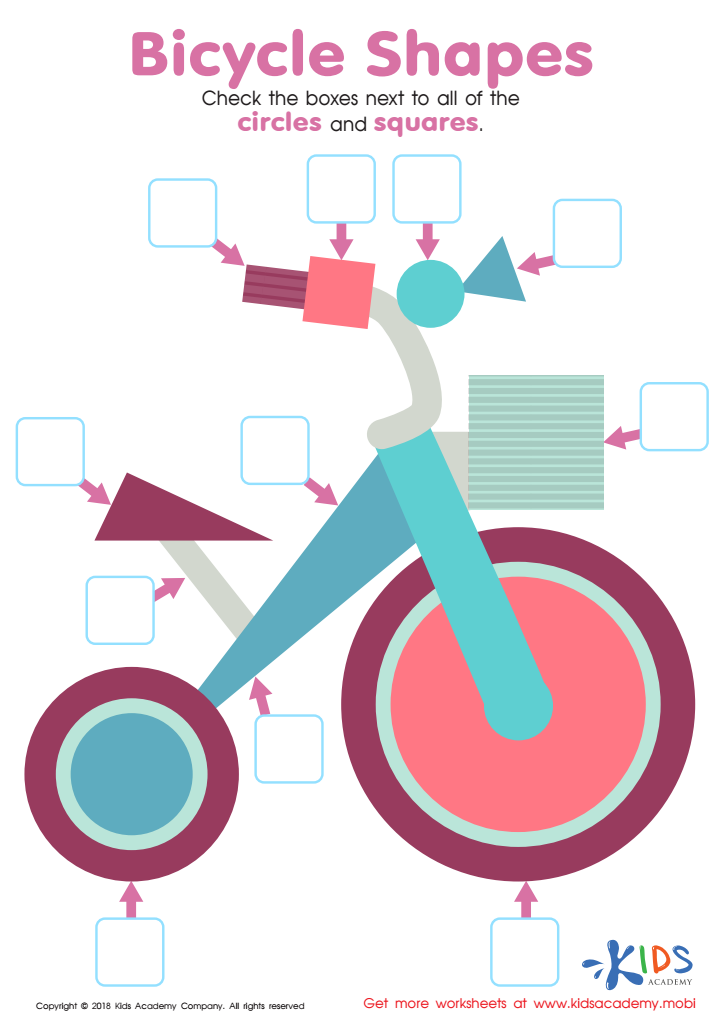
Bicycle Shapes Worksheet
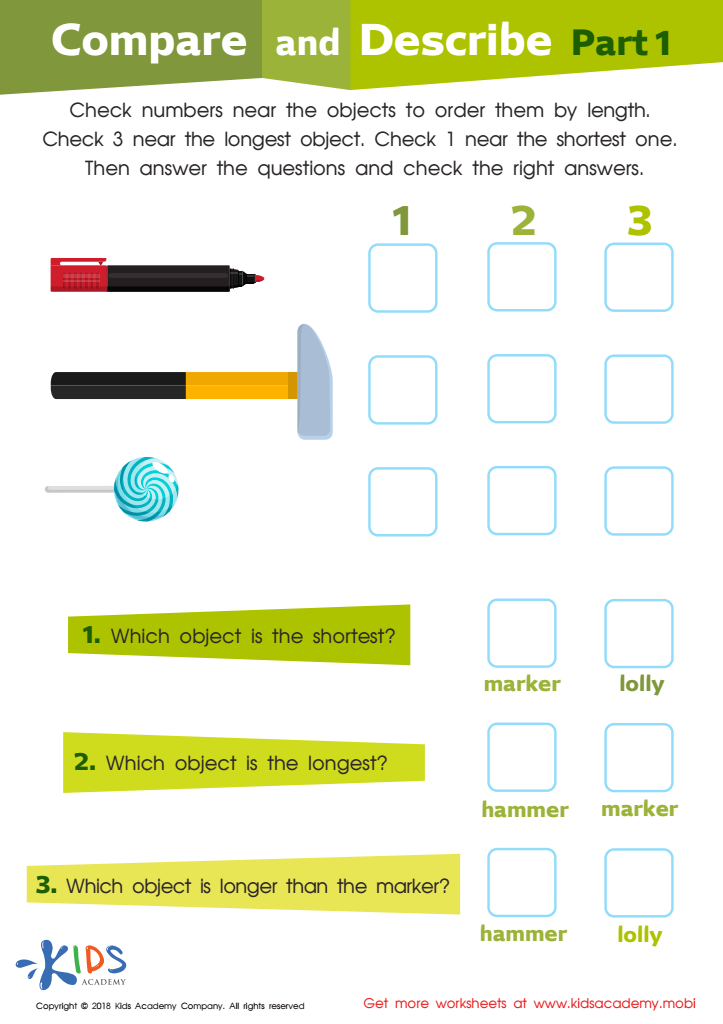
Compare and Describe: Part 1 Worksheet
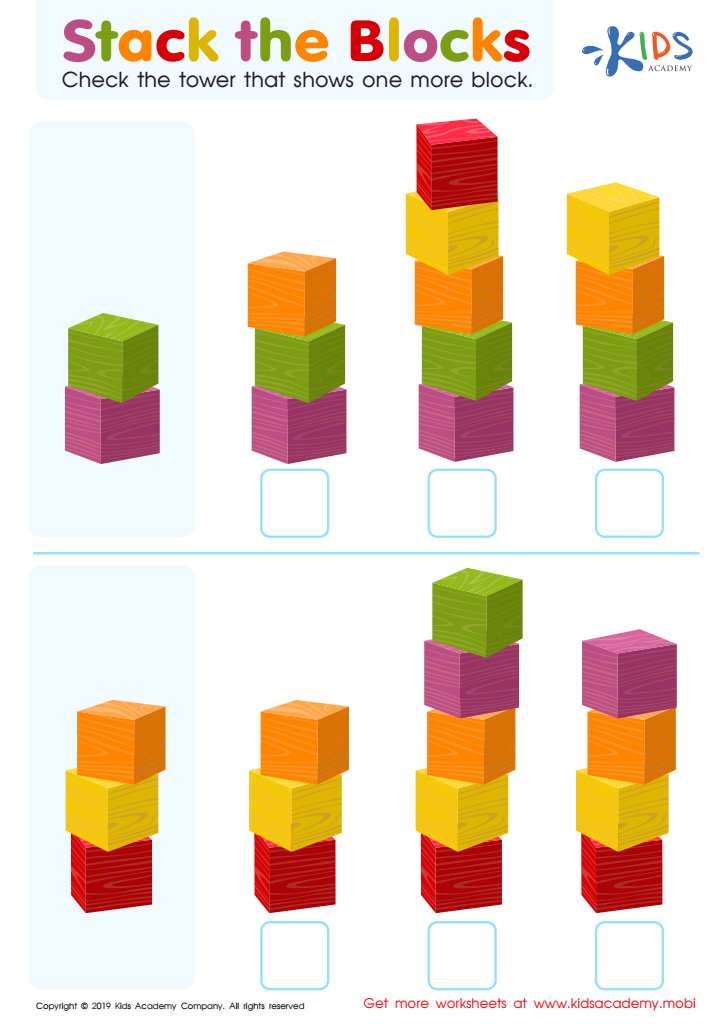
Stack the Blocks Worksheet
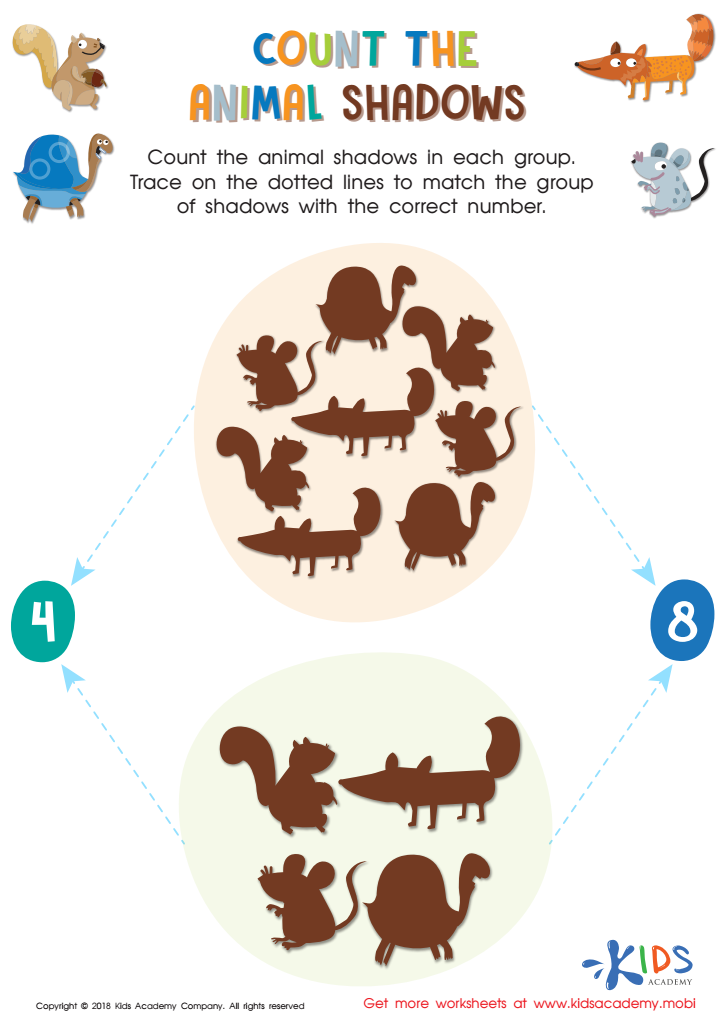
Count the Animal Shadows Worksheet
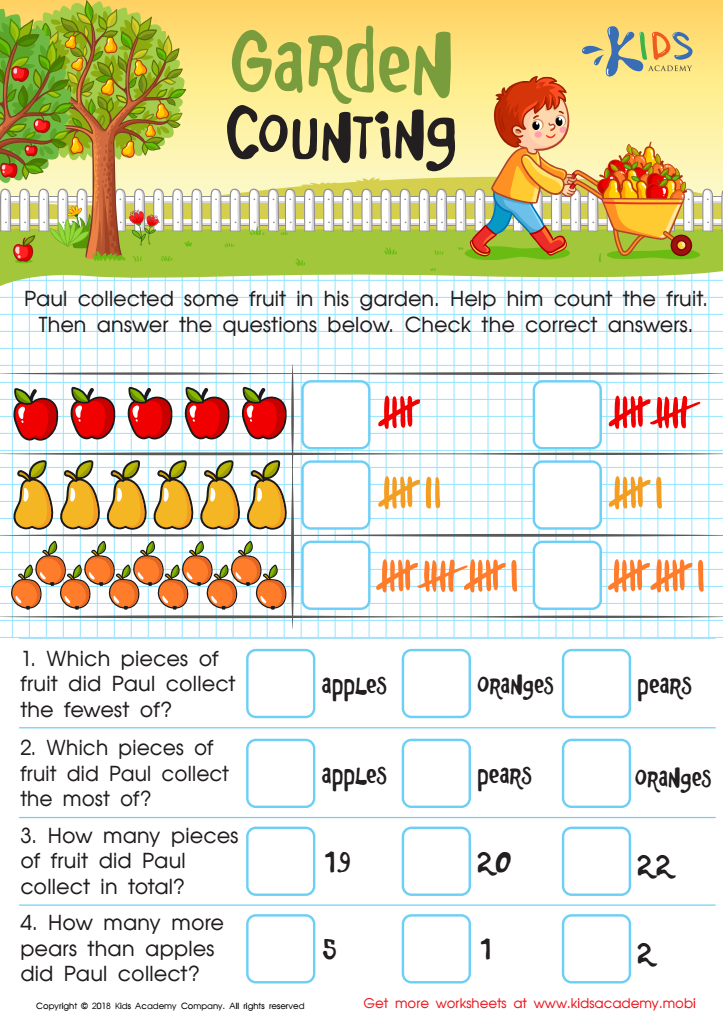
Garden Counting Worksheet
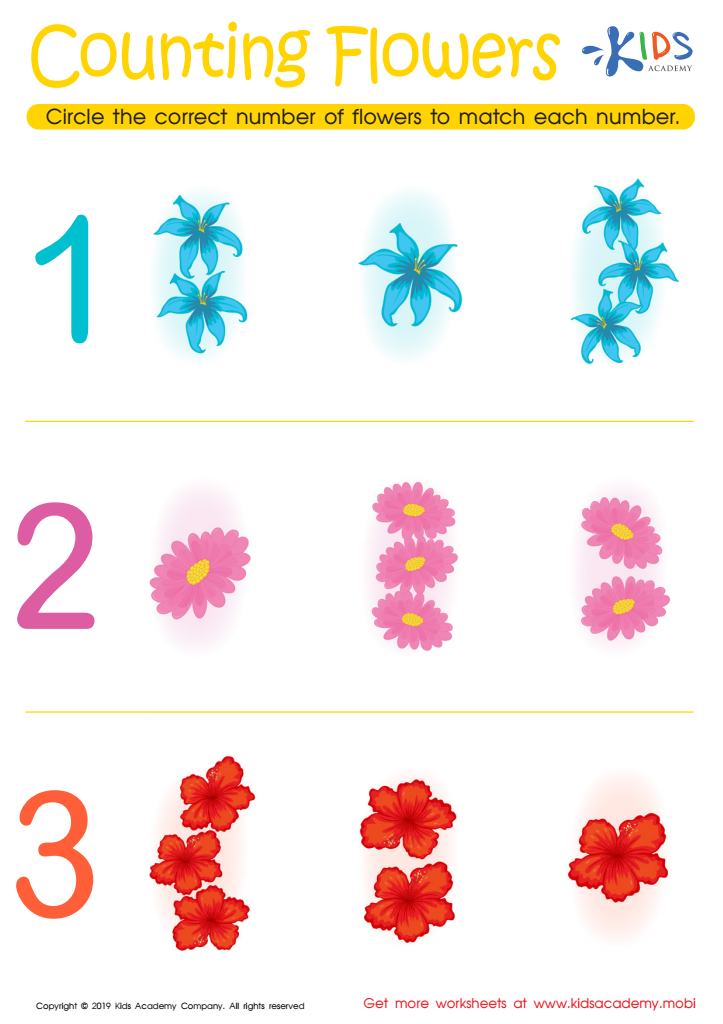
Counting Flowers Worksheet
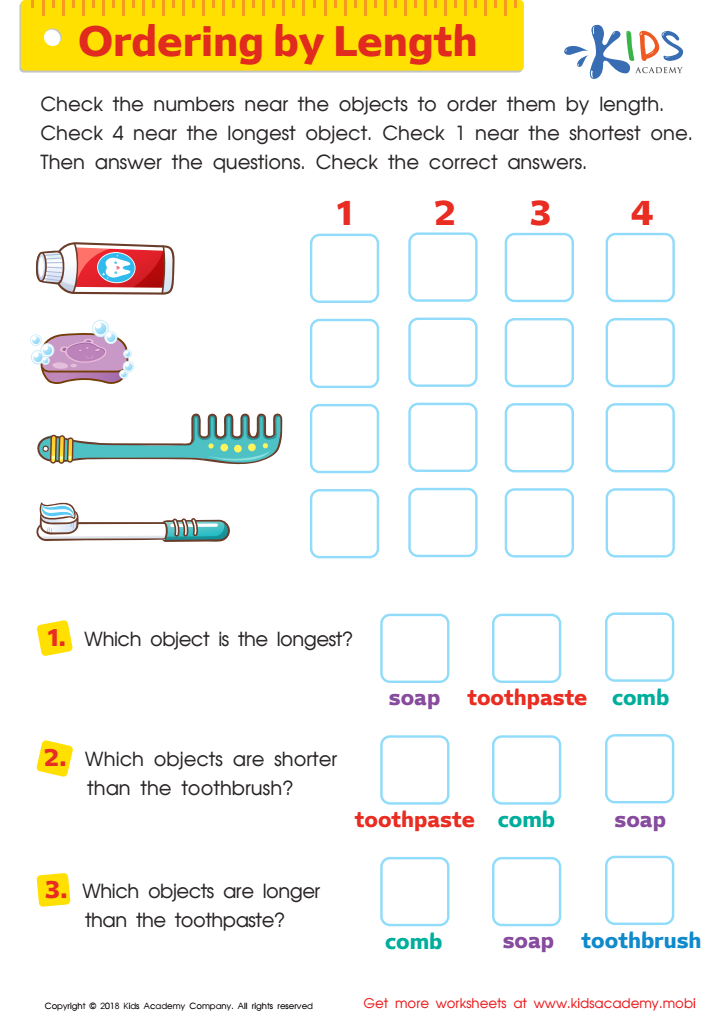
Ordering by Length Worksheet
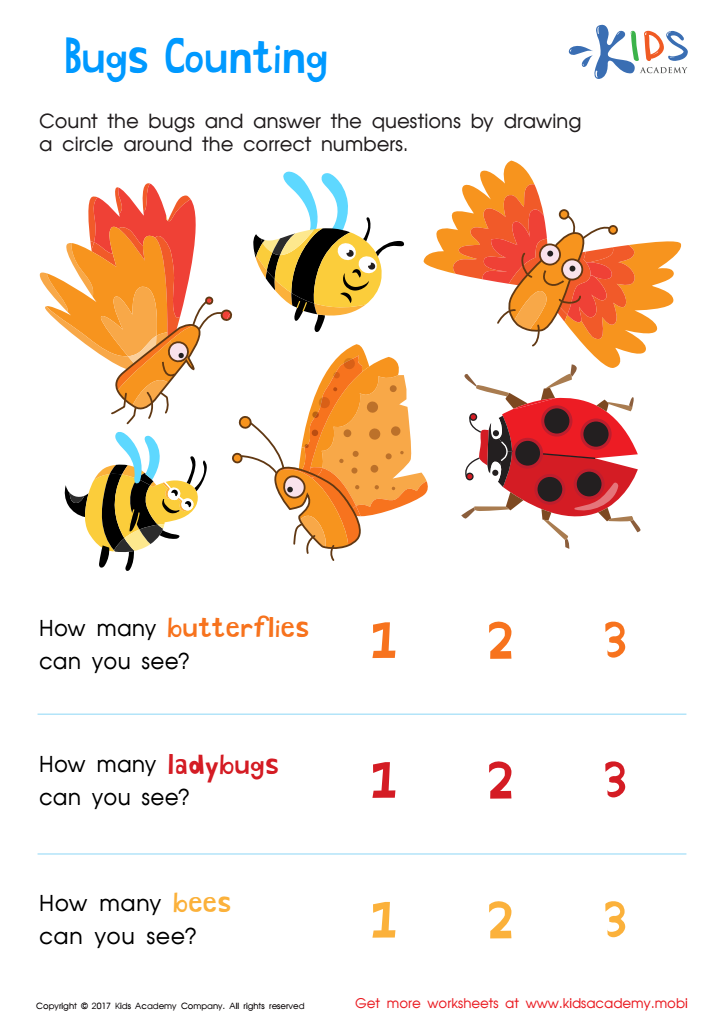
Bugs Counting Worksheet
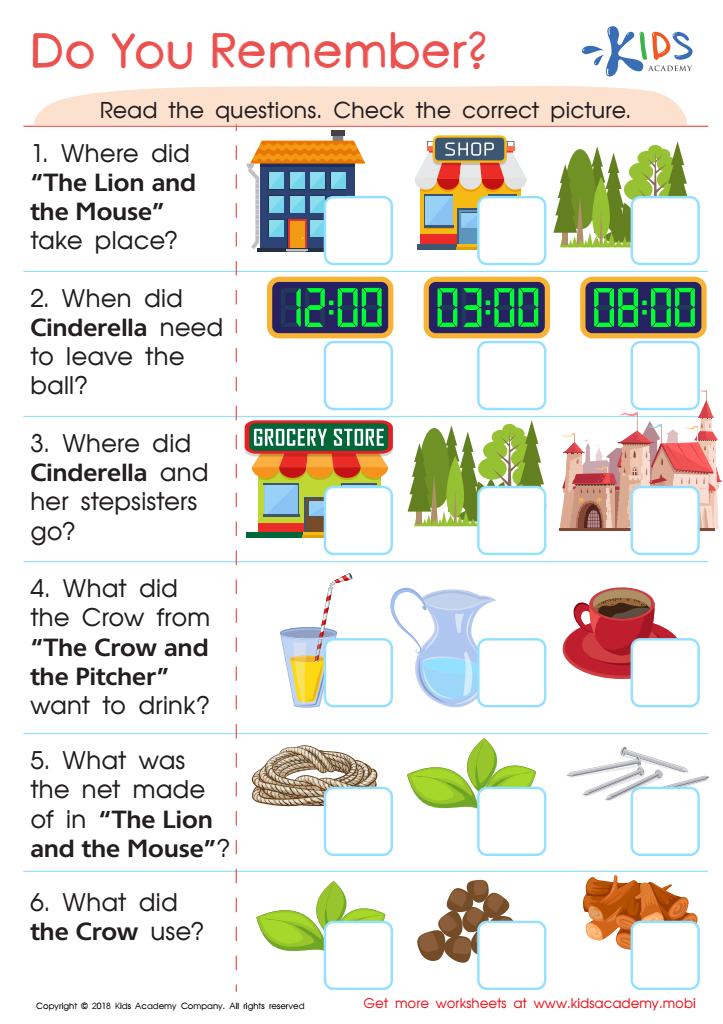
Do You Remember? Worksheet
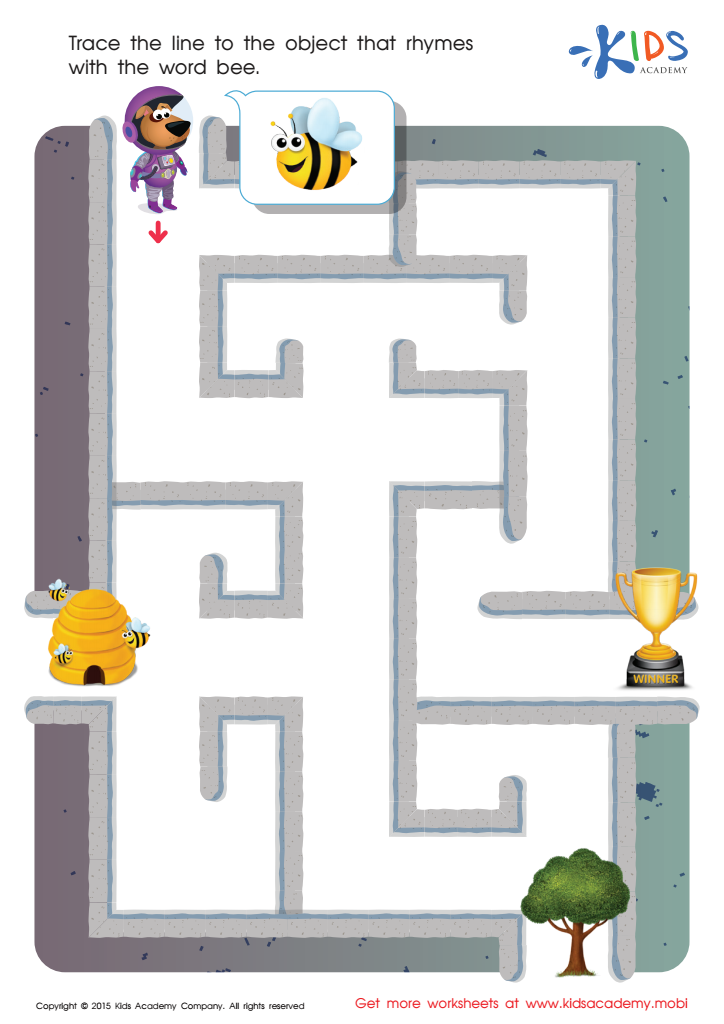
Bee Rhyming Words Worksheet
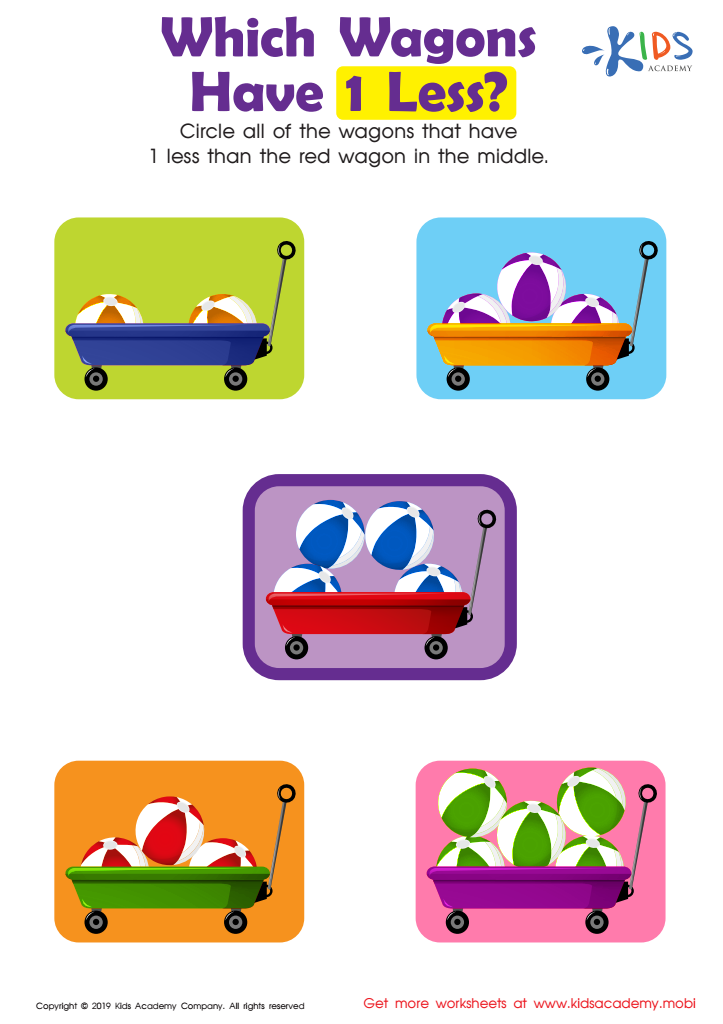
Which Wagons Have 1 Less? Worksheet
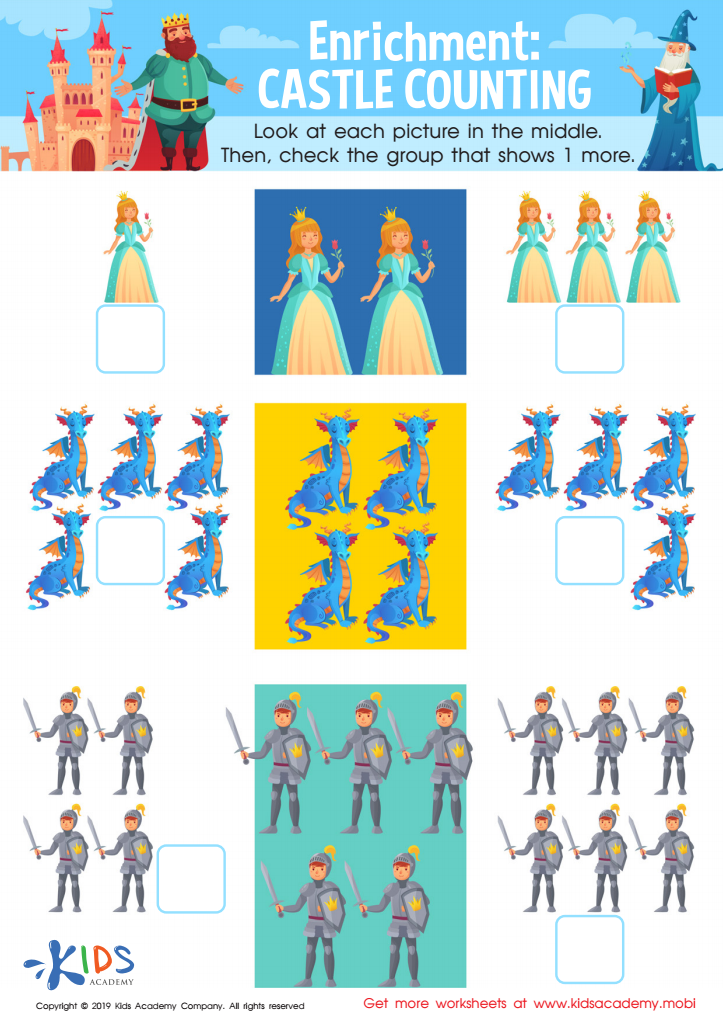
Enrichment: Castle Counting Worksheet

Count and Match Vegetables 1 – 5 Math Worksheet
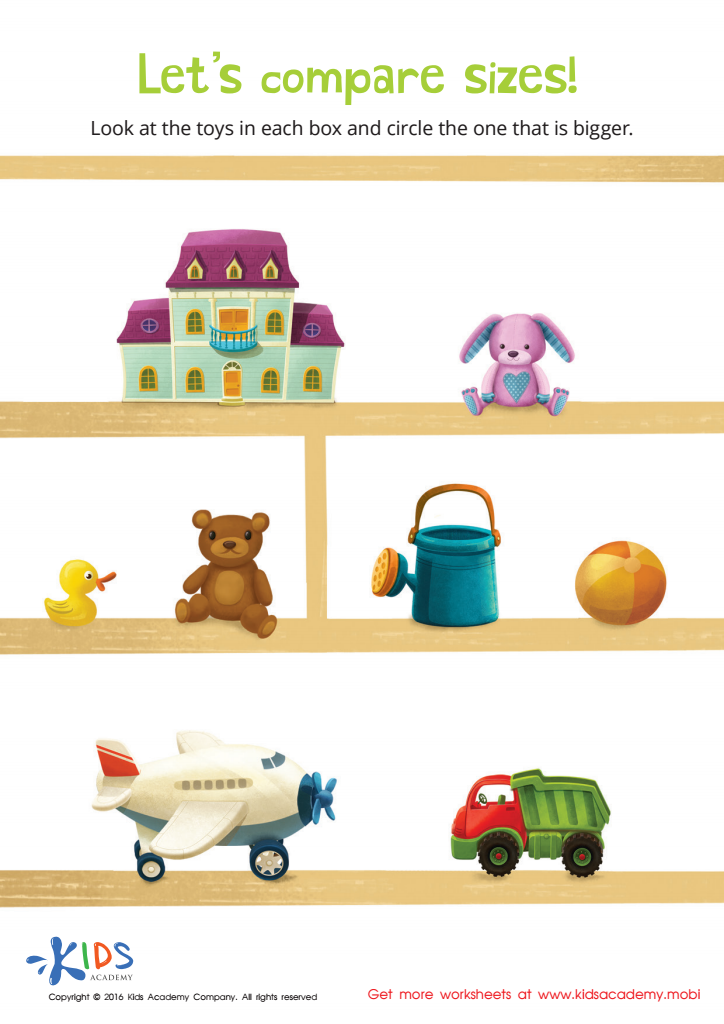
Classifying by Size Sorting Worksheet
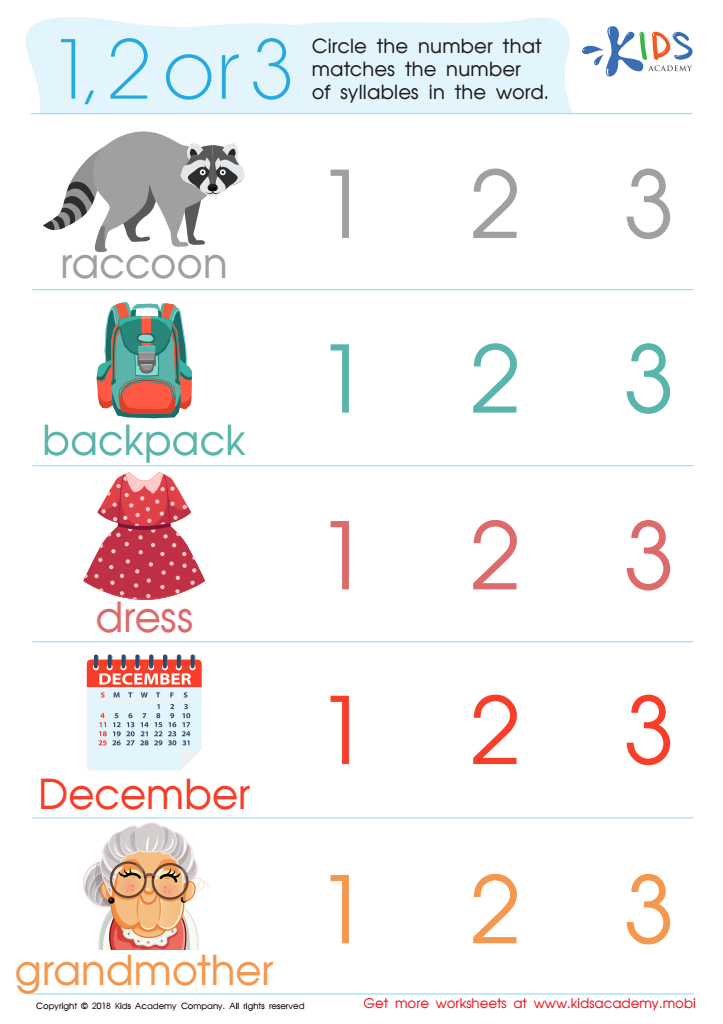
1, 2 or 3? Worksheet







Visual perception is crucial for children ages 6-9 as it lays the foundation for many essential life skills. Parents and teachers should care about this development because it directly impacts a child's ability to read, write, and perform everyday activities efficiently. When a child can accurately interpret visual information, they can more easily make sense of letters, words, and numbers on a page, which is vital for academic success. Strong visual perception skills also enable children to better understand spatial relationships, which are necessary for problem-solving in subjects like mathematics and science.
Moreover, visual perception impacts a child's motor skills, including hand-eye coordination. Whether playing a sport, drawing a picture, or threading a needle, these tasks all rely on how well a child can perceive spatial details. Better visual-motor integration leads to increased confidence and competence in various activities, fostering a positive self-image and enthusiasm for learning.
Lastly, visual perception affects daily life skills, such as navigating a playground, following directions, or even identifying social cues. By supporting the development of these essential skills, parents and teachers can help children build a robust foundation for future learning and everyday functions. Early intervention in case of difficulties also ensures that issues do not interfere with a child's overall development and wellbeing.








