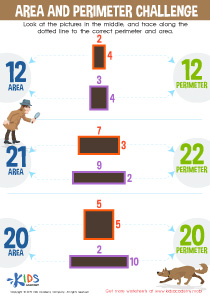
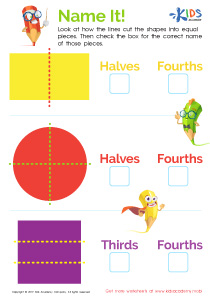
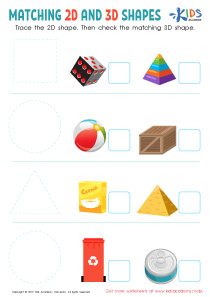
Visual perception 2D Shapes Worksheets for Ages 6-9
4 filtered results
-
From - To
Enhance your child's visual perception and geometry skills with our specially designed 2D Shapes Worksheets for ages 6-9. Our engaging activities will help young learners identify and differentiate various 2D shapes, such as circles, squares, triangles, and more. Through fun exercises and colorful illustrations, kids will develop their spatial awareness and improve mathematical thinking. Perfect for classroom use or at-home practice, these worksheets cater to different learning styles and ensure that foundational concepts are grasped effectively. Give your child the confidence to succeed in math with these interactive and educational resources!
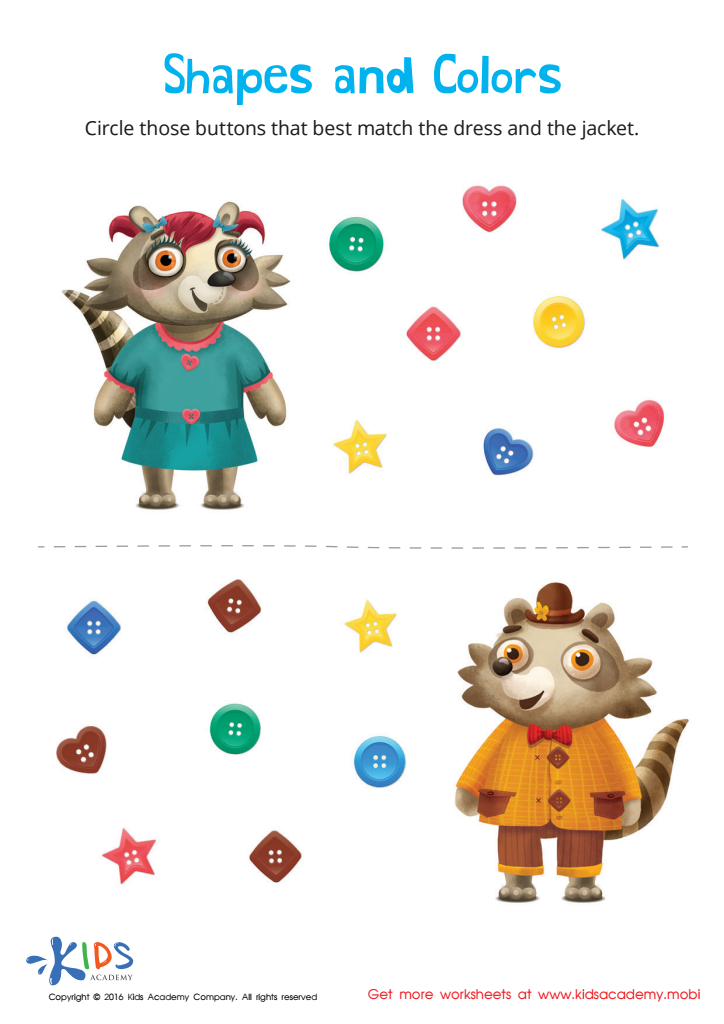
Matching: Shapes and Colors Worksheet
 Assign to My Students

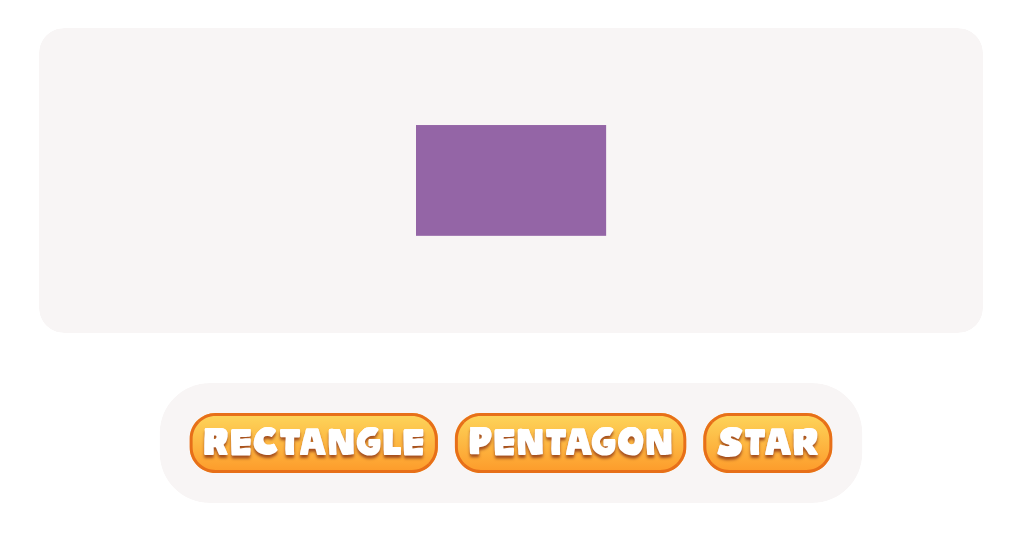
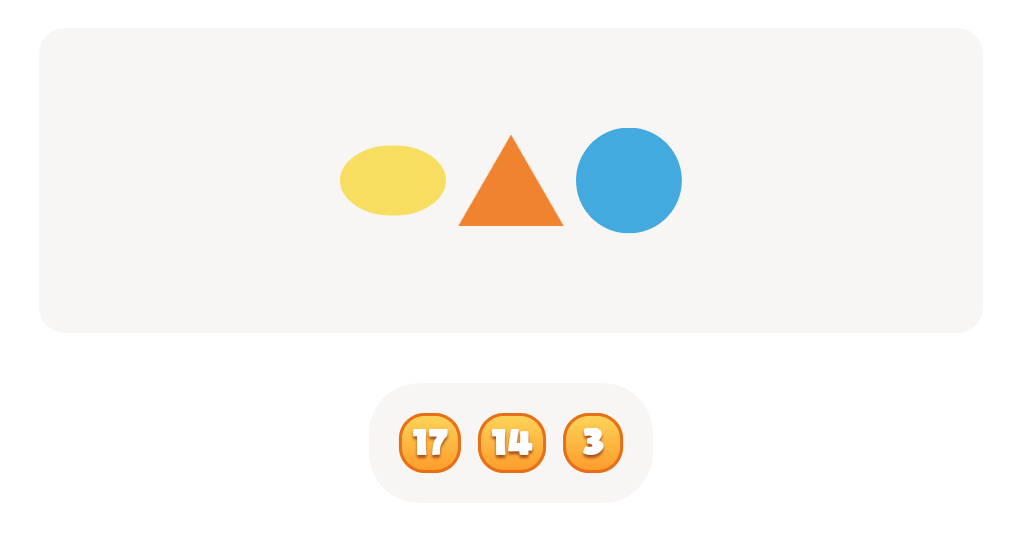
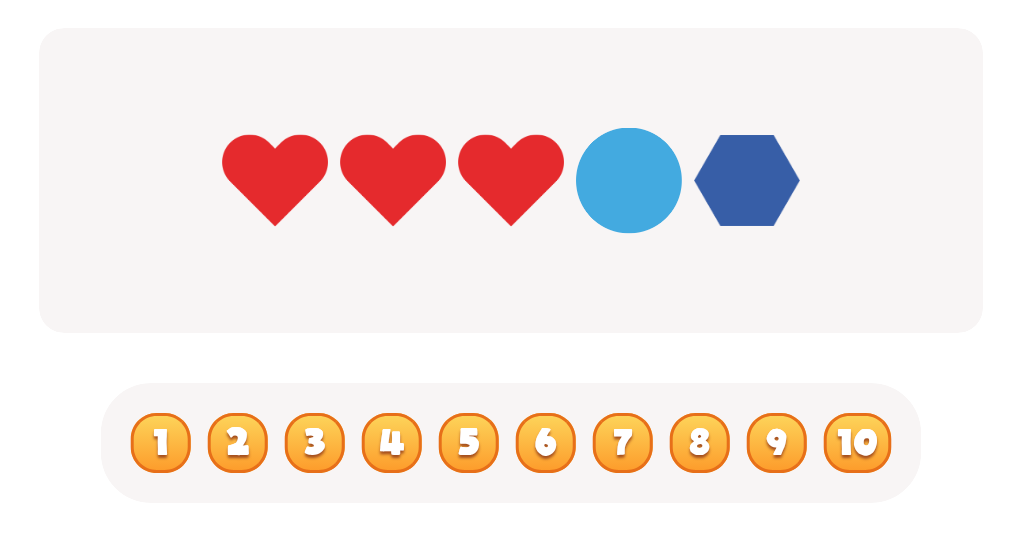
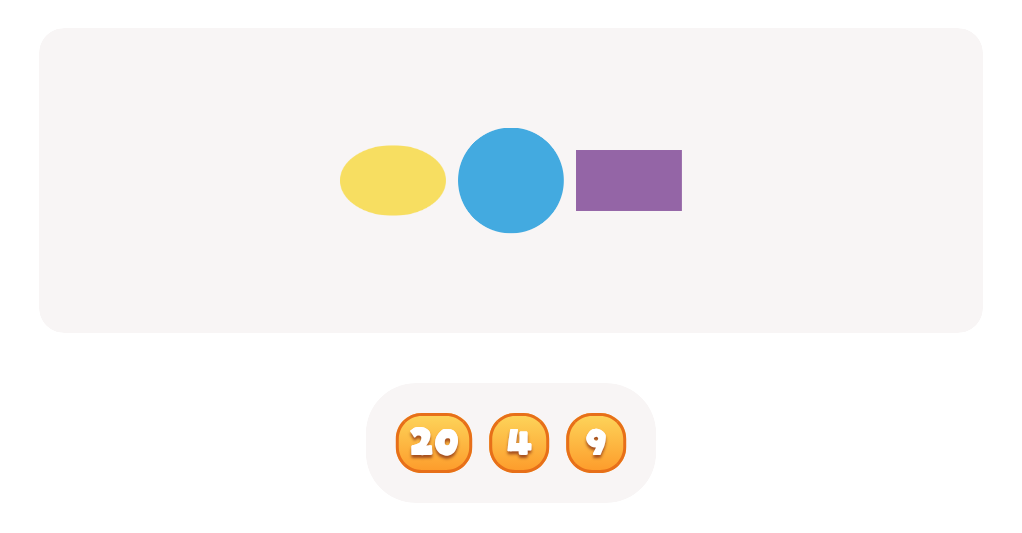
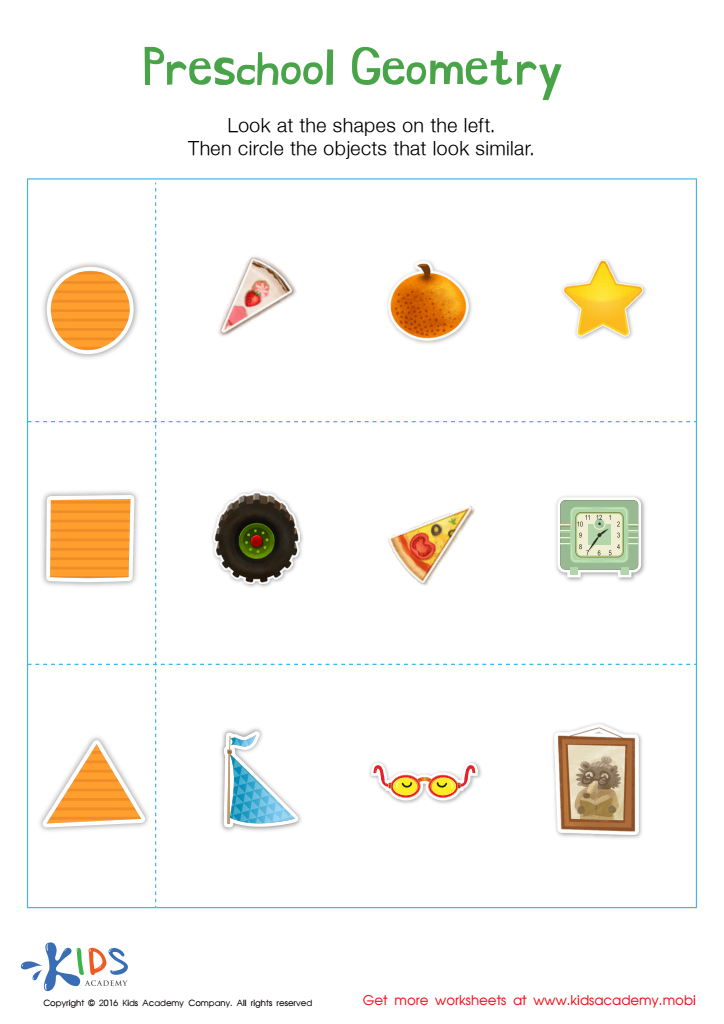
Preschool Geometry Match Up Worksheet
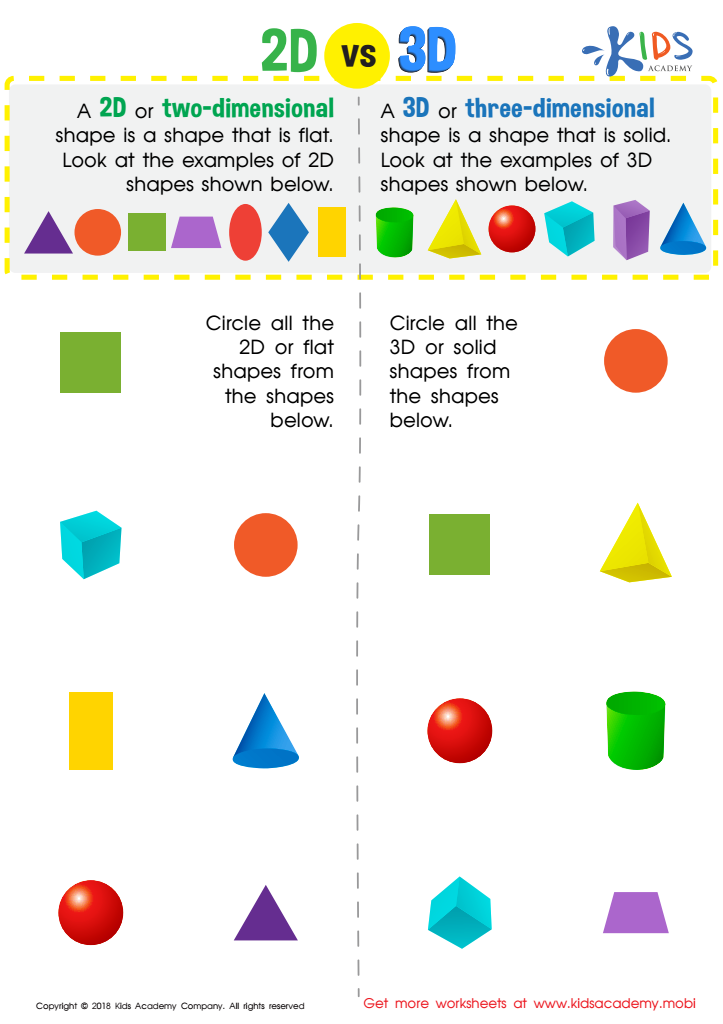
2D vs 3D Shapes Worksheet
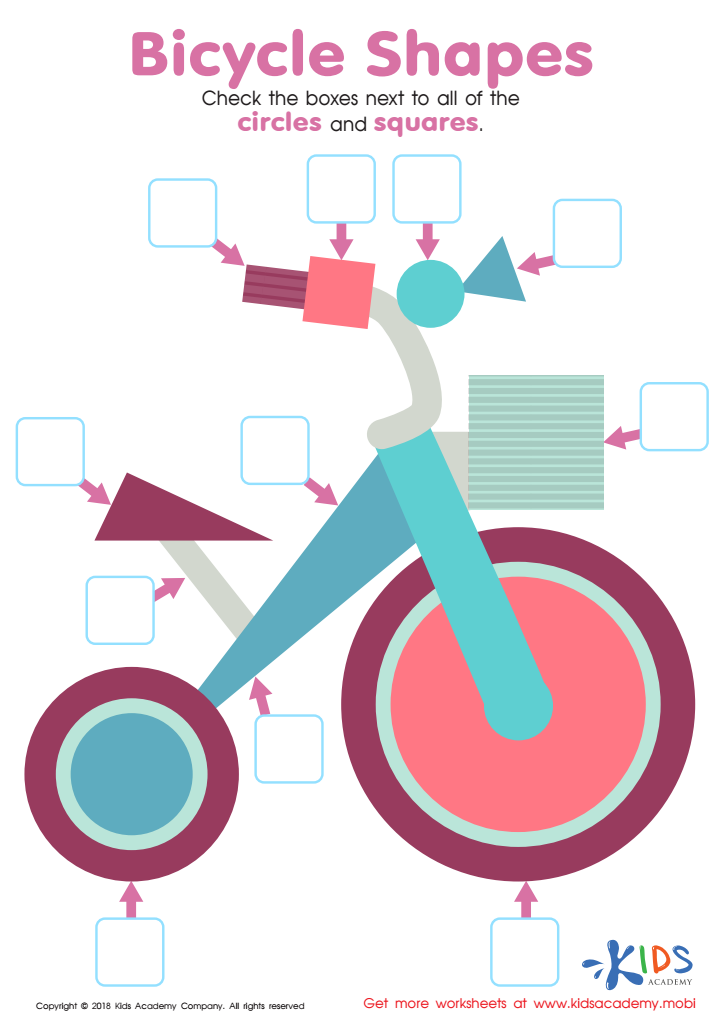
Bicycle Shapes Worksheet








Visual perception of 2D shapes is a vital developmental aspect for children aged 6-9, crucially bridging early learning with more complex cognitive skills. For parents and teachers, fostering this ability supports multiple areas of learning and daily functioning. Firstly, recognizing and differentiating 2D shapes helps in developing basic geometry skills, forming a foundation for future mathematics education. Shapes and patterns are primary concepts in math curricula, and proficiency in these areas leads to easier understanding of measurements, symmetry, and geometry.
Beyond math, visual perception plays a role in reading and writing. Being able to distinguish visual differences aids in letter and word recognition, which directly impacts literacy. For instance, noticing the differences and similarities between the letters "b" and "d" or "p" and "q" is crucial for accurate reading and writing.
Additionally, visual perceptual skills enhance problem-solving and analytical thinking. Engaging in activities like puzzles or matching games encourages critical thinking and pattern recognition, skills transferable to various subjects and real-life situations.
For social and emotional development, success in these tasks builds confidence and encourages perseverance. Children feeling competent in visual tasks are likely to enjoy learning more and exhibit greater academic motivation. Therefore, focusing on the development of visual perception of 2D shapes for 6-9-year-olds lays the groundwork for multifaceted academic and personal growth.