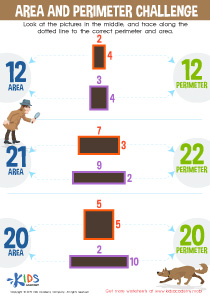
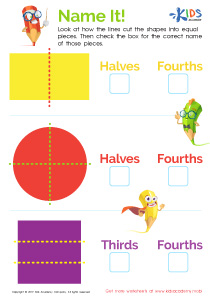
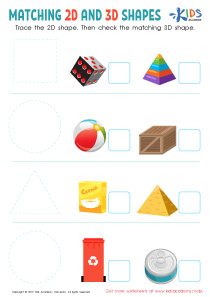
Visual Perception Skills 2D Shapes Worksheets for Ages 6-9
3 filtered results
-
From - To
Enhance your child's visual perception skills with Kids Academy's 2D Shapes Worksheets designed for ages 6-9. These engaging activities develop critical thinking, improve shape recognition, and strengthen spatial awareness through interactive exercises. Perfect for both classroom and at-home learning, each worksheet provides fun challenges that help children identify and differentiate various 2D shapes. Encourage your little learner to boost their problem-solving abilities while enjoying colorful and creative tasks tailored specifically for their age group. Start building a strong foundation in geometry and visual processing skills with Kids Academy's expertly crafted resources.
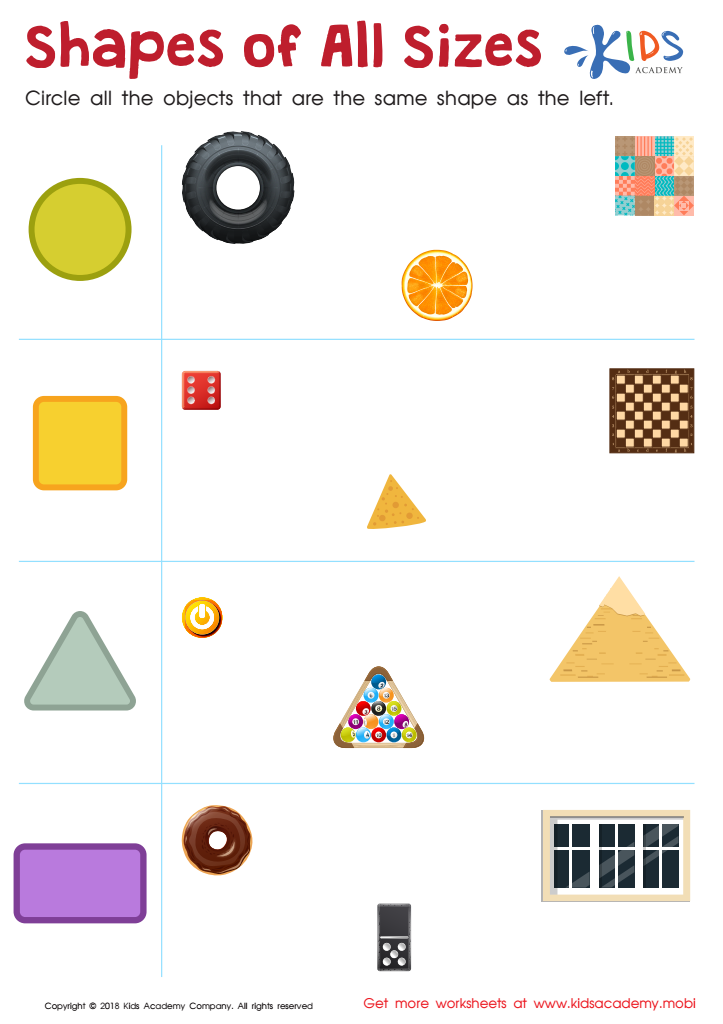
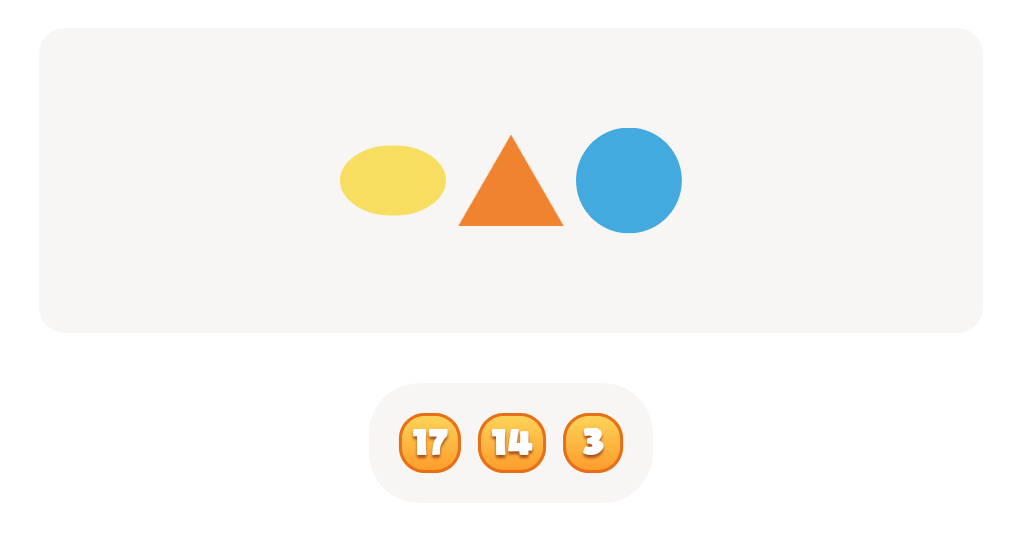
Shapes of All Sizes Worksheet
 Assign to My Students










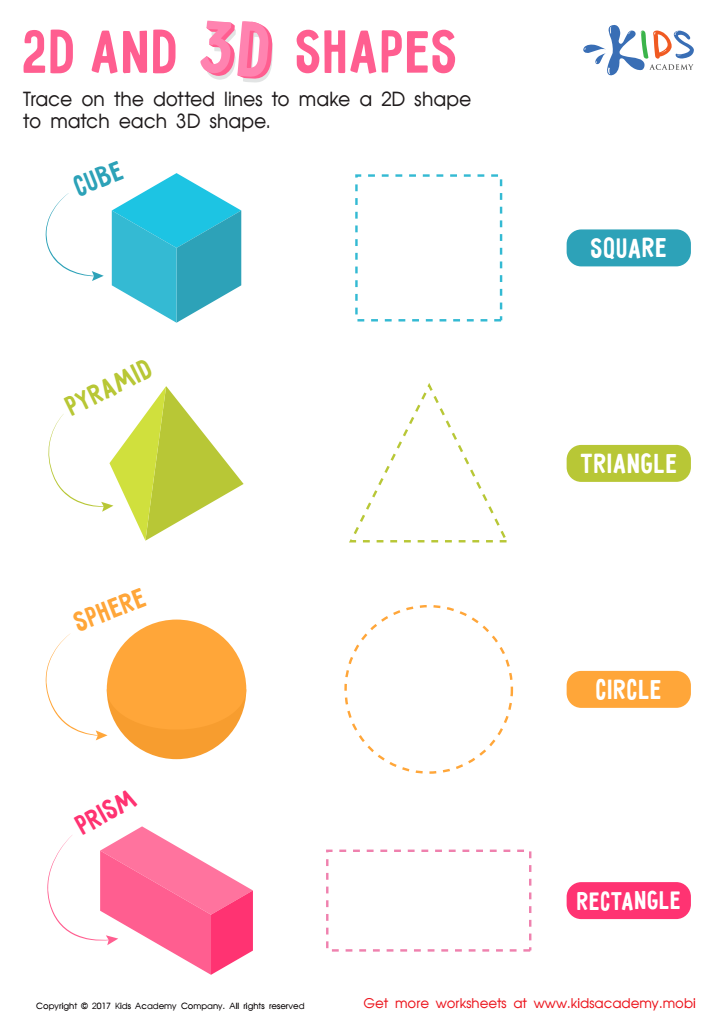
2D and 3D Shapes Worksheet
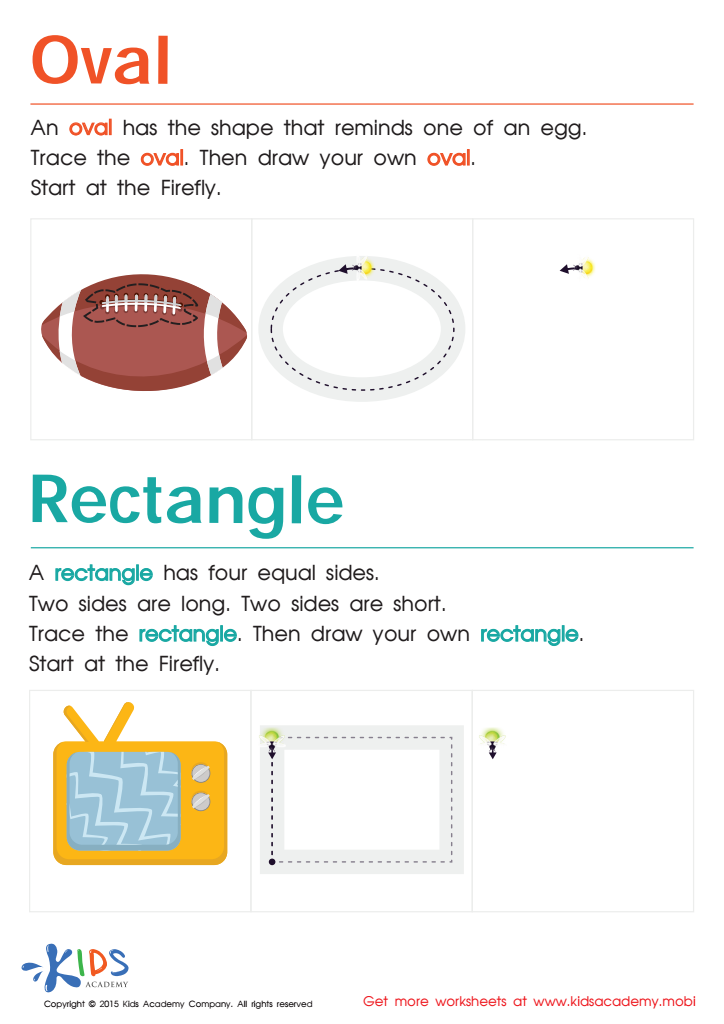
Easy Drawing of Ovals And Rectangles Worksheet








Visual perception skills in understanding 2D shapes are foundational for children aged 6-9, influencing their cognitive development and everyday functioning. These skills encompass the ability to recognize, interpret, and organize visual information. Mastery of 2D shapes aids children in distinguishing differences and similarities, enhancing pattern recognition, which is essential for math and reading.
For instance, recognizing shapes lays the groundwork for geometry, helping children grasp complex concepts later in their education. It also facilitates their spatial awareness—understanding how to navigate through their environment safely, interpreting maps, or assembling puzzles. These abilities are crucial for problem-solving and logical thinking, promoting overall academic success.
In reading, differentiating shapes helps distinguish letters and numbers, preventing confusion between similarly shaped characters (like 'b' and 'd'). This is critical for accurate reading and writing, boosting literacy skills.
Moreover, these skills support everyday activities like categorizing objects, understanding symbols in instructions, and even social interactions through recognizing facial expressions and body language. Thus, nurturing visual perception skills in understanding 2D shapes equips children with the necessary tools to interpret and interact with the world effectively. Early development in this area enriches their learning, promotes independence, and builds a robust foundation for future academic and personal achievements.