Counting practice Addition & Subtraction Worksheets for Ages 6-9 - Page 2
70 filtered results
-
From - To
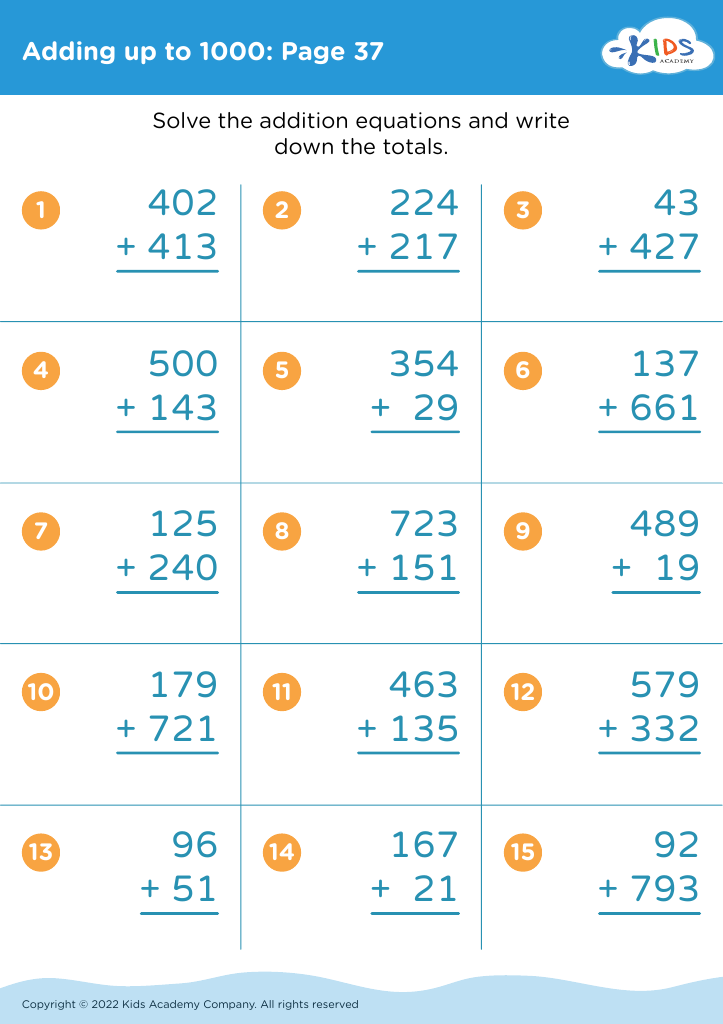
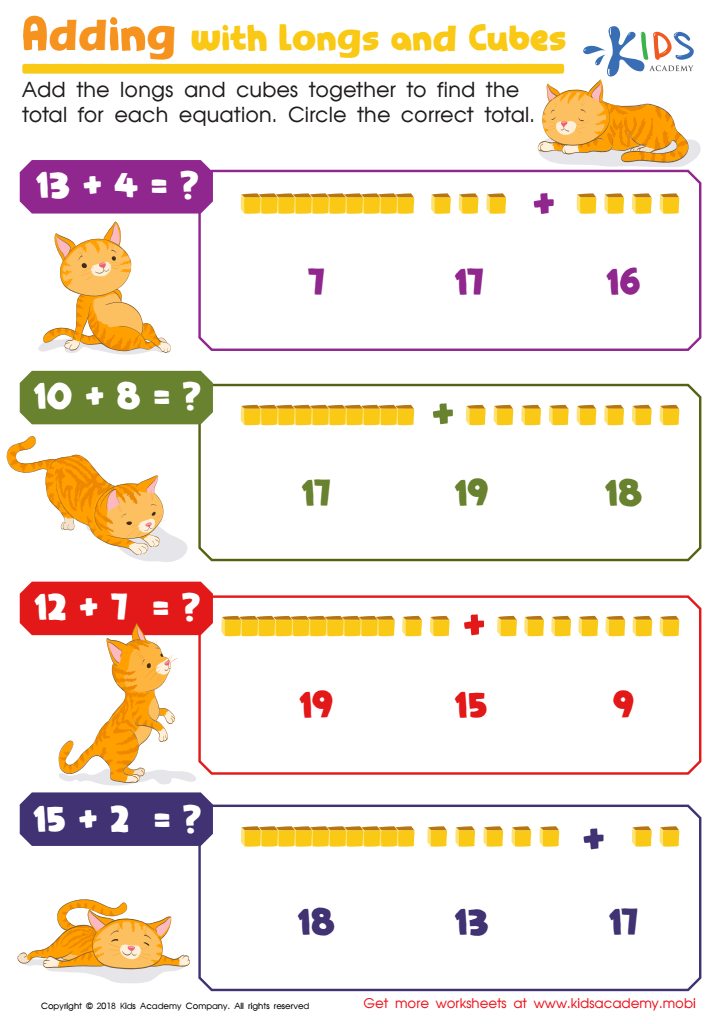
Adding With Longs and Cubes Worksheet
 Assign to My Students
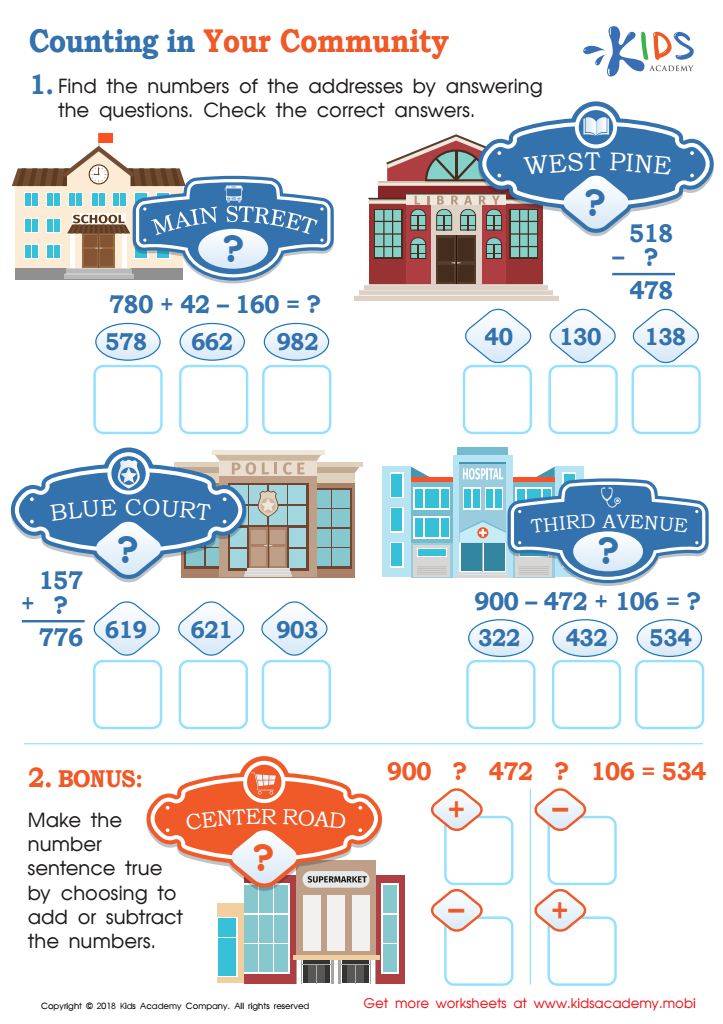
Counting in Your Community Worksheet
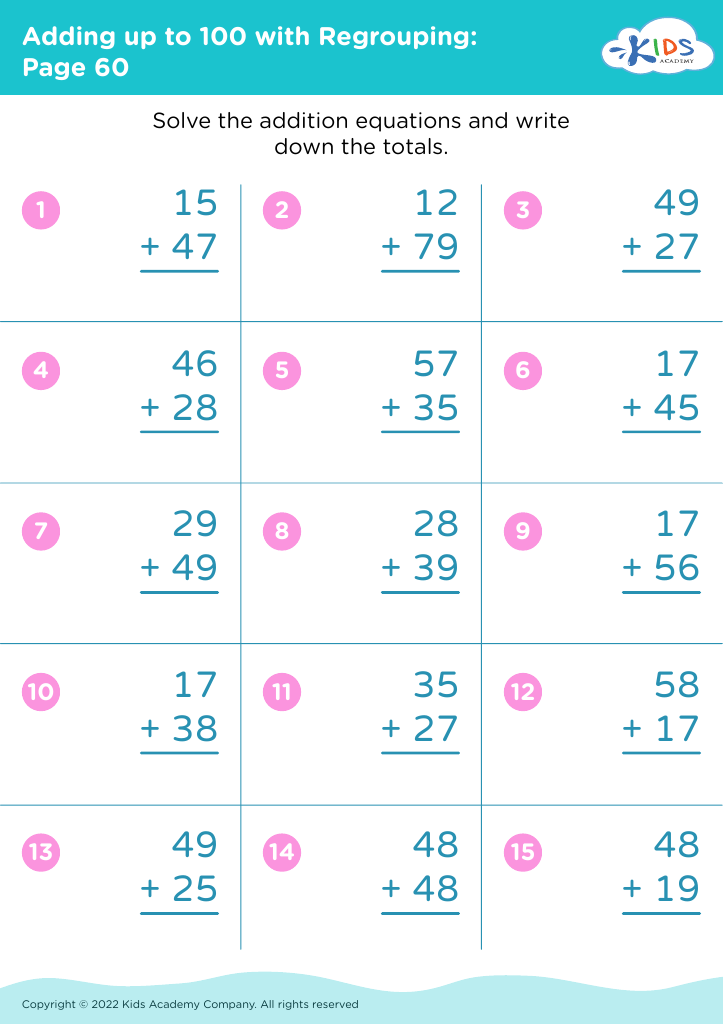
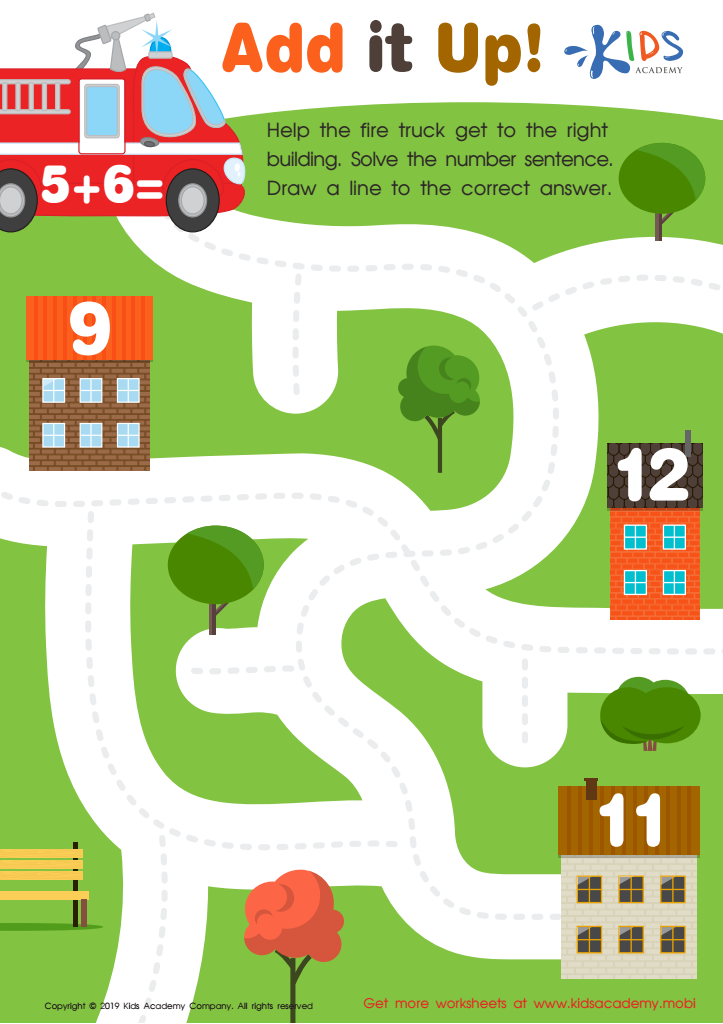
Add it Up Worksheet
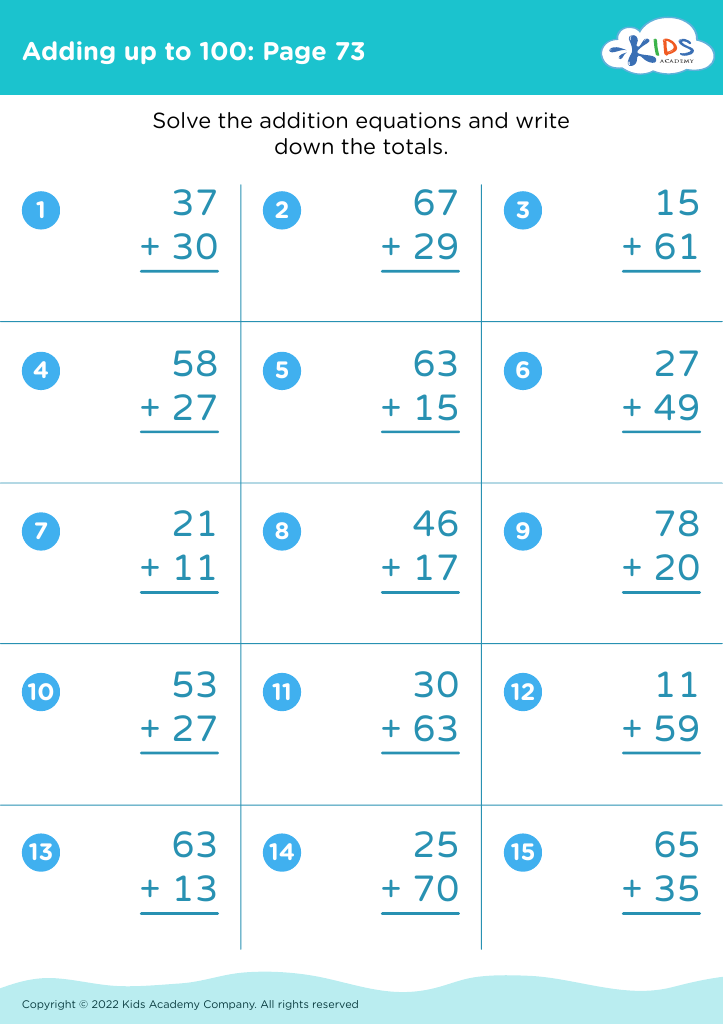
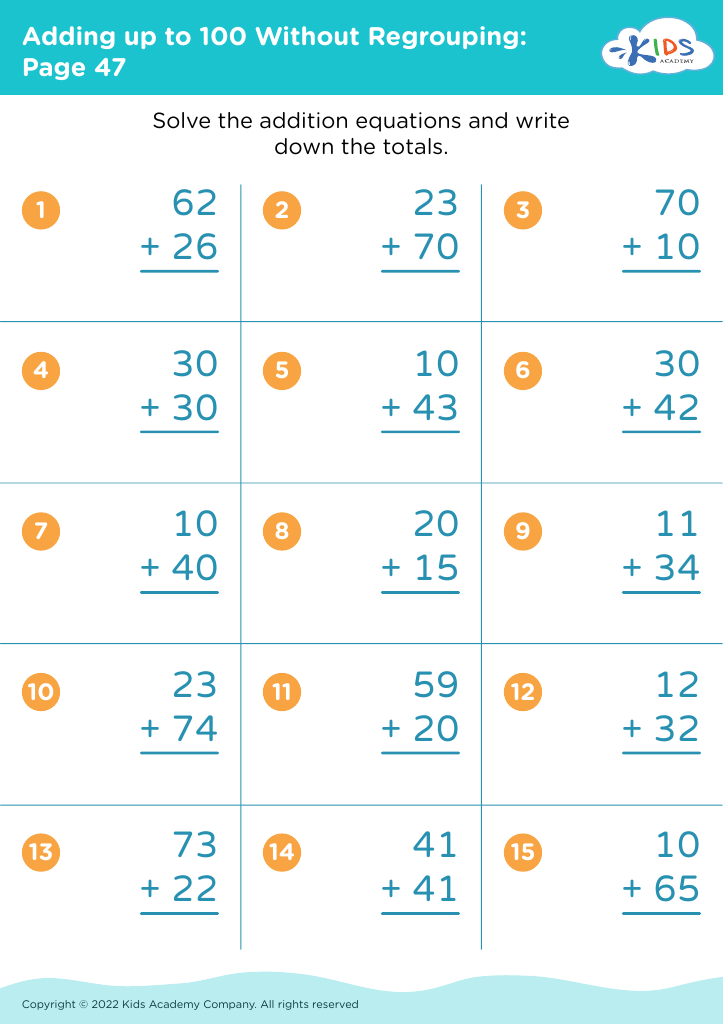
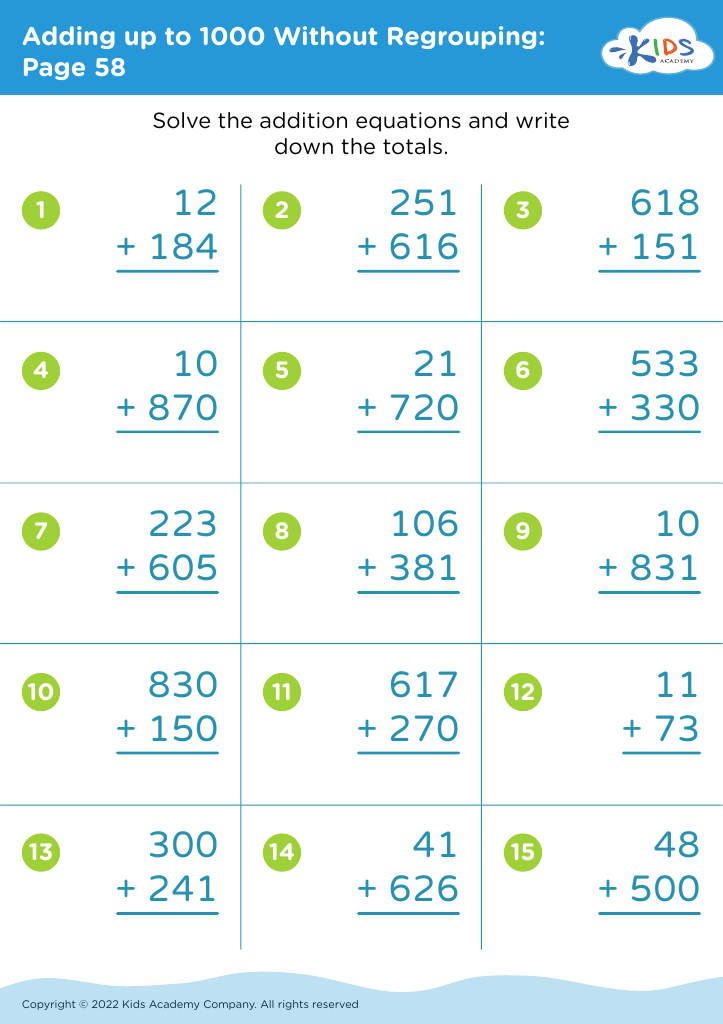
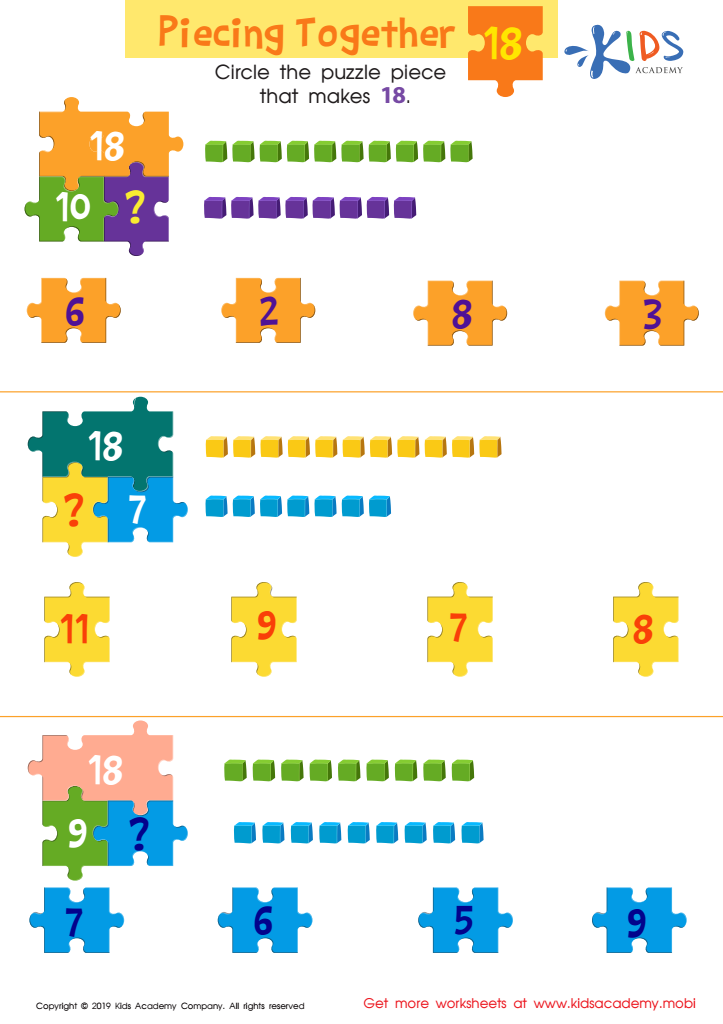
Piecing Together 18 Worksheet
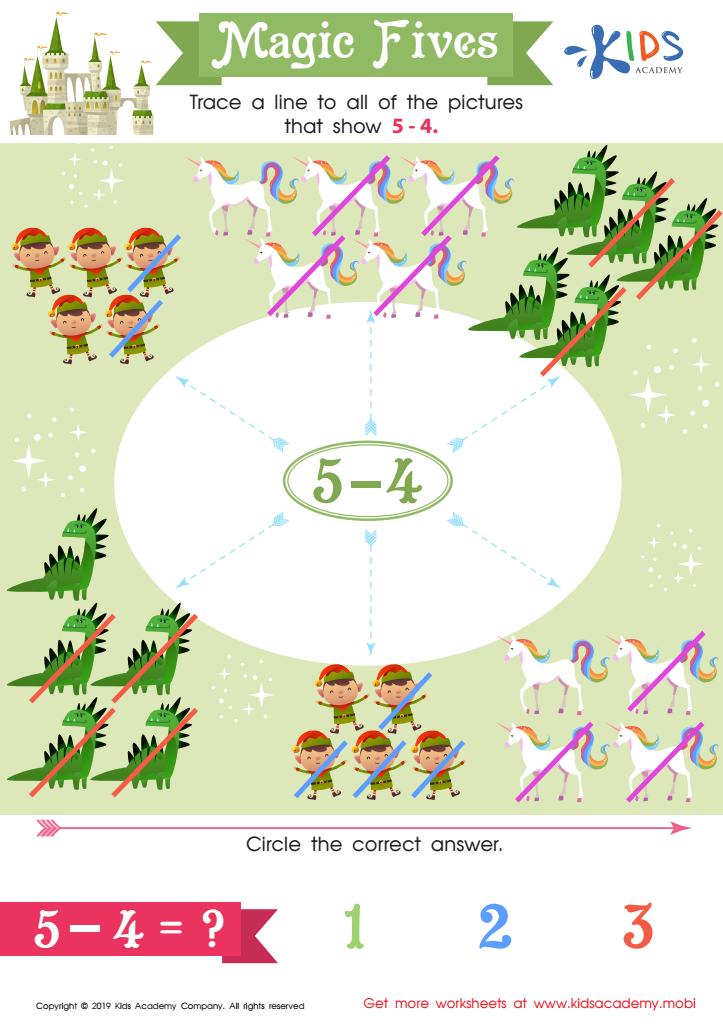
Magic Fives Worksheet
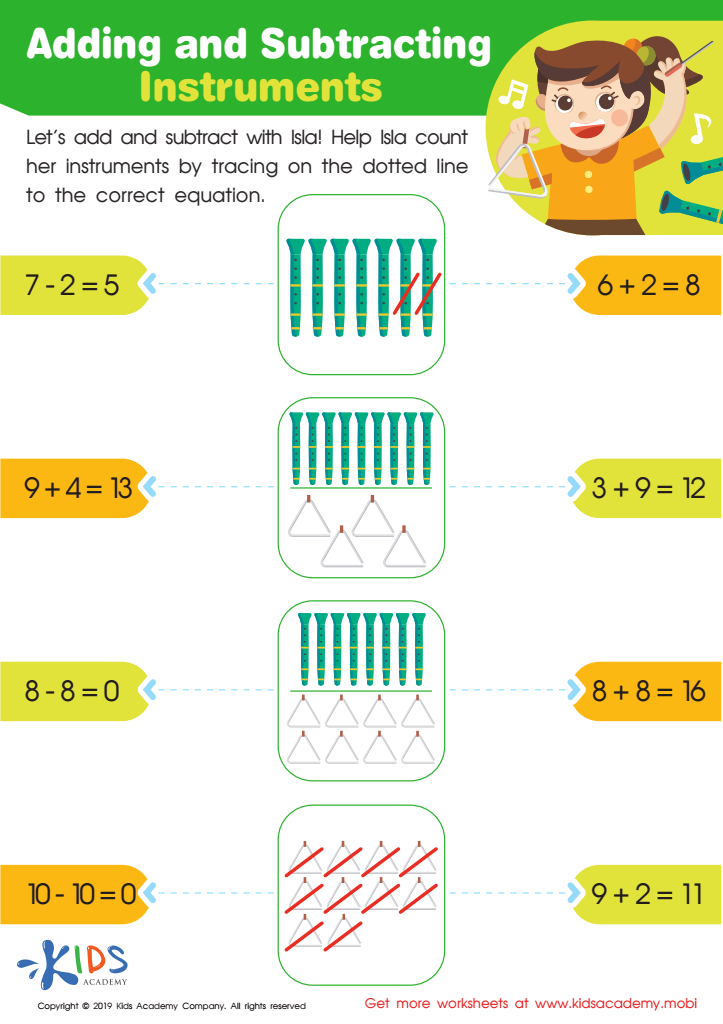
Adding and Subtracting: Instruments Worksheet
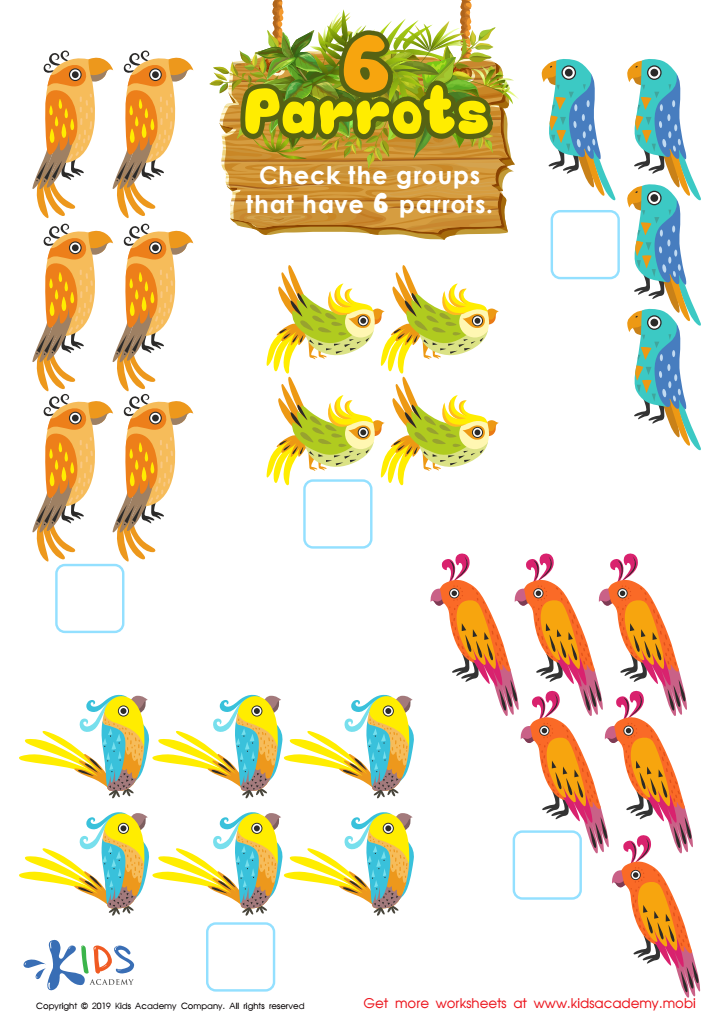
6 Parrots Worksheet
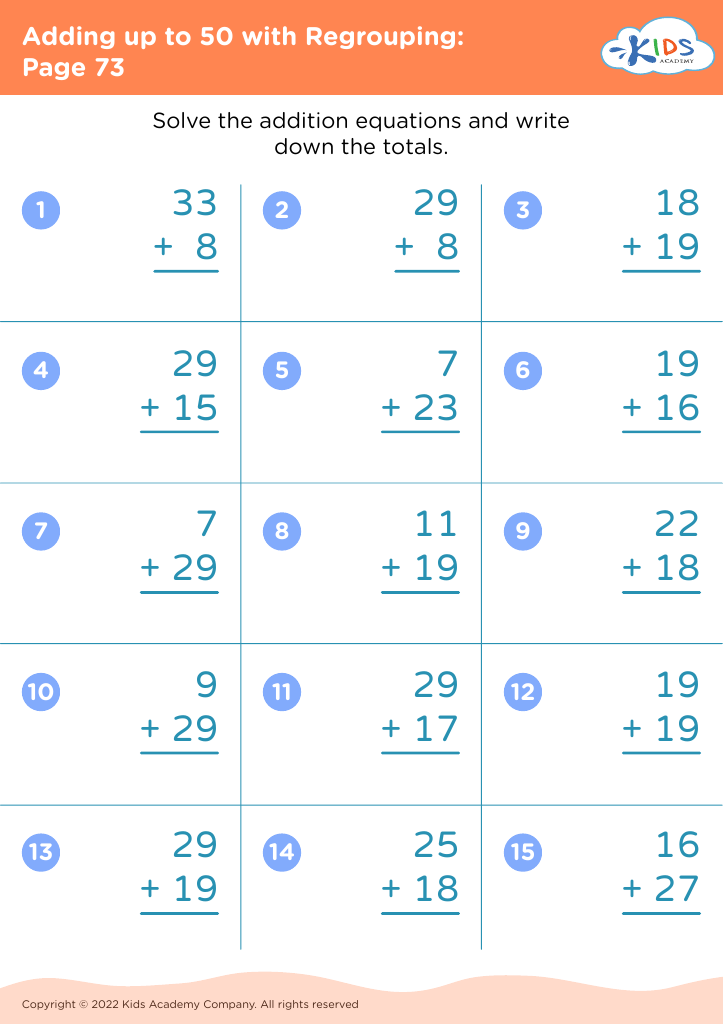
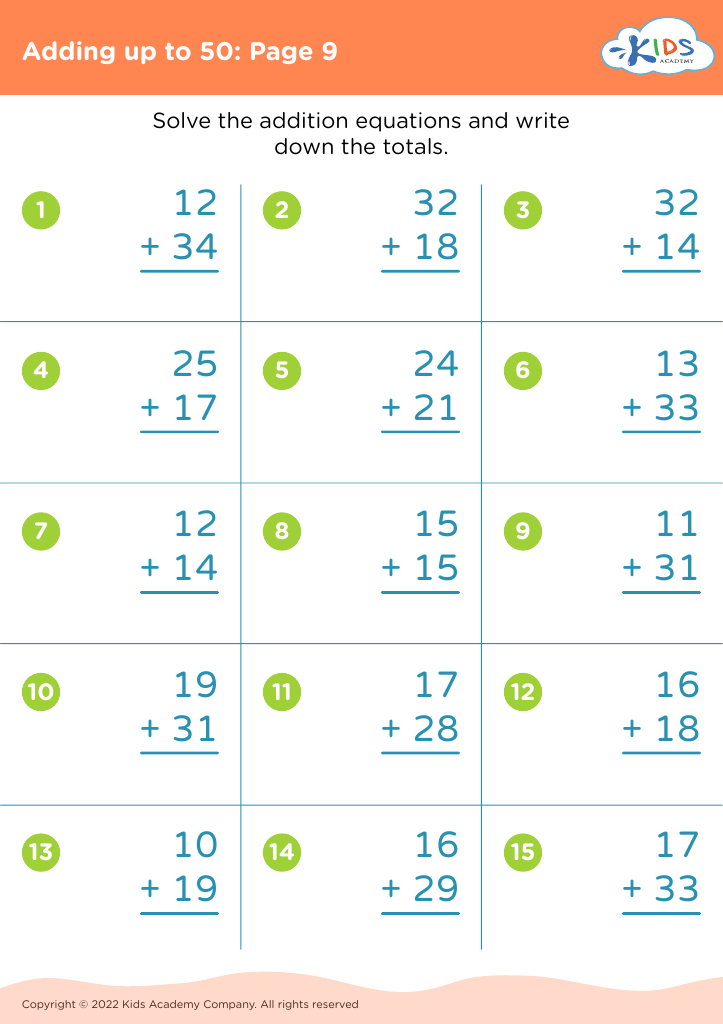
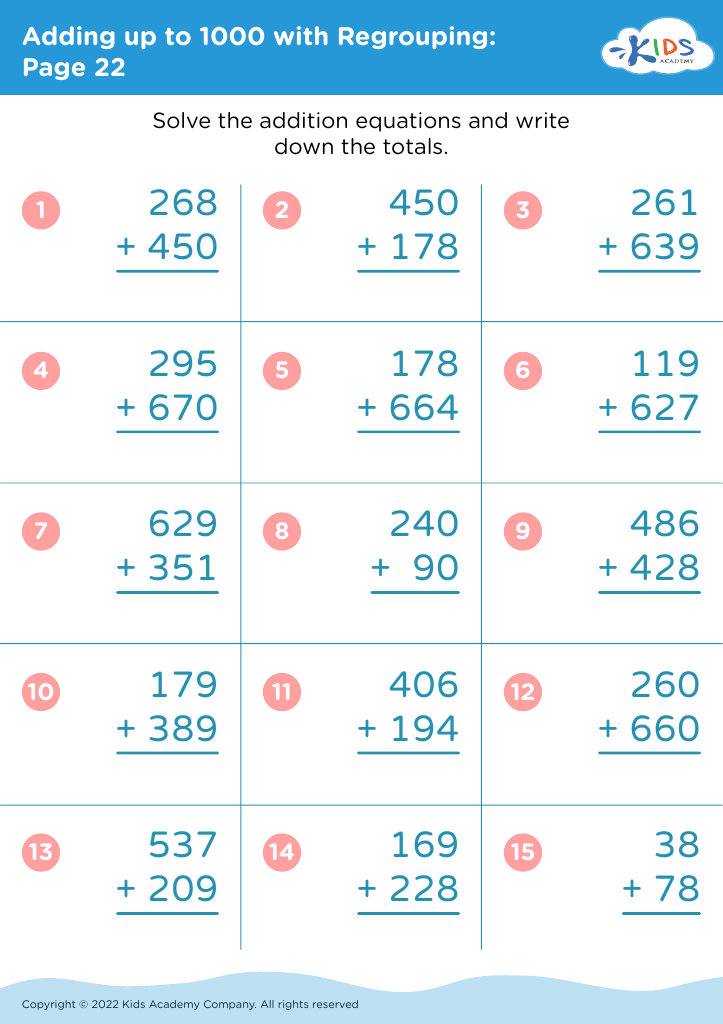
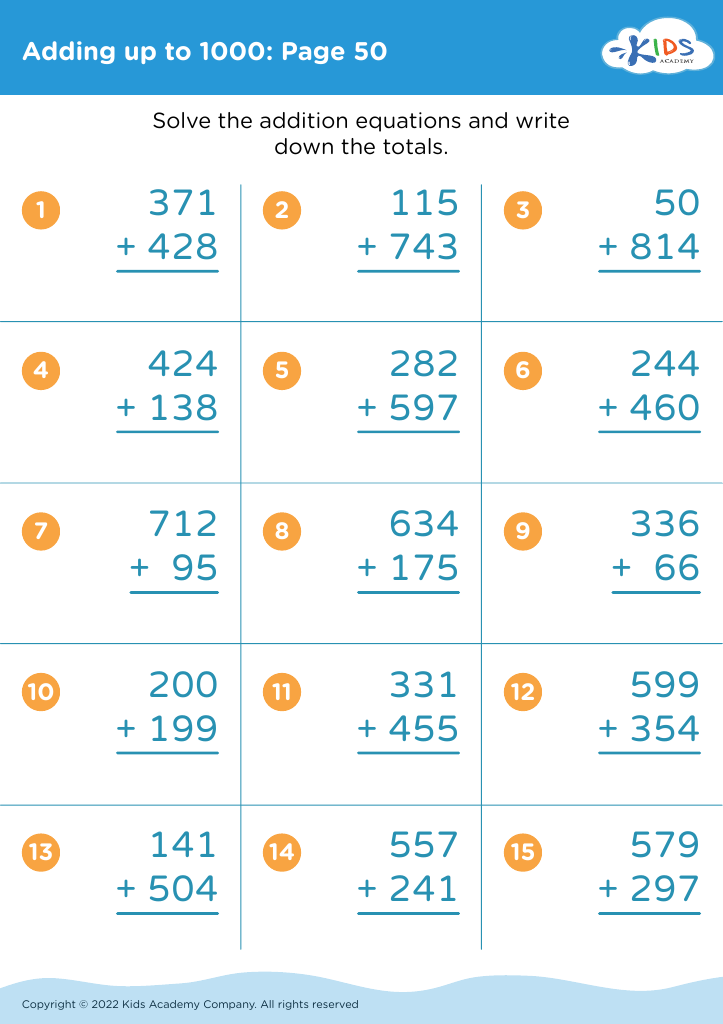
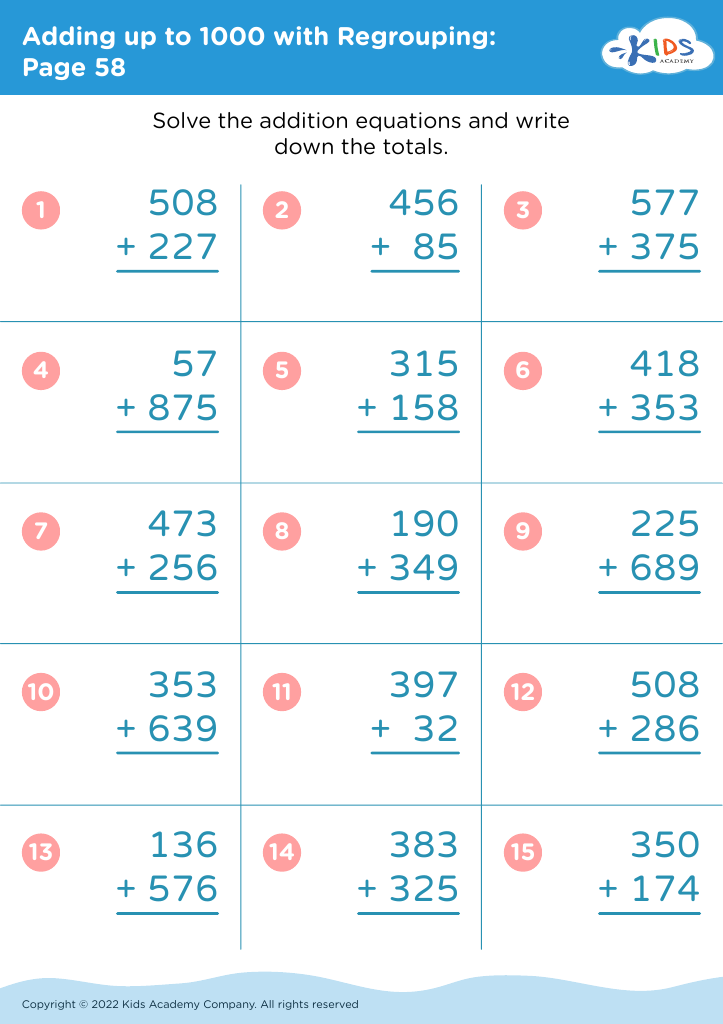
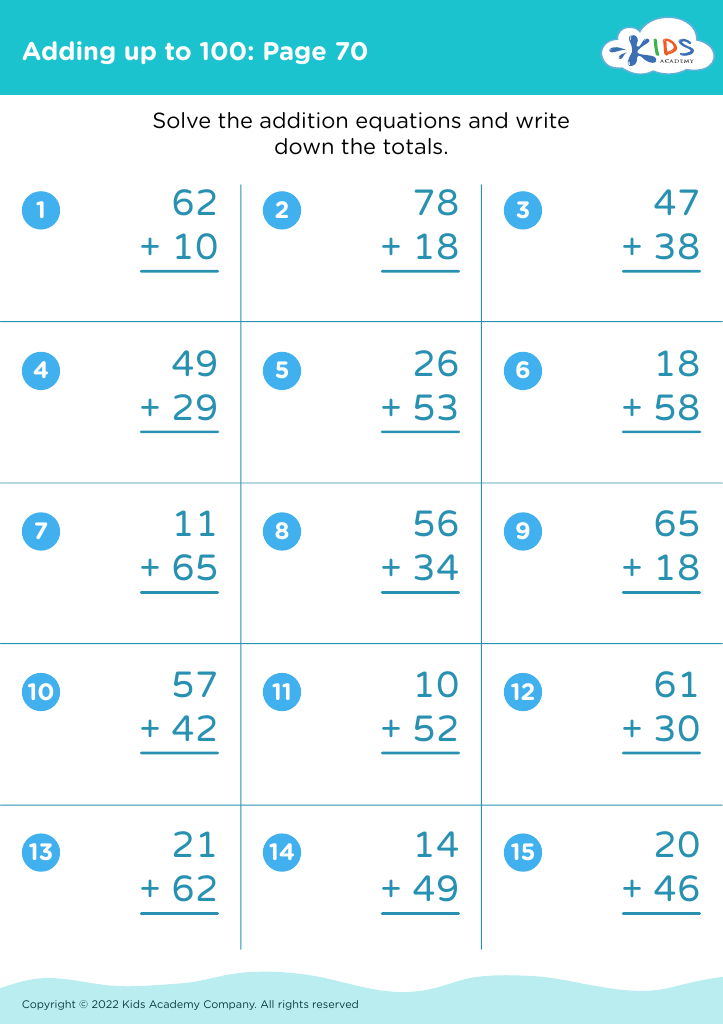
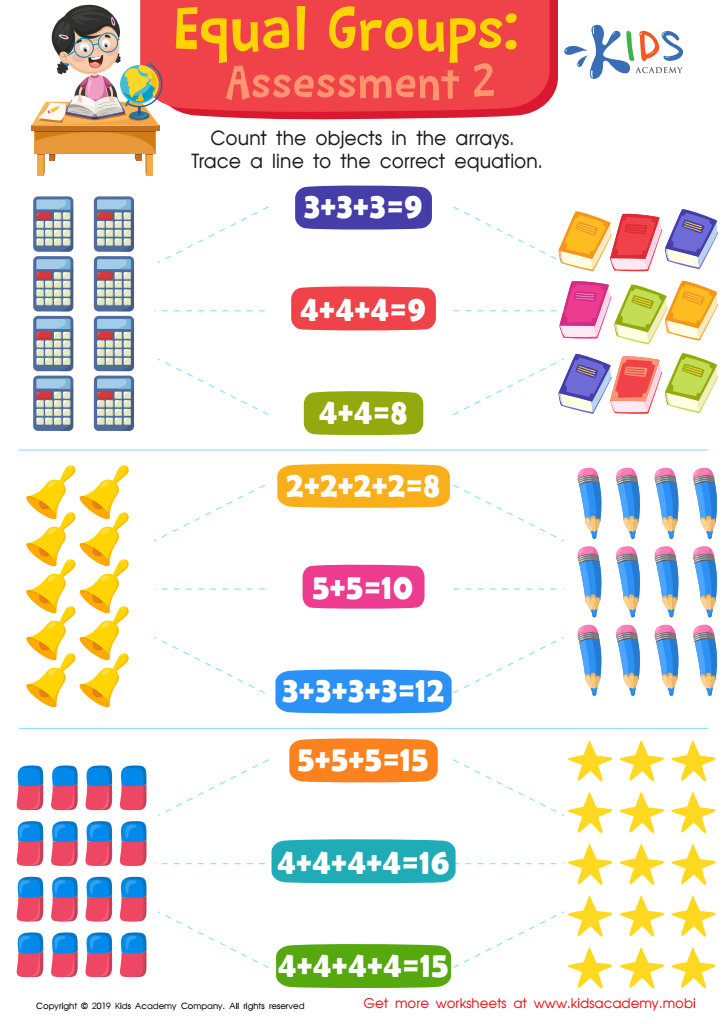
Equal Groups: Assessment 2 Worksheet






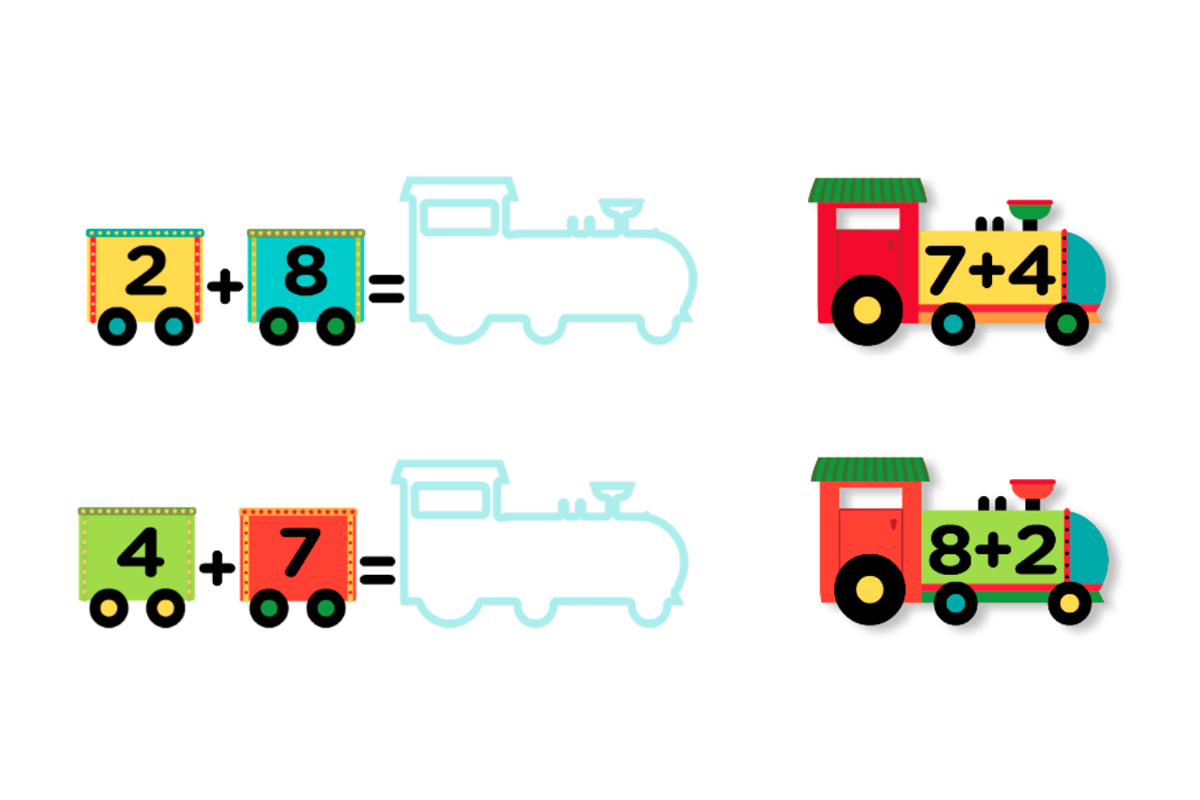

Counting practice, addition, and subtraction are fundamental mathematical skills that children aged 6-9 need to master to build a strong foundation for future learning. During these early years, children are not just learning numbers, but also developing critical cognitive abilities such as logical thinking, problem-solving, and numerical fluency.
Parents and teachers should care about nurturing these skills as they are essential for everyday life. For instance, understanding addition and subtraction helps children in activities like handling money, measuring ingredients in a recipe, or even scheduling their time effectively. Moreover, early proficiency in basic arithmetic strongly correlates with later academic success, not just in mathematics, but across various disciplines that rely on analytical thinking.
Beyond academics, engaging with these concepts at a young age fosters a positive attitude towards learning and diminishes the chances of math anxiety later on. Fun and interactive methods, such as games and practical activities, make learning enjoyable, thereby increasing children's enthusiasm and confidence.
Additionally, early intervention and continuous encouragement allow adults to identify any learning difficulties a child might have, ensuring timely support and individualized instruction to address these issues. Therefore, prioritizing counting practice and basic arithmetic sets the stage for a child's comprehensive growth and future educational achievements.








