Check out this FREE Trial Lesson on Addition & Subtraction for age 6-9!

X

Favorites
With answer key
Interactive
  • 6-9
  • Fraction simplification
  • Addition & Subtraction
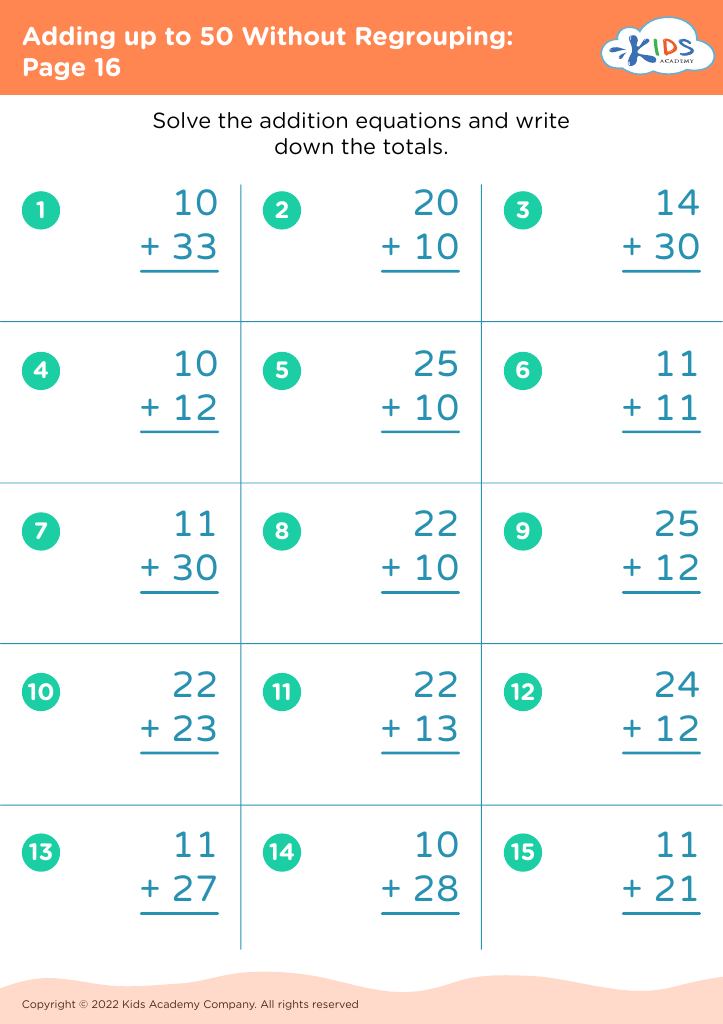
Adding up to 50 Without Regrouping: Page 16
Worksheet
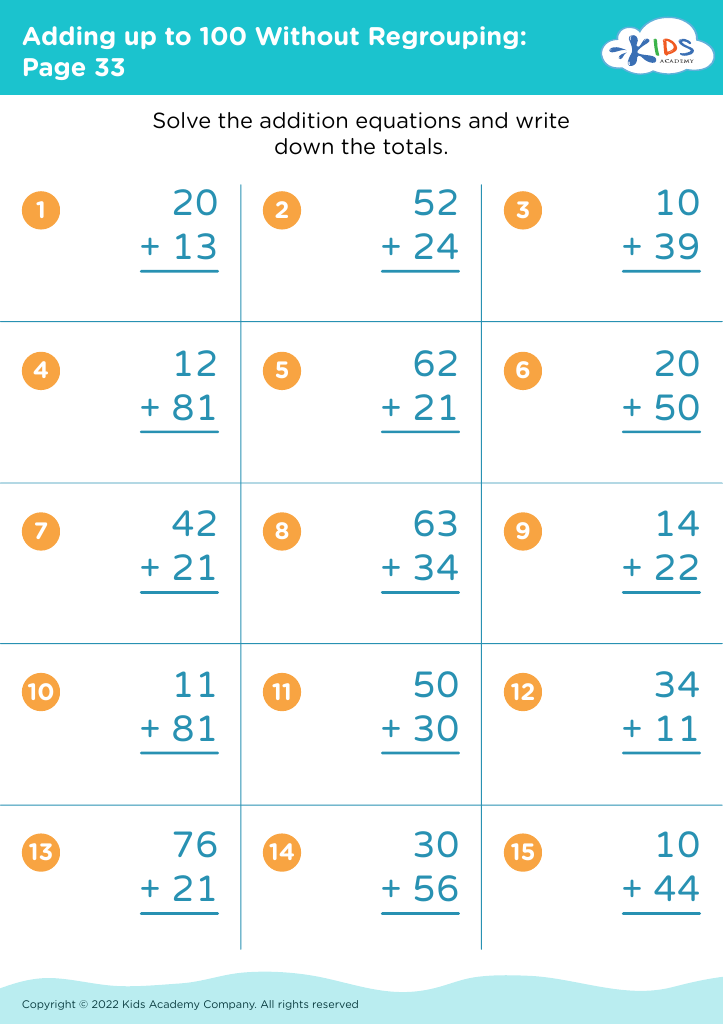
Adding up to 100 Without Regrouping: Page 33
Worksheet
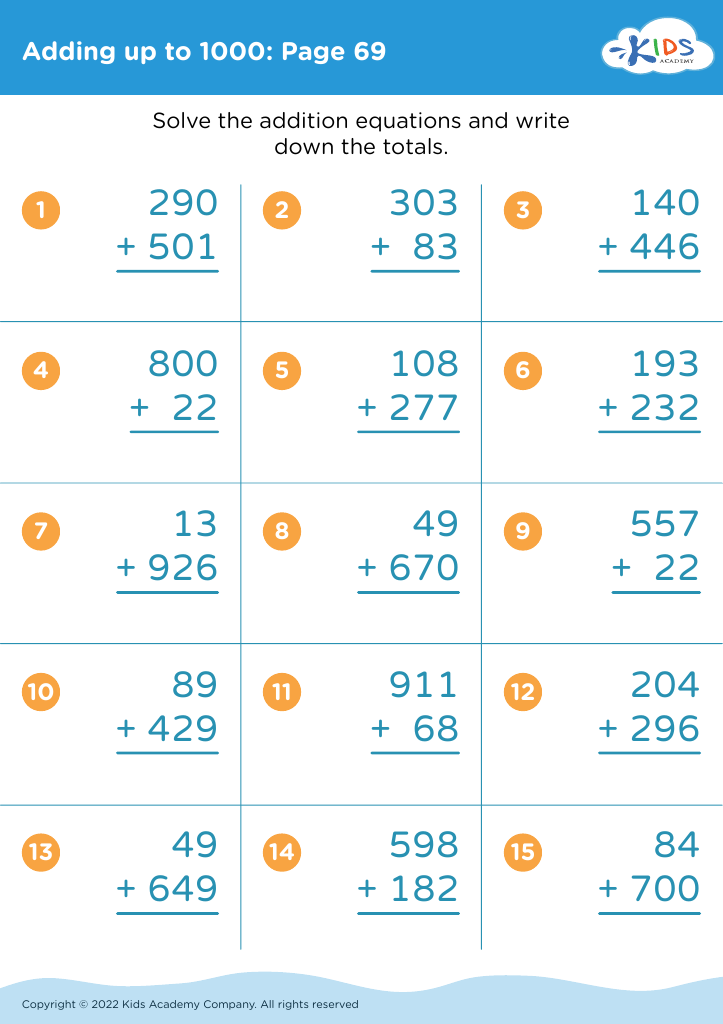
Adding up to 1000: Page 69

Adding up to 1000: Page 69

Adding up to 1000: Page 69
Worksheet
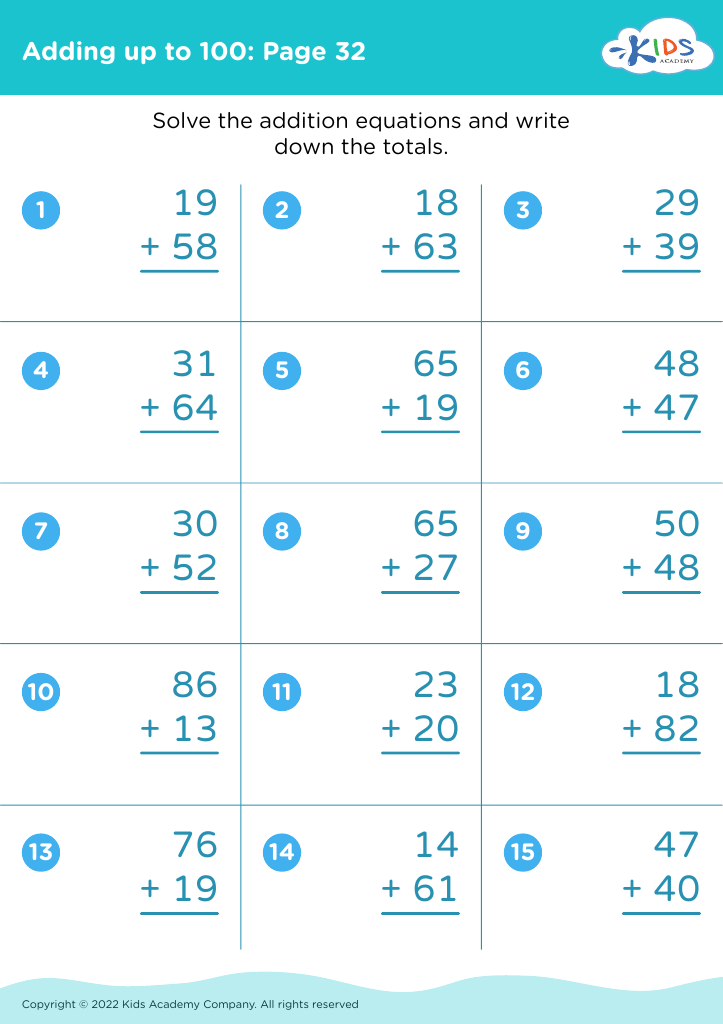
Adding up to 100: Page 32

Adding up to 100: Page 32

Adding up to 100: Page 32
Worksheet
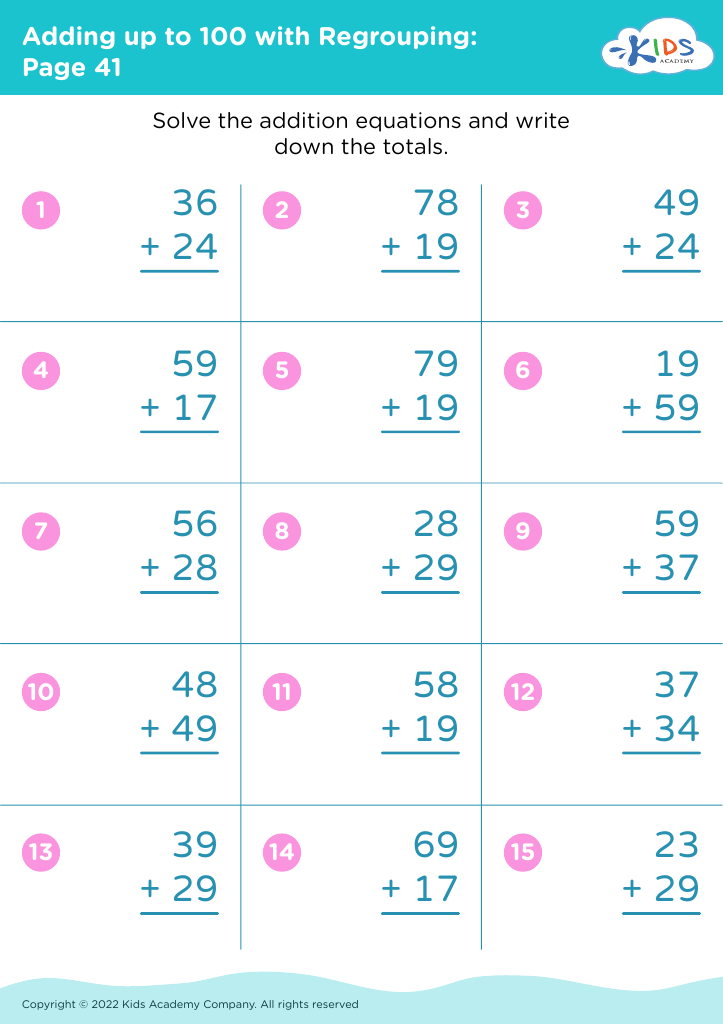
Adding up to 100 with Regrouping: Page 41
Worksheet
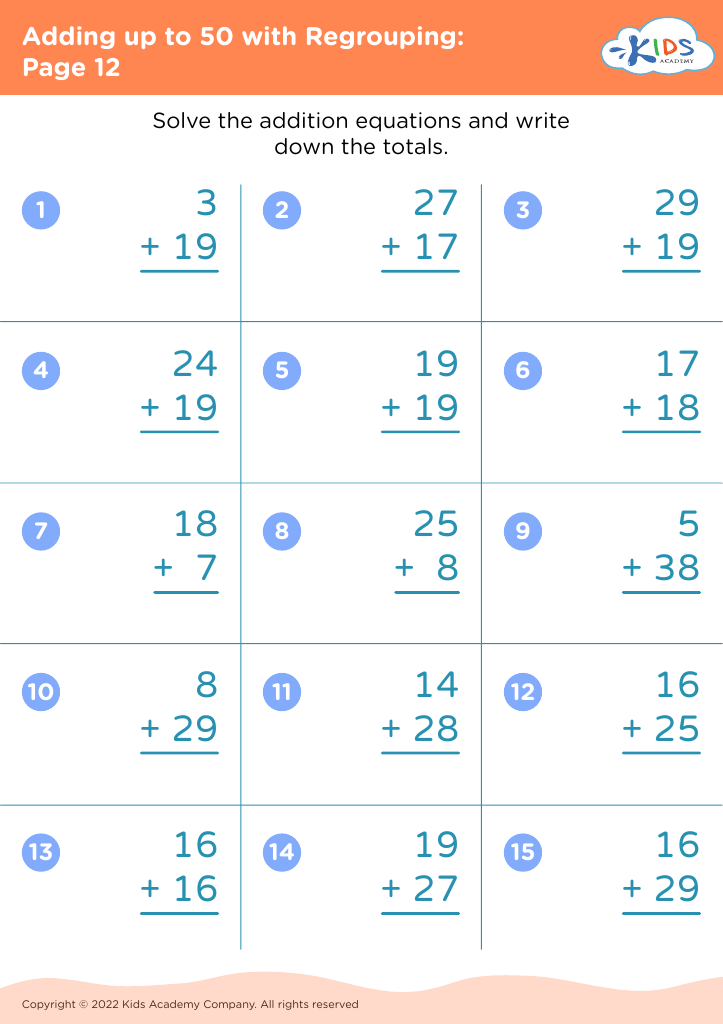
Adding up to 50 with Regrouping: Page 12
Worksheet
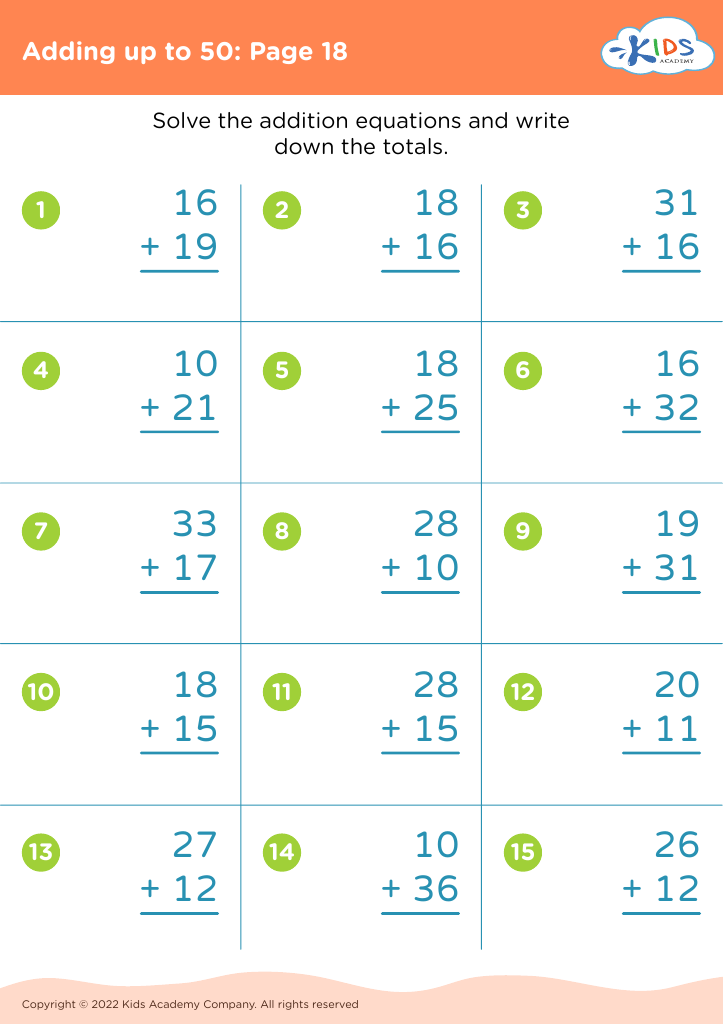
Adding up to 50: Page 18

Adding up to 50: Page 18

Adding up to 50: Page 18
Worksheet
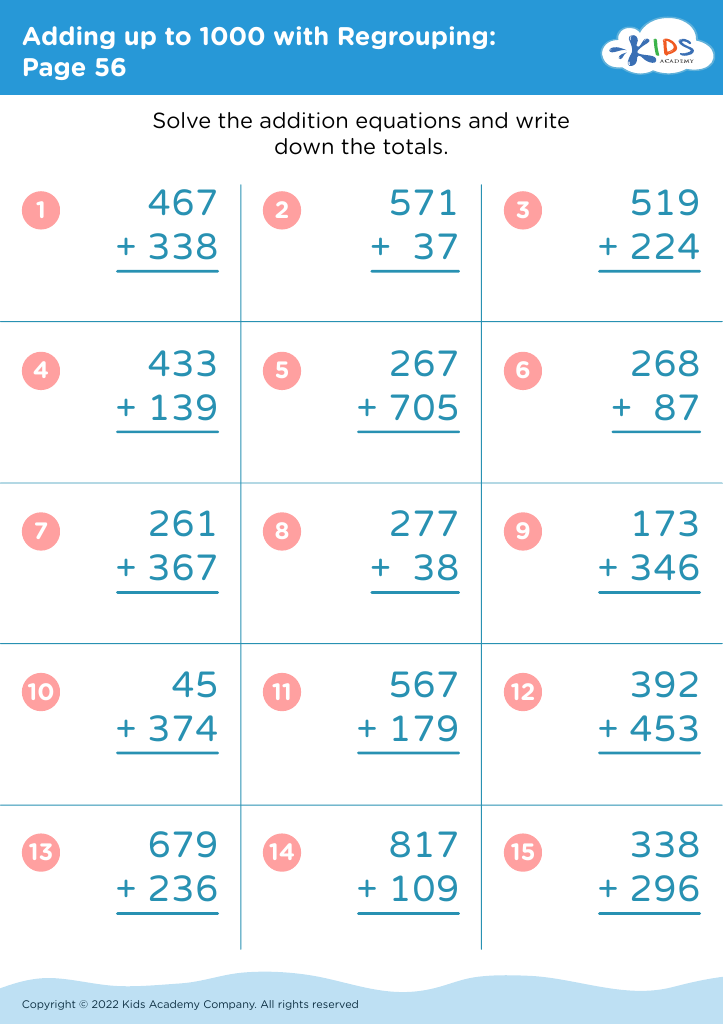
Adding up to 1000 with Regrouping: Page 56
Worksheet
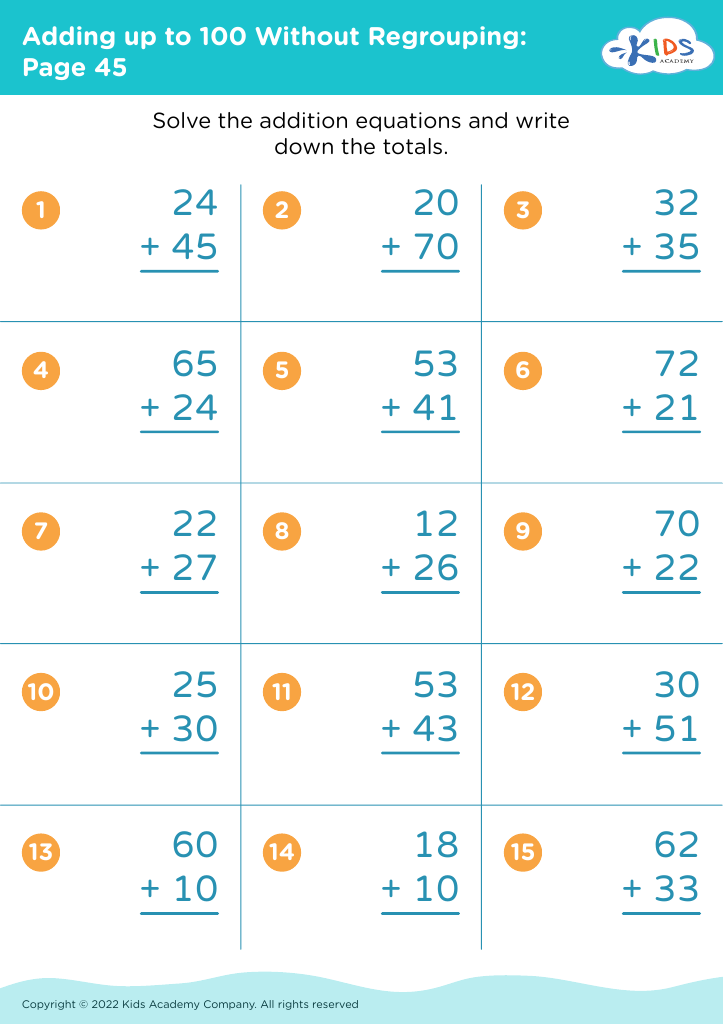
Adding up to 100 Without Regrouping: Page 45
Worksheet
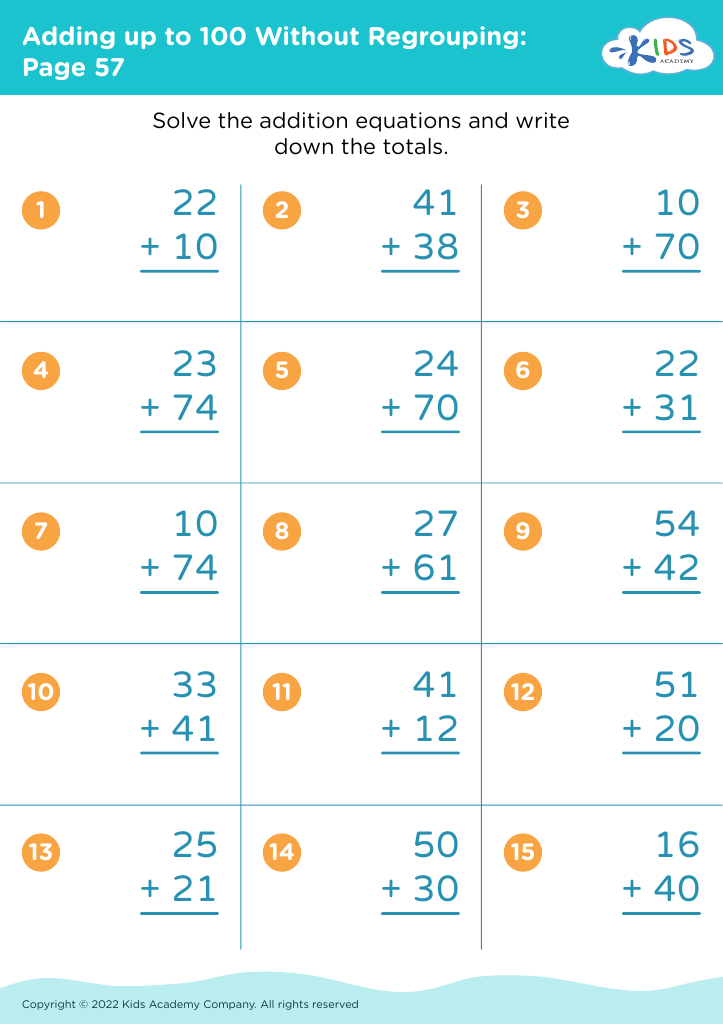
Adding up to 100 Without Regrouping: Page 57
Worksheet
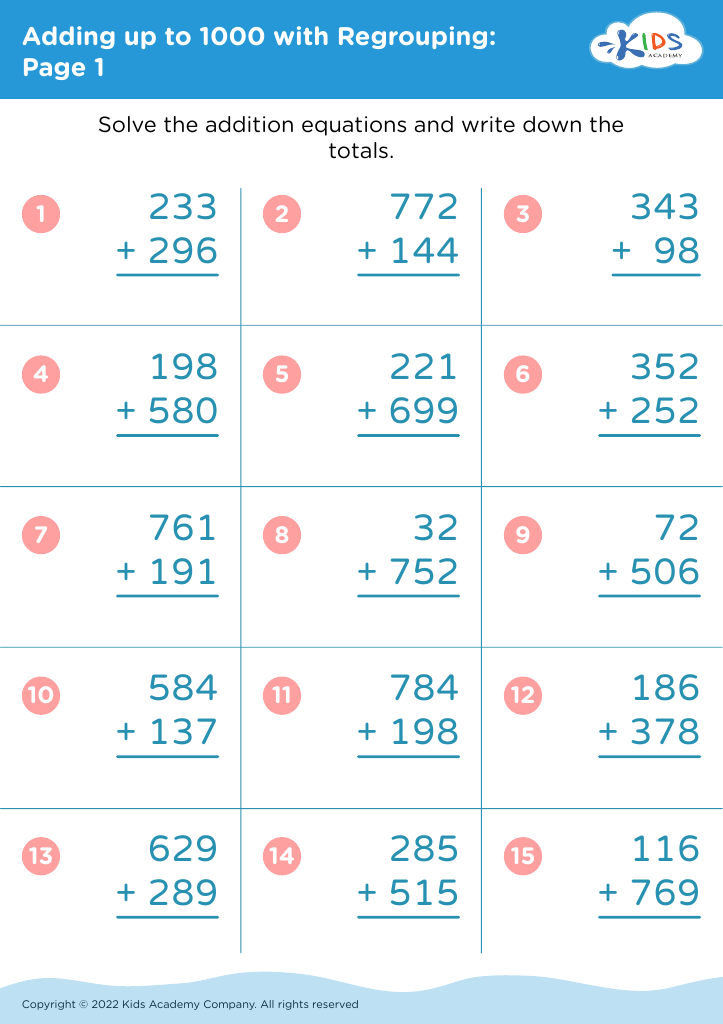
Adding up to 1000 with Regrouping: Page 1
Worksheet
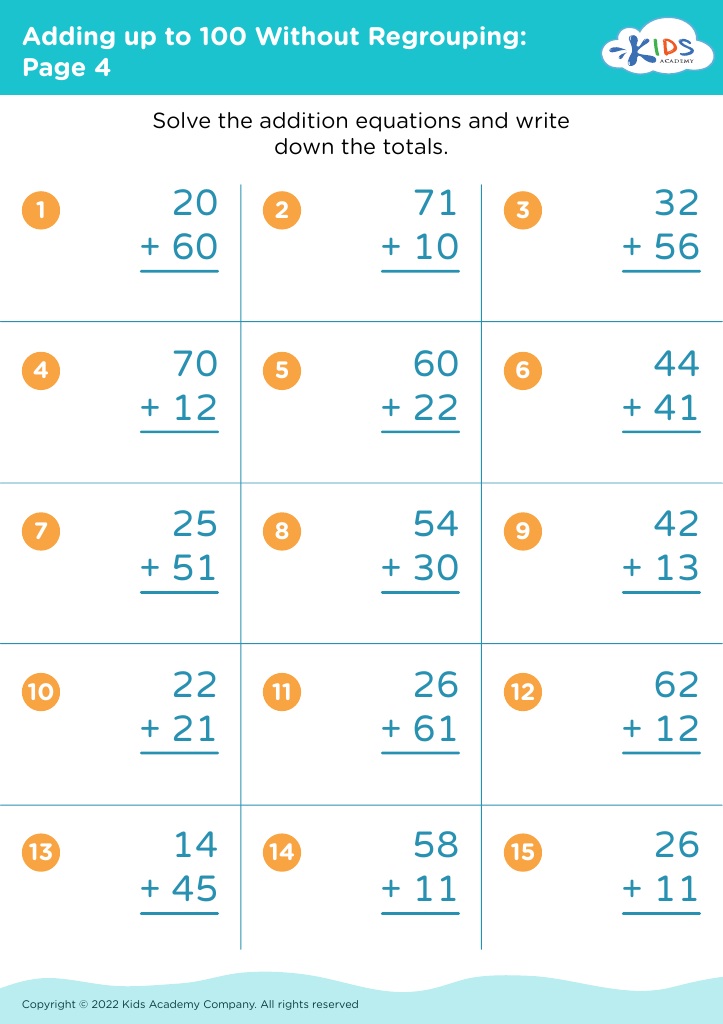
Adding up to 100 Without Regrouping: Page 4
Worksheet
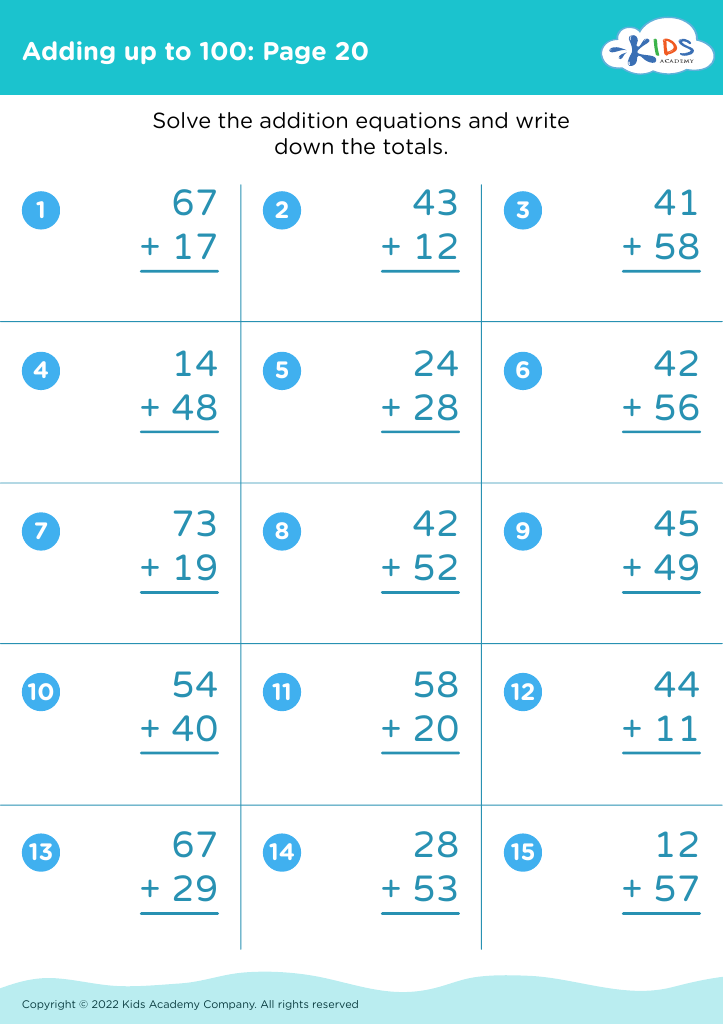
Adding up to 100: Page 20

Adding up to 100: Page 20

Adding up to 100: Page 20
Worksheet
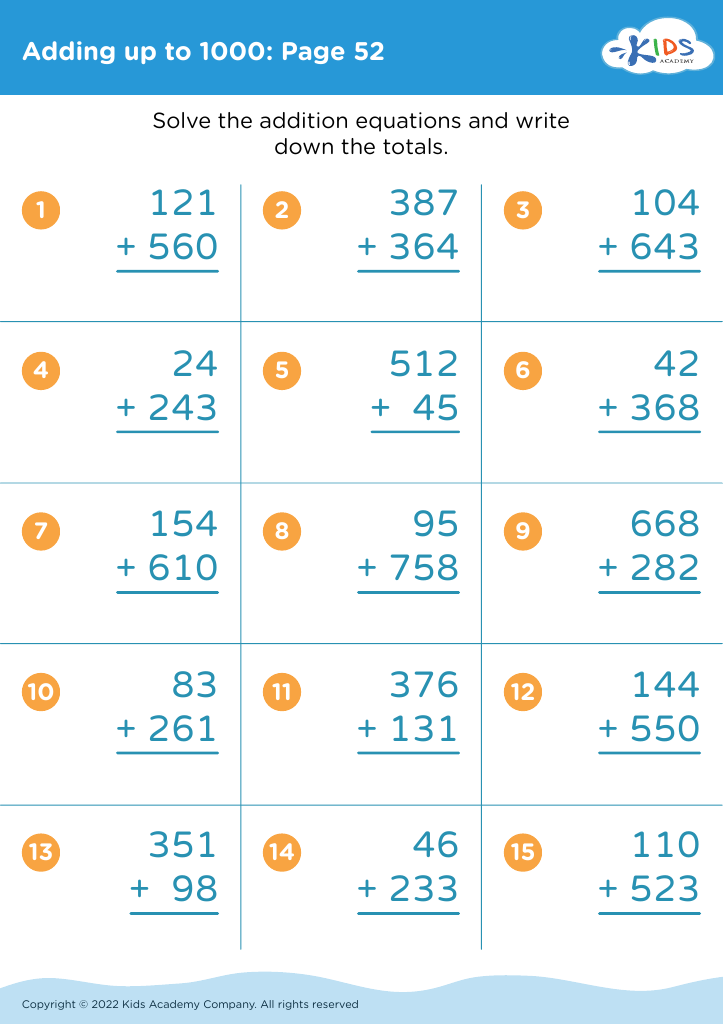
Adding up to 1000: Page 52

Adding up to 1000: Page 52

Adding up to 1000: Page 52
Worksheet
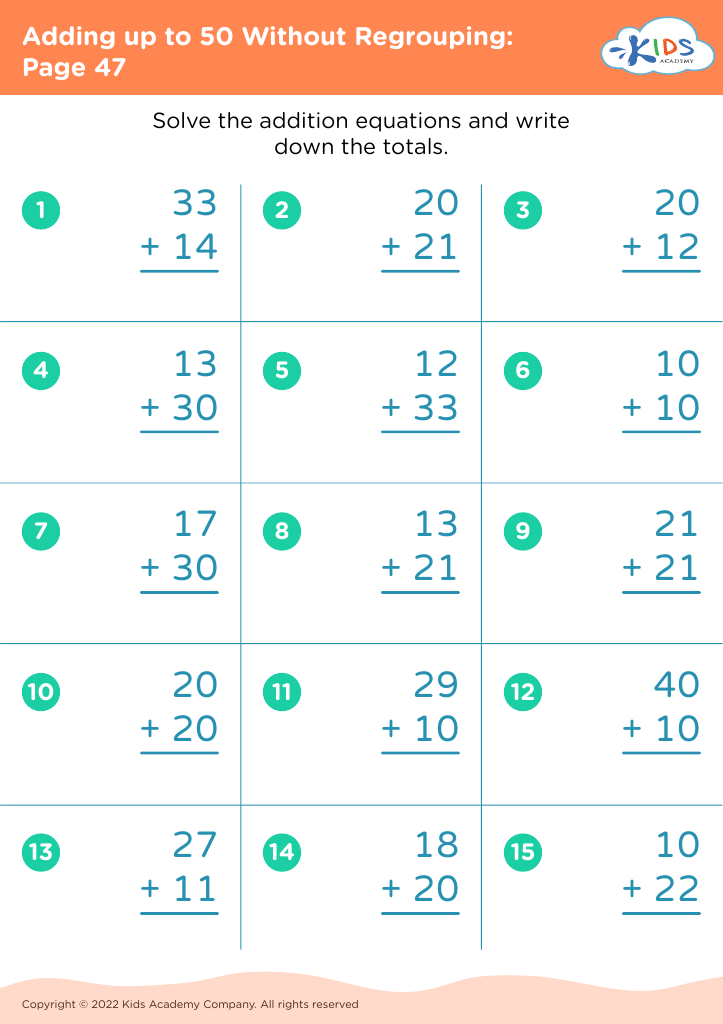
Adding up to 50 Without Regrouping: Page 47
Worksheet
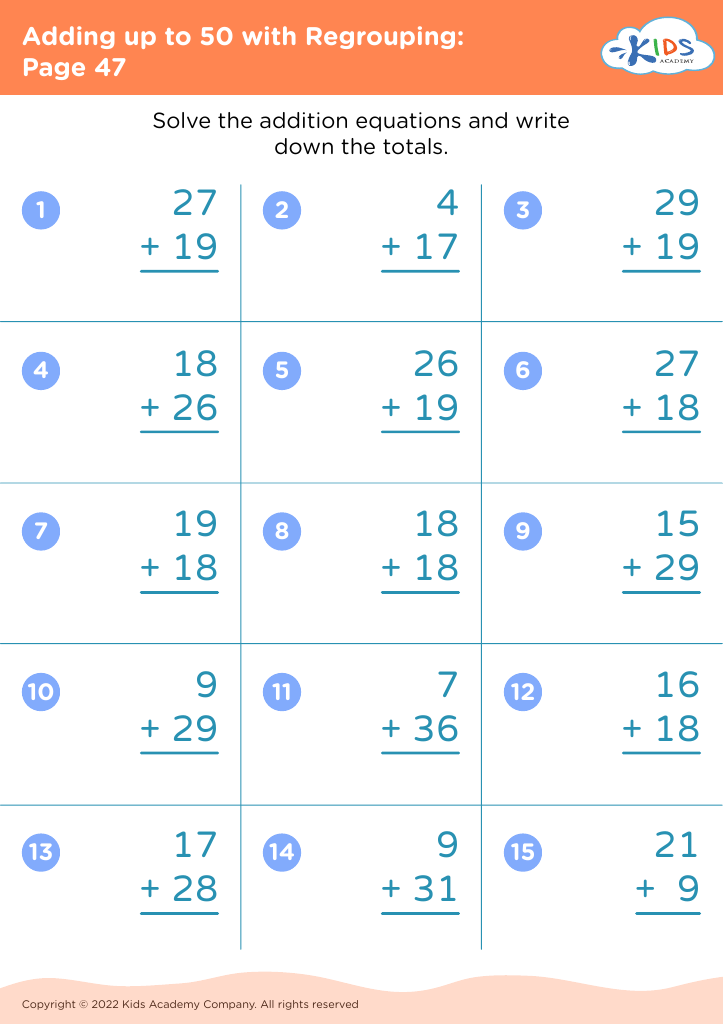
Adding up to 50 with Regrouping: Page 47
Worksheet
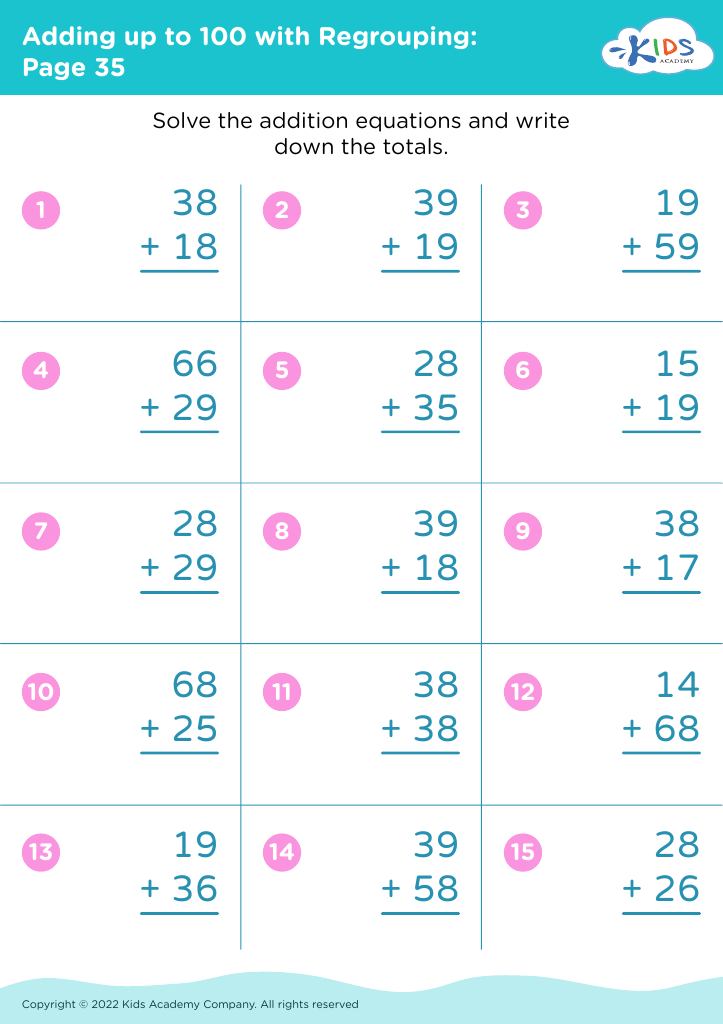
Adding up to 100 with Regrouping: Page 35
Worksheet
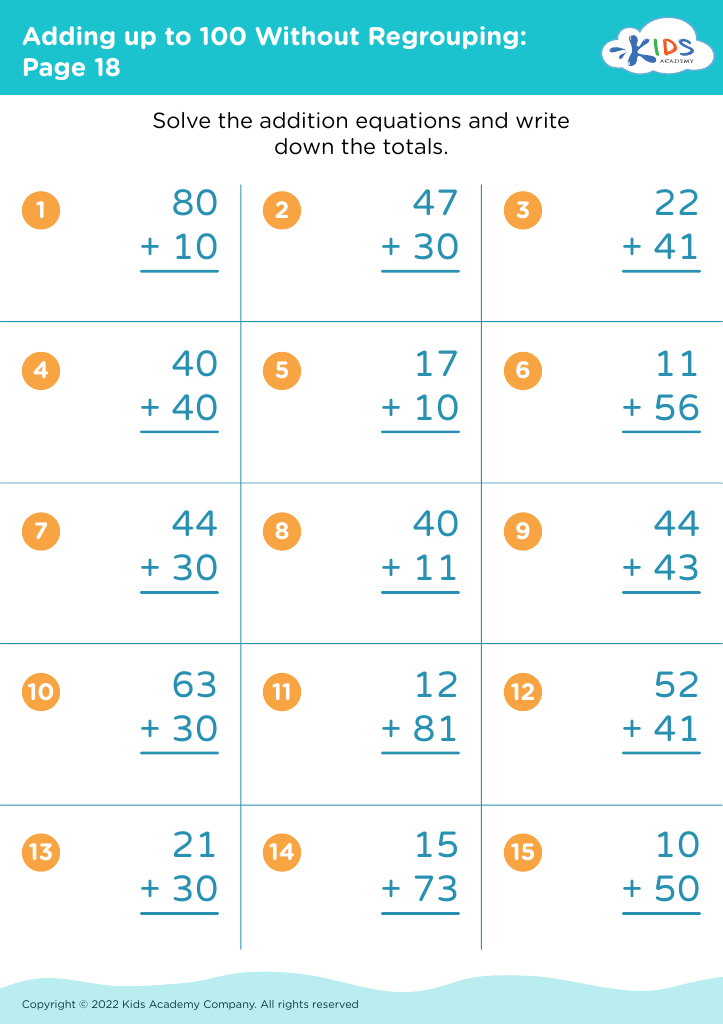
Adding up to 100 Without Regrouping: Page 18
Worksheet
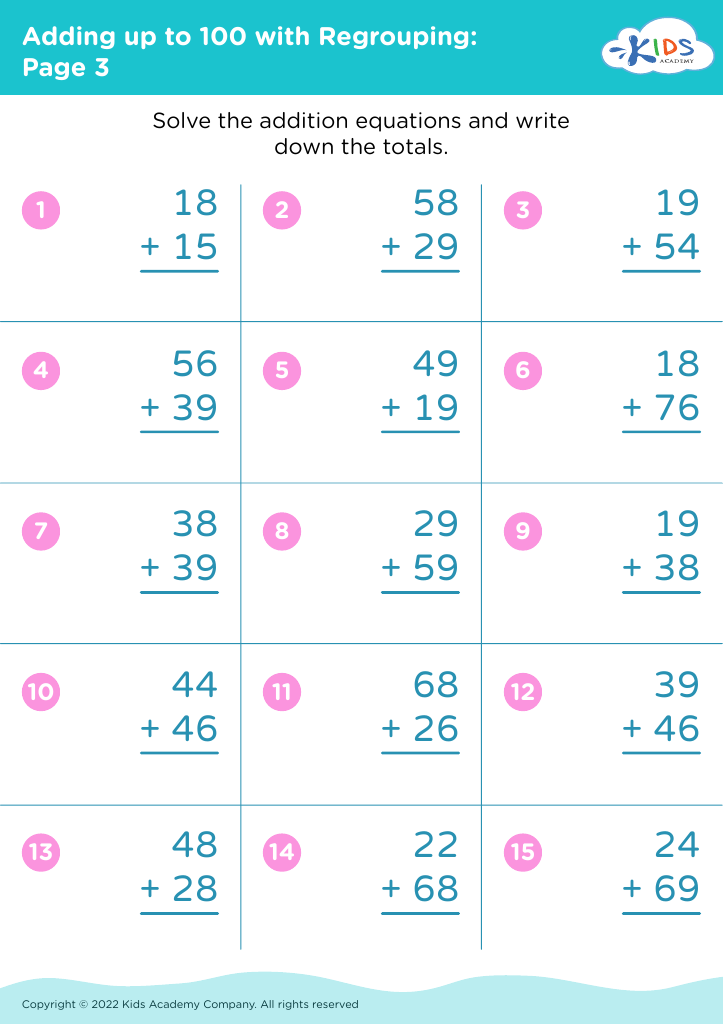
Adding up to 100 with Regrouping: Page 3
Worksheet
Adding up to 100: Page 17

Adding up to 100: Page 17

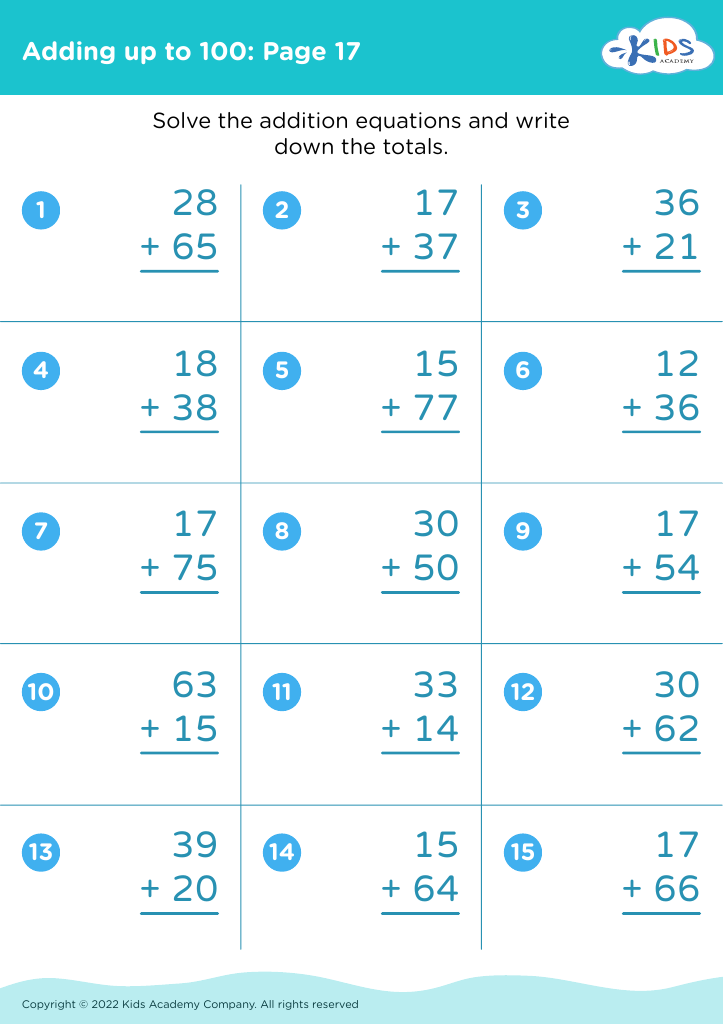
Adding up to 100: Page 17
Worksheet
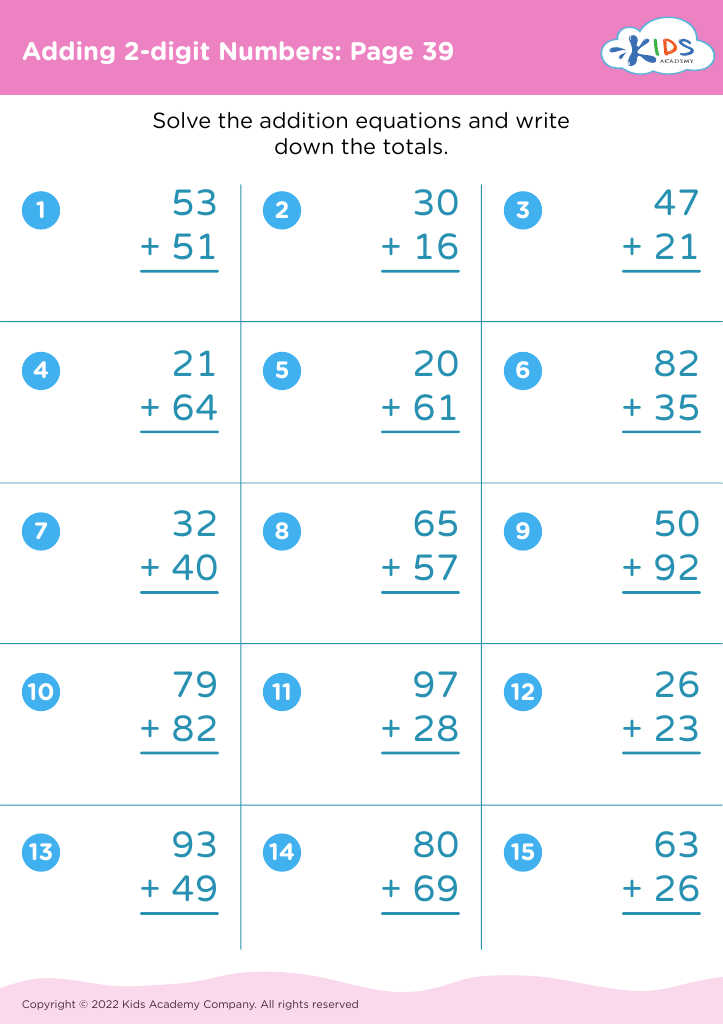
Adding 2-digit Numbers: Page 39

Adding 2-digit Numbers: Page 39

Adding 2-digit Numbers: Page 39
Worksheet
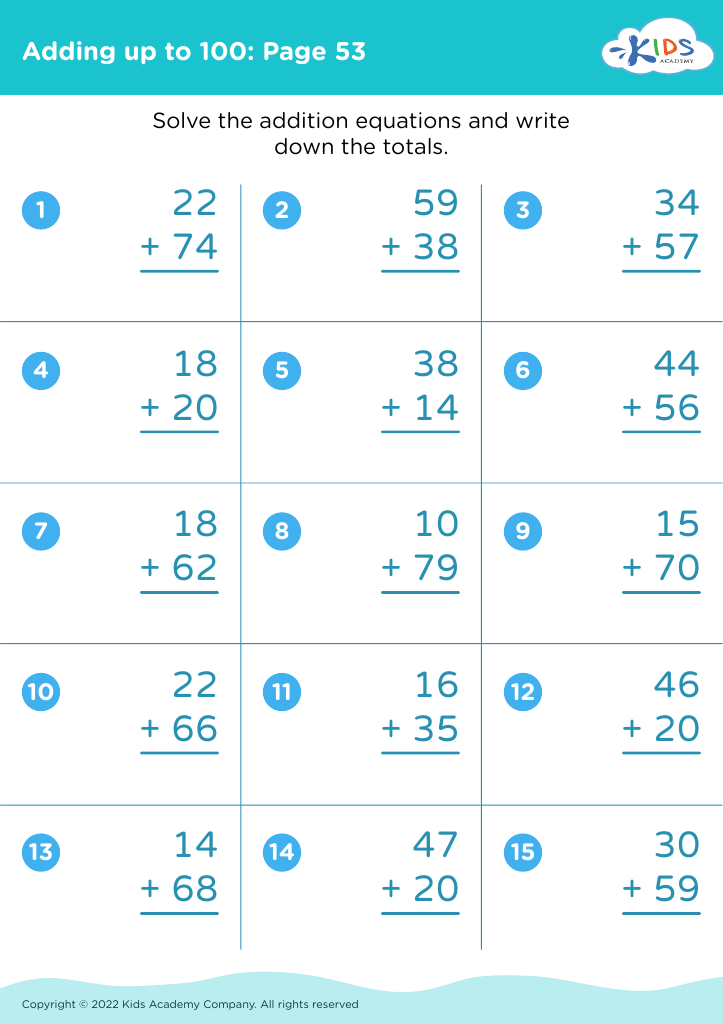
Adding up to 100: Page 53

Adding up to 100: Page 53

Adding up to 100: Page 53
Worksheet
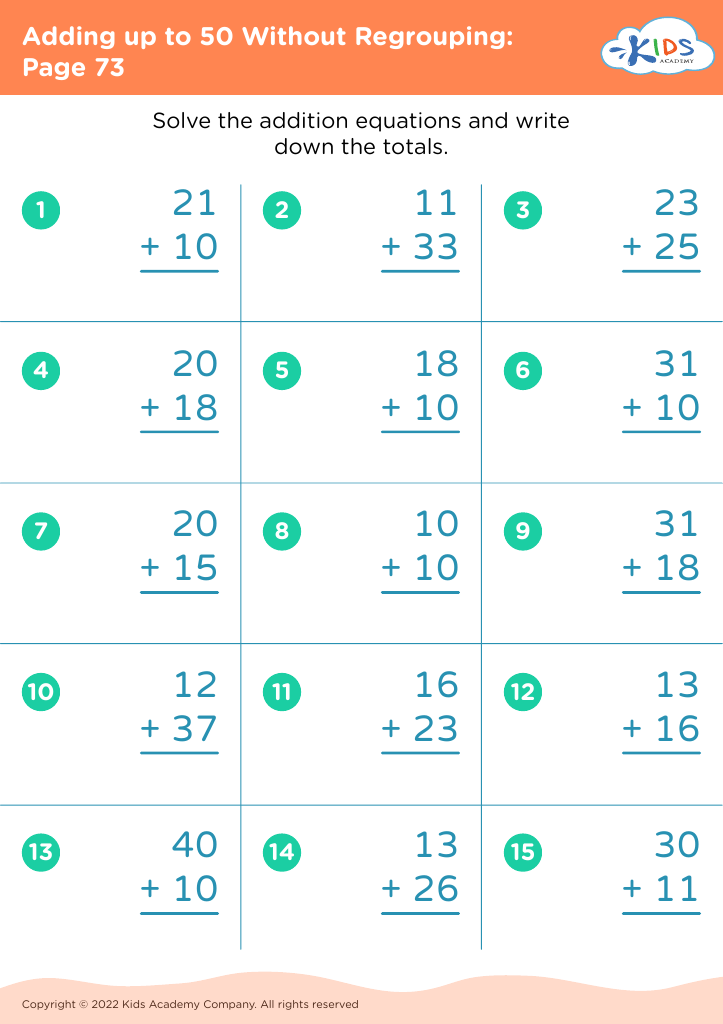
Adding up to 50 Without Regrouping: Page 73
Worksheet
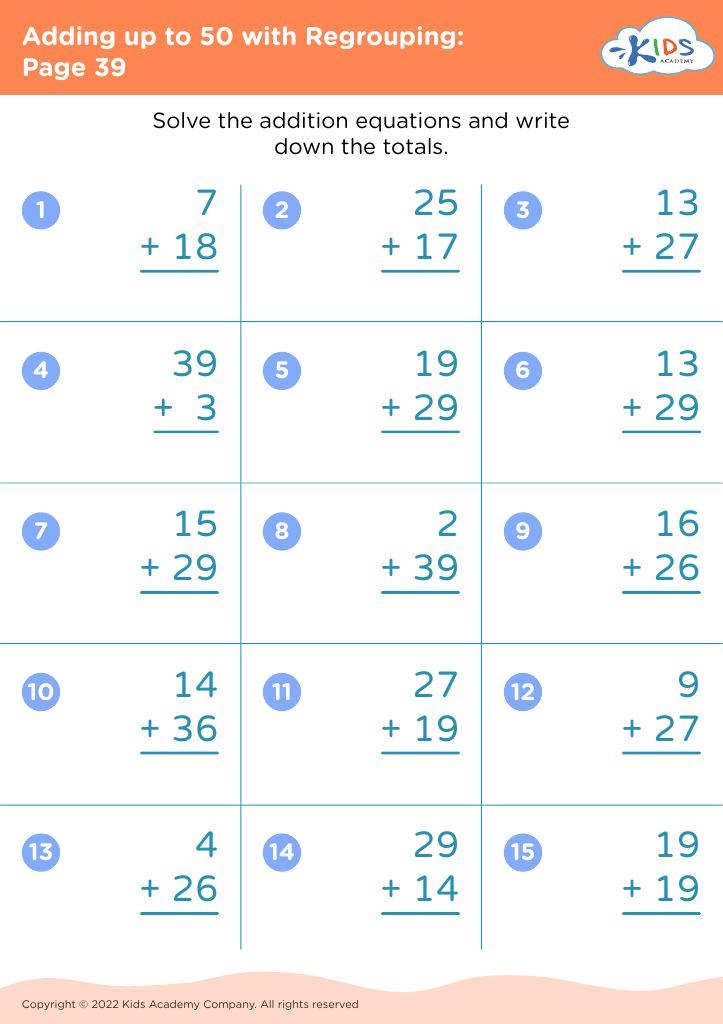
Adding up to 50 with Regrouping: Page 39
Worksheet


Fraction simplification, addition, and subtraction are foundational skills that play a crucial role in a child's mathematical development, especially for ages 6-9. Understanding fractions helps children grasp the concept of parts of a whole, which is vital for more advanced math topics. At this age, children are beginning to understand number relationships and ratios. Engaging with fractions fosters critical thinking and problem-solving skills as they learn to simplify fractions before adding or subtracting, facilitating easier calculations.

Moreover, mastering these skills lays the groundwork for future learning in both mathematics and real-life scenarios, such as cooking or budgeting, where fractions are commonly used. It encourages attention to detail and enhances their ability to work with numbers more generally. When parents and teachers emphasize these concepts, they build confidence in kids, promoting a positive attitude toward math.

Overall, fostering proficiency in fraction simplification, addition, and subtraction not only boosts academic achievement but also equips children with essential life skills. Thus, understanding its significance helps parents and educators guide children toward mathematical competence, setting them up for a successful educational trajectory.