Improve number recognition Addition & Subtraction Worksheets for Ages 6-9
15 filtered results
-
From - To
Enhance your child's math skills with our "Improve Number Recognition Addition & Subtraction Worksheets" designed for ages 6-9. These engaging worksheets focus on developing essential number recognition and basic arithmetic skills through fun, interactive exercises. Students will learn to identify numbers while solving addition and subtraction problems, building their confidence in math. Each worksheet is crafted to align with educational standards, ensuring a meaningful learning experience. Perfect for at-home practice or classroom use, our printable resources make learning math enjoyable and effective. Help your child become a math whiz today! Visit our site to explore a variety of worksheets.
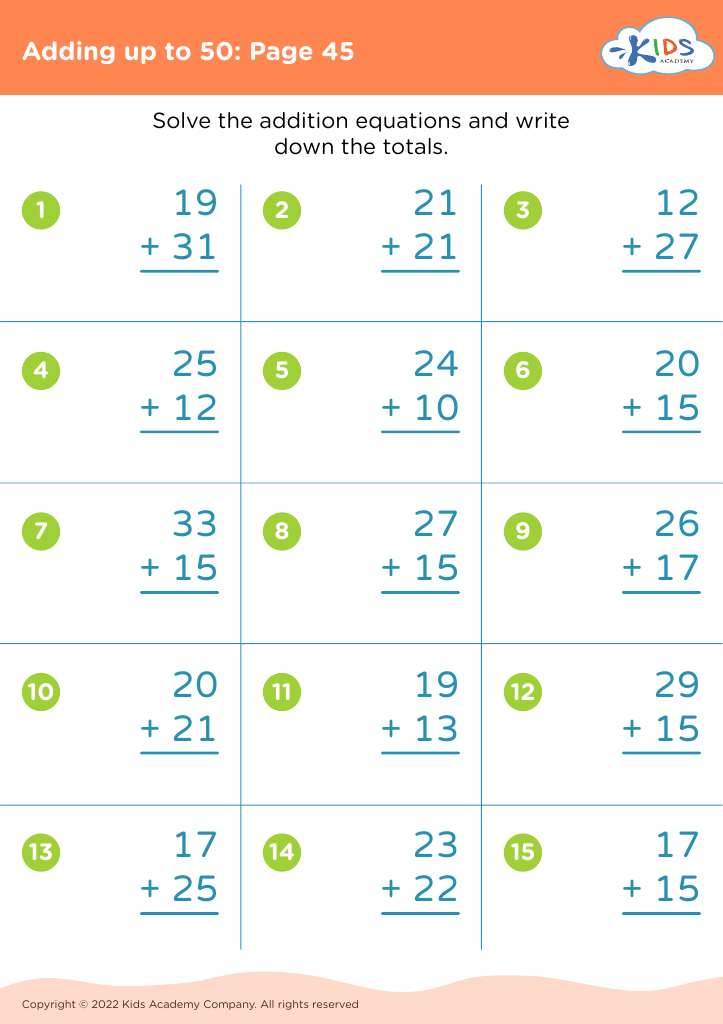
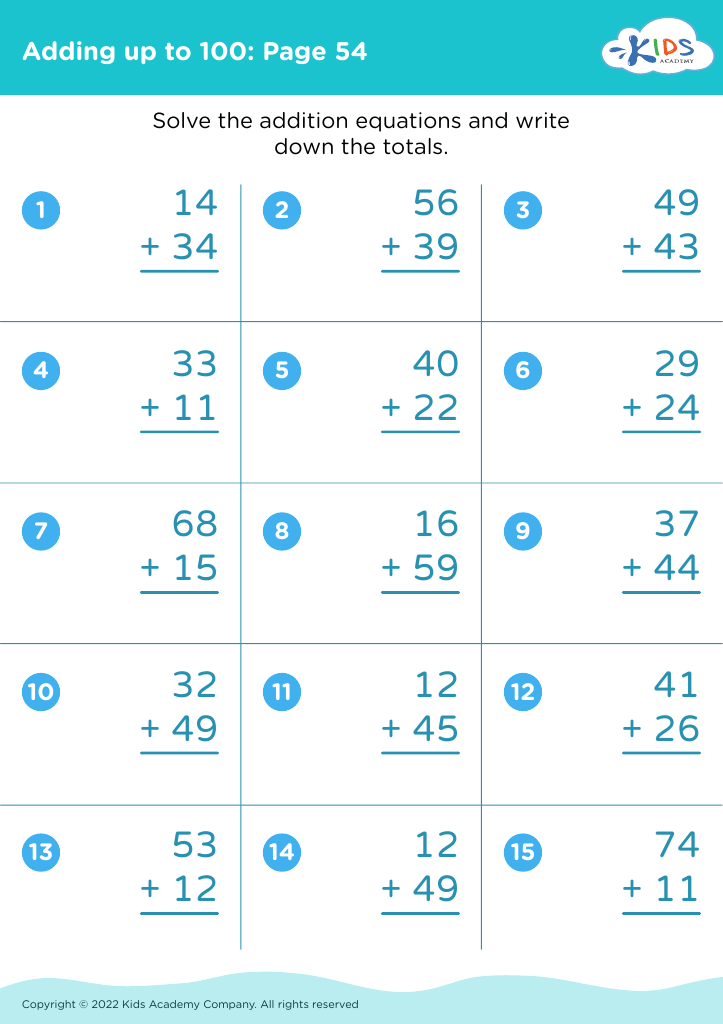
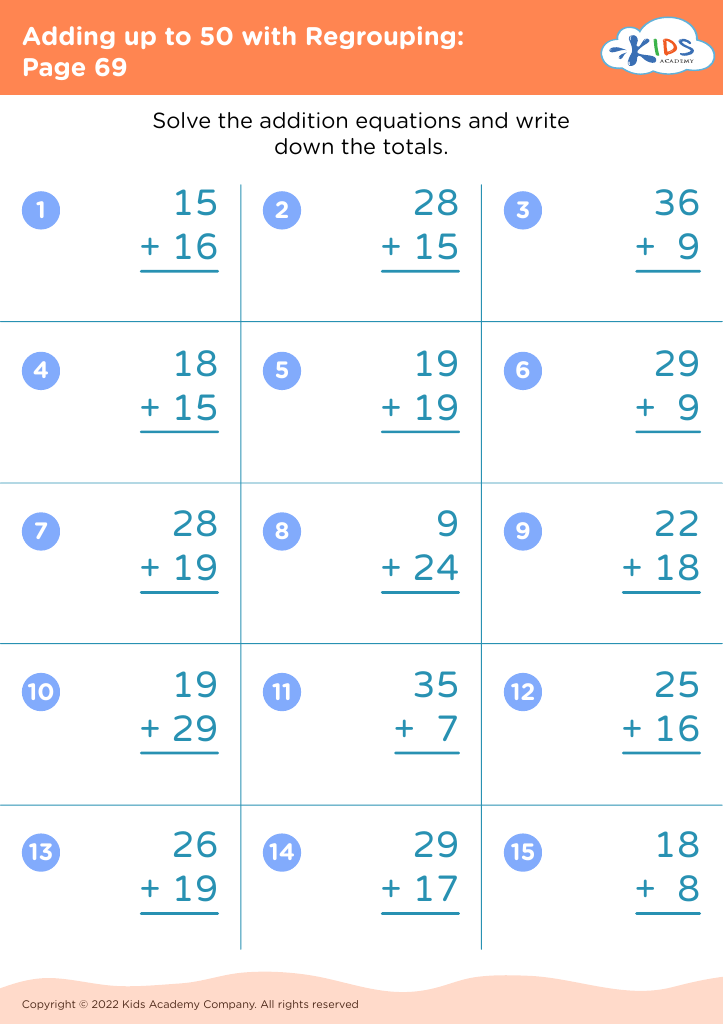
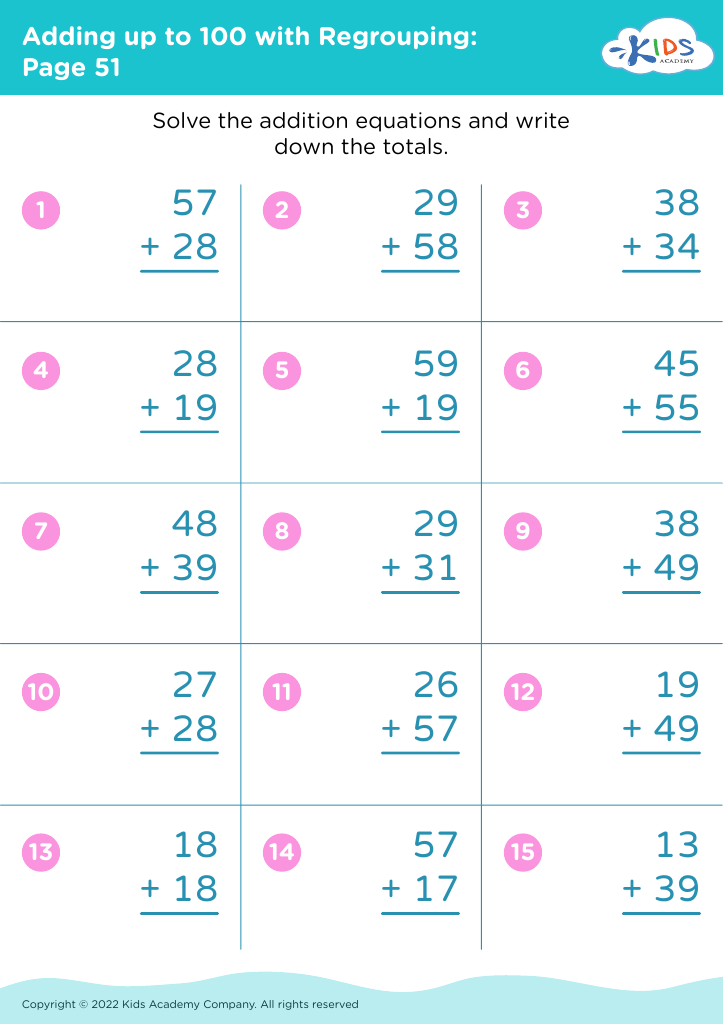
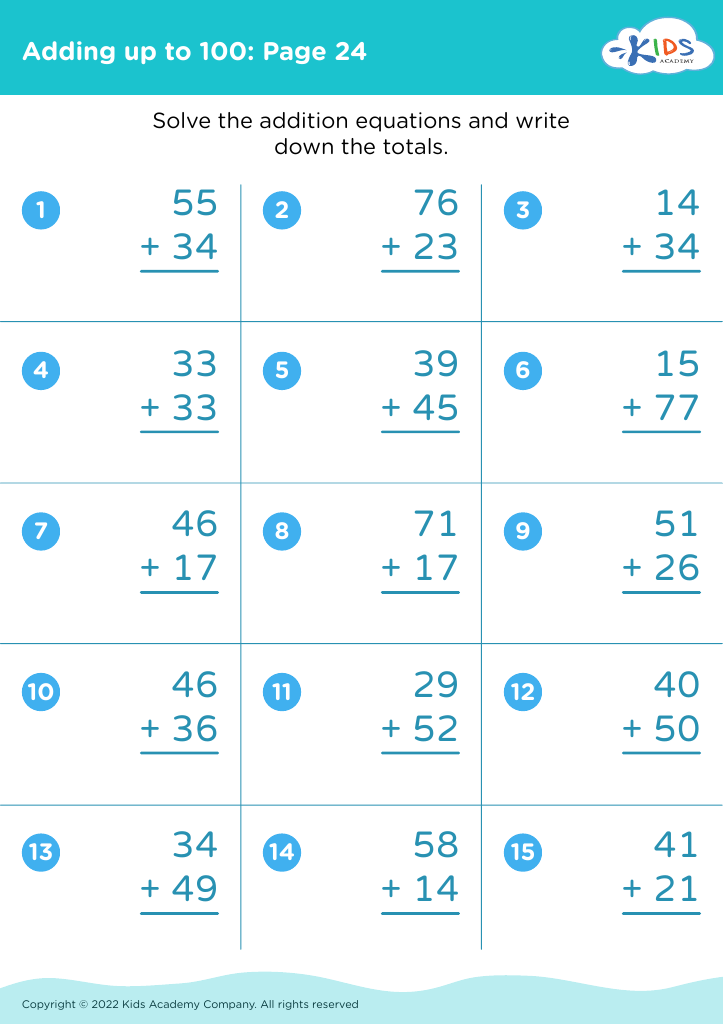
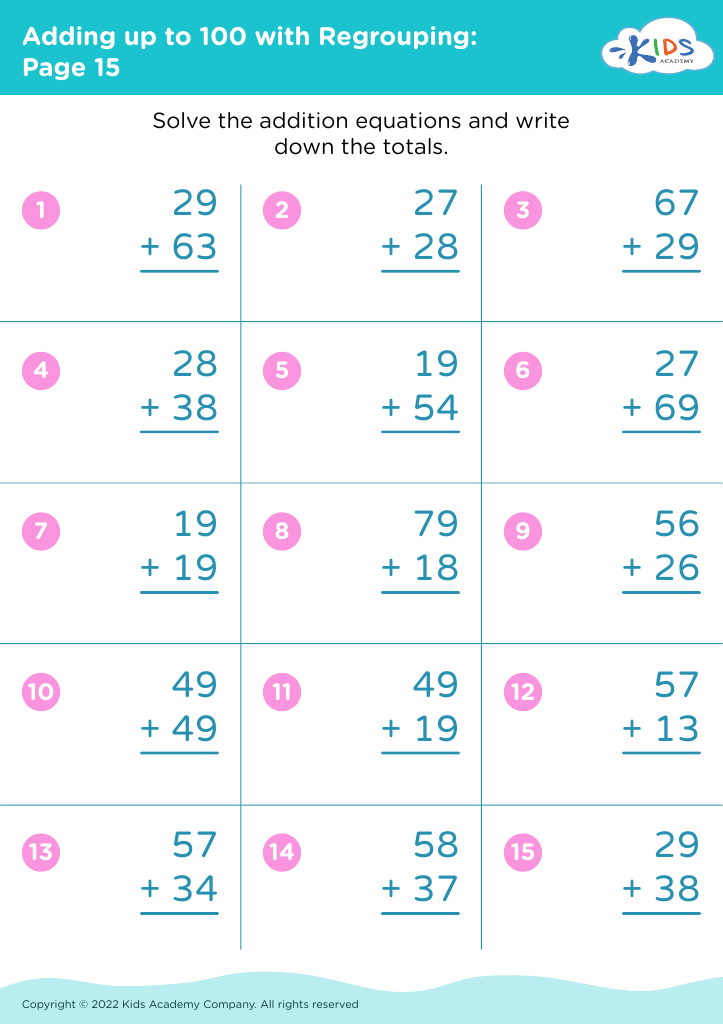
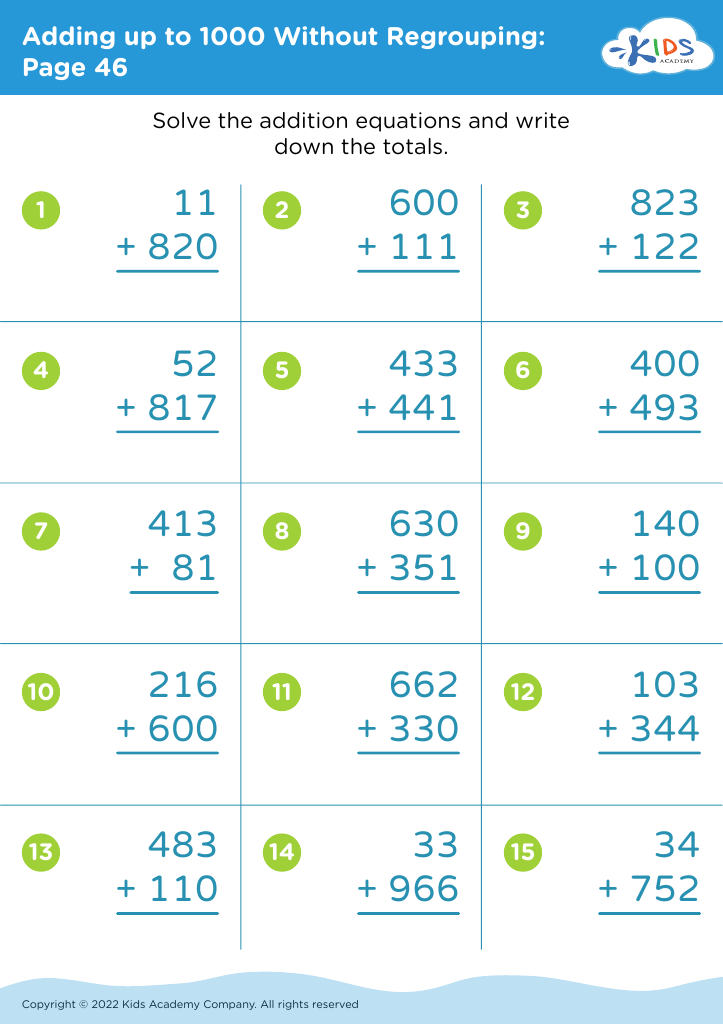
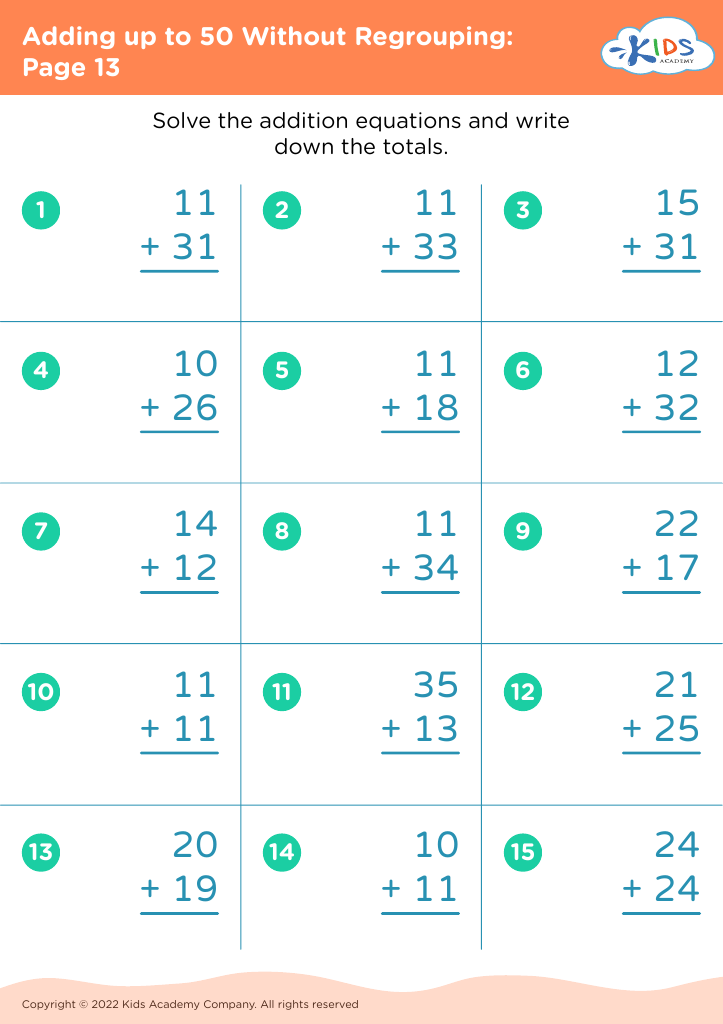
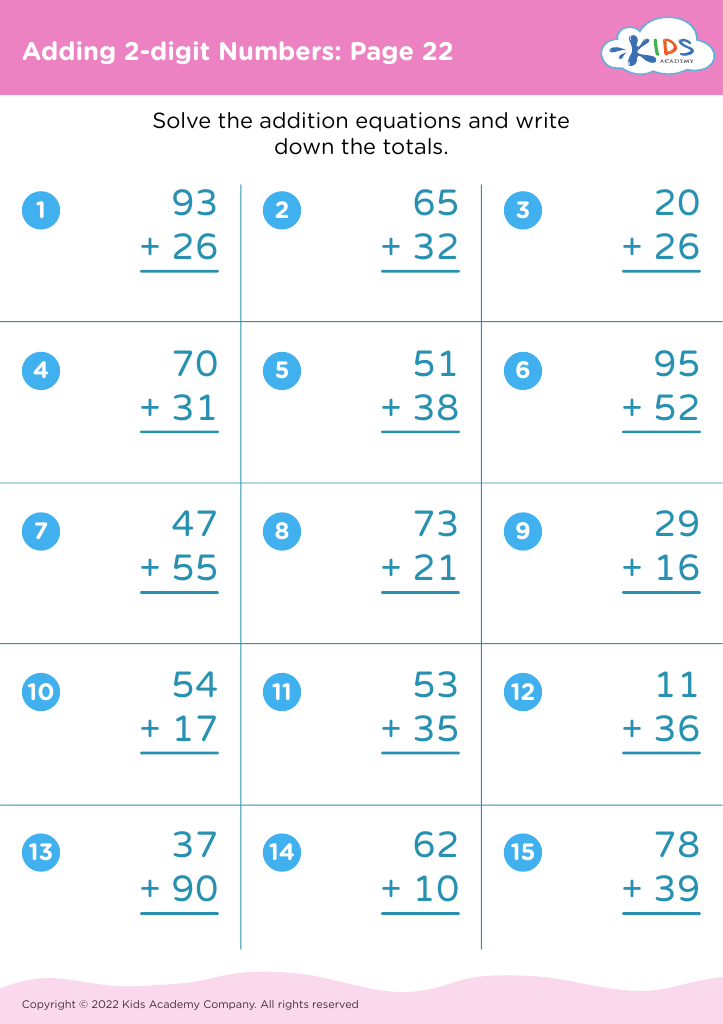
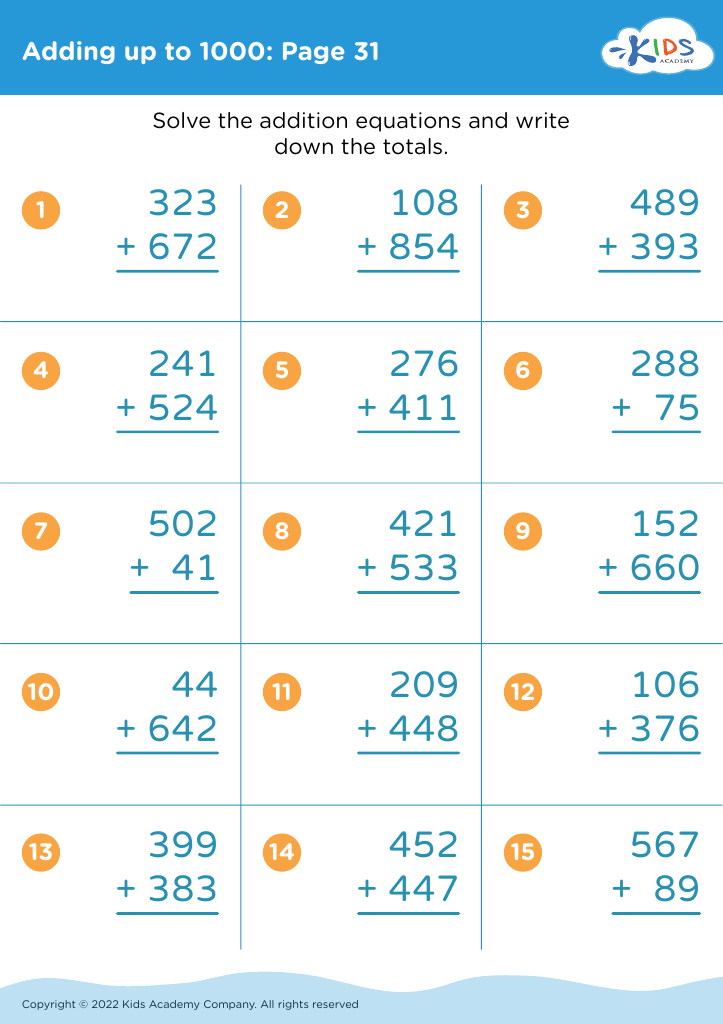
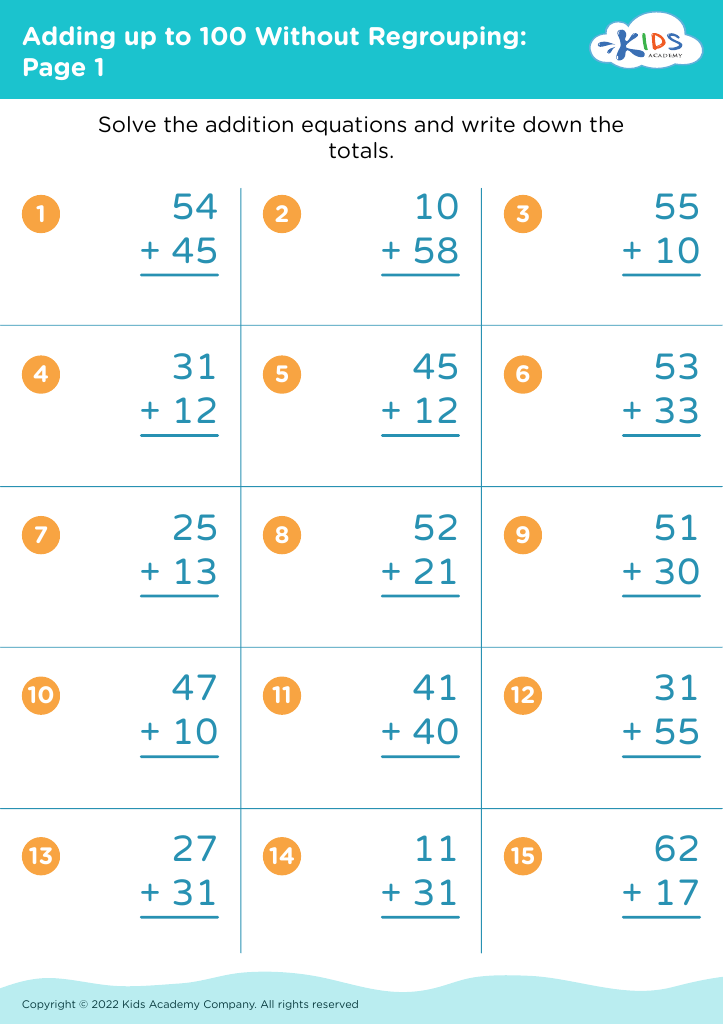
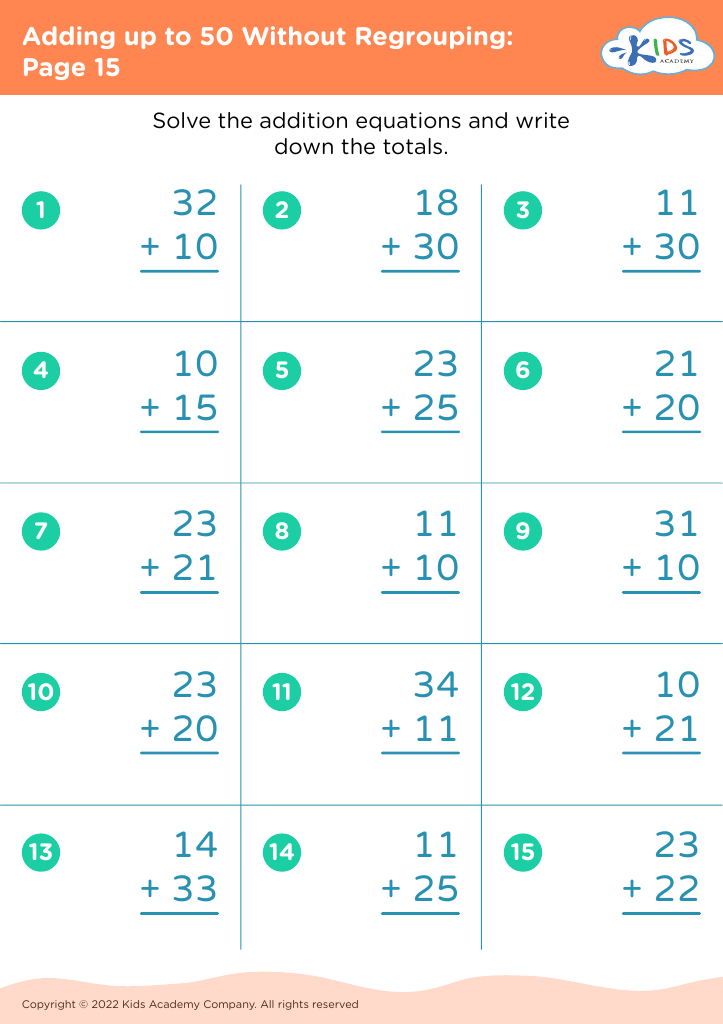
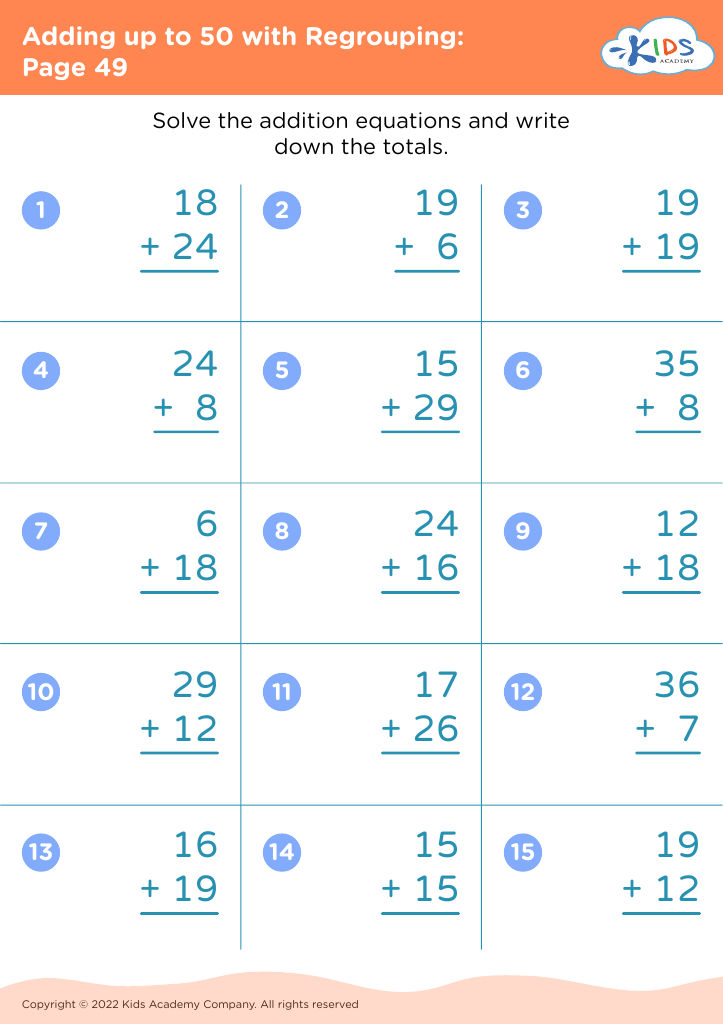
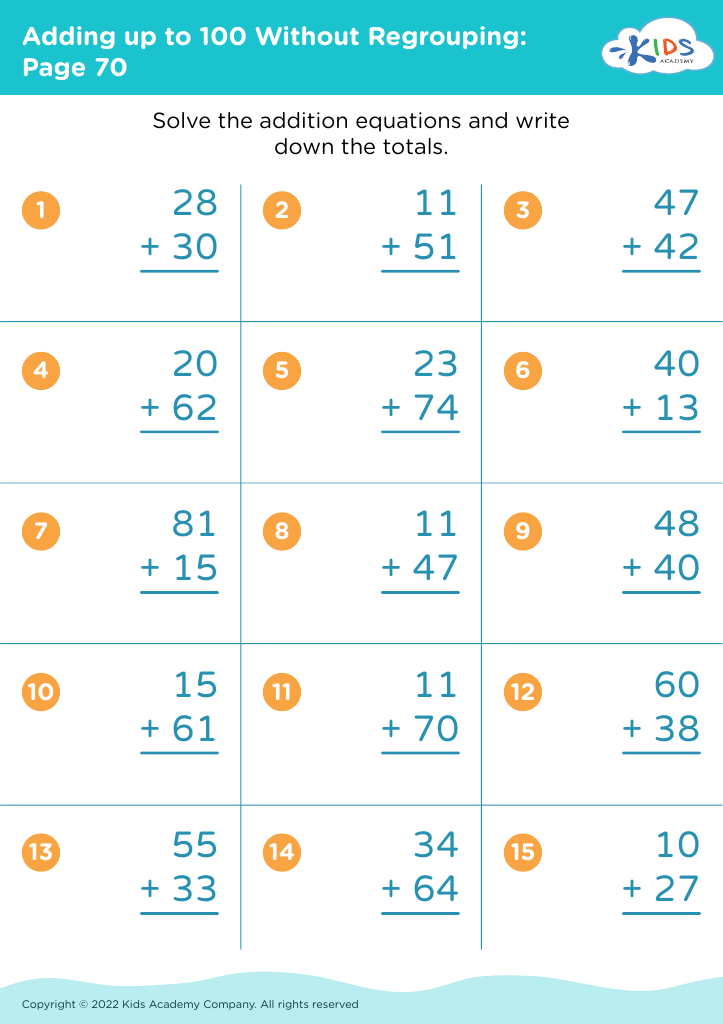
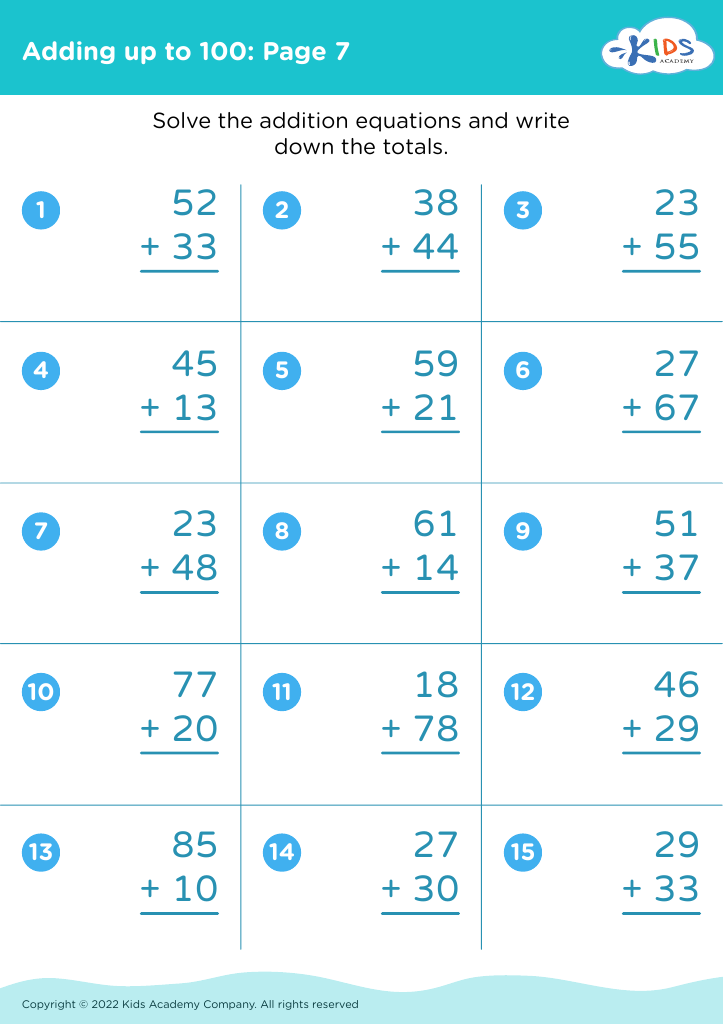








Parents and teachers play a crucial role in the foundational development of children’s mathematical skills, particularly in number recognition and basic operations like addition and subtraction for ages 6-9. At this age, children are naturally curious and eager to learn, making it an ideal time to foster a positive attitude toward math. Mastering number recognition enables children to identify, understand, and work with numbers confidently, laying the groundwork for all future mathematical concepts.
Improving skills in addition and subtraction is equally important, as these operations are cornerstones for more complex mathematical processes such as multiplication and division. When children grasp these basics, they develop problem-solving skills, logical reasoning, and critical thinking abilities, all essential for academic success. Furthermore, a solid understanding of numbers can enhance a child’s self-esteem—children who feel capable in their mathematical abilities are more likely to engage and excel in school.
Therefore, by investing time and resources in number recognition, addition, and subtraction, parents and teachers can set kids on a path toward a lifelong appreciation of math and effective problem-solving abilities, which are vital in everyday life. Emphasizing these skills today will pay dividends in their future learning and overall confidence.








