Problem Solving Addition & Subtraction Worksheets for Ages 6-9
19 filtered results
-
From - To
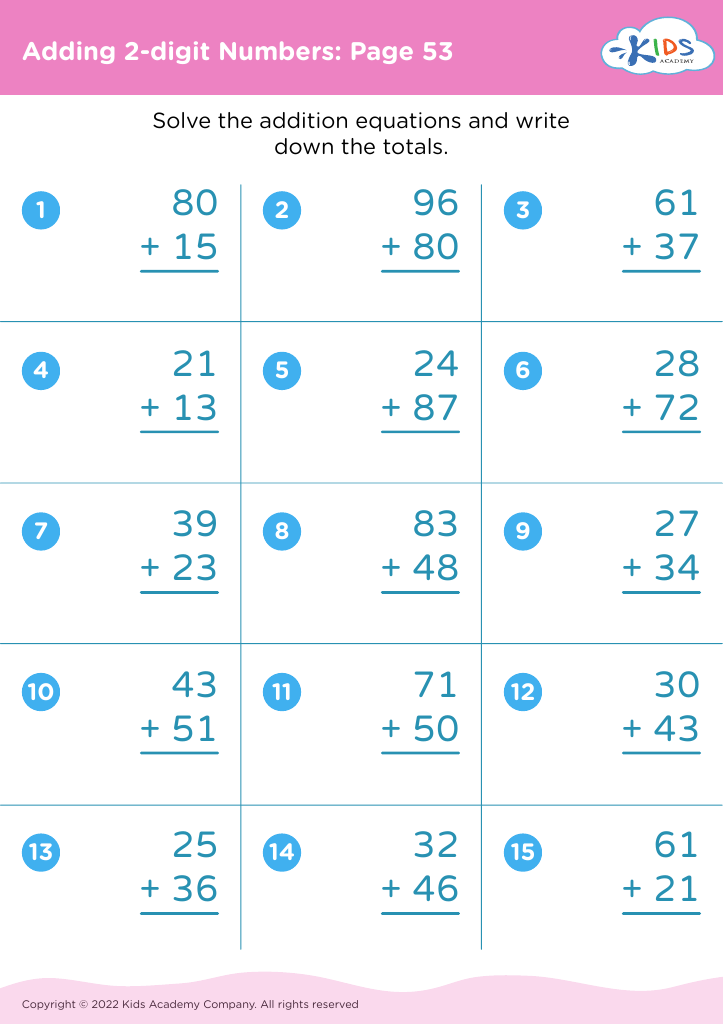
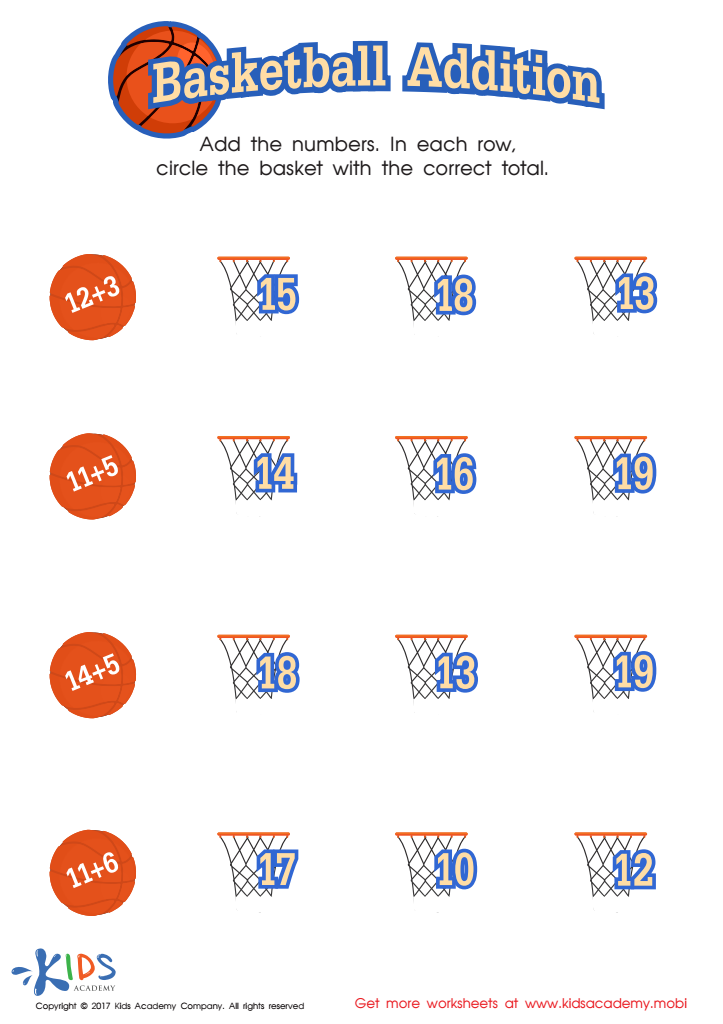
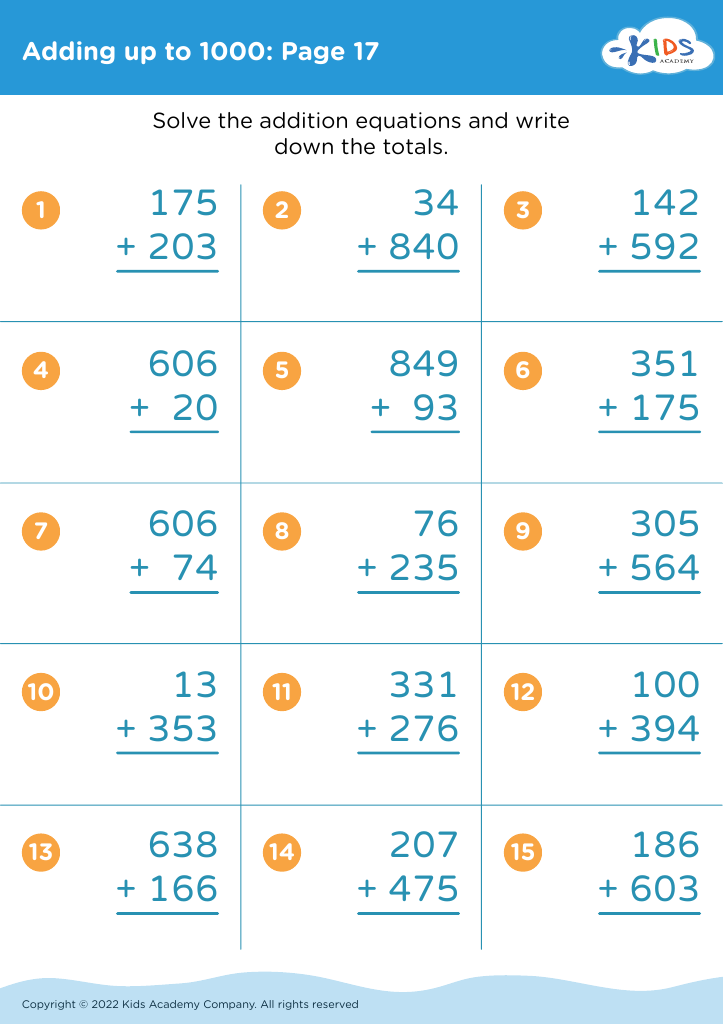
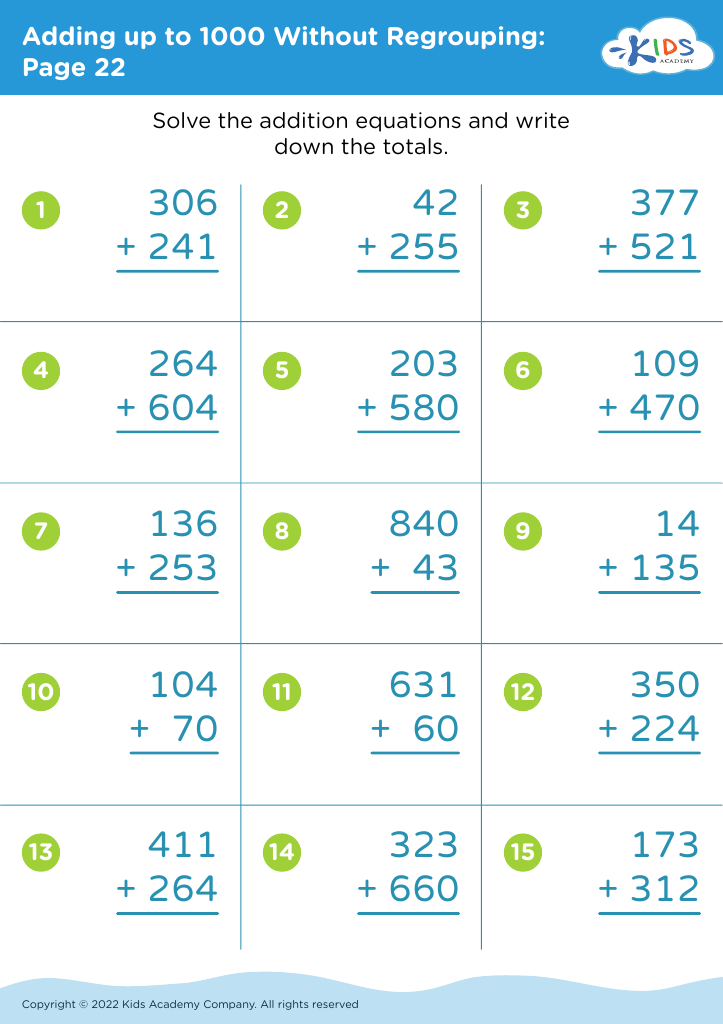
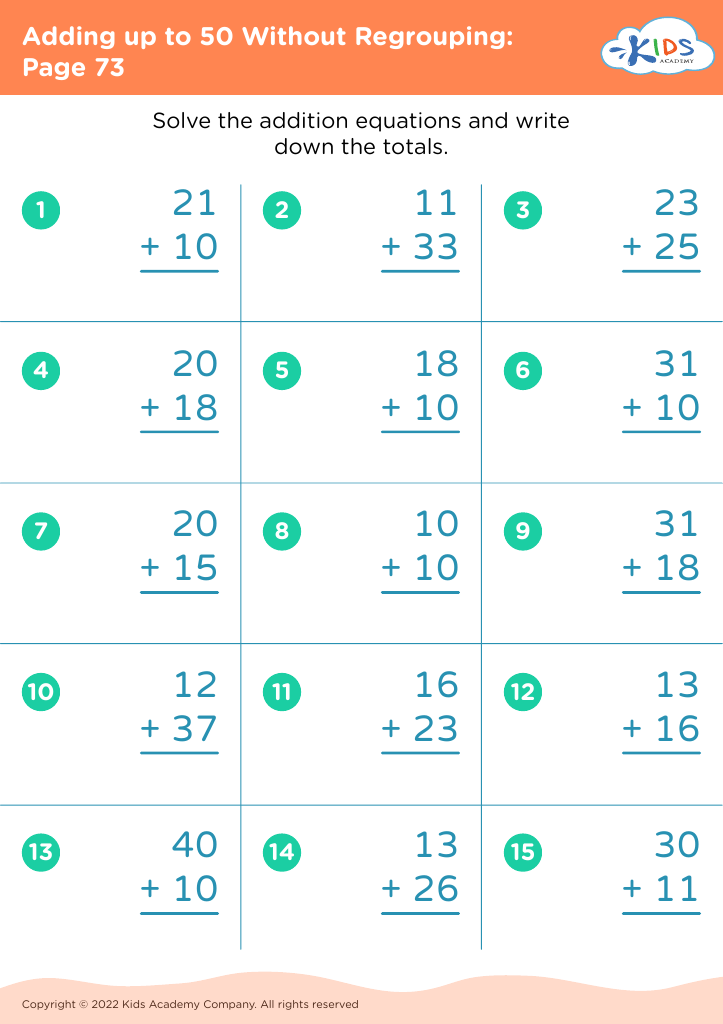
Discover our engaging Problem Solving Addition & Subtraction Worksheets designed specifically for children ages 6-9. These worksheets incorporate real-life scenarios to strengthen students' math skills while making learning enjoyable. Kids will tackle age-appropriate problems that challenge their critical thinking and reasoning abilities, enhancing their comprehension of addition and subtraction concepts. With colorful graphics and various problem formats, each worksheet promotes interactive learning and helps students build confidence in their math proficiency. Ideal for classroom use or at-home practice, these resources equip young learners with essential skills for future success. Explore our extensive collection today and watch your child excel in math!
 Assign to My Students
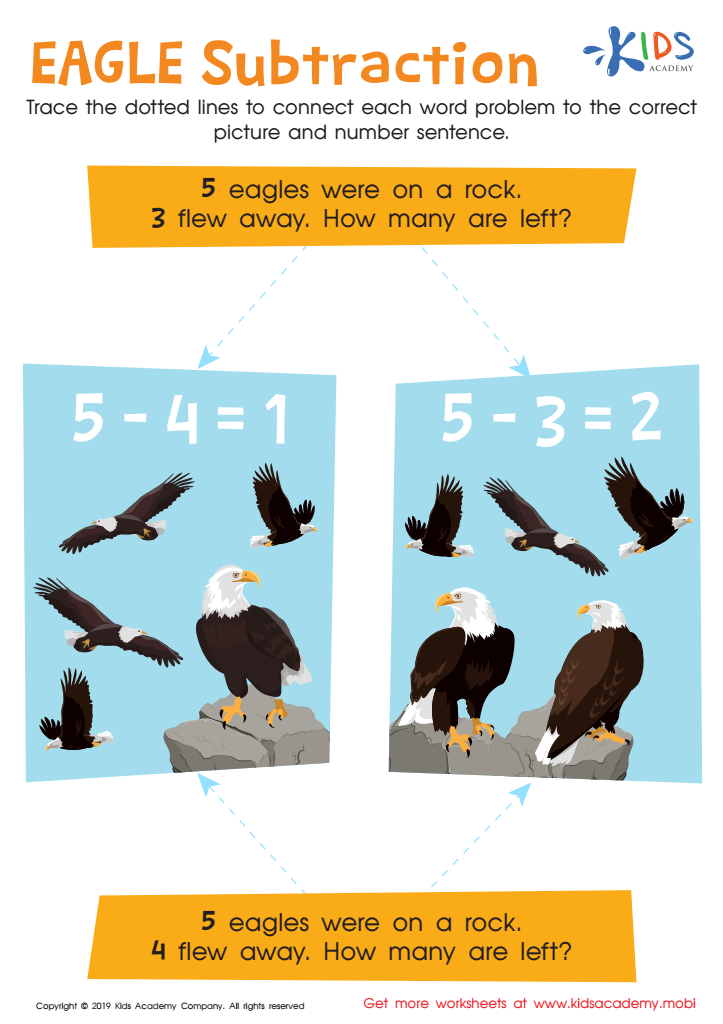
Eagle Subtraction Worksheet
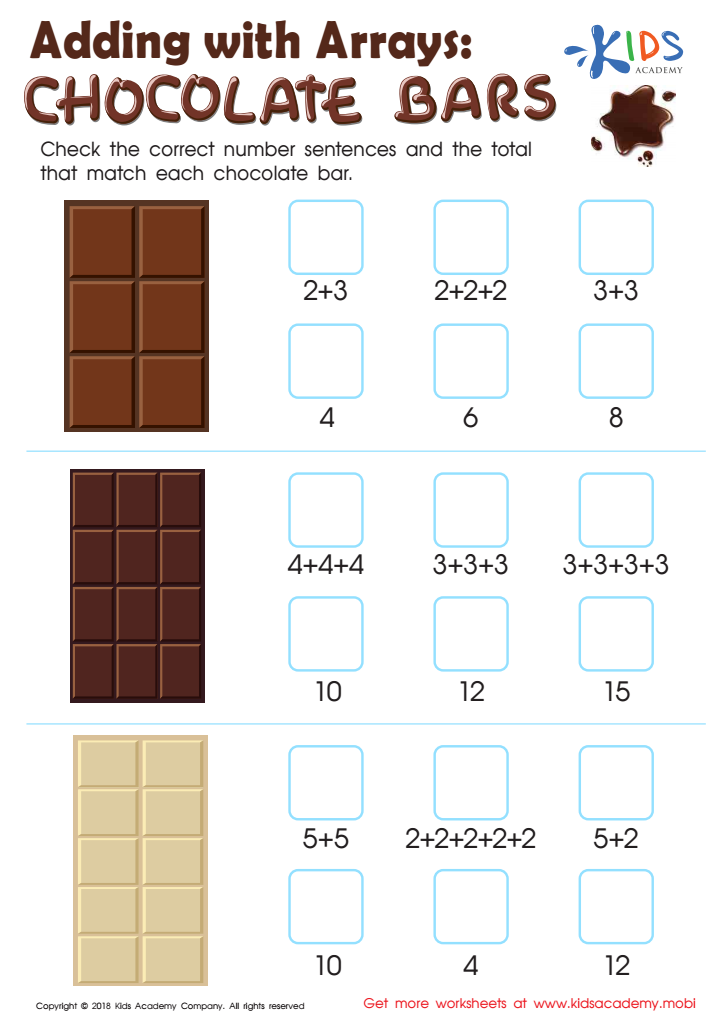
Adding with Arrays: Chocolate Bars Worksheet
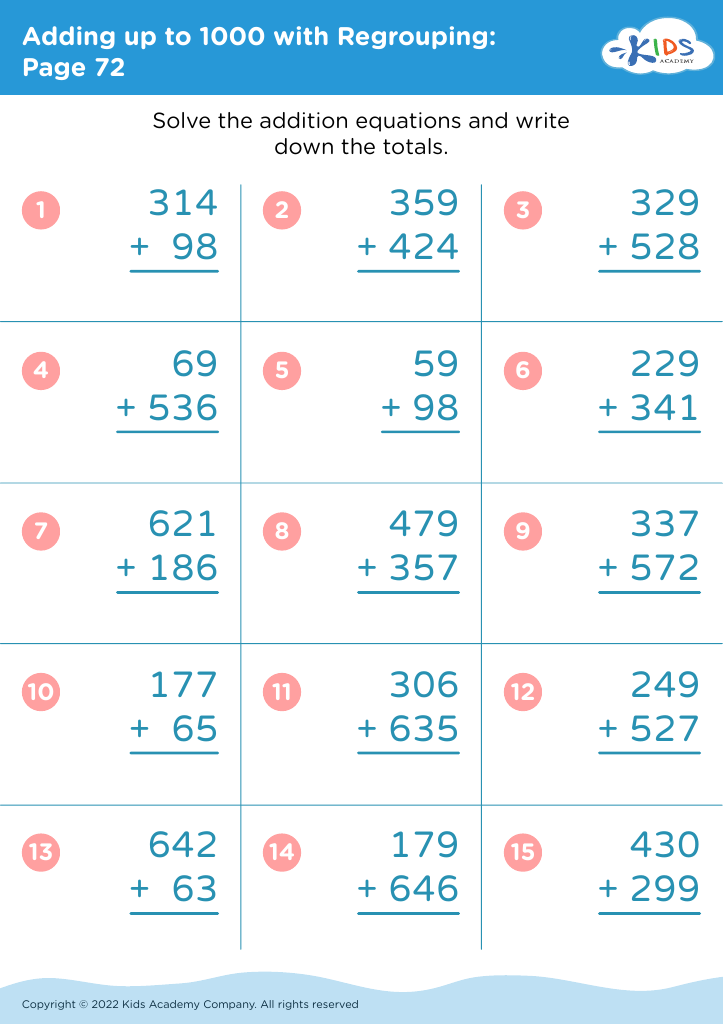
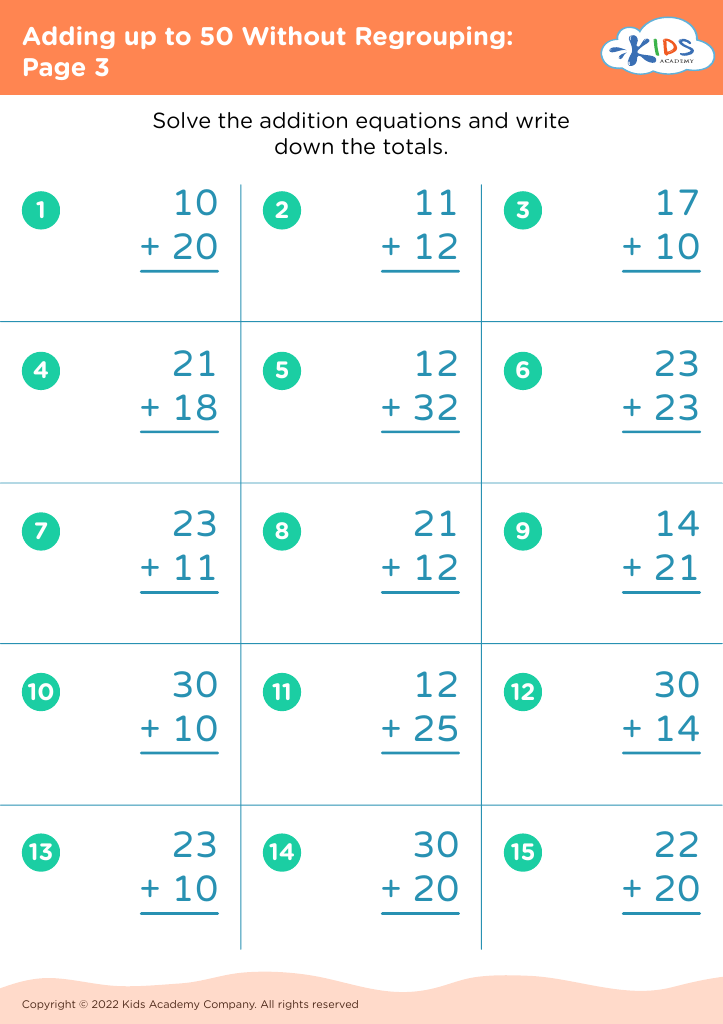
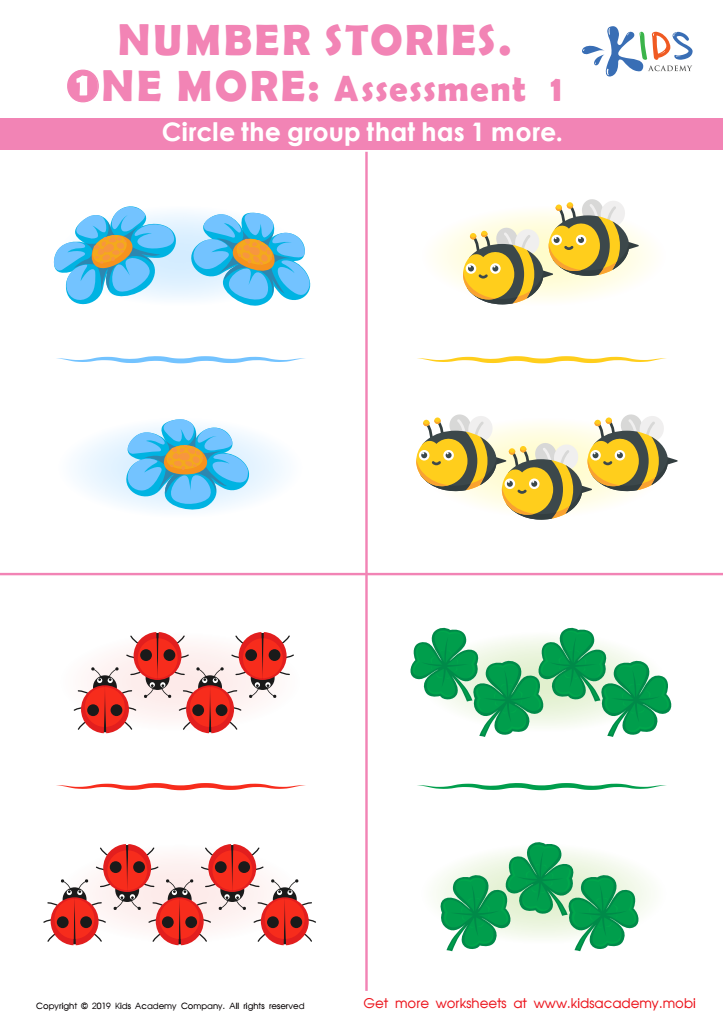
Number Stories One More – Assessment 1 Worksheet
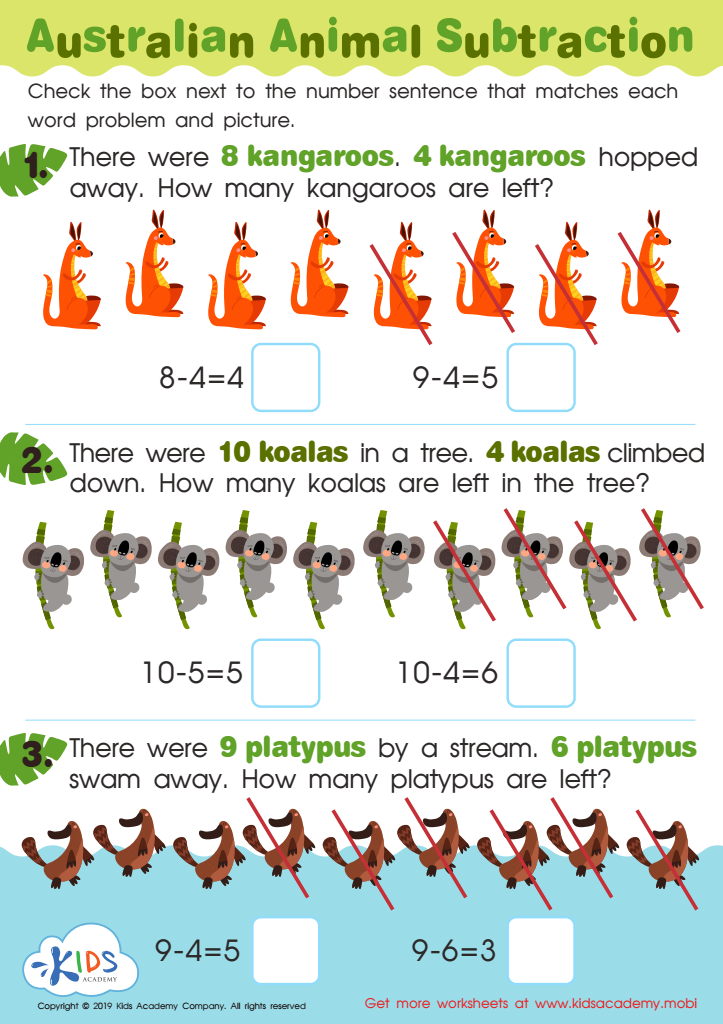
Australian Animal Subtraction Worksheet
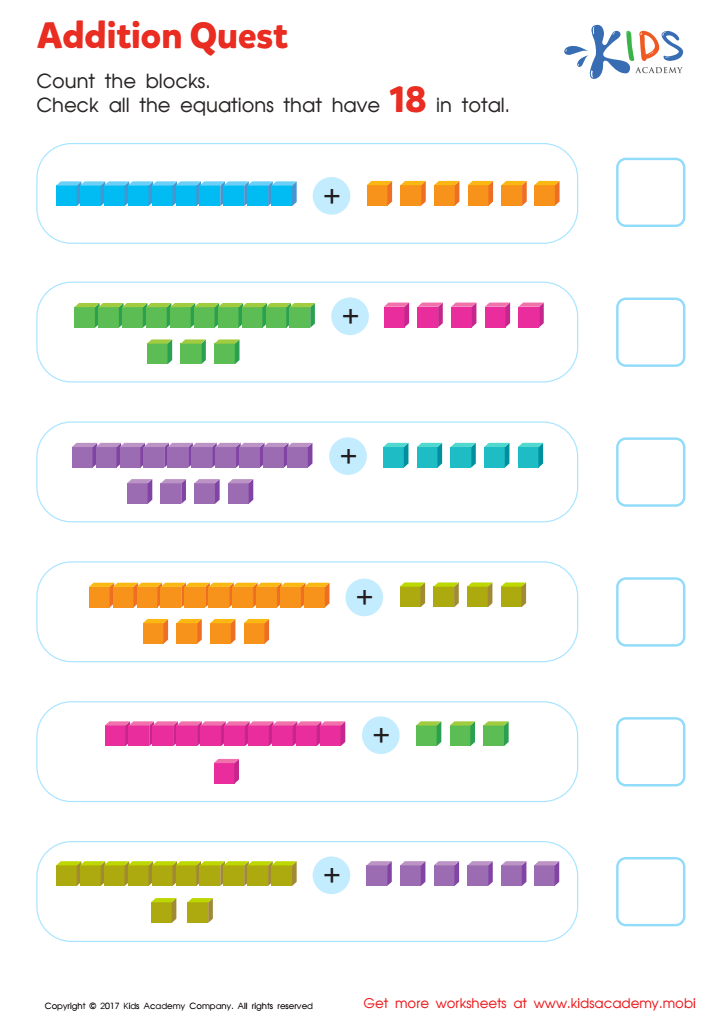
Addition Quest Worksheet: Part 2
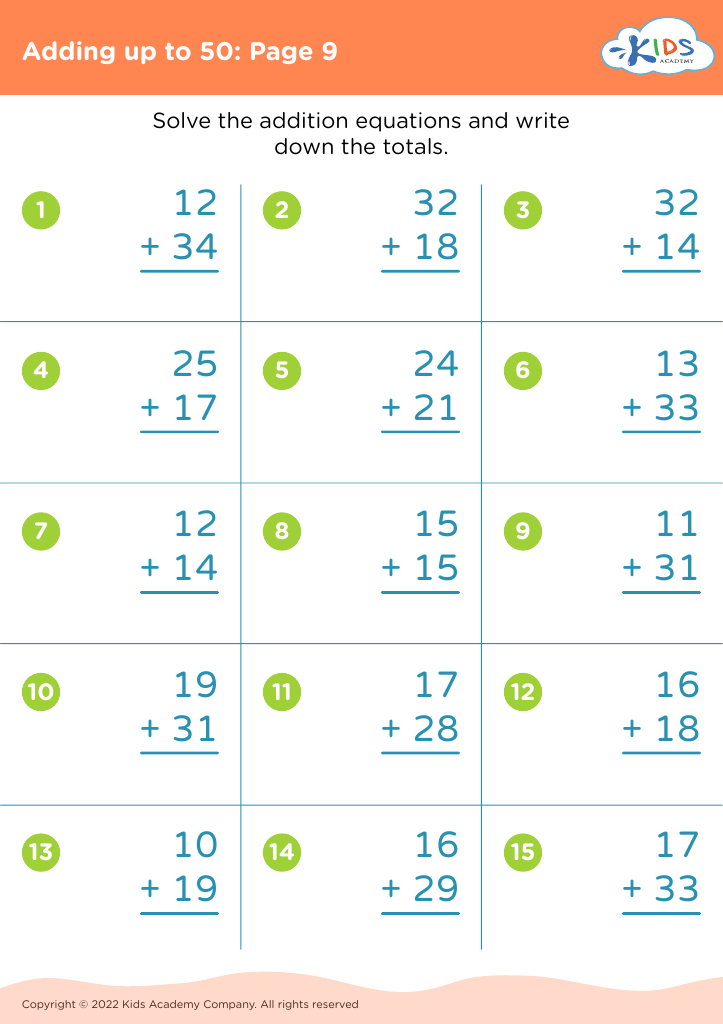
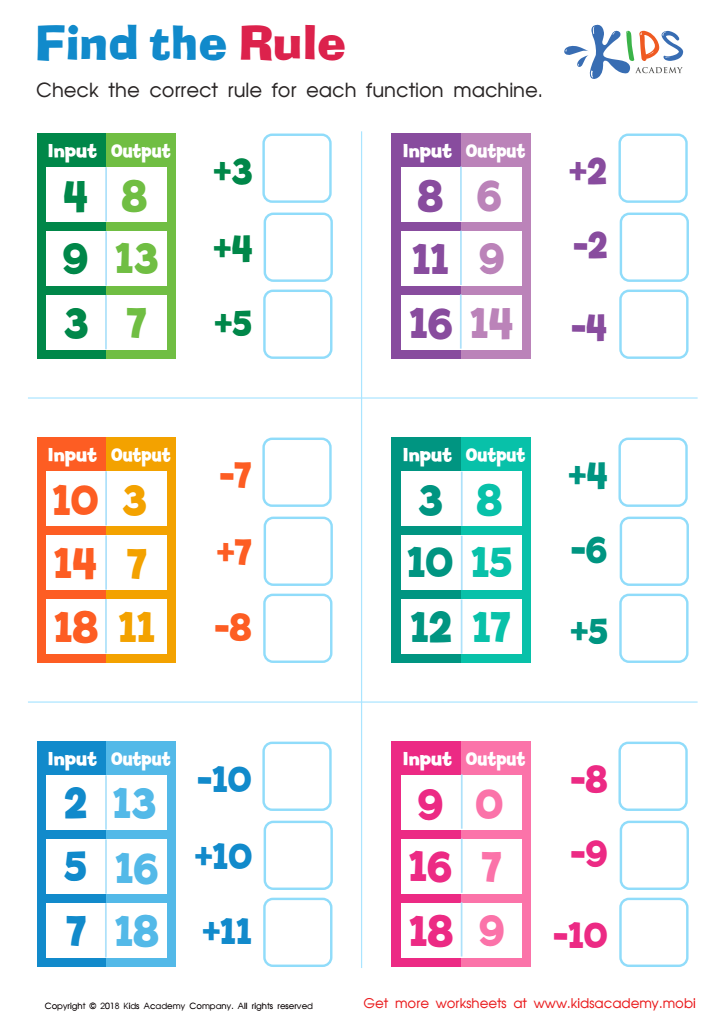
Find the Rule Worksheet
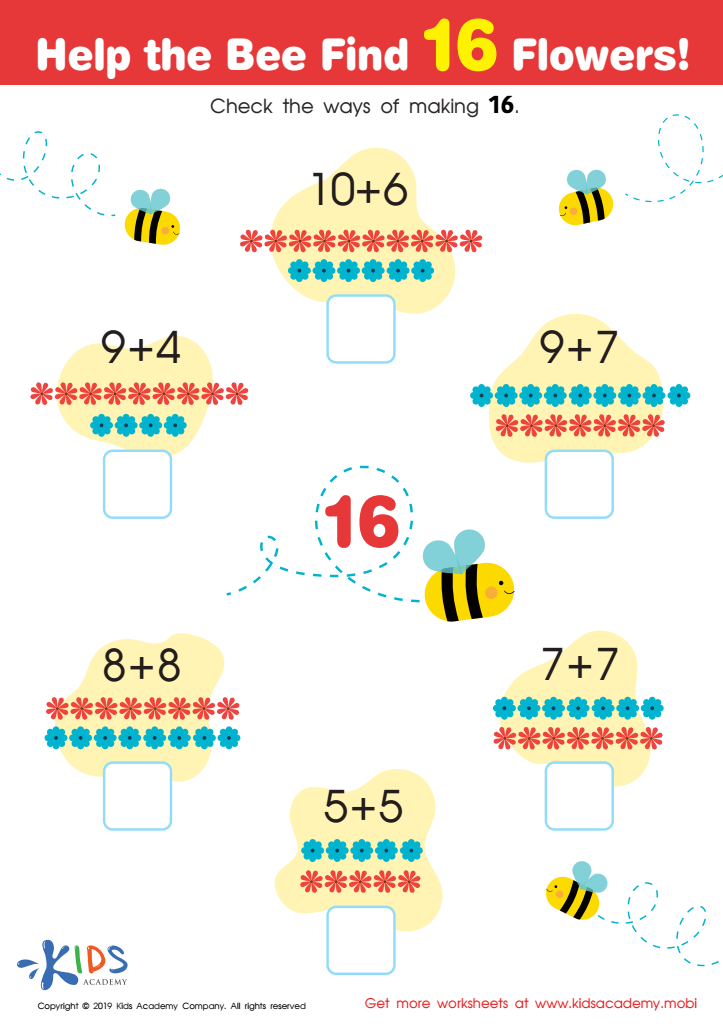
Help the Bee Find 16 Flowers Worksheet
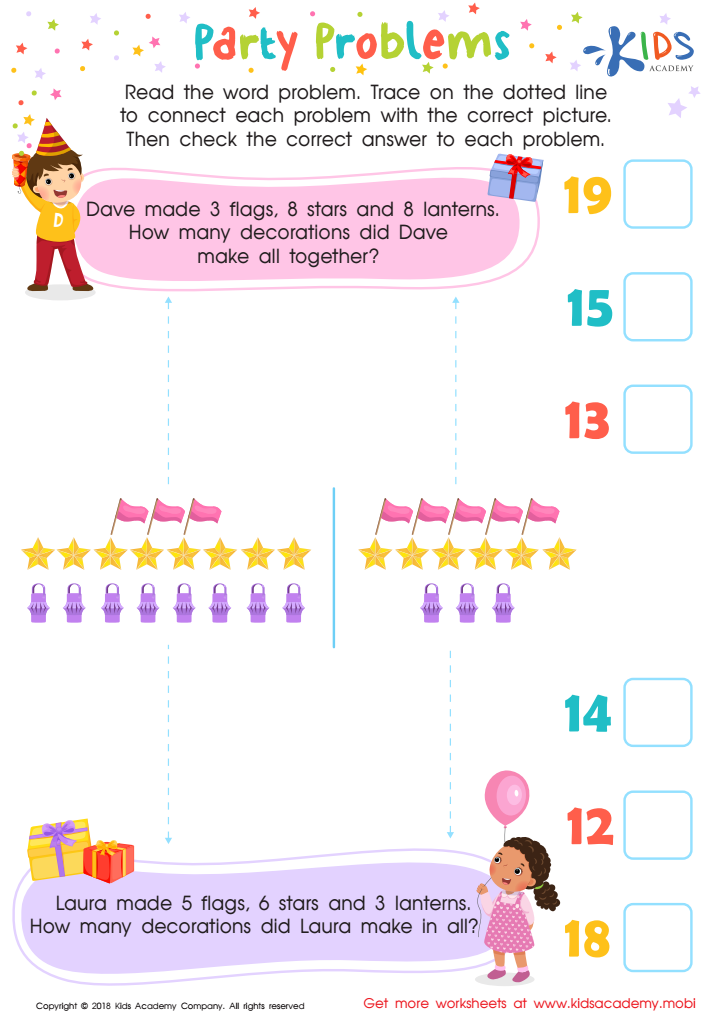
Party Problems Worksheet
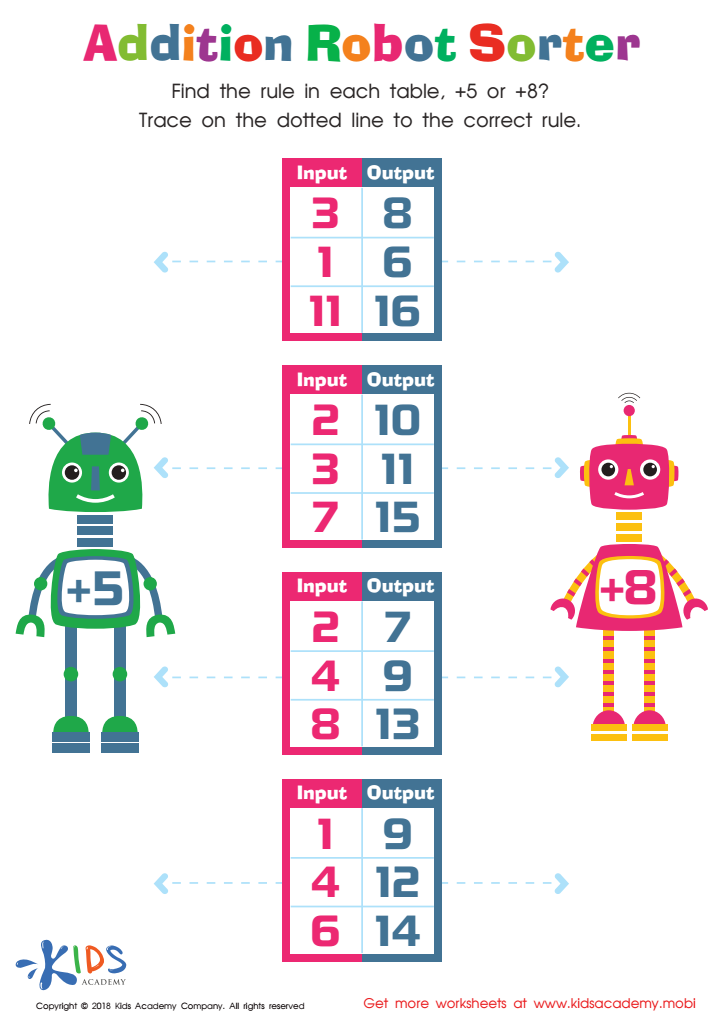
Addition Robot Sorter Worksheet
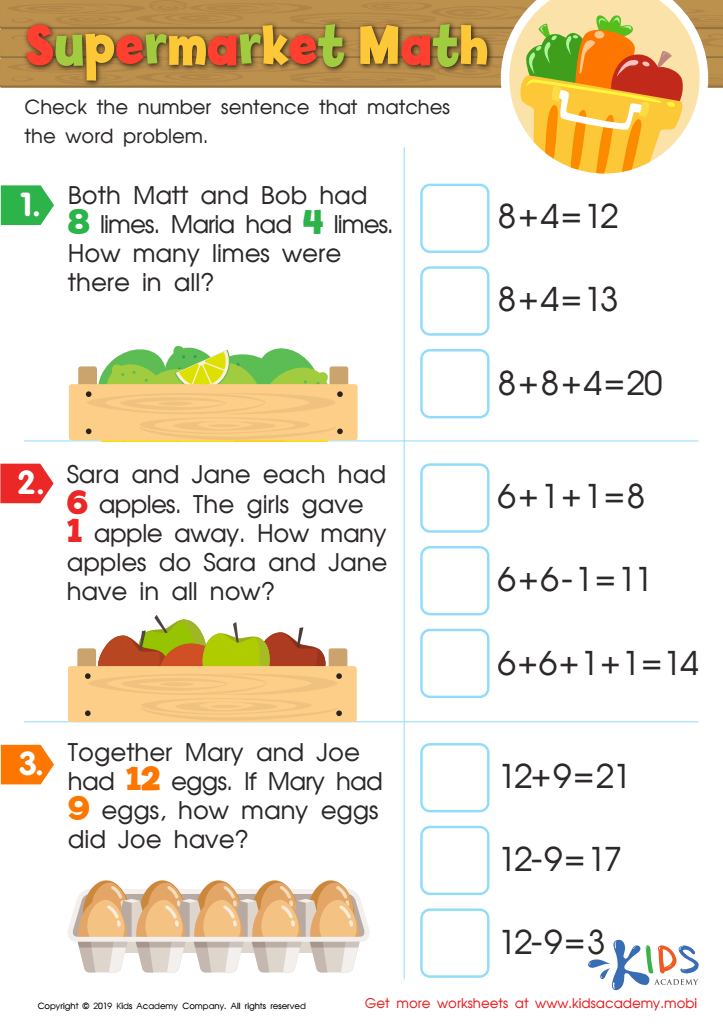
Supermarket Math Worksheet
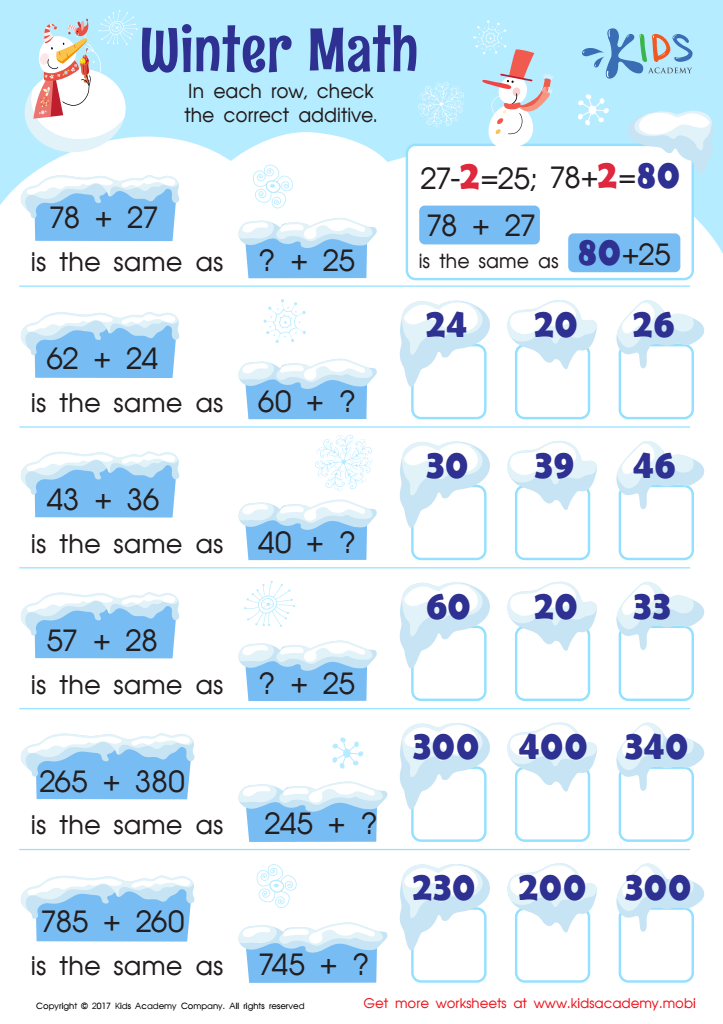
Free Addition Worksheet








Problem-solving skills in addition and subtraction are foundational in the developmental stage of children aged 6 to 9, significantly impacting their long-term academic success and everyday life. At this age, students transition from concrete thinking to more abstract reasoning, making these skills crucial. Enhancing problem-solving abilities fosters critical thinking, enabling children to analyze situations, identify strategies, and apply mathematical concepts effectively.
Moreover, these skills instill a sense of confidence and independence in young learners. Parents and teachers can observe how mastering addition and subtraction helps students tackle more complex mathematical operations down the line, such as multiplication and division. Engaging children in problem-solving activities encourages them to articulate their thought processes, reinforcing communication skills and collaborative learning.
Furthermore, problem-solving in real-world scenarios helps children comprehend the practical applications of mathematics. It prepares them for future challenges, both in education and daily routines, such as budgeting pocket money or planning events. By fostering a supportive environment that emphasizes the importance of problem solving, parents and teachers equip students with not only mathematical skills but also resilience and adaptability—qualities essential for navigating a rapidly changing world. Thus, investing in these skills lays a robust foundation for holistic development.








