Check out this FREE Trial Lesson on Addition & Subtraction for age 6-9!

Sorting Objects into 3 Categories

Favorites
With answer key
Interactive
  • 6-9
  • Understanding fractions
  • Addition & Subtraction
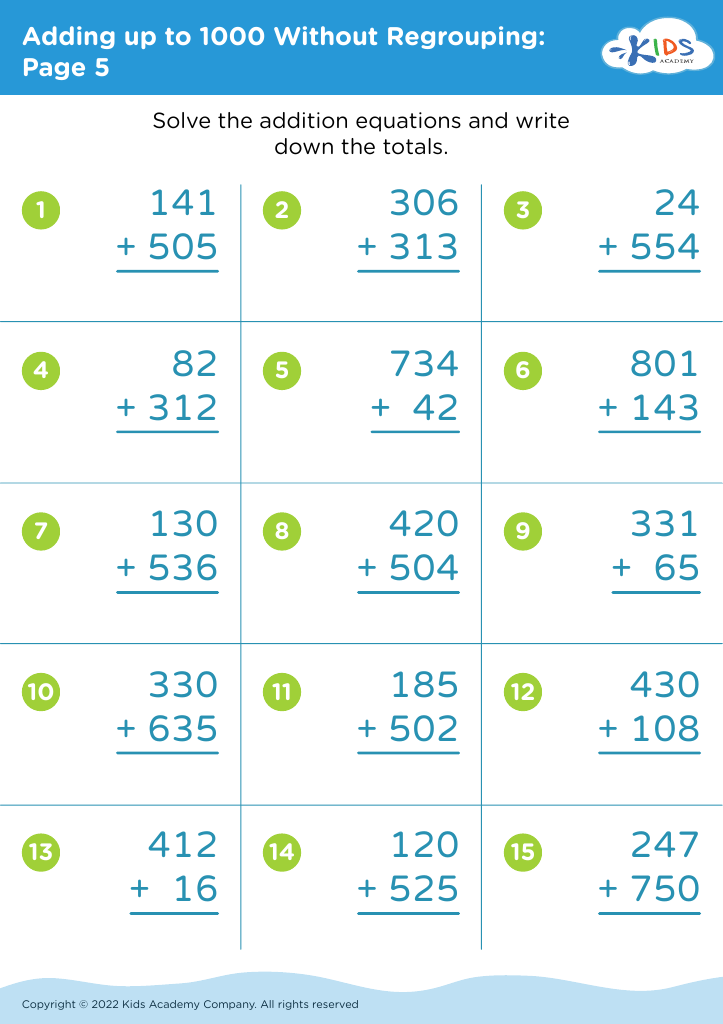
Adding up to 1000 Without Regrouping: Page 5
Worksheet
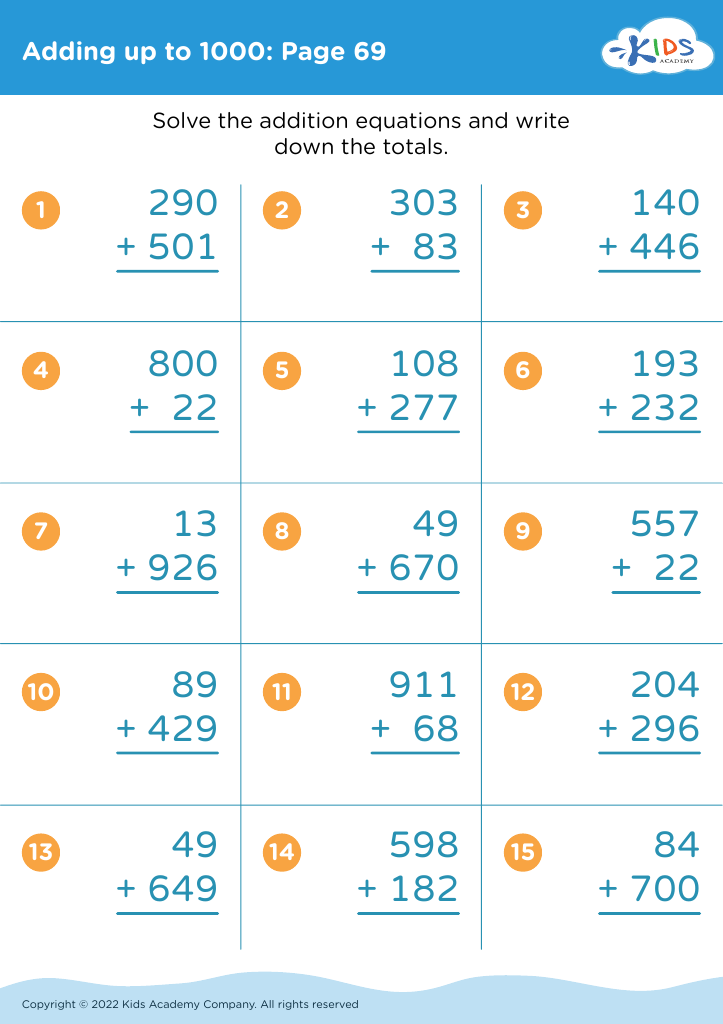
Adding up to 1000: Page 69

Adding up to 1000: Page 69

Adding up to 1000: Page 69
Worksheet
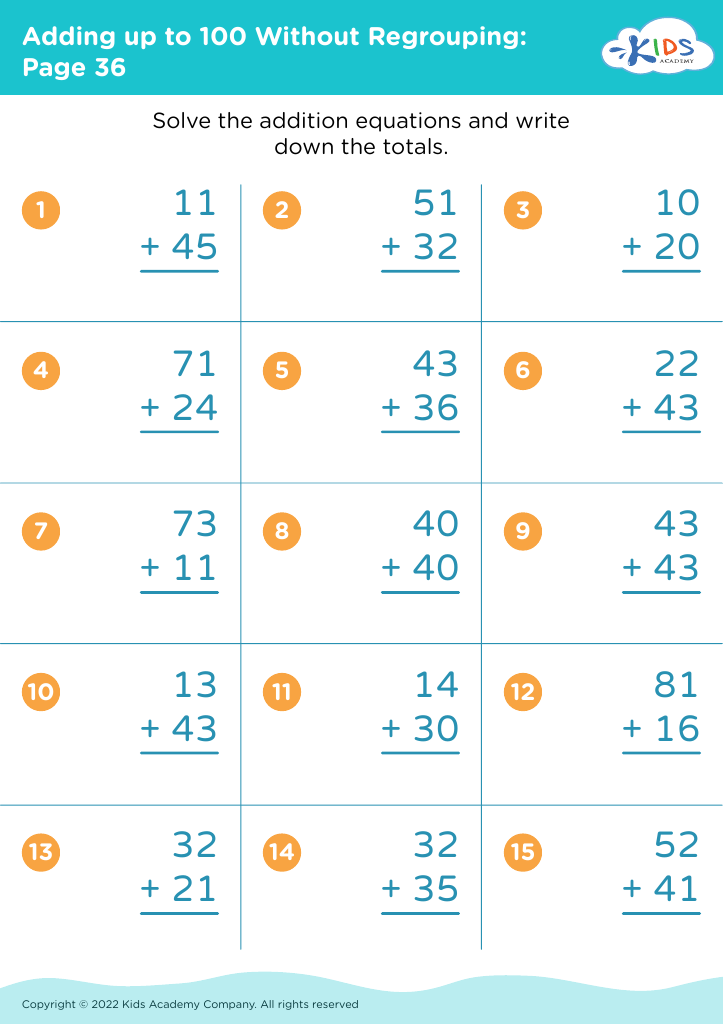
Adding up to 100 Without Regrouping: Page 36
Worksheet
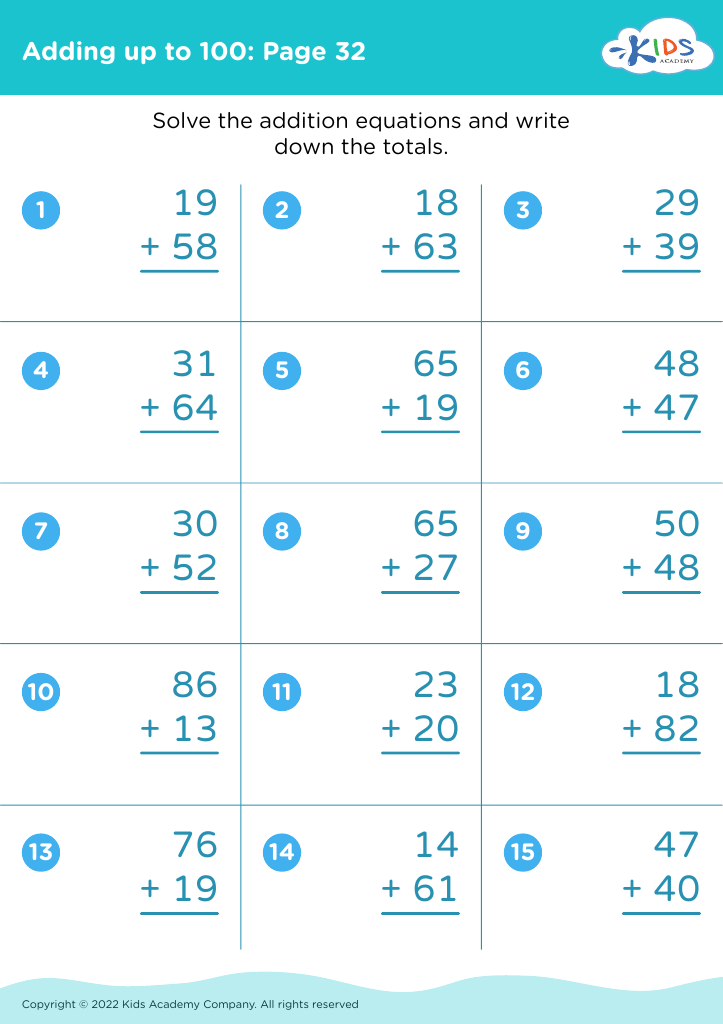
Adding up to 100: Page 32

Adding up to 100: Page 32

Adding up to 100: Page 32
Worksheet
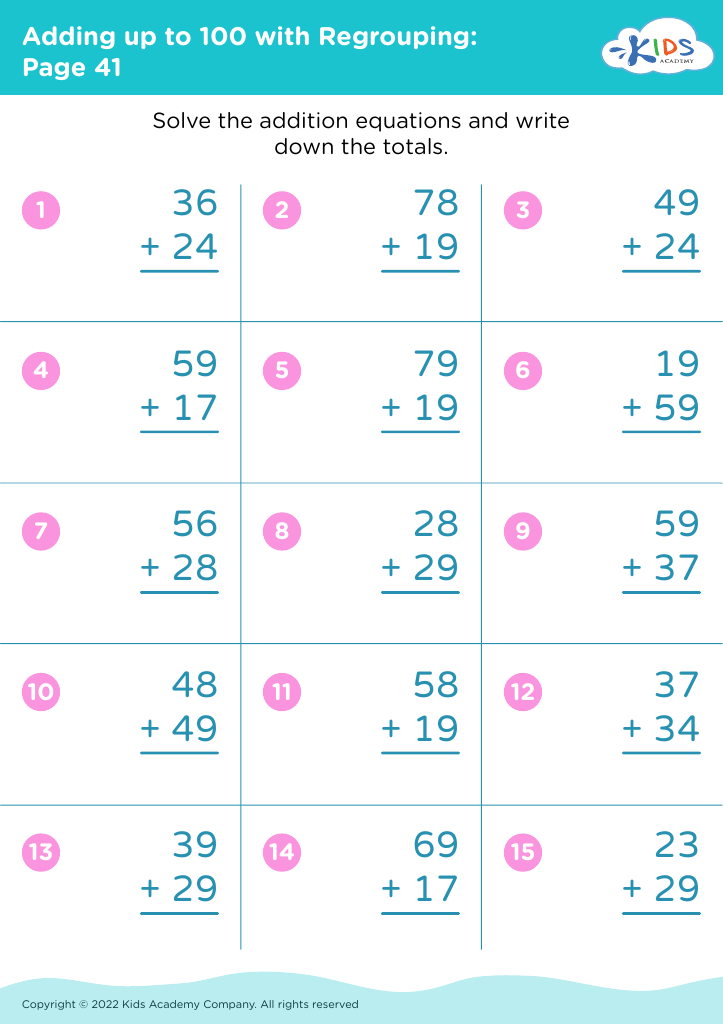
Adding up to 100 with Regrouping: Page 41
Worksheet
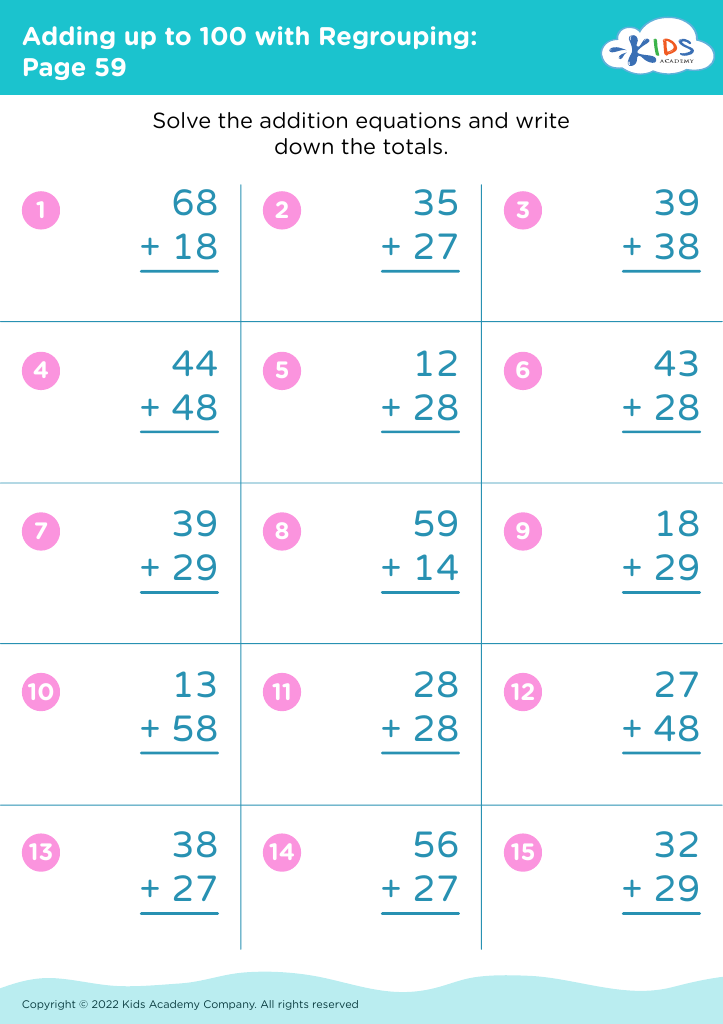
Adding up to 100 with Regrouping: Page 59
Worksheet
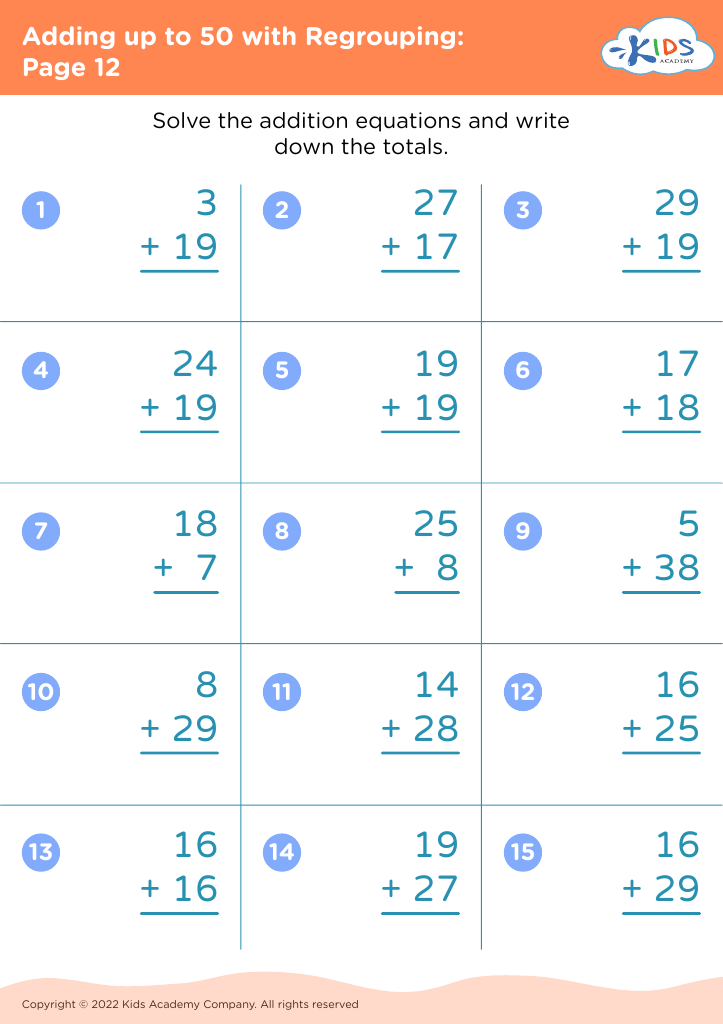
Adding up to 50 with Regrouping: Page 12
Worksheet
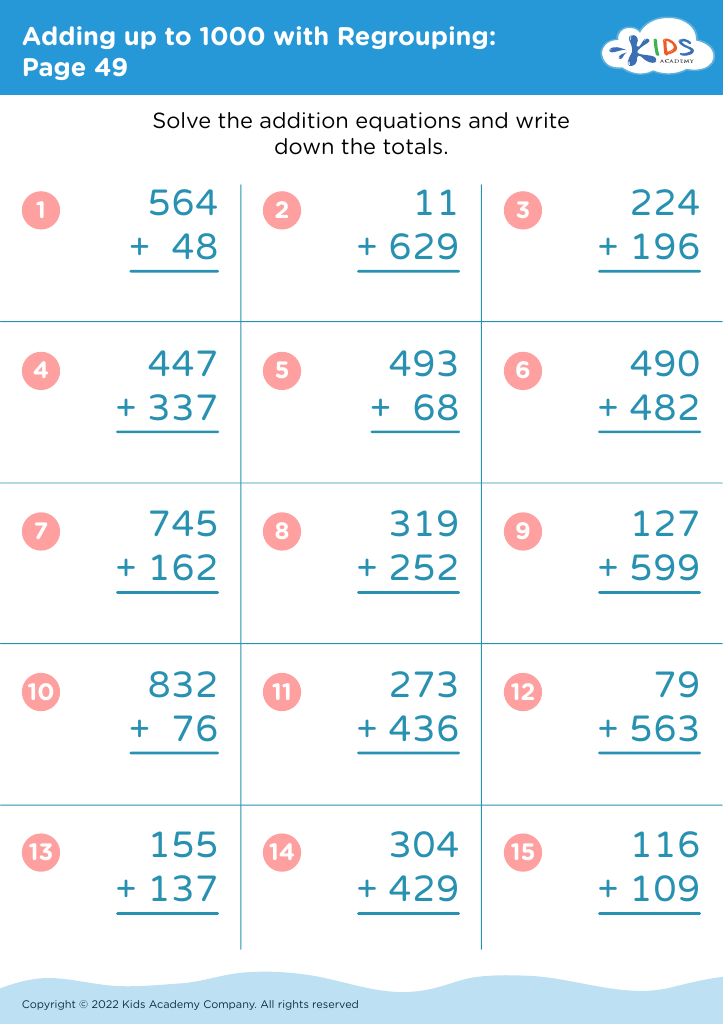
Adding up to 1000 with Regrouping: Page 49
Worksheet
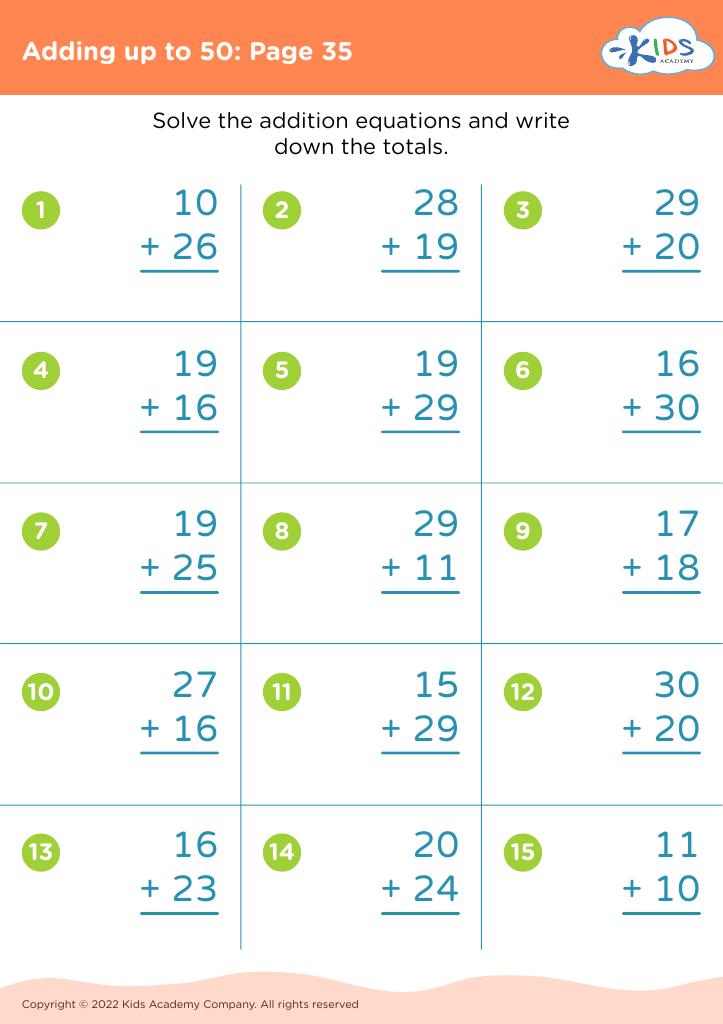
Adding up to 50: Page 35

Adding up to 50: Page 35

Adding up to 50: Page 35
Worksheet
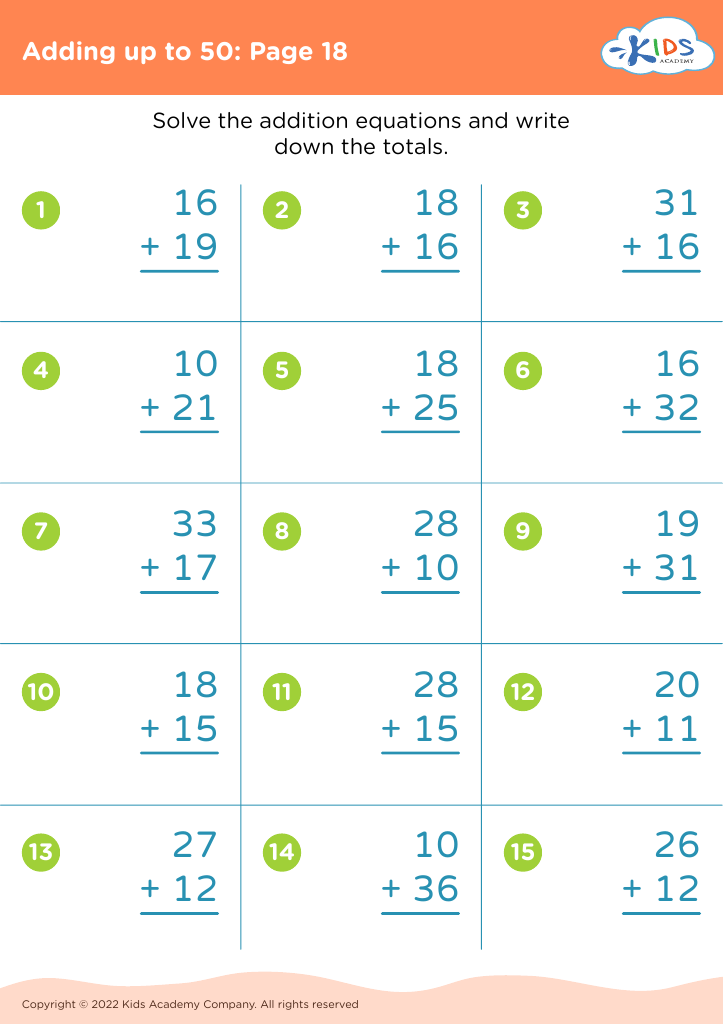
Adding up to 50: Page 18

Adding up to 50: Page 18

Adding up to 50: Page 18
Worksheet
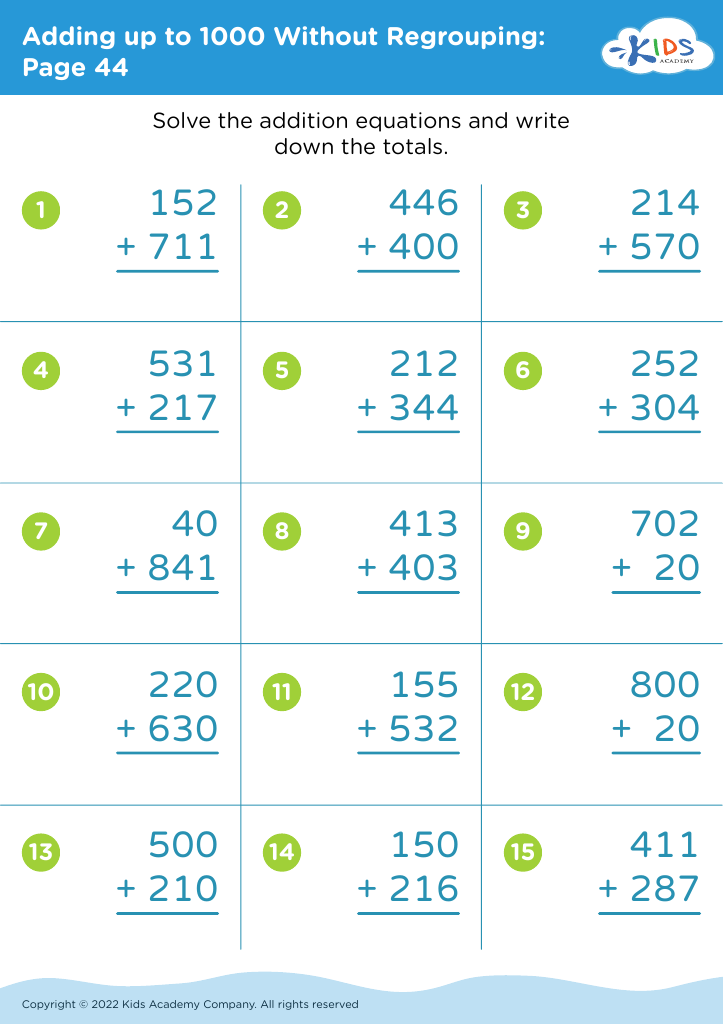
Adding up to 1000 Without Regrouping: Page 44
Worksheet
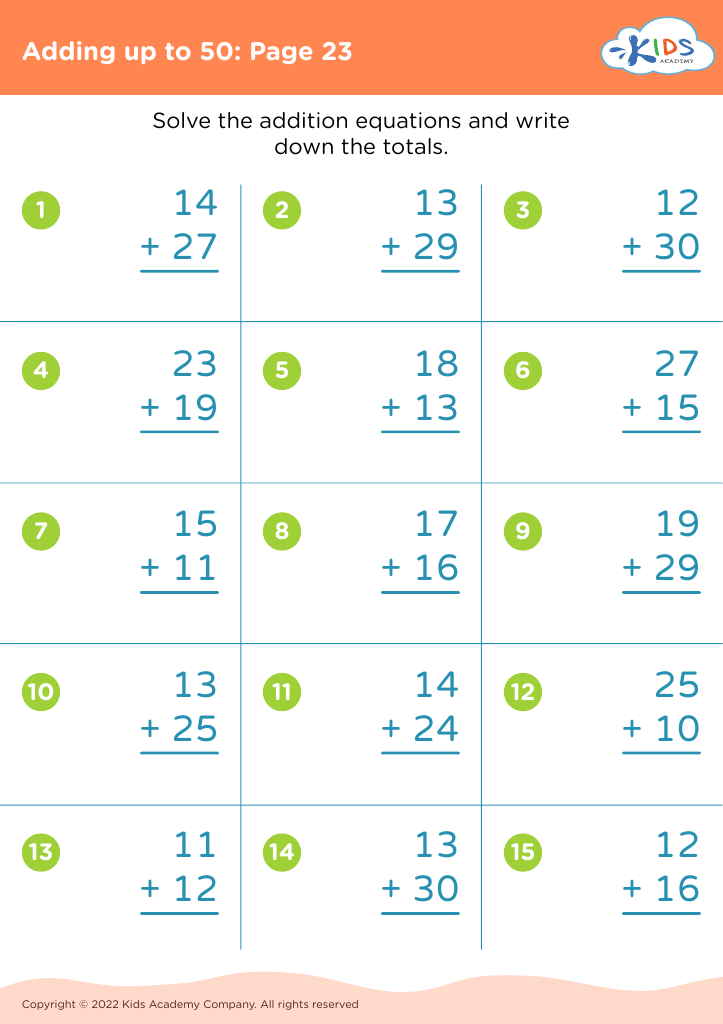
Adding up to 50: Page 23

Adding up to 50: Page 23

Adding up to 50: Page 23
Worksheet
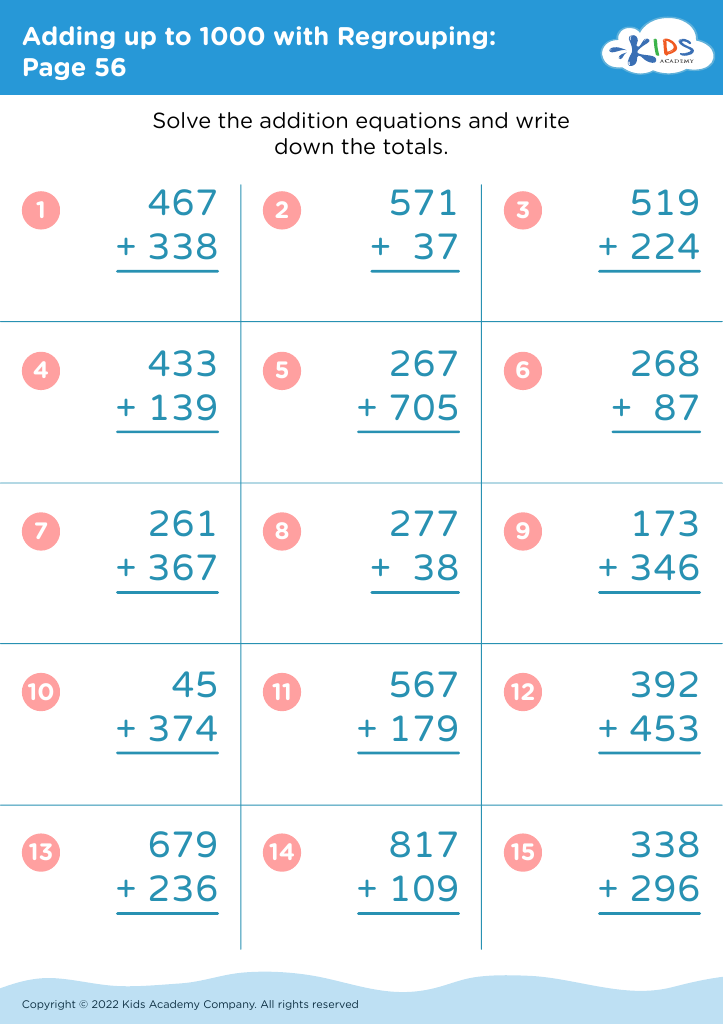
Adding up to 1000 with Regrouping: Page 56
Worksheet
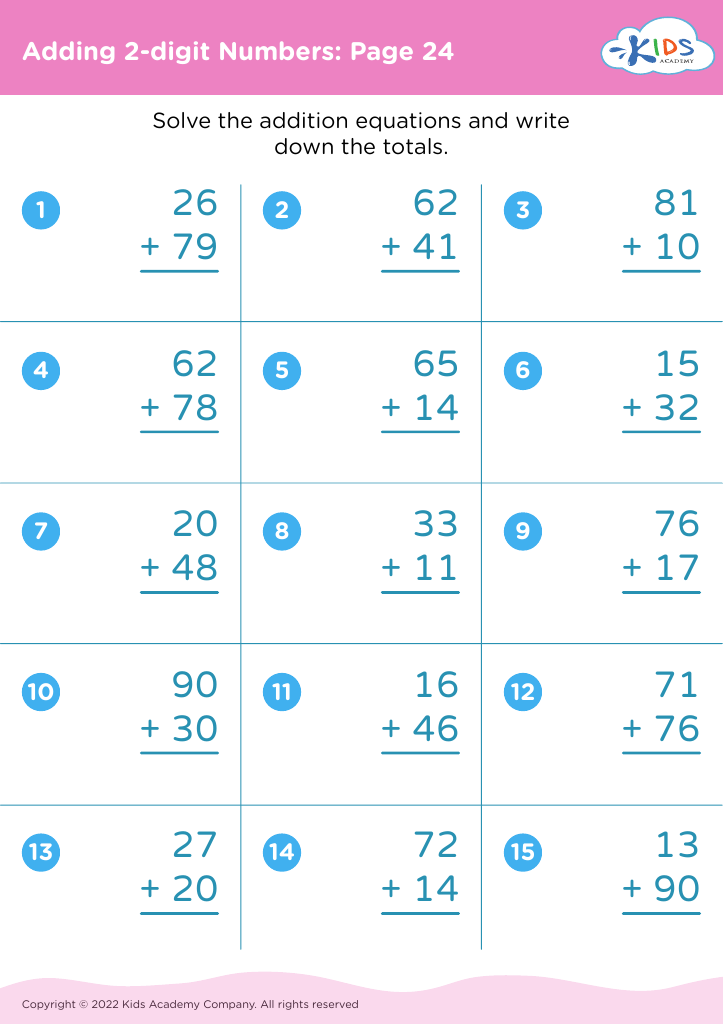
Adding 2-digit Numbers: Page 24

Adding 2-digit Numbers: Page 24

Adding 2-digit Numbers: Page 24
Worksheet
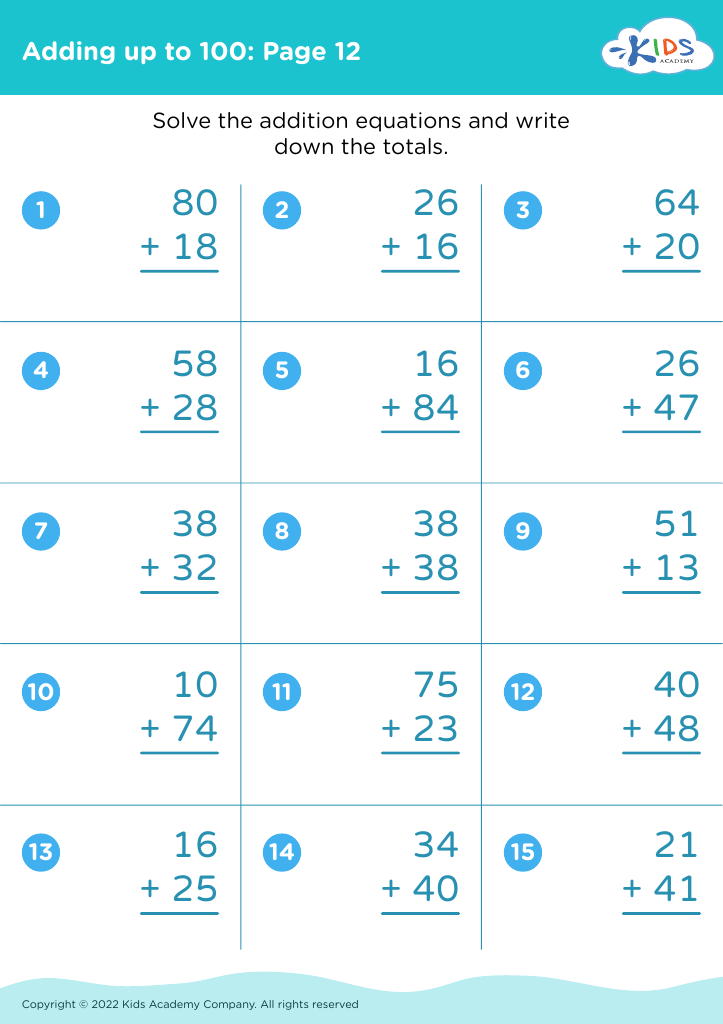
Adding up to 100: Page 12

Adding up to 100: Page 12

Adding up to 100: Page 12
Worksheet
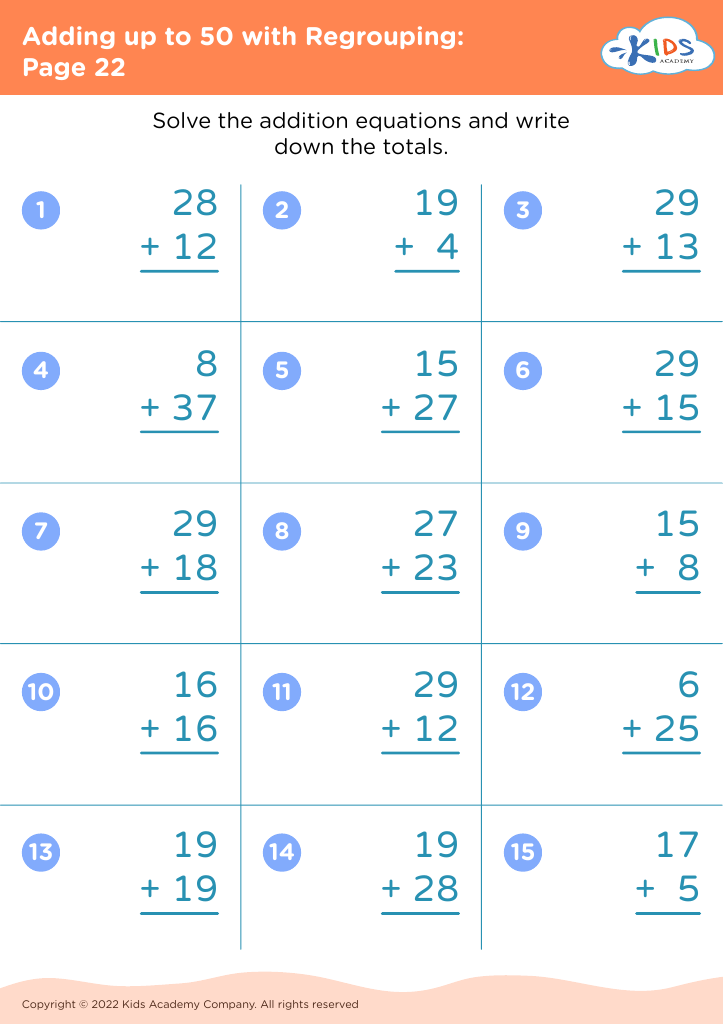
Adding up to 50 with Regrouping: Page 22
Worksheet
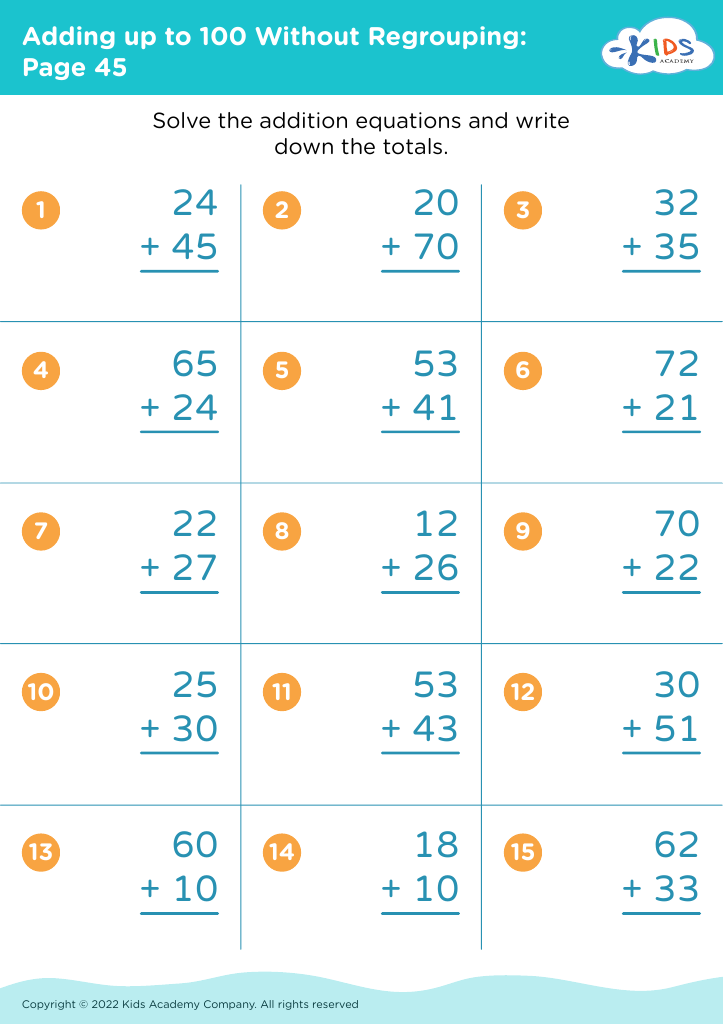
Adding up to 100 Without Regrouping: Page 45
Worksheet
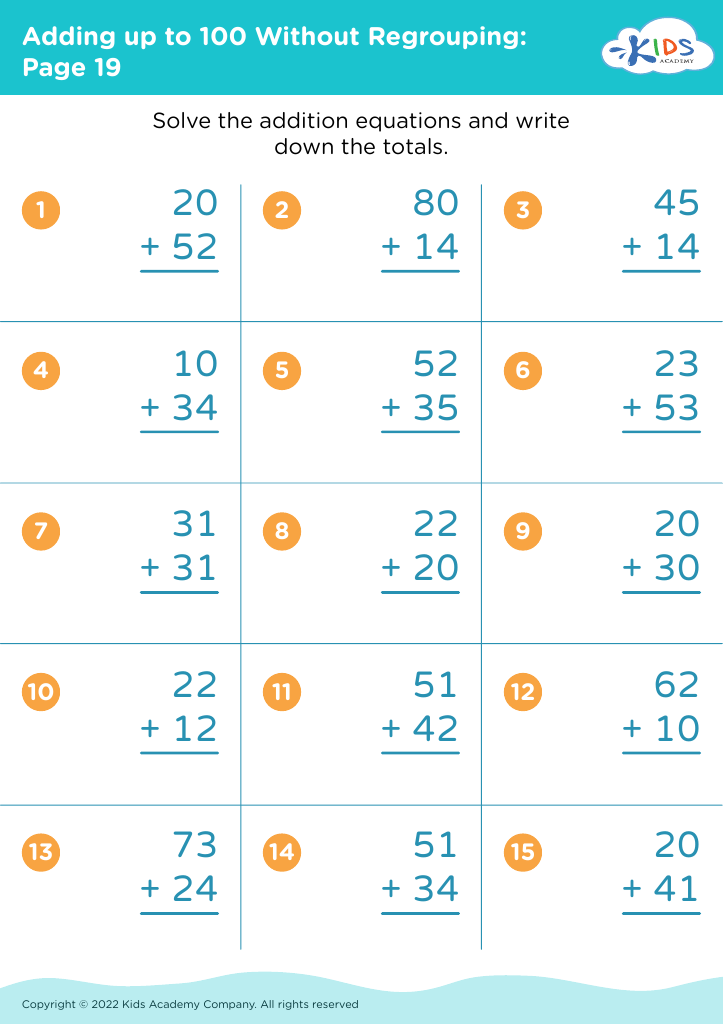
Adding up to 100 Without Regrouping: Page 19
Worksheet
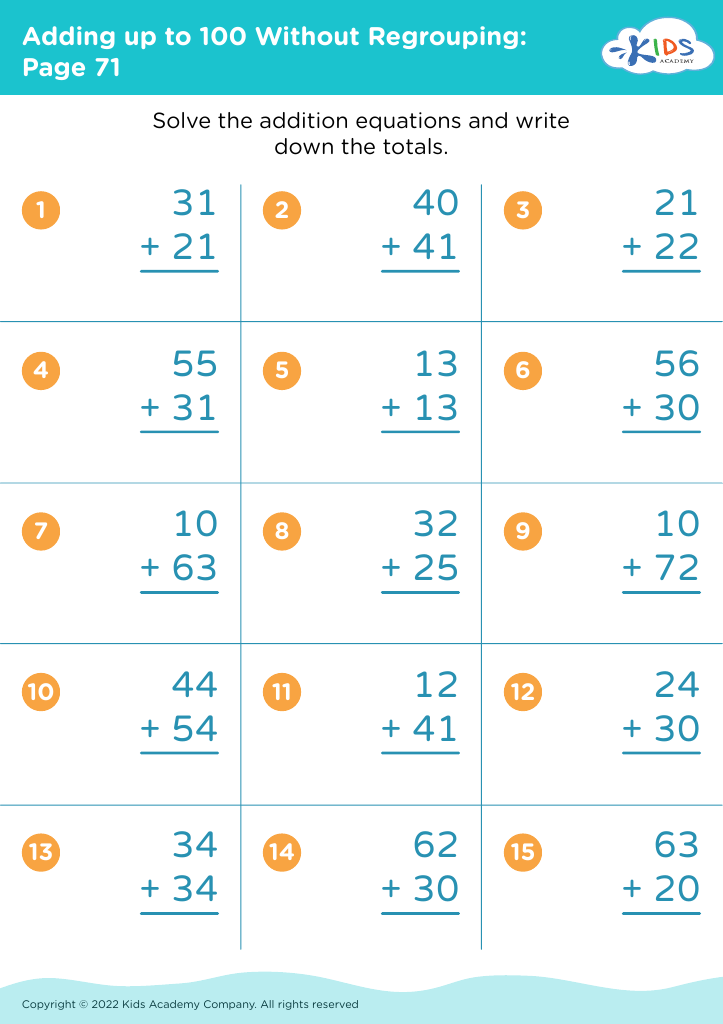
Adding up to 100 Without Regrouping: Page 71
Worksheet
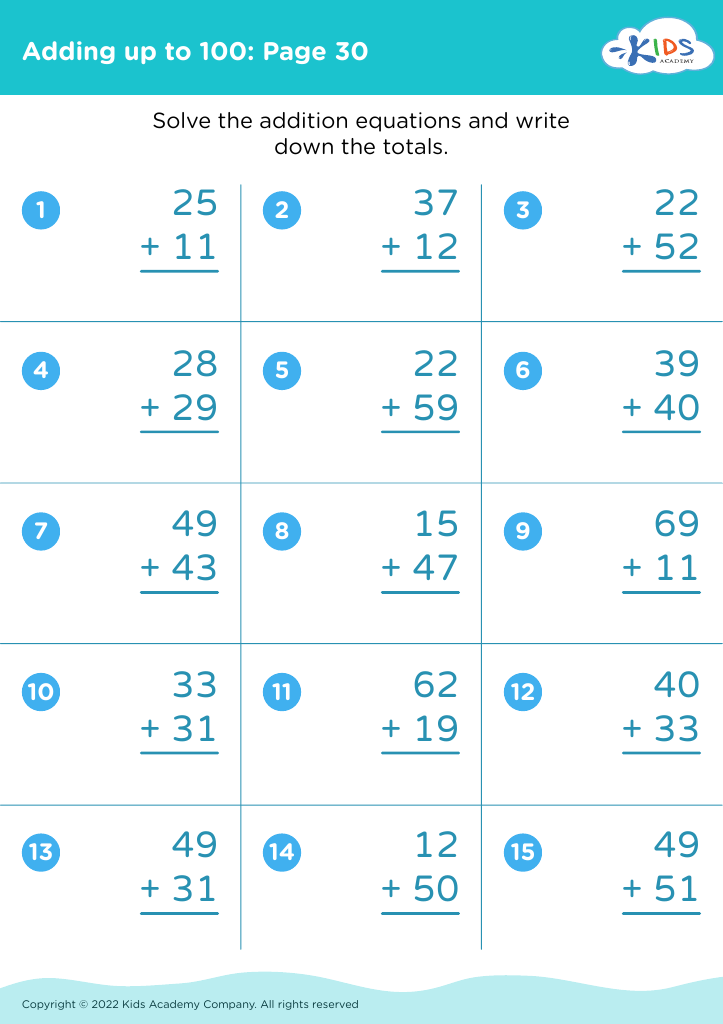
Adding up to 100: Page 30

Adding up to 100: Page 30

Adding up to 100: Page 30
Worksheet
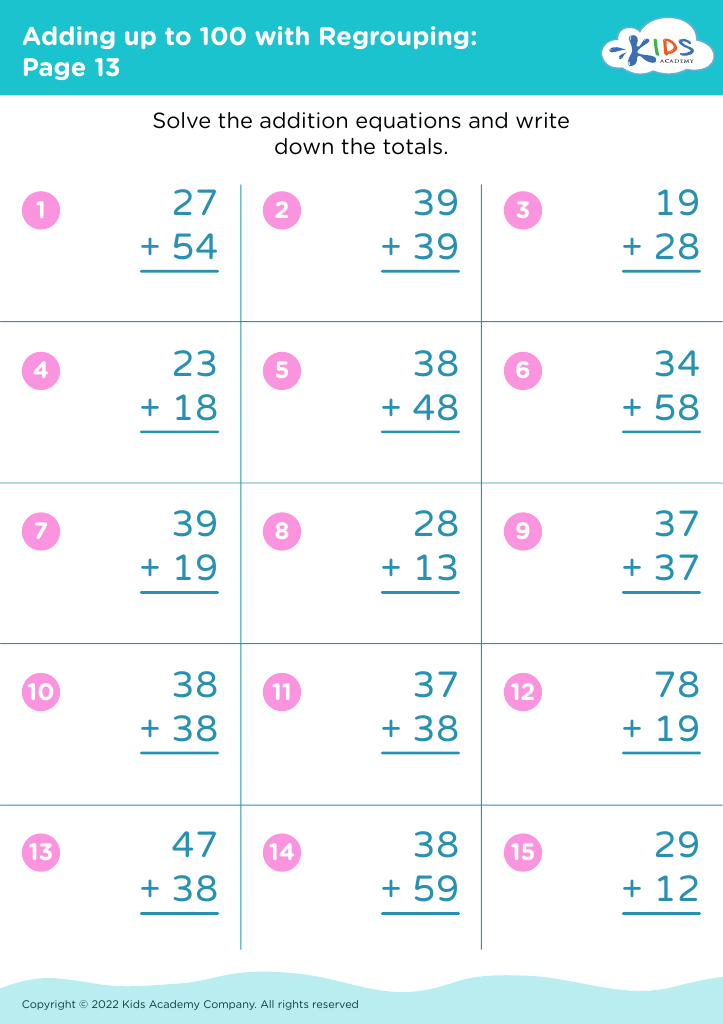
Adding up to 100 with Regrouping: Page 13
Worksheet
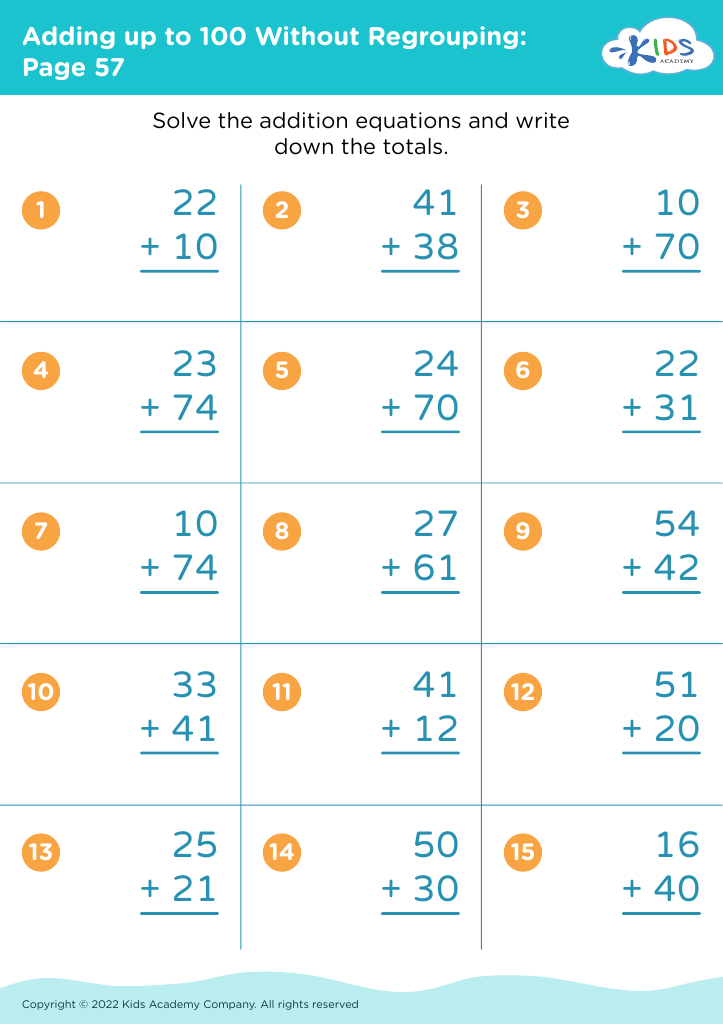
Adding up to 100 Without Regrouping: Page 57
Worksheet
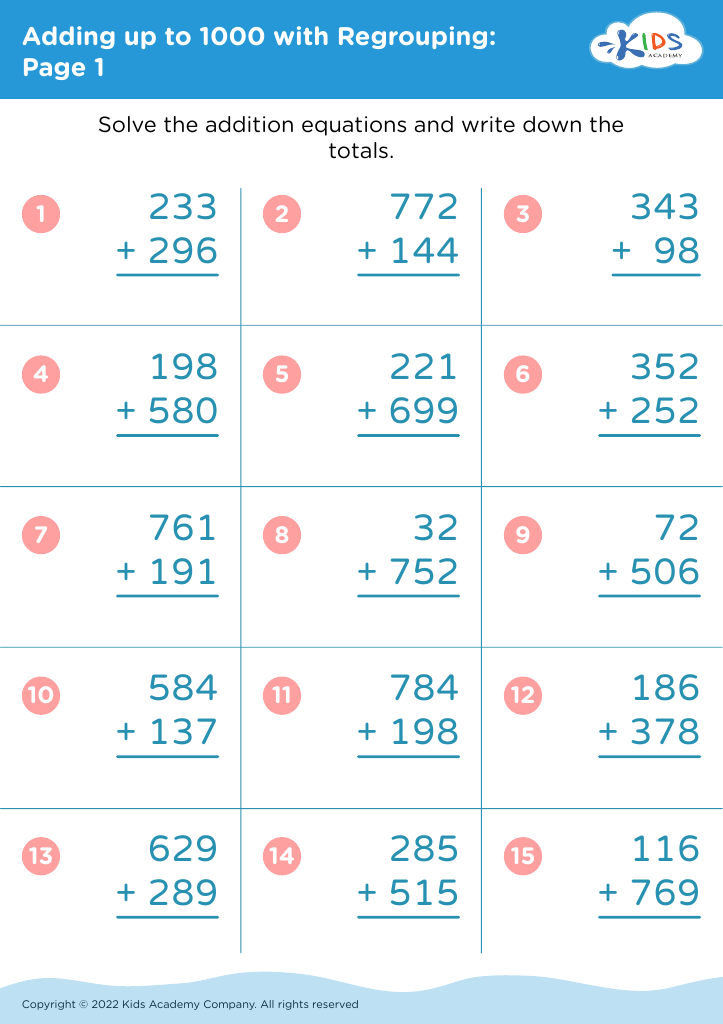
Adding up to 1000 with Regrouping: Page 1
Worksheet
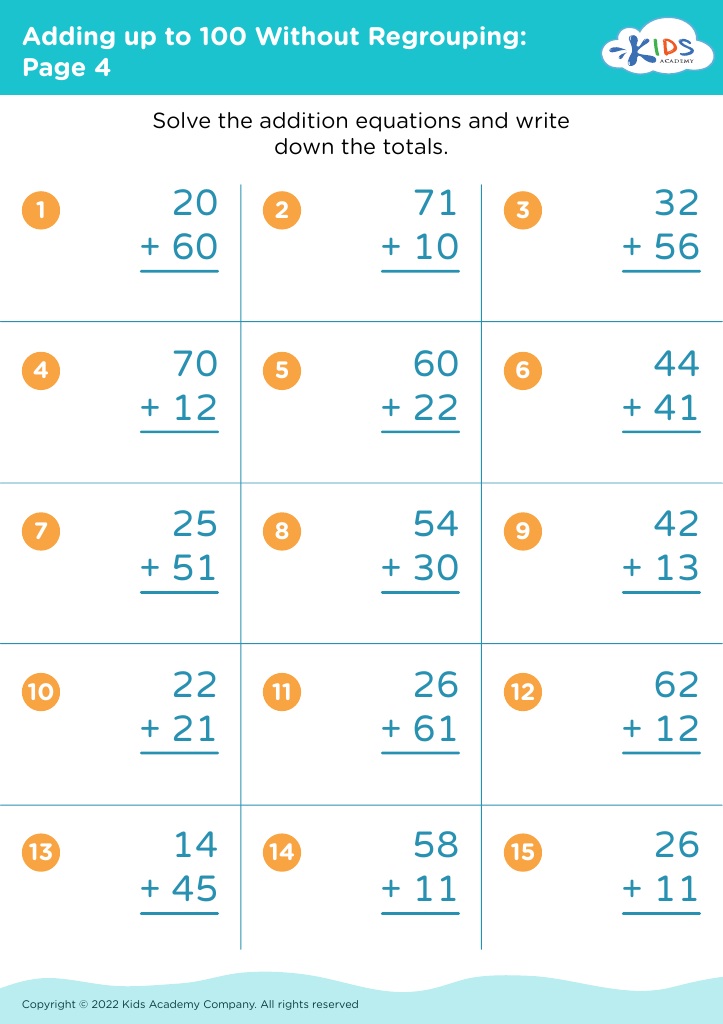
Adding up to 100 Without Regrouping: Page 4
Worksheet


Understanding fractions, particularly addition and subtraction, is essential for children aged 6-9 because it builds foundational math skills crucial for their educational development. During these formative years, grasping the concepts of fractions aids in developing number sense and an understanding of how parts make a whole, which is pivotal not just in mathematics, but in real-life applications as well.

Fractions are often a child's first encounter with abstract mathematical concepts that go beyond whole numbers. When parents and teachers emphasize the importance of adding and subtracting fractions, they help children visualize portions and develop logical thinking. This understanding enhances problem-solving skills, enabling students to tackle more complex math topics with confidence later on, including algebra, geometry, and beyond.

Moreover, a firm grasp of fractions can positively influence a child's performance across other areas of the curriculum such as science, where measurements and data often require comprehension of fractional values. Practical life skills, such as cooking, time management, and financial literacy, also heavily rely on an understanding of fractions.

By supporting children in mastering fracture addition and subtraction, parents and teachers lay the groundwork for a continued interest and proficiency in mathematics, fostering a confident and capable approach to tackling challenges both academically and in everyday life.