Understanding quantity Addition & Subtraction Worksheets for Ages 6-9
9 filtered results
-
From - To
Discover the engaging world of quantity addition and subtraction worksheets designed specifically for children aged 6 to 9. Our resources provide an interactive way for young learners to strengthen their math skills while developing a solid foundation in understanding quantities. Each worksheet features colorful visuals and relatable scenarios, making learning fun and effective. Students will enhance their ability to compare, group, and manipulate quantities through various exercises that promote critical thinking and problem-solving. Empower your child with the confidence to tackle math challenges, as these worksheets foster both independence and collaboration in a supportive learning environment. Start exploring today!
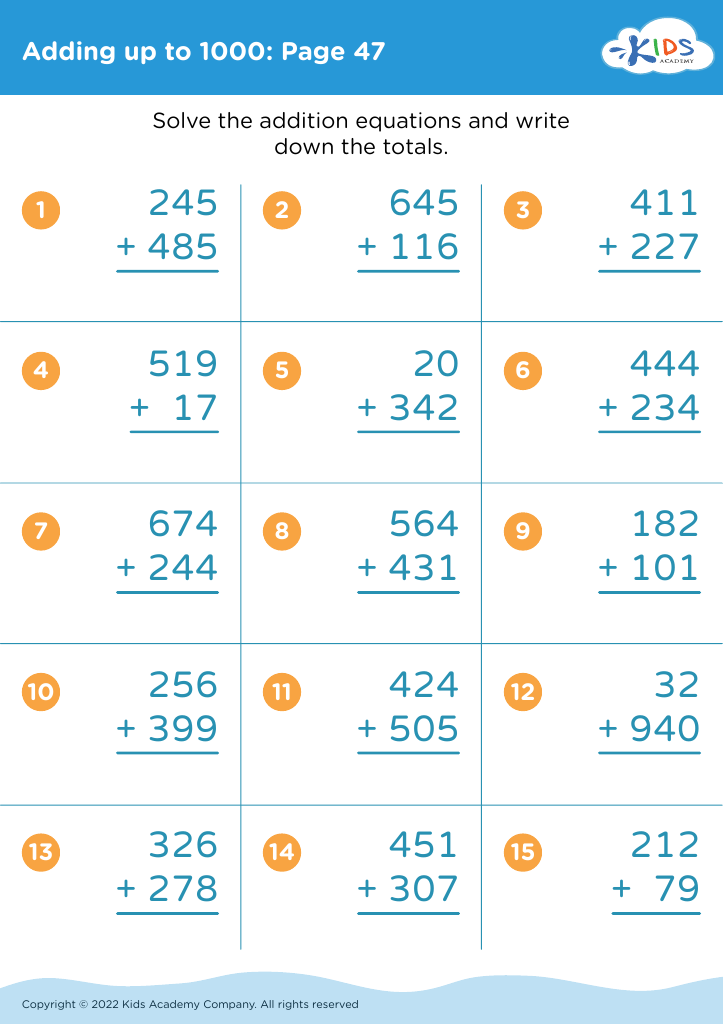
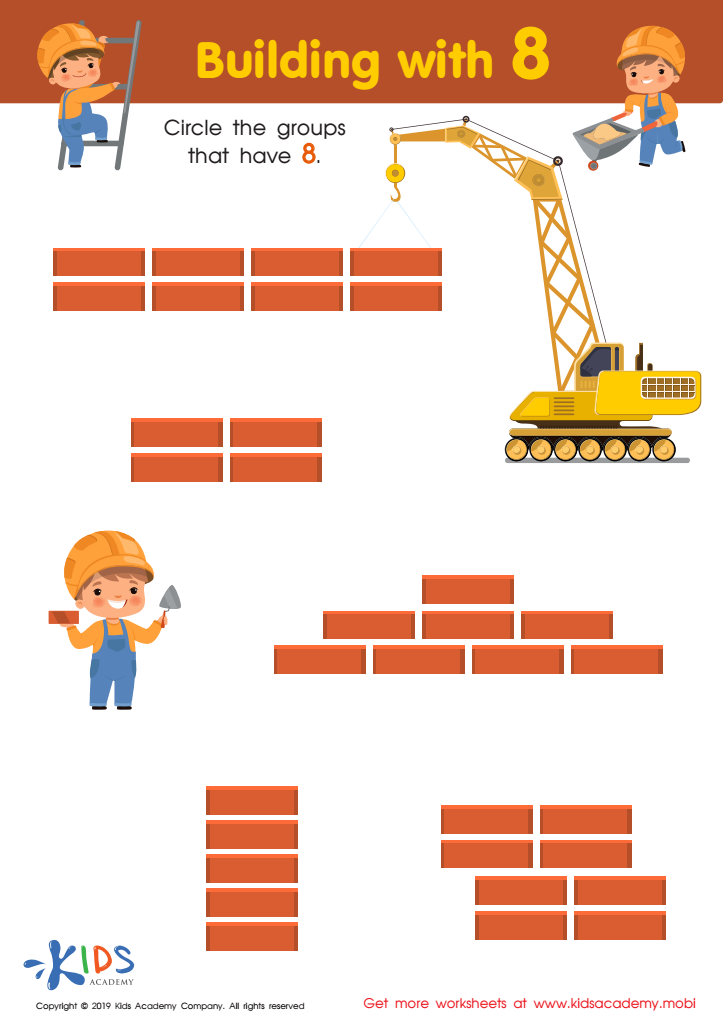
Building with 8 Worksheet
 Assign to My Students
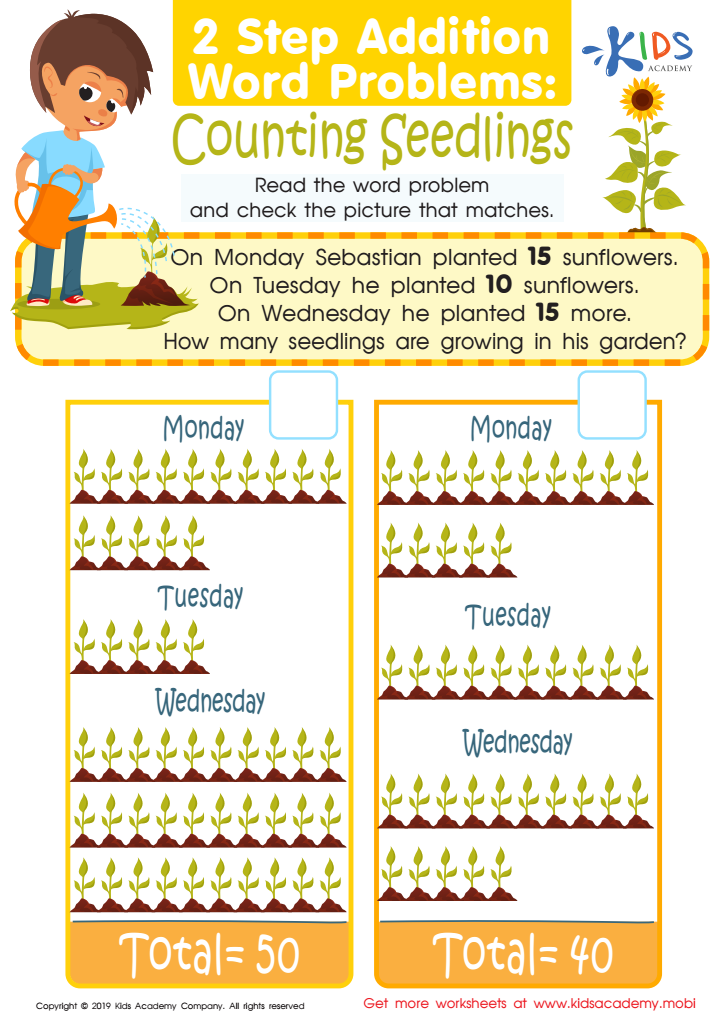
Counting Seedlings Worksheet
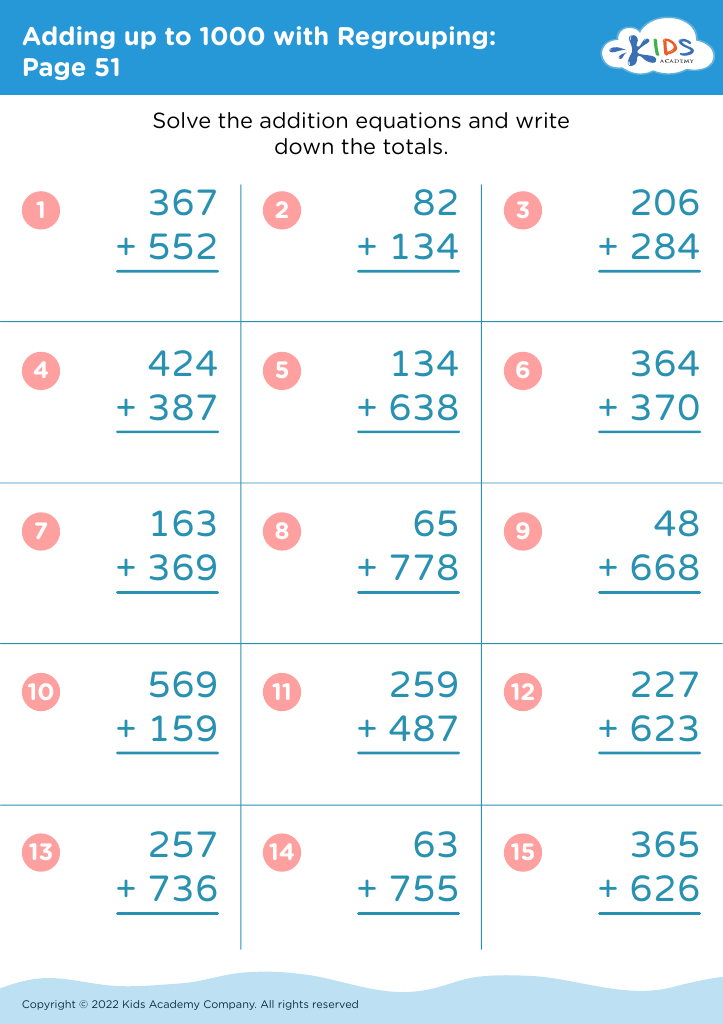
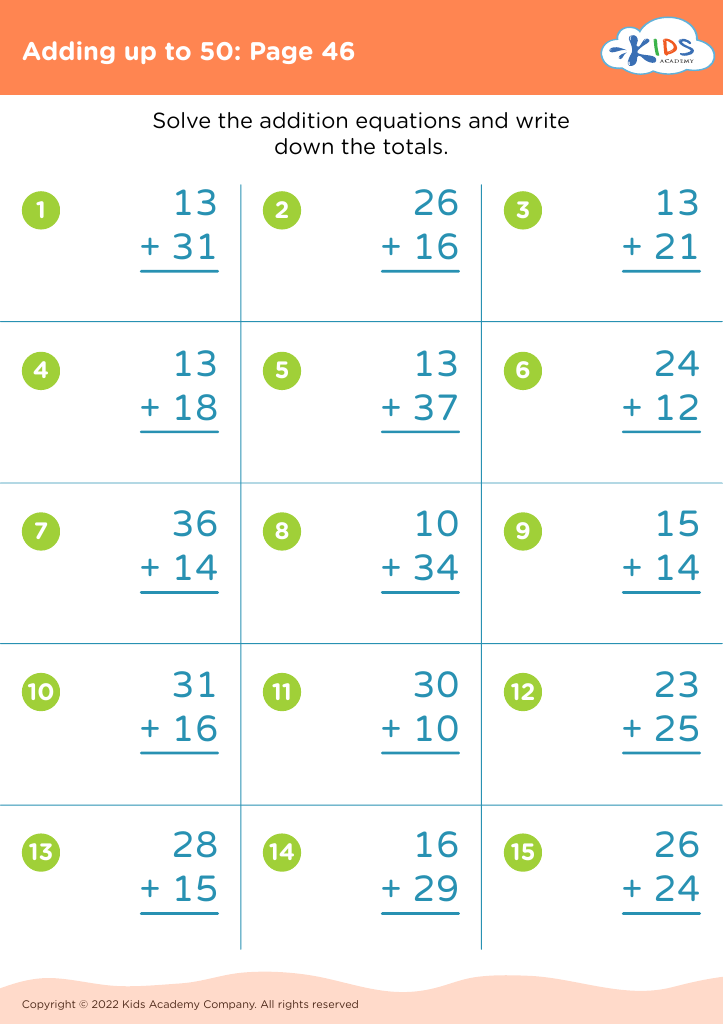
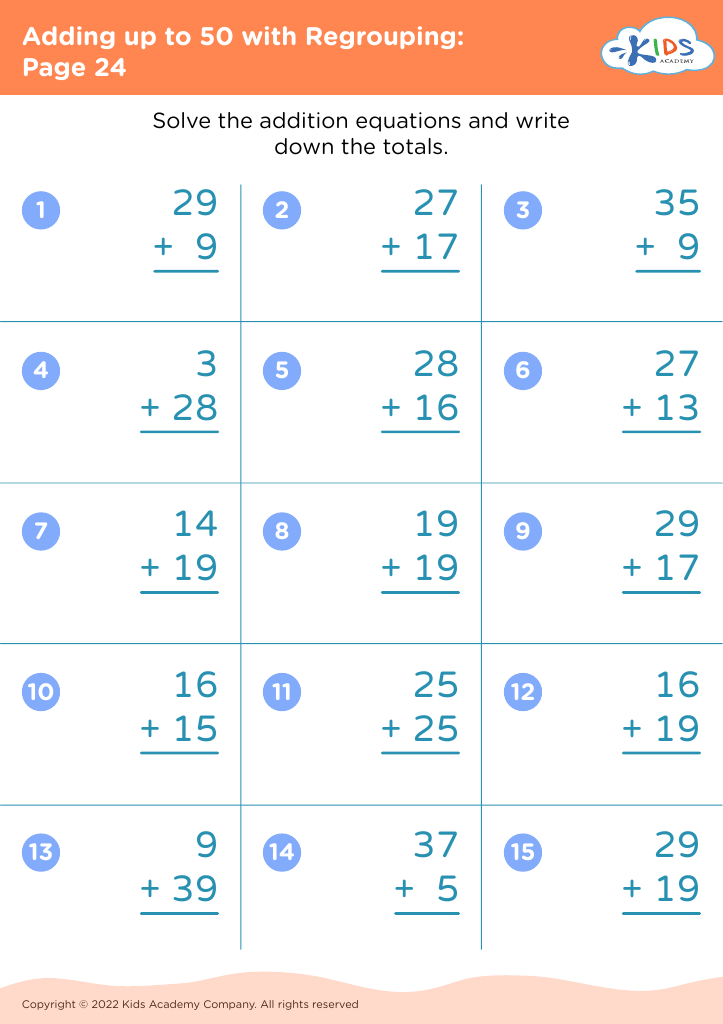
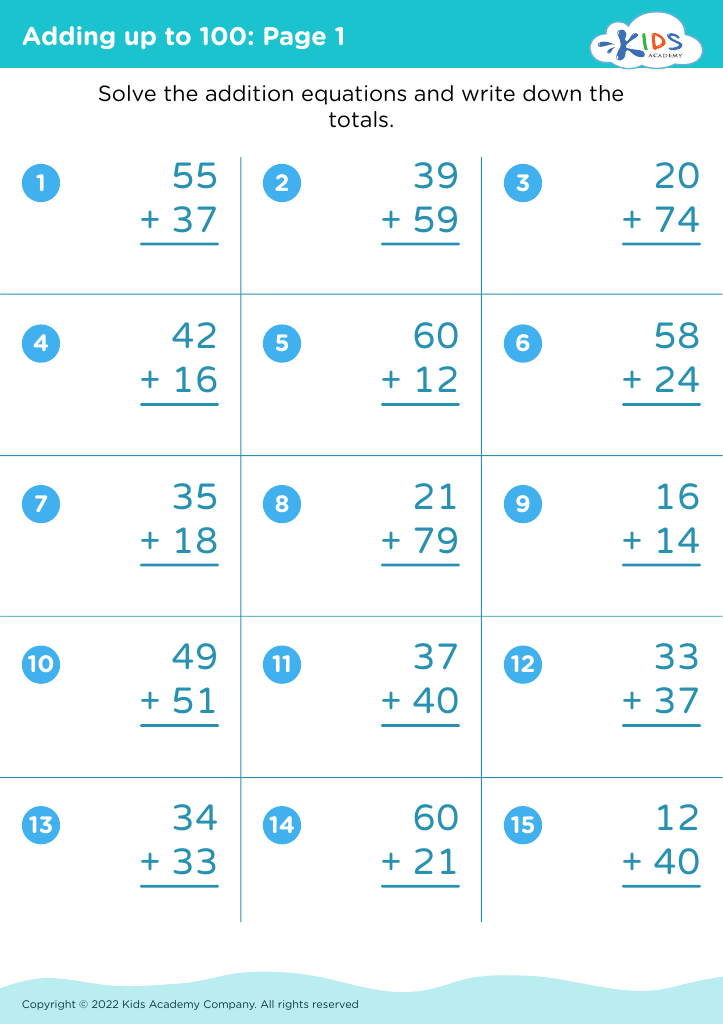
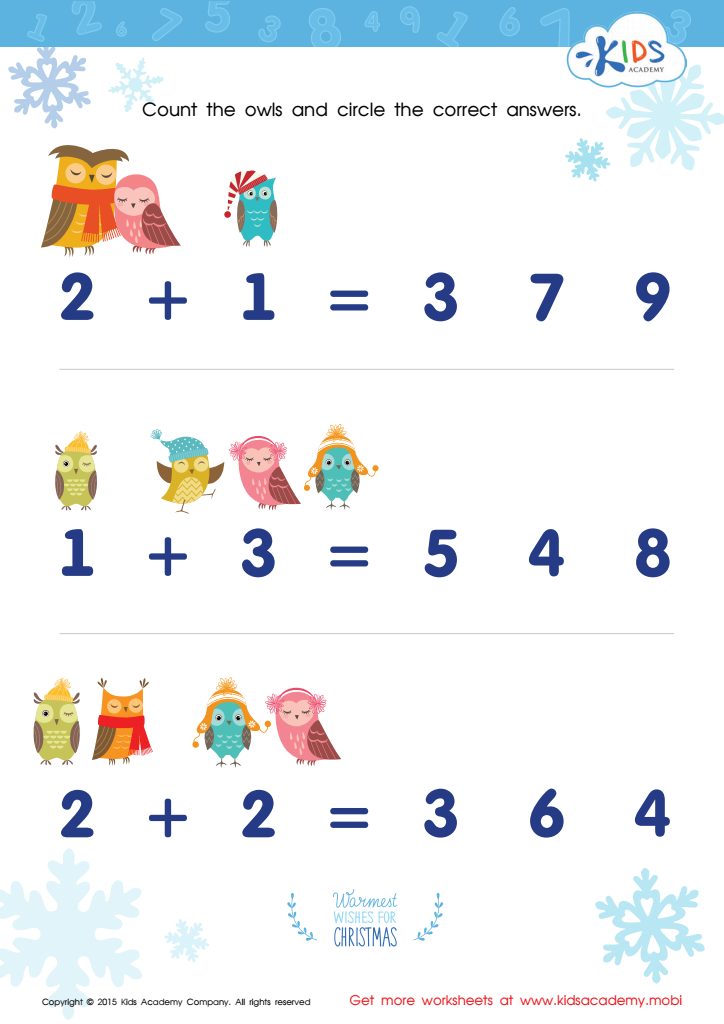
Count Little Owls Worksheet








Understanding quantity, addition, and subtraction is fundamental for children aged 6 to 9 as it lays the foundation for their future mathematical skills and overall cognitive development. During this stage, learners transition from concrete to abstract thinking, making it an ideal time for them to grasp basic arithmetic concepts. Mastery of these skills fosters confidence in their abilities to tackle more complex math problems in later years.
Moreover, understanding quantity helps children develop critical thinking and problem-solving abilities. When they comprehend the relationship between quantities and numbers, they can apply this knowledge to real-world situations, enhancing their logical reasoning and decision-making skills. For example, they can better understand currency, measurements, and time management, skills essential for everyday life.
Additionally, teachers and parents play a significant role in helping children relate math to their experiences, making it engaging and impactful. By incorporating fun activities, games, and storytelling, caregivers can turn learning into an enjoyable experience, promoting a positive attitude towards math that can last a lifetime. In essence, nurturing a solid understanding of quantity, addition, and subtraction not only prepares children for academic success but also equips them with essential life skills.








