Comparing Fractions Addition Worksheets for Ages 6-9 - Page 2
83 filtered results
-
From - To
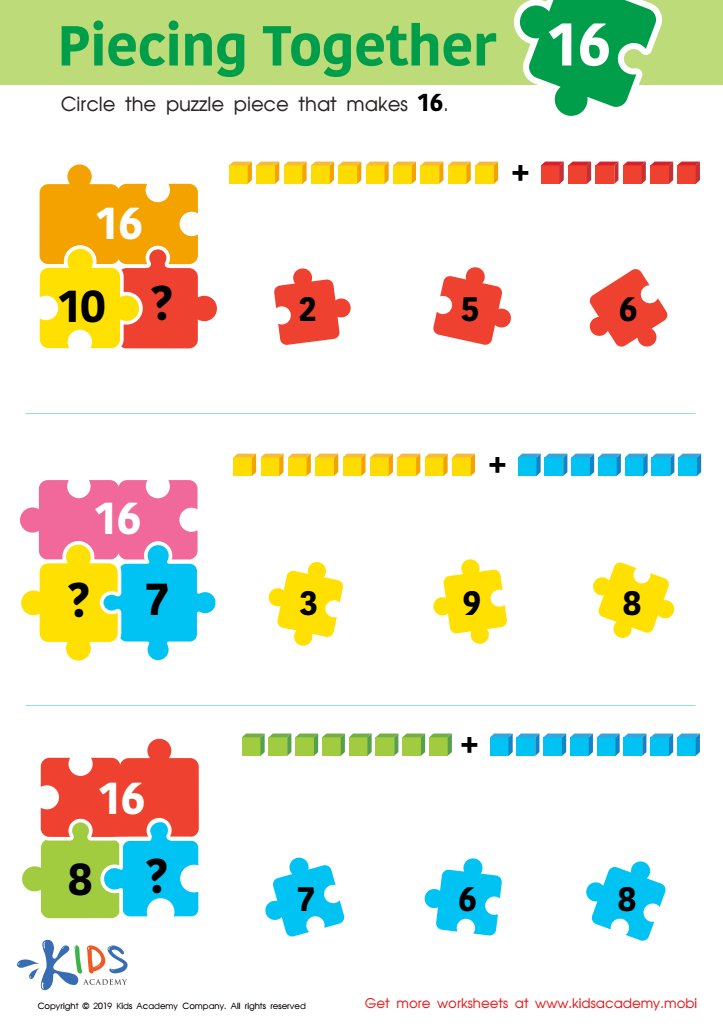
Piecing Together 16 Worksheet
 Assign to My Students
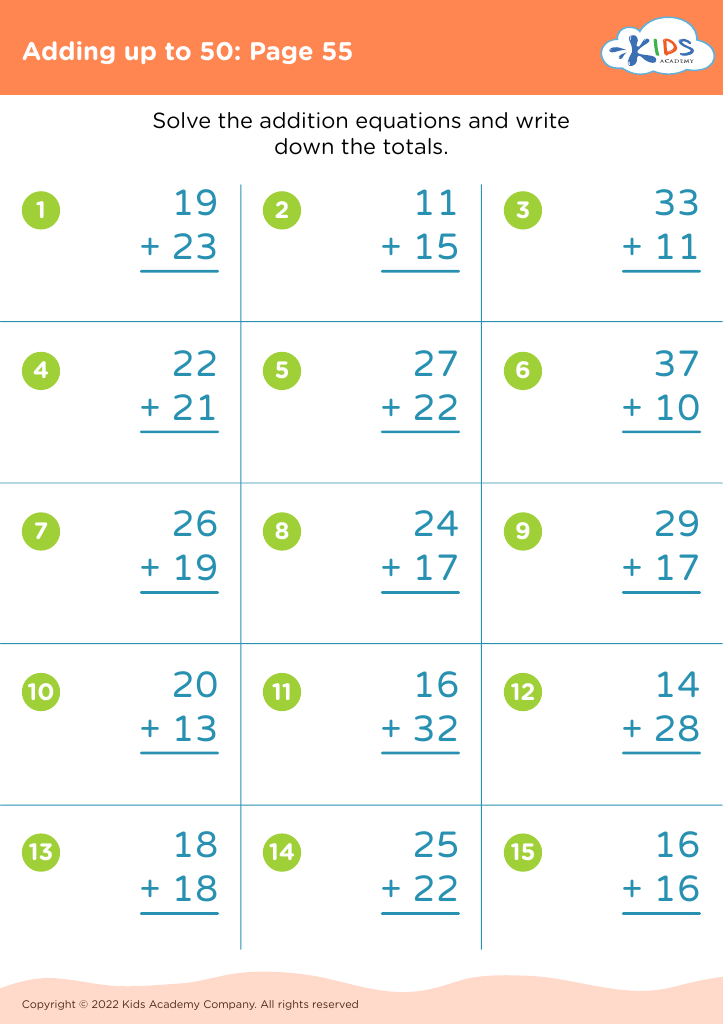
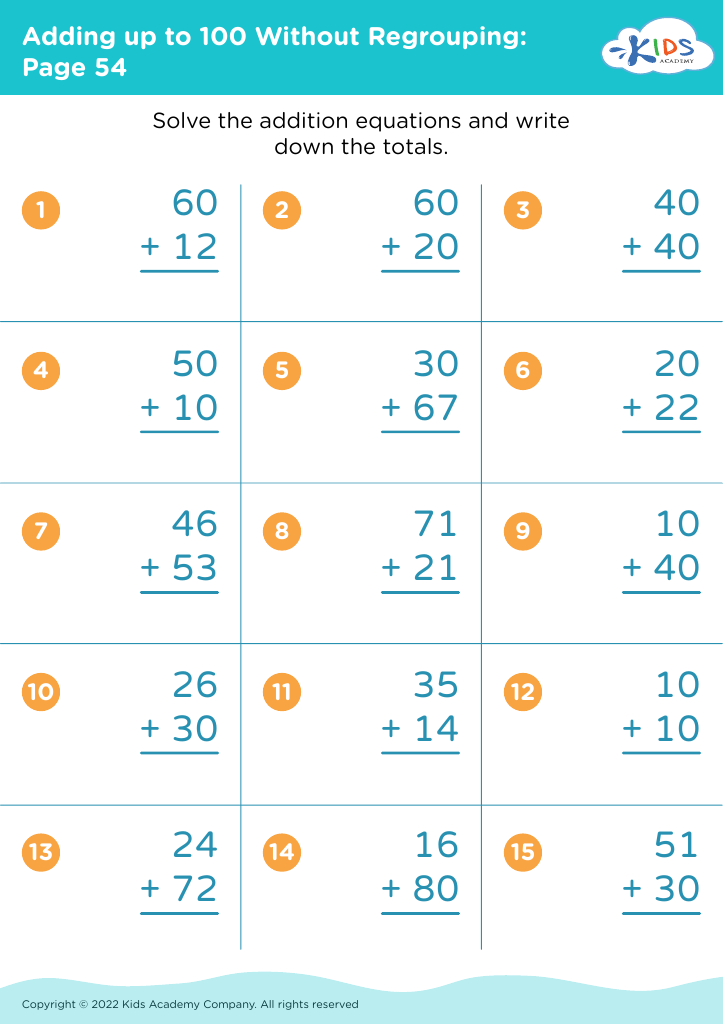
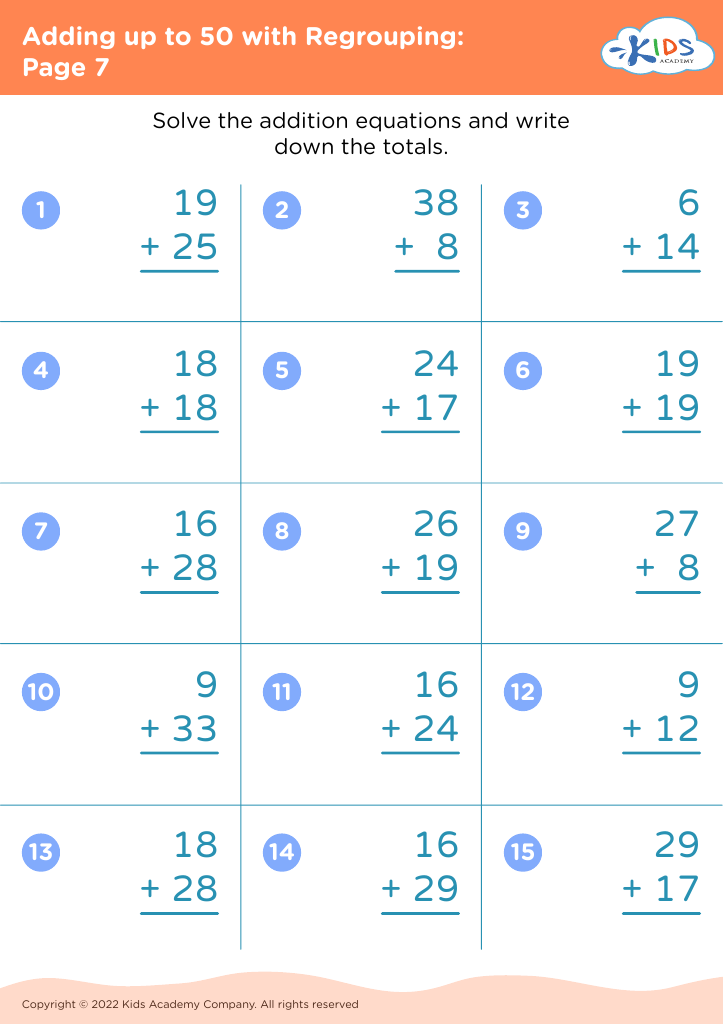
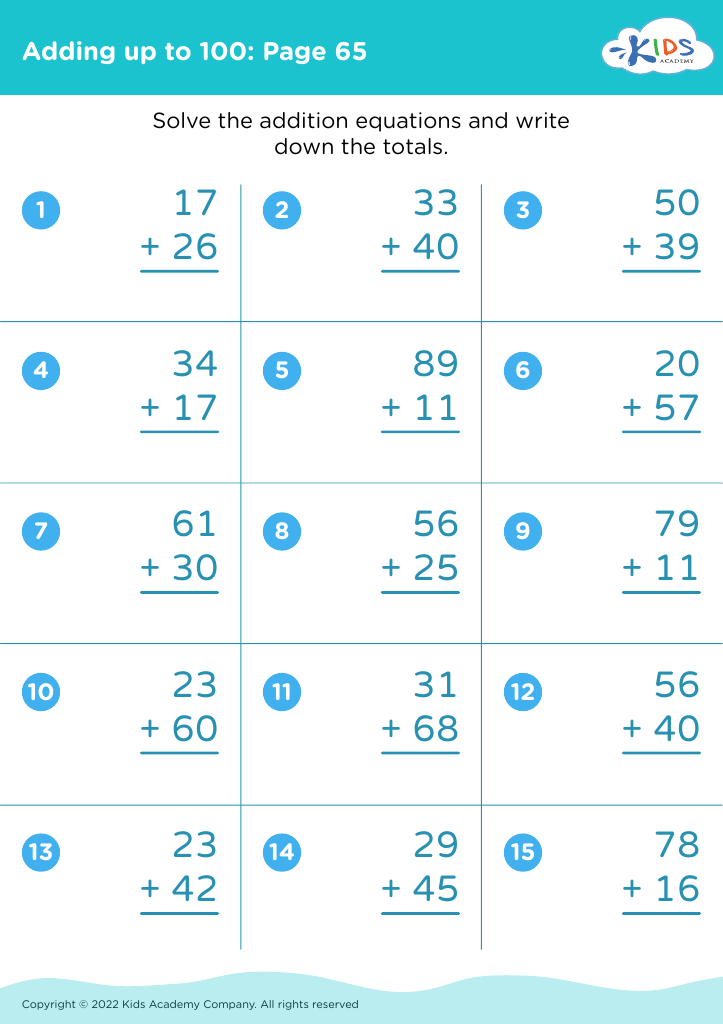
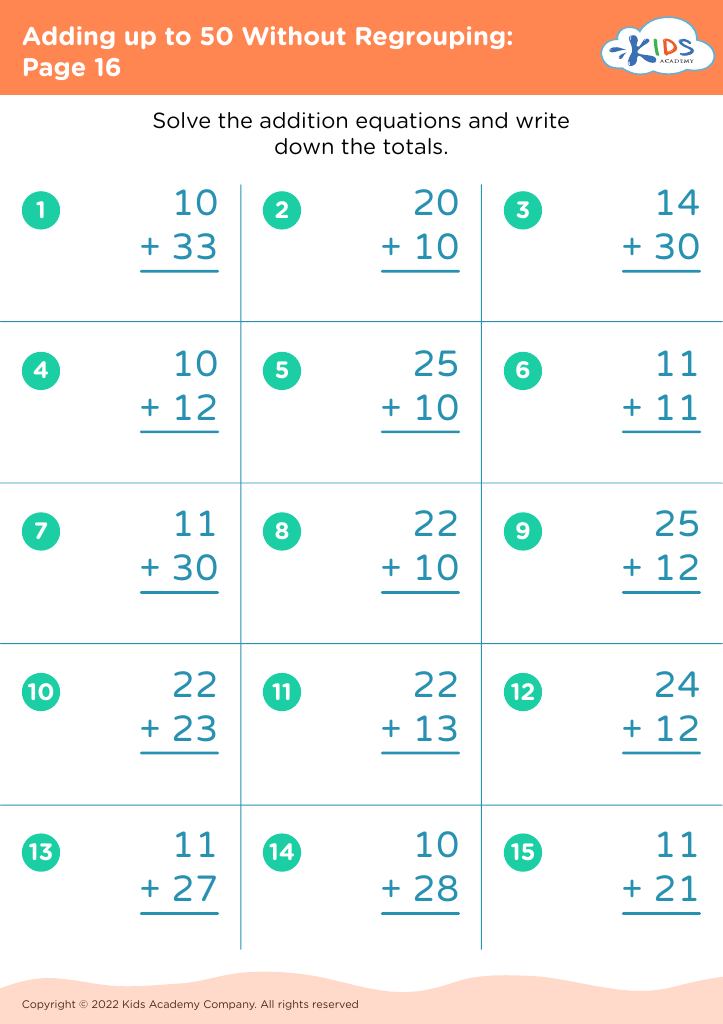
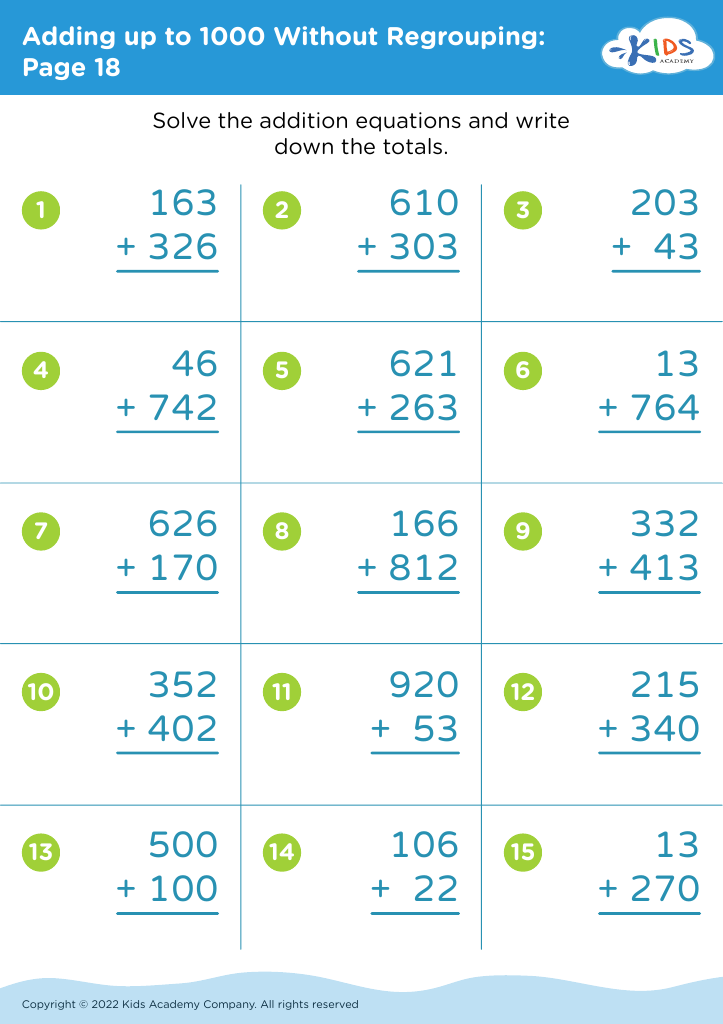
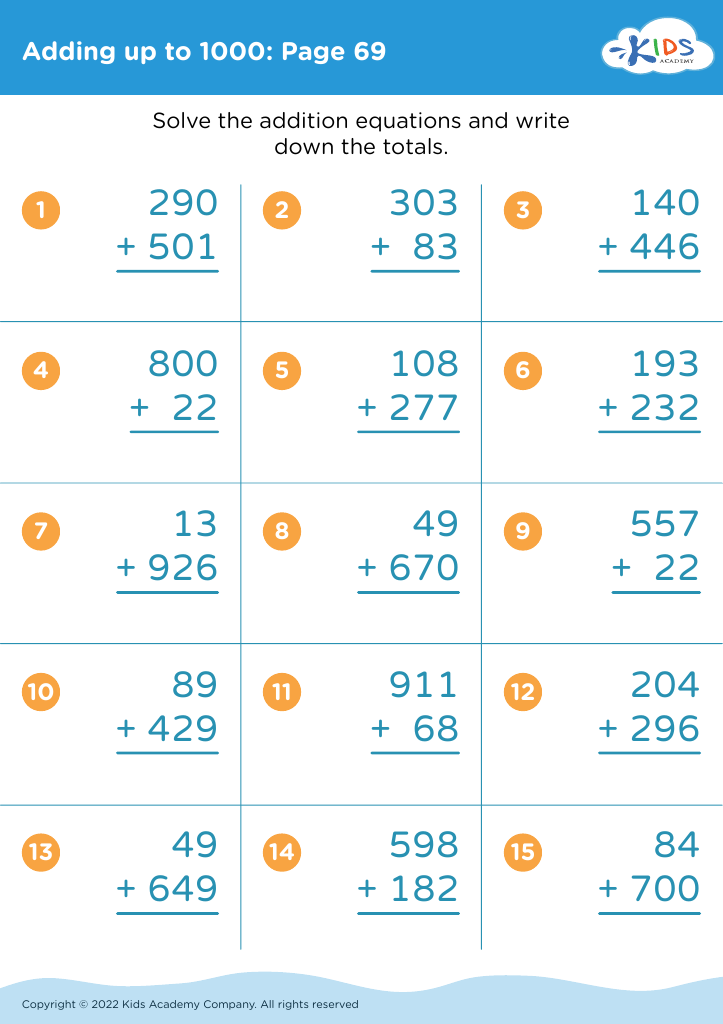
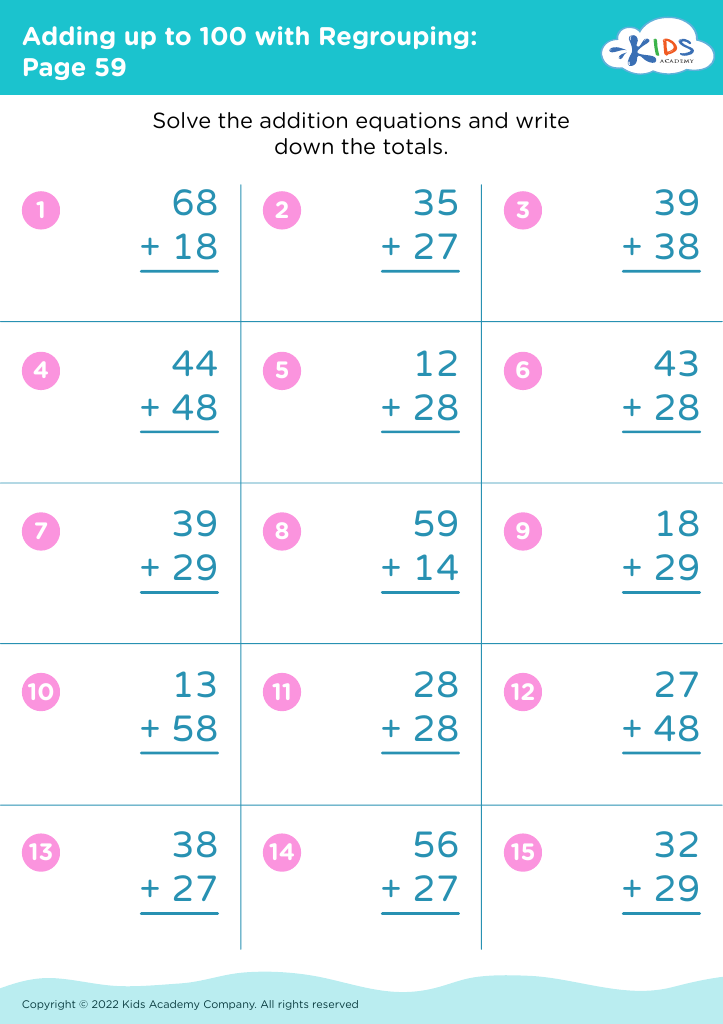
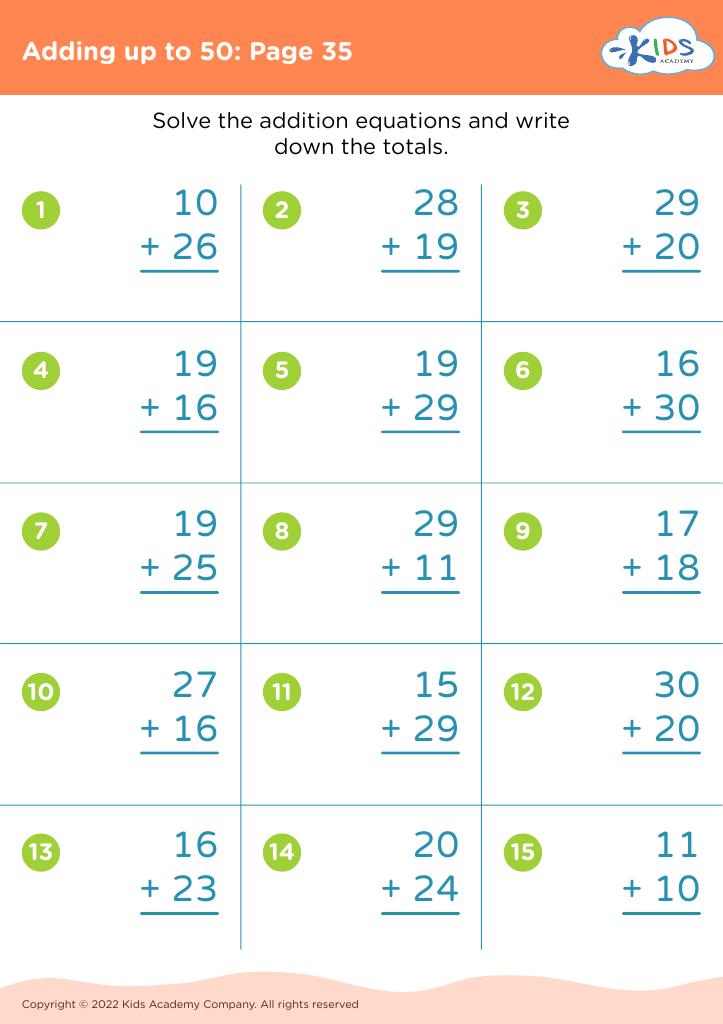
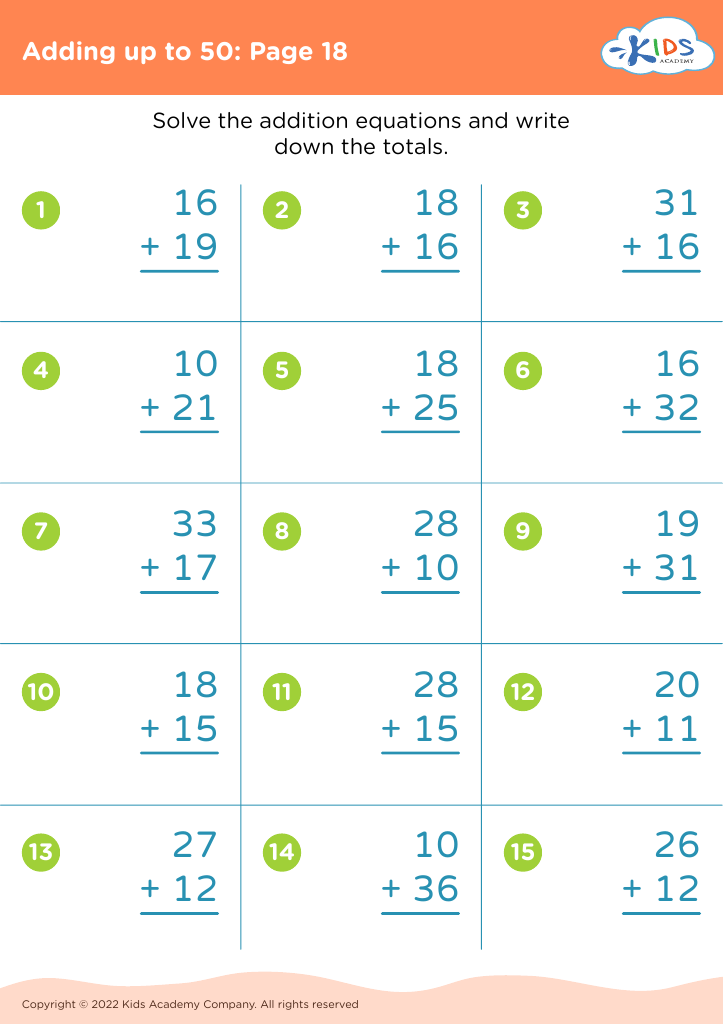
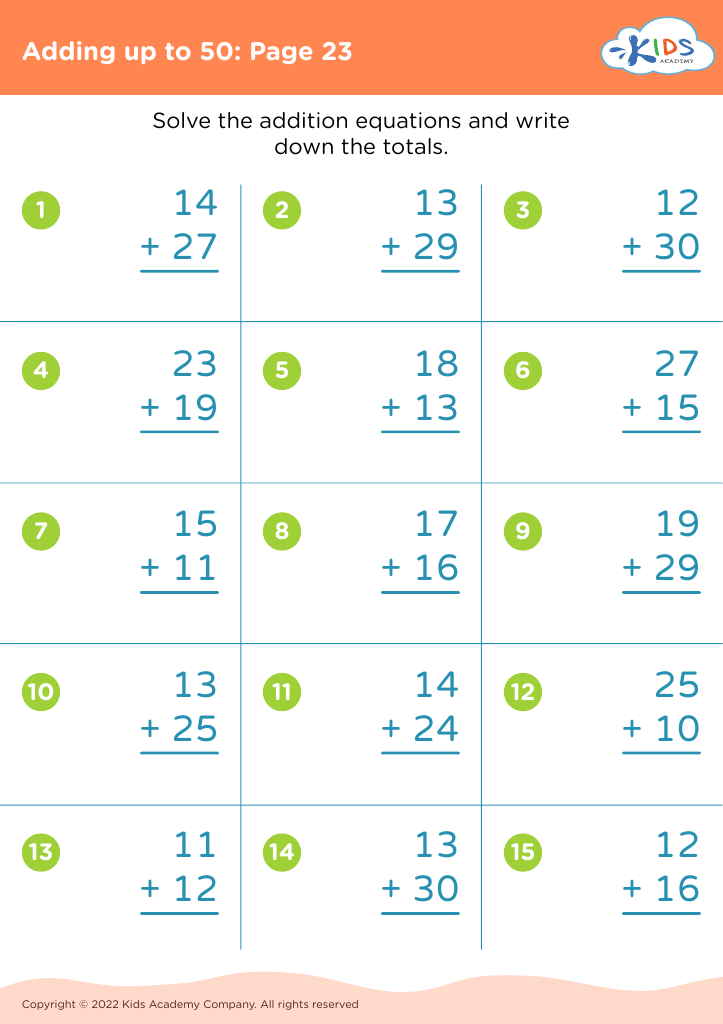
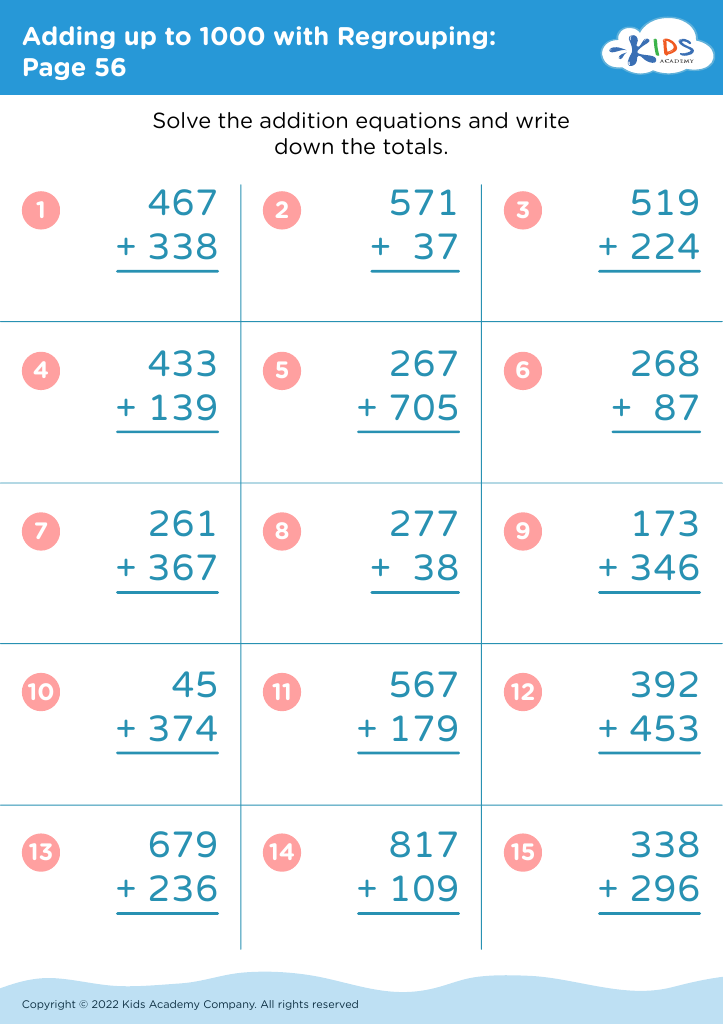
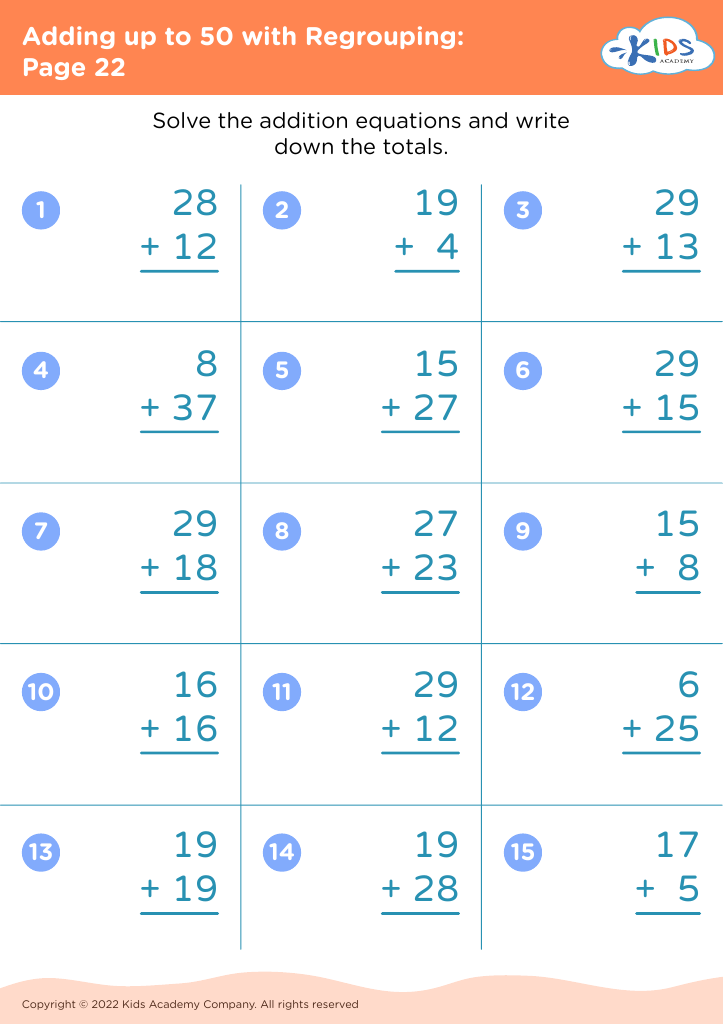
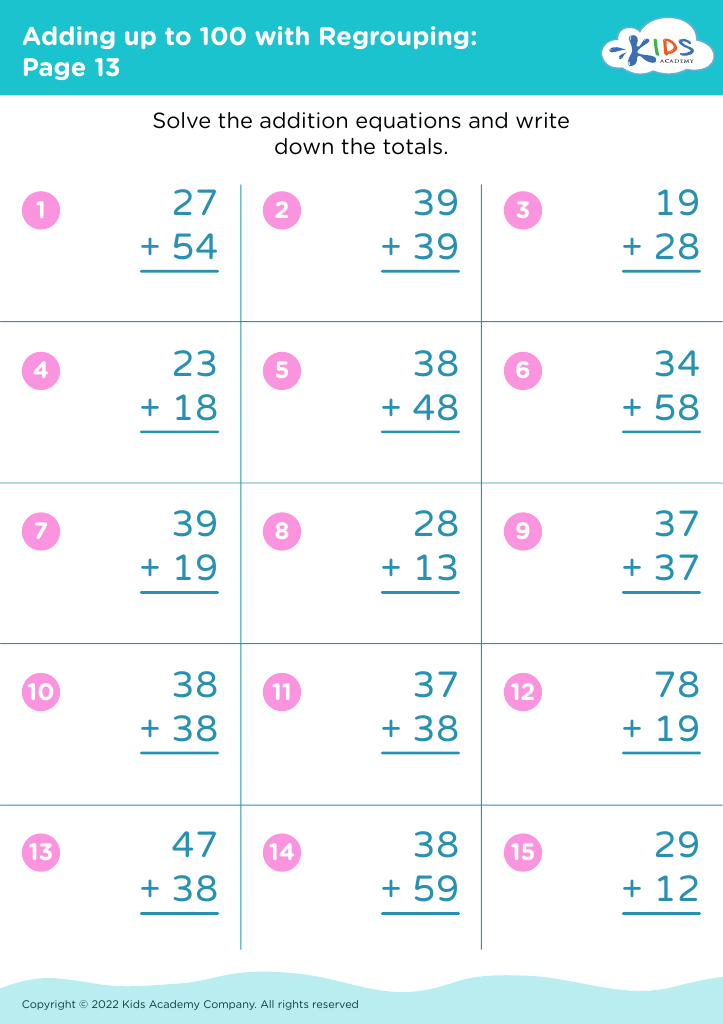
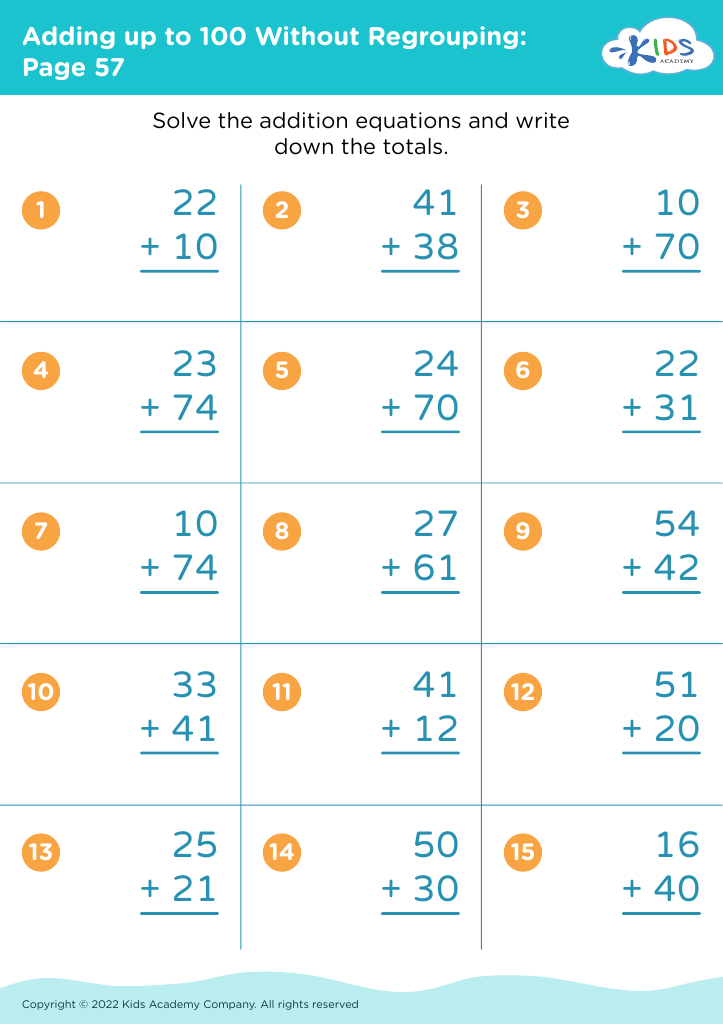








Parents and teachers play a crucial role in helping children ages 6-9 develop strong mathematical skills, and understanding the addition of fractions is a key component of this foundation. Comparing fractions is essential as it lays the groundwork for critical thinking and problem-solving. At this age, children are beginning to explore more complex mathematical concepts, and mastering fractions directly affects their ability to succeed in future topics such as whole numbers, decimals, and ratios.
Understanding how to add fractions requires students to grasp concepts like the common denominator and the relationship between different fractions. This not only enhances their number sense but also improves their ability to analyze and make sense of presented information. Additionally, mastering fraction addition promotes perseverance and resilience in students as they learn to tackle challenging problems.
Moreover, engaging with fractions through real-world contexts—such as cooking or sharing—makes math relatable and enjoyable. By fostering an environment where the comparison of fractions is valued, parents and teachers can instill a lifelong appreciation for mathematics. Thus, encouraging children to understand and effectively manipulate fractions at an early age empowers them with the confidence and skills needed for higher-level math coursework.








