
Reading clocks Addition Worksheets for Ages 6-9
3 filtered results
Difficulty Level
Grade
Age
-
From - To
Subject
Activity
Standards
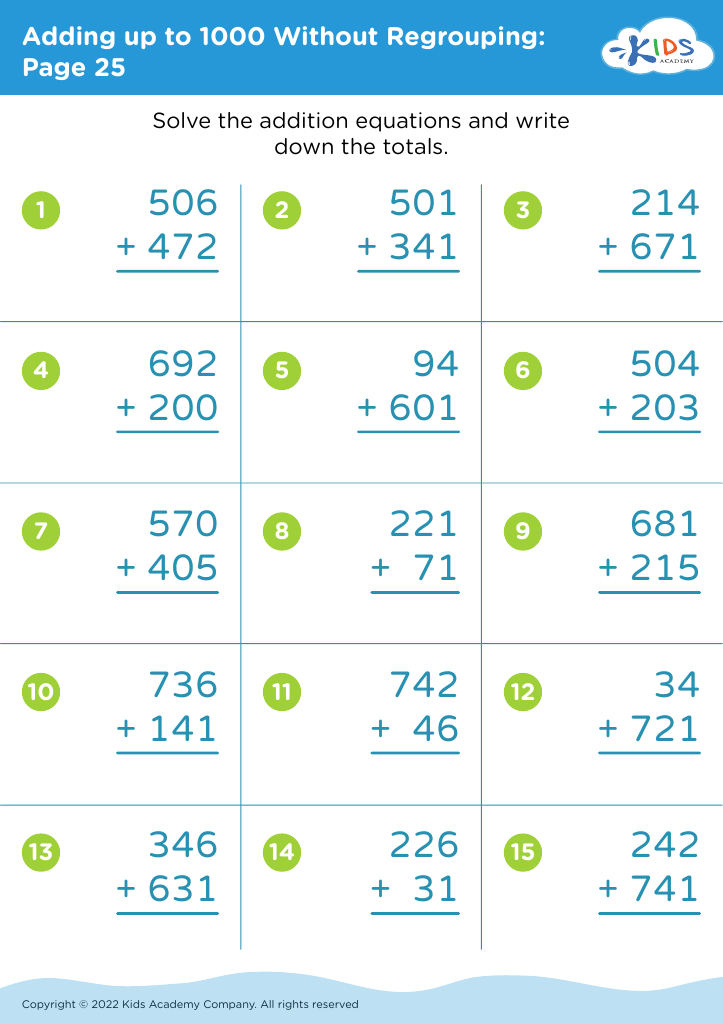
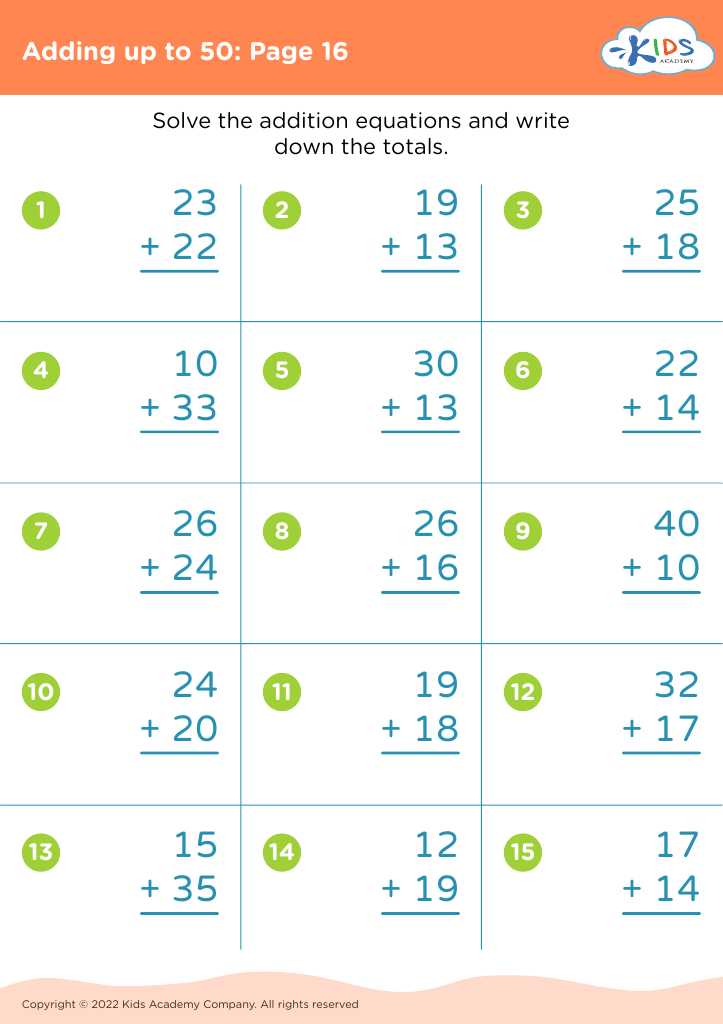
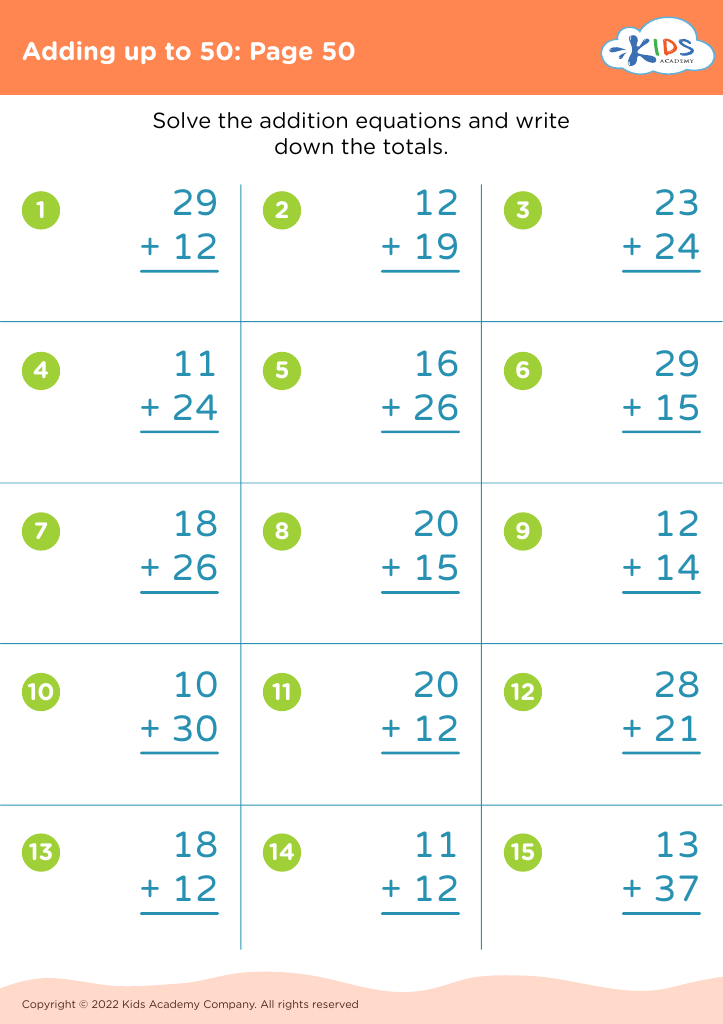
Enhance your child’s time-telling and math skills with our engaging Reading Clocks Addition Worksheets for ages 6-9. Designed to blend fun and learning, our worksheets help young learners practice reading analog and digital clocks, while boosting their addition skills. Each worksheet combines colorful, kid-friendly graphics with exercises aimed at improving numeracy and time awareness. Perfect for use at home or in the classroom, our resources provide an interactive way to solidify foundational math concepts. Unlock the best of both worlds—time-telling and addition mastery—by integrating these worksheets into your child’s daily routine. Start their journey to mathematical confidence today!
Favorites
With answer key
Interactive
Join Kids Academy for Free
Who is primarily going to use this learning content?





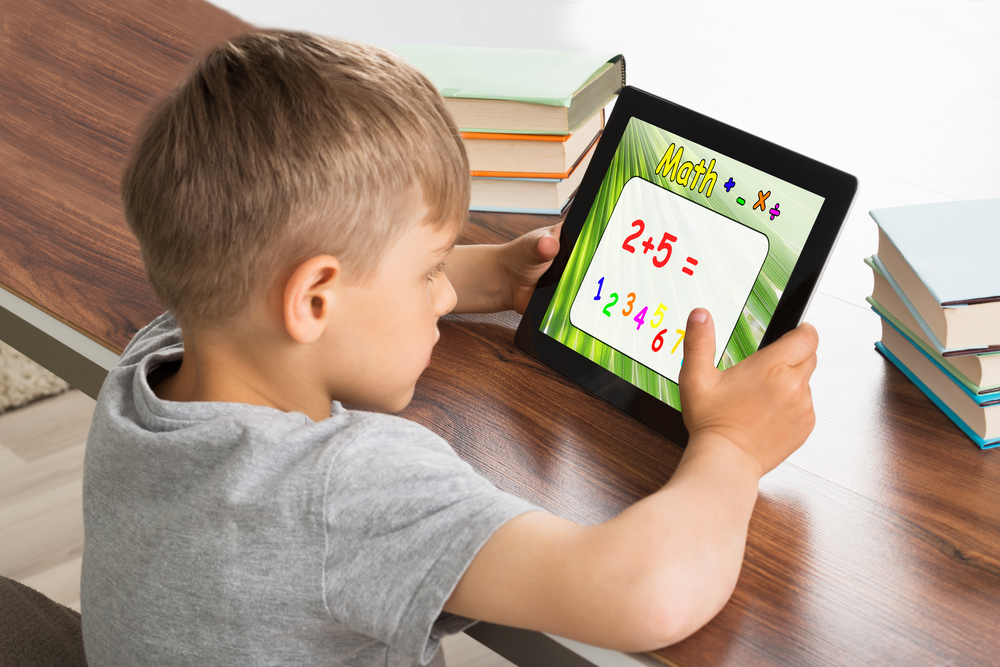

Understanding how to read clocks and perform basic addition is essential for children aged 6-9 as it lays the foundation for crucial life skills and cognitive development. During these early years, children transition from concrete to more abstract thinking. Reading clocks, whether analog or digital, familiarizes them with the concept of time—an essential aspect of daily life. Knowing how to tell time enables kids to manage their daily schedules, understand the length of different activities, and develop a sense of punctuality and time management.
Similarly, mastering basic addition is a stepping-stone to higher mathematical concepts. Addition skills are not only fundamental for math but are also used in a variety of everyday situations, such as counting money, measuring ingredients for a recipe, or playing games. These skills boost a child's confidence and academic performance, both inside and outside the classroom.
Moreover, activities involving clocks and addition reinforce problem-solving, critical thinking, and pattern recognition. They also enhance fine motor skills and attention to detail when using tools like pencils and clocks with hands. By prioritizing these areas, parents and teachers assist children in building a robust cognitive framework that supports future learning in their academic and personal lives.








