Discover our "Simplifying Fractions Addition Worksheets for Ages 6-9" and elevate your child's math skills effortlessly. Tailored for young learners, these worksheets make mastering fraction addition fun and accessible. Each sheet offers engaging exercises that break down complex concepts into manageable steps, helping students understand how to find common denominators and simplify results with ease. Created by education experts, our resources include vibrant visuals and clear instructions, ensuring a positive learning experience. Ideal for home or classroom use, these printable worksheets build confidence and proficiency in math fundamentals. Get ready to see your child’s fraction skills soar!
Check out this FREE Trial Lesson on Addition for age 6-9!

Z

Favorites
With answer key
Interactive
  • 6-9
  • Simplifying Fractions
  • Addition
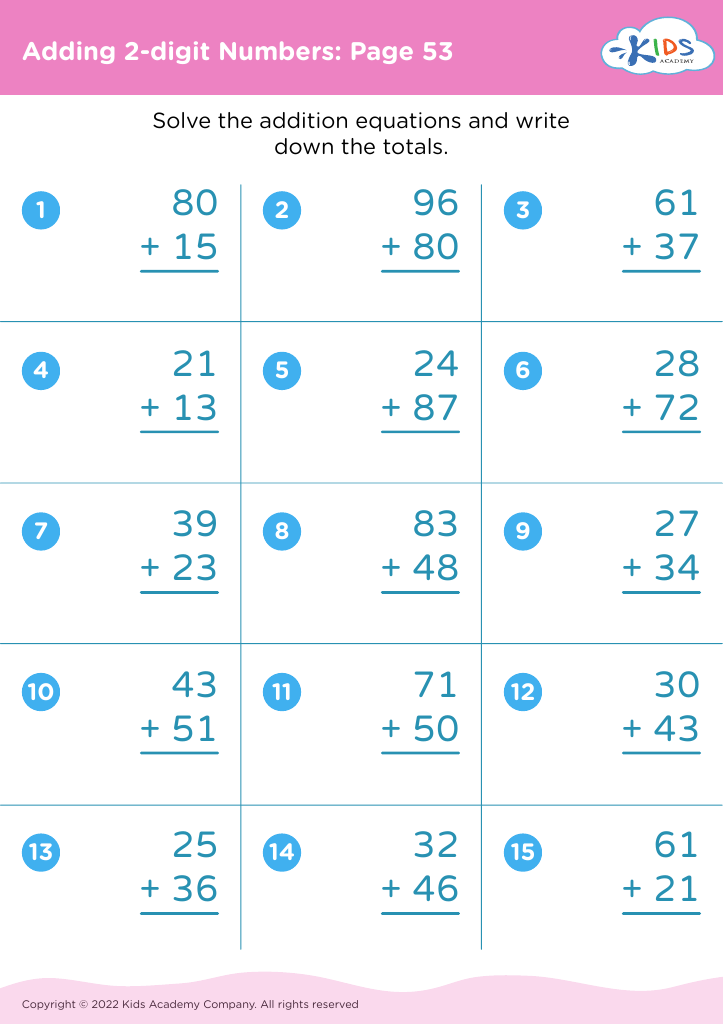
Adding 2-digit Numbers: Page 53

Adding 2-digit Numbers: Page 53

Adding 2-digit Numbers: Page 53
Worksheet
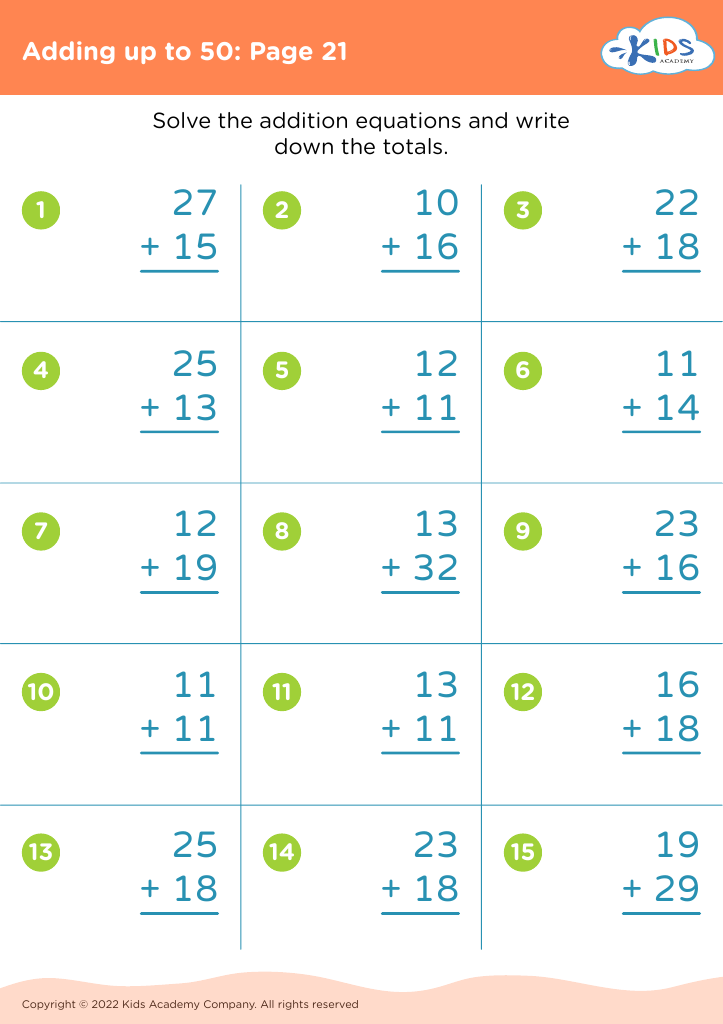
Adding up to 50: Page 21

Adding up to 50: Page 21

Adding up to 50: Page 21
Worksheet
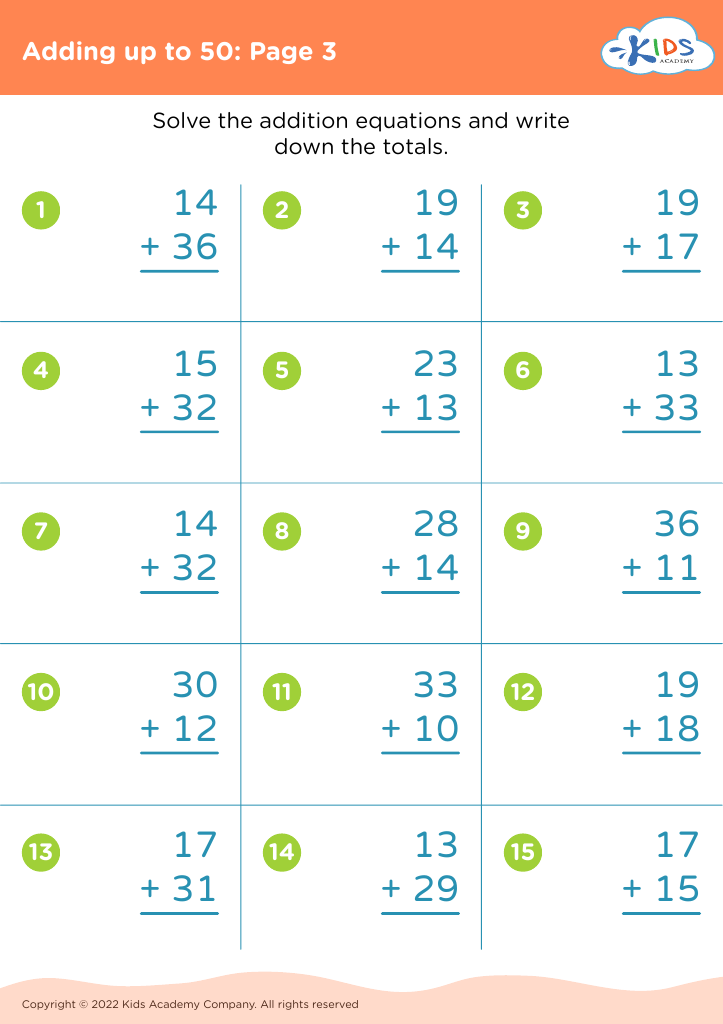
Adding up to 50: Page 3

Adding up to 50: Page 3

Adding up to 50: Page 3
Worksheet
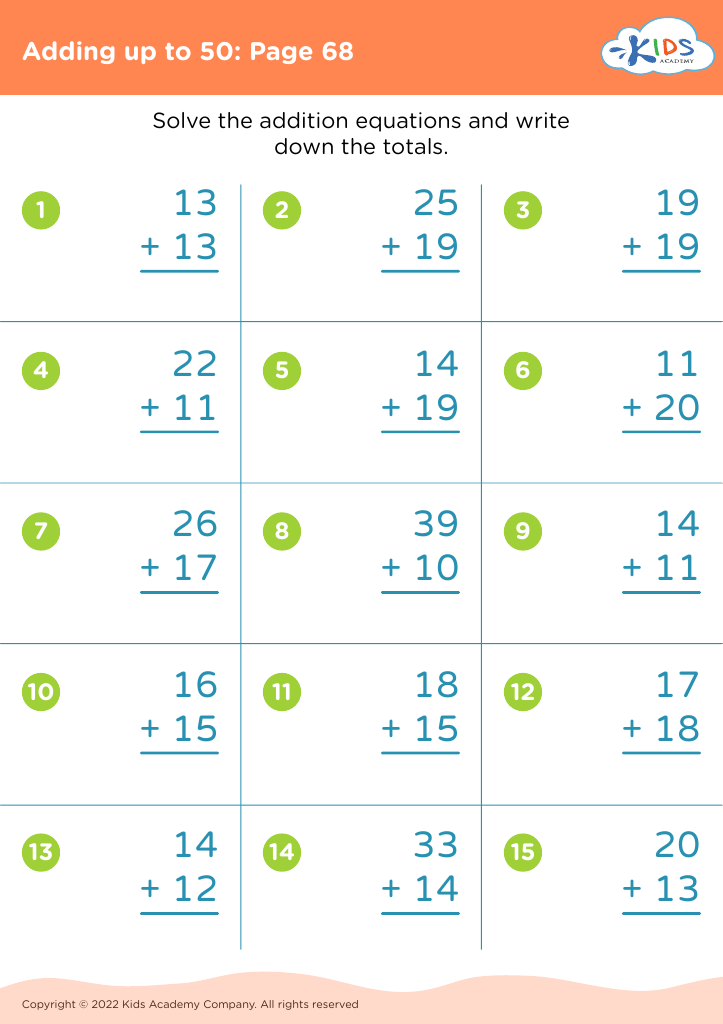
Adding up to 50: Page 68

Adding up to 50: Page 68

Adding up to 50: Page 68
Worksheet
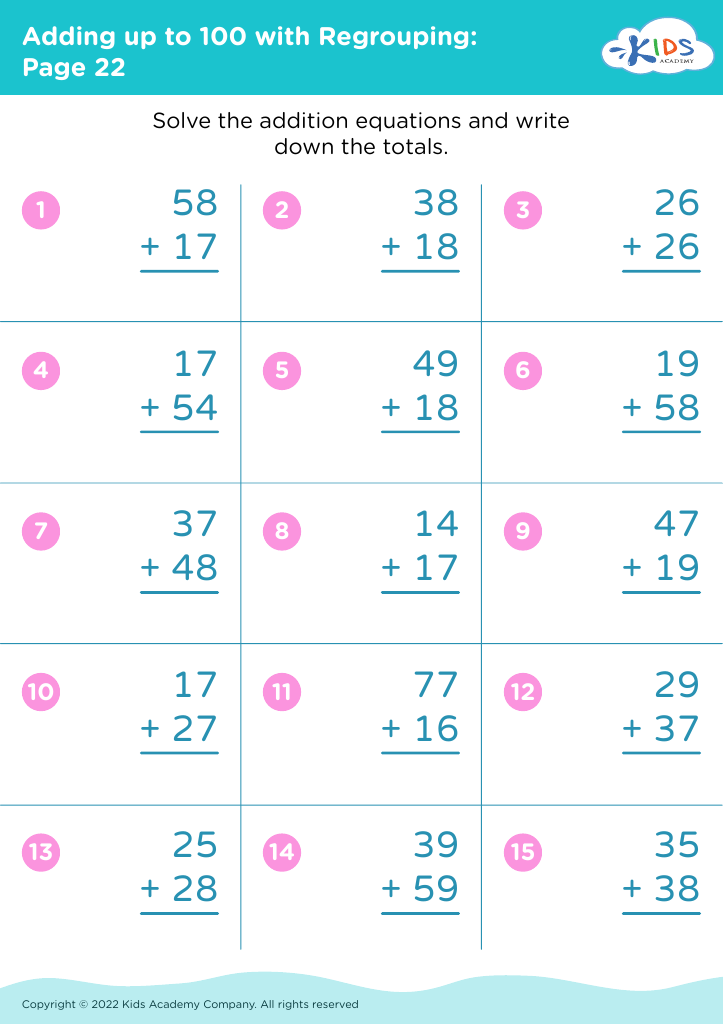
Adding up to 100 with Regrouping: Page 22
Worksheet
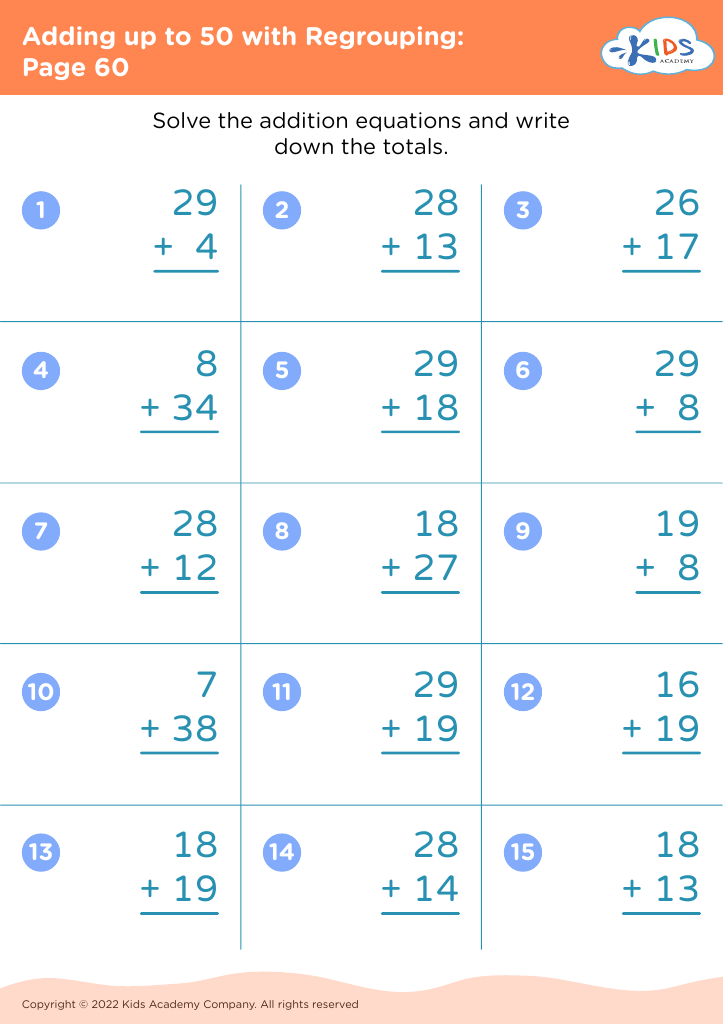
Adding up to 50 with Regrouping: Page 60
Worksheet
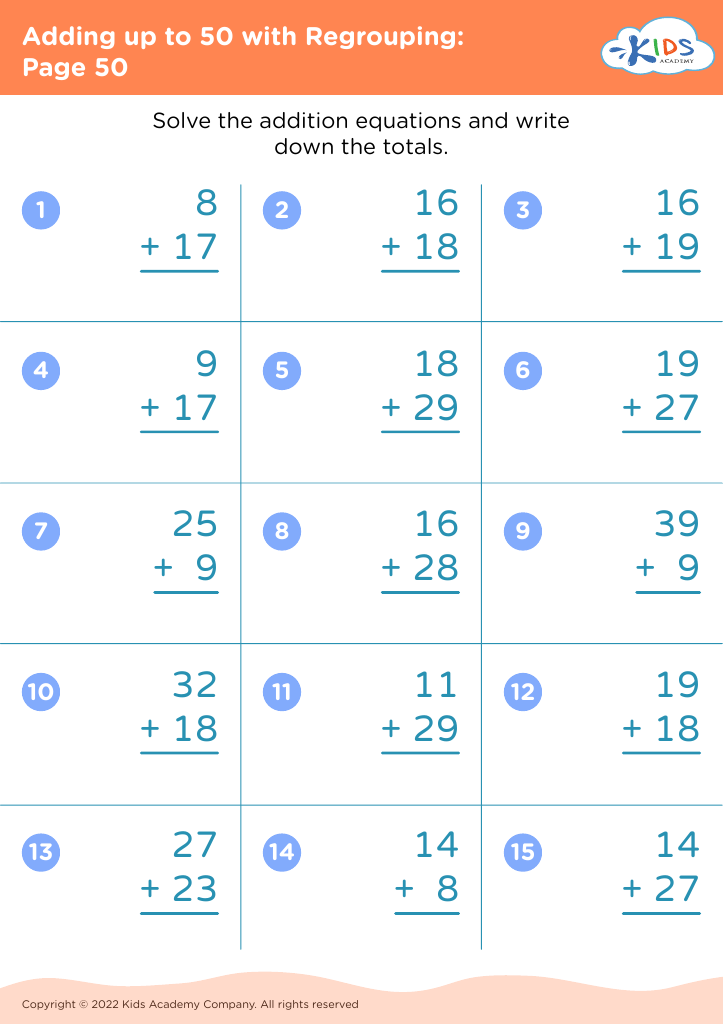
Adding up to 50 with Regrouping: Page 50
Worksheet
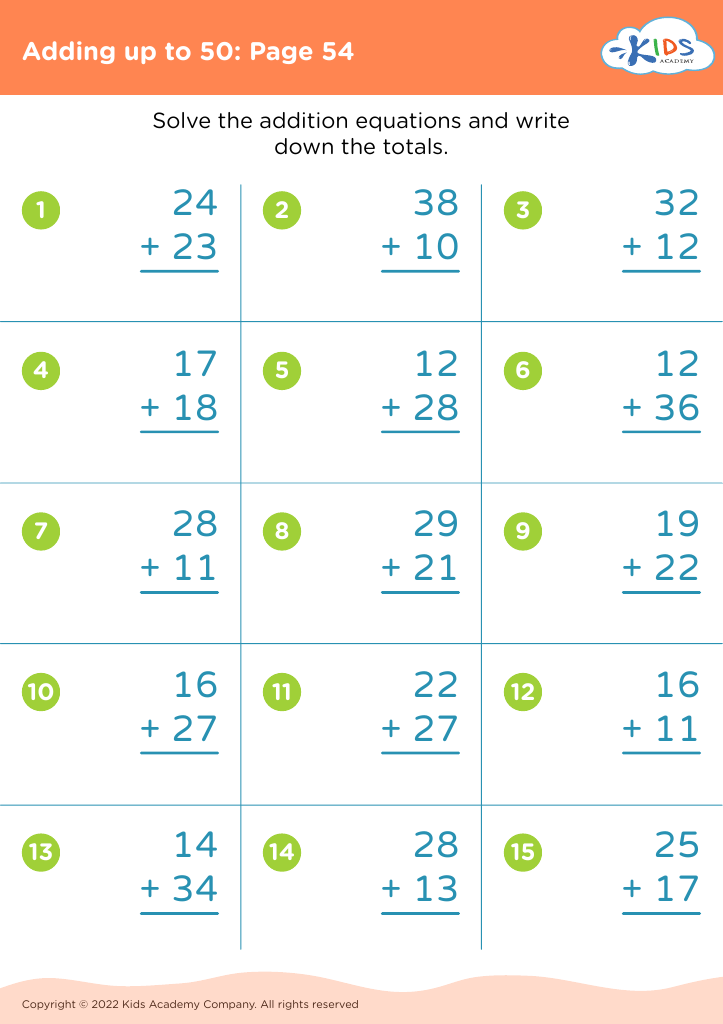
Adding up to 50: Page 54

Adding up to 50: Page 54

Adding up to 50: Page 54
Worksheet
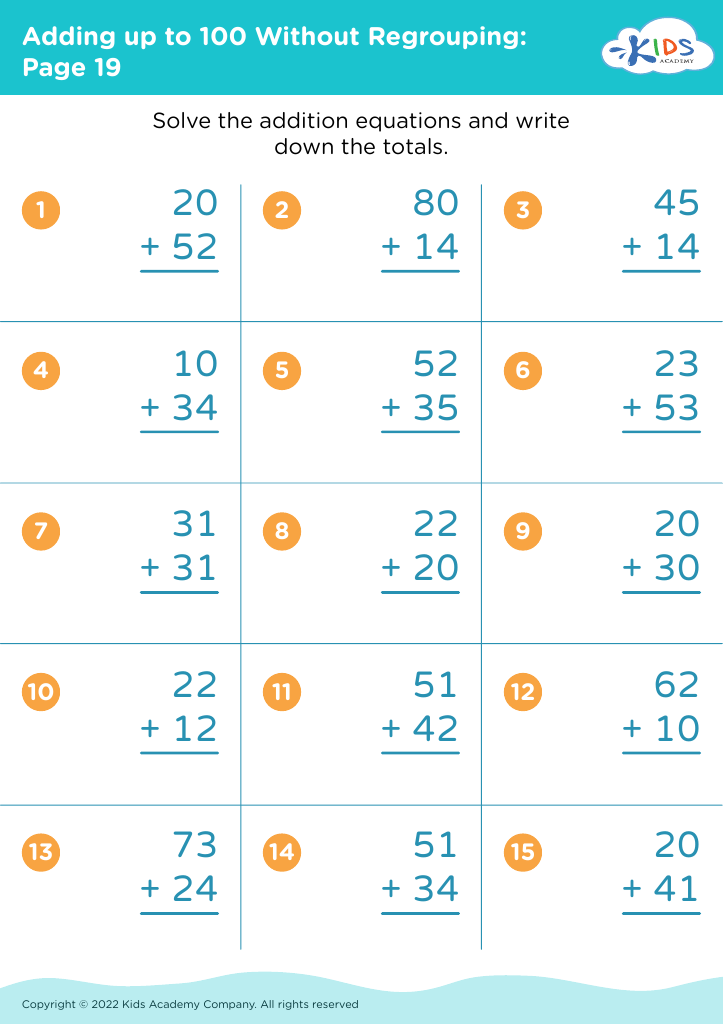
Adding up to 100 Without Regrouping: Page 19
Worksheet
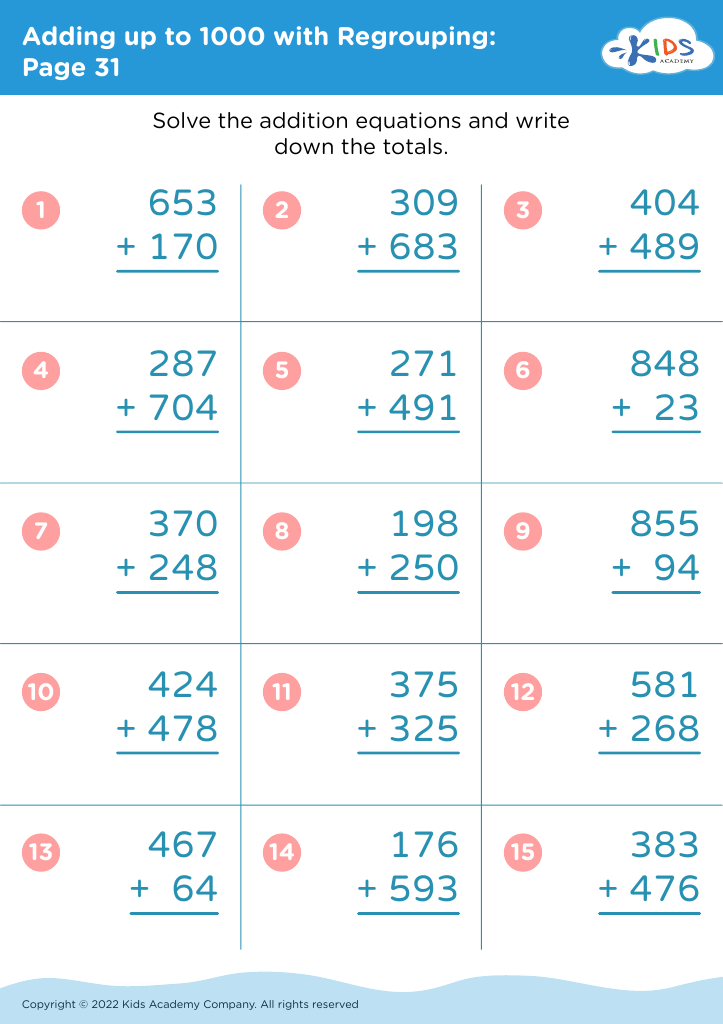
Adding up to 1000 with Regrouping: Page 31
Worksheet
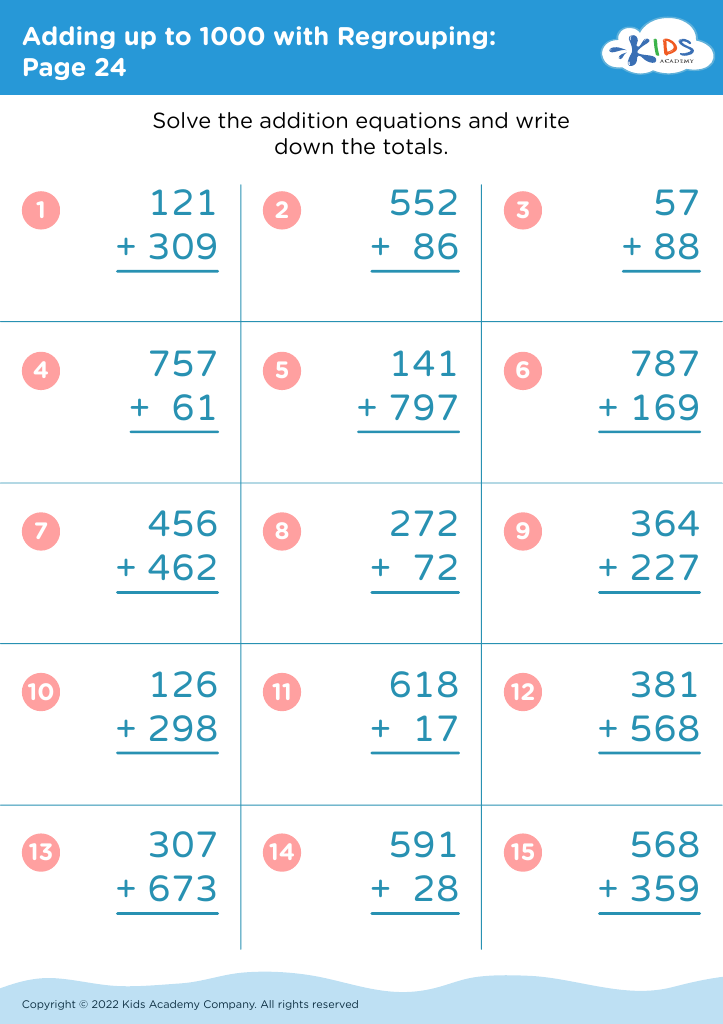
Adding up to 1000 with Regrouping: Page 24
Worksheet
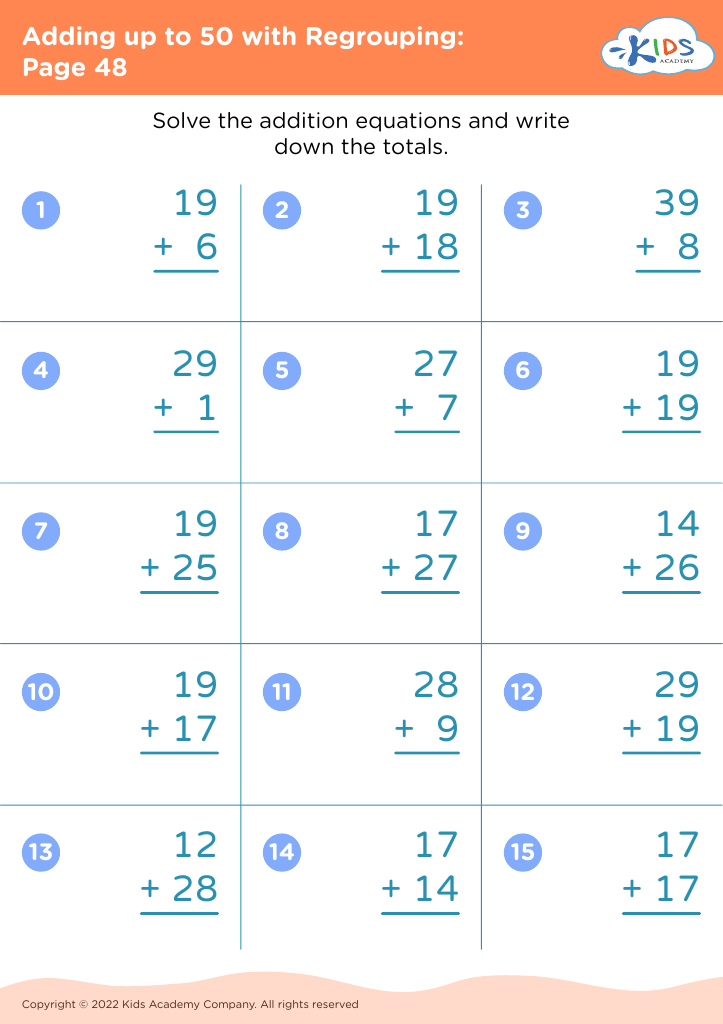
Adding up to 50 with Regrouping: Page 48
Worksheet
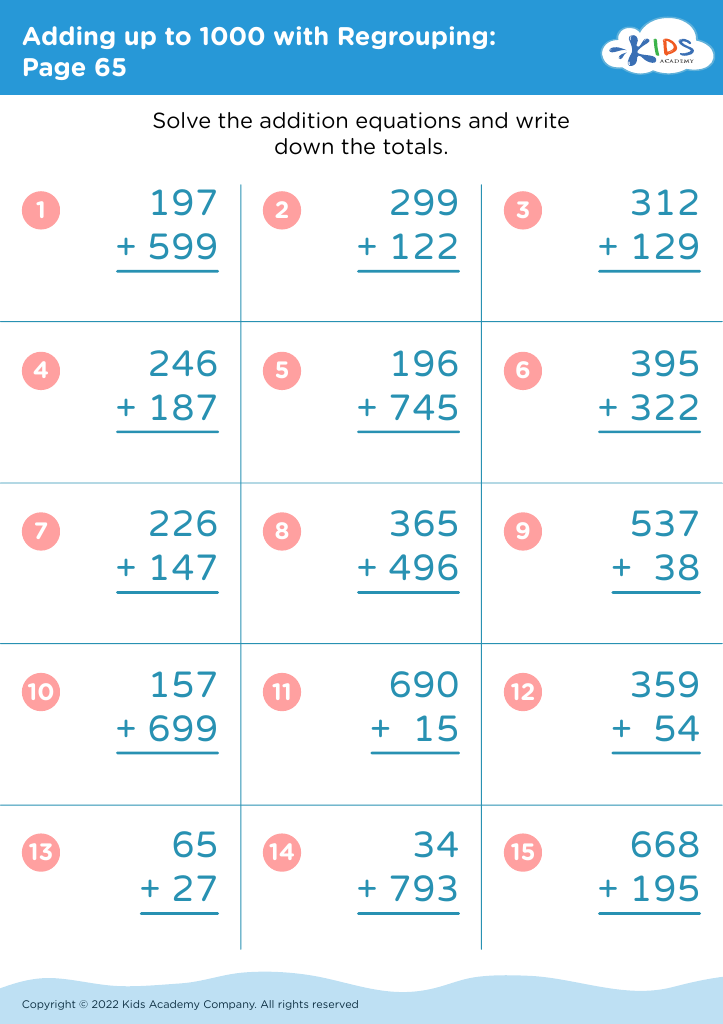
Adding up to 1000 with Regrouping: Page 65
Worksheet
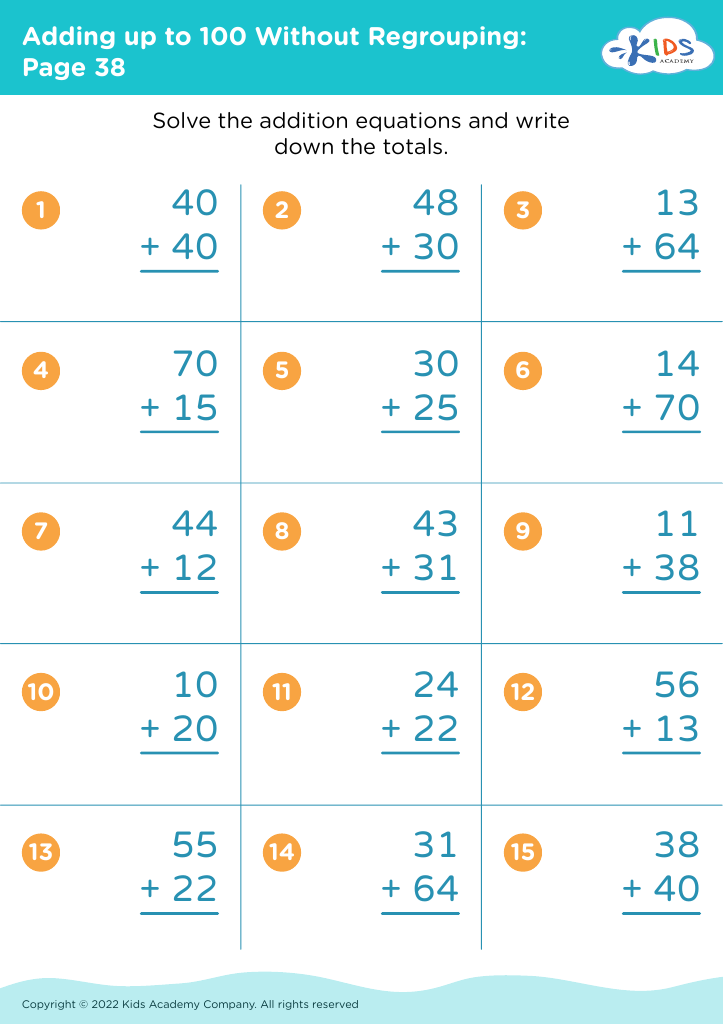
Adding up to 100 Without Regrouping: Page 38
Worksheet
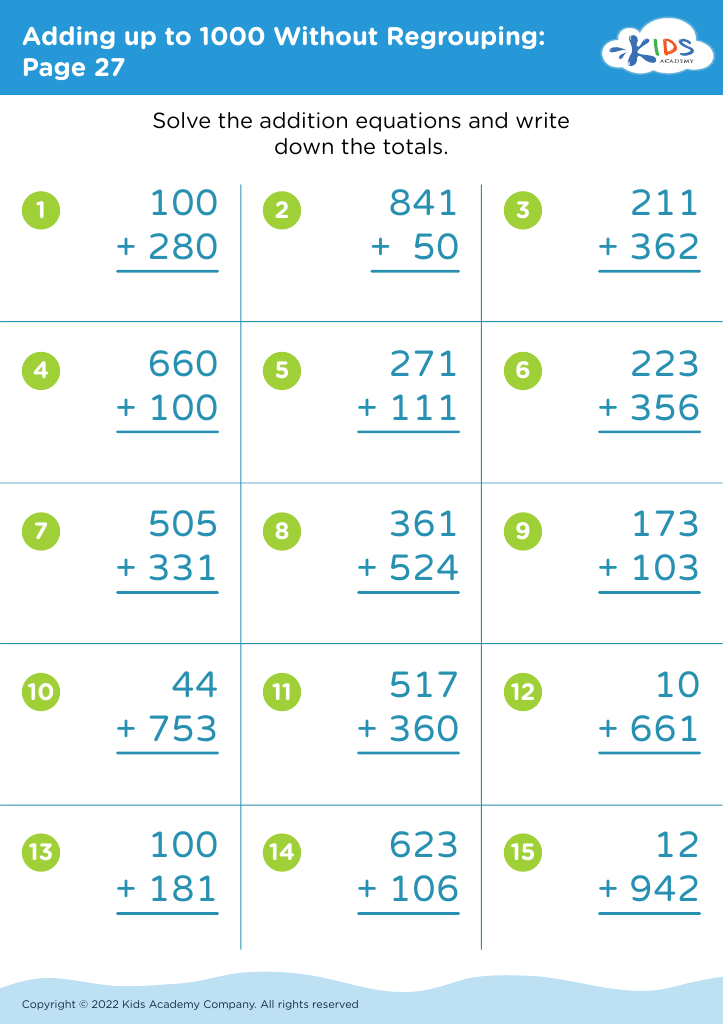
Adding up to 1000 Without Regrouping: Page 27
Worksheet
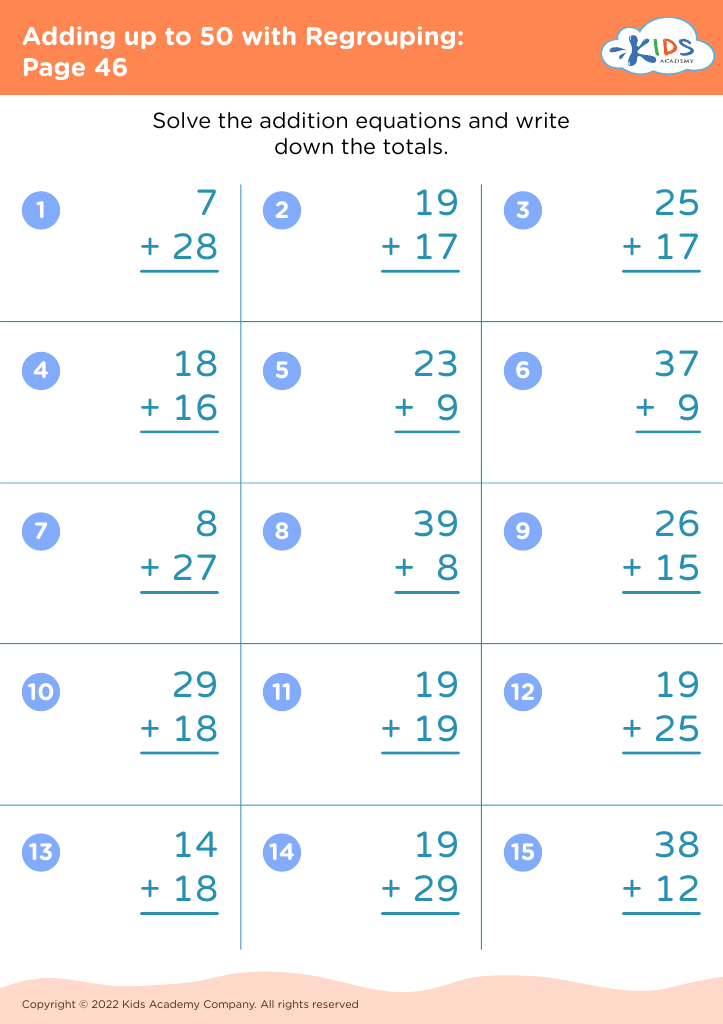
Adding up to 50 with Regrouping: Page 46
Worksheet
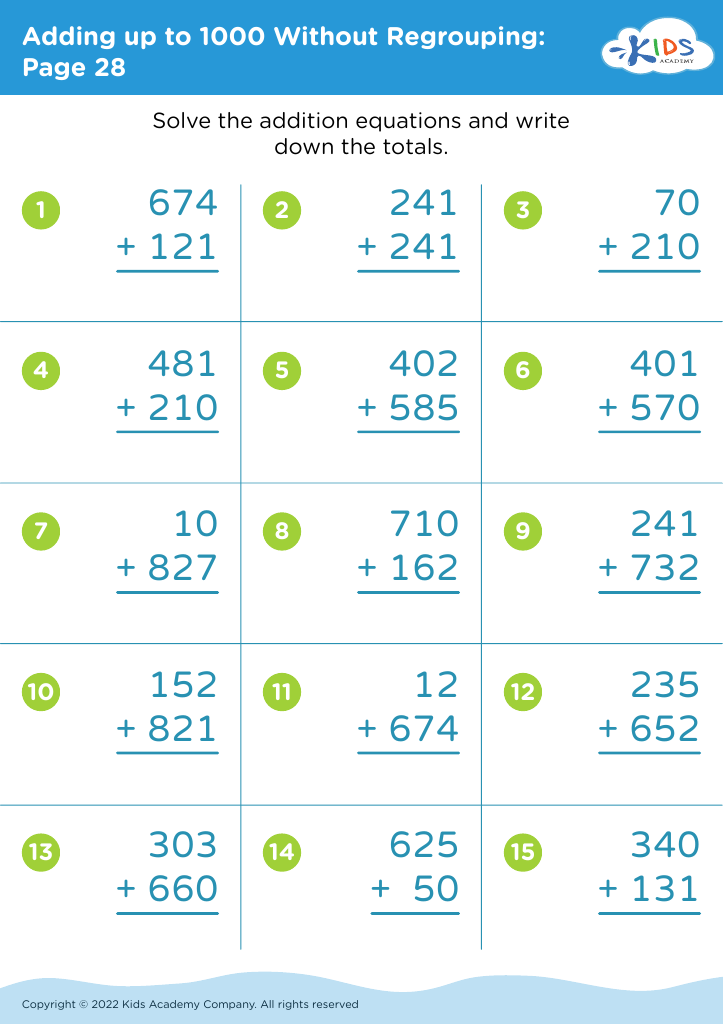
Adding up to 1000 Without Regrouping: Page 28
Worksheet
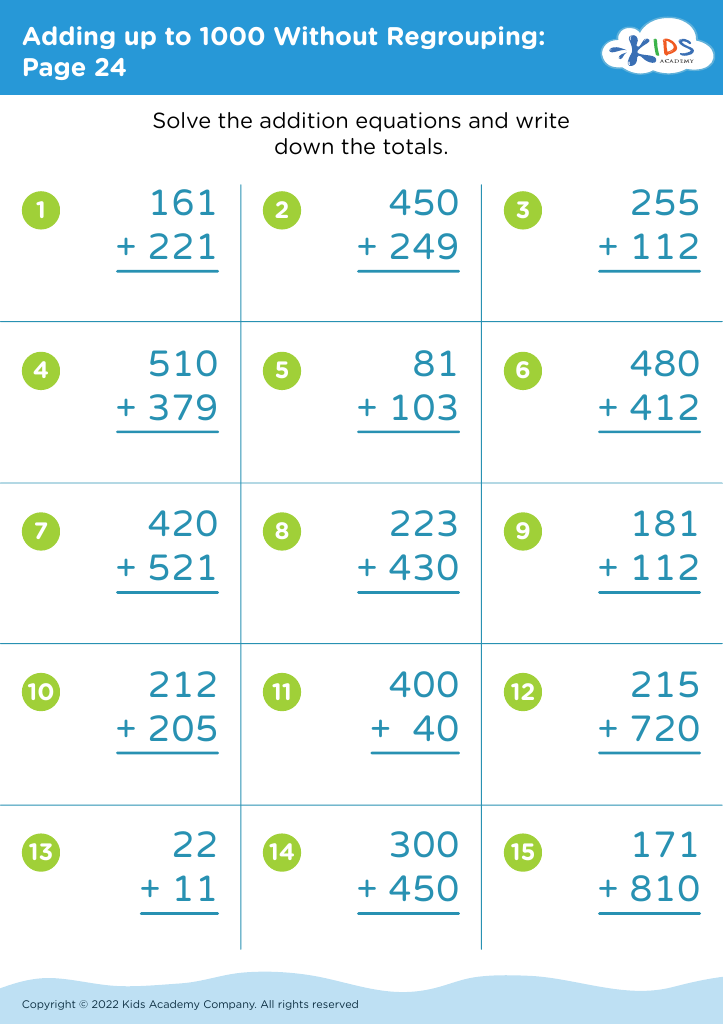
Adding up to 1000 Without Regrouping: Page 24
Worksheet


Simplifying fractions addition is an essential mathematical skill for children aged 6-9 and is crucial for several reasons. Firstly, understanding how to add and simplify fractions enhances numeracy skills, laying the foundation for more advanced math topics. When kids grasp the concept of fractions, it boosts their confidence, making them more comfortable with other mathematical challenges that will arise later in their education.

Secondly, learning to simplify fractions addition encourages logical thinking and problem-solving skills. Students learn to identify common denominators, perform calculations accurately, and understand equivalent fractions, which fosters critical thinking. These cognitive skills are transferrable to various academic subjects and real-world scenarios, helping kids make better decisions and solve everyday problems efficiently.

Thirdly, fractions are ubiquitous in our daily lives, from cooking and measuring ingredients to dividing tasks and resources. Early proficiency in fractions equips children with practical skills that they will use as they grow older, making everyday tasks easier and more intuitive.

Lastly, simplifying fractions addition prepares children for standardized tests and academic assessments, where such problems often feature prominently. Mastery of this topic can lead to better performance in exams and a more robust mathematical foundation, which is paramount for academic and career success. Hence, both parents and teachers should advocate for a strong foundation in fractions for young learners.