
Understand multiplication Addition Worksheets for Ages 6-9
6 filtered results
Difficulty Level
Grade
Age
-
From - To
Subject
Activity
Standards
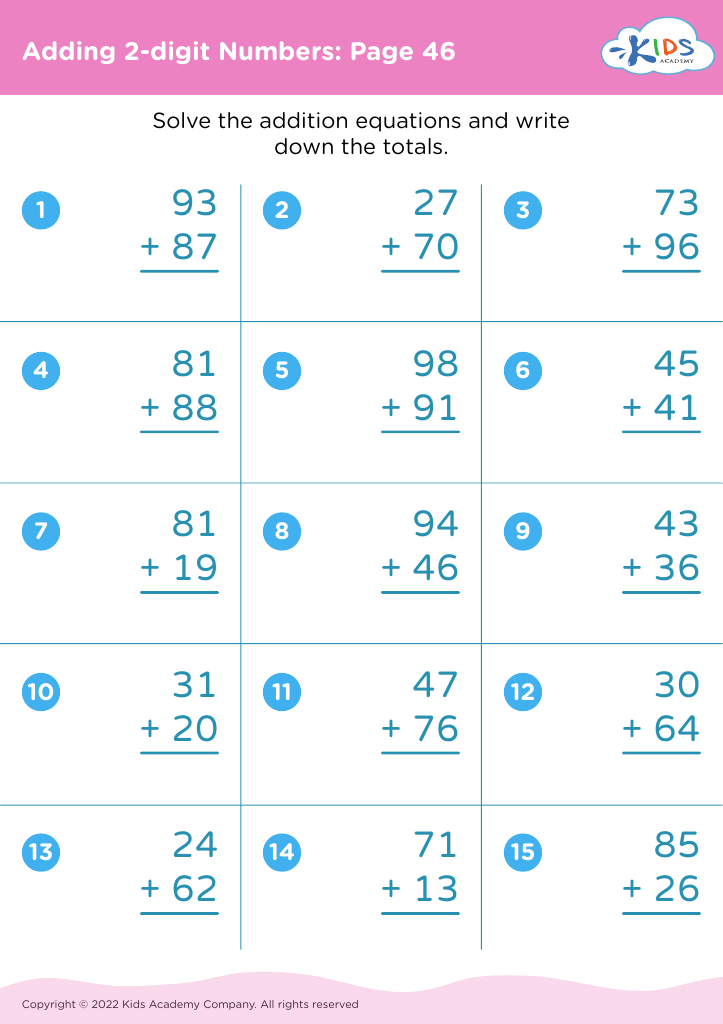
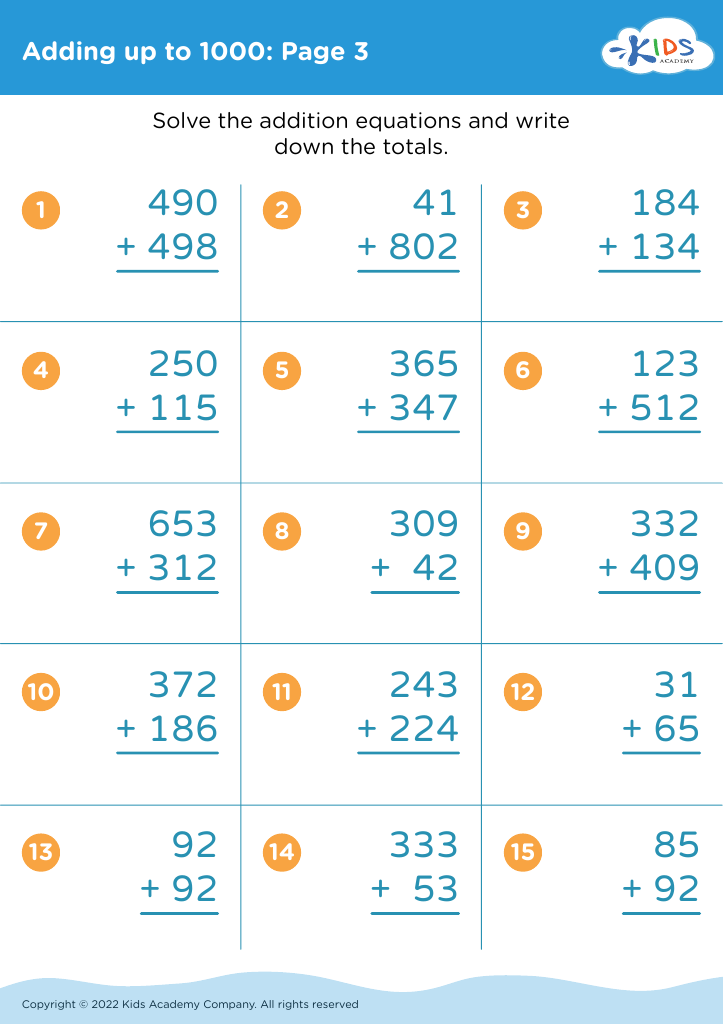
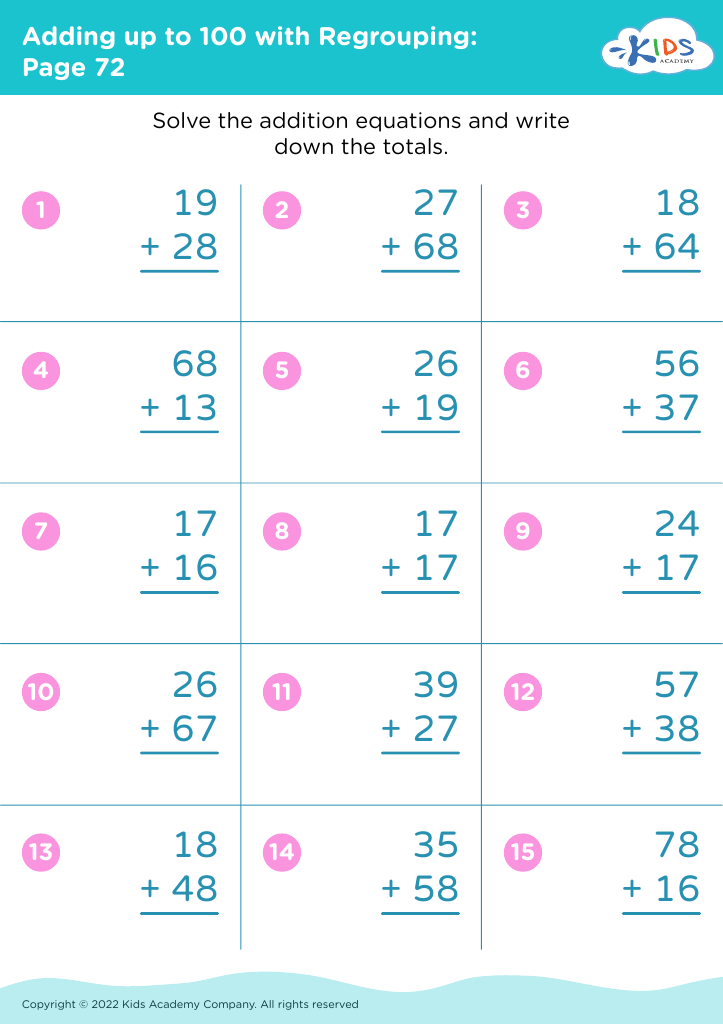
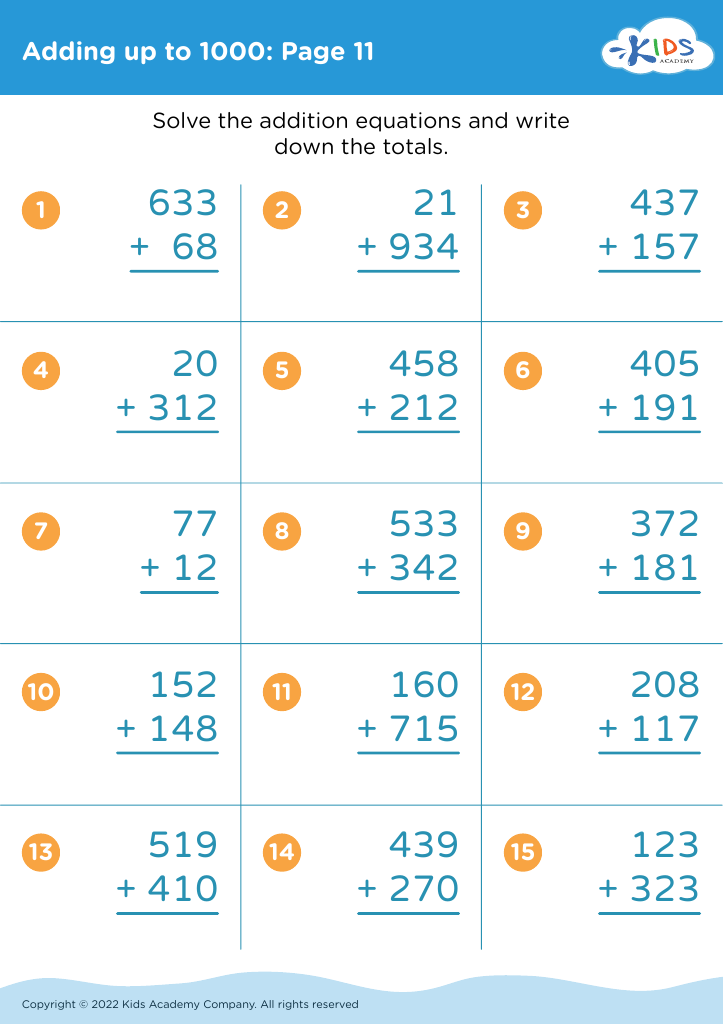
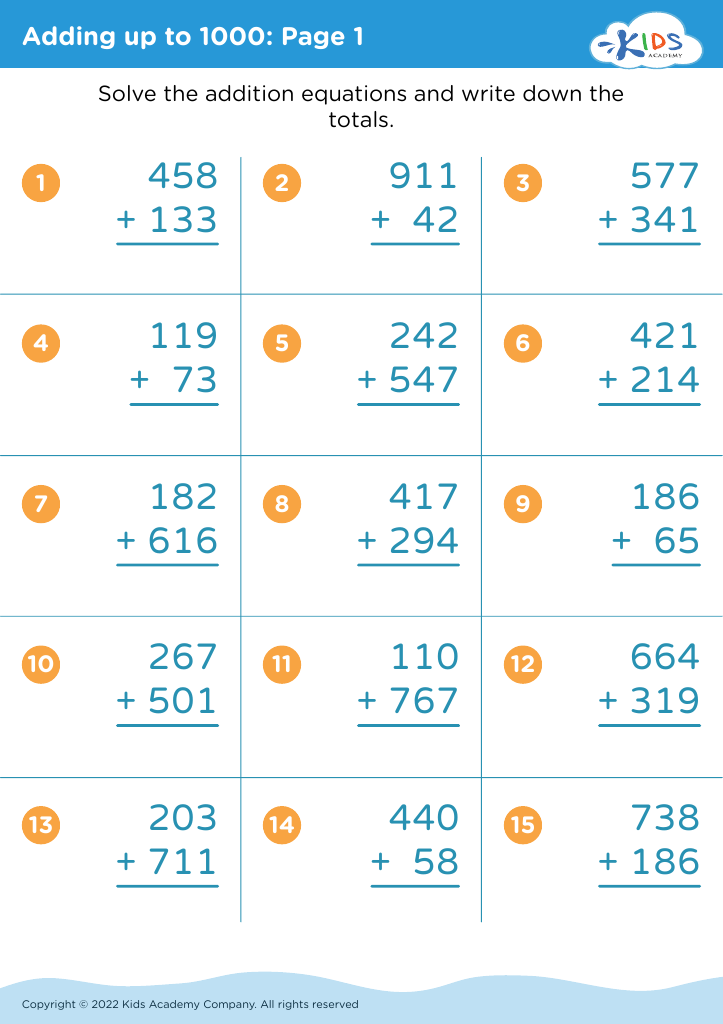
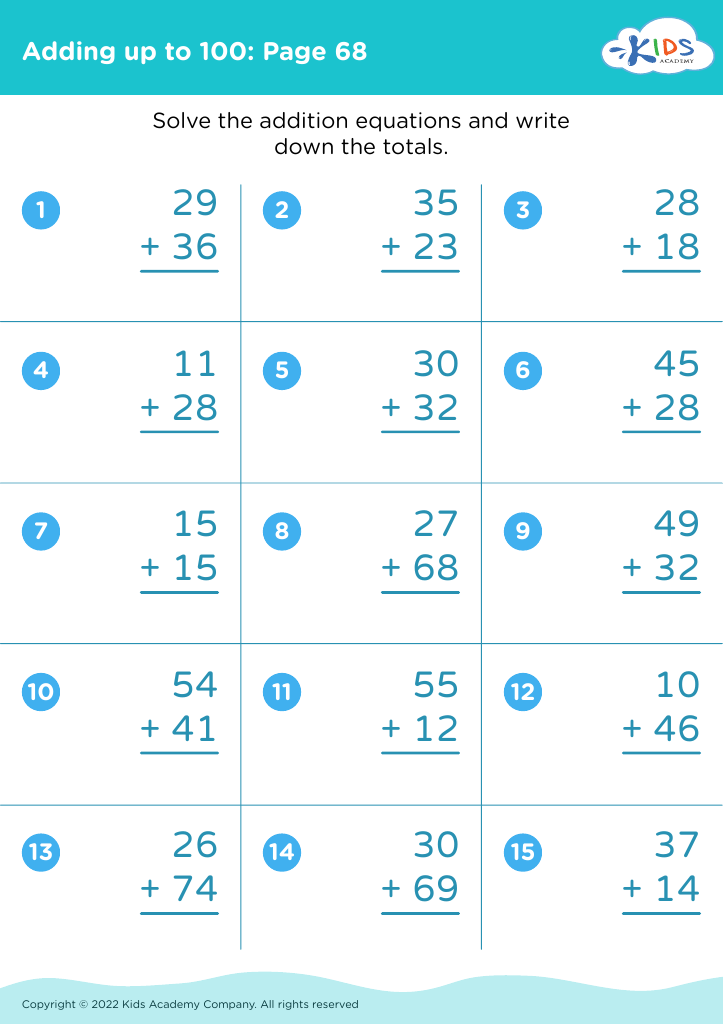
Explore our engaging "Understand Multiplication Addition Worksheets" designed specifically for children aged 6-9! These worksheets offer a fun and interactive approach to mastering basic multiplication and addition concepts. With colorful visuals and relatable scenarios, kids will easily grasp the relationship between addition and multiplication, enhancing their math skills while building confidence. Our carefully curated exercises promote critical thinking and problem-solving, ensuring that students develop a solid foundation in mathematics. Perfect for classroom use or at-home learning, these worksheets provide valuable practice to help young learners succeed in their academic journey. Start your child's math adventure today!
Favorites
With answer key
Interactive
Join Kids Academy for Free
Who is primarily going to use this learning content?








Understanding multiplication and addition is crucial for children aged 6 to 9, as these foundational math skills are integral to their overall academic development. First, these concepts promote critical thinking and problem-solving abilities, enabling children to tackle more complex mathematical problems in later grades.
Moreover, mastering multiplication and addition lays the groundwork for more advanced topics, such as division, fractions, and even algebra, which they'll encounter in middle and high school. This early competency can boost their confidence in math, reducing anxiety around the subject, and fostering a positive attitude toward learning.
Additionally, these skills are not only relevant in a classroom setting; they also apply to everyday life. Children will encounter situations requiring basic math, whether it's budgeting their allowance, telling time, or measuring ingredients in a recipe.
By emphasizing the understanding of multiplication and addition, parents and teachers can better equip children with essential life skills. It promotes accountability, persistence, and resourcefulness—traits that are beneficial both academically and in real-world contexts. Therefore, investing time in helping kids comprehend these concepts can have lasting positive impacts on their future learning and personal growth.








