Vocabulary Building Addition Worksheets for Ages 6-9
5 filtered results
-
From - To
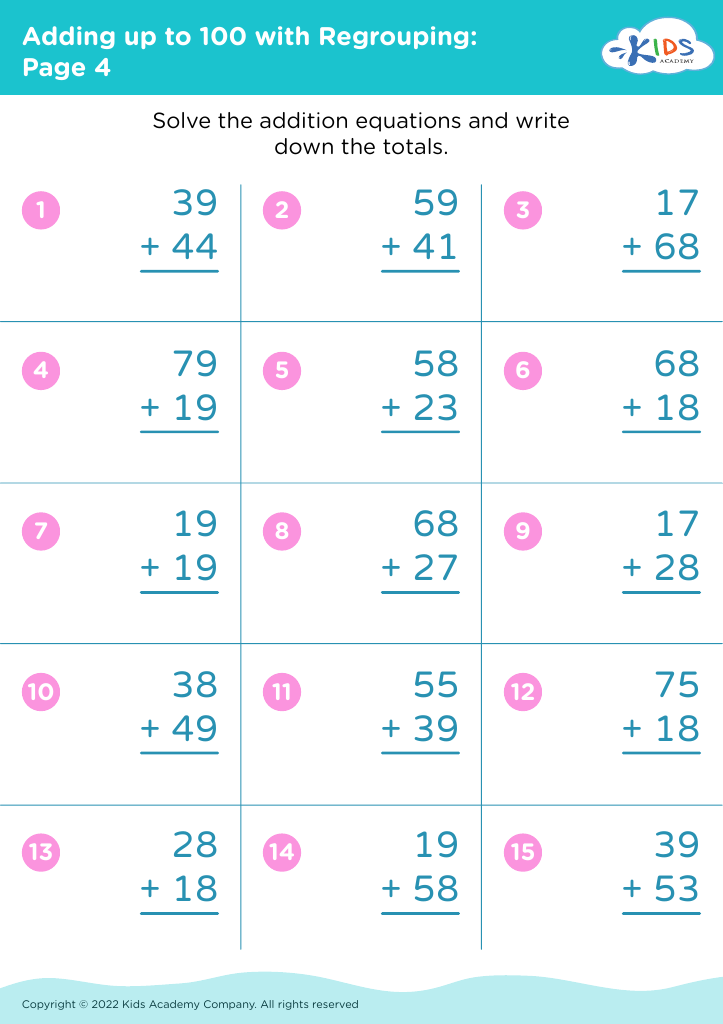
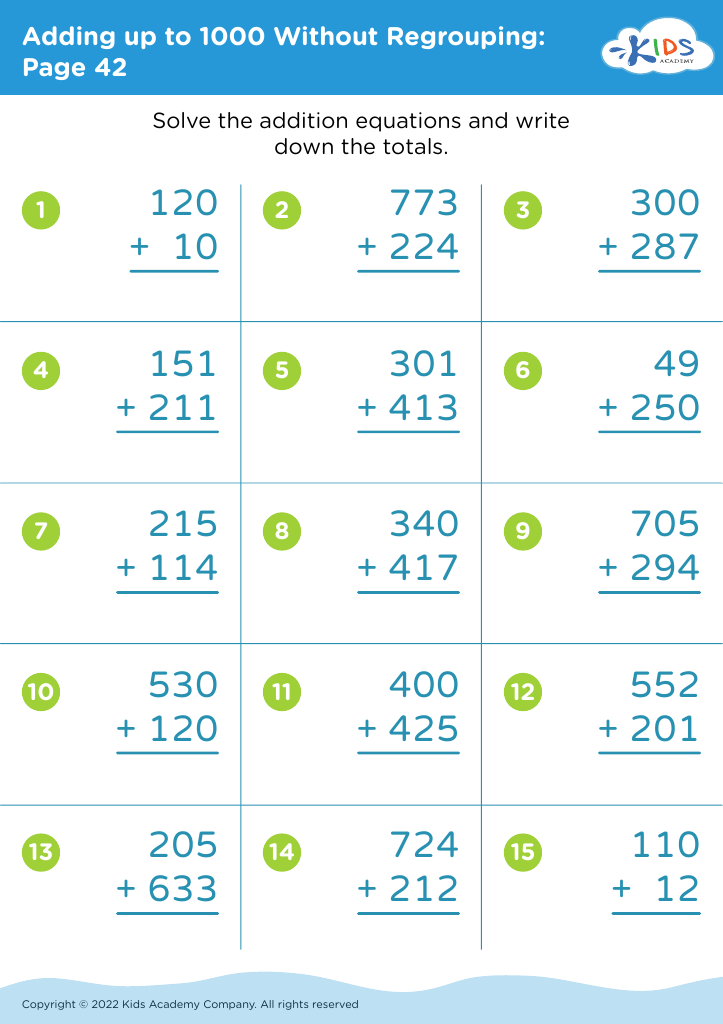
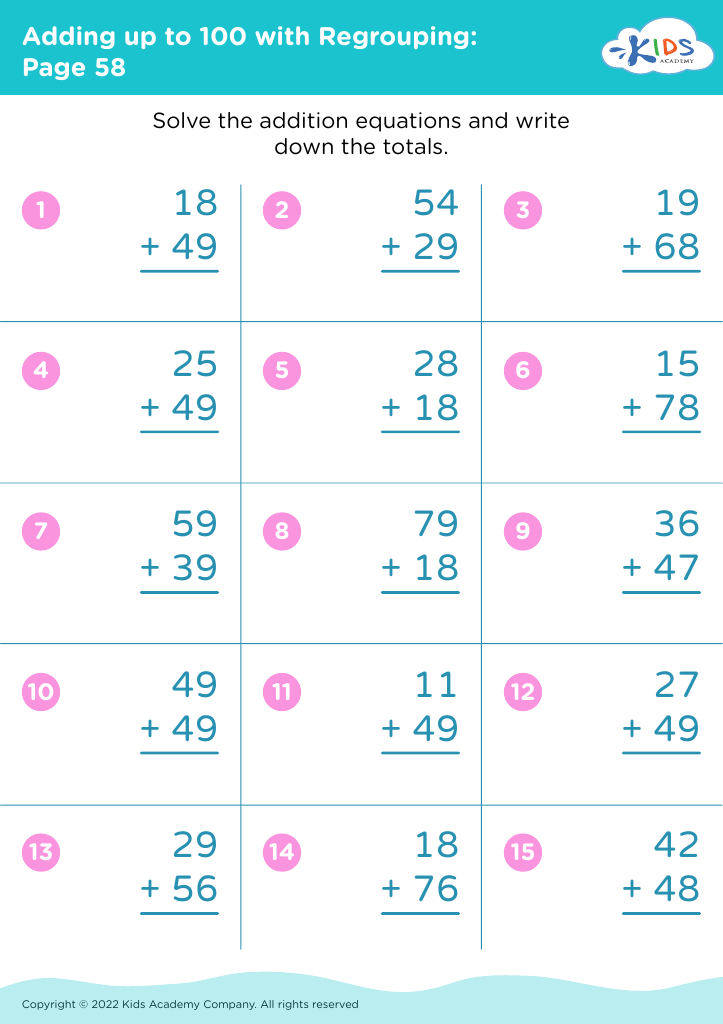
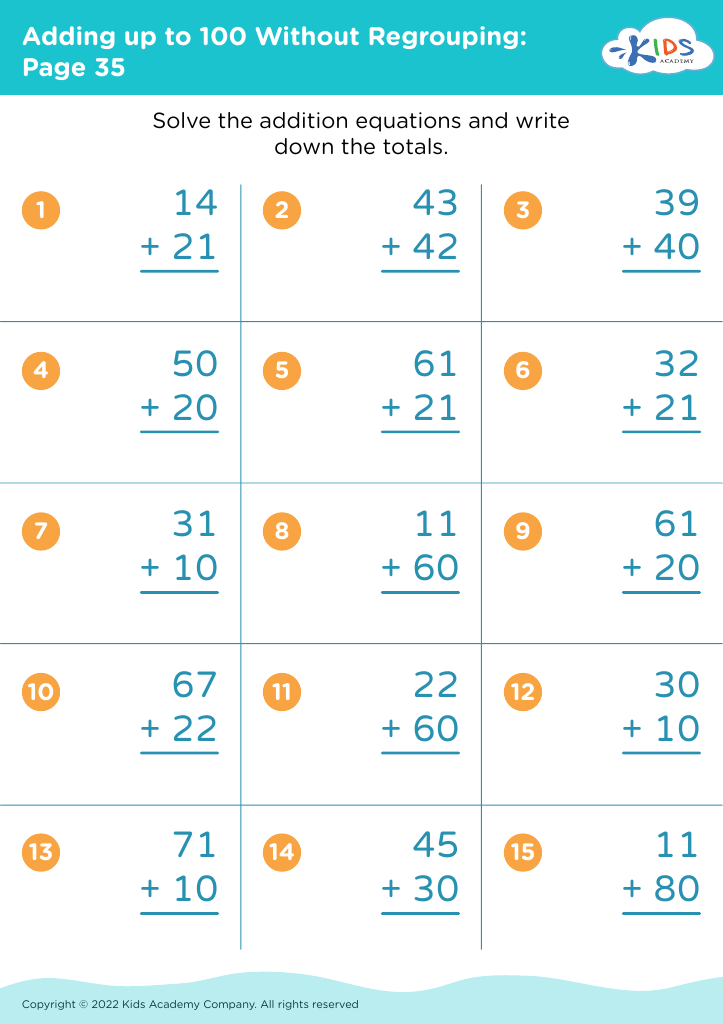
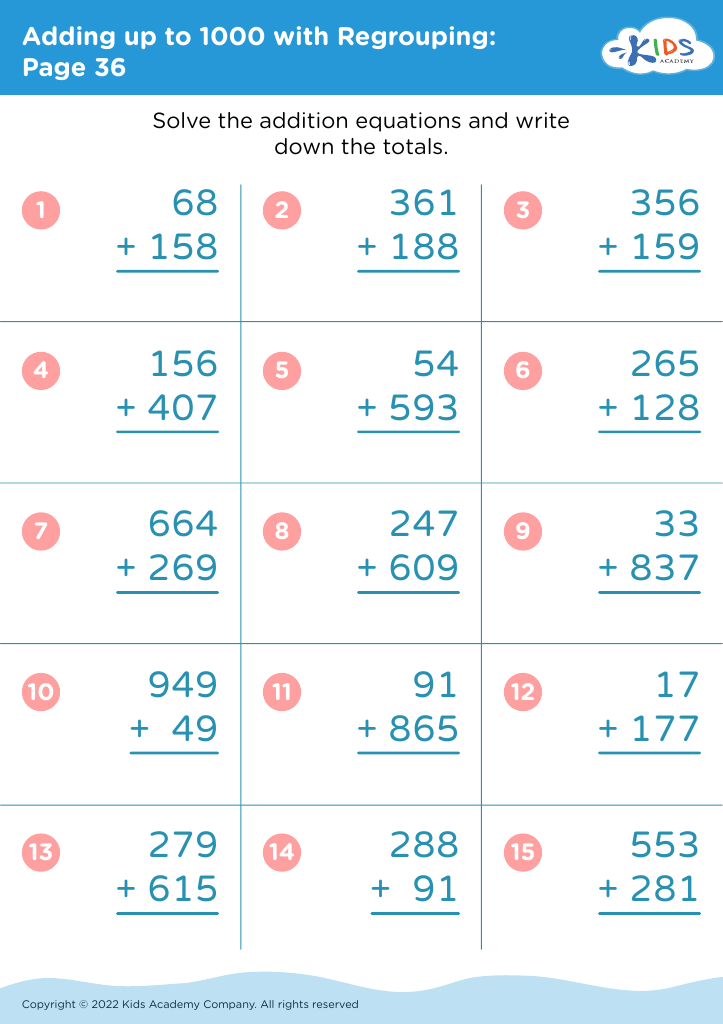
Enhance your child's learning journey with our Vocabulary Building Addition Worksheets, specially designed for ages 6-9! These engaging worksheets combine math and vocabulary, helping young learners strengthen their language skills while mastering addition. Each activity encourages critical thinking and creativity, guiding children to explore mathematical concepts through vibrant visuals and interactive prompts. Tailored to different learning levels, our resources support diverse learning styles in a fun environment. Parents and teachers will appreciate the structured yet playful approach, making math practice enjoyable. Download our Vocabulary Building Addition Worksheets today and watch your child thrive in both math and language skills!





.jpg)


Vocabulary building is a critical component of language development for children aged 6-9, as this is a crucial period for cognitive and linguistic growth. Parents and teachers should care about vocabulary building because a rich vocabulary is closely linked to reading comprehension, writing skills, and overall academic success. During these formative years, children begin to encounter more complex texts and concepts. By equipping them with a diverse vocabulary, we empower them to express ideas more clearly and understand what they read on deeper levels.
Moreover, strong vocabulary skills enhance critical thinking and creativity. Engaging students in activities that expand their word knowledge fosters curiosity and encourages them to explore new subjects and ideas. This process not only enhances communication but also boosts self-confidence as they articulate thoughts and participate in discussions.
Additionally, fostering vocabulary building can help bridge educational gaps and promote inclusivity. Children from diverse backgrounds may enter school with varying vocabulary levels; targeted vocabulary intervention can support those who need it the most. Ultimately, investing in vocabulary building paves the way for lifelong learners and successful communicators. Thus, both parents and teachers play a vital role in igniting the passion for language and literacy in young children.








