Understanding greater/less than Comparing Numbers Worksheets for Ages 6-9
3 filtered results
-
From - To
Discover our "Understanding Greater/Less Than Comparing Numbers Worksheets" designed for children aged 6-9. These engaging activities help young learners grasp the fundamental concepts of comparing numbers using the symbols > (greater than), < (less than), and = (equal to). Our worksheets feature vibrant illustrations and clear instructions that make learning fun and accessible. Each exercise encourages critical thinking, boosts confidence in math, and enhances number sense. Perfect for both classroom use and at-home practice, these resources provide an excellent way for children to master the art of comparing numbers, setting the stage for future mathematical success! Start exploring today!
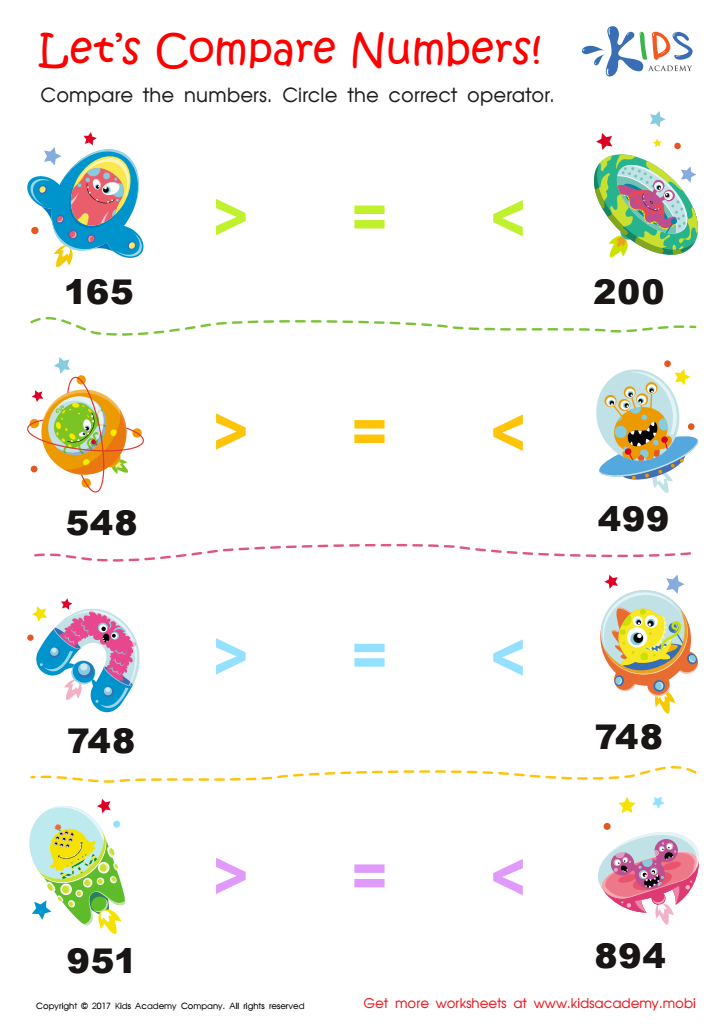
Comparing Numbers Worksheet for 2nd Grade
 Assign to My Students
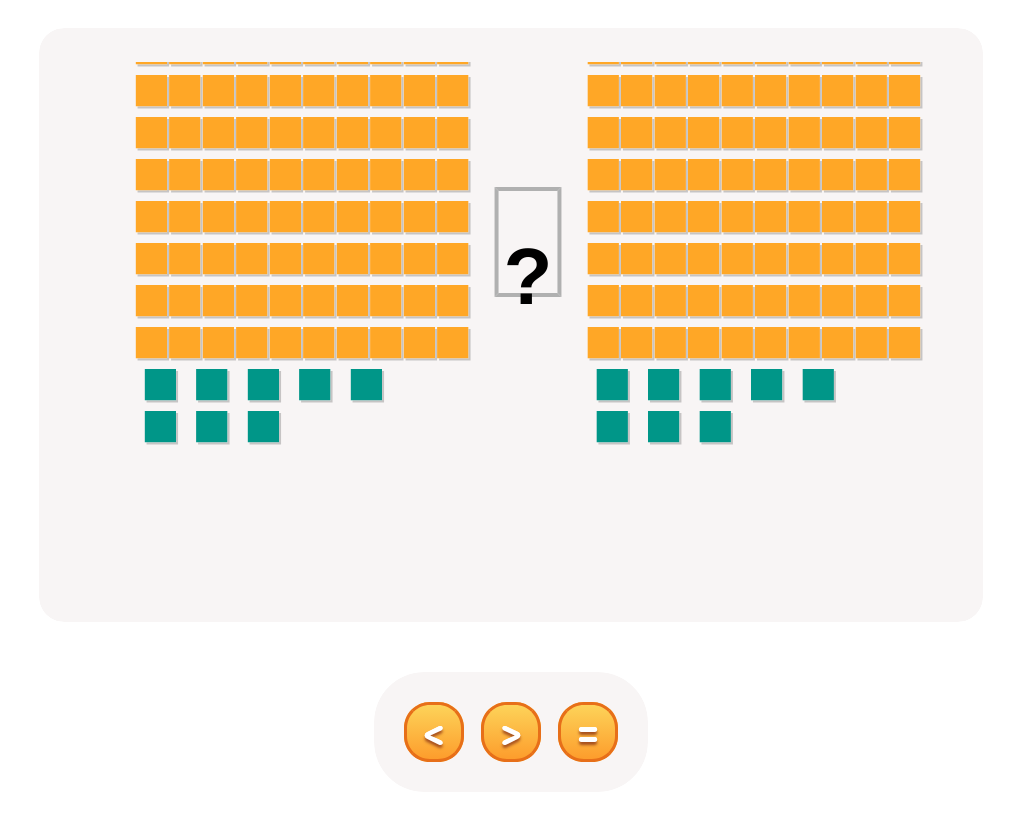

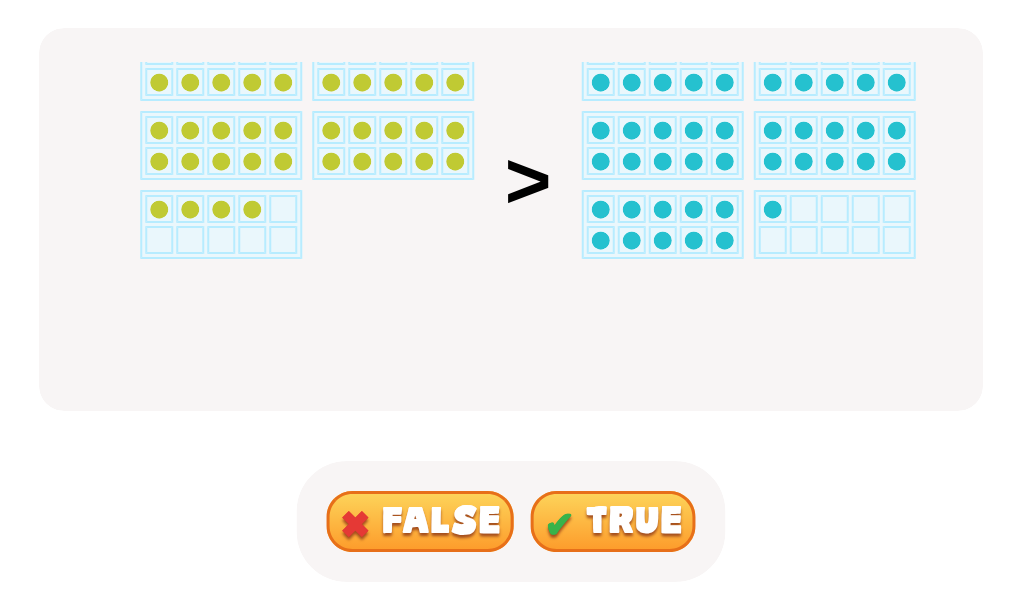
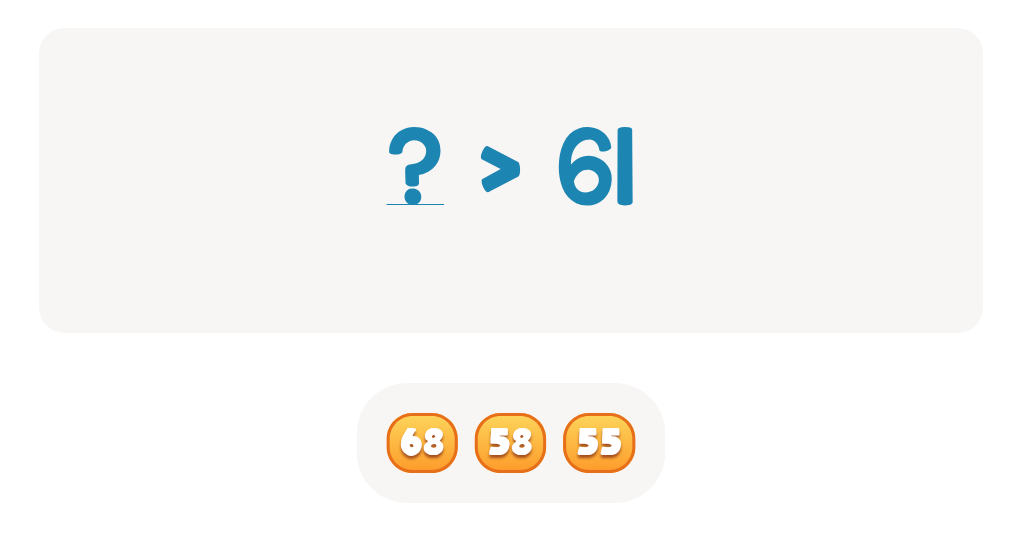
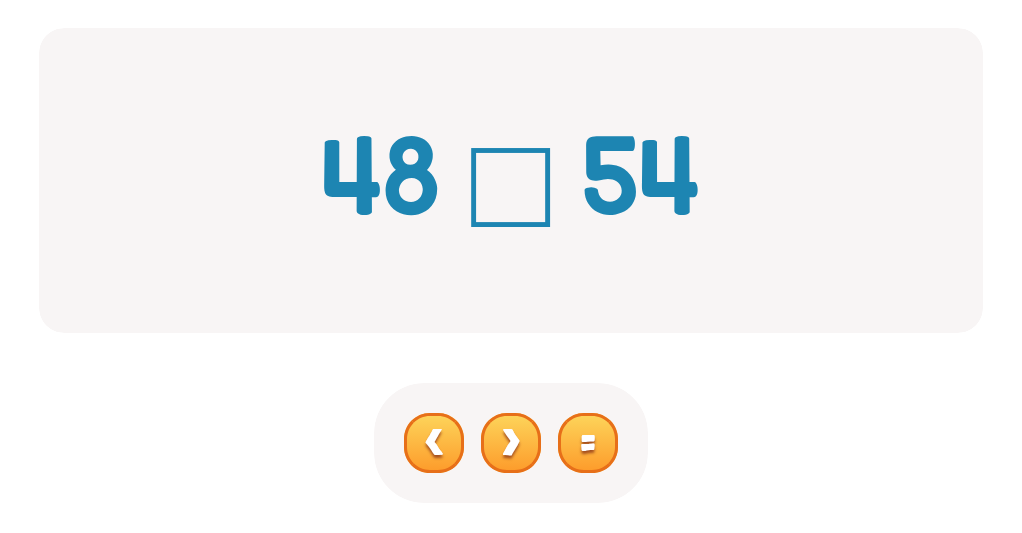
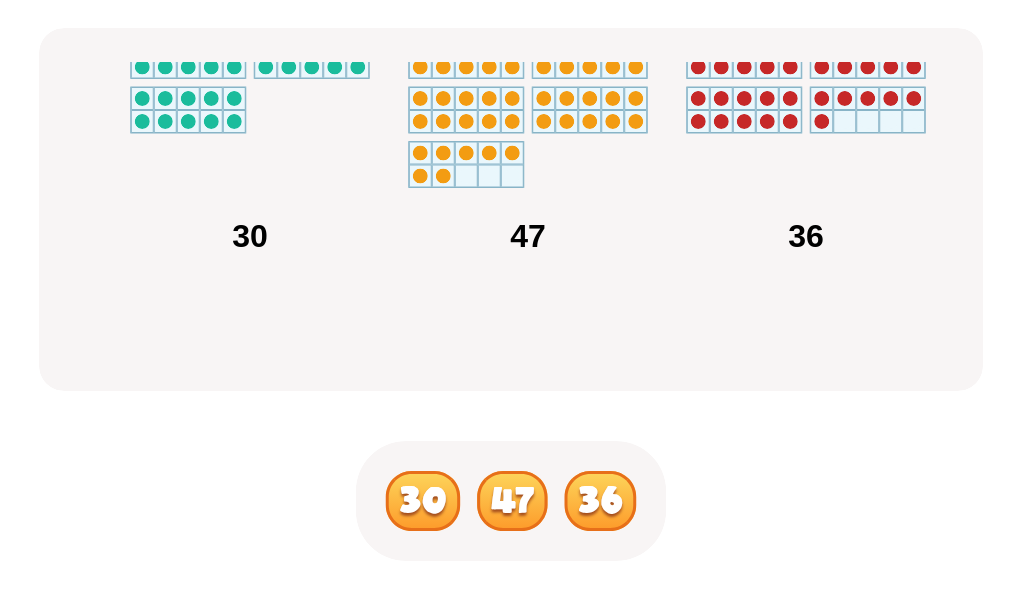
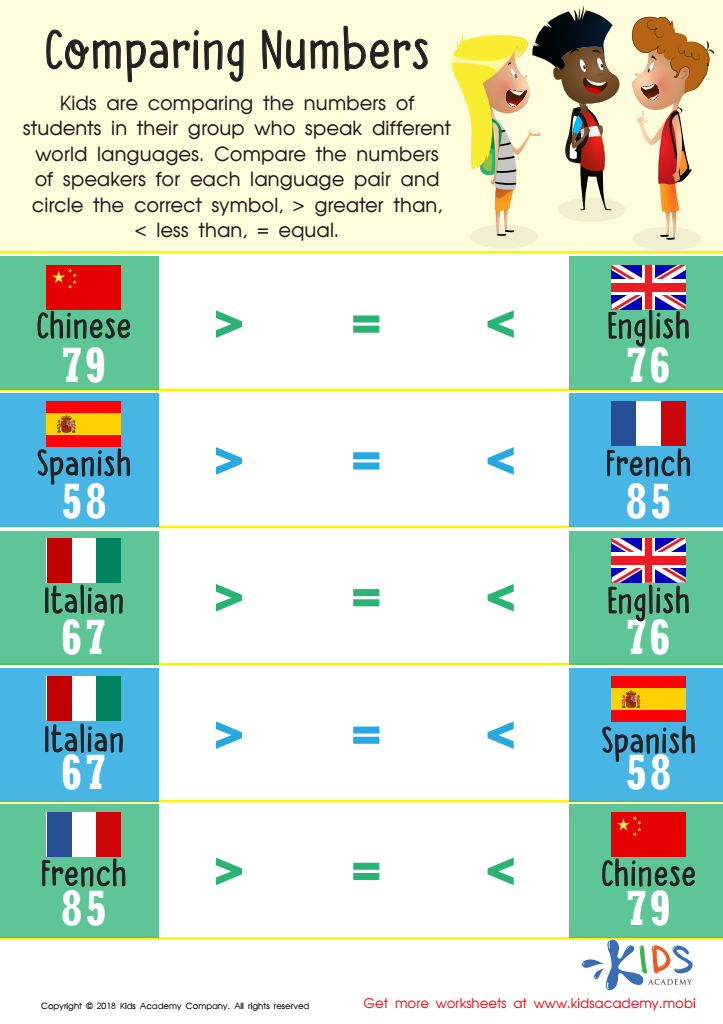
Comparing Numbers Worksheet for 1st Grade
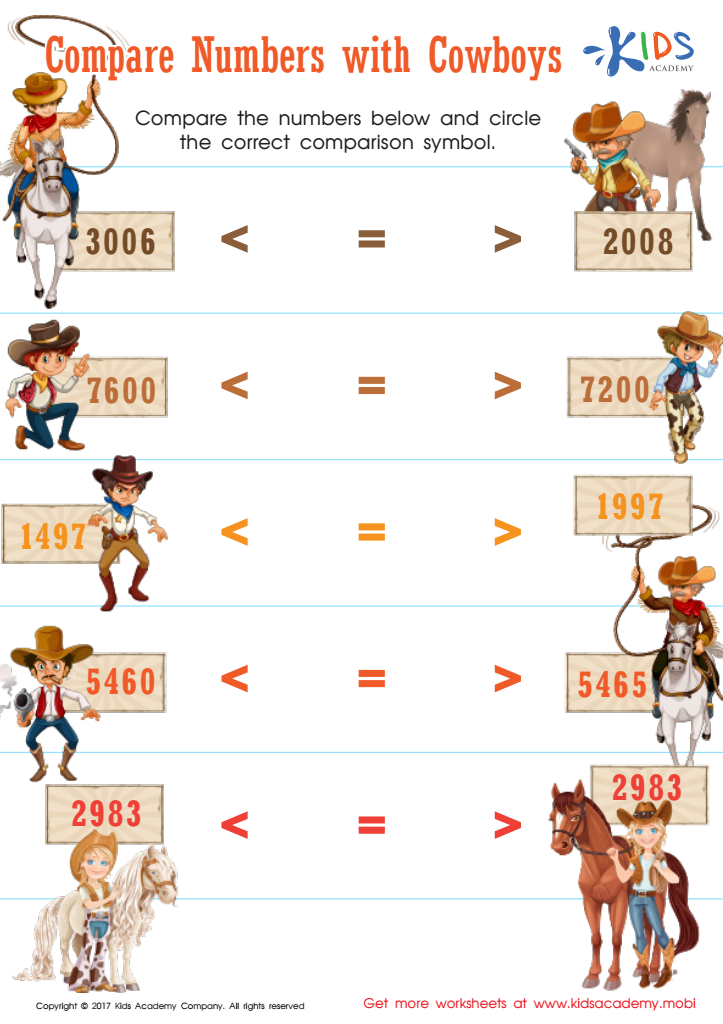
Compare Numbers Worksheet for 3rd Grade








Understanding greater and less than when comparing numbers is crucial for children ages 6-9 as it builds a foundation for their mathematical skills and critical thinking. At this age, children are transitioning from basic number recognition to more complex mathematical concepts, and mastering comparison is a key step in this process.
Firstly, this skill enhances their numerical literacy, enabling them to understand and interpret quantities, which is fundamental in problem-solving and everyday situations, such as shopping or planning. Notably, students develop their number sense, making it easier to grasp addition and subtraction by recognizing which numbers are larger or smaller.
Secondly, recognizing greater and less than fosters essential skills like reasoning and logical thinking. It allows children to make comparisons not only in math but also in real-life contexts — evaluating sizes, distances, or even preferences.
Lastly, instilling these concepts early helps build confidence in their mathematical abilities. Encouraging discussions on comparing numbers at home and in school opens up opportunities for collaboration, enhancing their engagement and interest in mathematics. Parents and teachers play a vital role in nurturing these skills, ensuring children are well-prepared for future mathematical challenges.