Understanding skip-counting Counting Worksheets for Ages 6-9
3 filtered results
-
From - To
"Understanding Skip-Counting Counting Worksheets for Ages 6-9" are designed to strengthen numerical fluency and improve foundational math skills. These engaging, kid-friendly worksheets simplify the concept of skip-counting by focusing on sequences, patterns, and numbers. Ideal for children aged 6-9, the activities progress gradually, ensuring confidence and mastery. Skip-counting boosts counting precision, prepares kids for multiplication, and aids in problem-solving. By practicing with these worksheets, kids can enjoy colorful illustrations and fun exercises crafted to transform math learning into an exciting adventure. Foster a deeper understanding of mathematics while having fun with our expertly curated skip-counting sheets!
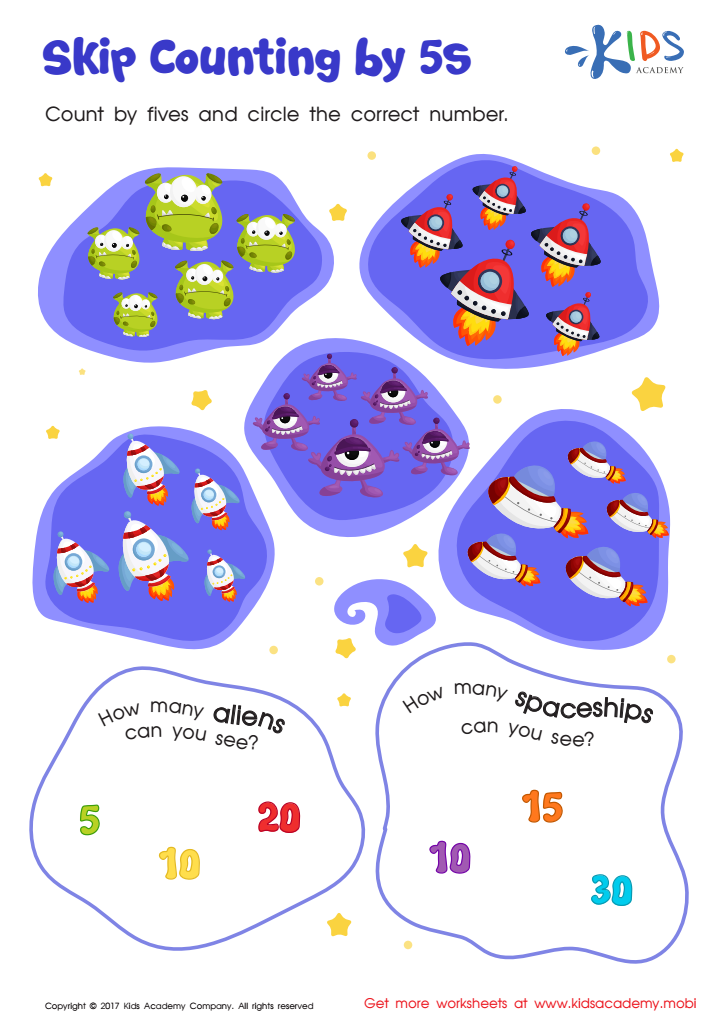
Skip Counting by 5s: Aliens and Spaceships Printable
 Assign to My Students



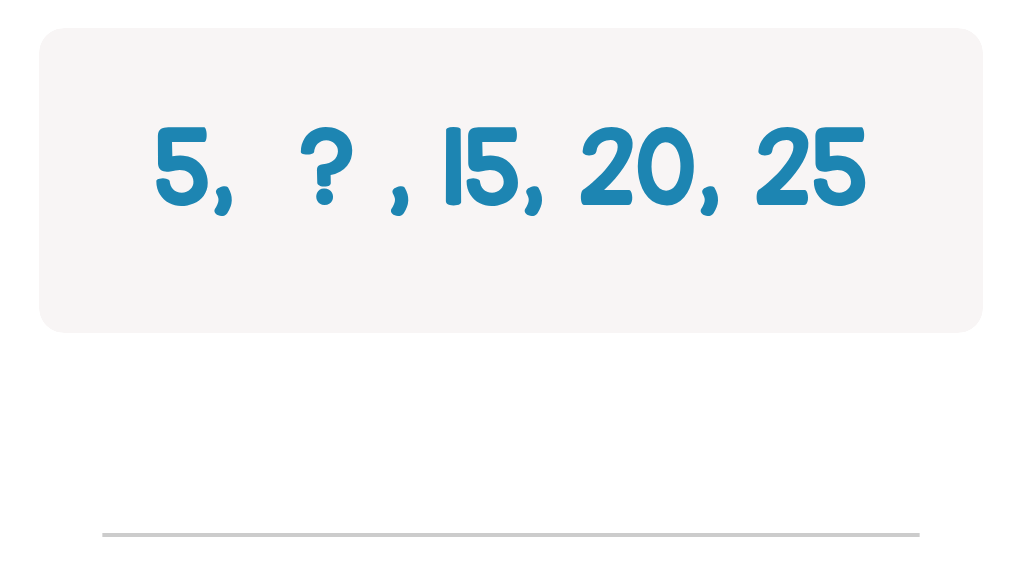
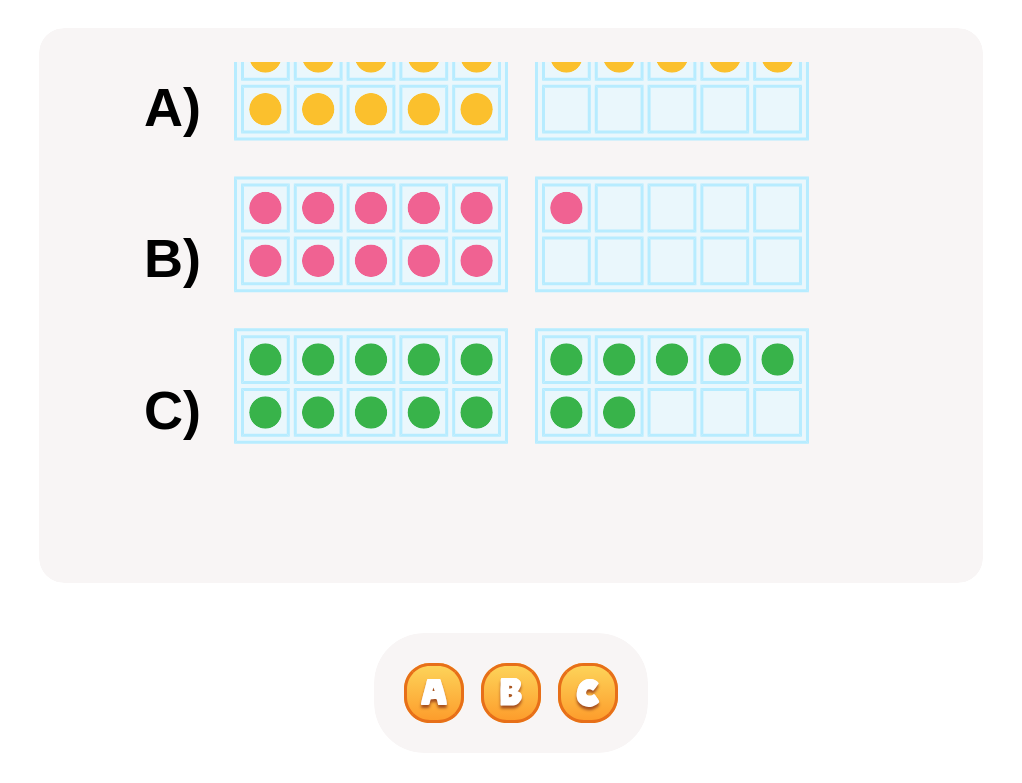
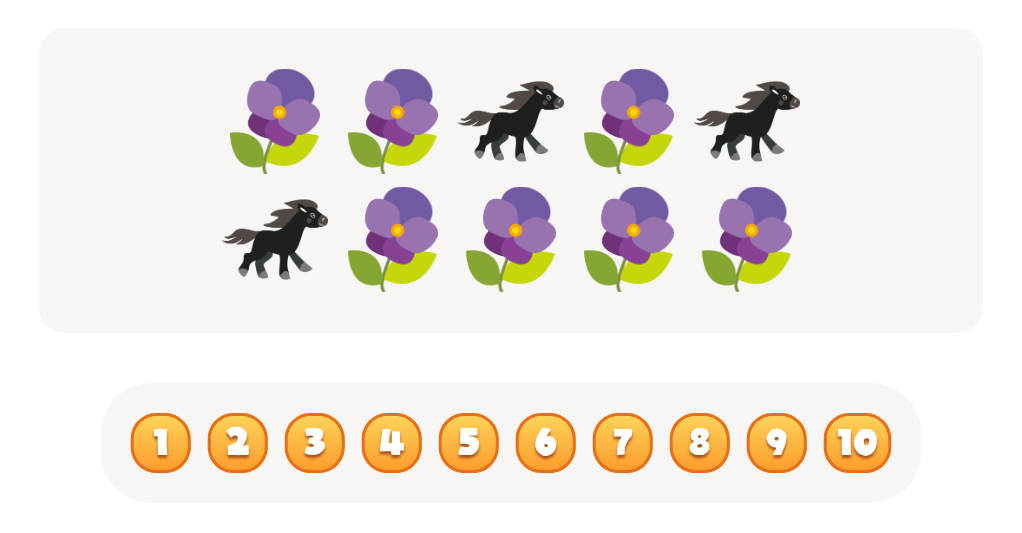
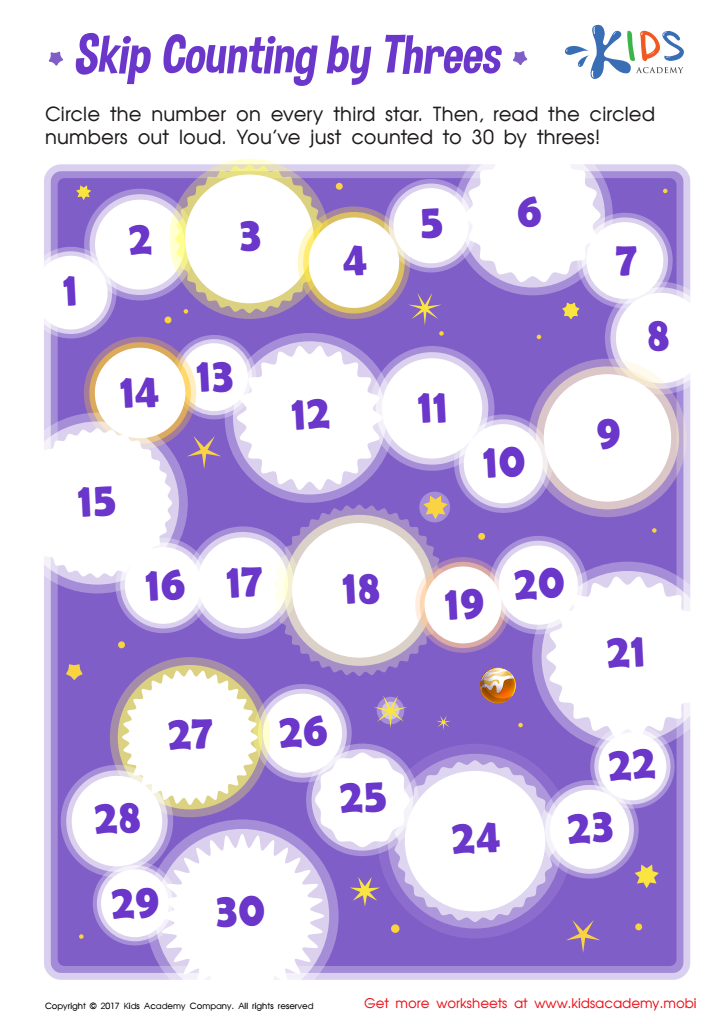
Skip Counting By Three Printable
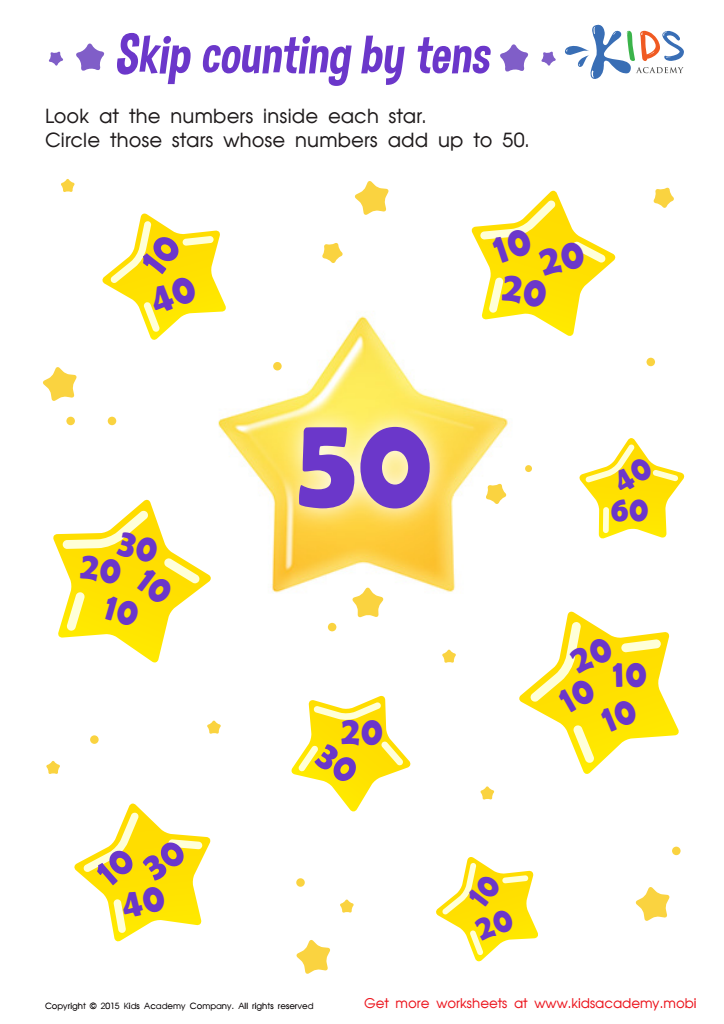
Learn Dozens: Skip Counting by Tens Printable








Understanding skip-counting is crucial for children aged 6-9 as it lays the foundation for important mathematical concepts and skills. Skip-counting, or counting by 2s, 5s, 10s, etc., helps children grasp the concept of multiplication and division with ease. This is important since these operations form the building blocks of more complex math problems they will encounter later in their schooling.
For parents and teachers, fostering an understanding of skip-counting improves students' number sense, enabling them to recognize patterns, sequences, and the relationships between numbers. This skill is beneficial not just for arithmetic but for understanding the broader mathematical landscape.
Additionally, skip-counting aids in developing cognitive skills such as memory, attention, and logical thinking. Children learn to partition numbers and efficiently simplify math problems, making tasks like counting large groups of objects less intimidating and quicker to solve than counting each one individually.
Educationally, promoting skip-counting can enhance a child’s confidence in math classes, as they feel more equipped to handle progressively complex topics. Therefore, incorporating skip-counting into early math education strengthens a child’s foundational skills, encourages a positive attitude towards math, and sets them up for future academic success.








