Basic counting skills Geometry Worksheets for Ages 6-9
3 filtered results
-
From - To
Enhance your child's mathematical journey with our Basic Counting Skills Geometry Worksheets designed for ages 6-9! These engaging, printable worksheets combine geometry and counting to develop foundational math skills in a fun and interactive way. Children will enjoy hands-on activities that involve shapes, patterns, and counting exercises, reinforcing their understanding of numbers and spatial relationships. With various exercises tailored to diverse learning styles, these worksheets provide optimal practice for young learners. Foster confidence in early math concepts while making learning enjoyable. Explore our resources today and give your child the tools they need for success in geometry and counting!
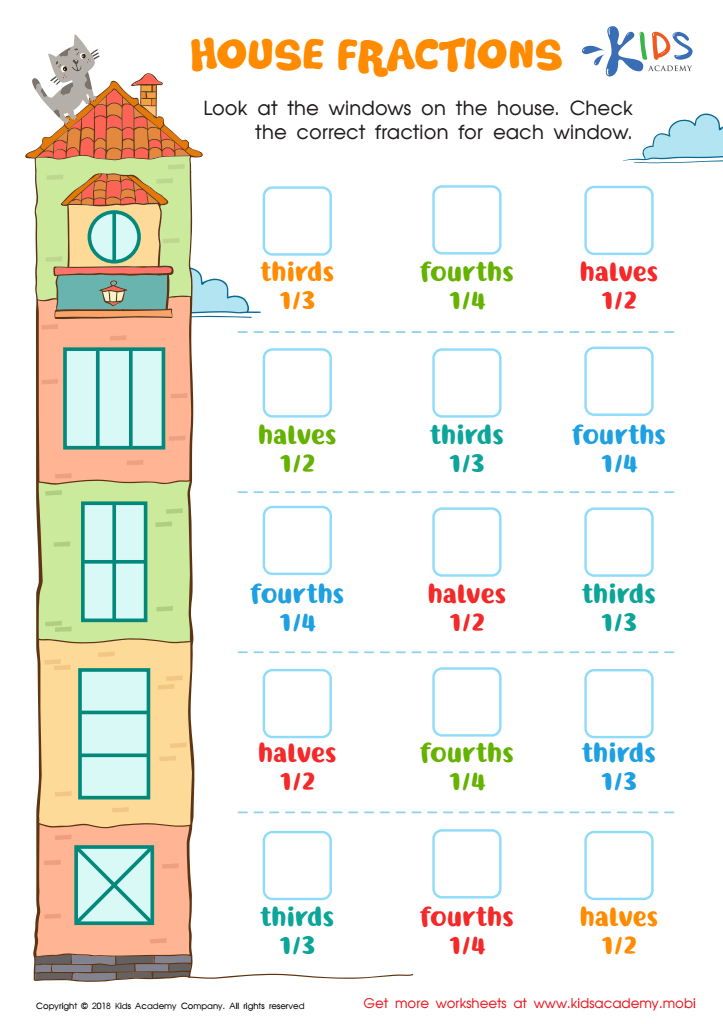
House Fractions Worksheet
 Assign to My Students











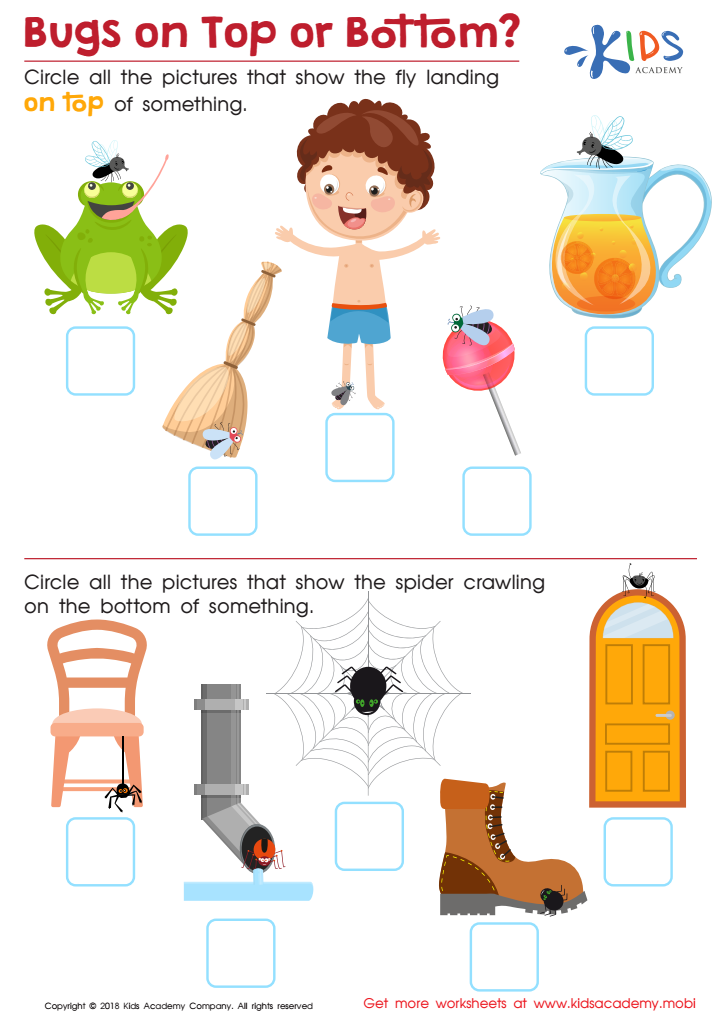
Bugs on Top or Bottom? Worksheet
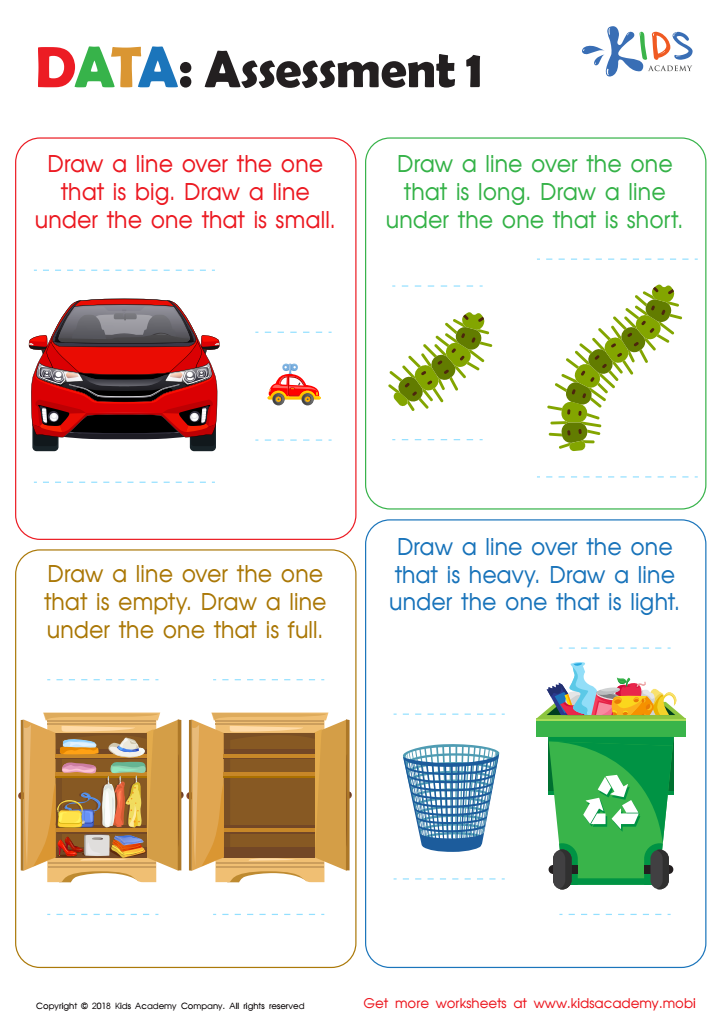
Data: Assessment 1 Worksheet








Basic counting skills and geometry are foundational elements of early mathematics that significantly influence a child's intellectual development. Teaching children aged 6-9 these skills fosters critical thinking and problem-solving abilities essential for future learning.
Firstly, counting is not merely about numbers; it lays the groundwork for understanding quantity, order, and patterns. This comprehension enhances a child's ability to manage everyday situations, such as sorting and organizing objects, which nurtures a sense of responsibility and independence.
Geometry, on the other hand, introduces children to shapes and spatial awareness. Understanding geometric concepts helps them recognize patterns and relationships in their environment, which is vital for subjects such as art and science. Engaging with geometry cultivates creativity and visual-spatial skills, important for various fields, including architecture and engineering.
Additionally, basic counting and geometry promote social skills through collaborative learning experiences, encouraging teamwork and communication. By prioritizing these skills, parents and teachers foster a well-rounded educational approach, developing students’ confidence, curiosity, and love for learning. A strong foundation in mathematics during these formative years not only prepares children for future academic success but also equips them with practical skills for everyday life.








