Basic Math Skills Numbers Worksheets for Ages 6-9 - Page 2
43 filtered results
-
From - To
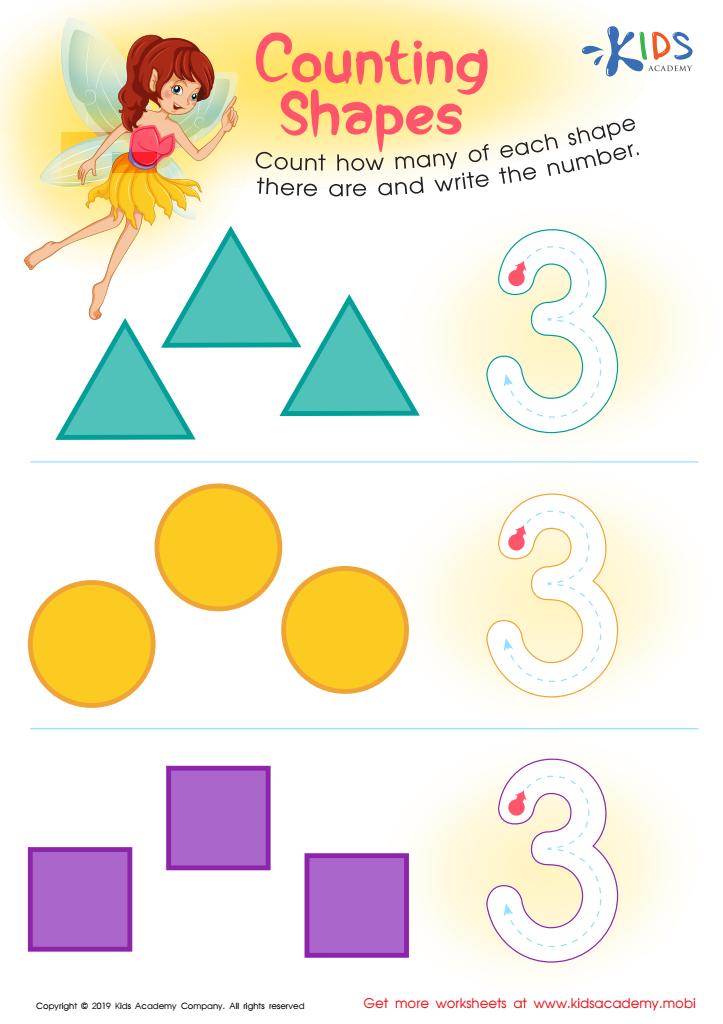
Counting Shapes Worksheet
 Assign to My Students
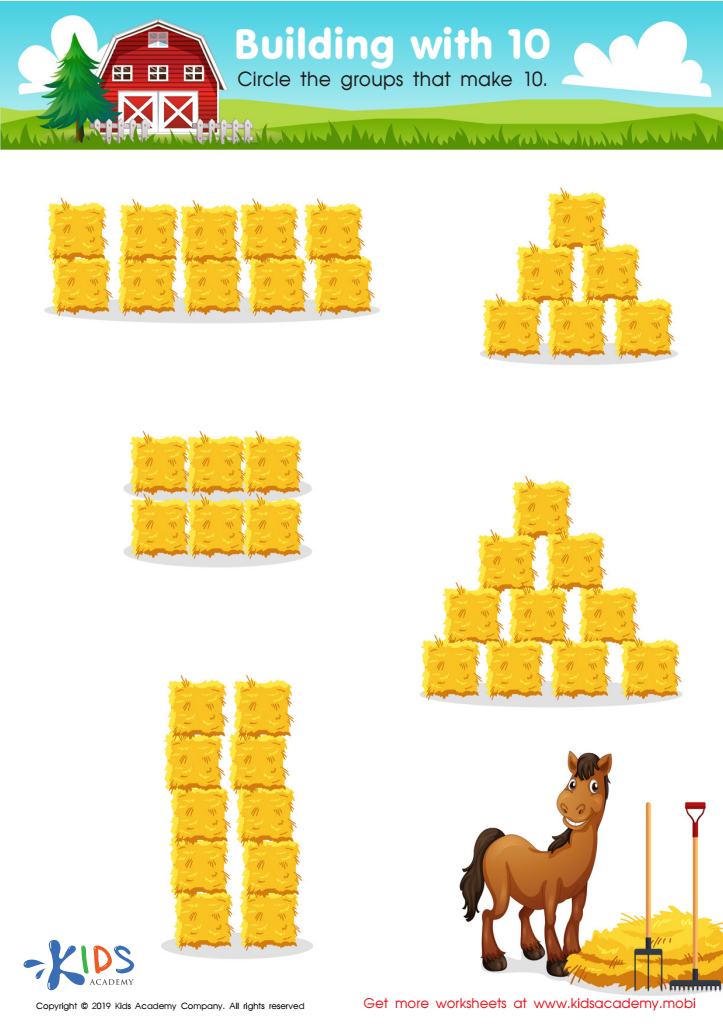
Building with 10 Worksheet
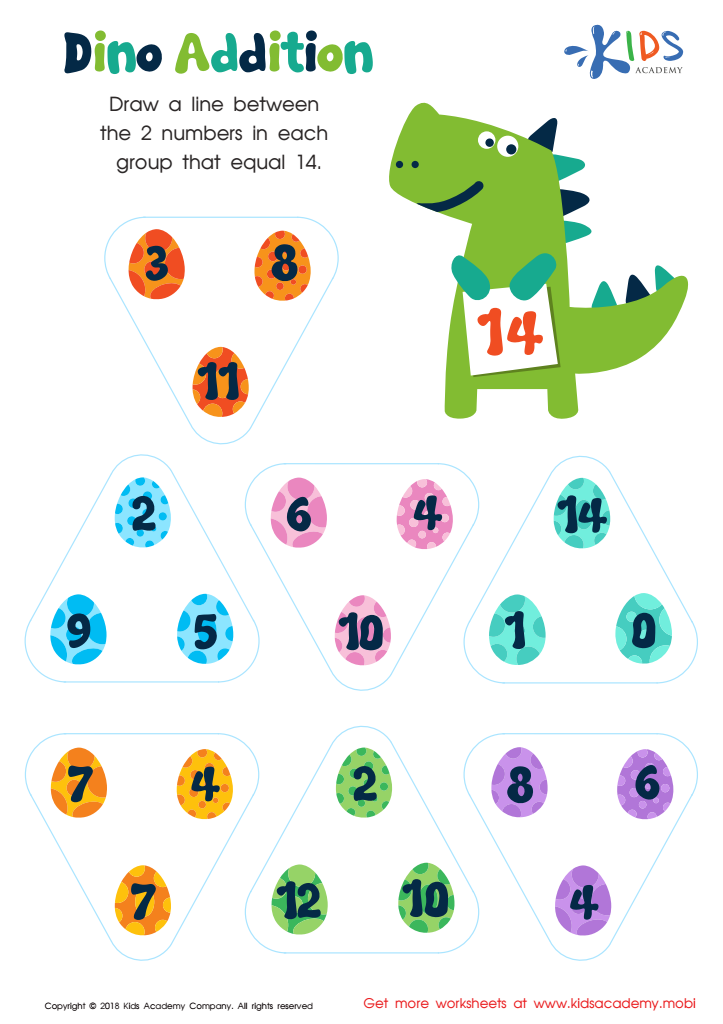
Dino Addition Worksheet
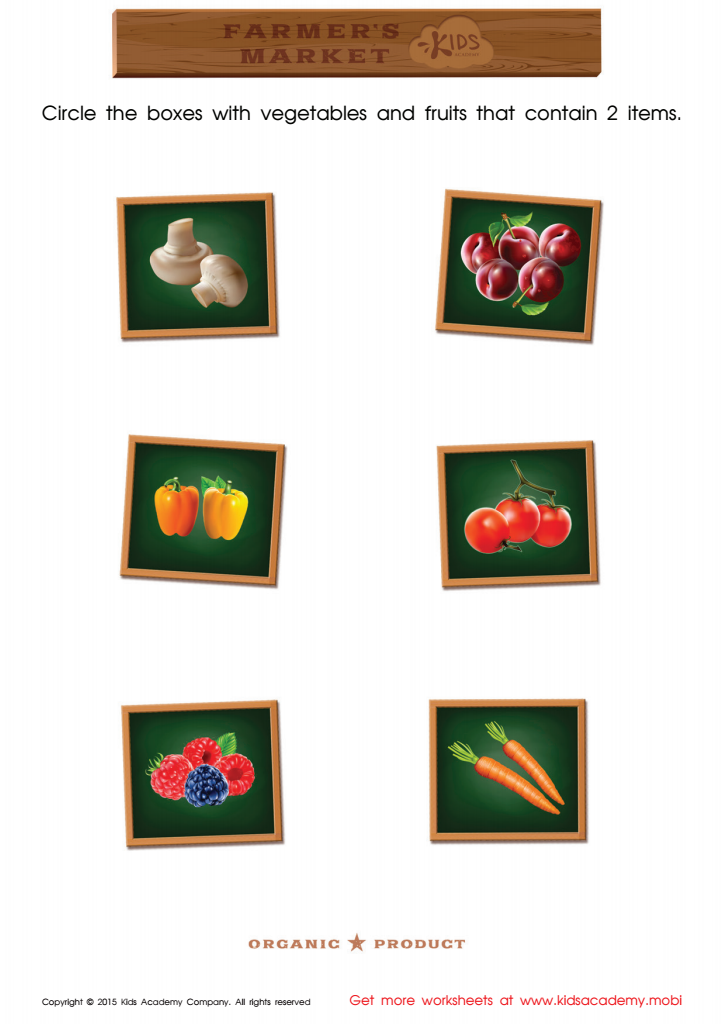
Count and Match Vegetables and Points Math Worksheet
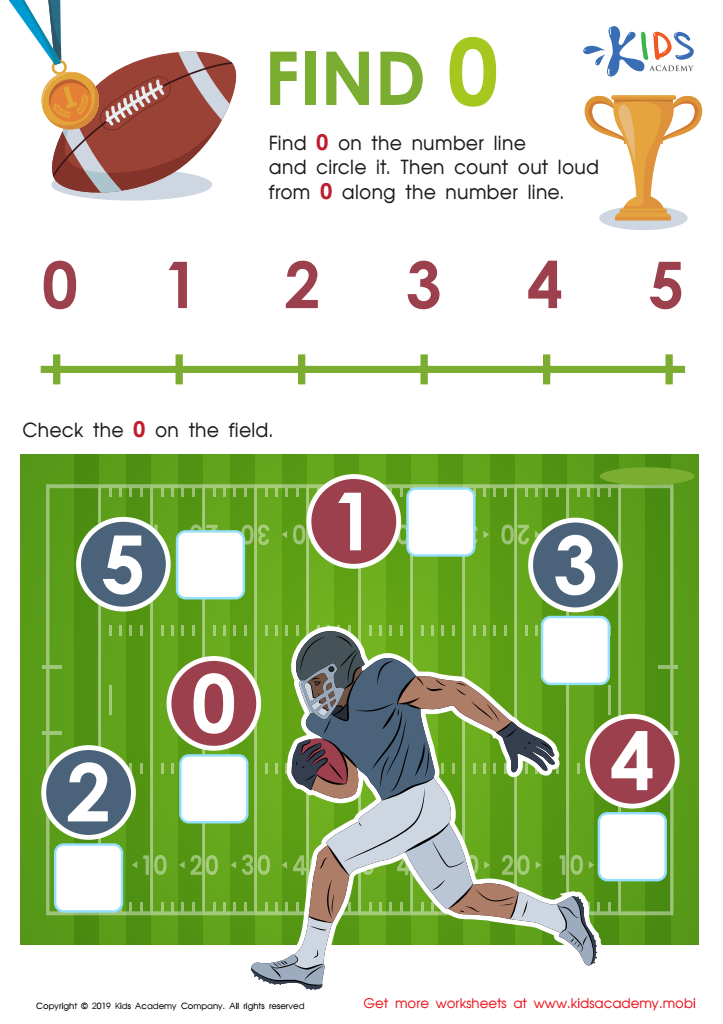
Find 0 Worksheet
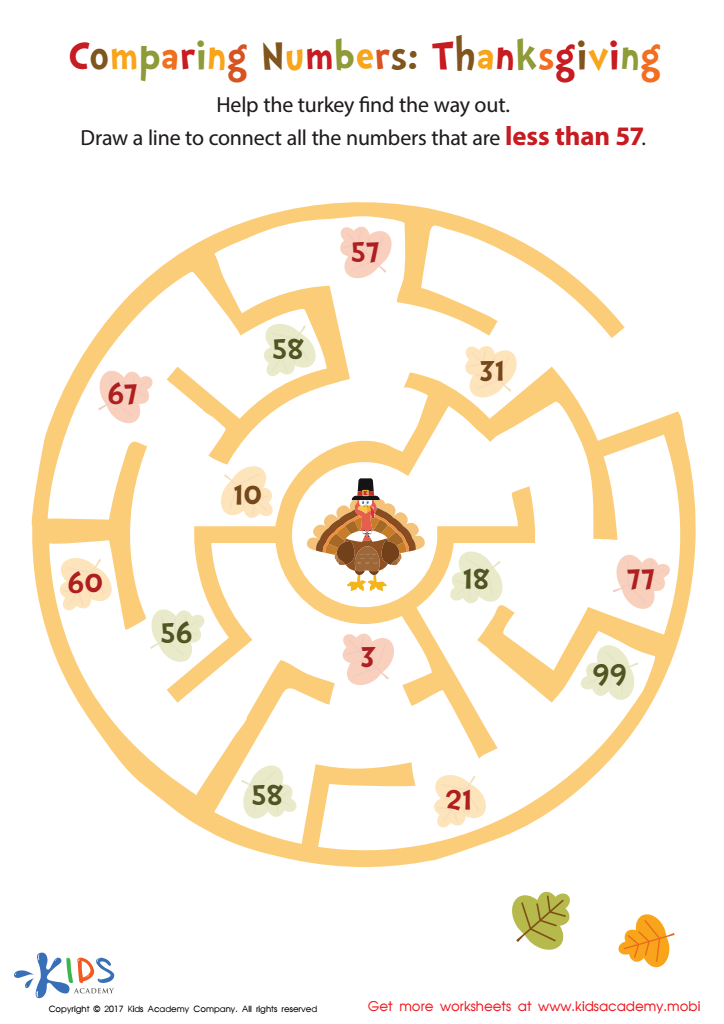
Comparing Numbers Printable
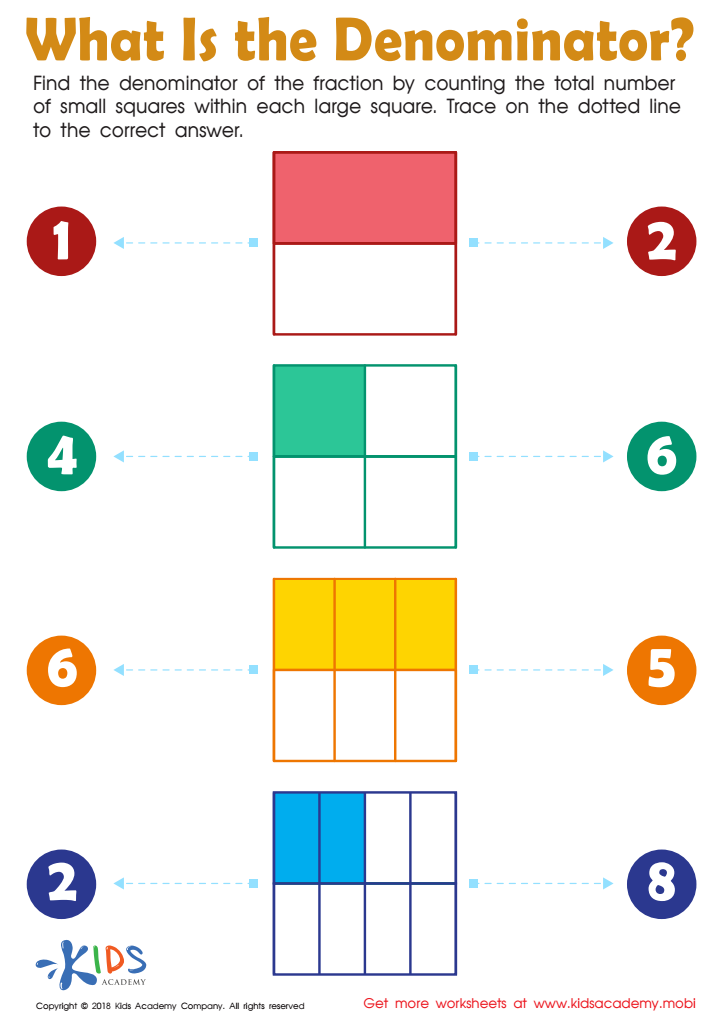
What Is the Denominator? Worksheet
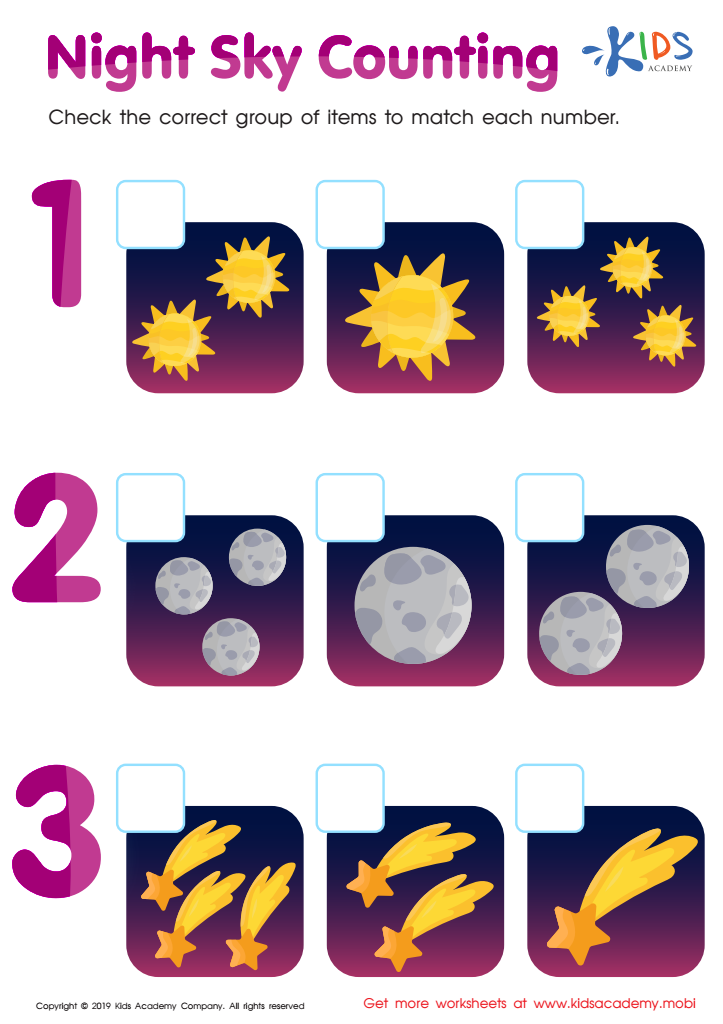
Night Sky Counting Worksheet
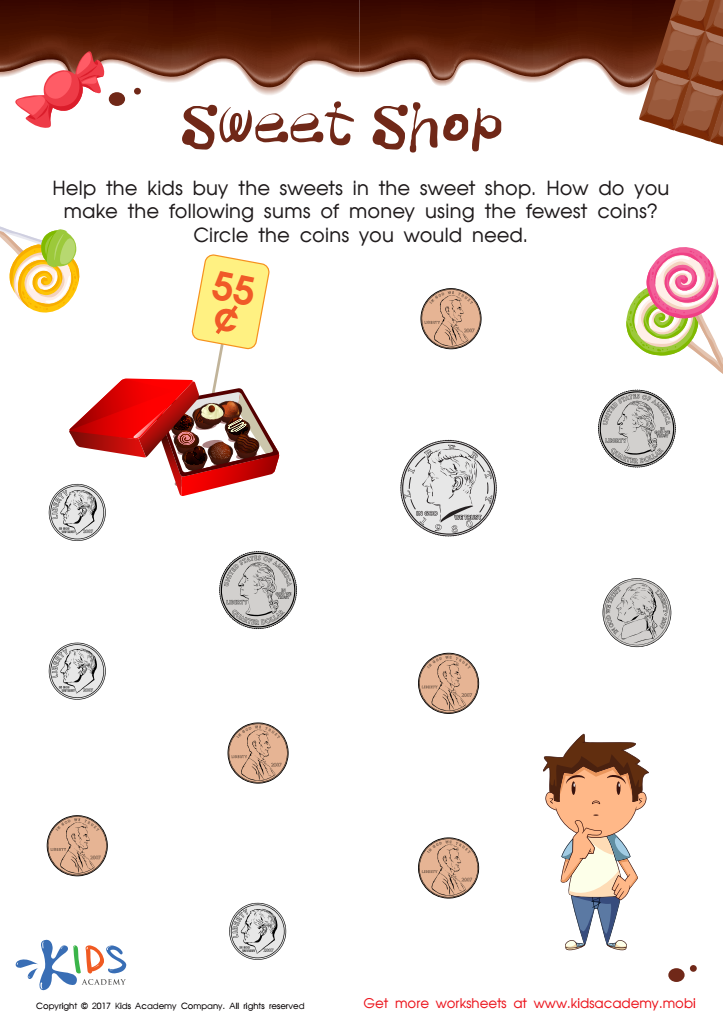
Sweet Shop – Counting Coins Worksheet

Count and Match Vegetables 1 – 5 Math Worksheet
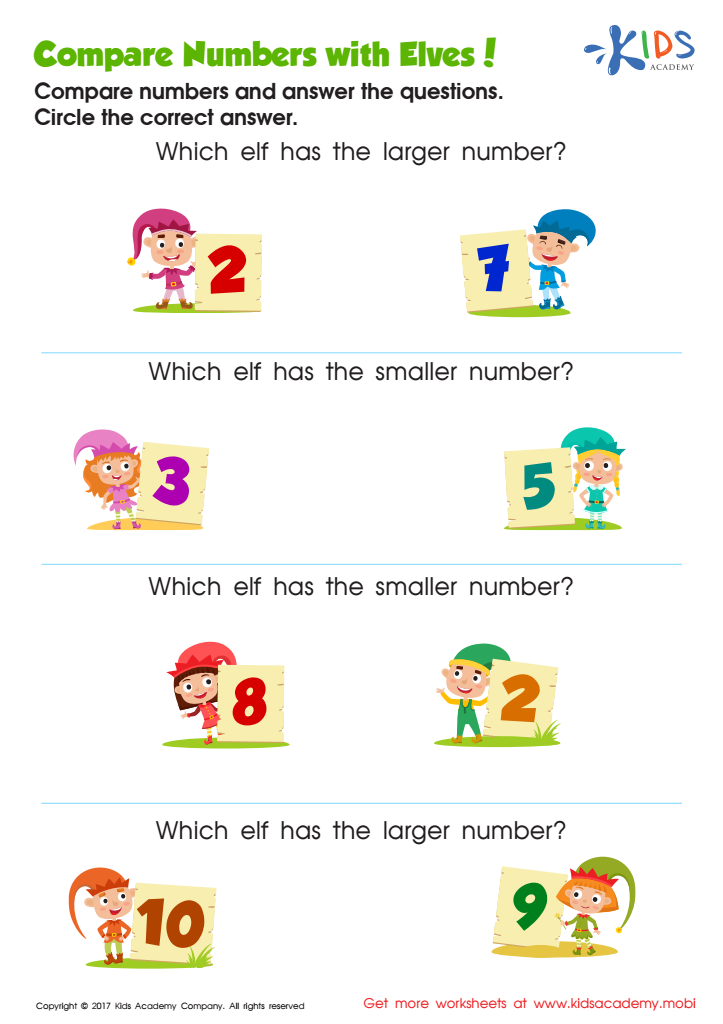
Comparing Numbers Worksheet for Kindergarten
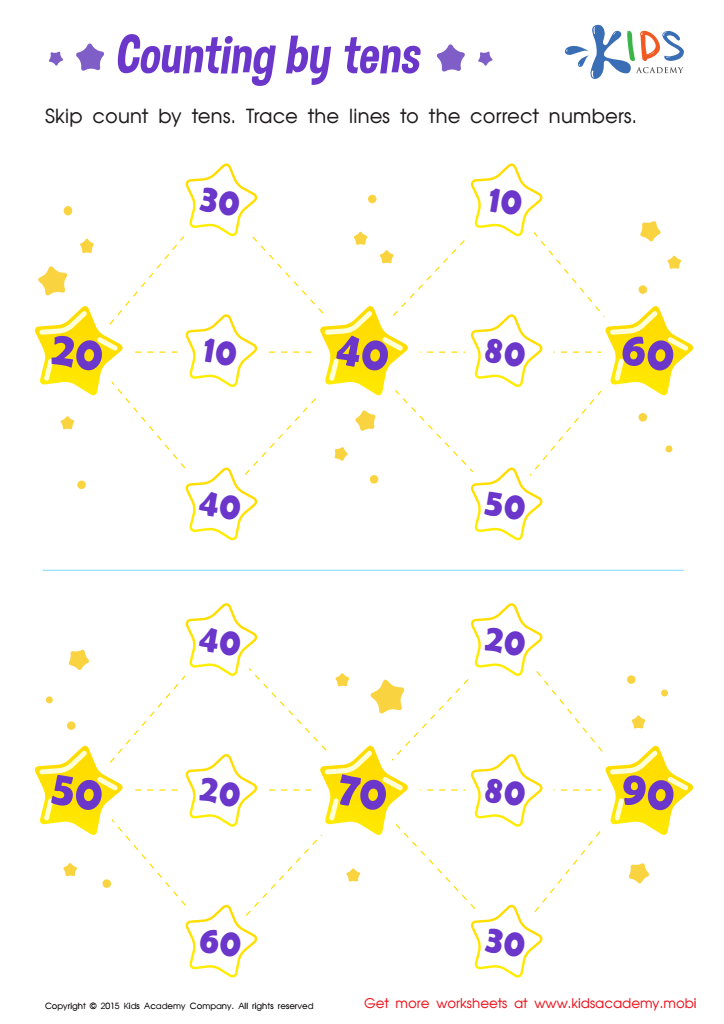
Learn Dozens: Counting by Tens Printable
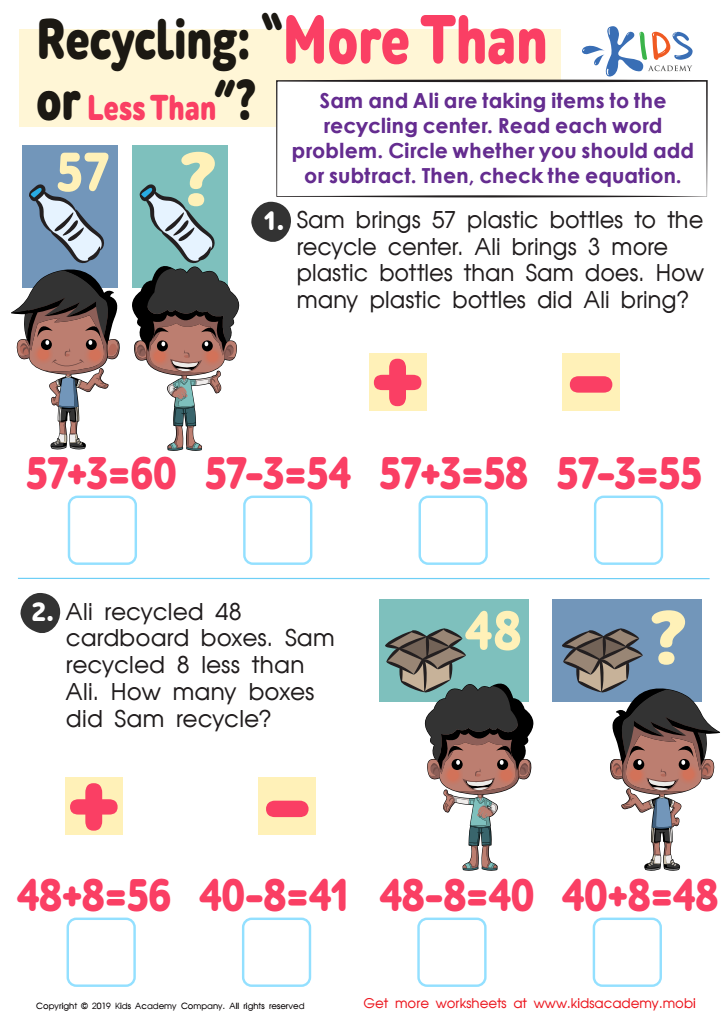
Recycling - More or Less Worksheet
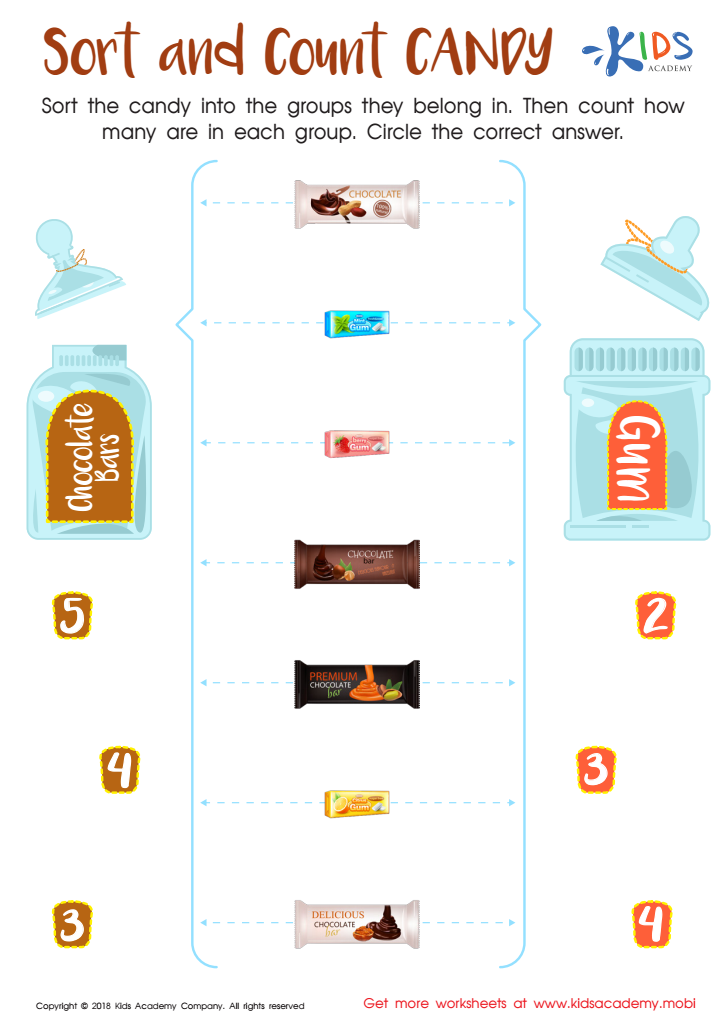
Sort and Count Candy Worksheet
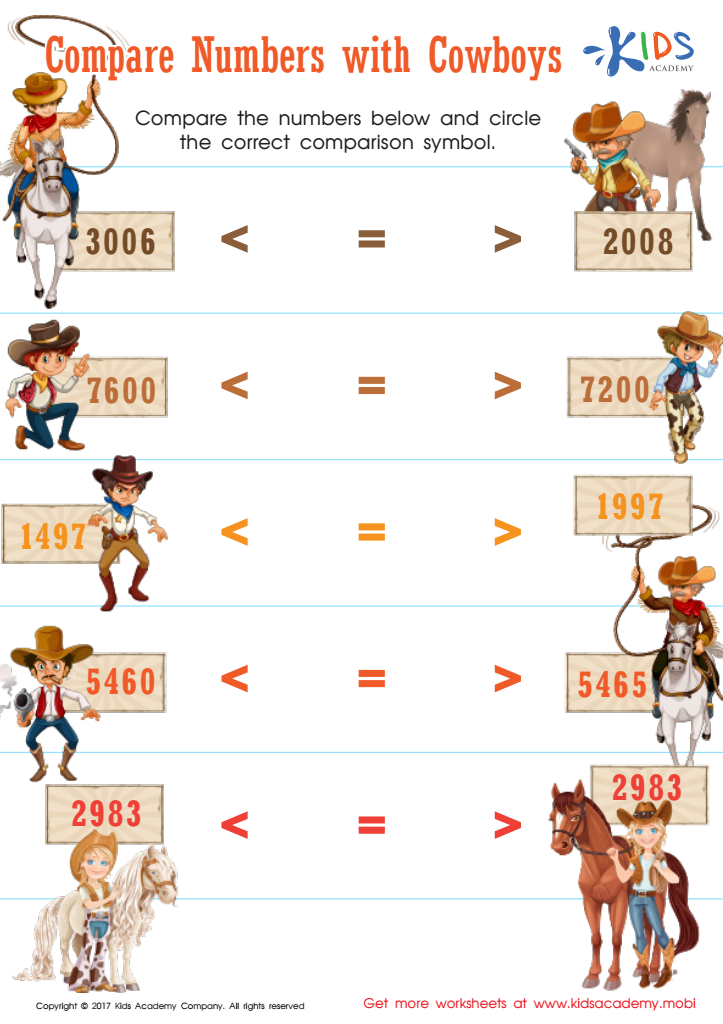
Compare Numbers Worksheet for 3rd Grade
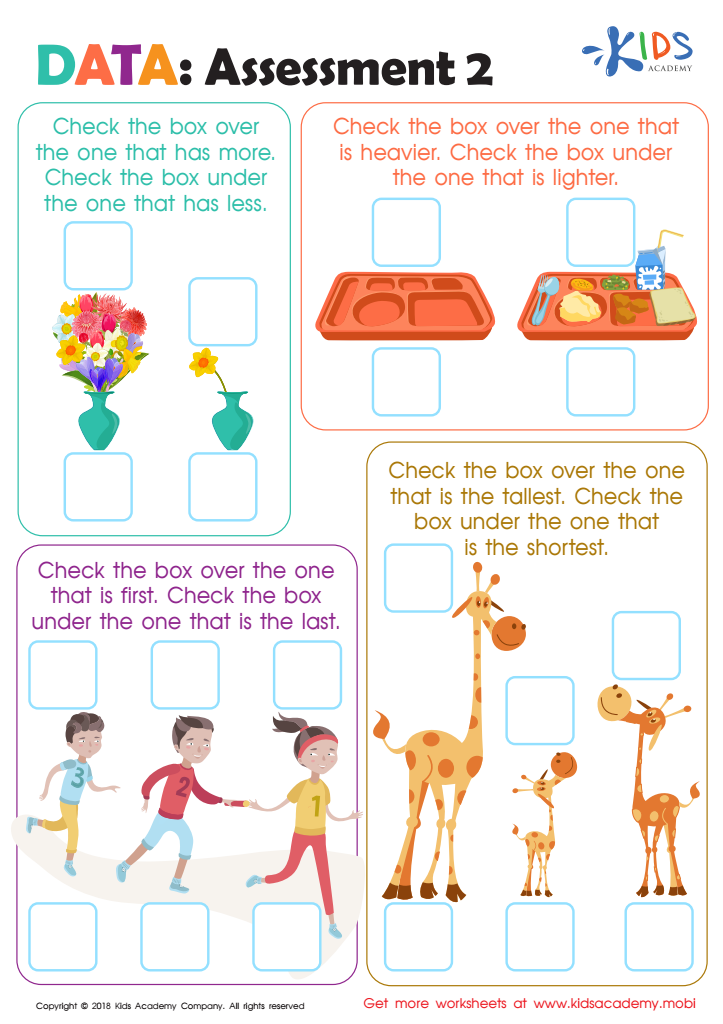
Data: Assessment 2 Worksheet
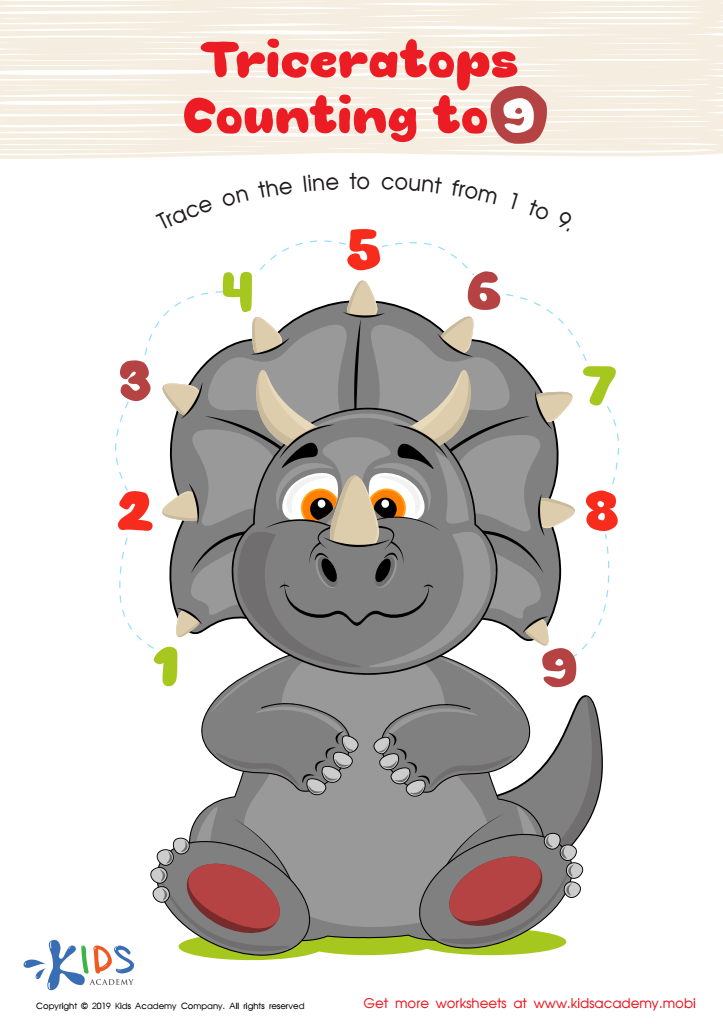
Triceratops Counting to 9 Worksheet
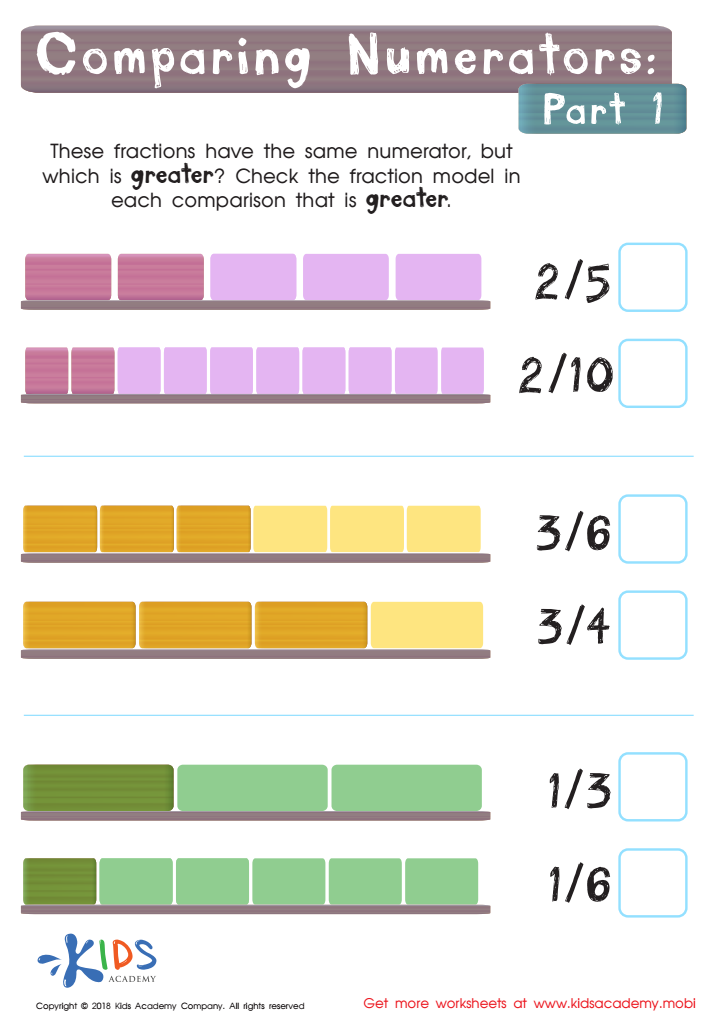
Comparing Numerators Part 1 Worksheet
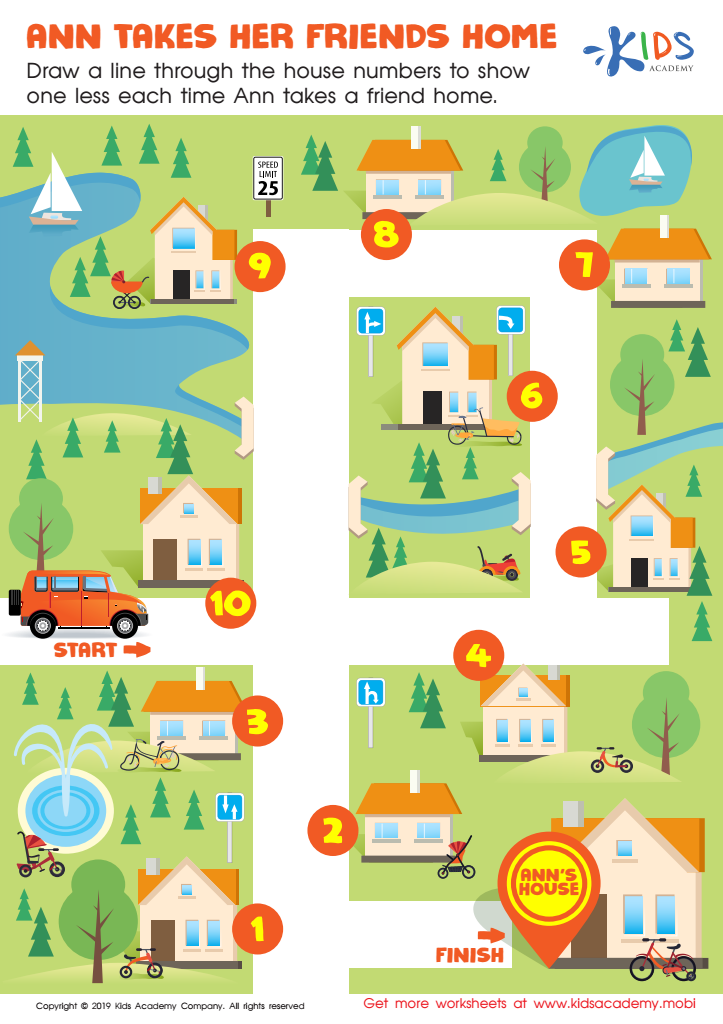
Ann Takes her Friends Home Worksheet







Basic math skills are fundamental to a child's development, particularly for those aged 6-9. During these formative years, children transition from counting to understanding more complex concepts such as addition, subtraction, and the beginnings of multiplication and division. Mastery of basic math skills lays the foundation for advanced mathematical reasoning and problem-solving abilities.
Parents and teachers should care about these skills because they not only enhance cognitive development but also build confidence. A solid grasp of numbers encourages independence and critical thinking, essential life skills that extend beyond the classroom. Moreover, math competency is linked to better performance in various subjects, emphasizing its interdisciplinary importance.
Encouraging proficiency in basic math at this age helps prevent future skills gaps, ensuring children are prepared for the challenges of middle school mathematics and beyond. Additionally, children learn valuable life skills, such as managing money and budgeting, through math. Engaging them with fun activities and games can make learning enjoyable, fostering a positive attitude towards math, a subject often feared or disliked later in life. Ultimately, nurturing basic math skills in young learners is an investment in their academic success and future stability.








