Data interpretation Numbers Worksheets for Ages 6-9
5 filtered results
-
From - To
Discover our engaging Data Interpretation Numbers Worksheets designed specifically for children aged 6-9! These interactive resources help young learners develop essential math skills by working with various data formats, including charts, graphs, and tables. With clear instructions and fun visuals, kids can practice interpreting numerical information, enhancing their critical thinking and analytical abilities. Perfect for classrooms or home use, our worksheets support your child’s learning journey while making math enjoyable. Covering key concepts tailored to this age group, these worksheets ensure that children build a strong foundation in data interpretation that will serve them well in future studies. Start exploring today!
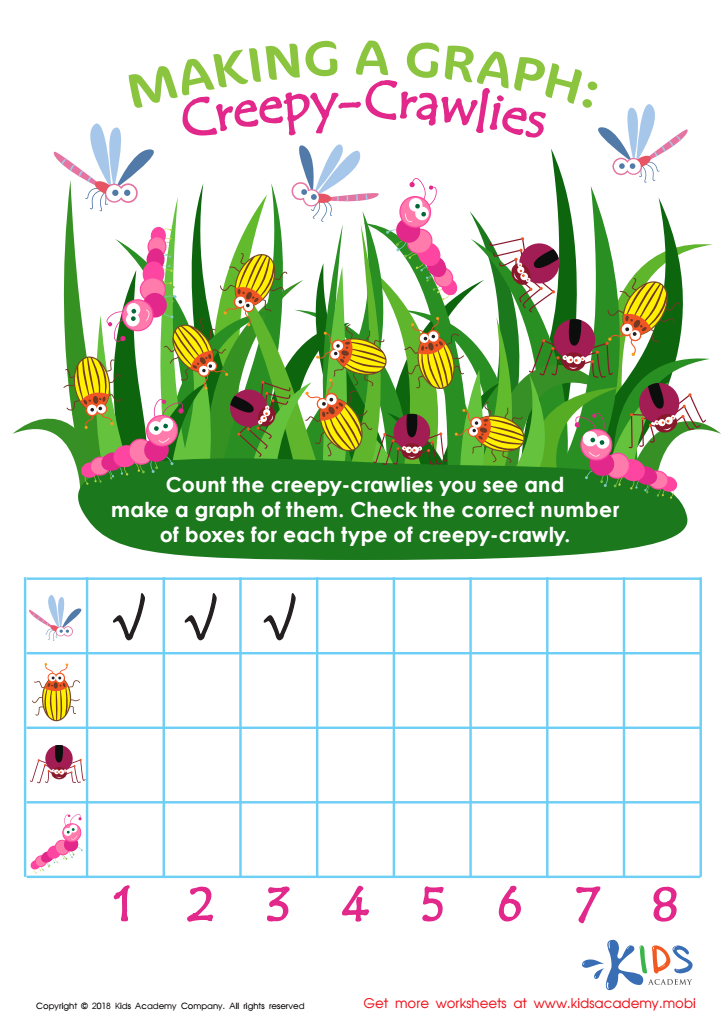
Making a Graph: Creepy Crawlies Worksheet
 Assign to My Students
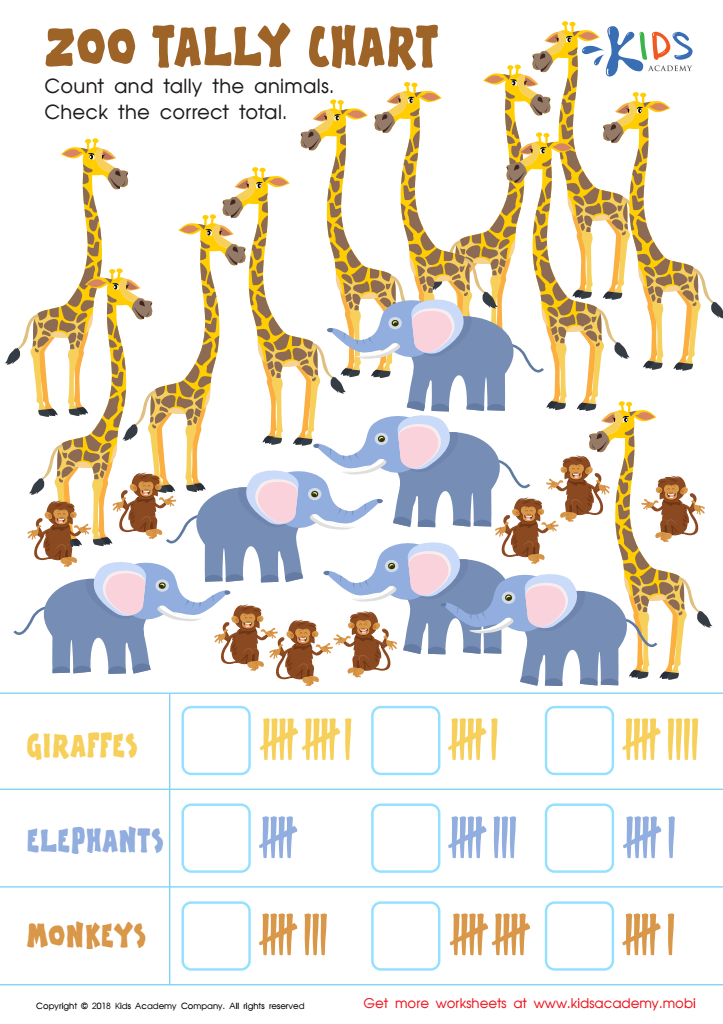
Zoo Tally Chart Worksheet

Pets Tally Chart Worksheet
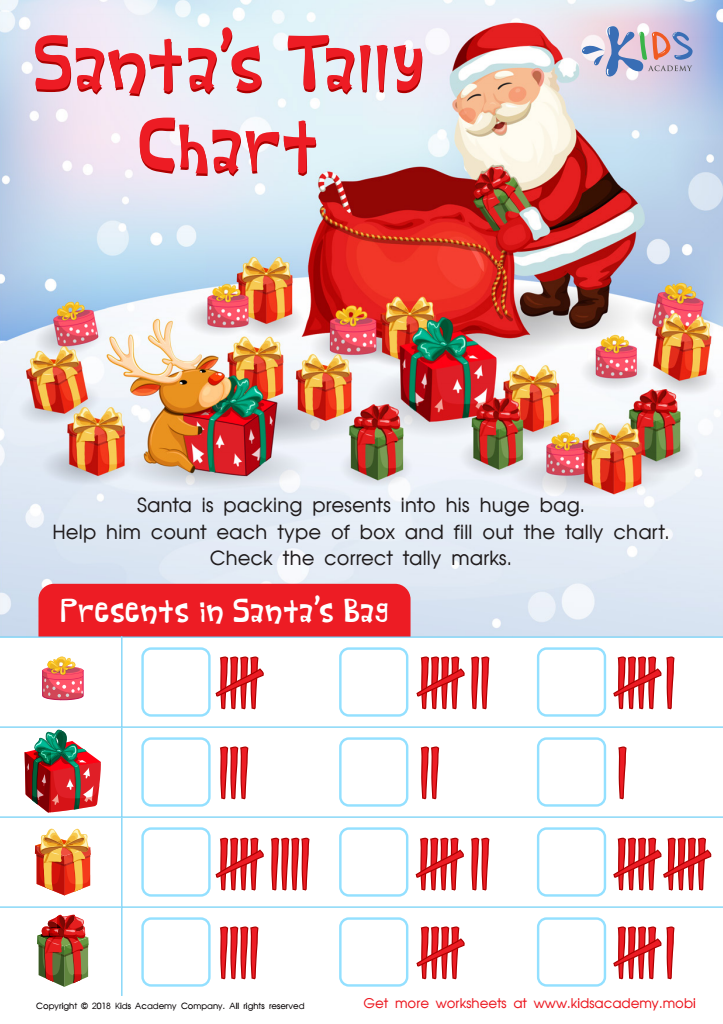
Santa Tally Chart Worksheet
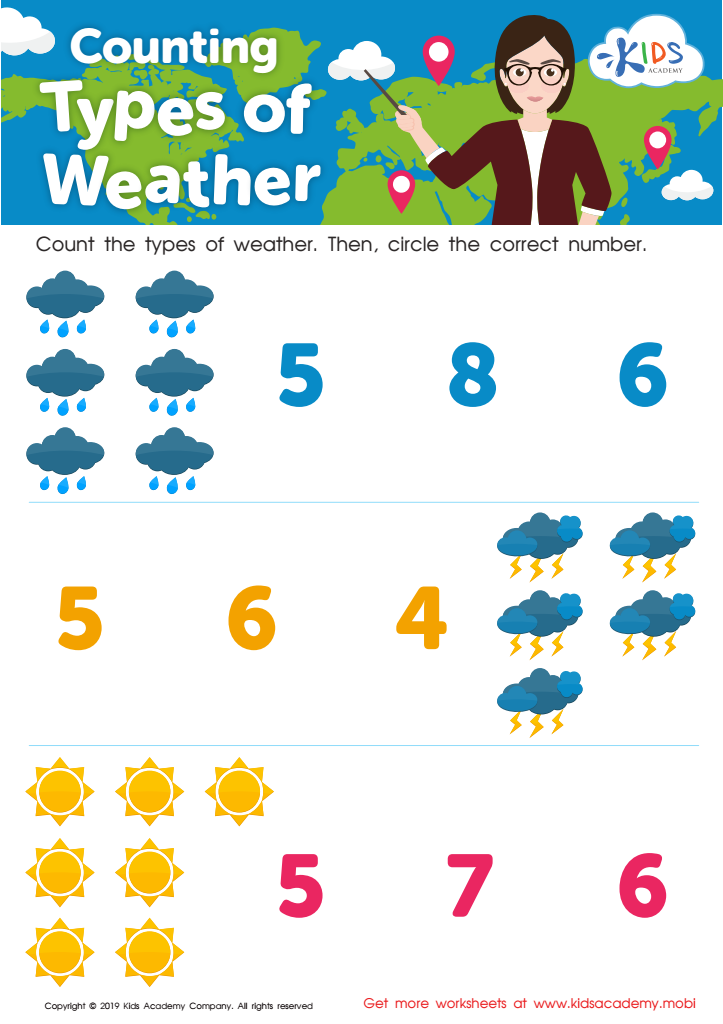
Counting Types of Weather Worksheet








Data interpretation skills are crucial for children aged 6-9, as they lay the foundation for critical thinking and informed decision-making. Learning to understand numbers and data helps kids make sense of the world around them. At this age, children are naturally curious, and integrating data interpretation into their learning fosters that curiosity, encouraging them to ask questions and seek evidence to support their conclusions.
By introducing concepts like graphs, charts, and simple statistics, parents and teachers prepare children to engage with information critically. These skills enhance their mathematical understanding, impacting their ability to succeed academically across subjects, not just in math. For example, interpreting data can enrich science lessons about weather patterns or animal behaviors when guided by graphs.
Moreover, the ability to analyze data supports real-world applications. Children learn to compare quantities when they shop, understand time through schedules, and evaluate scores in games. This competence not only prepares them for future academic challenges but equips them with problem-solving skills necessary for their personal and professional lives. Ultimately, prioritizing data interpretation in education nurtures confident, informed individuals prepared to navigate an increasingly data-driven world.








