Matching skills Numbers Worksheets for Ages 6-9
7 filtered results
-
From - To
Enhance your child's numeracy with our engaging Matching Skills Numbers Worksheets designed specifically for ages 6-9. These worksheets focus on helping young learners improve their number recognition and matching abilities through fun activities. Each worksheet features vibrant illustrations and age-appropriate exercises that make learning enjoyable. As children connect numbers with their corresponding quantities, they develop essential math skills that lay the groundwork for future success. Designed to complement classroom learning, our worksheets are perfect for both homeschooling and supplemental practice. Download and print these interactive resources to foster a love for numbers in your child while building their confidence in math!
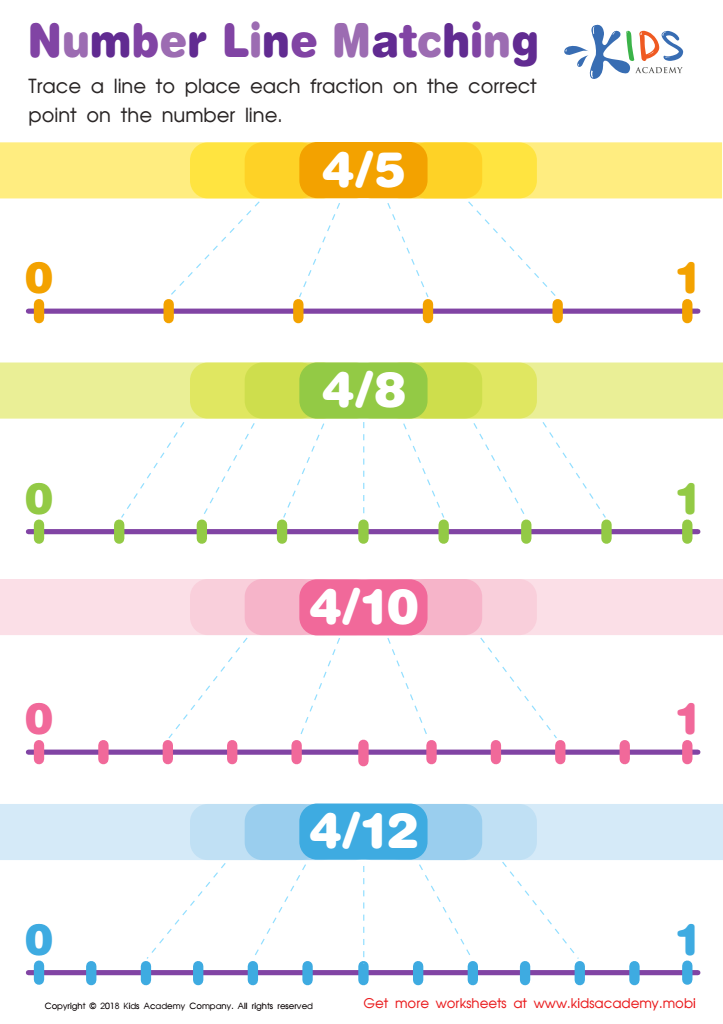
Number Line Matching Worksheet
 Assign to My Students
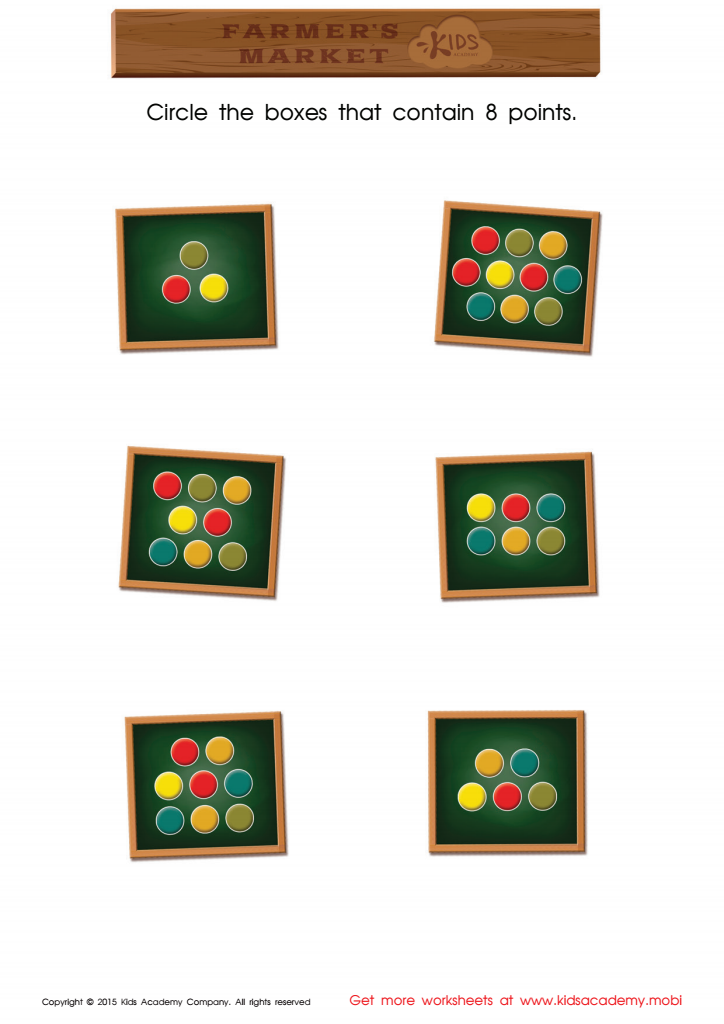
Count and Match Points 8 Math Worksheet
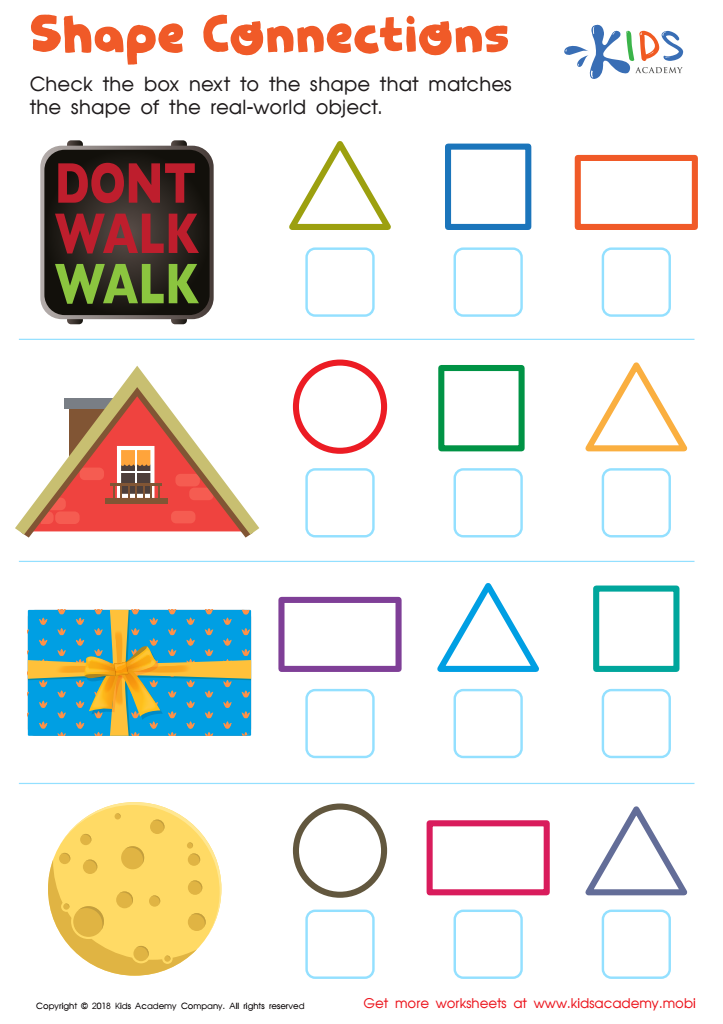
Shape Connections Worksheet
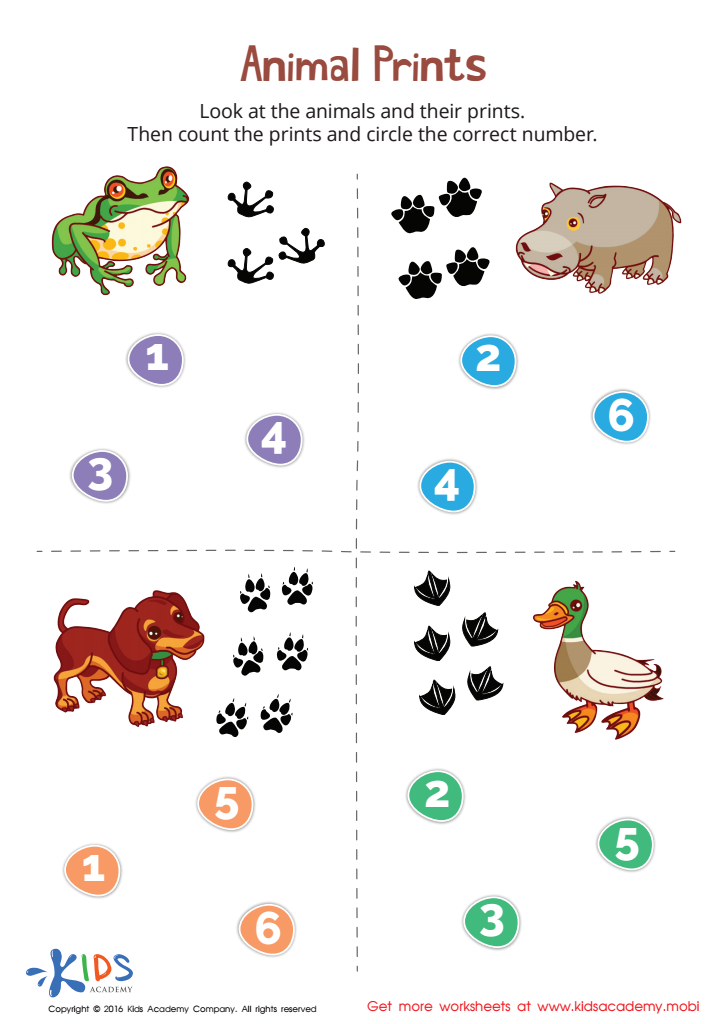
Animal Prints Match-Up Worksheet
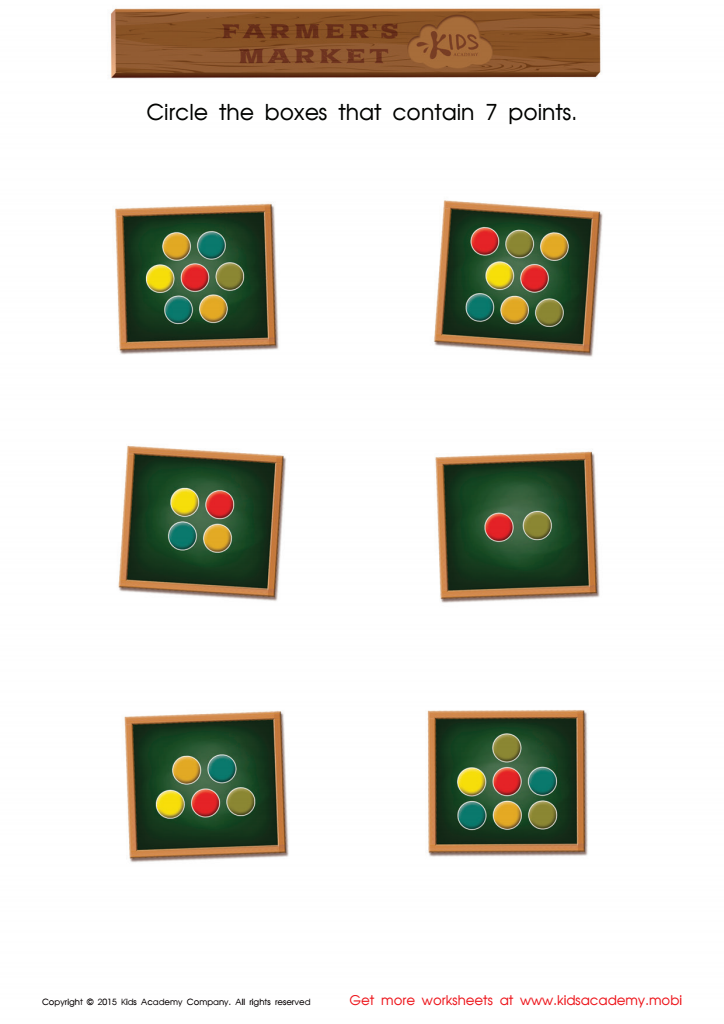
Count and Match Points 7 Math Worksheet
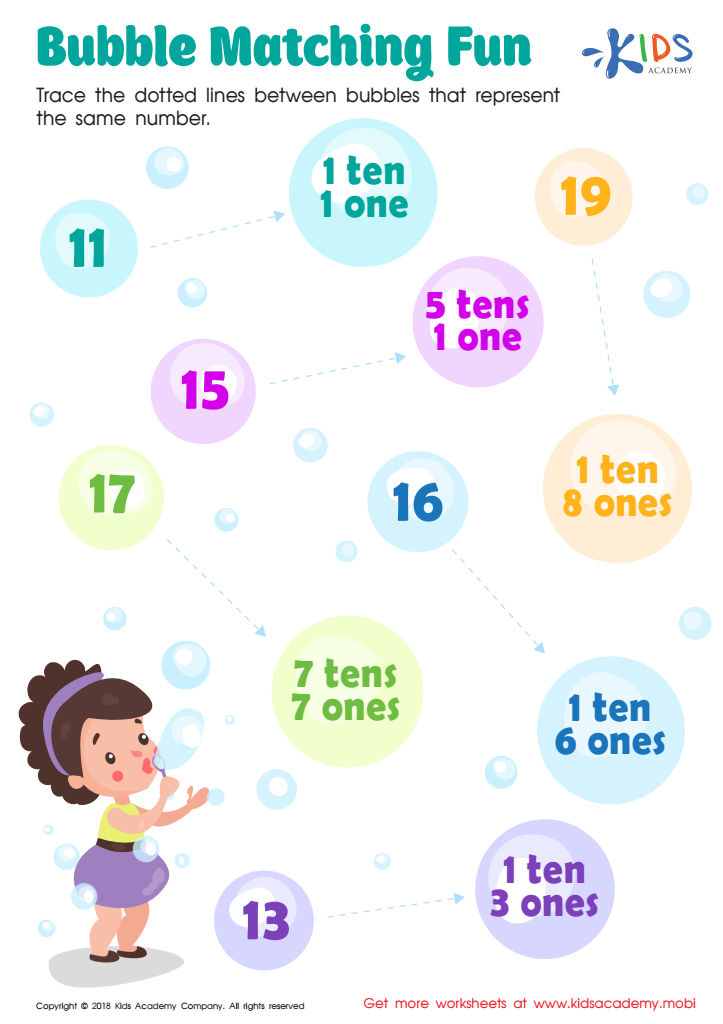
Bubble Matching Fun Worksheet
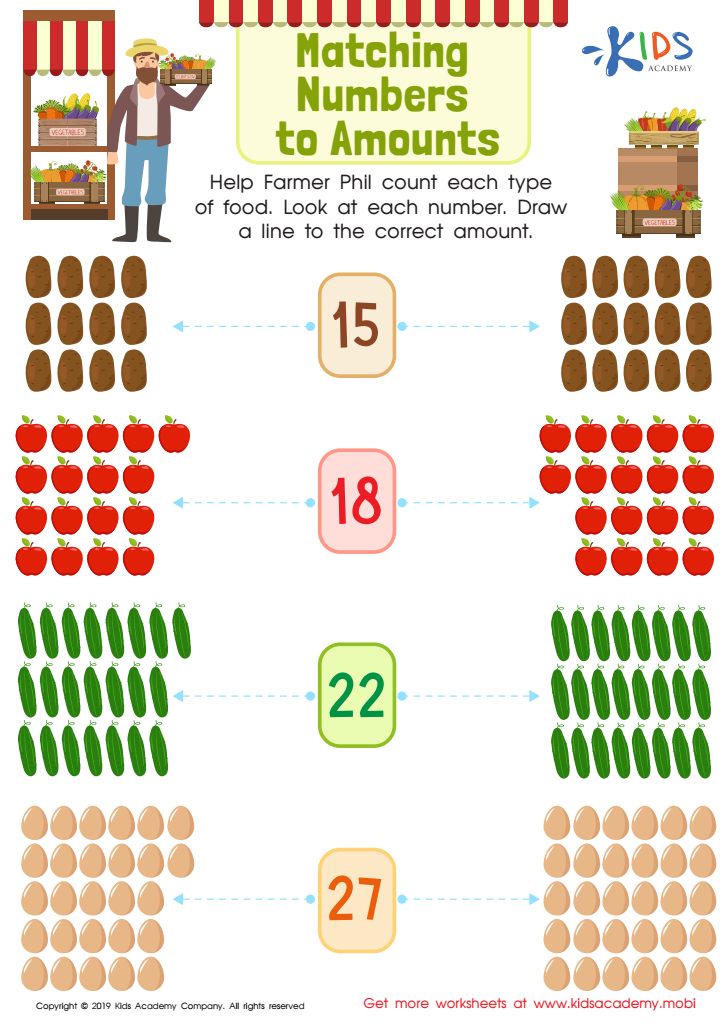
Matching Numbers to Amounts Worksheet








Matching skills are a crucial component of early childhood education, particularly for children ages 6-9. At this developmental stage, children are building foundational skills that are essential for their future academic success. Matching skills, which involve identifying similarities and differences between objects, shapes, colors, or numbers, help enhance cognitive abilities such as critical thinking and problem-solving.
Parents and teachers should care about these skills because they lay the groundwork for more complex concepts in mathematics, science, and language arts. For instance, mastering number matching can boost a child’s numeracy skills, making them more comfortable with addition, subtraction, and later mathematical operations. This ultimately builds confidence, making the learning process more engaging and effective.
Moreover, matching activities can foster social skills when done in group settings, promoting collaboration and communication among peers. This interaction helps children learn how to take turns, share resources, and respect differing opinions. By nurturing these skills, parents and teachers can facilitate a well-rounded education, ensuring children are not only academically prepared but also socially adept as they progress through their educational journey. Consequently, prioritizing matching skills during these formative years can significantly influence a child's overall development and future learning capabilities.








