Multiplication practice Numbers Worksheets for Ages 6-9
5 filtered results
-
From - To
Boost your child's math skills with our engaging Multiplication Practice Numbers Worksheets, designed specifically for ages 6-9. These worksheets provide a fun and effective way for young learners to grasp multiplication concepts while enhancing their number sense and problem-solving abilities. Our diverse activities include colorful visuals, interactive exercises, and various difficulty levels to cater to different learning paces. Perfect for home or classroom use, these resources encourage independent practice and reinforce foundational math skills. Make learning multiplication enjoyable and effective with our thoughtfully crafted worksheets that will set your child on the path to academic success!
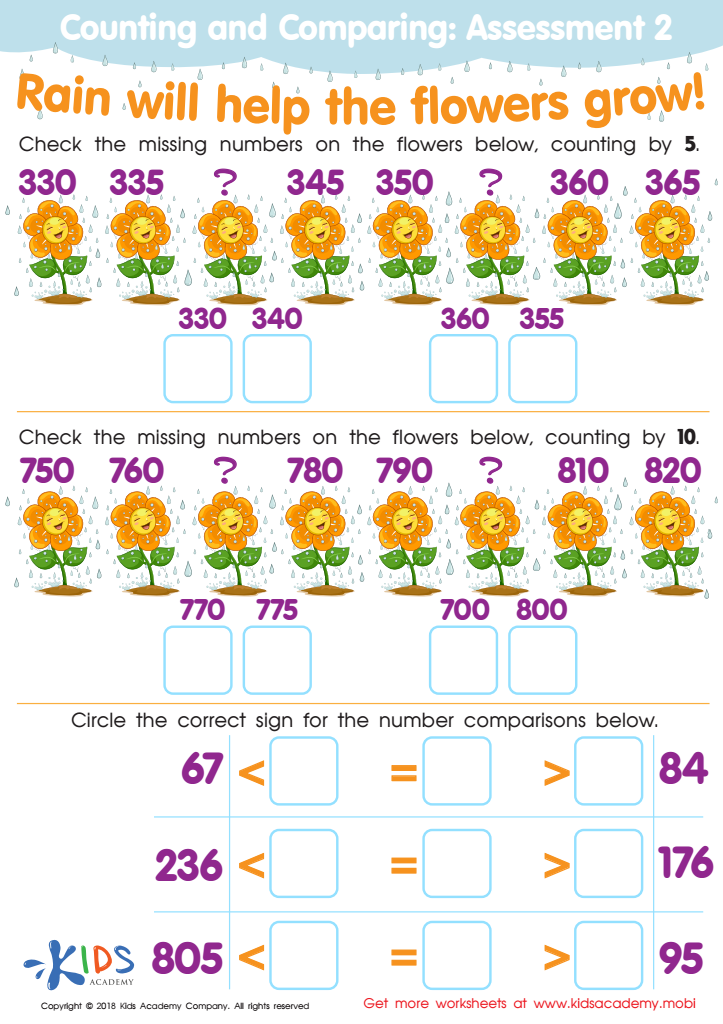
Counting and Comparing: Assessment 2 Worksheet
 Assign to My Students
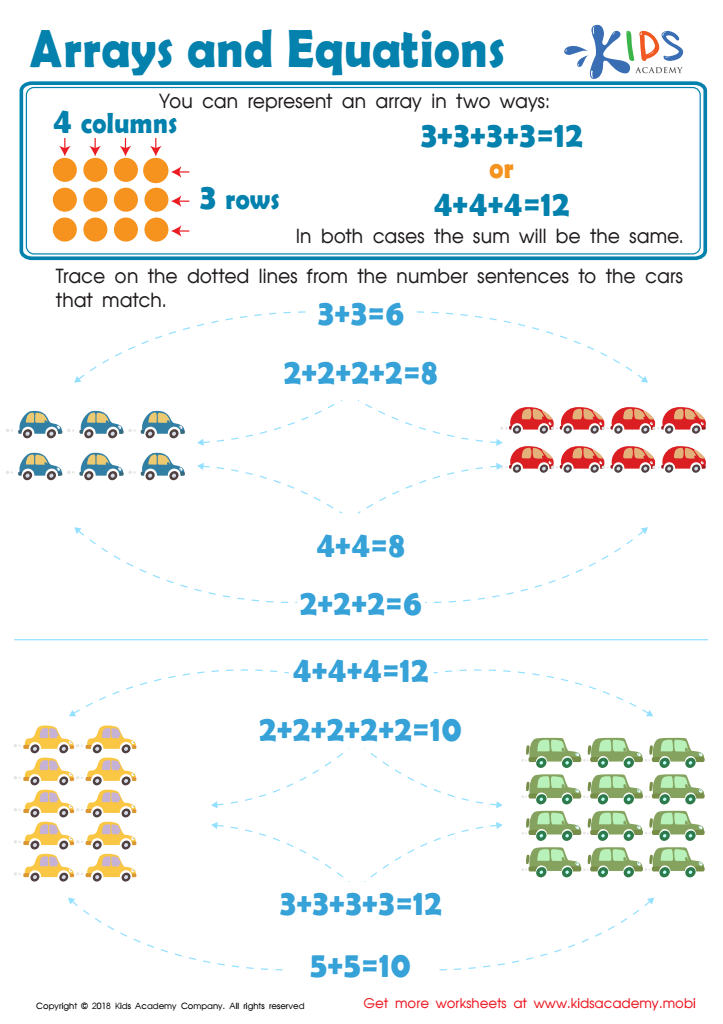
Arrays and Equations Worksheet
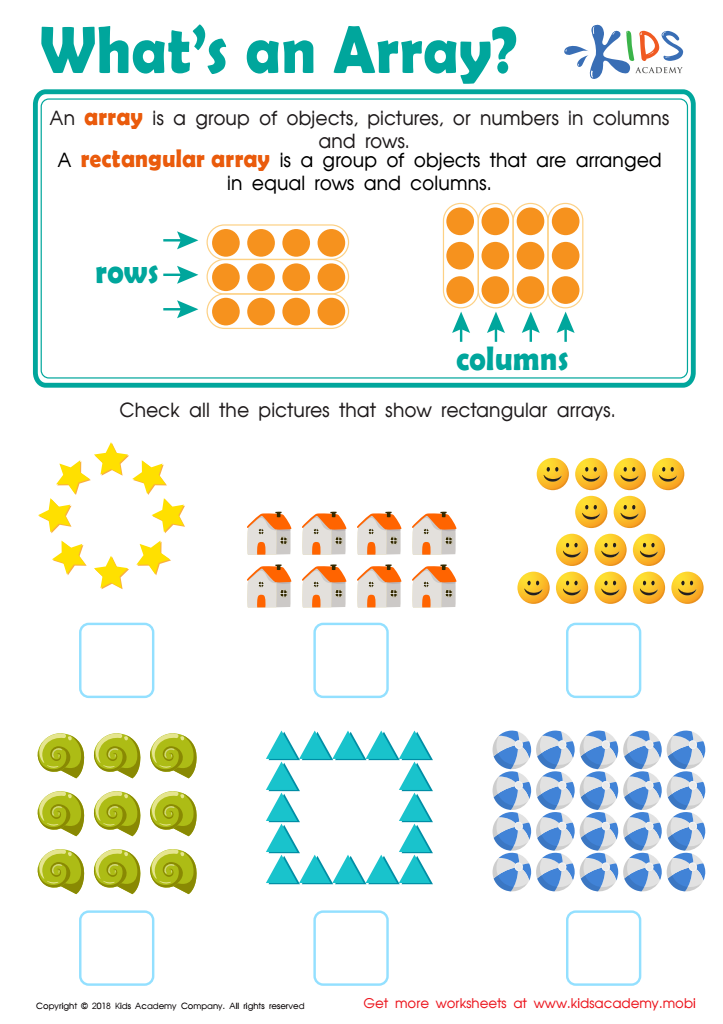
What's an Array? Worksheet
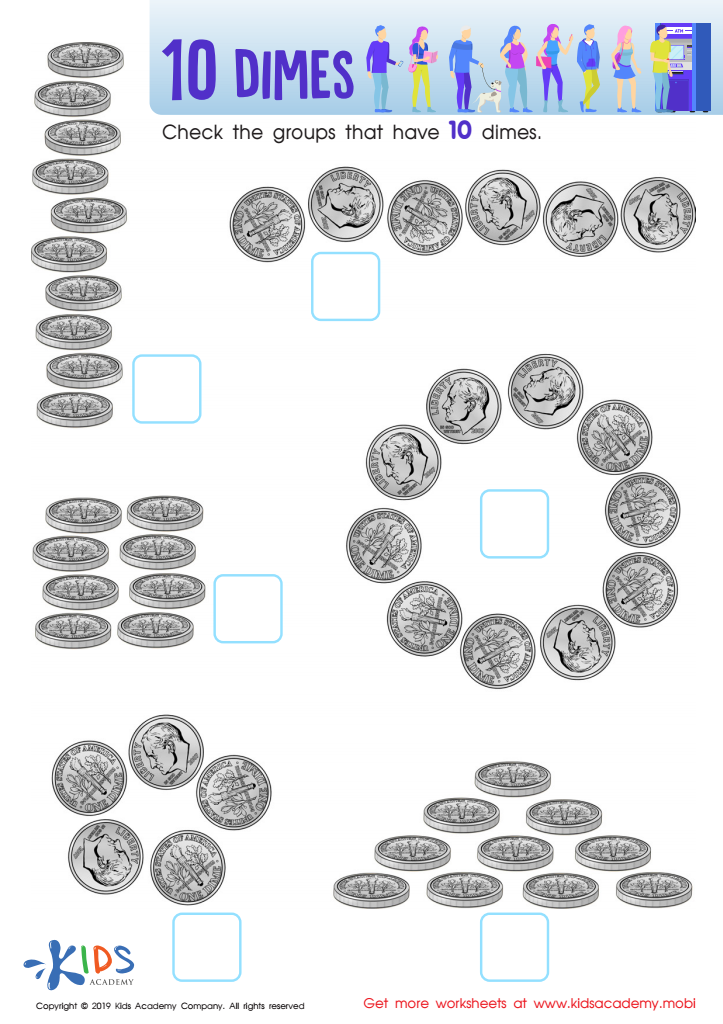
10 Dimes Worksheet
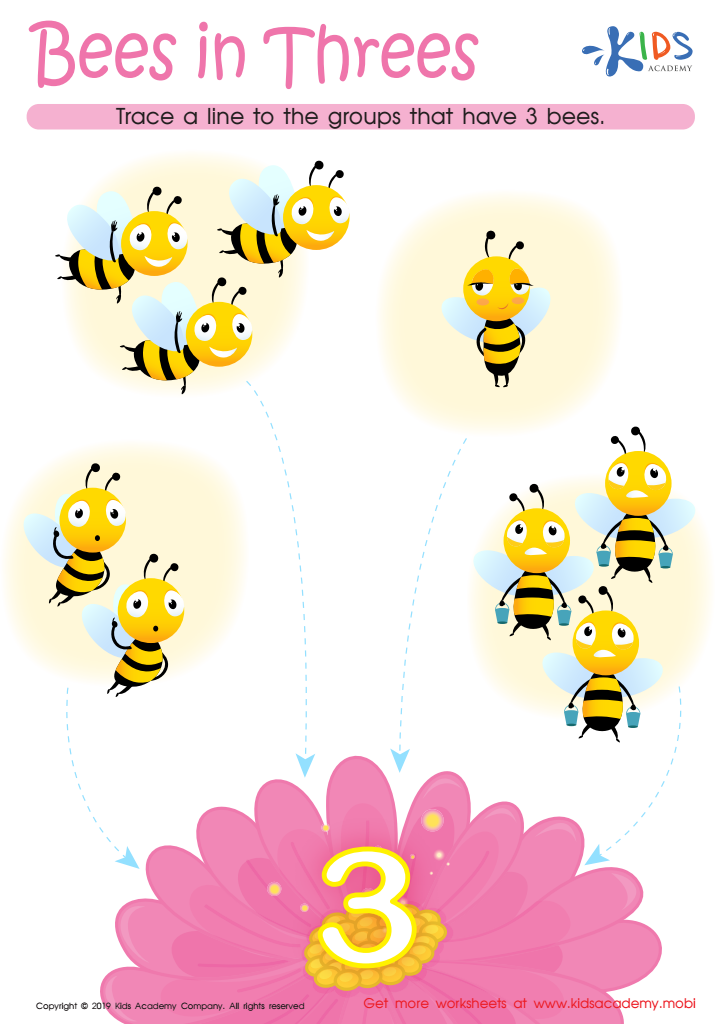
Bees in Threes Worksheet





.jpg)
Parents and teachers should prioritize multiplication practice for children aged 6-9 because it lays a critical foundation for mathematical understanding and problem-solving skills. During these formative years, kids are transitioning from basic arithmetic to more complex concepts, and mastering multiplication is essential. It helps solidify their number sense and enhances their ability to tackle division, fractions, and later algebra.
Regular practice not only boosts calculation efficiency but also builds confidence in their mathematical abilities. Confident learners are more willing to engage in challenging tasks, leading to greater success in overall academic performance. Additionally, multiplication practice reinforces the concept of patterns, relationships, and mathematical reasoning, which are vital skills for success in many fields.
Engaging children in fun and interactive ways to practice multiplication—like games, songs, or hands-on activities—can make learning enjoyable and effective. This early exposure will not only support their current curricular demands but also prepare them for future mathematical challenges. Ultimately, emphasizing multiplication practice fosters a positive attitude towards math and sets the stage for lifelong learning and enjoyment of the subject.








