Basic Addition Math Worksheets for Ages 6-9 - Page 3
69 filtered results
-
From - To
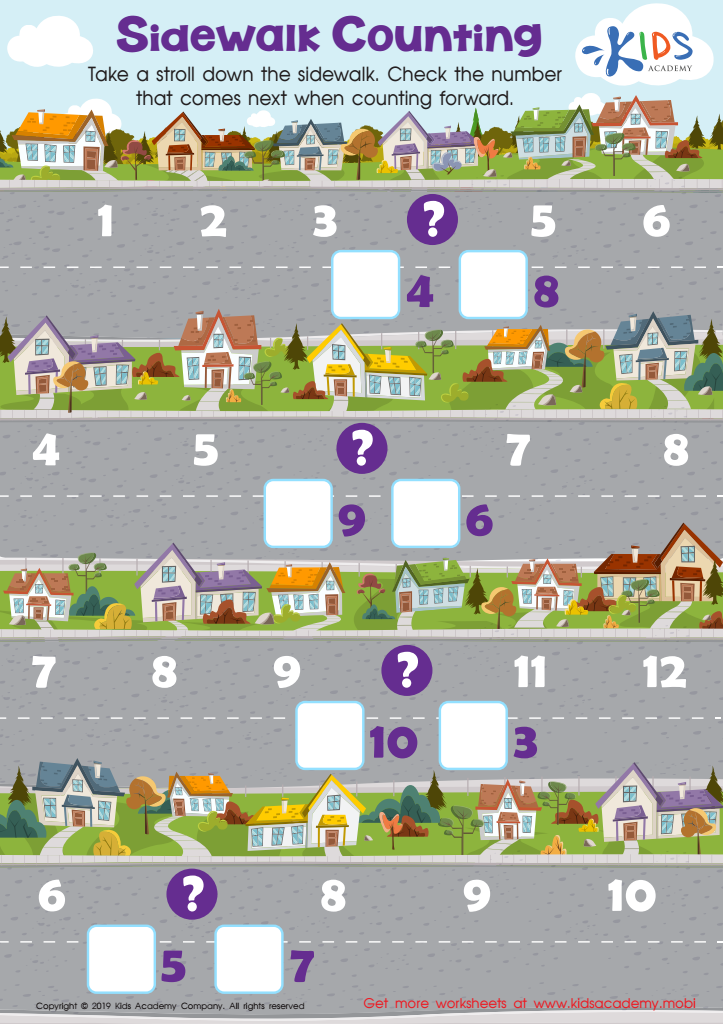
Sidewalk Counting Worksheet
 Assign to My Students
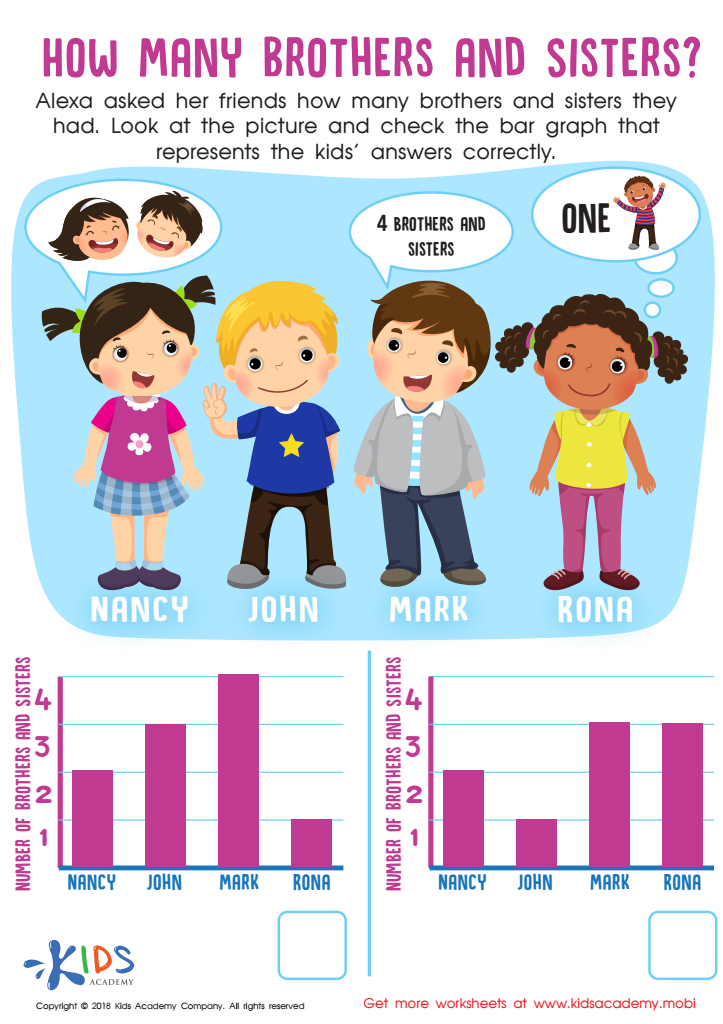
How Many Brothers and Sisters? Worksheet
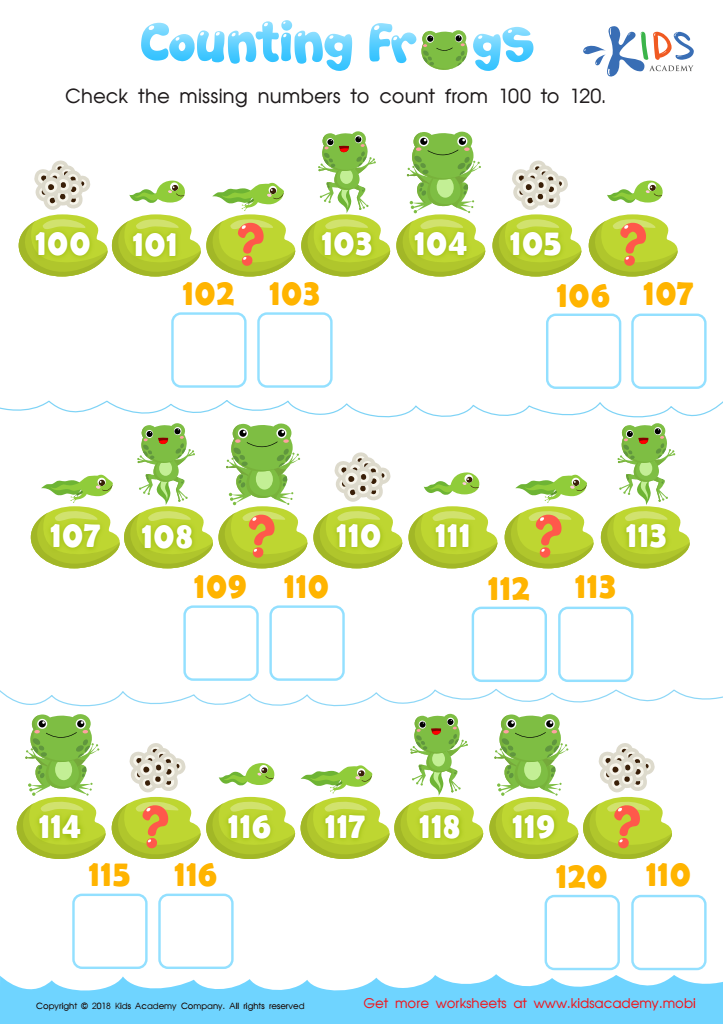
Counting Frogs Worksheet
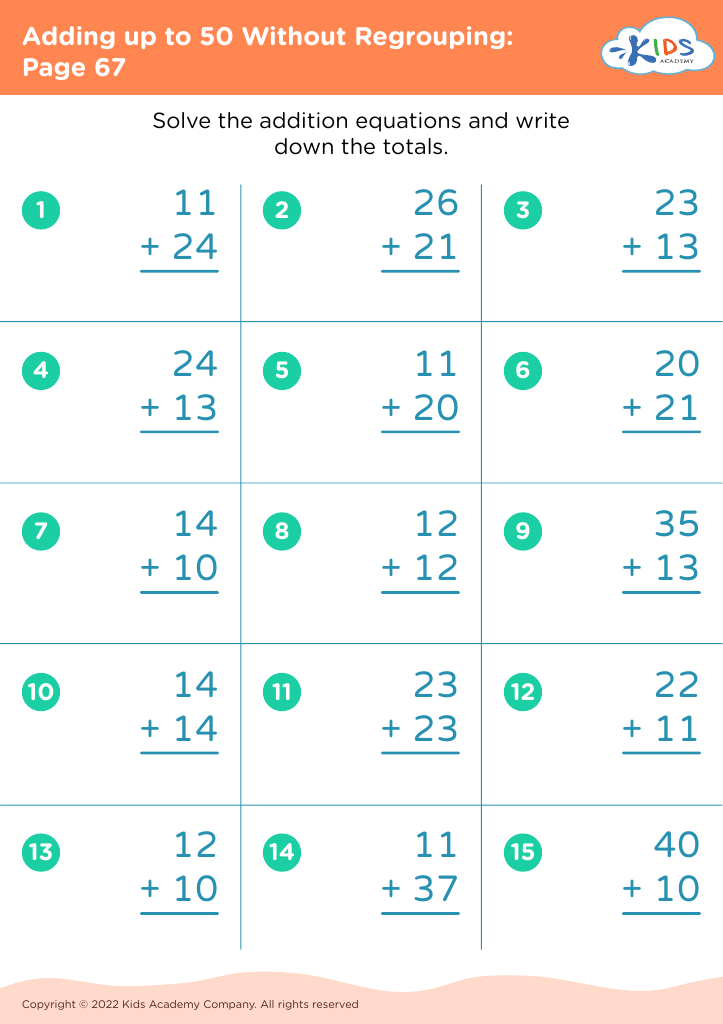
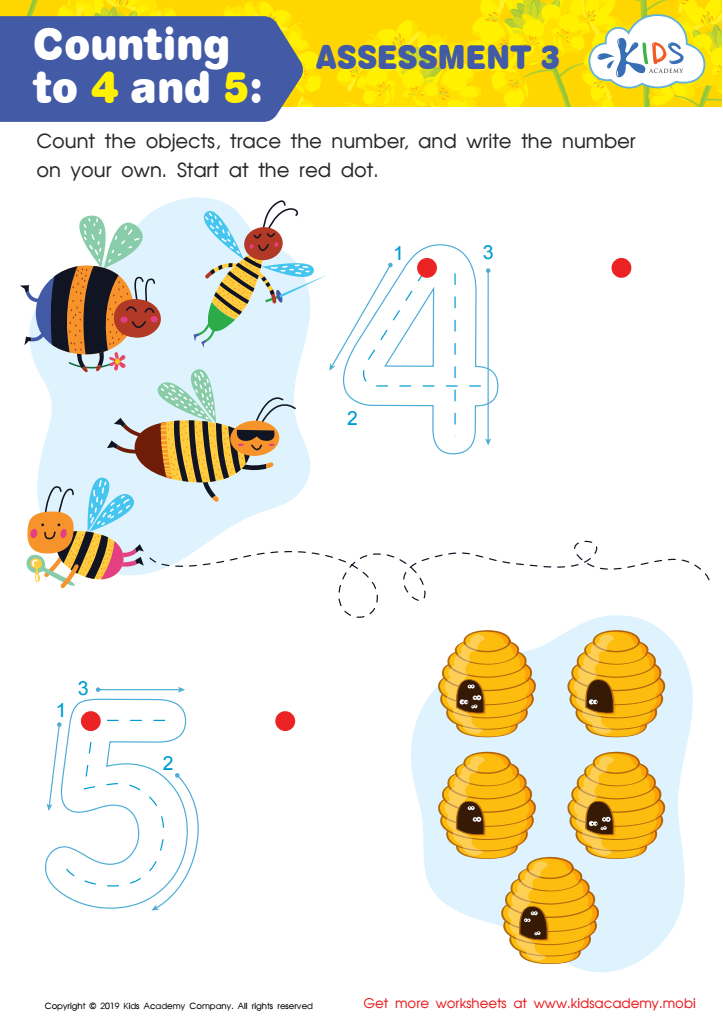
Counting to 4 and 5: Assessment 3 Worksheet
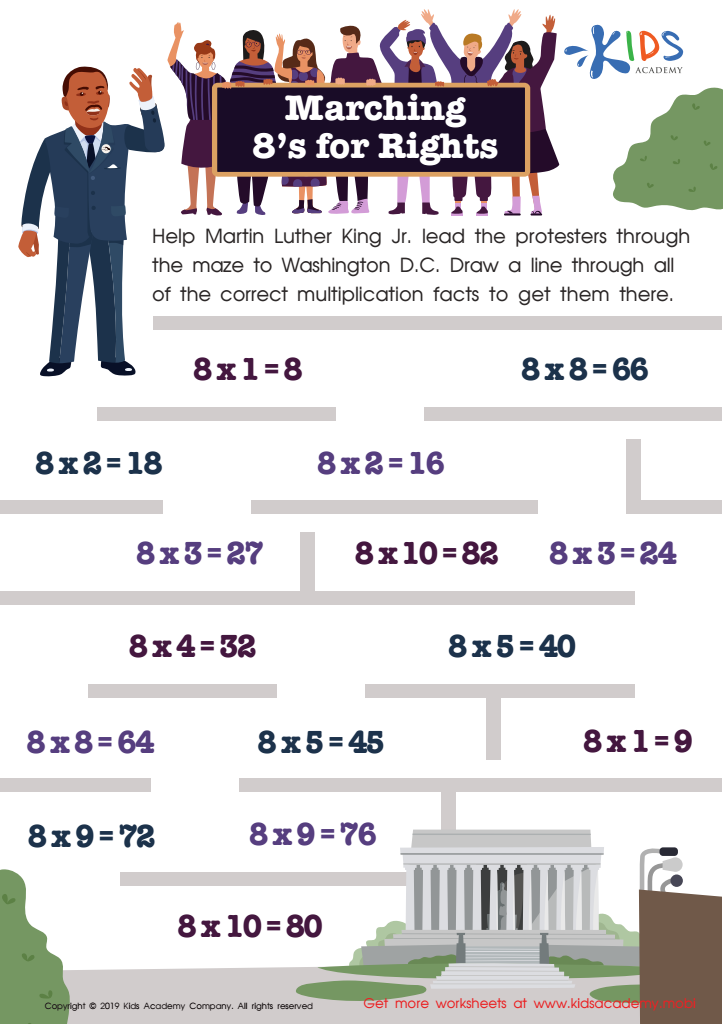
Marching 8’s for Rights Worksheet
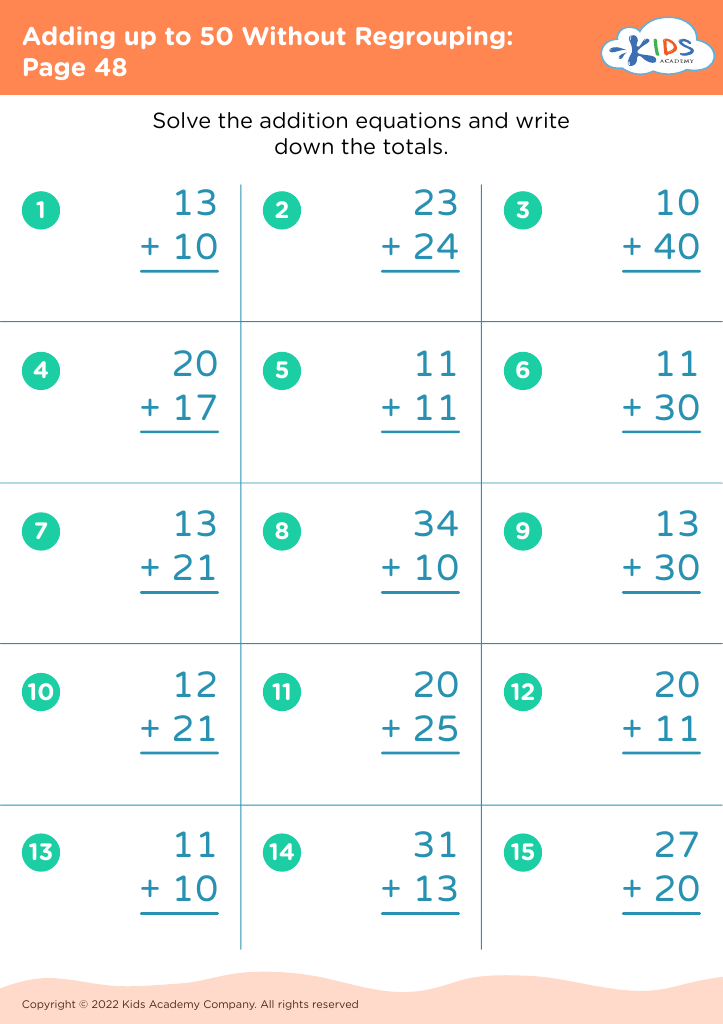
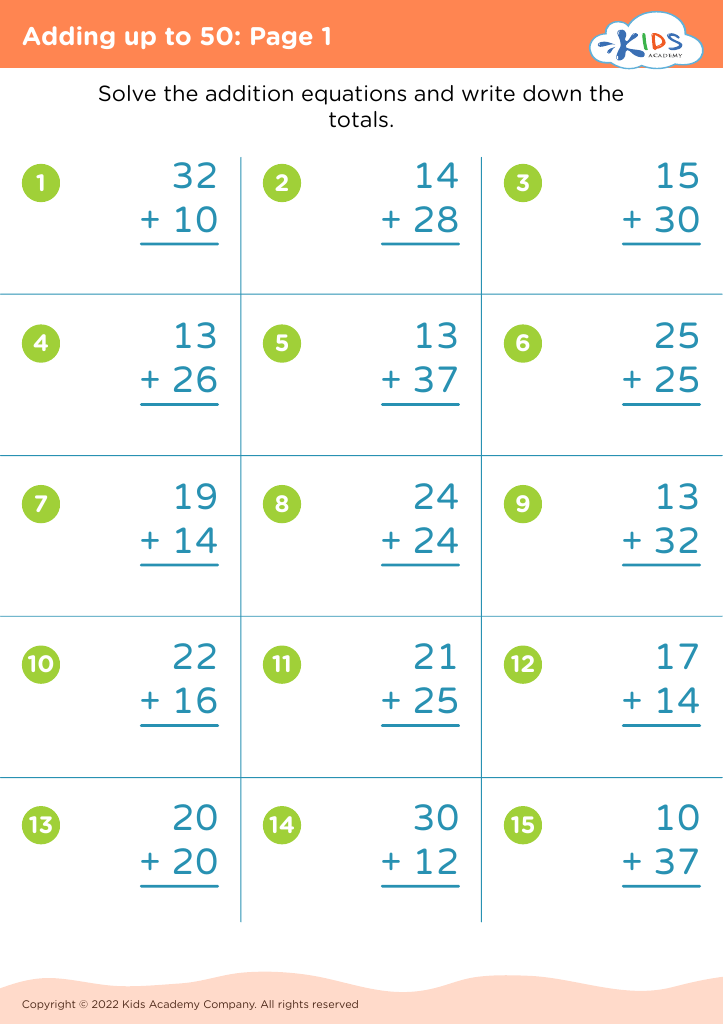
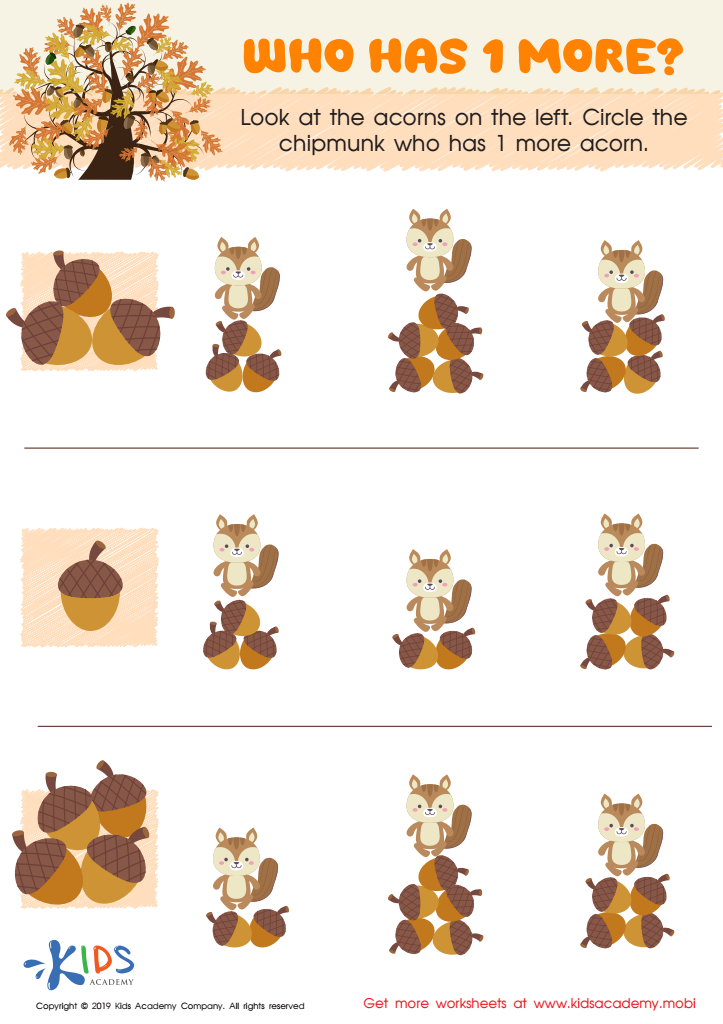
Who Has 1 More? Worksheet
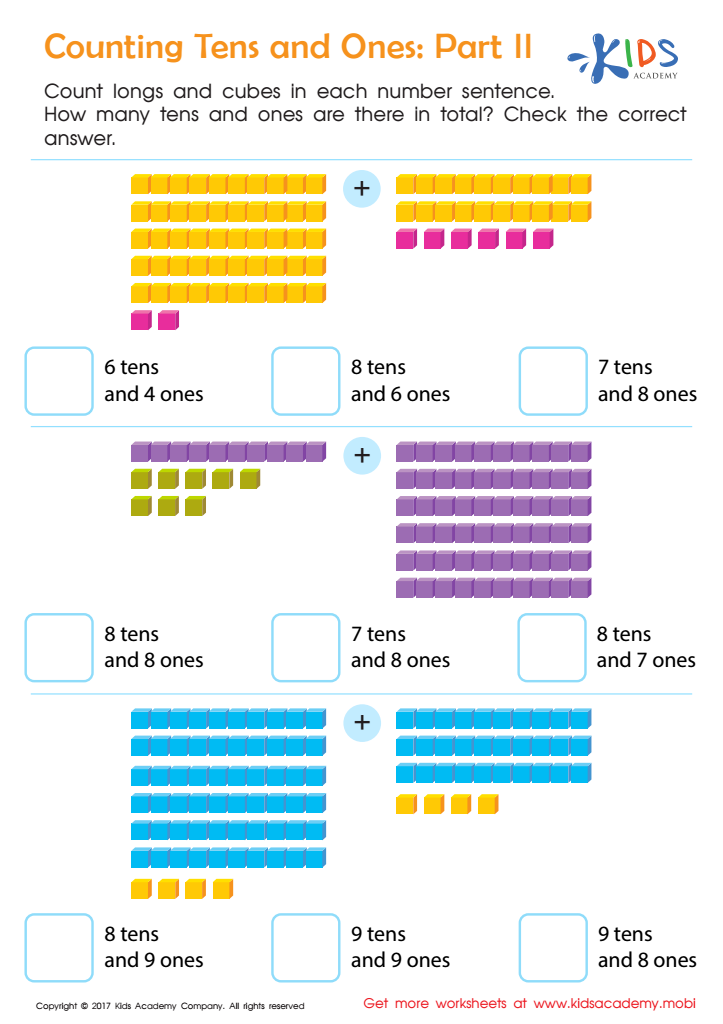
Counting Tens and Ones: Part 2 Worksheet
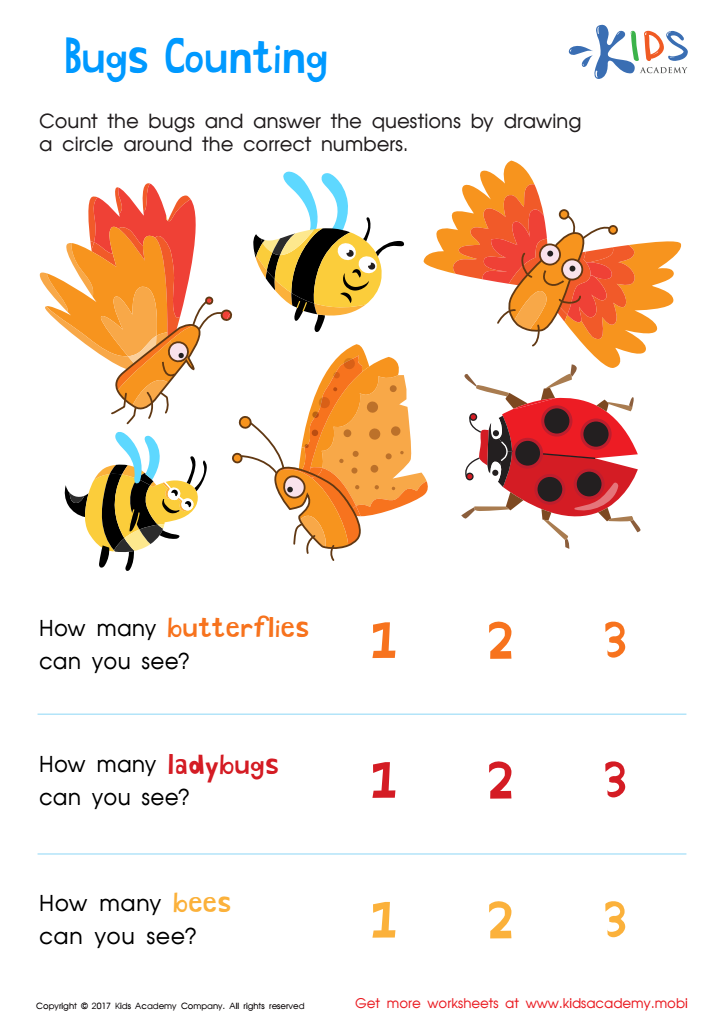
Bugs Counting Worksheet
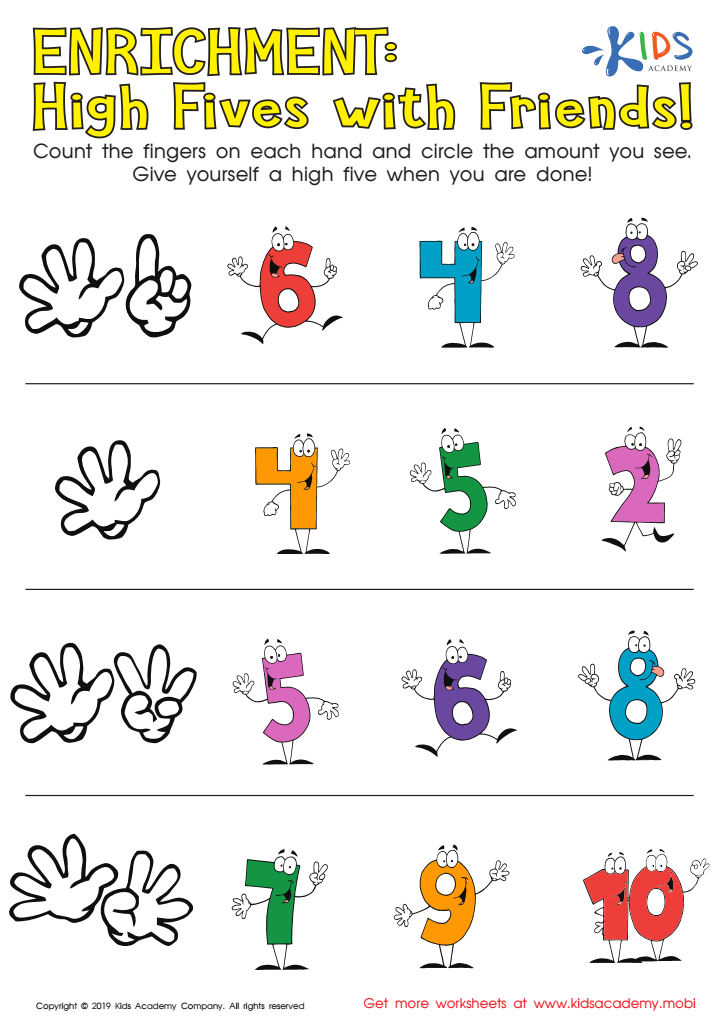
Enrichment: High Fives with Friends! Worksheet
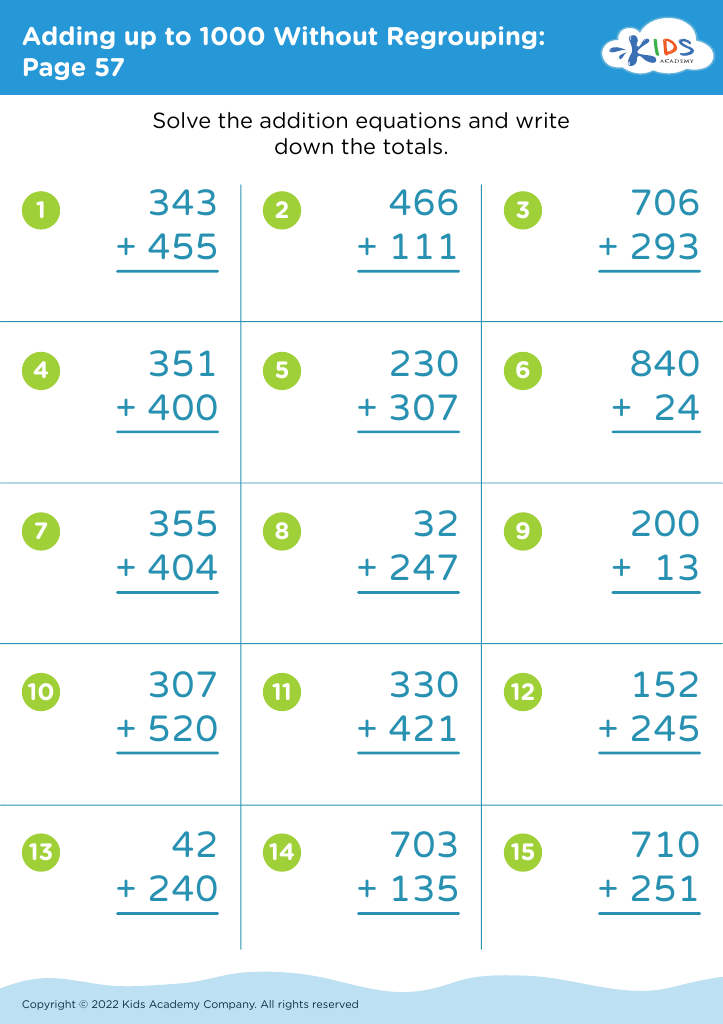
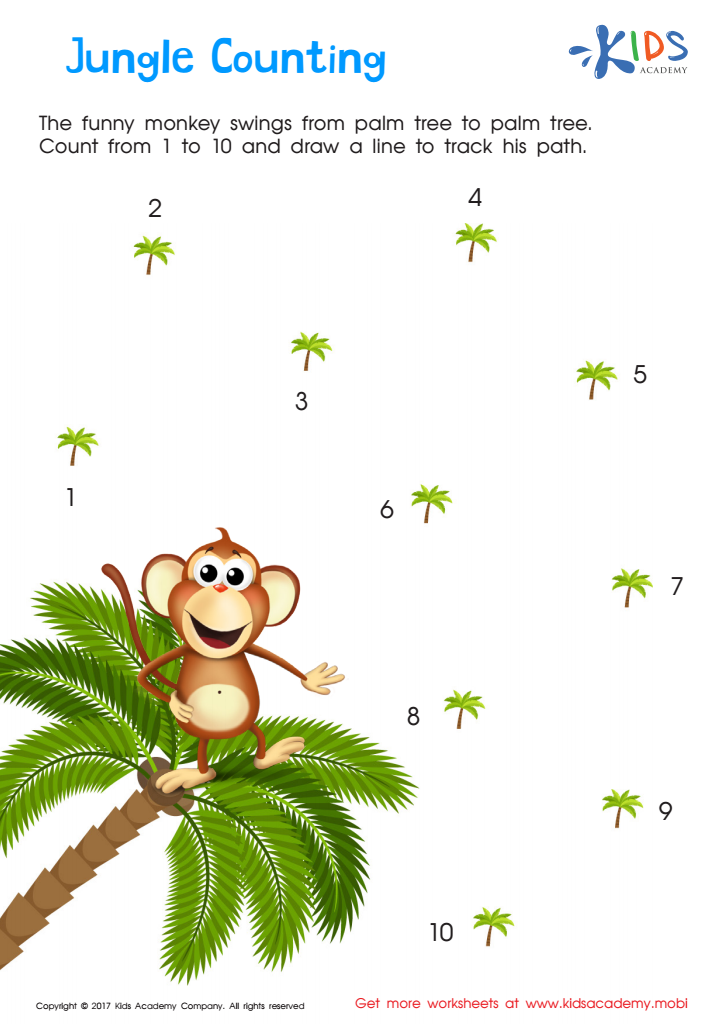
Jungle Counting Connect Dots Worksheet
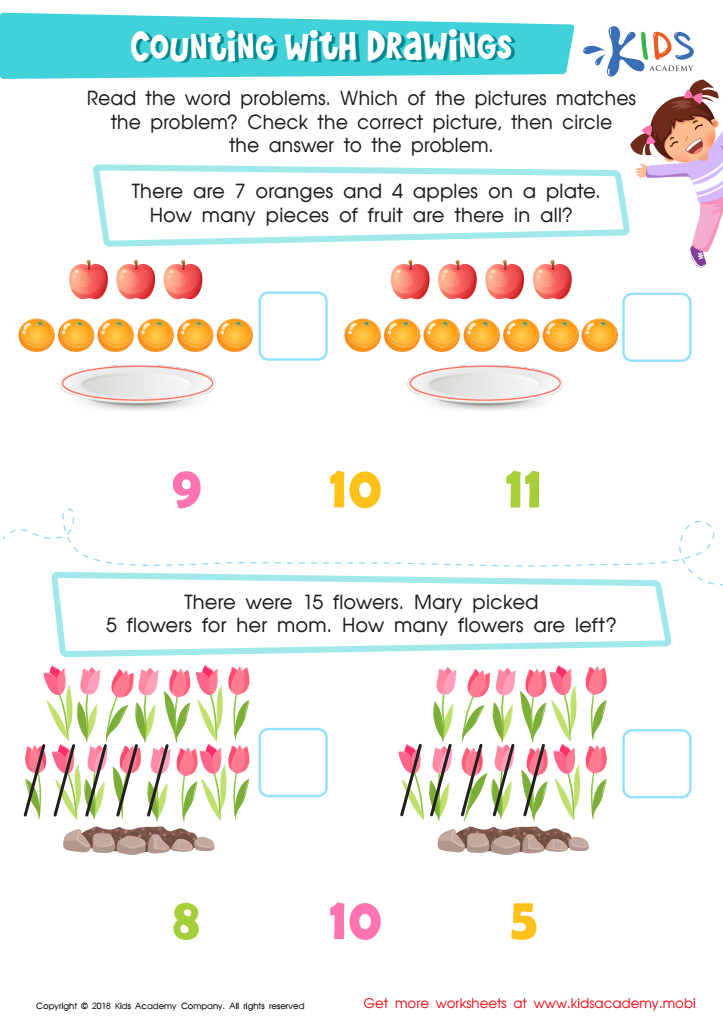
Counting with Drawings:Fruits & Flowers Worksheet
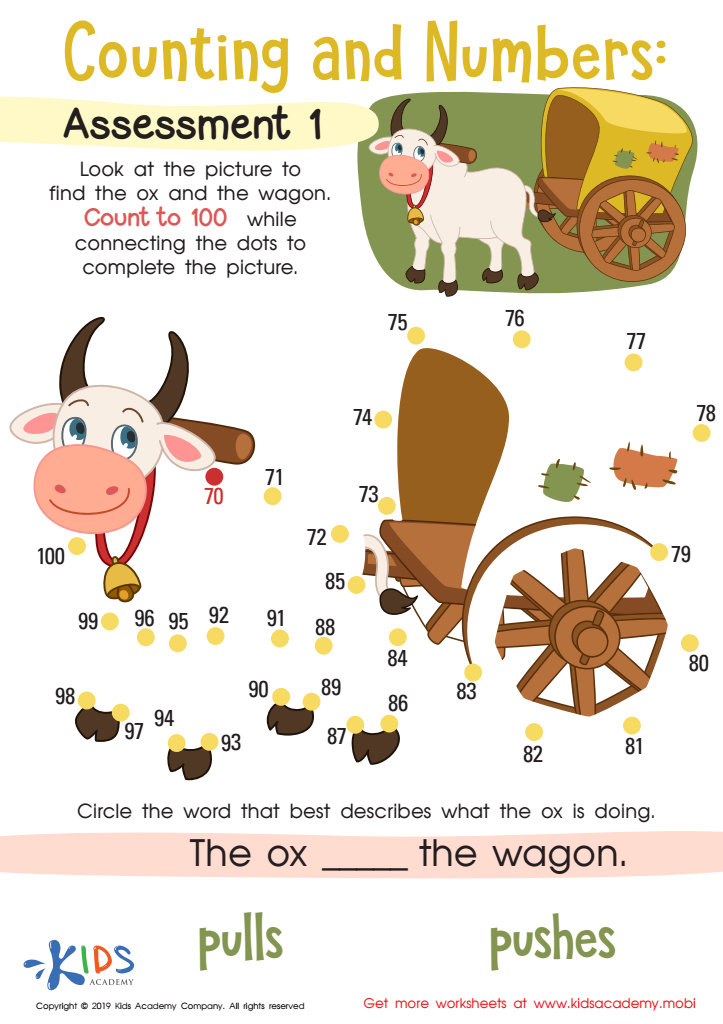
Counting and Numbers: Assessment 1 Worksheet
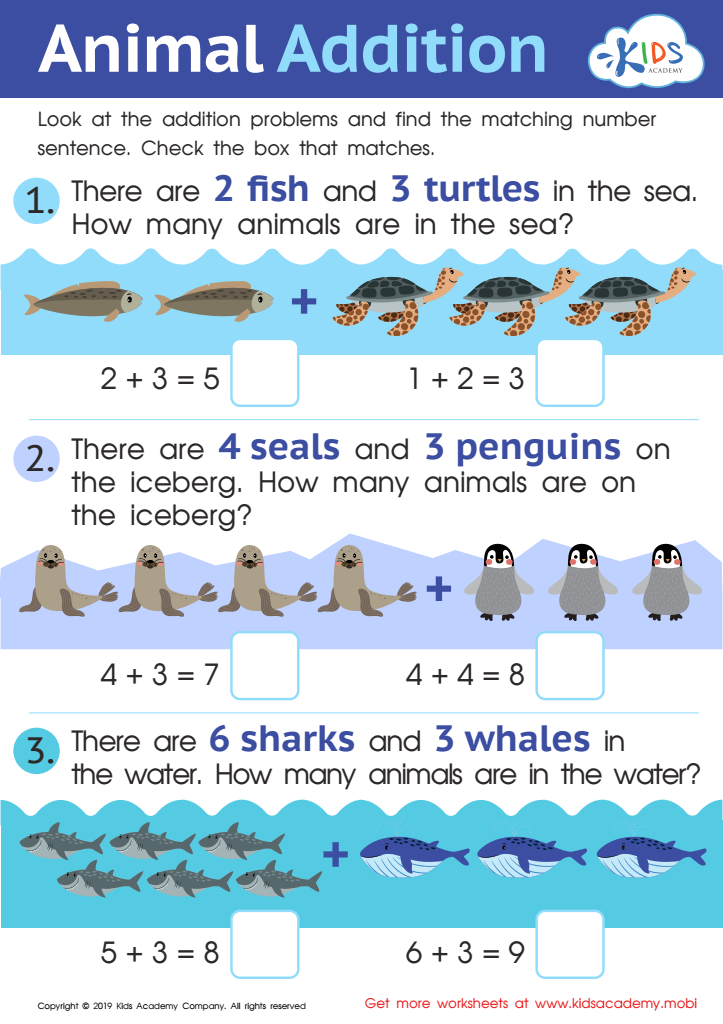
Animal Addition Worksheet
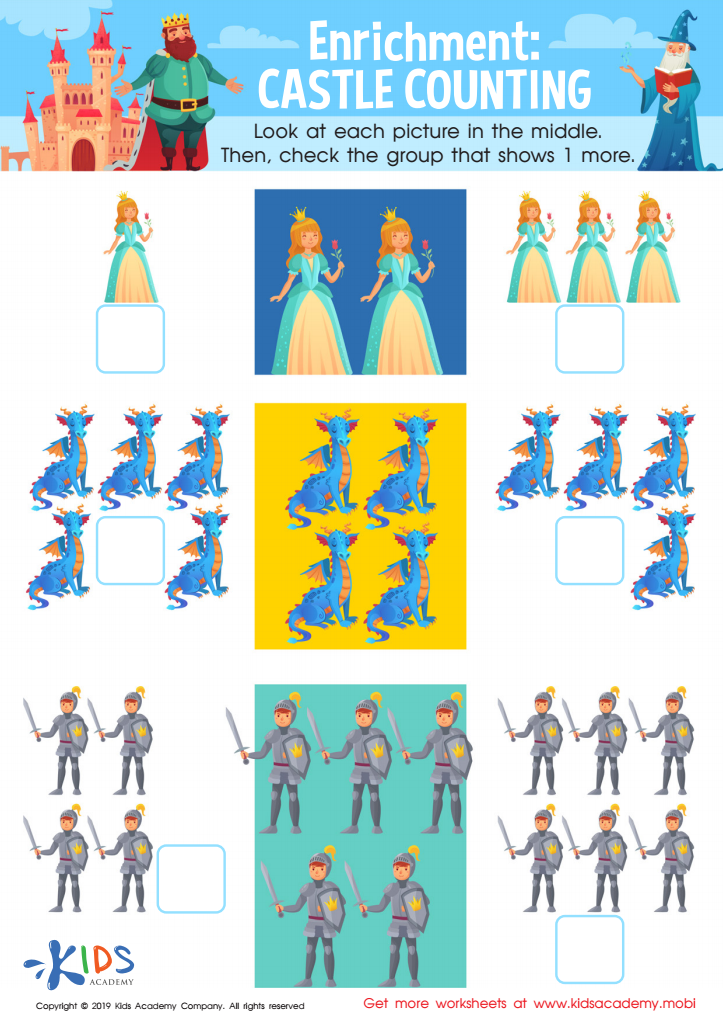
Enrichment: Castle Counting Worksheet
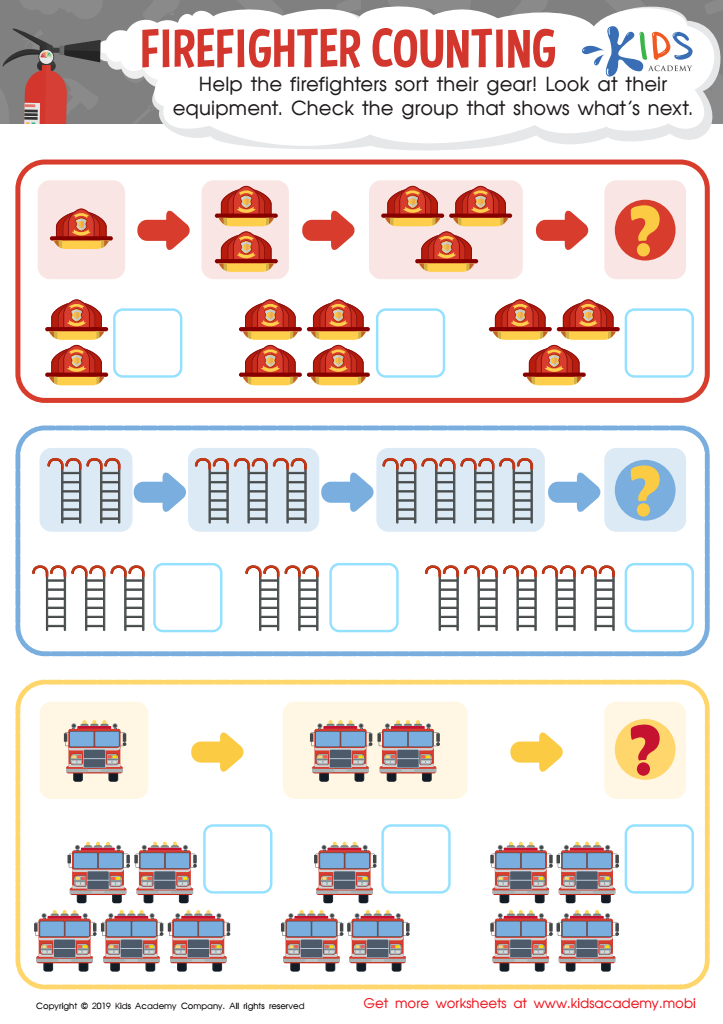
Firefighter Counting Worksheet
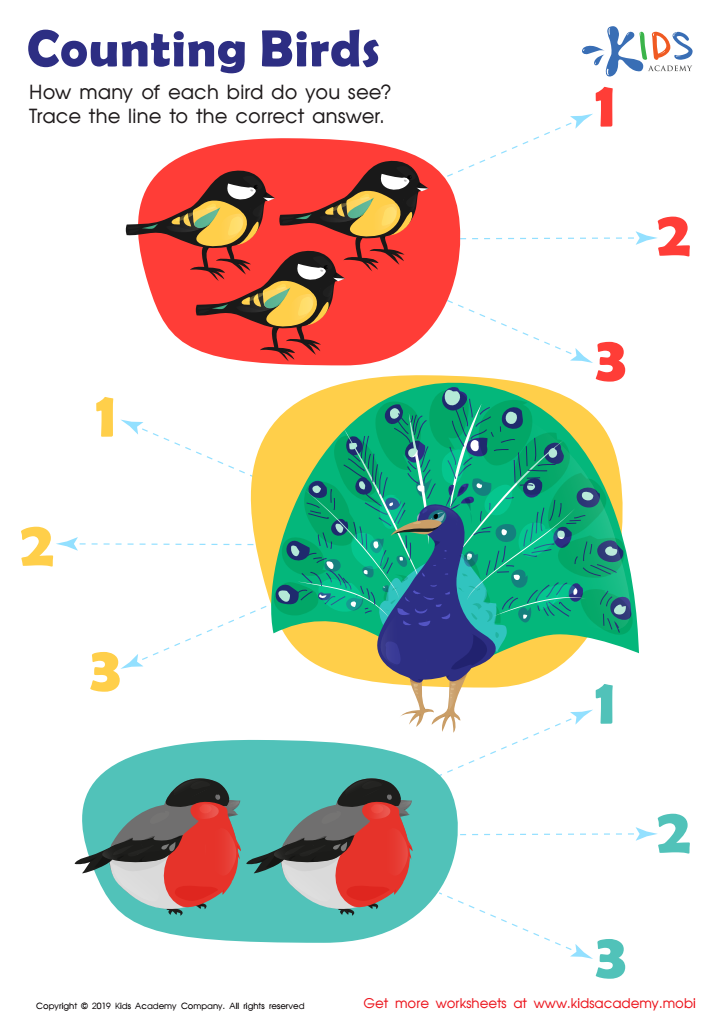
Counting Birds Worksheet





Basic addition is a foundational skill that is critical for children's overall mathematical development and everyday functioning. For children aged 6-9, mastering addition lays the groundwork for more complex mathematical concepts, such as subtraction, multiplications, and eventually, algebra. Understanding numbers and how they interact is essential for building confidence and competence in math.
Moreover, fostering a strong grasp of addition in early childhood encourages critical thinking and problem-solving skills. It supports cognitive growth by allowing children to visualize and manipulate numbers, enabling them to recognize patterns and relationships. Additionally, basic addition is directly applicable in real-life situations, assisting children in tasks such as shopping, cooking, and sharing.
Parents and teachers play a crucial role in nurturing these skills. Their involvement can create a positive learning atmosphere, where children are encouraged to explore and enjoy math. Offering practical experiences, such as games and interactive activities, not only makes learning fun but also reinforces the relevance of addition in daily life.
By emphasizing basic addition and its importance, parents and teachers help children establish a strong mathematical foundation that boosts their academic success and cultivates a lifelong love for learning.








