
Color Identification Math Worksheets for Ages 6-9
43 filtered results
Difficulty Level
Grade
Age
-
From - To
Subject
Activity
Standards
Discover a world of engaging education with our Color Identification Math Worksheets for Ages 6-9. These printable worksheets seamlessly blend math and fun, helping young learners identify colors while honing essential math skills. Designed to make learning enjoyable, each activity captivates kids' interest through interactive exercises that involve color recognition and mathematical concepts. Perfect for classroom use or at-home practice, our worksheets cater to various learning styles, ensuring every child can thrive. Watch your child's confidence soar as they master colors and math, laying a strong foundation for future academic success. Explore today on Kids Academy!
Favorites
With answer key
Interactive
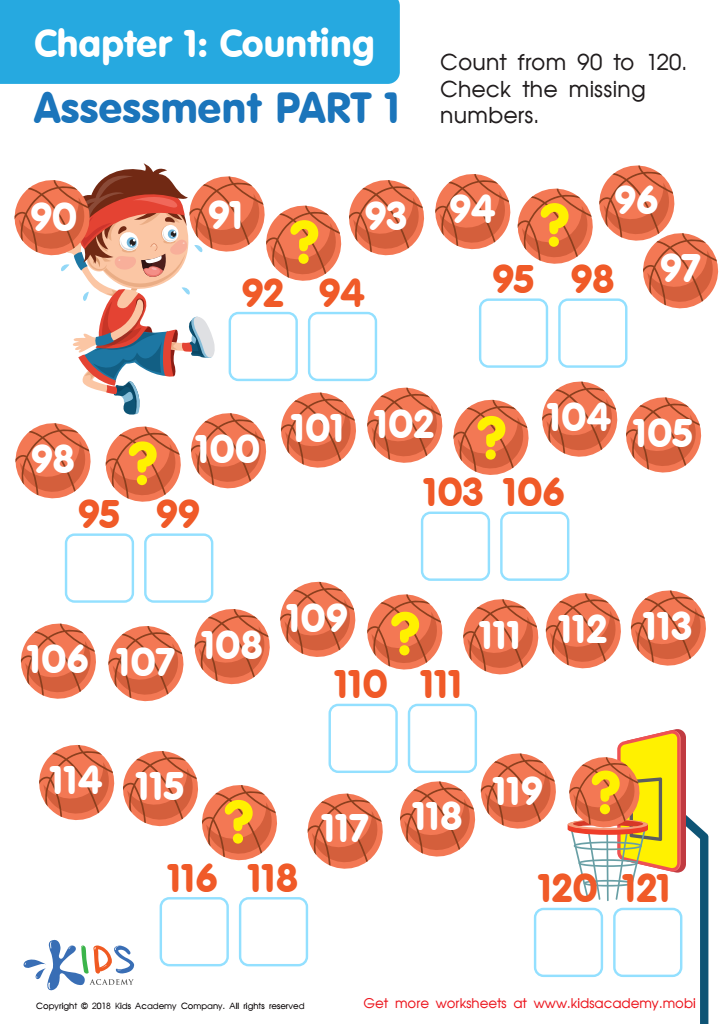
Counting Past 1: Assessment 1 Worksheet
Test your children's counting skills with this worksheet. Have them count from 90 to 120, checking for missing numbers. You'll be able to see how well they do and how far they have progressed. See how high they can count with little or no mistakes!
 Assign to My Students
Counting Past 1: Assessment 1 Worksheet
Worksheet
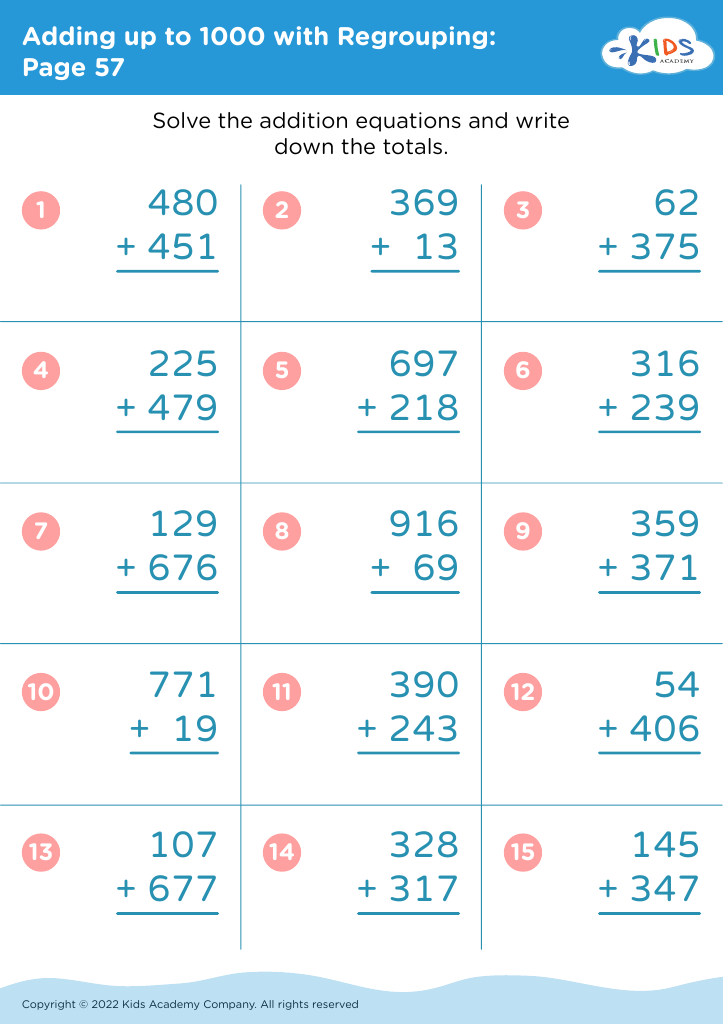
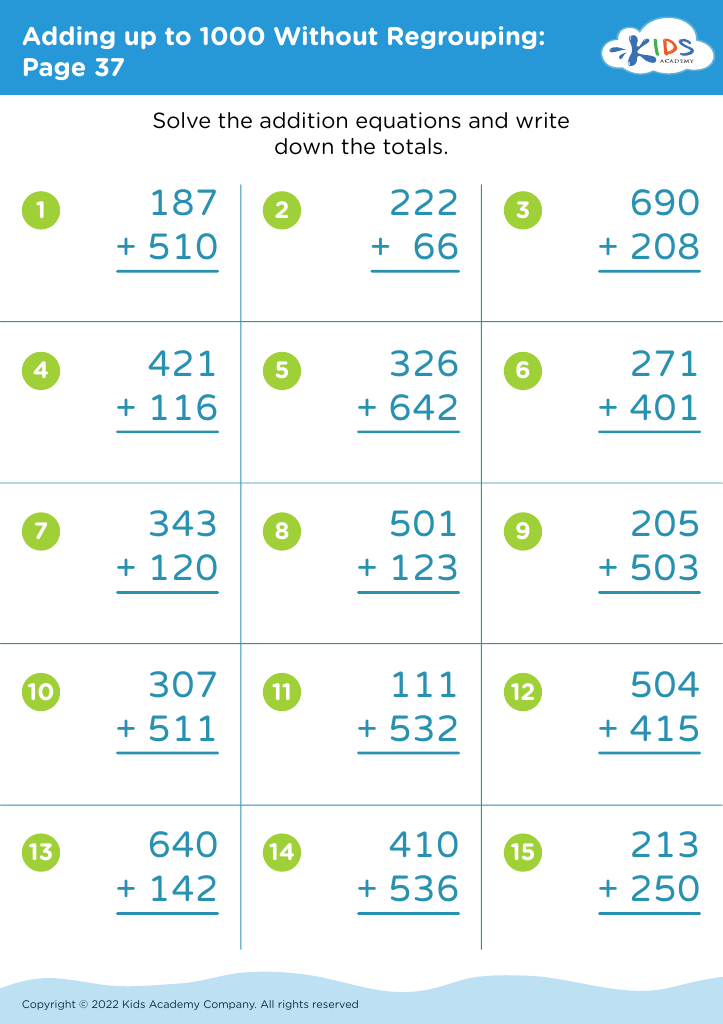
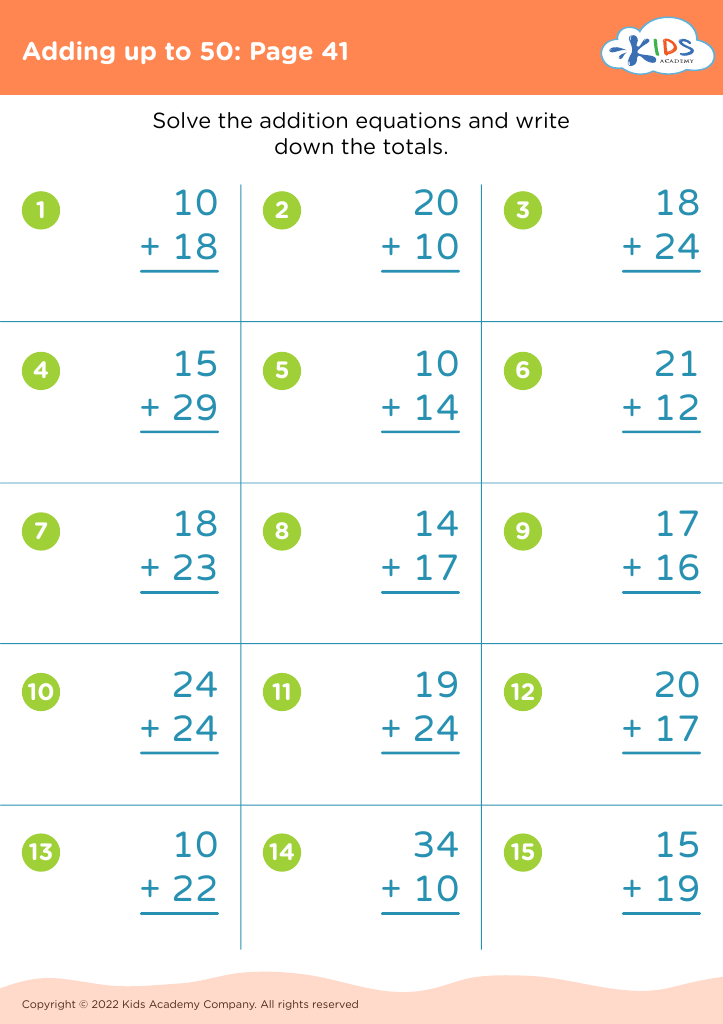
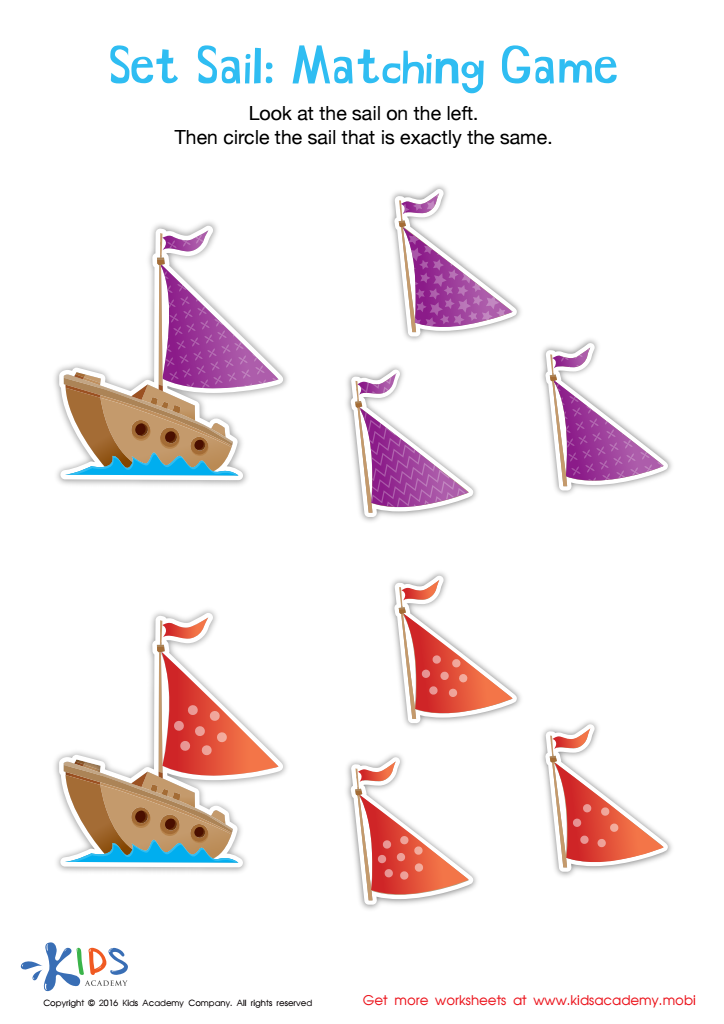
Set Sail Worksheet
Set sail with this fun matching game for toddlers! Kids will love finding the same pattern on the sails, improving their problem-solving and counting skills. Enjoy this bright and engaging worksheet!
Set Sail Worksheet
Worksheet
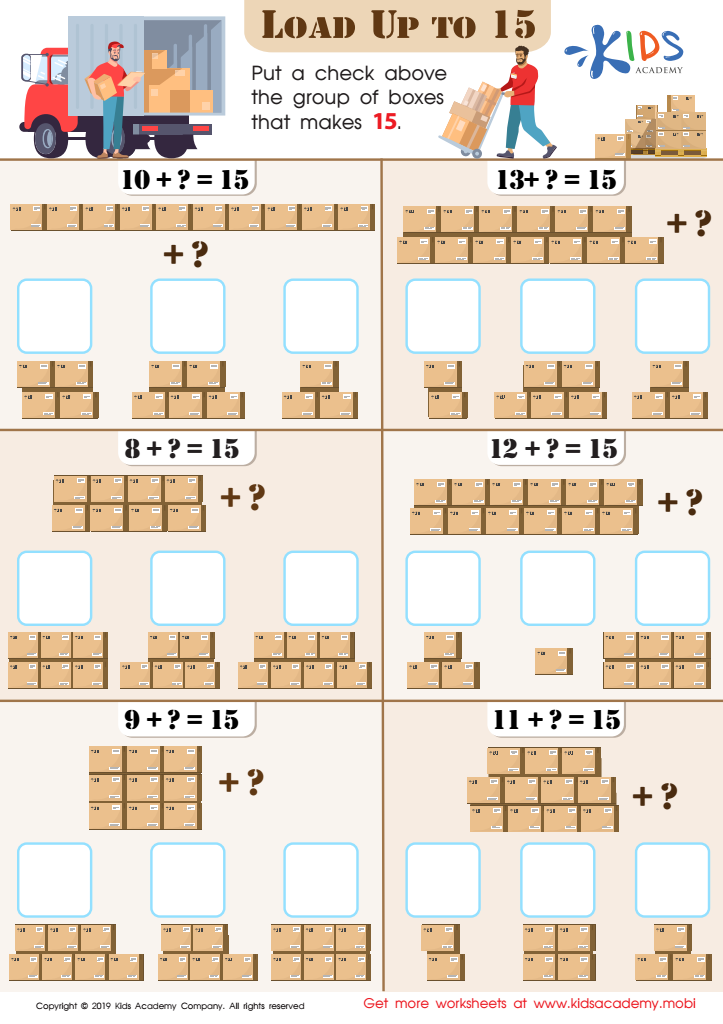
Load up to 15 Worksheet
Your students can practice addition and counting skills with this worksheet. Each equation has 6 boxes to count. Check the group that equals 15 to complete the exercise. Help your kindergartners if they need it.
Load up to 15 Worksheet
Worksheet
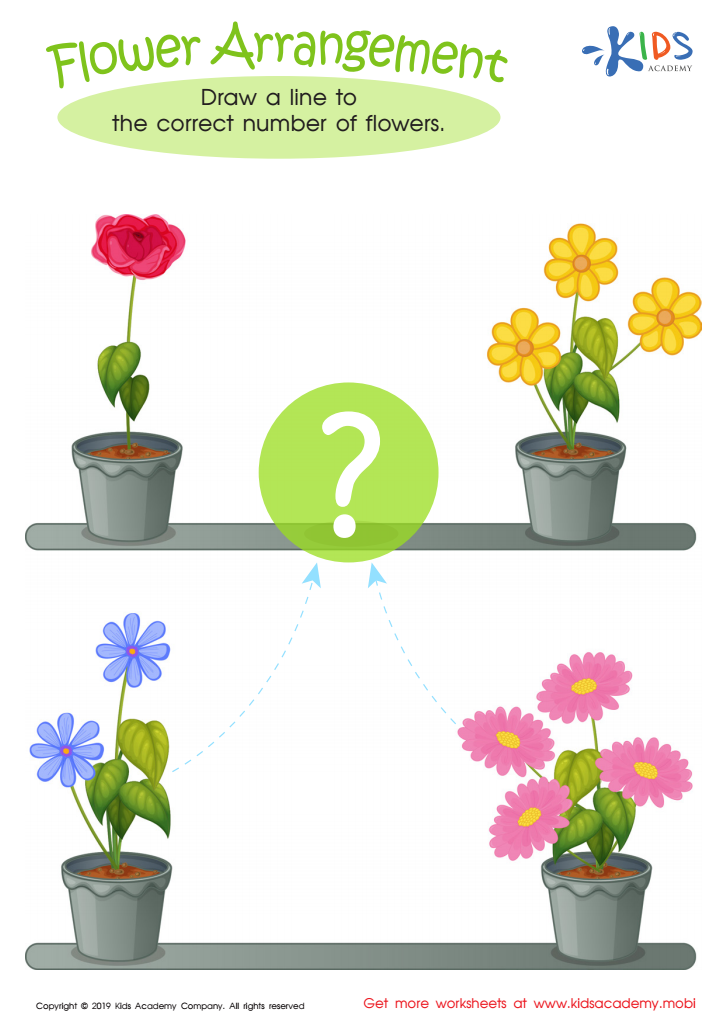
Flower Arrangement Worksheet
Your math whizzes can use flower power to showcase their counting skills with this bright PDF! One-to-one representation in pictures helps children build number sense, which leads to better math and computation efficiencies. This PDF features traceable lines for kids to draw to the correct number of flowers, all while practicing their counting with pretty pictures.
Flower Arrangement Worksheet
Worksheet
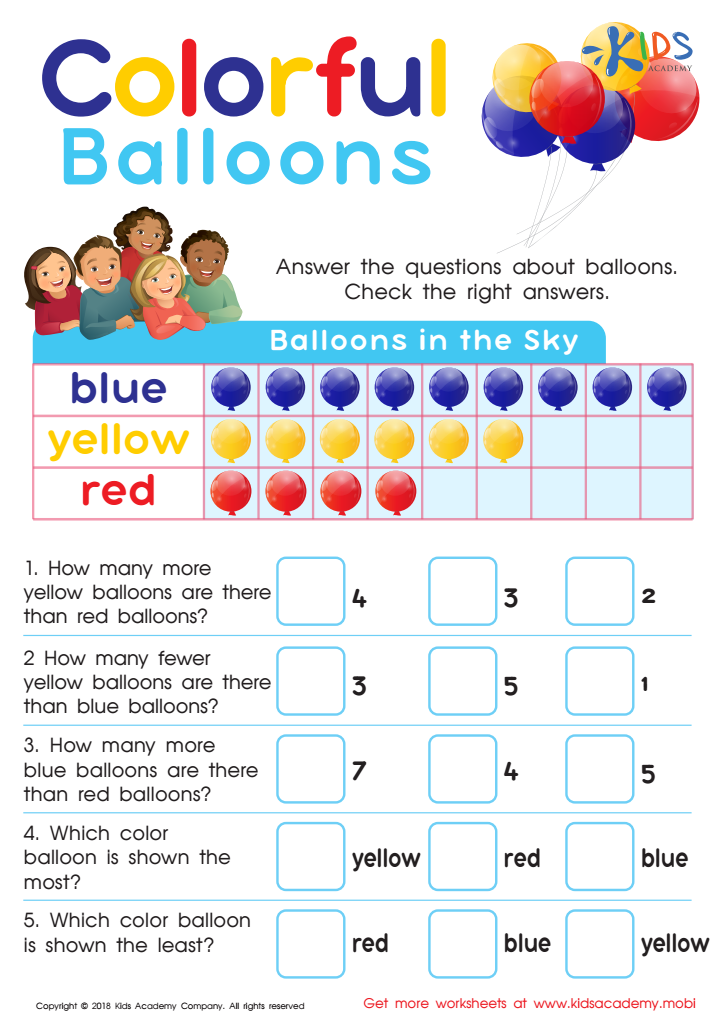
Picture Graphs: Colorful Balloons Worksheet
Kids love balloons at parties! Now you can use them to review graphs and math with this worksheet. View the balloons and count how many of each color, then answer the questions to complete math problems and report important details. Bring joy to your child's studies and make learning fun!
Picture Graphs: Colorful Balloons Worksheet
Worksheet
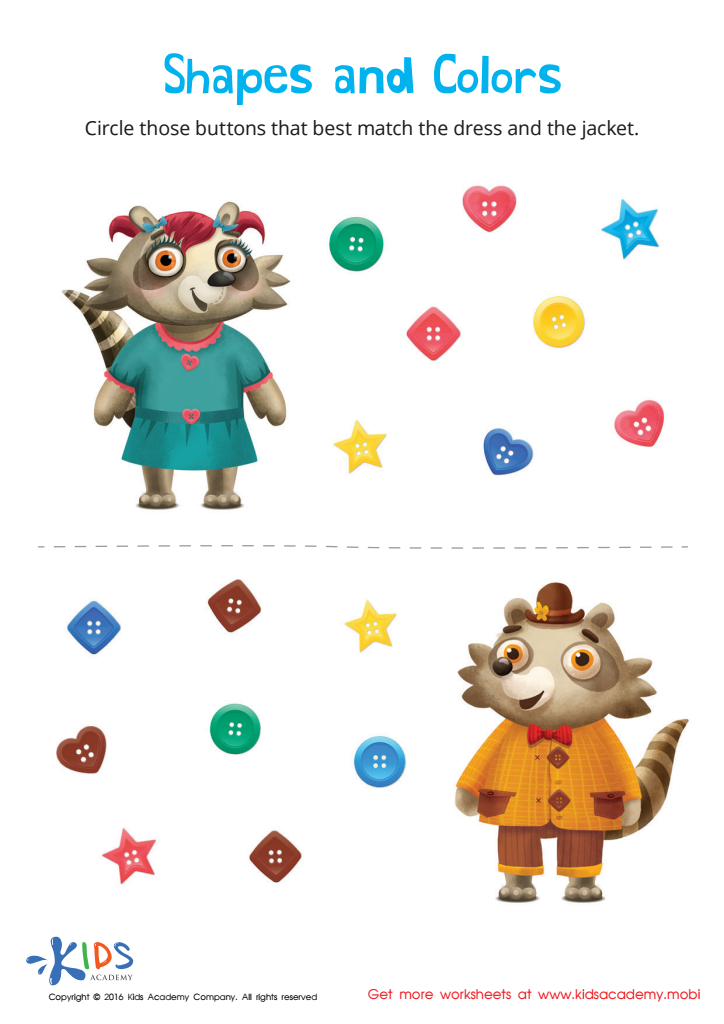
Matching: Shapes and Colors Worksheet
Help Mr. and Mrs. Raccoon find the right buttons to match their shirts! Kids will identify shapes and colors and learn to match them correctly.
Matching: Shapes and Colors Worksheet
Worksheet
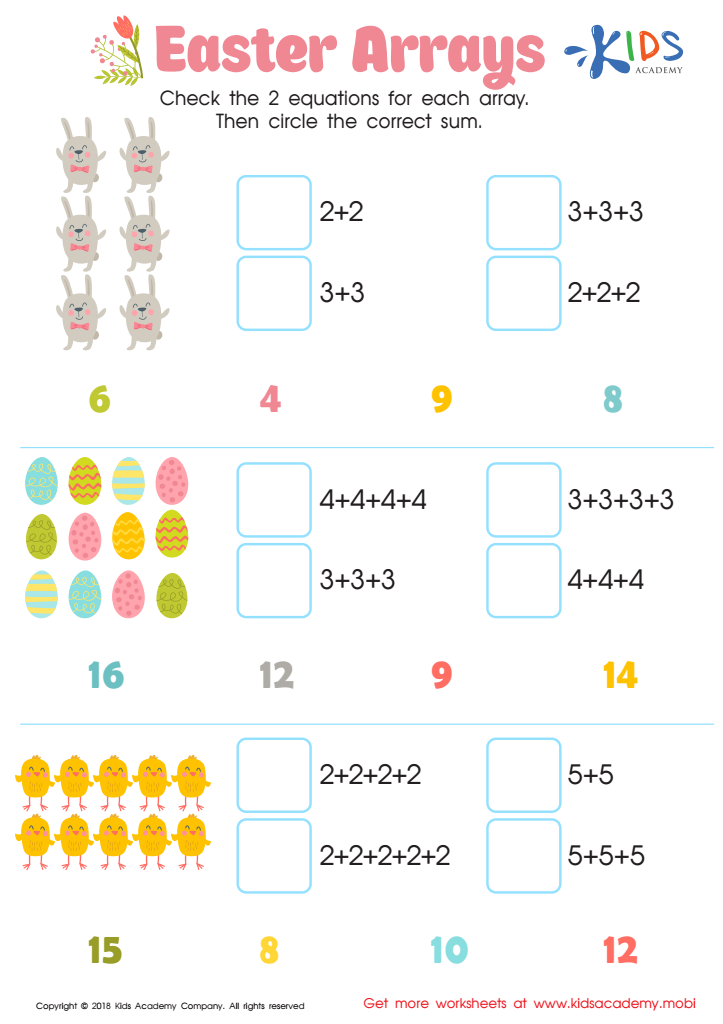
Easter Arrays Worksheet
Does your child love Easter? Do they adore the Easter bunny and egg hunts? Help them have fun with this worksheet! Go through it with them and check the equations for each array. Then, have them circle the correct sum. It's a great way to make the holiday extra exciting!
Easter Arrays Worksheet
Worksheet
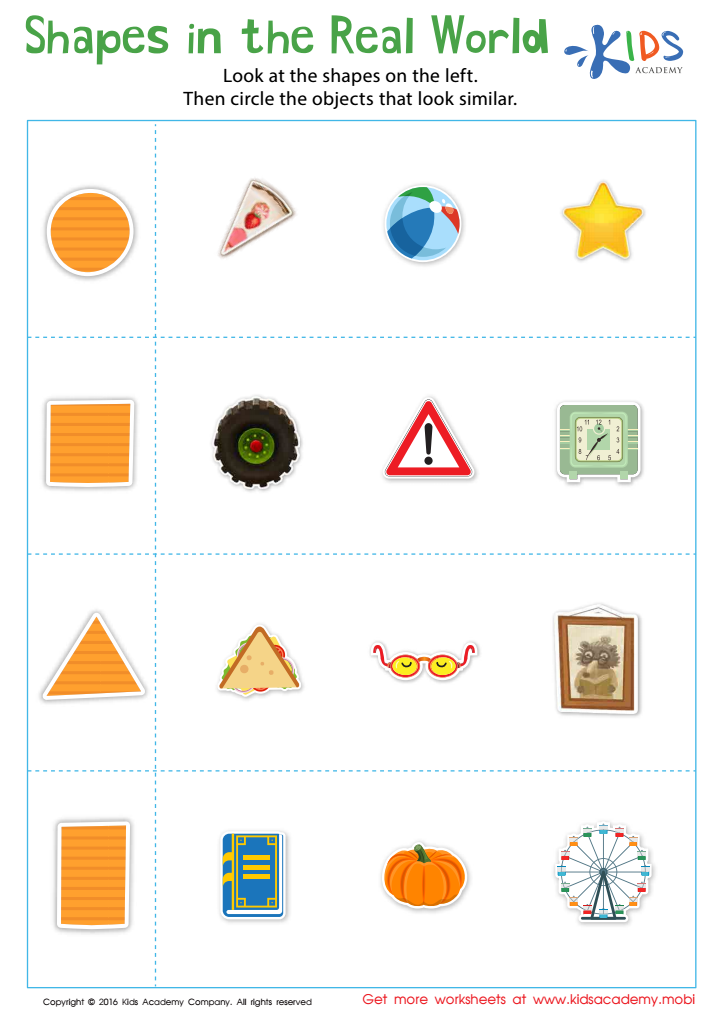
Shapes in the Real World Worksheet
Teach kids math in real-world context with this fun and inviting PDF. Let them explore geometric shapes and match them with everyday objects, giving them practice with fine motor skills and reinforcing basic shapes. Help them understand that math is everywhere in their lives!
Shapes in the Real World Worksheet
Worksheet
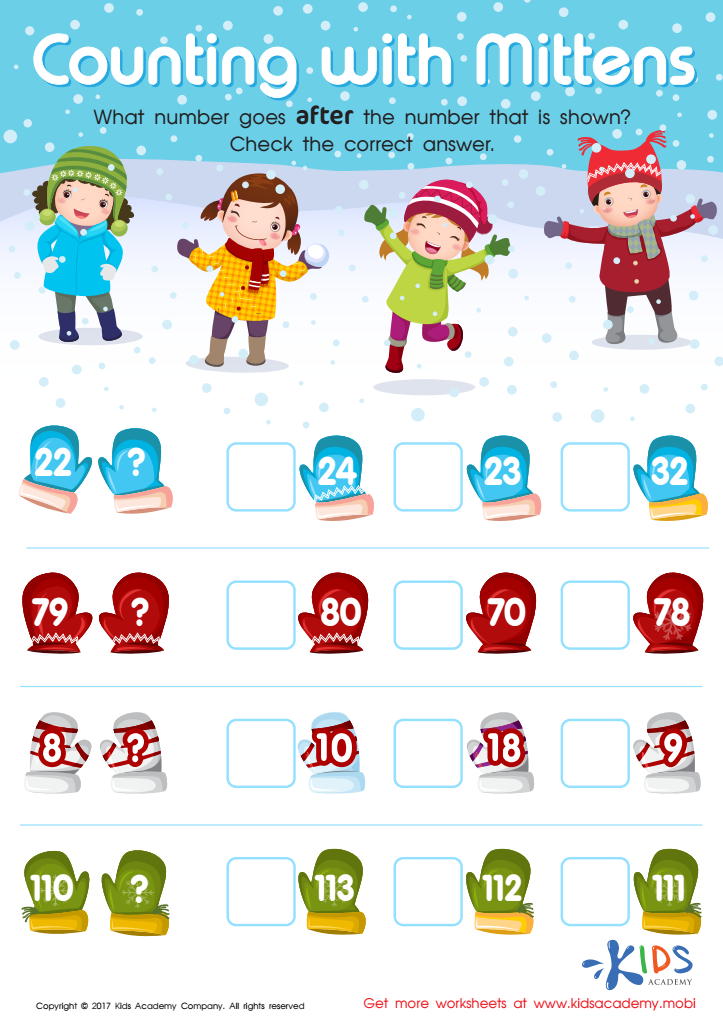
Counting with Mittens Worksheet
Let your kid have fun with this counting worksheet! It encourages them to count numbers and figure out which come next in the picture. Check the box with the correct answer - it's already provided. No more groaning and tears - this is a great way to learn!
Counting with Mittens Worksheet
Worksheet
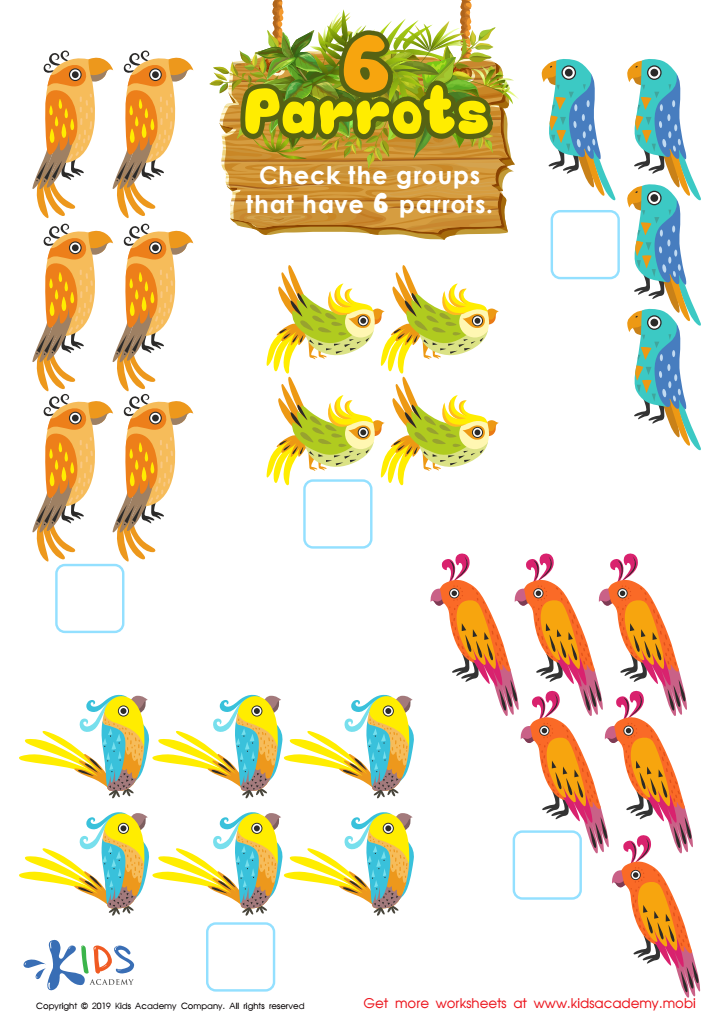
6 Parrots Worksheet
Love parrots? Here's a free worksheet to help your children practice counting to six with colorful parrot representations! Kids will adore counting the parrots and checking off groups of six - and it won't even feel like math! Just a fun way to make some new and exciting friends.
6 Parrots Worksheet
Worksheet
Join Kids Academy for Free
Who is primarily going to use this learning content?






Color identification math for ages 6-9 plays a crucial role in early childhood development and education. This integrated approach helps young learners in multiple facets. Firstly, it strengthens cognitive abilities. Associating colors with numbers or mathematical concepts aids children in remembering and understanding mathematical principles more effectively. Such multi-sensory learning makes abstract math concepts more concrete and relatable.
Secondly, combining color identification with math fosters better engagement. Young children often find colorful and visually stimulating materials more appealing, which can motivate them to participate actively in lessons and retain information longer. This form of learning caters to visual learners, which is a significant percentage of early learners.
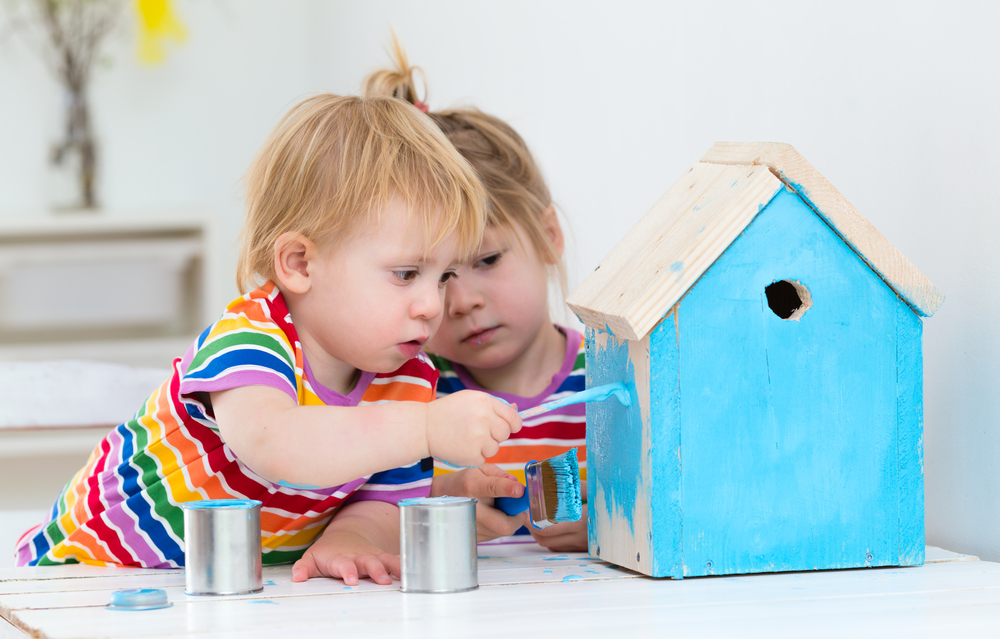
Thirdly, it aids in the development of fine motor skills. Activities like coloring by numbers or sorting objects based on color require precise hand movements and can refine motor control. These skills are essential for everyday tasks and further academic activities.
Lastly, it cultivates critical thinking. When students place items in color-coded sequences or solve problems using colored patterns, they learn to discern patterns, classify items, and make decisions based on multiple criteria.
In sum, color identification math is an engaging, supportive, and effective way to enhance cognitive and motor skills while enriching early mathematical learning experiences, thus setting a strong educational foundation.








