Develop critical thinking Math Worksheets for Ages 6-9
13 filtered results
-
From - To
Engage your young learner with our critical thinking math worksheets designed for ages 6-9. These activities go beyond basic arithmetic to cultivate problem-solving skills and logical reasoning. Children will enjoy playful puzzles, challenging word problems, and hands-on exercises that stimulate their analytical abilities. With diverse content tailored for different grade levels, our worksheets help kids connect math to real-life situations, making learning both meaningful and fun. Explore our collection today to support your child's academic growth and develop a strong foundation in critical thinking and mathematical reasoning. Garner curiosity and confidence in young minds with Kids Academy!
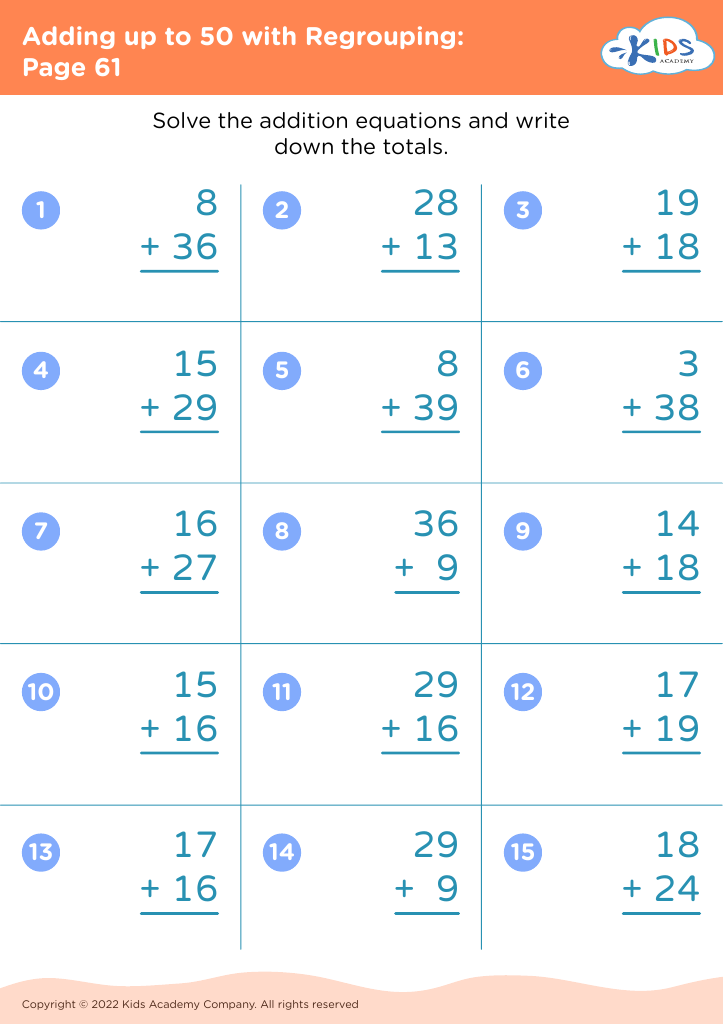
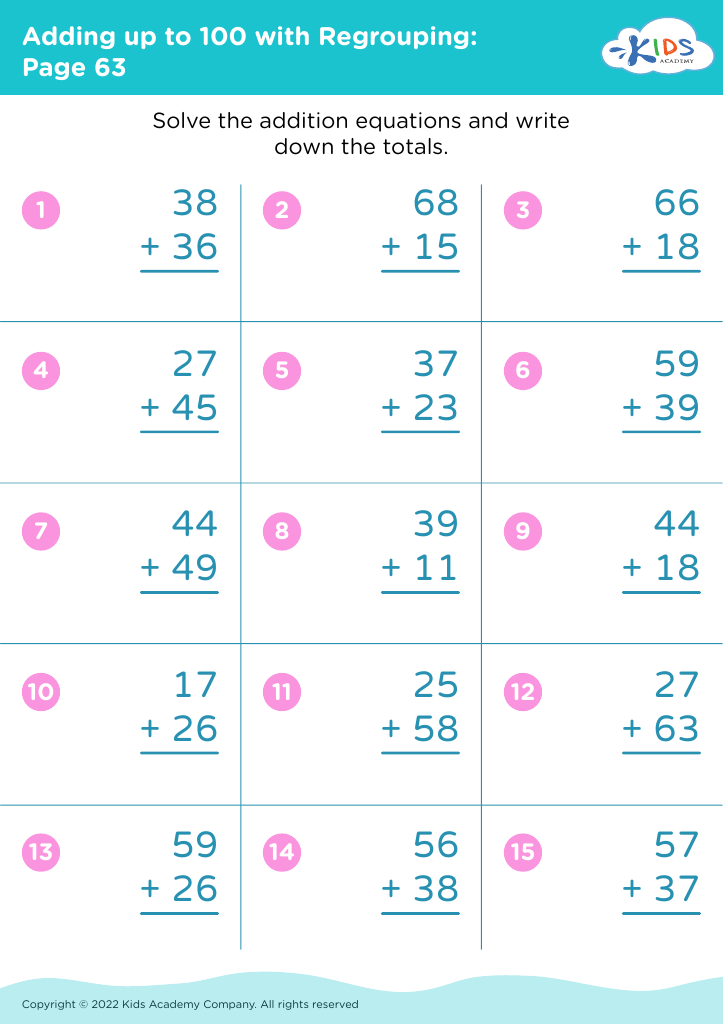
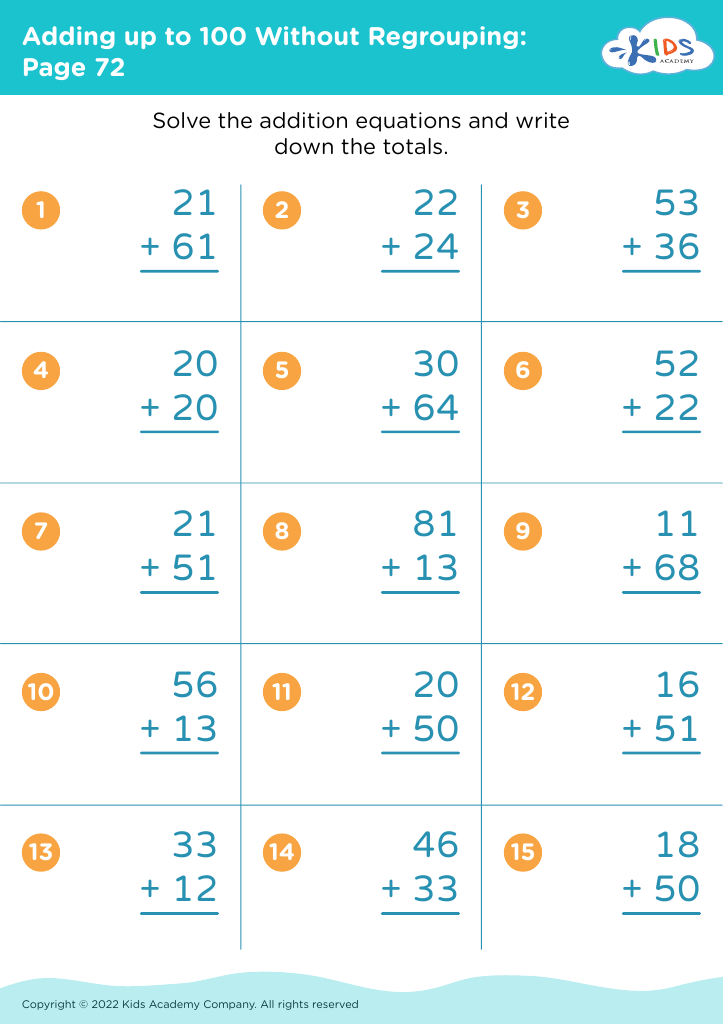
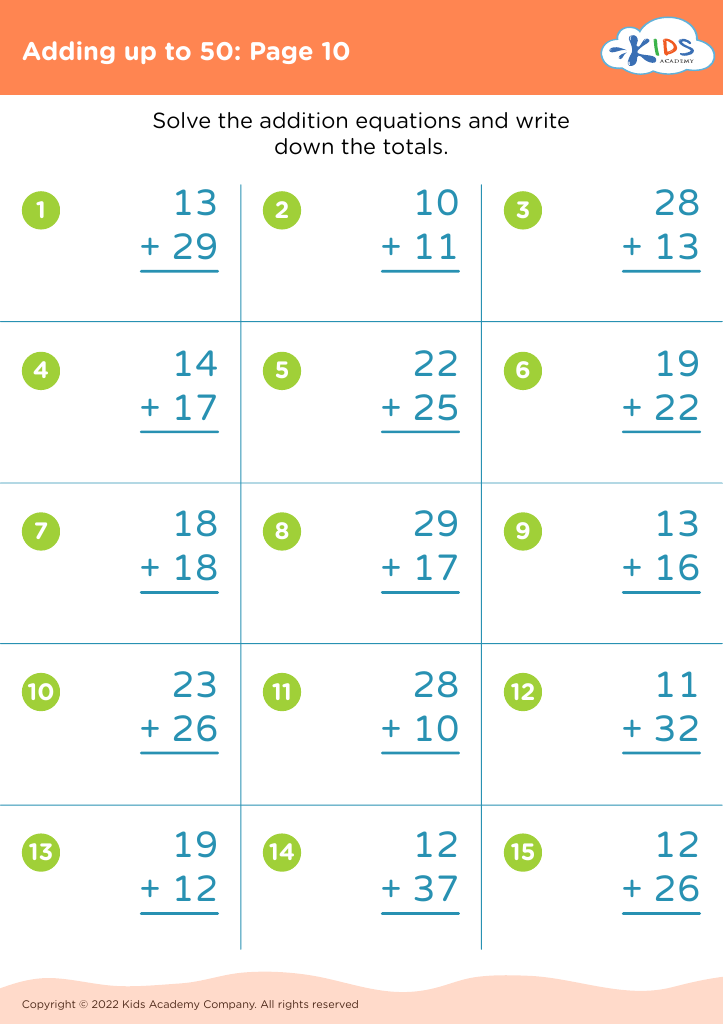
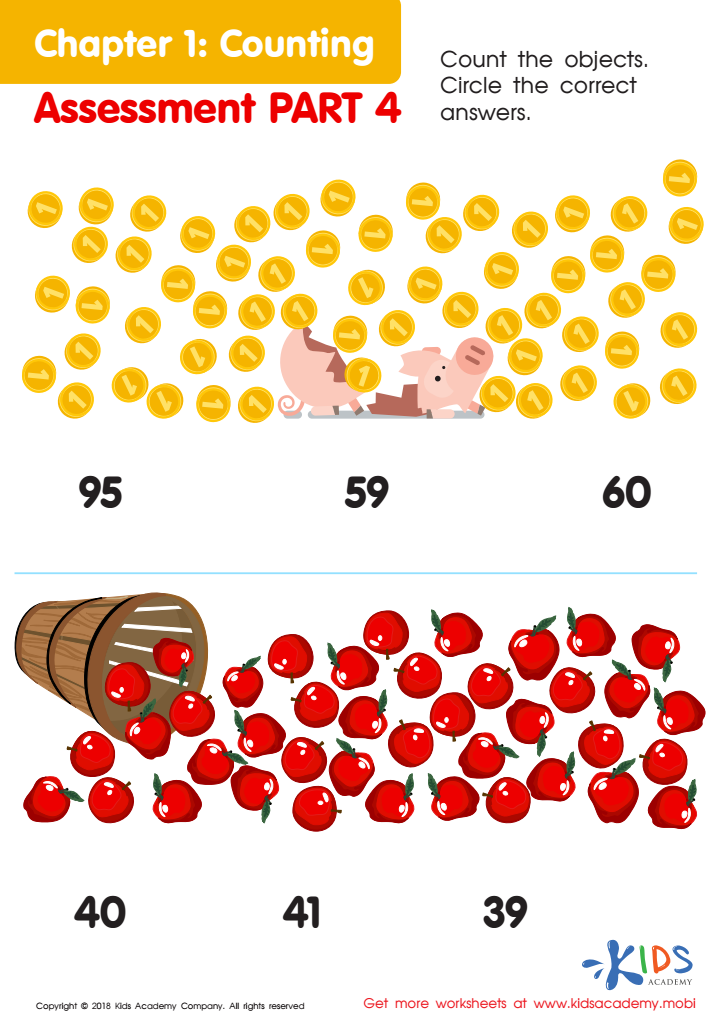
Counting: Assessment 4 Worksheet
 Assign to My Students
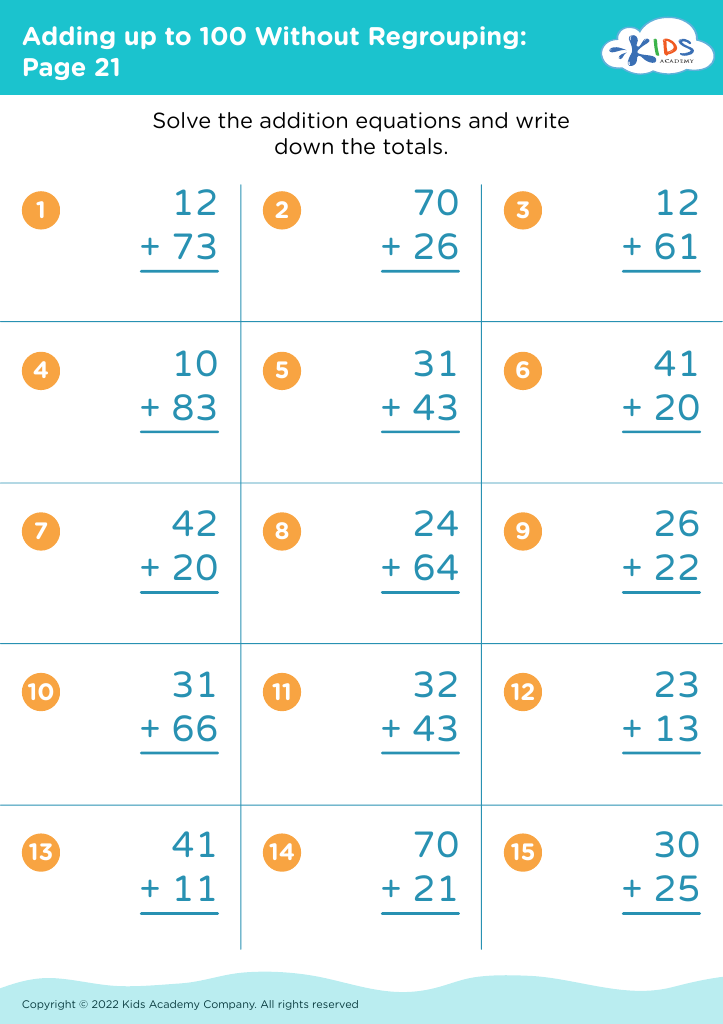
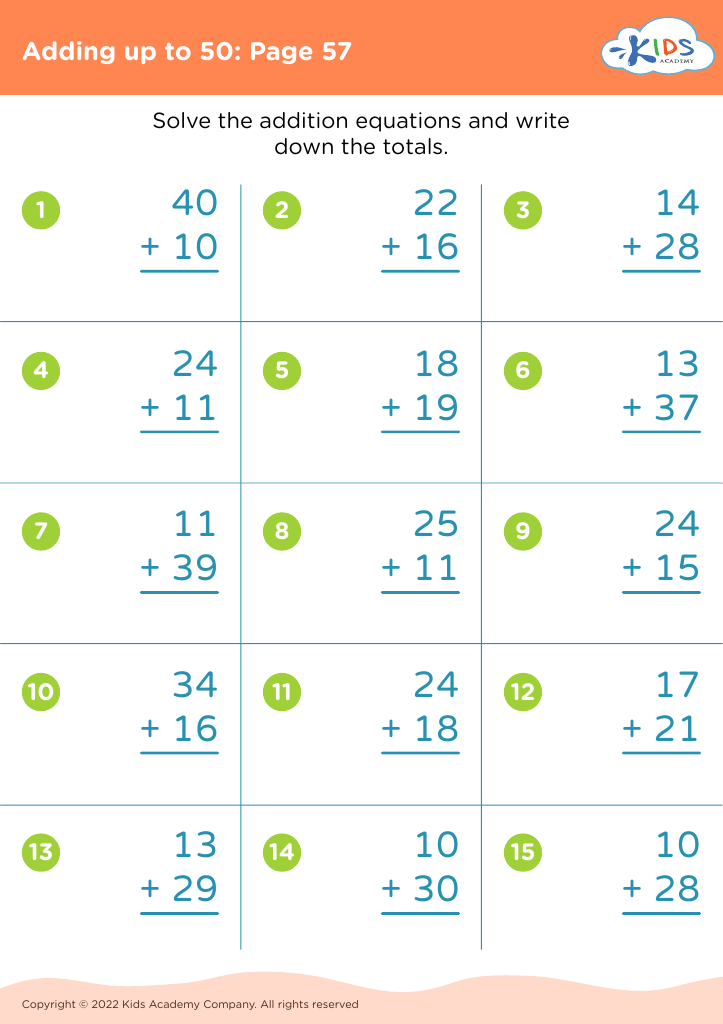
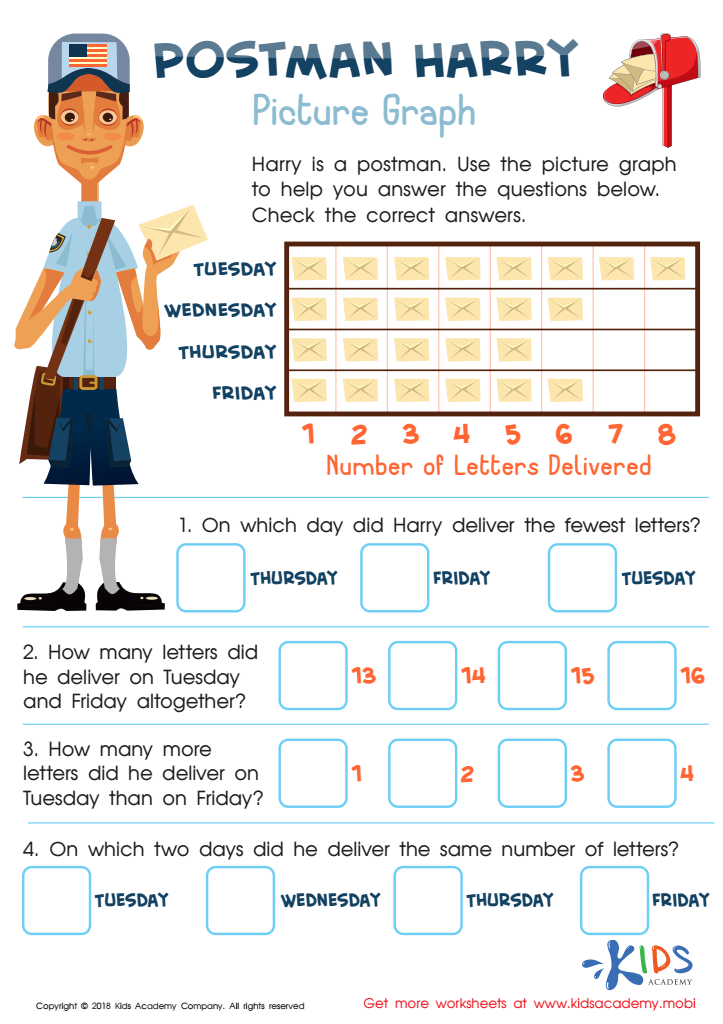
Postman Harry: Picture Graph Worksheet
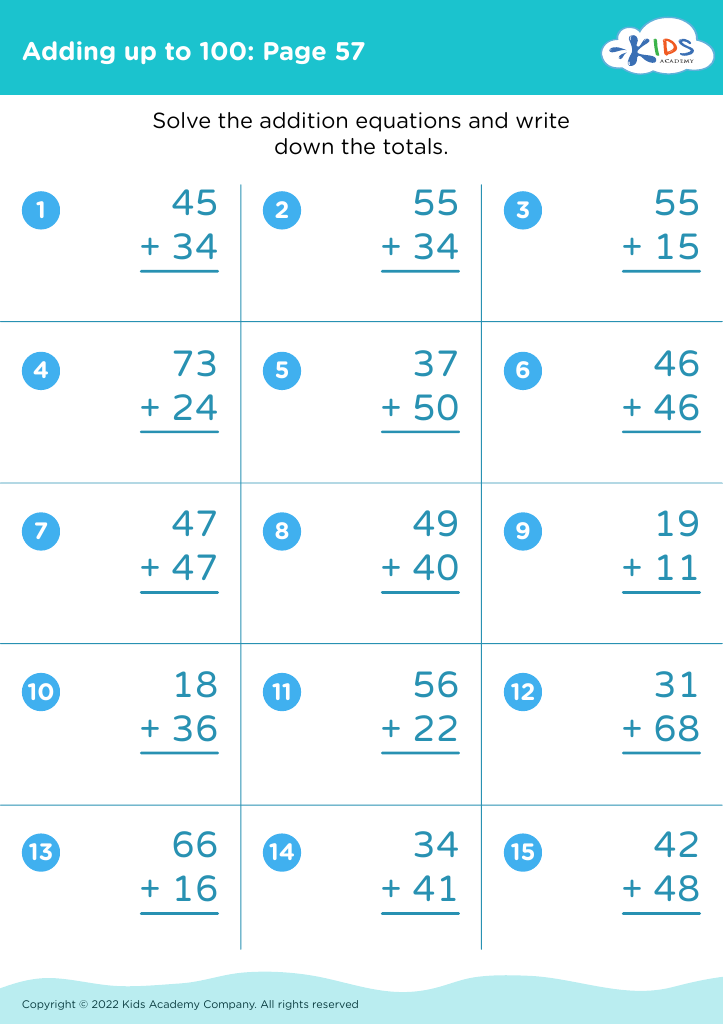
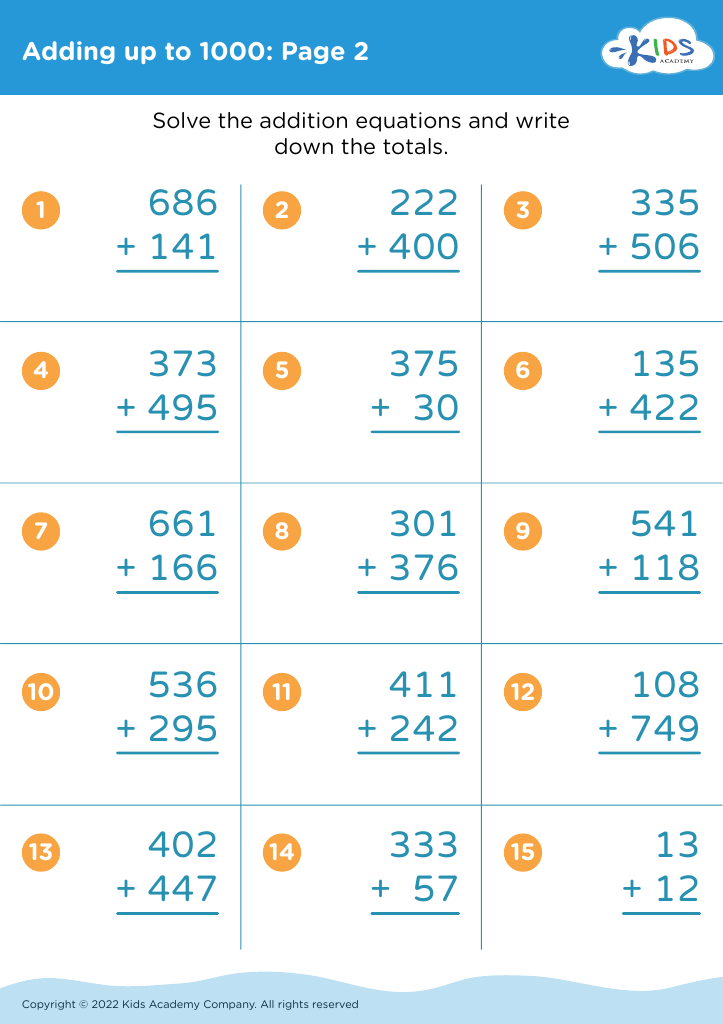
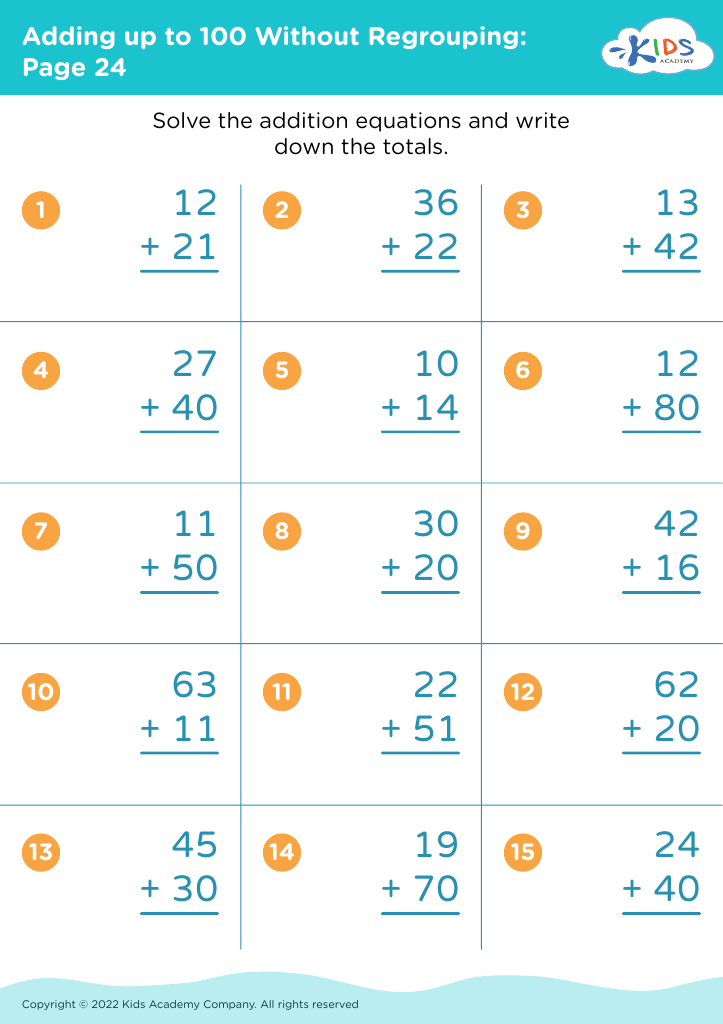
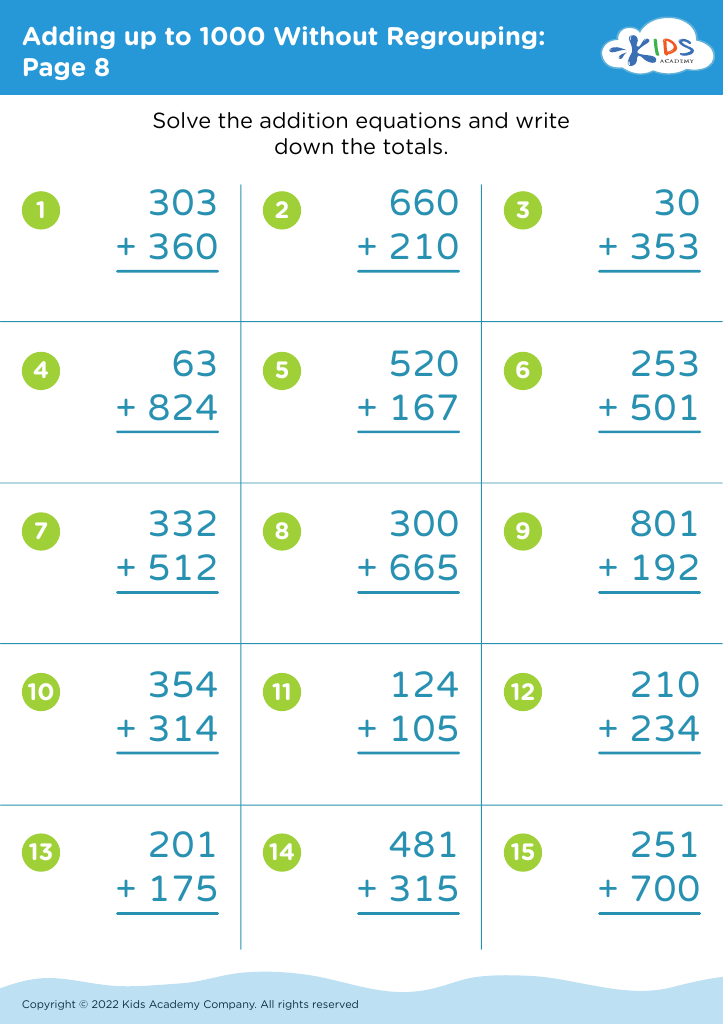
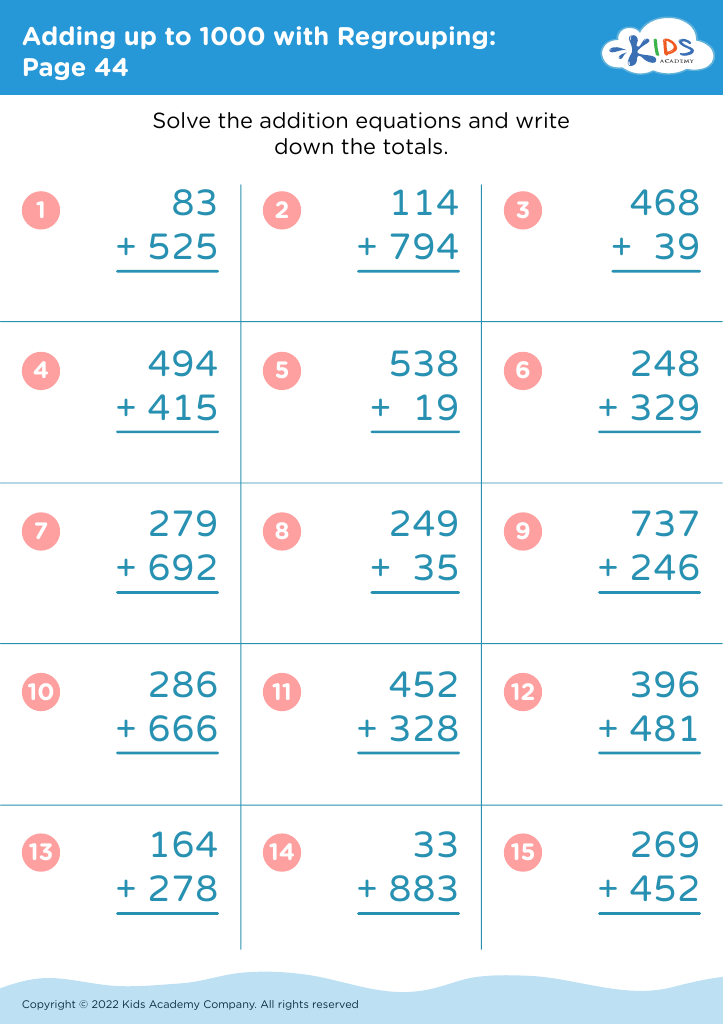








Critical thinking in math for ages 6-9 is fundamental to a child's academic and personal development. At these formative ages, children's brains are highly receptive and malleable, making it an ideal time to cultivate essential skills that will be critical throughout their lives.
Firstly, fostering critical thinking in math encourages children to not just memorize facts, but to understand concepts deeply. This leads to better problem-solving abilities. For example, rather than just learning that 2+2=4, a child learns why that is the case, extrapolating the concept to other mathematical problems and real-world situations.
Secondly, critical thinking builds a solid foundation for future learning. Children who develop these skills early on will find advanced math concepts more accessible and less intimidating. They will be better equipped to tackle complex problems in logical, structured ways.
Moreover, these skills extend beyond math. Critical thinking nurtures qualities such as curiosity, skepticism, and problem-solving—a trio essential for lifelong learning. Children learn to ask "why" and "how," traits that will aid them in science, reading comprehension, and even in social contexts.
Lastly, critical thinking in math supports emotional development. When children solve problems on their own, they gain confidence and resilience. They learn that persistence and thoughtful analysis lead to success, fostering a more robust self-esteem.
In summary, emphasizing critical thinking in math helps create well-rounded, intellectually curious, and emotionally resilient individuals, making it an essential aspect of early education.








