Developing problem-solving skills Math Worksheets for Ages 6-9
9 filtered results
-
From - To
Discover our comprehensive collection of Math Worksheets designed to enhance problem-solving skills for children aged 6-9. Our engaging printable resources help young learners tackle a variety of math challenges that promote critical thinking and analytical reasoning. Each worksheet is crafted to inspire creativity, build confidence, and foster an adventurous spirit towards mathematical concepts. Parents and educators can easily access these interactive materials to reinforce essential math skills while making learning fun. With colorful visuals and age-appropriate exercises, our worksheets transform traditional learning into an exciting journey, equipping children with the tools they need to solve problems effectively. Explore the variety today!
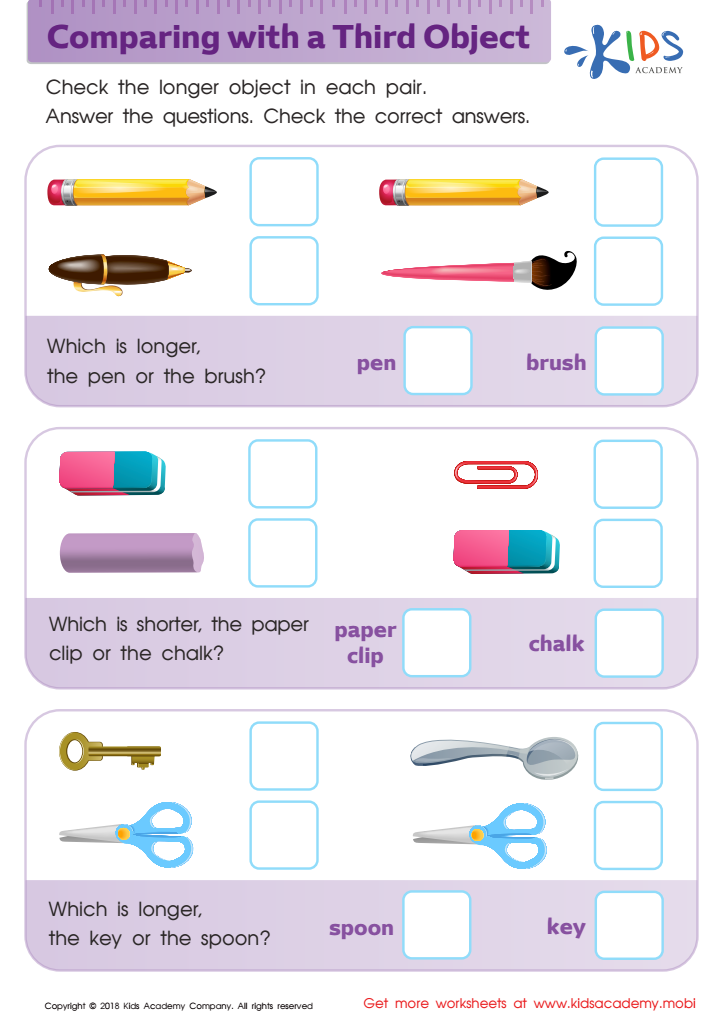
Comparing with a Third Object Worksheet
 Assign to My Students
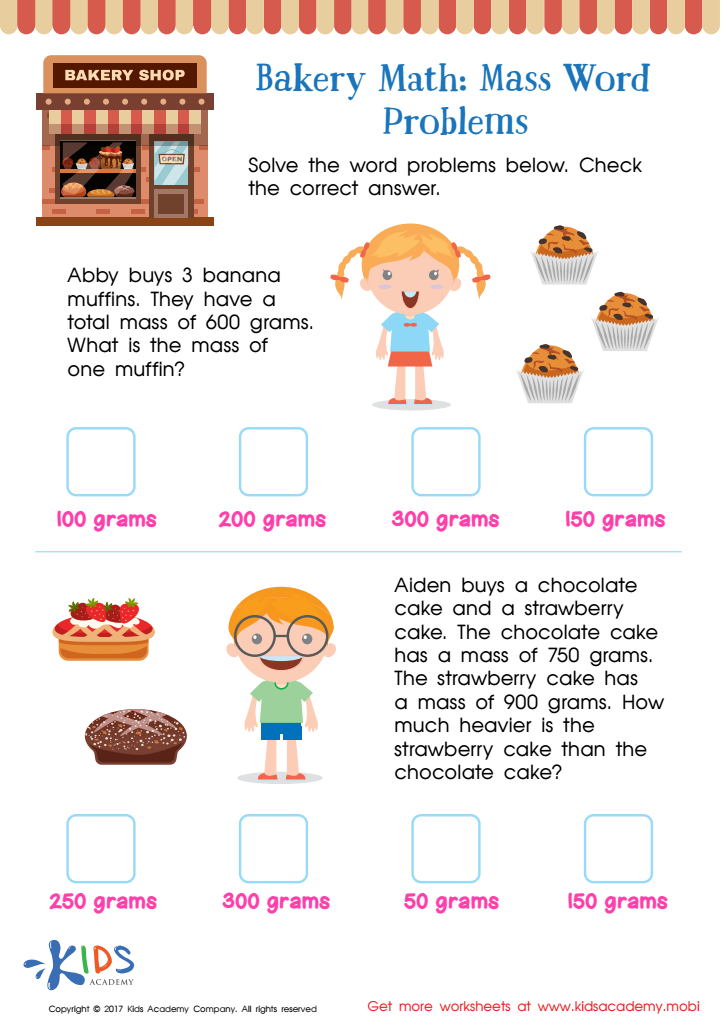
Mass Word Problems Worksheet
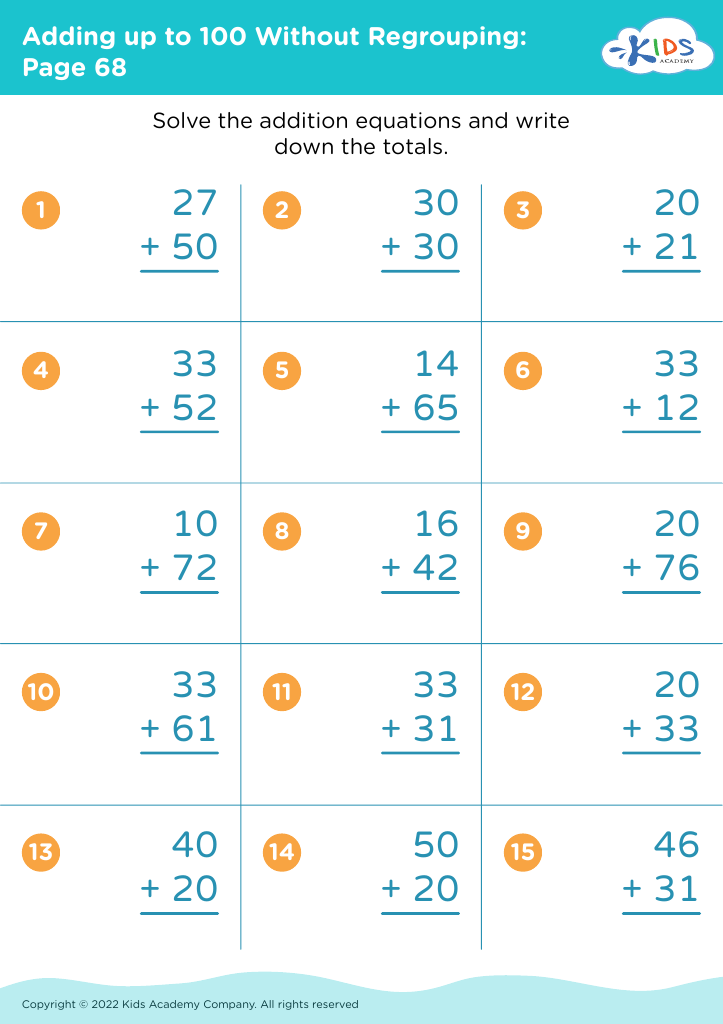
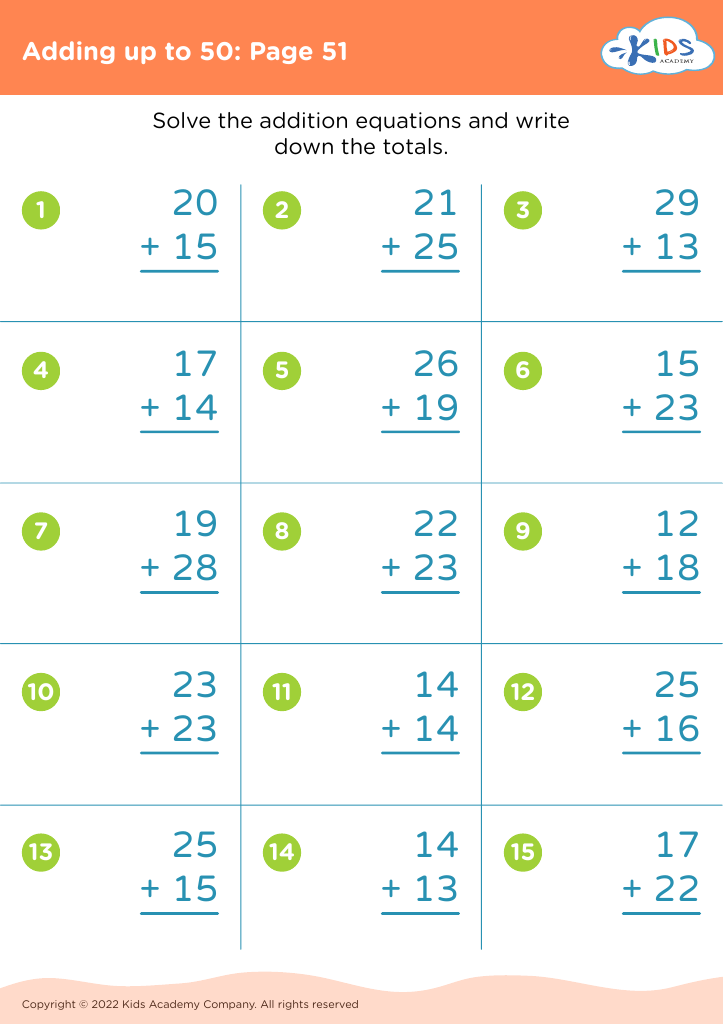
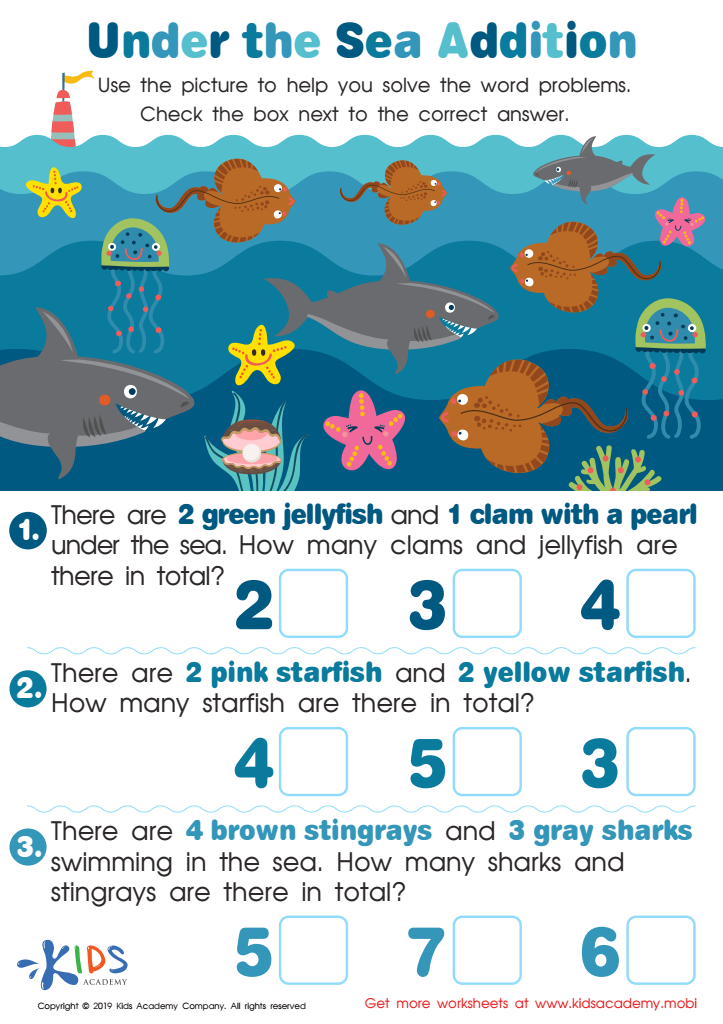
Under the Sea Addition Worksheet
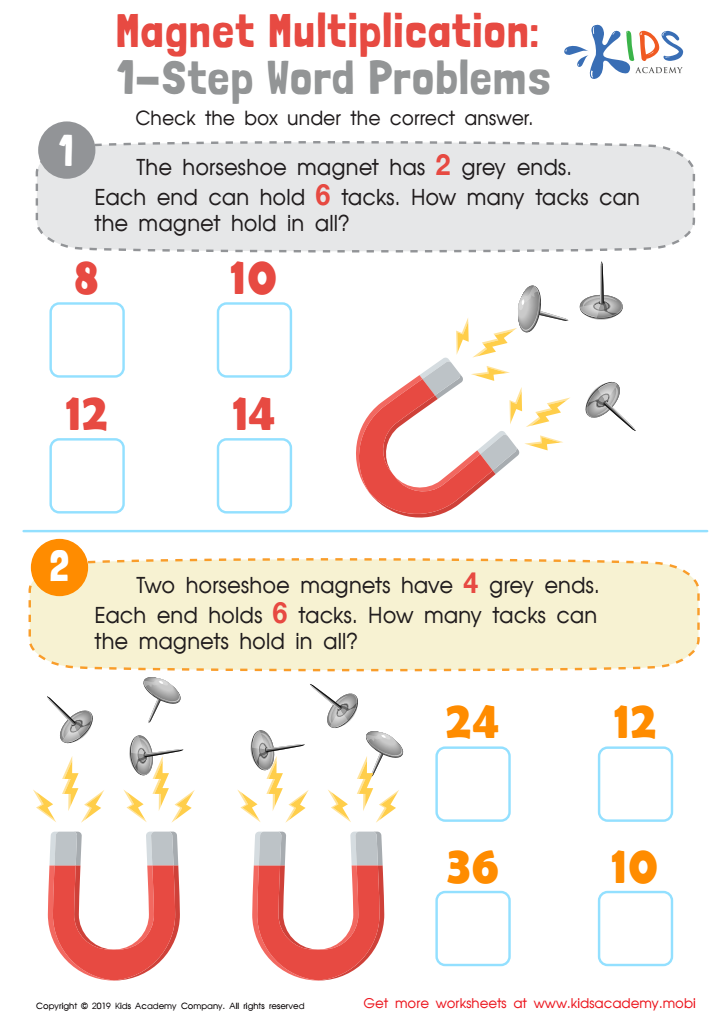
Magnet Multiplication: 1-Step Word Problems Worksheet
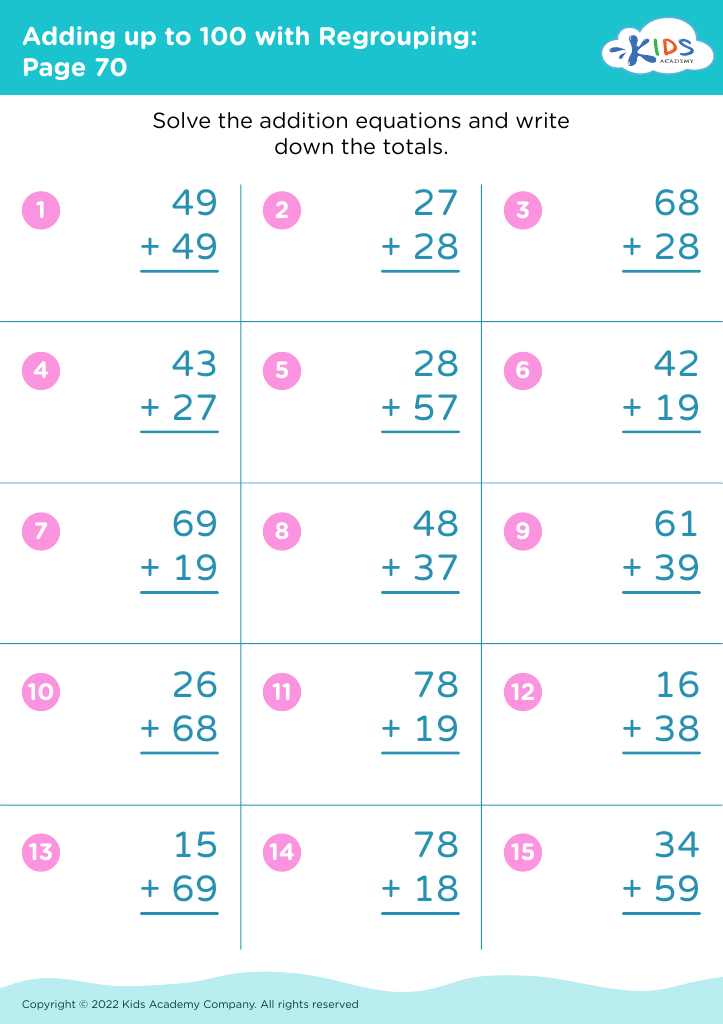
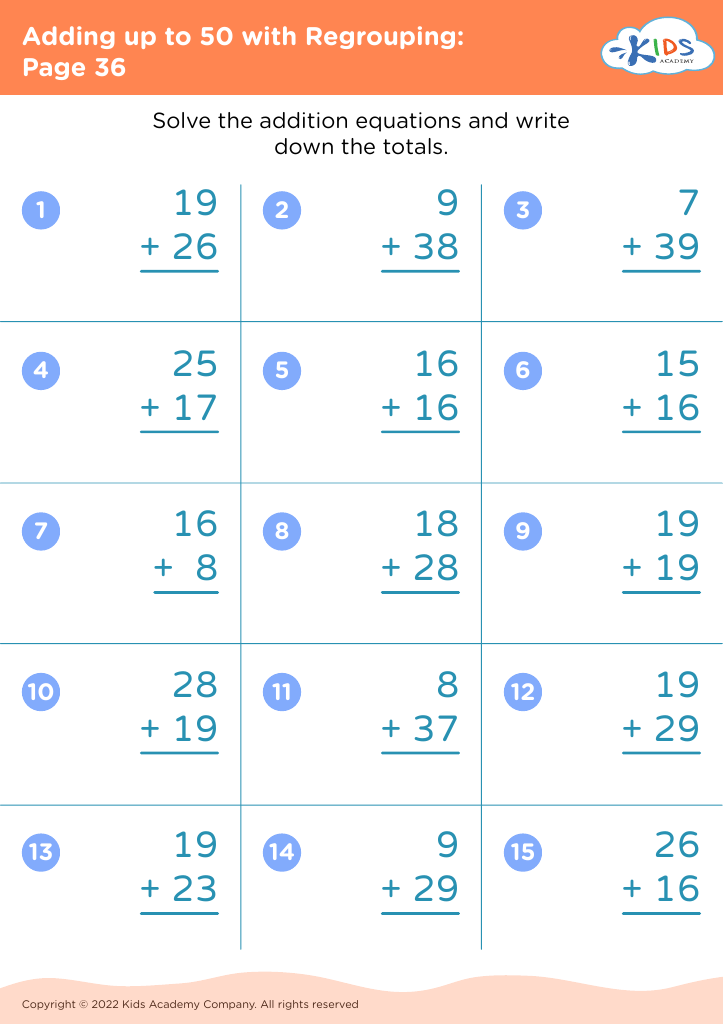
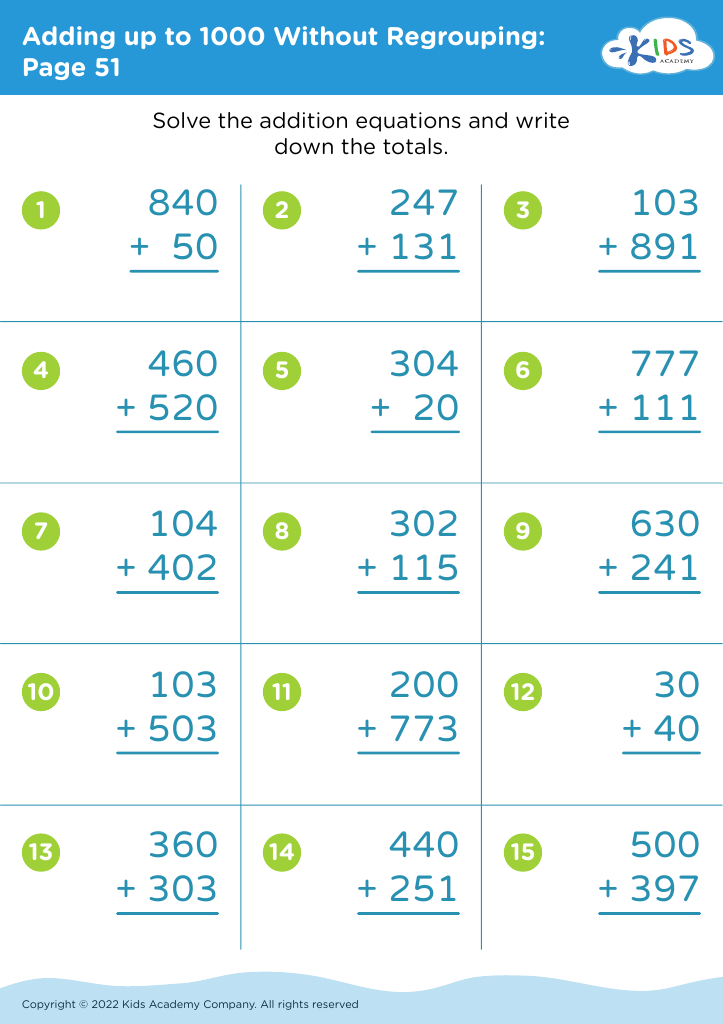








Developing problem-solving skills in math for children aged 6-9 is crucial for several reasons. At this developmental stage, children begin to grasp fundamental mathematical concepts, and fostering their ability to solve problems enhances their overall cognitive and critical thinking skills. Problem-solving in math challenges children to think creatively, reason logically, and approach challenges with a proactive mindset, laying a strong foundation for future learning in both mathematics and other disciplines.
Moreover, these skills are transferable and beneficial beyond the classroom. Life is filled with everyday problems that require analytical thinking, and equipping children with effective problem-solving strategies helps them become resilient, independent learners. As children engage with various math-related activities, they also gain confidence in their abilities, which can reflect positively on their attitudes toward learning in general.
For parents and teachers, encouraging a problem-solving mindset fosters an environment of exploration and curiosity rather than fear of failure. This not only makes math more enjoyable but also instills a lifelong love for learning. Ultimately, cultivating strong problem-solving skills in young children prepares them for future academic success and equips them with essential tools for real-world situations, shaping them into capable and thoughtful individuals.








