Fraction visualization Math Worksheets for Ages 6-9
10 filtered results
-
From - To
Introduce young learners to fractions with our engaging "Fraction Visualization Math Worksheets for Ages 6-9". Designed to make complex concepts accessible, these worksheets feature colorful diagrams and hands-on activities that help kids understand halves, thirds, and quarters. Perfect for classroom or home use, each sheet encourages interactive learning through visual aids, ensuring children grasp the basics of fractions with confidence. Our printable resources not only build essential math skills but also foster a love for learning. Explore our collection today and watch your students' math abilities grow, one fraction at a time! Learn more at Kids Academy.
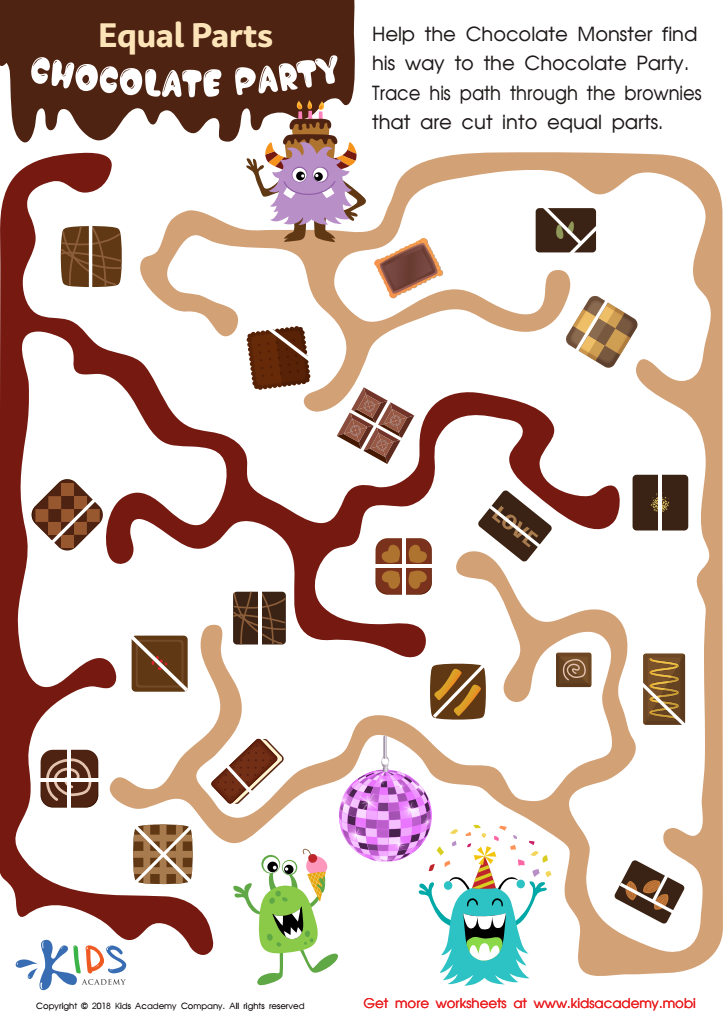
Equal Parts: Chocolate Party Worksheet
 Assign to My Students
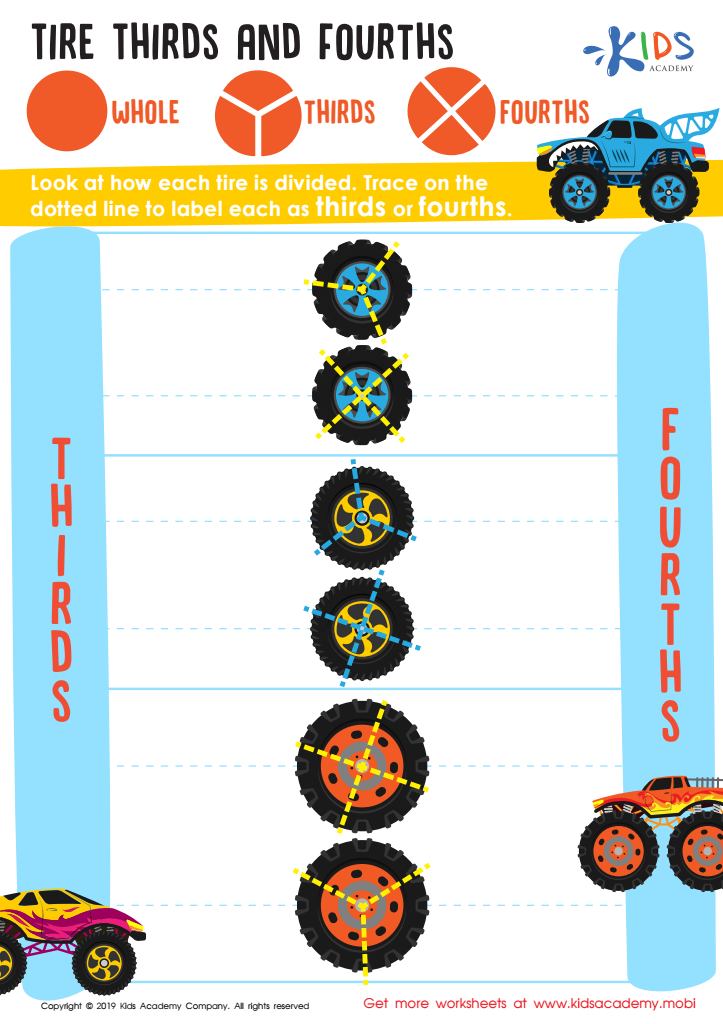
Tire Thirds and Fourths Worksheet
Bubbling Over Worksheet
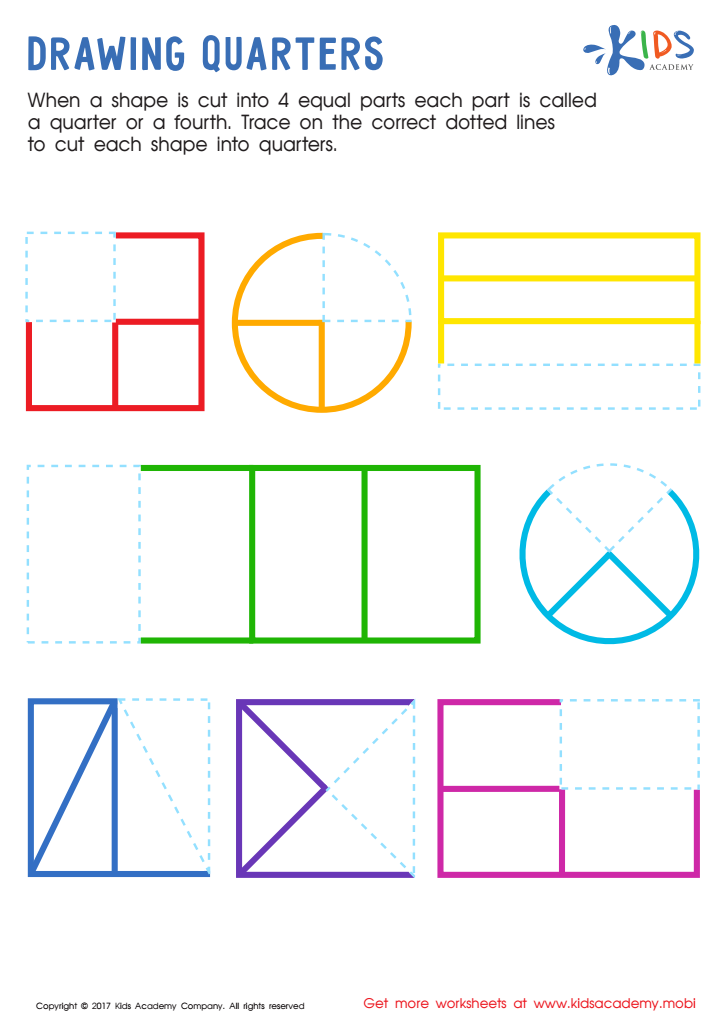
Drawing Quarters Worksheet
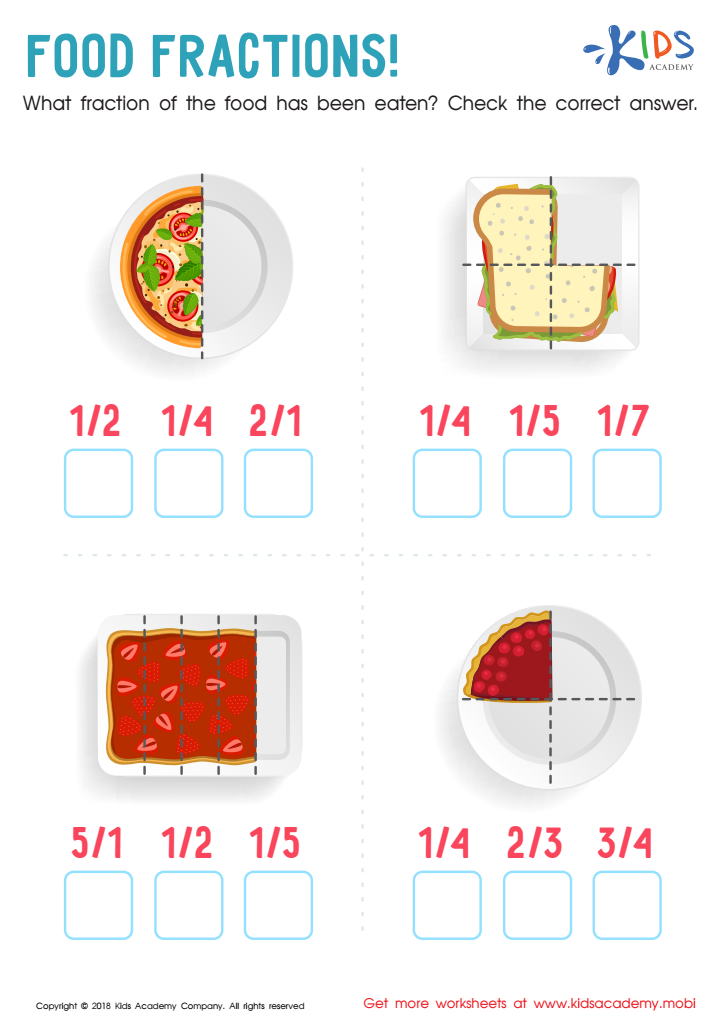
Food Fractions Worksheet
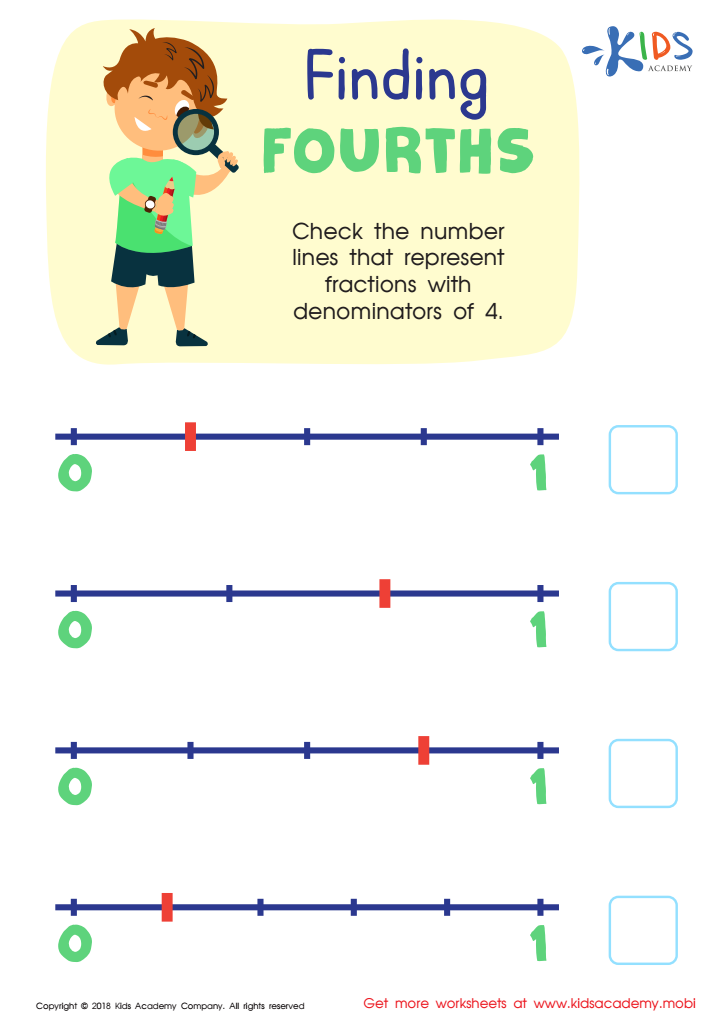
Finding Fourths Worksheet
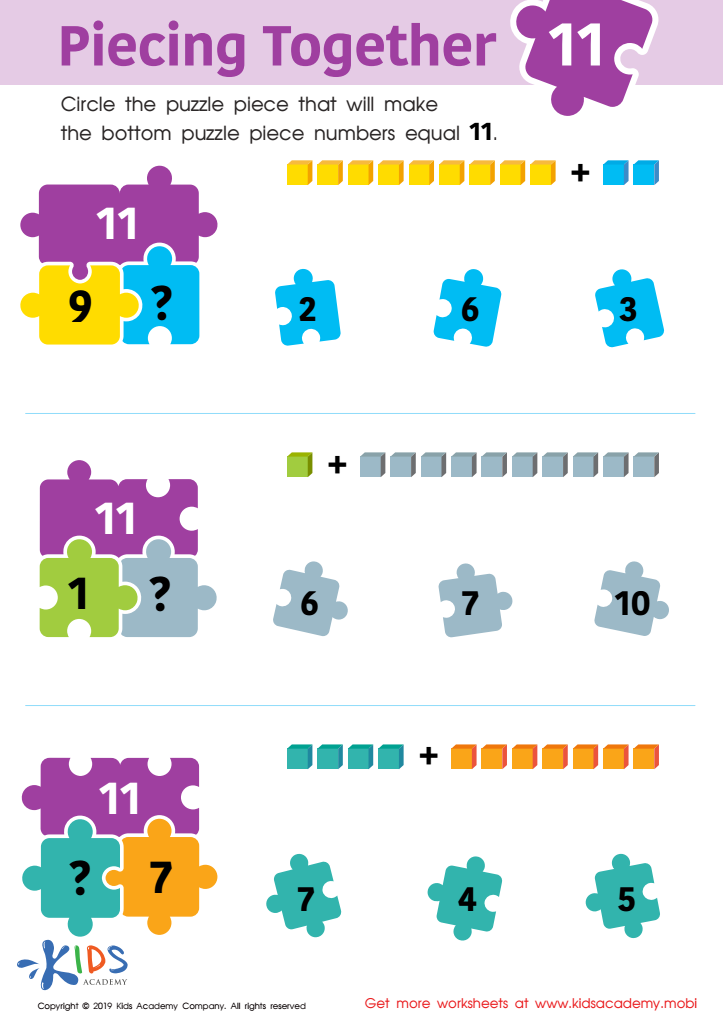
Piecing Together 11 Worksheet
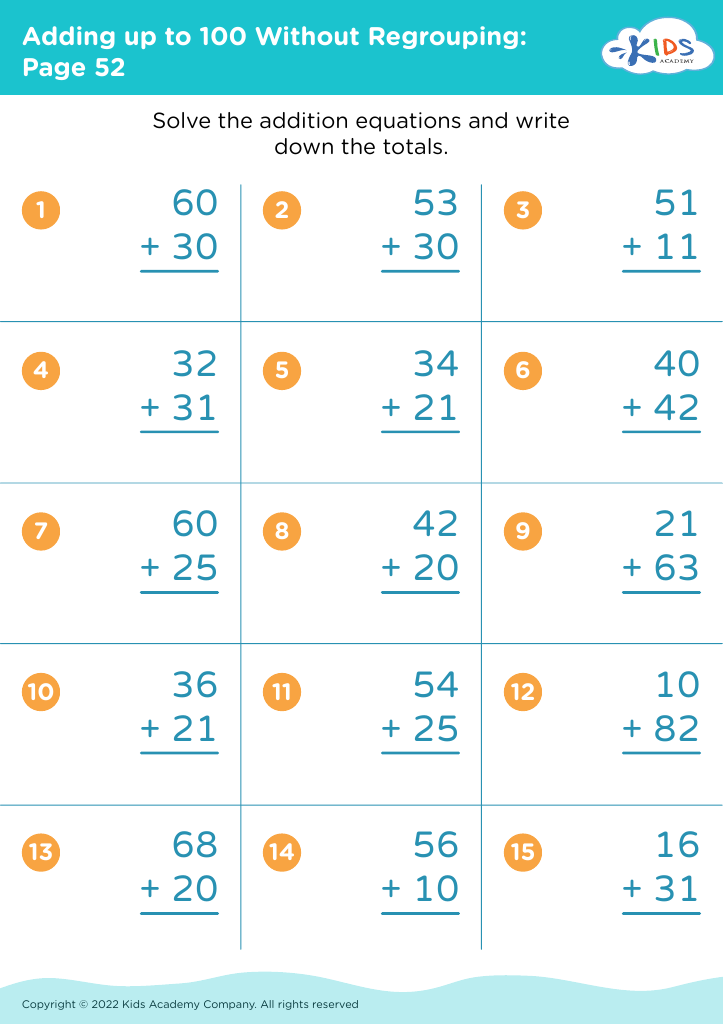
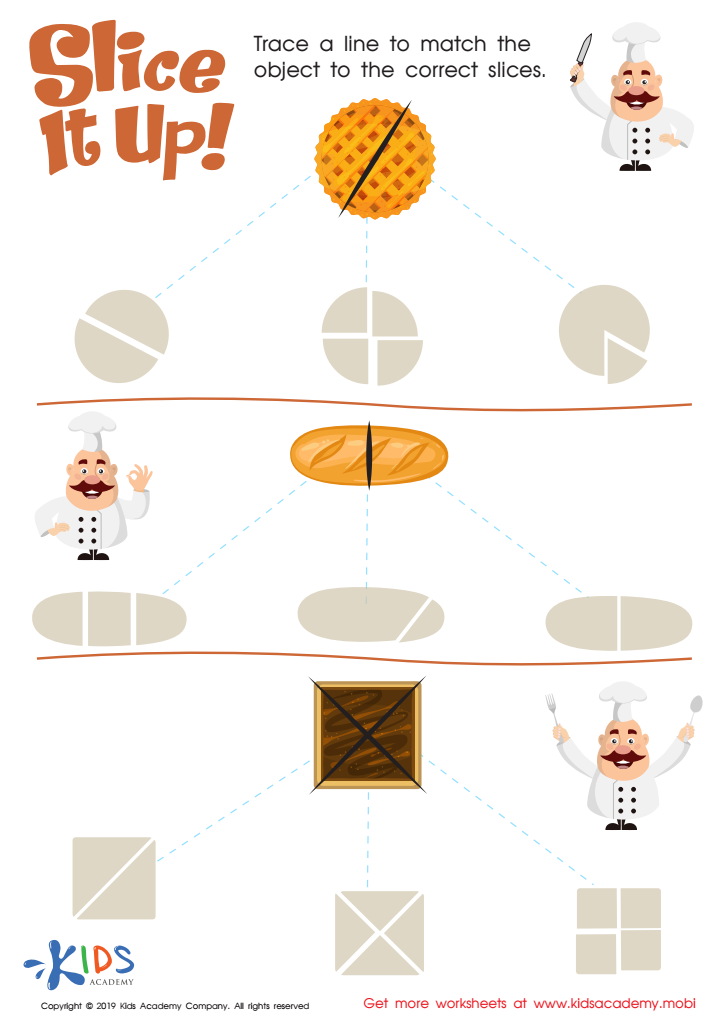
Slice It Up Worksheet
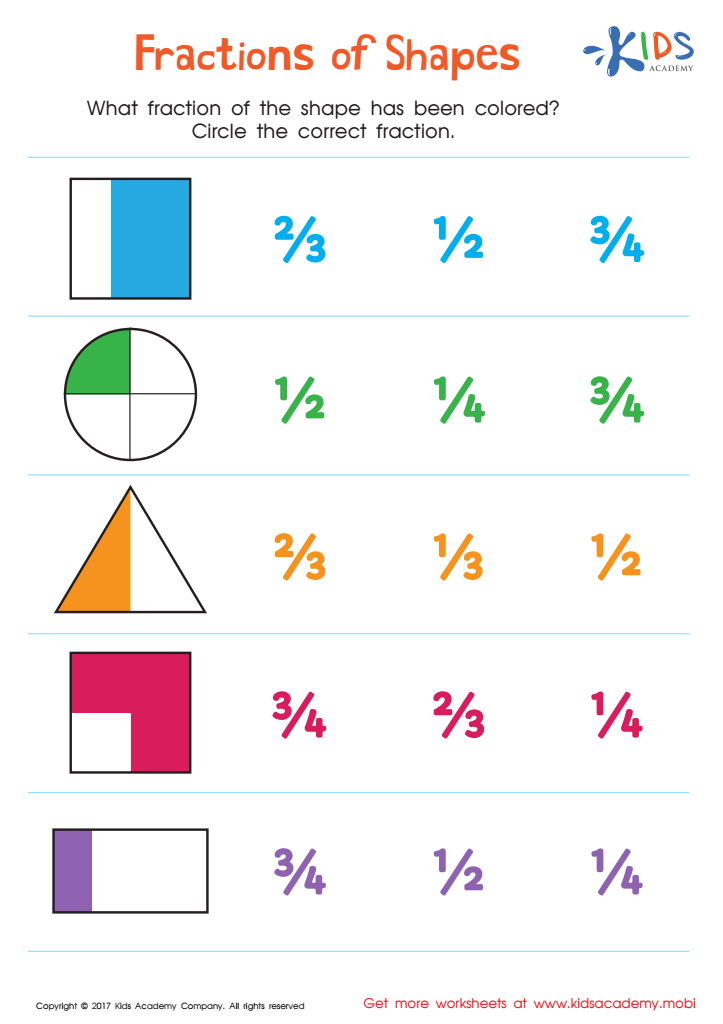
Fractions of Shapes: Math Concept Worksheet







Fraction visualization is a critical mathematical concept for young learners, especially those aged 6-9, as it forms the groundwork for more advanced math skills. Parents and teachers should deeply care about this aspect for several important reasons.
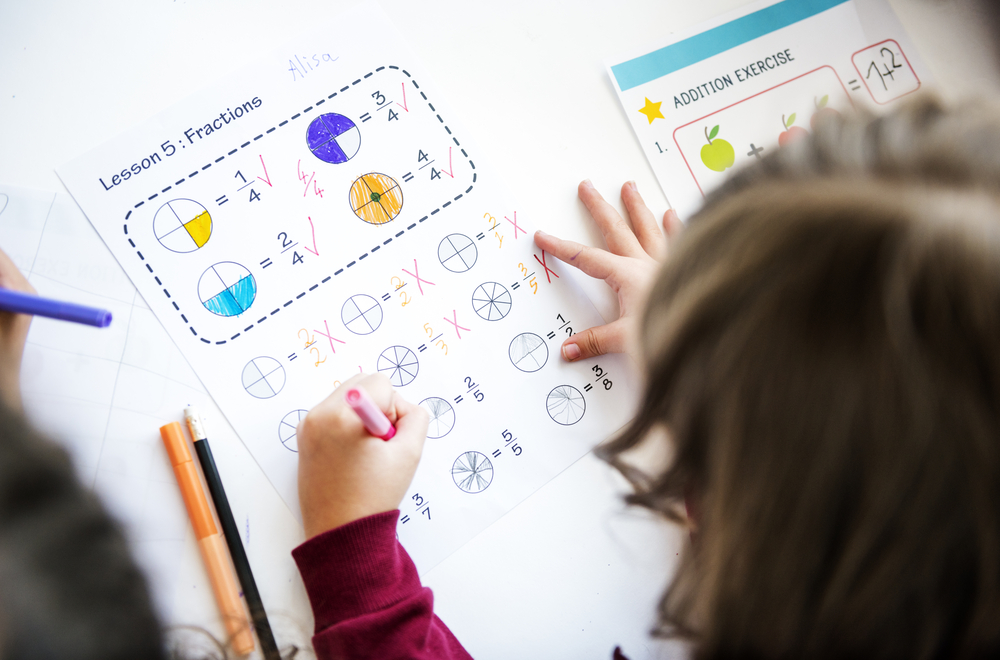
Firstly, visualizing fractions helps students grasp abstract concepts through concrete examples. Young children often learn best through visual aids and hands-on activities, such as pie charts, fraction bars, or dividing objects like fruit or paper. This tactile and visual approach makes the topic more accessible and less intimidating.
Secondly, strong fraction knowledge is essential for understanding other key areas of math, including division, ratios, percentages, and even algebra. By developing a solid foundation early, students are better prepared for more complex problems later on.
Additionally, fraction visualization enhances problem-solving and critical-thinking skills. It encourages children to see relationships between parts and wholes, improving their ability to reason systematically.
Lastly, math anxiety is a real issue that can affect students' long-term relationship with the subject. By using engaging visual methods, parents and teachers can foster a positive attitude towards math, making it a fun and rewarding experience.
In conclusion, investing time in fraction visualization at ages 6-9 sets the stage for lifelong mathematical success, making it an invaluable focus for both parents and teachers.








