Learn new vocabulary Math Worksheets for Ages 6-9
4 filtered results
-
From - To
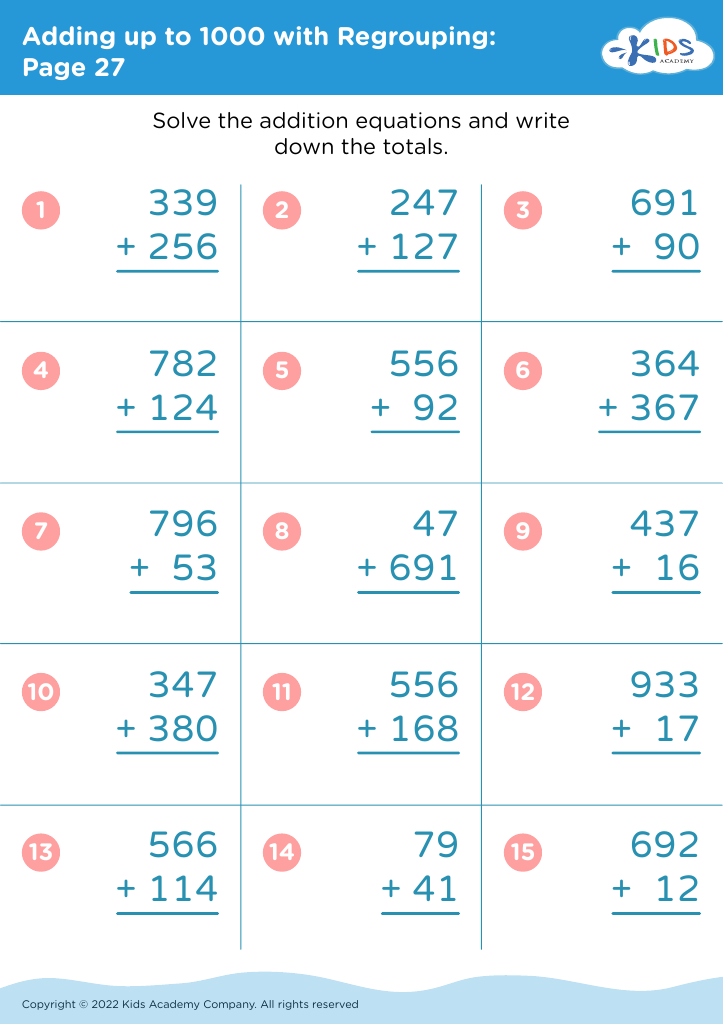
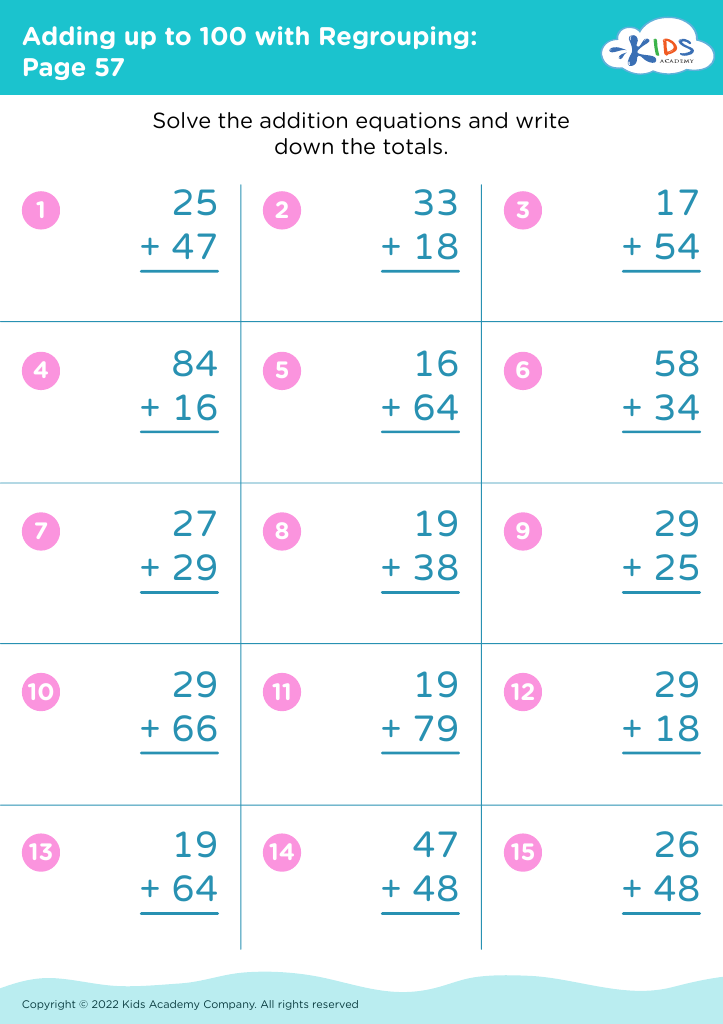
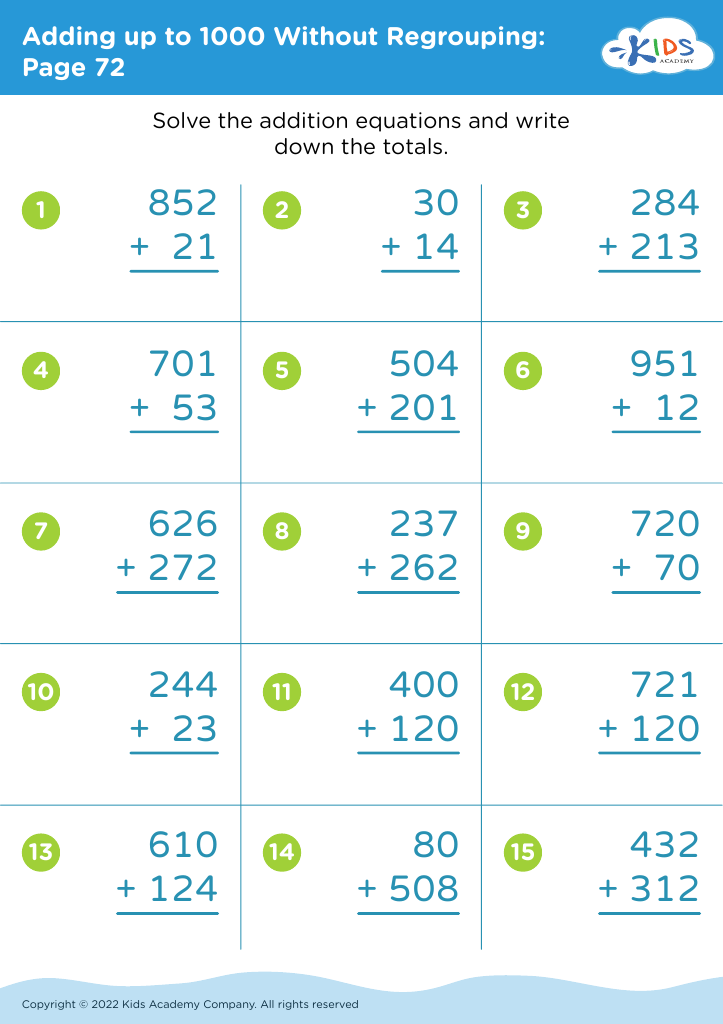
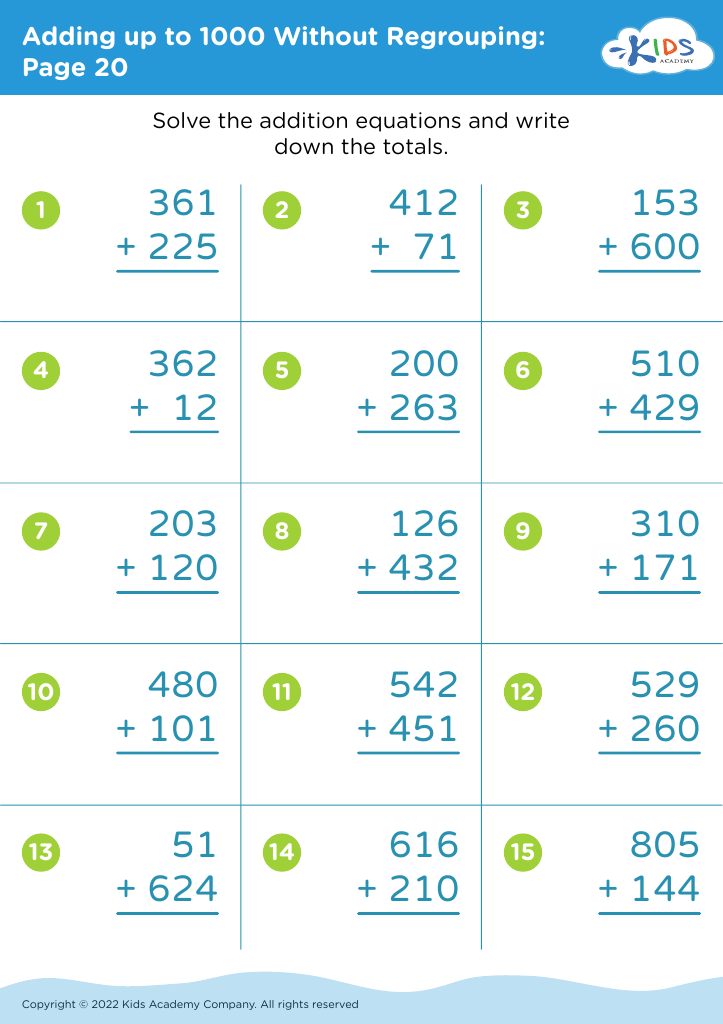
Discover a world of math vocabulary with our engaging worksheets designed specifically for children ages 6-9. Our “Learn New Vocabulary” section enhances foundational math skills while introducing essential terms in a fun and interactive way. Parents and teachers can use these printable worksheets to support classroom learning or homeschooling efforts. Each worksheet includes colorful graphics and age-appropriate activities that will captivate young learners, making complex concepts easier to understand. By mastering math vocabulary, students will gain confidence and improve their problem-solving abilities, paving the way for future success in math. Start your child’s vocabulary journey today!








Parents and teachers play a crucial role in a child’s educational development, particularly in early mathematics learning. For children aged 6-9, integrating vocabulary into math instruction is essential. Learning new vocabulary not only enhances their comprehension of mathematical concepts but also builds their confidence in expressing their understanding.
As children engage with new math vocabulary, they learn to articulate their thought processes and problem-solving methods clearly. This is a foundational skill that supports future learning in more complex topics throughout their education. Moreover, a strong vocabulary in math enables them to grasp instructions better, participate in discussions, and collaborate with peers.
By focusing on vocabulary related to math, such as "addition," "subtraction," "greater than," "less than," and "sum," children become more proficient in recognizing patterns and relationships, which are critical to mathematical reasoning. Additionally, a meaningful connection between language and numbers can reinforce a child's overall literacy development.
Ultimately, when parents and teachers prioritize math vocabulary, they pave the way for a more intuitive grasp of mathematics, ensuring children develop a strong foundation that will benefit them throughout their academic journey and in everyday problem-solving scenarios.








