Logical Reasoning Math Worksheets for Ages 6-9 - Page 2
27 filtered results
-
From - To
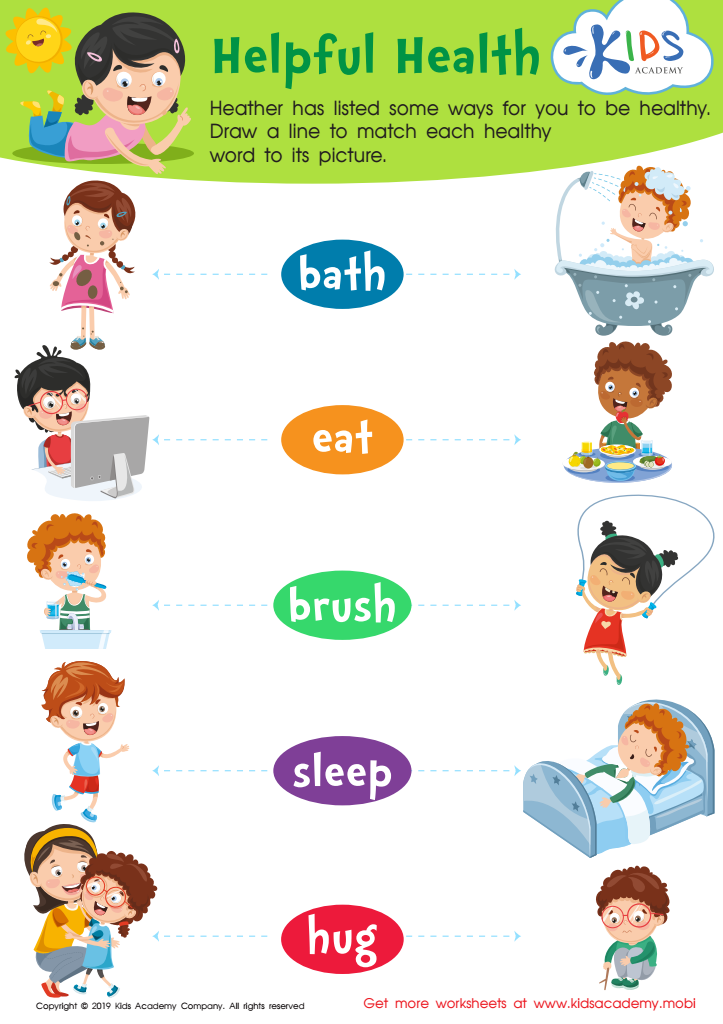
Helpful Health Worksheet
 Assign to My Students
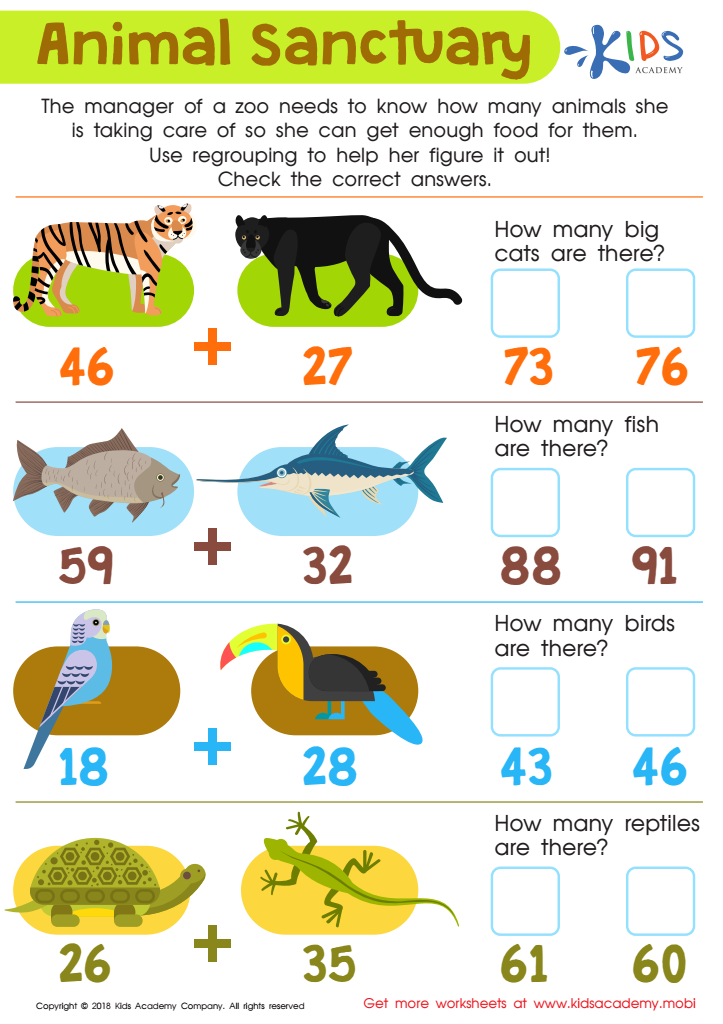
Animal Sanctuary Worksheet








Logical reasoning math is an essential component of early education, particularly for children aged 6 to 9. This stage of development is crucial as children begin to form their understanding of mathematical concepts and problem-solving strategies. Parents and teachers should prioritize logical reasoning math for several reasons.
Firstly, it fosters critical thinking skills. Engaging in logical reasoning challenges children to analyze problems, identify patterns, and develop strategies to find solutions. This cognitive development extends beyond mathematics, enhancing their overall academic performance.
Secondly, logical reasoning math helps build a strong foundation for future mathematical learning. Children who develop these skills early are more likely to grasp advanced concepts later, such as algebra and geometry. Moreover, these skills are essential for everyday life, enabling children to approach real-life situations with confidence and analytical skills.
Finally, logical reasoning activities can be fun and engaging, often resembling puzzles or games. This aspect can motivate children to enjoy learning and foster a positive attitude towards math.
Overall, promoting logical reasoning math in young learners not only prepares them for academic success but also equips them with essential life skills. Parents and teachers play a vital role in nurturing these abilities during this formative period.








