Numeracy skills Math Worksheets for Ages 6-9
11 filtered results
-
From - To
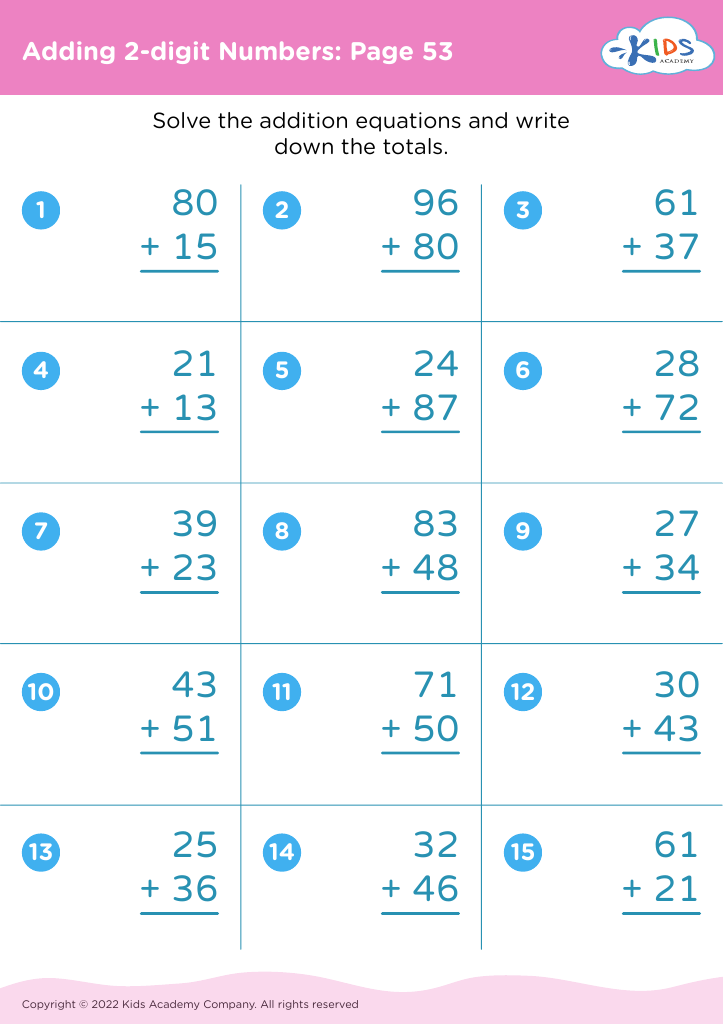
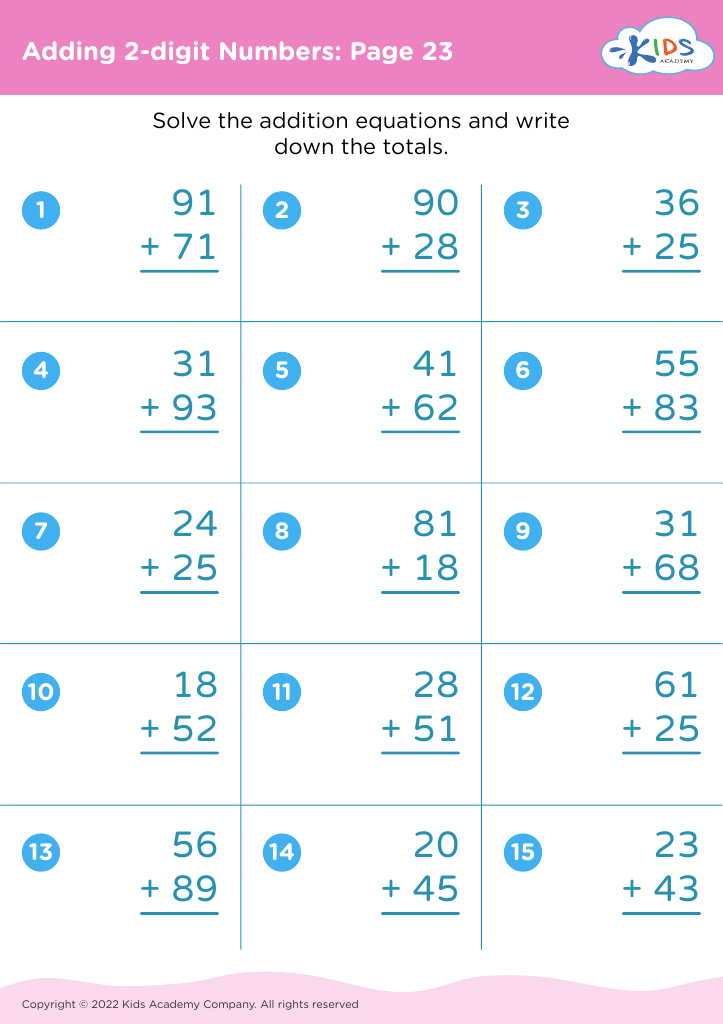
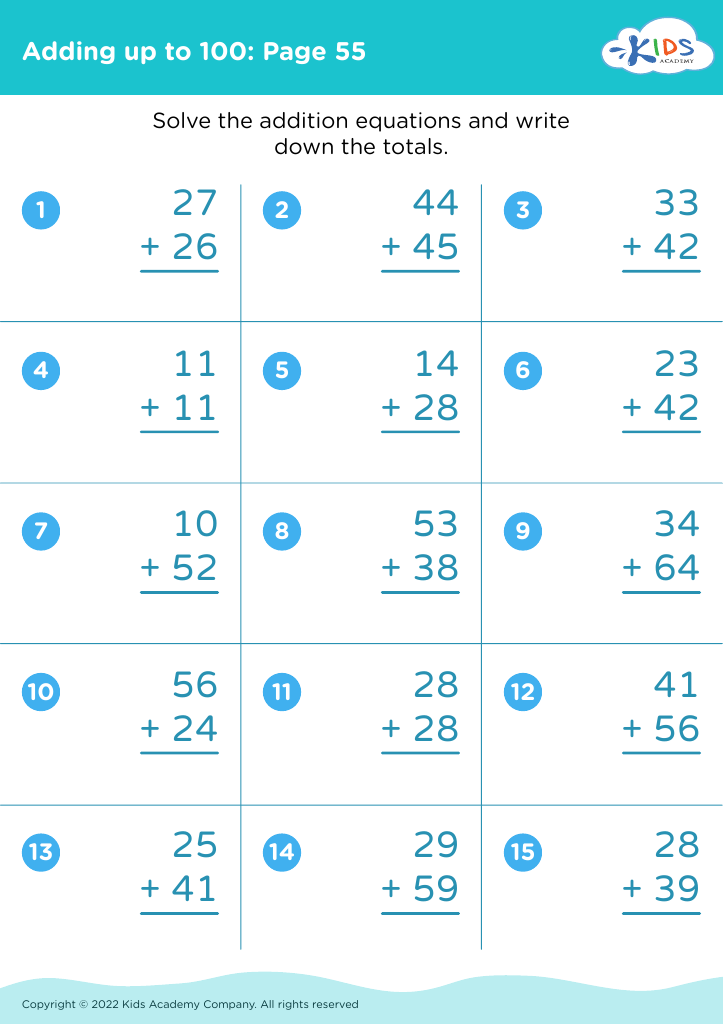
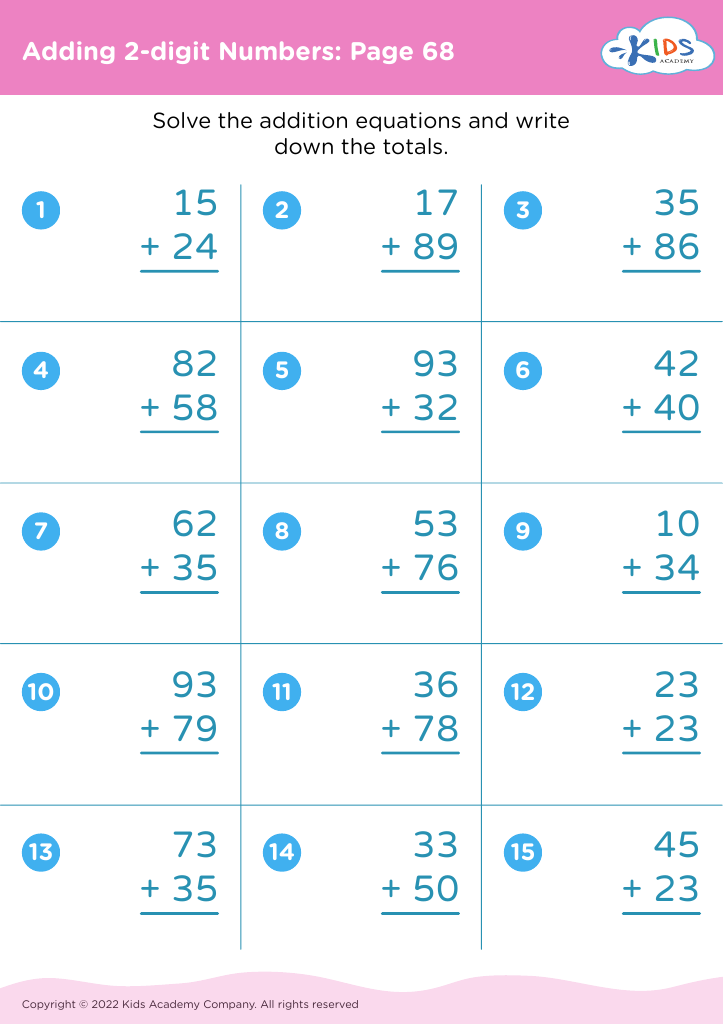
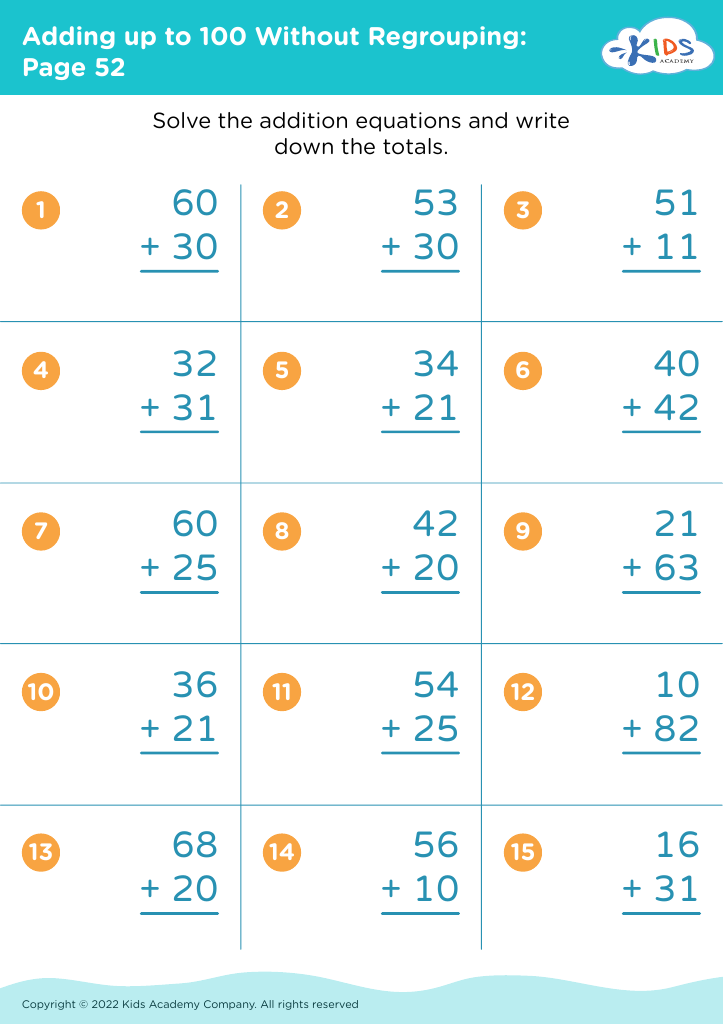
Enhance your child's numeracy skills with our engaging Math Worksheets designed for ages 6-9! These worksheets are crafted to develop essential math concepts, including addition, subtraction, number sense, and more. With vibrant visuals and fun activities, children will enjoy practicing their math skills while boosting confidence and proficiency. Each worksheet aligns with educational standards, ensuring they provide meaningful learning experiences. Ideal for both classroom and home settings, our resources support young learners in mastering fundamental mathematics in a playful way. Explore our collection today and empower your child’s learning journey in numeracy with ease and excitement!
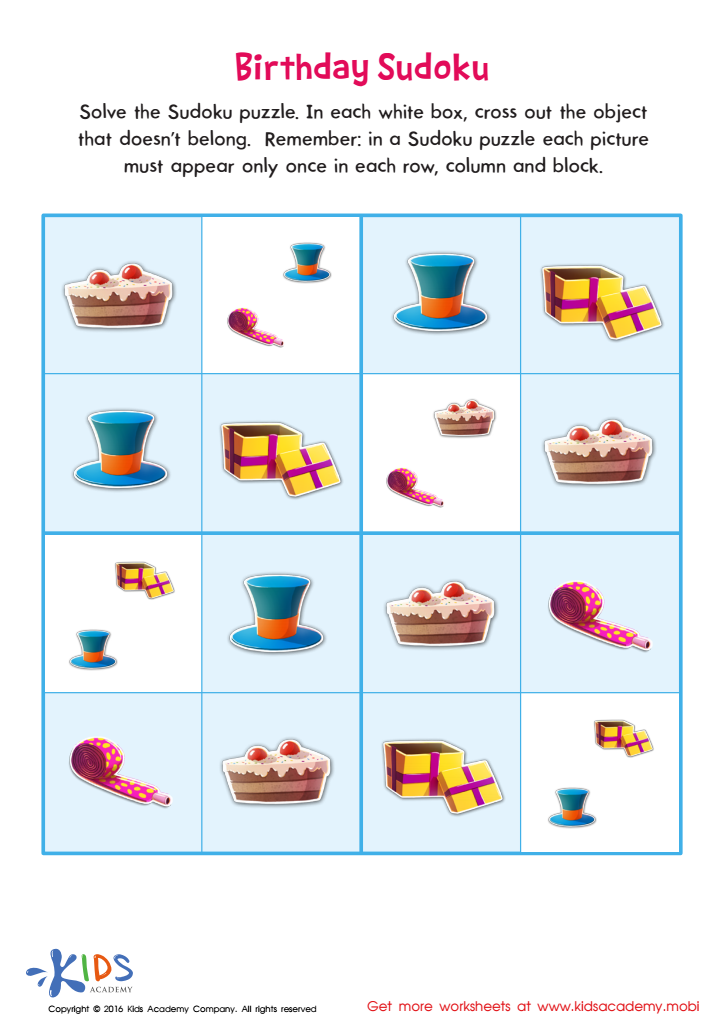
Birthday Sudoku Sorting Worksheet
 Assign to My Students
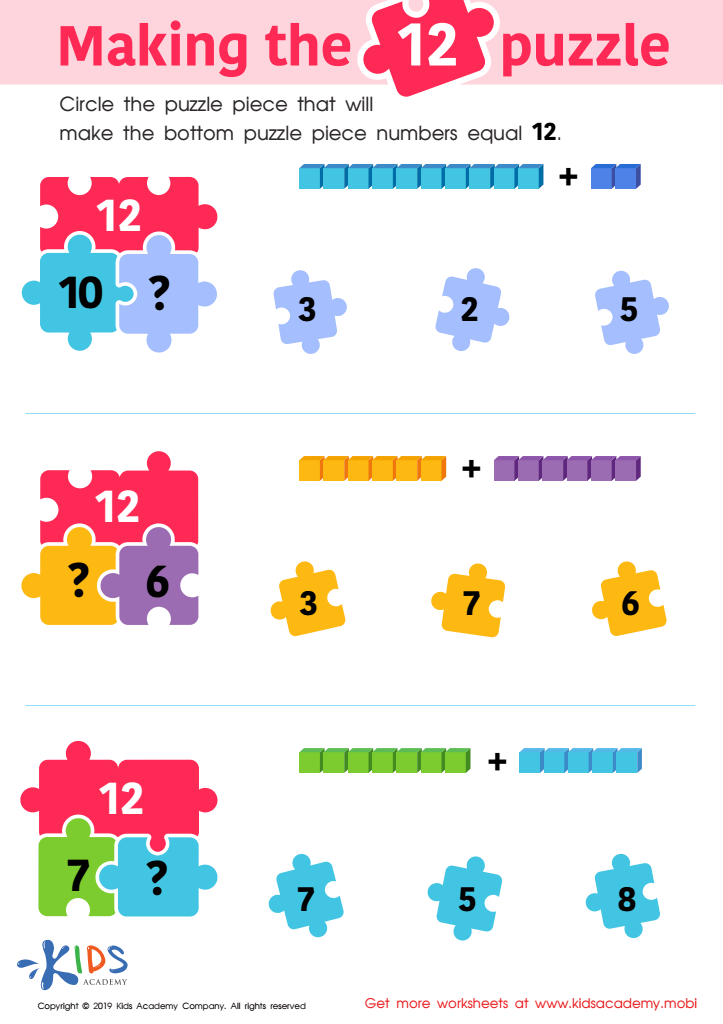
Making the 12 Puzzle Worksheet
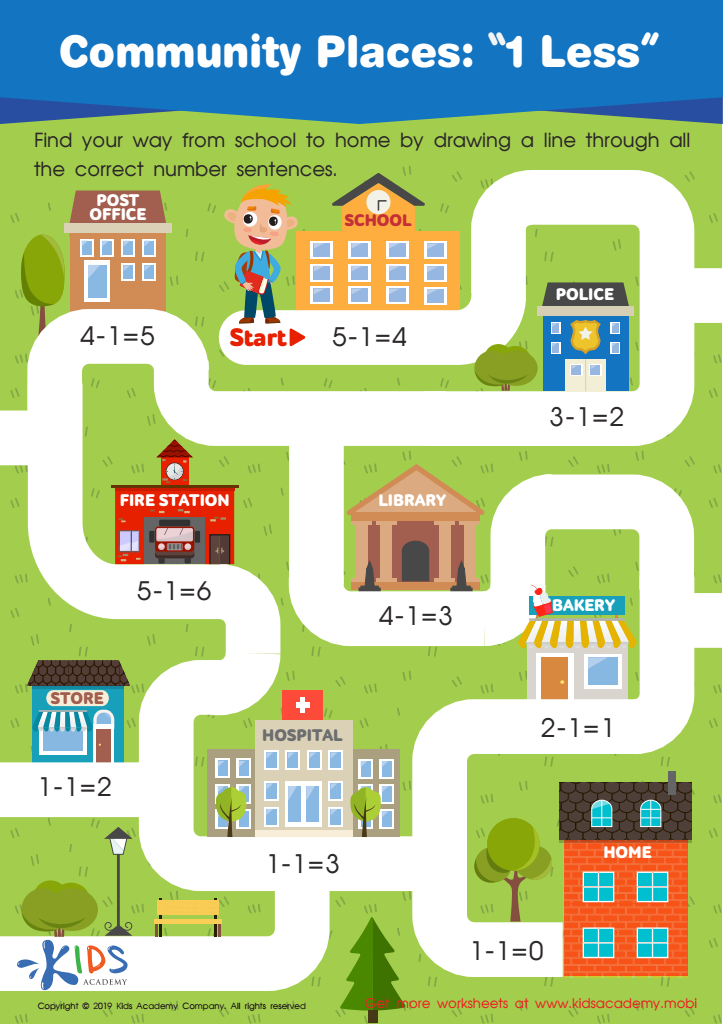
Community Places: 1 Less Worksheet








Numeracy skills are foundational for children's overall development and critical for their future academic success and daily life. For children aged 6-9, this is crucial as it lays the groundwork for more complex mathematics concepts they will encounter later on. Understanding numeracy equips children with the ability to make sense of the world around them, fostering problem-solving skills and logical reasoning.
Moreover, numeracy skills help children gain confidence in their abilities, which can impact their motivation and self-esteem. When parents and teachers prioritize numeracy, they promote an engaging learning environment that encourages curiosity and exploration. Fun activities involving numbers can enhance learning experiences, making students more invested in their studies.
Additionally, strong numeracy skills correlate with better performance in other subjects, as mathematics is pervasive in science, economics, and even artistic fields. Early mastery of numeracy helps reduce future learning challenges, ensuring that children remain on track with their peers. Advocating for engaging numeracy skill development not only helps children achieve academic success but also prepares them for everyday activities, such as budgeting or cooking, which are essential life skills. In this way, supporting children's numeracy development is an investment in their holistic growth.








