Observational skills Math Worksheets for Ages 6-9
8 filtered results
-
From - To
Enhance your child's observational skills with our engaging math worksheets designed specifically for ages 6-9! These worksheets encourage children to think critically and observe details, fostering a strong foundational understanding of mathematics. By identifying patterns, recognizing shapes, and solving problems through observation, kids will develop essential cognitive skills while having fun. Perfect for at-home learning or classroom activities, our worksheets align with educational standards to ensure your child is on track with their learning progress. Explore diverse activities that make mastering math concepts an enjoyable journey. Discover the joy of learning through observation today!
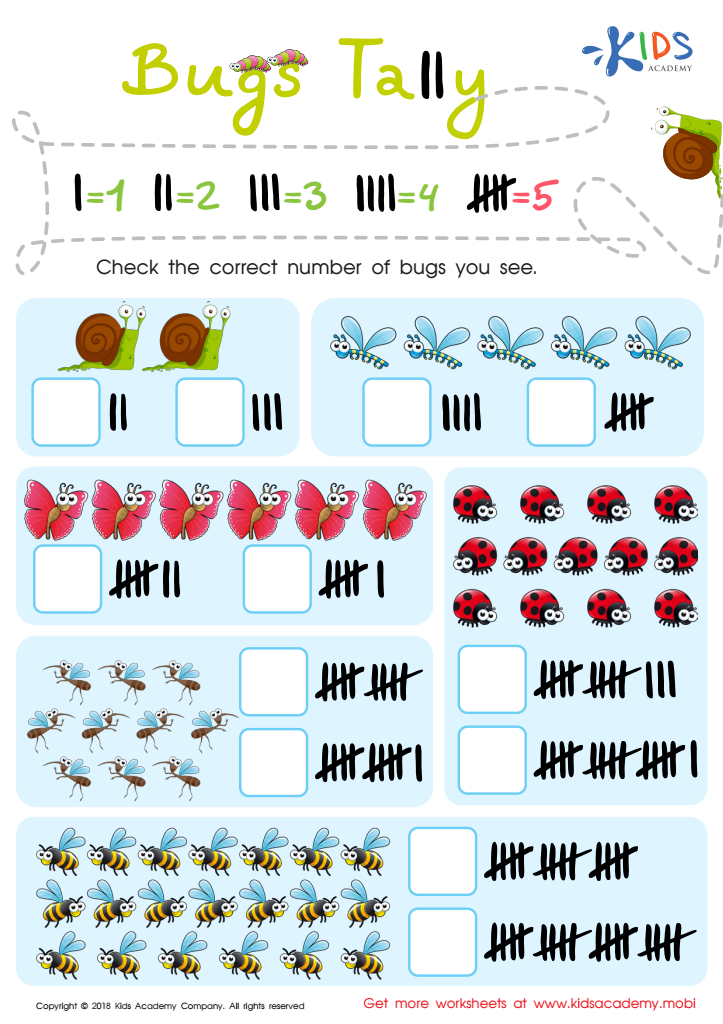
Bugs Tally Worksheet
 Assign to My Students
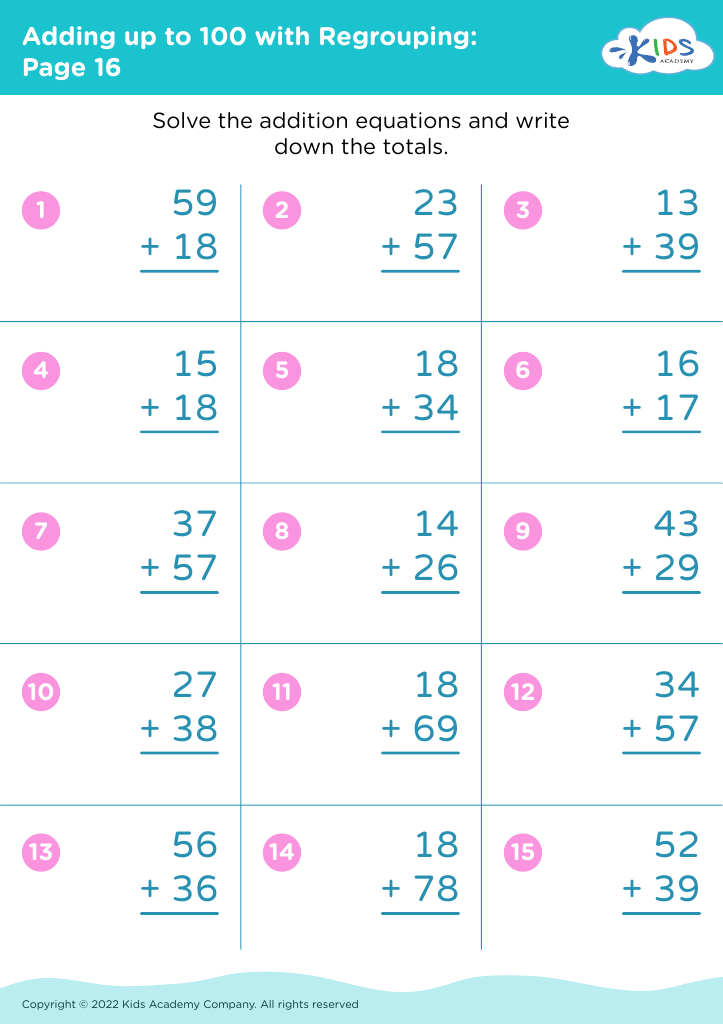
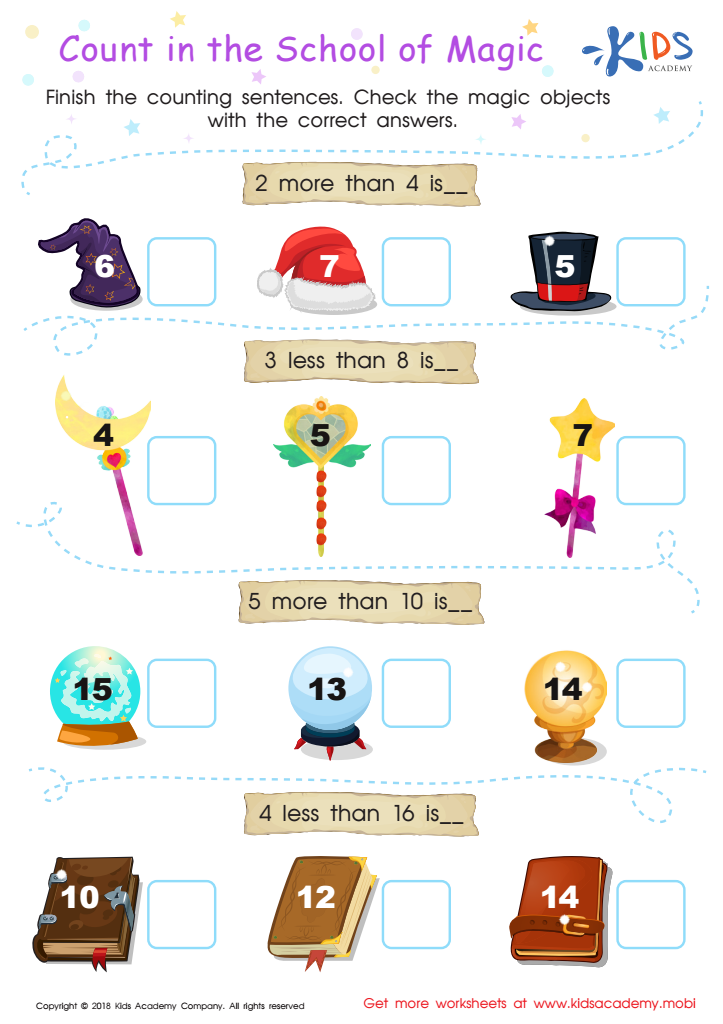
Count in the School of Magic Worksheet
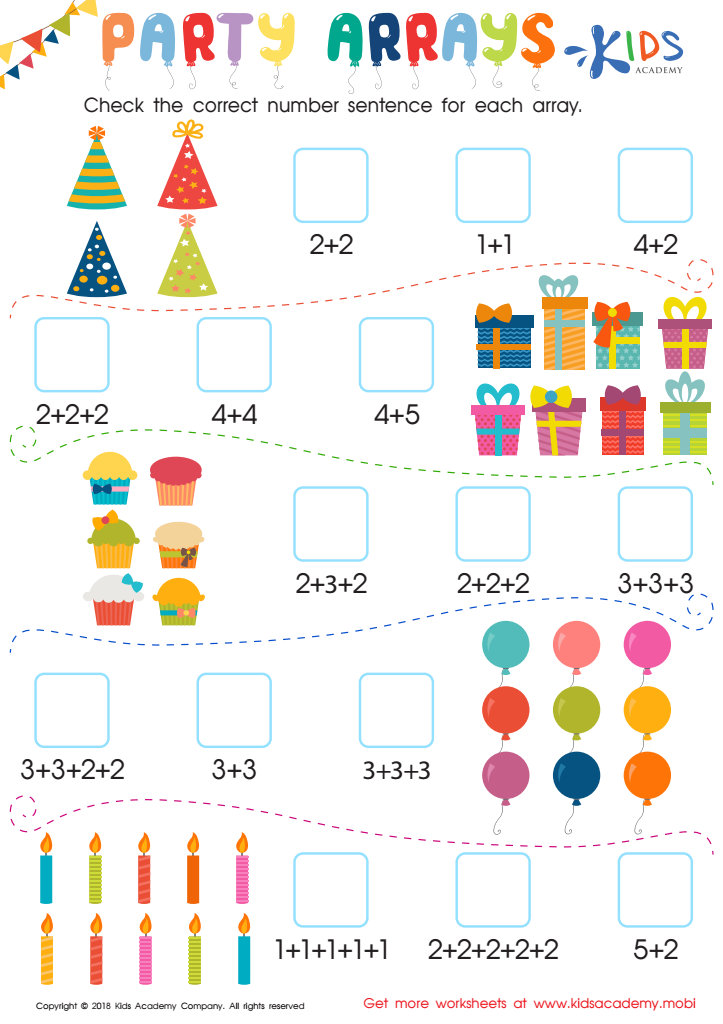
Party Arrays Worksheet
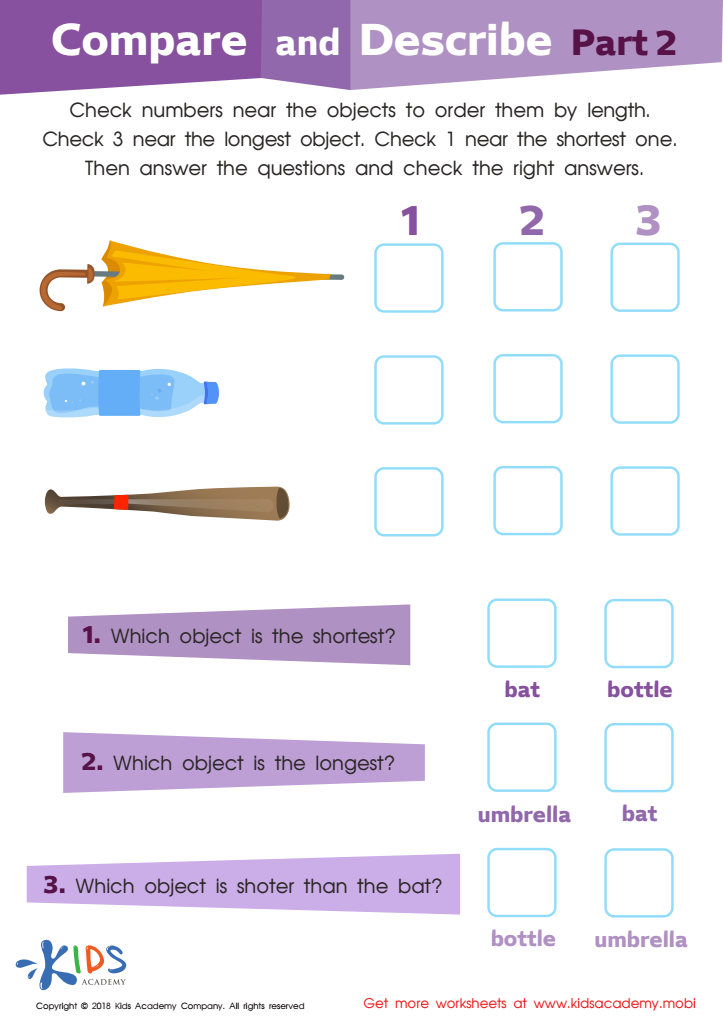
Compare and Describe: Part 2 Worksheet
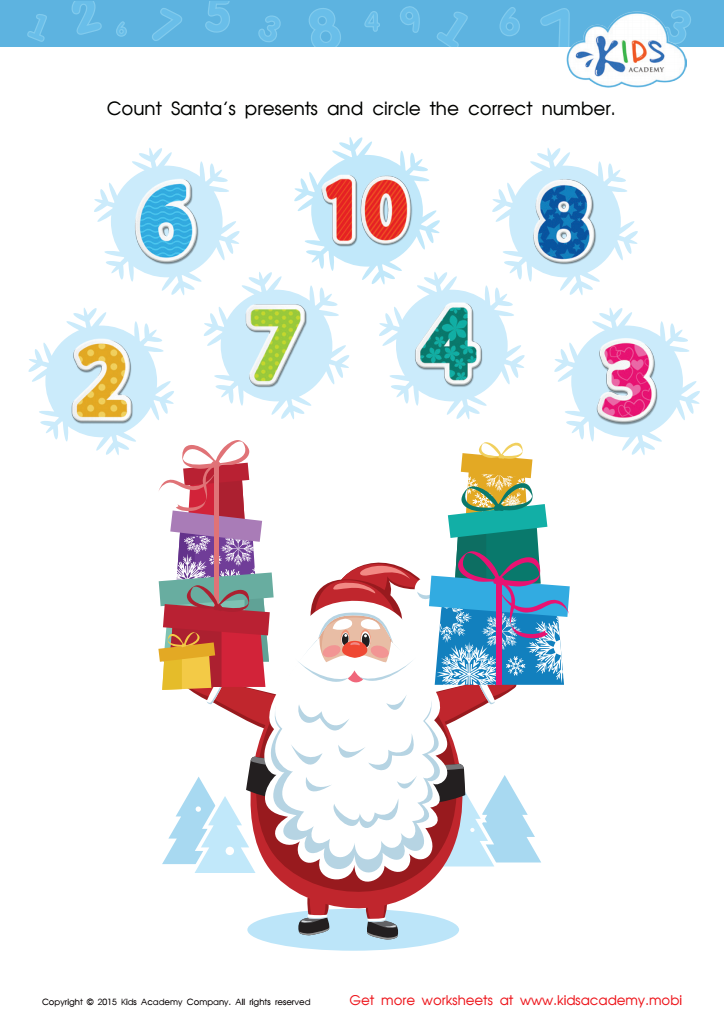
Count Santa's Presents Worksheet
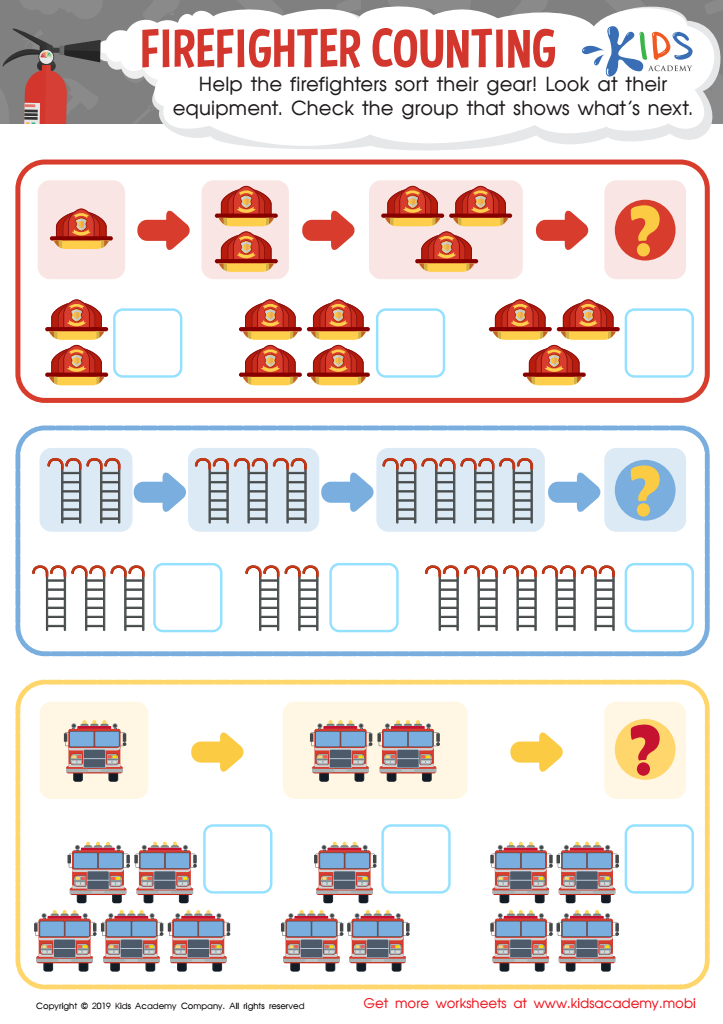
Firefighter Counting Worksheet








Observational skills in math for children aged 6-9 are crucial for several reasons. First, this developmental stage is foundational for building mathematical concepts, and strong observational skills enhance children’s ability to notice patterns, shapes, and relationships in numbers. When children learn to observe with intent, they become adept at recognizing patterns in arithmetic operations, helping them grasp addition and subtraction more easily.
Moreover, observational skills promote critical thinking and problem-solving abilities. Children who can observe and analyze information develop strategies to tackle math problems, rather than relying solely on memorization. This deeper understanding leads to improved confidence in their math abilities.
Additionally, observational skills foster engagement and curiosity. When children learn to observe the world around them, they connect real-life experiences to math, making the subject more relevant and enjoyable. This engagement helps form positive attitudes toward math early on, which can lead to lifelong interest.
Finally, educators and parents play a pivotal role in cultivating these skills. By creating opportunities for observation through hands-on activities, games, and discussions, they can encourage children to explore mathematics actively, leading to better learning outcomes. Investing time in developing these skills can ultimately support children's overall academic success.








