Practice writing numbers Math Worksheets for Ages 6-9
6 filtered results
-
From - To
Enhance your child's numerical skills with our engaging "Practice Writing Numbers Math Worksheets for Ages 6-9." Designed specifically for young learners, these worksheets focus on improving number recognition and writing proficiency through fun and interactive exercises. Each activity is tailored to reinforce basic math concepts and boost confidence in number sequences, offering a strong educational foundation. Perfect for classroom use or at-home practice, our worksheets provide ample writing practice to ensure mastery of numbers from 0 to beyond. Help your child excel in math by making learning numbers an enjoyable and productive experience. Download now for free!
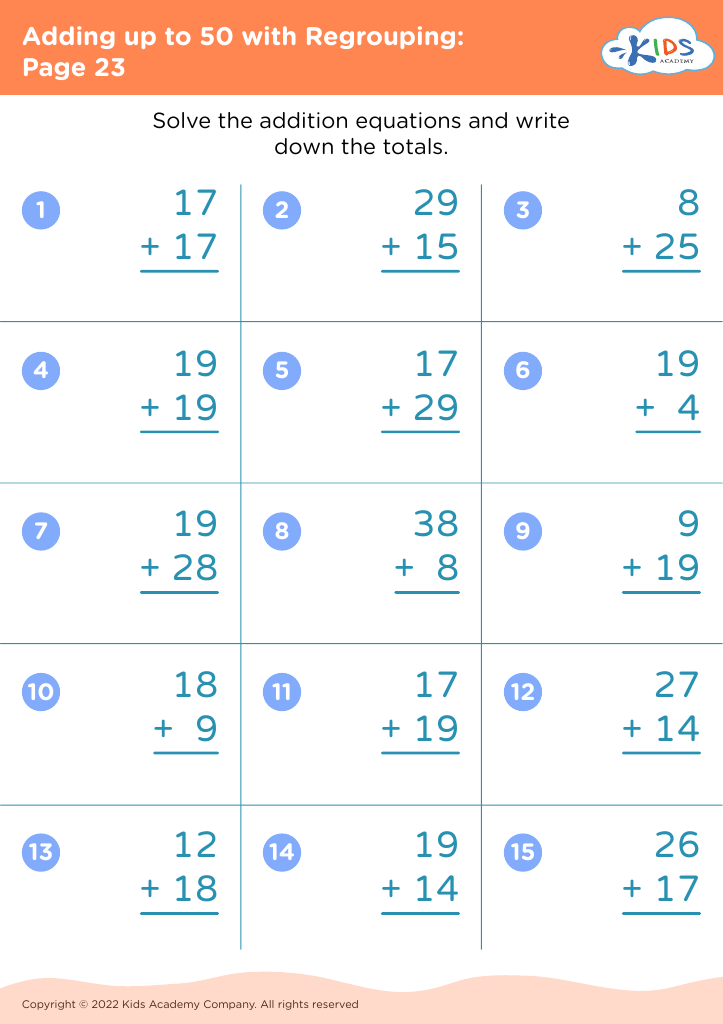
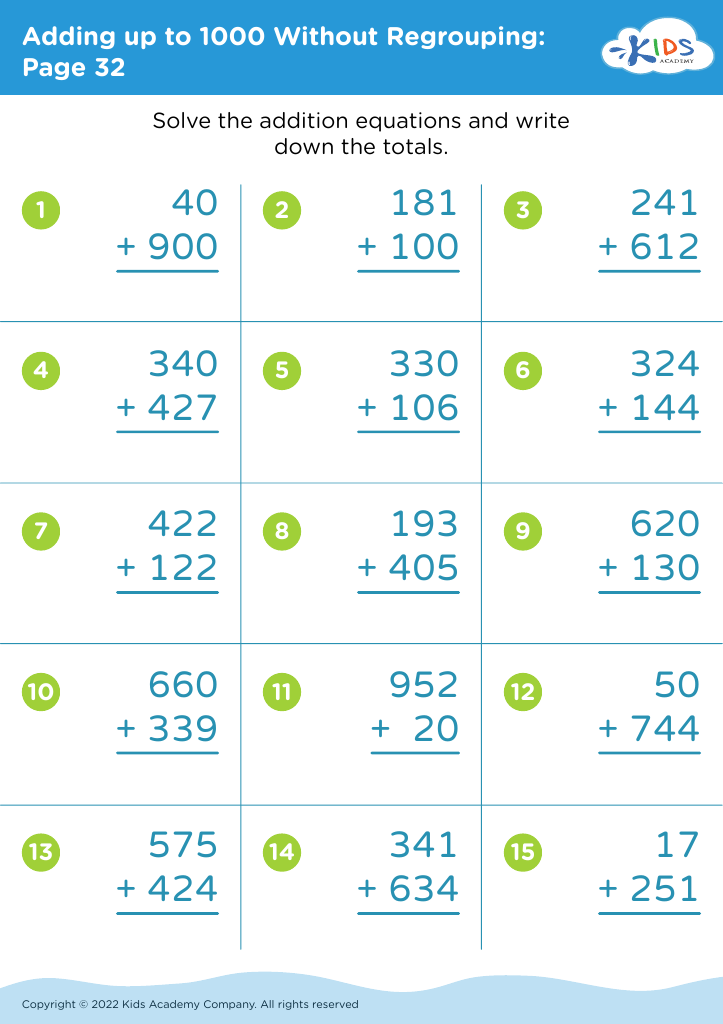
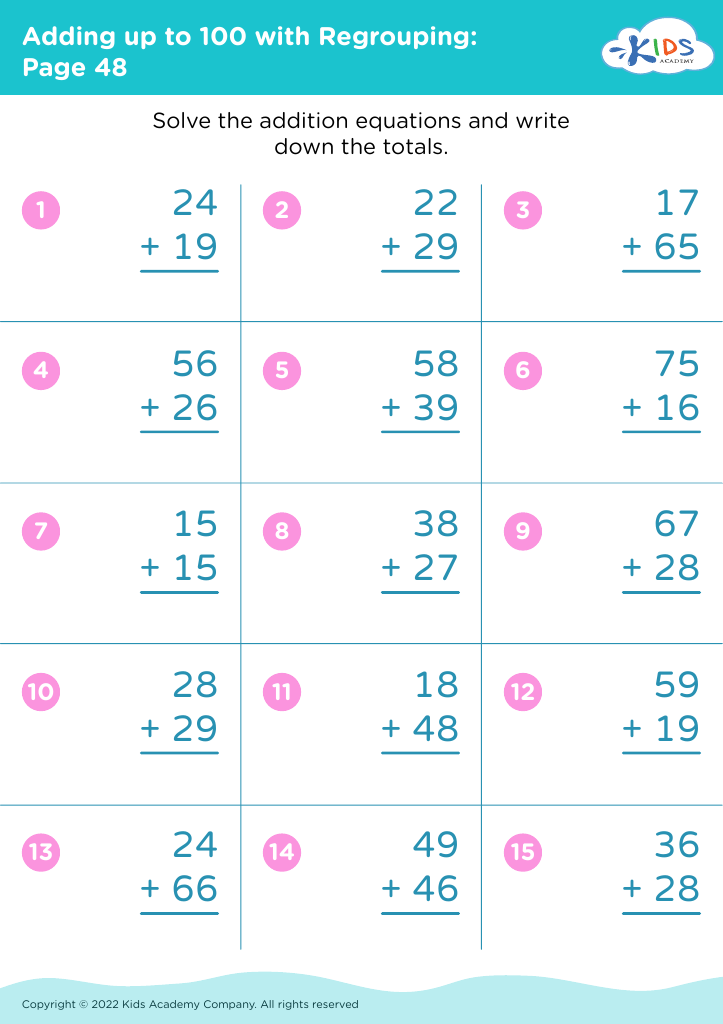
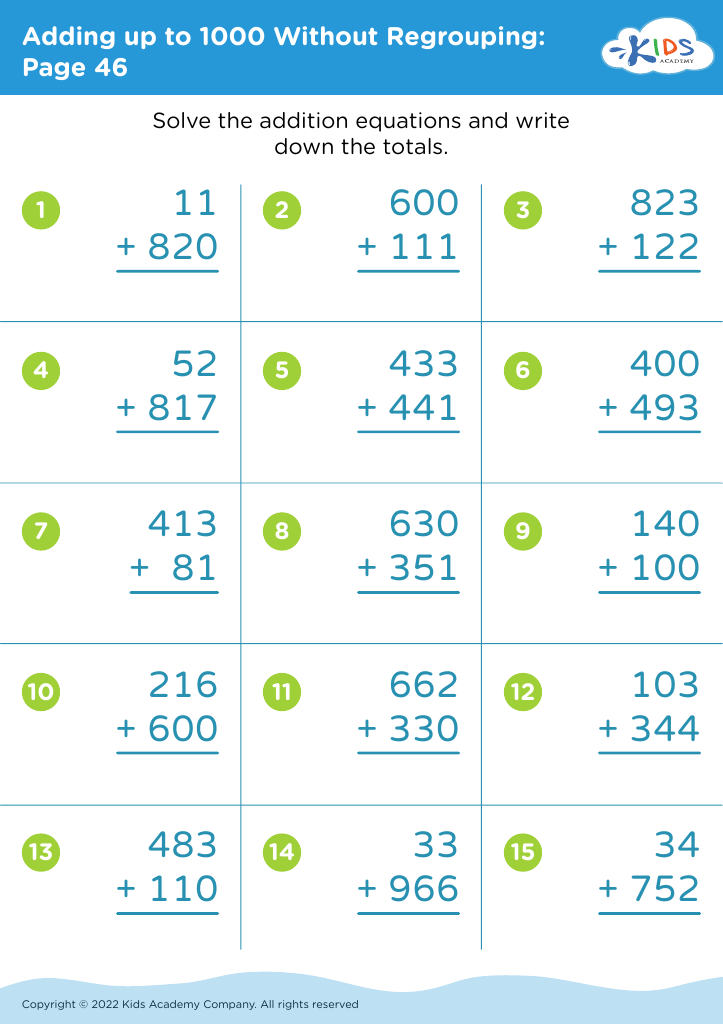
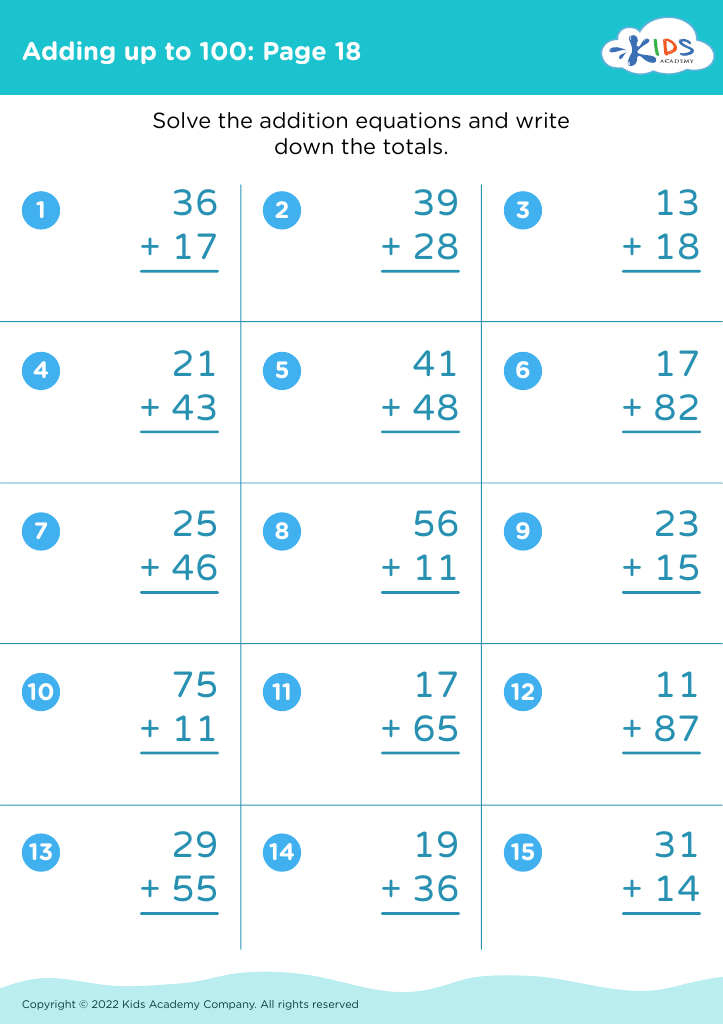
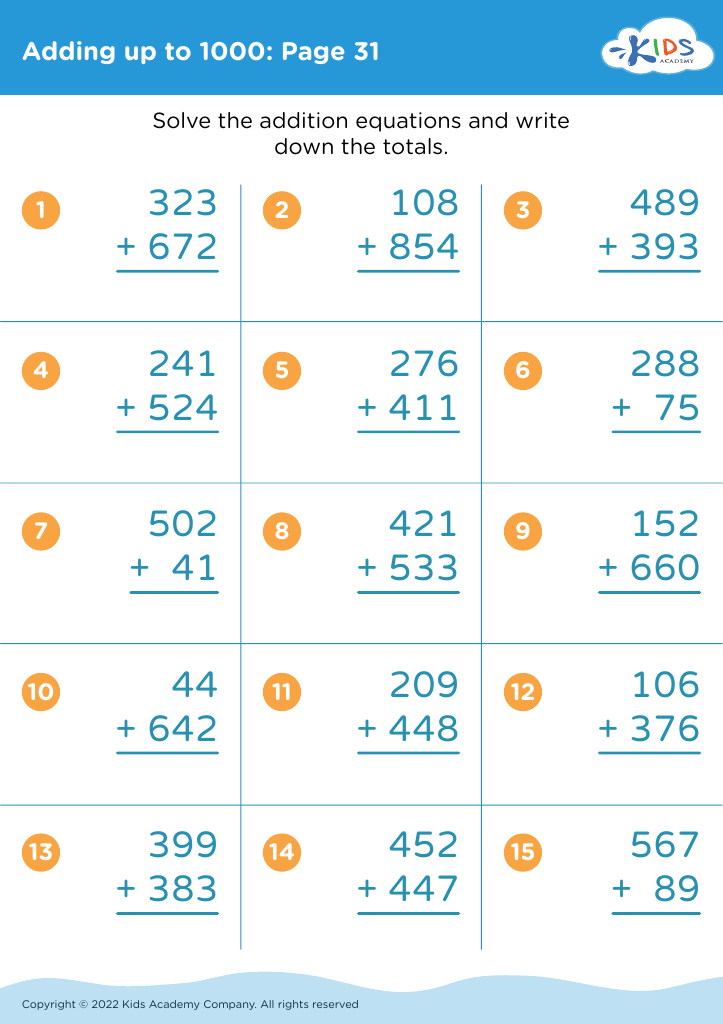







Parents and teachers should prioritize practice writing numbers for children ages 6-9 because it forms the foundation for their overall mathematical and cognitive development. At this formative age, legibly writing numbers improves their basic arithmetic skills, including counting, addition, subtraction, and eventually more complex problems. Accurate number writing ensures that children can confidently partake in classroom activities and complete their homework correctly, fostering a positive attitude towards math.
Moreover, the act of practicing number formation enhances fine motor skills and hand-eye coordination, as it involves precise movements and controlled pressure on writing instruments. These motor skills are crucial for other academic tasks, such as drawing and writing letters.
Consistent practice also ingrains proper numeric structure and spatial orientation, diminishing the likelihood of common errors like confusing ‘6’ with ‘9’ or misaligning columns in multi-digit problems. This attention to detail is particularly vital as it helps children avoid mistakes that could otherwise lead to frustration or a lack of interest in mathematics.
Ultimately, early practice in number writing sets children on a successful academic path, builds their confidence, and stimulates cognitive abilities, enabling them to tackle more advanced mathematical concepts with greater ease and understanding.








