Understanding directions Math Worksheets for Ages 6-9
7 filtered results
-
From - To
Explore our "Understanding Directions" Math Worksheets designed specifically for children ages 6-9. These engaging worksheets help young learners develop essential skills in following and interpreting directions in mathematical contexts. Through fun activities, kids will practice understanding left and right, navigating simple word problems, and enhancing their problem-solving abilities. With colorful illustrations and age-appropriate challenges, our worksheets encourage interactive learning and boost confidence in math. Ideal for classroom use or at-home practice, these resources support early math development, making learning both effective and enjoyable. Unlock your child's potential and foster critical thinking skills today with our thoughtfully crafted worksheets!
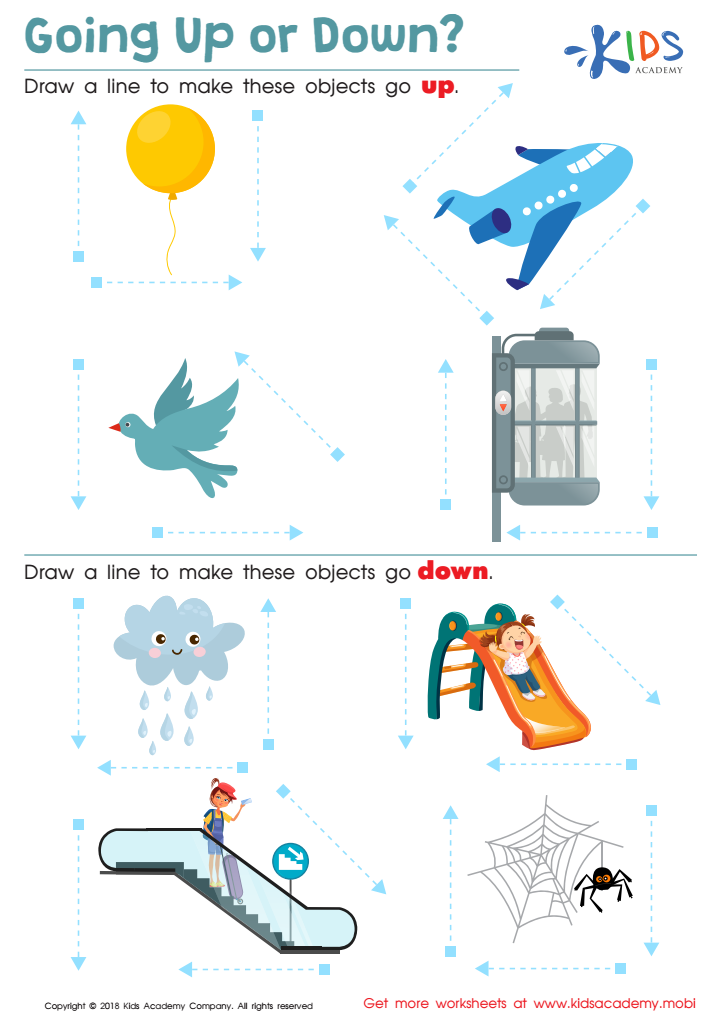
Going up or Down? Worksheet
 Assign to My Students
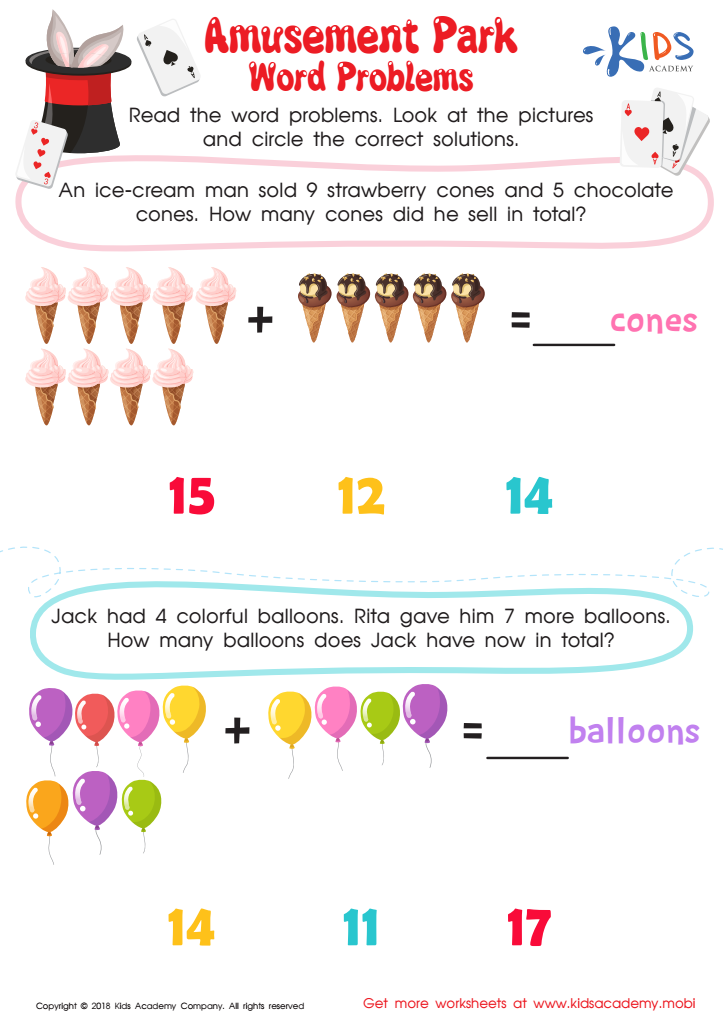
Amusement Park Word Problems Worksheet
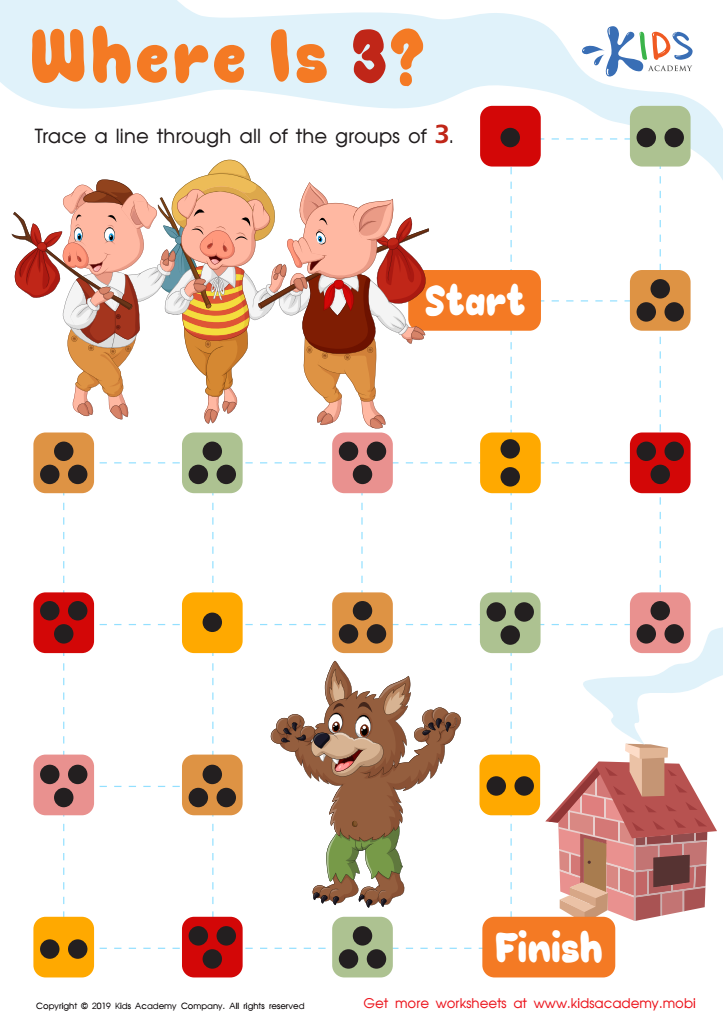
Where Is 3? Worksheet
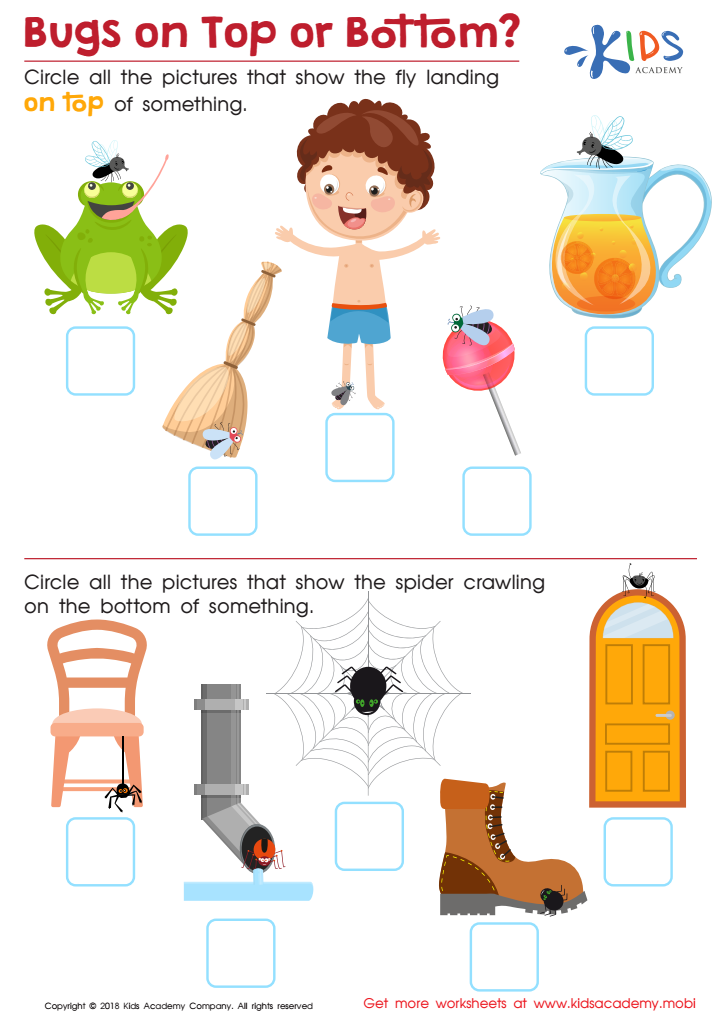
Bugs on Top or Bottom? Worksheet








Understanding directions in math is crucial for children aged 6-9, as it lays the foundation for their overall mathematical comprehension and problem-solving skills. At this age, children are beginning to encounter more complex concepts, such as addition, subtraction, and early geometry. A strong grasp of directions enables them to accurately interpret word problems and follow sequential steps needed to arrive at a solution.
With clear comprehension of directions, students gain confidence in their math abilities, which can help combat math anxiety. Encouraging children to actively engage with the instructions fosters critical thinking and promotes self-reliance; they learn to decipher and analyze information independently.
For parents and teachers, this understanding facilitates effective tutoring and homework support. It allows them to identify specific areas of difficulty and create a tailored approach to teach those concepts. Furthermore, reinforcing understanding directions in math emphasizes the importance of communication skills, as children learn to articulate their thought processes.
In summary, ensuring that children can navigate mathematical directions empowers them to become proficient learners, significantly enhancing their academic journey while encouraging a positive attitude toward education. Supporting this skill not only benefits mathematical development but also sets a precedent for lifelong learning.








