
Understanding gravity Math Worksheets for Ages 6-9
3 filtered results
Difficulty Level
Grade
Age
-
From - To
Subject
Activity
Standards
Explore the fascinating world of gravity with our "Understanding Gravity Math Worksheets" designed for ages 6-9! These engaging and educational worksheets combine essential math skills with exciting concepts related to gravity. Young learners will enjoy hands-on activities that help them grasp fundamental principles through practical examples, including measurement, problem-solving, and critical thinking. With a variety of fun exercises tailored to early learners, kids can develop their mathematical understanding while discovering how gravity influences the world around them. Perfect for home or classroom use, these worksheets make learning math both enjoyable and meaningful! Unlock your child's potential today!
Favorites
With answer key
Interactive
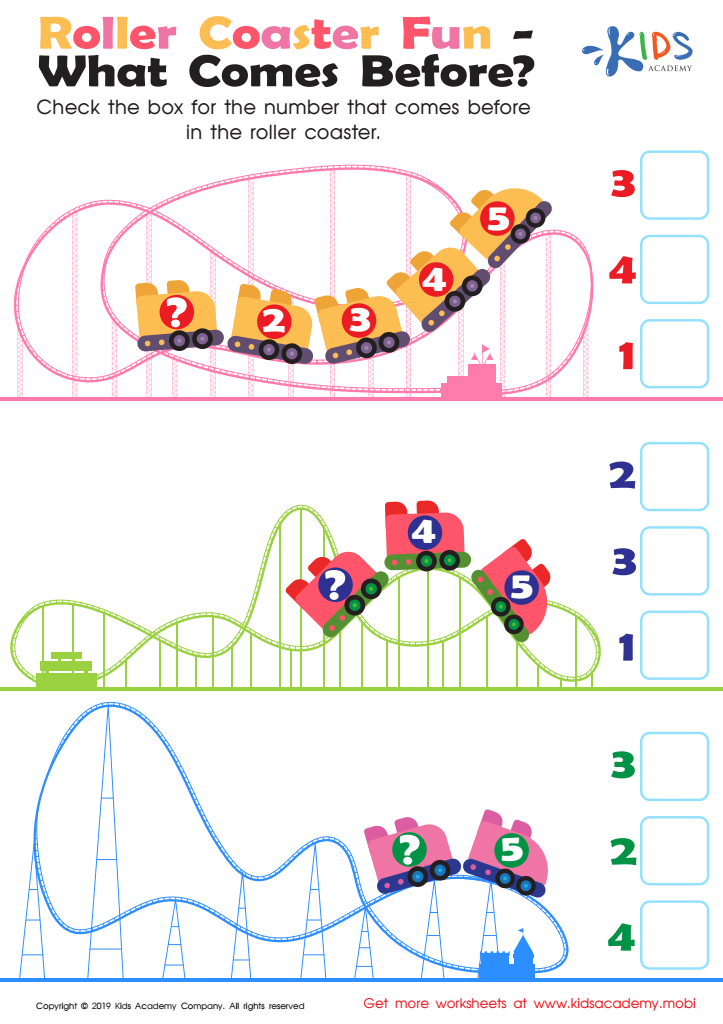
Roller Coaster Fun Worksheet
Ride a roller coaster and experience the thrill! Kids will love checking off the number that comes before each one on the worksheet. With three roller coasters to choose from, the fun never stops! Ask your kids if they've been on a roller coaster and where. Let them explore the excitement and joy of this thrilling ride!
 Assign to My Students
Roller Coaster Fun Worksheet
Worksheet
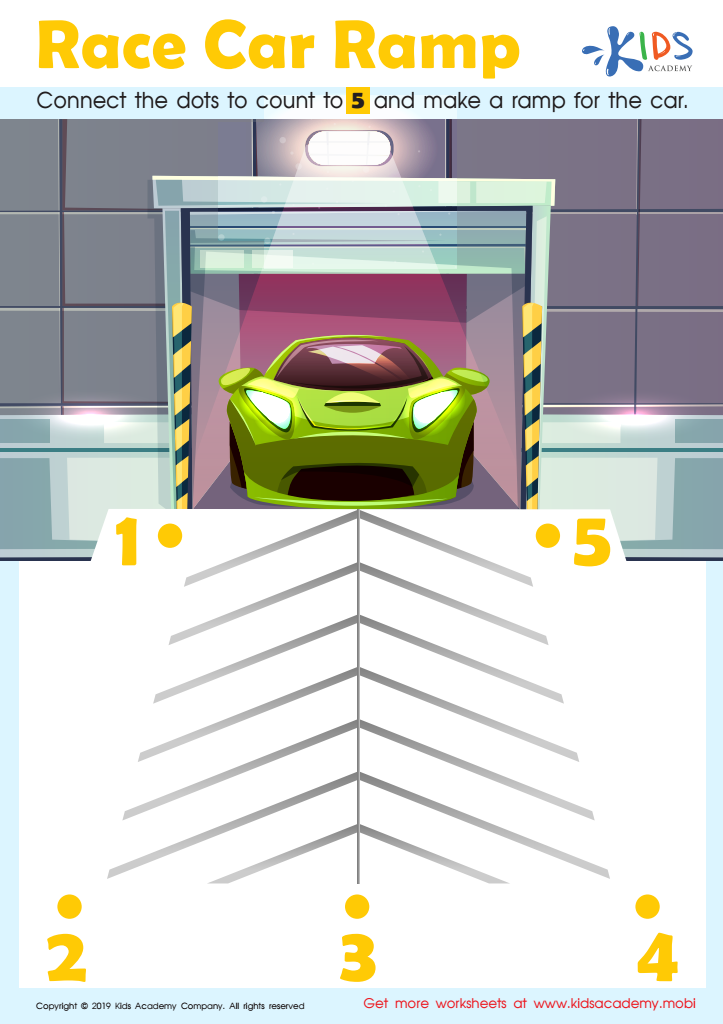
Race Car Ramp Worksheet
Kids can learn numbers quickly and have fun with this worksheet! It teaches preschoolers counting to 5 and allows them to draw a car ramp. It's a creative way to learn numbers, making them fun and easy to remember.
Race Car Ramp Worksheet
Worksheet
Join Kids Academy for Free
Who is primarily going to use this learning content?





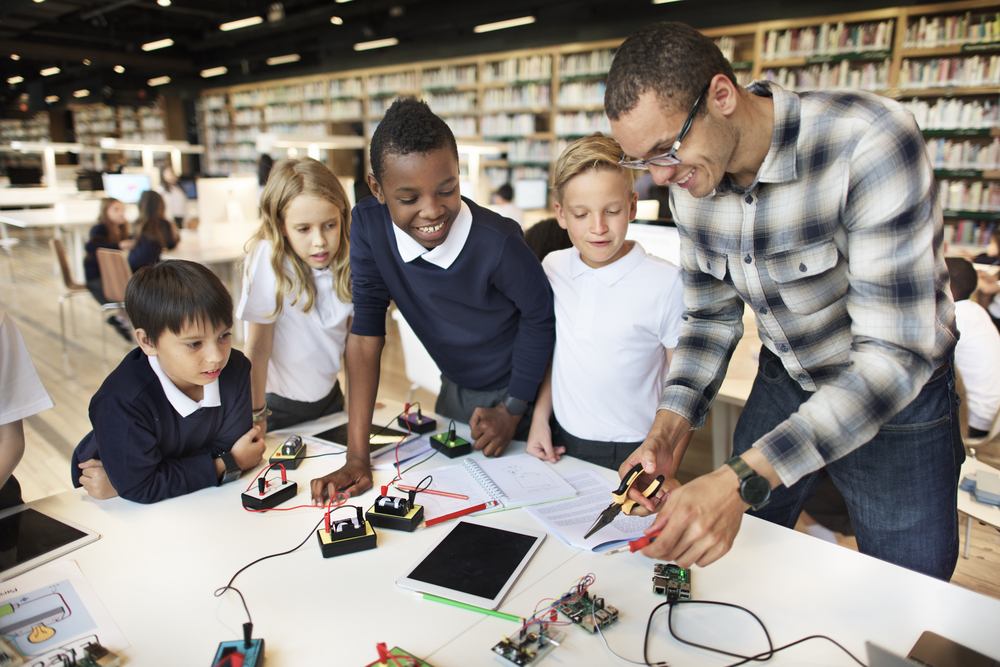


Understanding gravity is essential for children aged 6-9 as it fosters a foundational grasp of science and mathematics that connects to their everyday experiences. At this age, children are naturally curious, and introducing concepts like gravity can ignite their interest in the natural world. Grasping the basics of gravity not only sets the stage for more complex scientific ideas in the future but also enhances critical thinking and problem-solving skills.
Moreover, integrating gravity into math lessons helps students visualize and quantify their understanding of forces and movement. Activities could include measuring how different objects fall or calculating the distance they travel, seamlessly blending math and science. This interdisciplinary approach captures young learners’ attention and demonstrates the real-world applications of mathematical concepts.
Furthermore, understanding gravity cultivates a sense of inquiry, prompting questions about how things work, which is vital for cognitive development. When teachers and parents prioritize these concepts, they promote engagement and a love for learning, fostering a deeper comprehension of the physical world. Ultimately, by emphasizing the importance of understanding gravity through math, we can help build a solid educational foundation, preparing children for future academic challenges and encouraging lifelong curiosity.








