Understanding money Math Worksheets for Ages 6-9
6 filtered results
-
From - To
Introduce your child to the basics of financial literacy with our "Understanding Money Math Worksheets for Ages 6-9". These engaging, age-appropriate exercises help young learners grasp essential money concepts, from identifying coins and bills to basic addition and subtraction involving money. Through interactive practice, children build confidence in real-world financial situations, such as making change and budgeting simple expenses. Each worksheet is designed to be fun and educational, fostering both mathematical skills and financial awareness. Perfect for classroom activities or at-home learning, our worksheets turn money lessons into an enjoyable adventure for your budding finance experts.
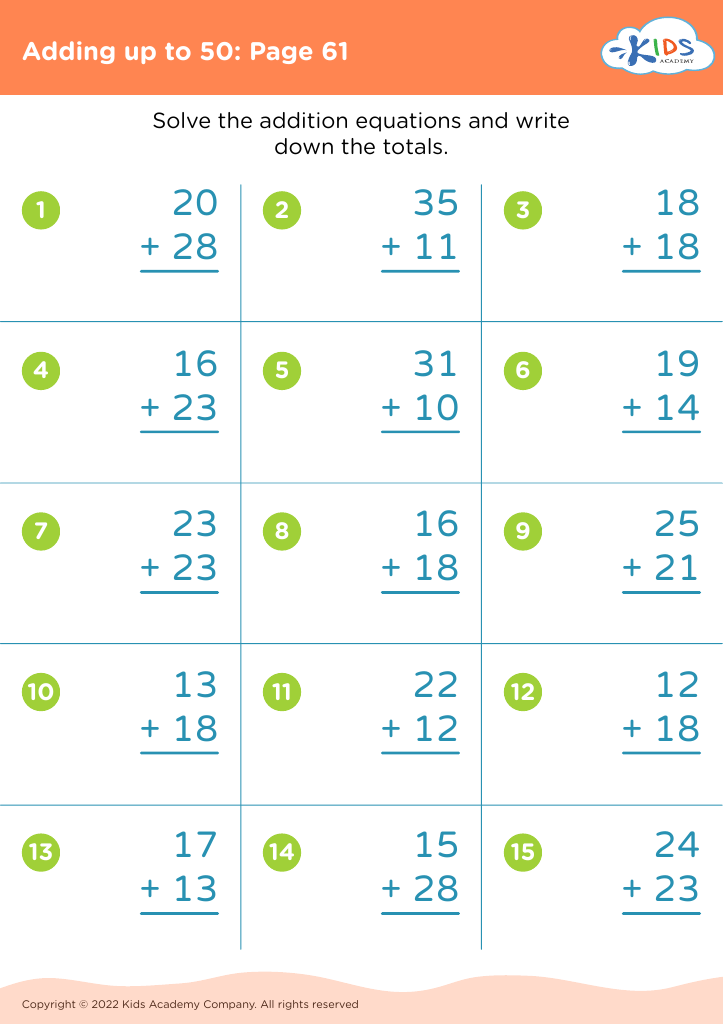
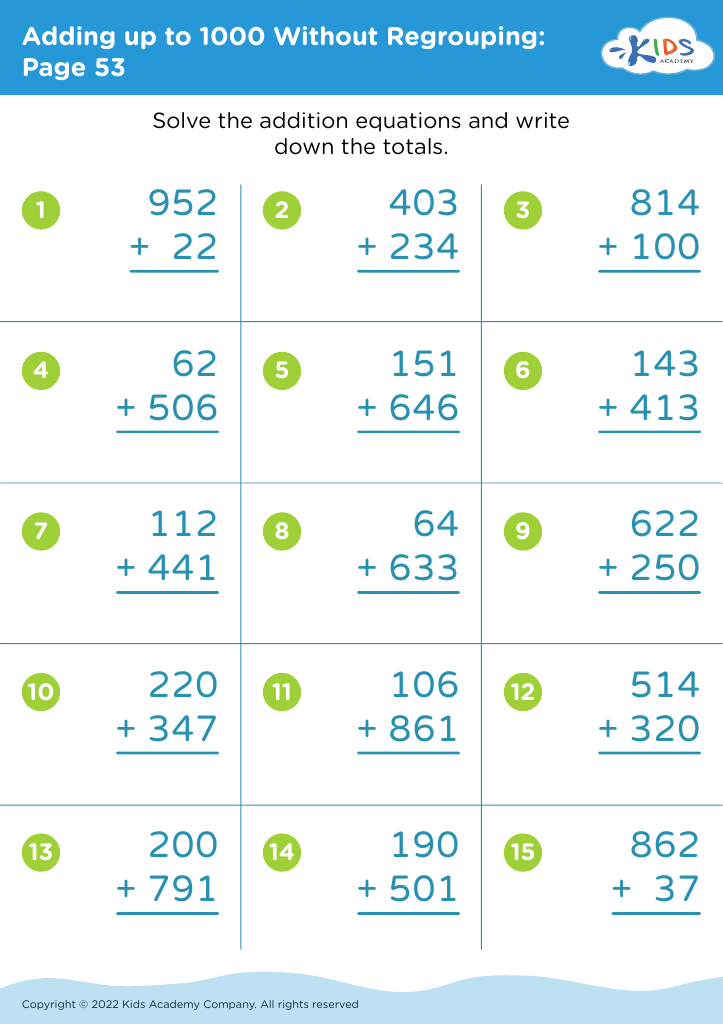
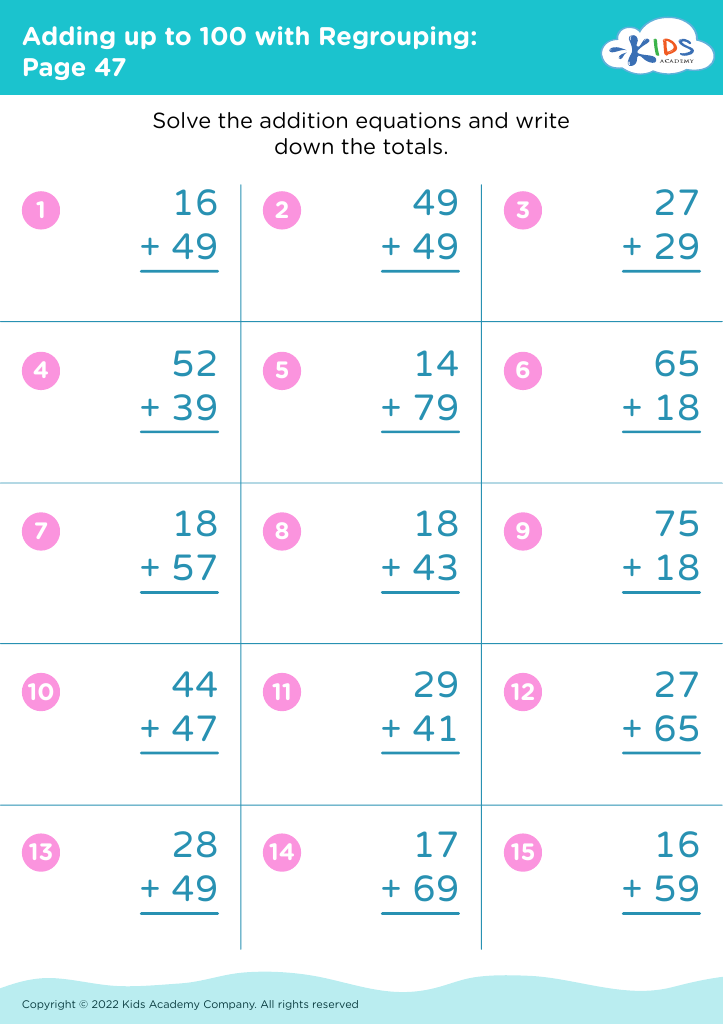
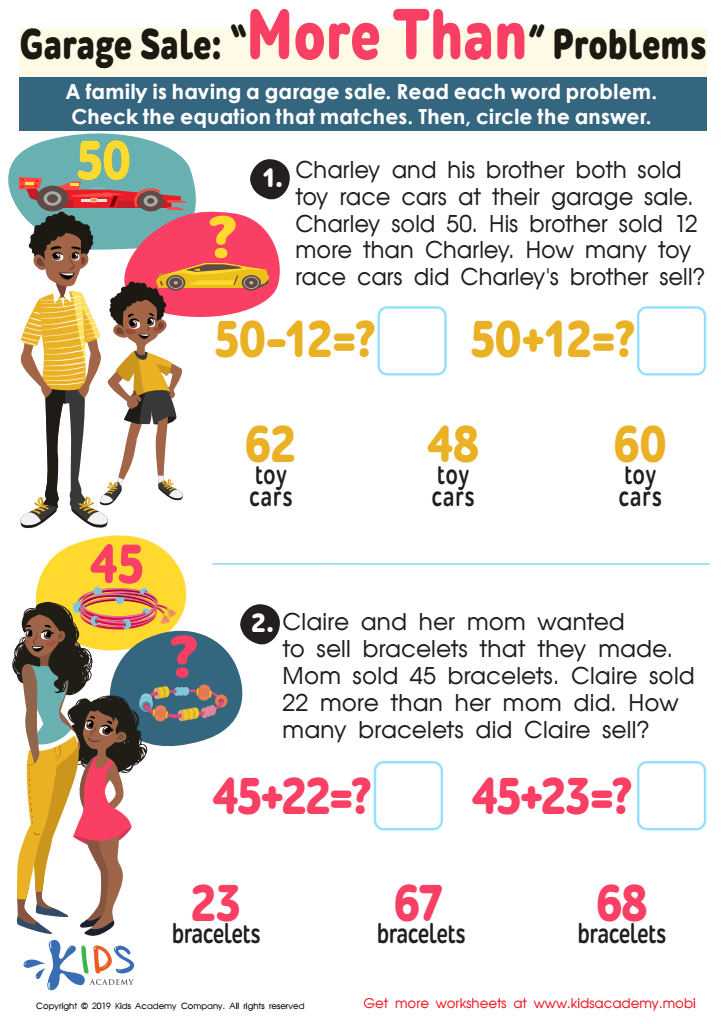
Garage Sale - More yhan Worksheet
 Assign to My Students
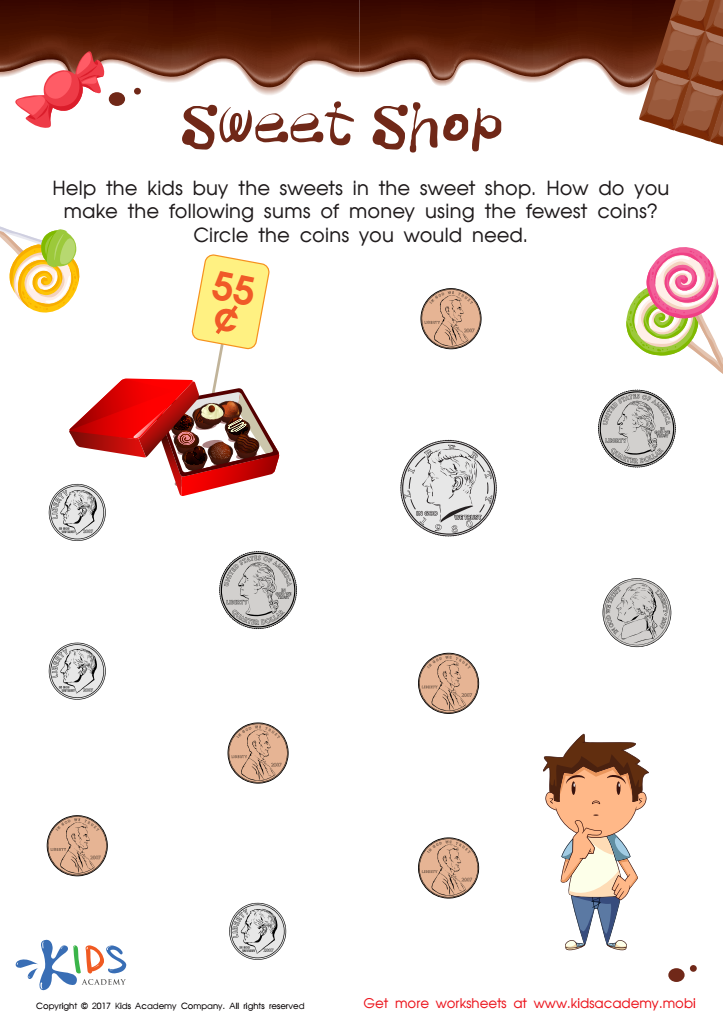
Sweet Shop – Counting Coins Worksheet
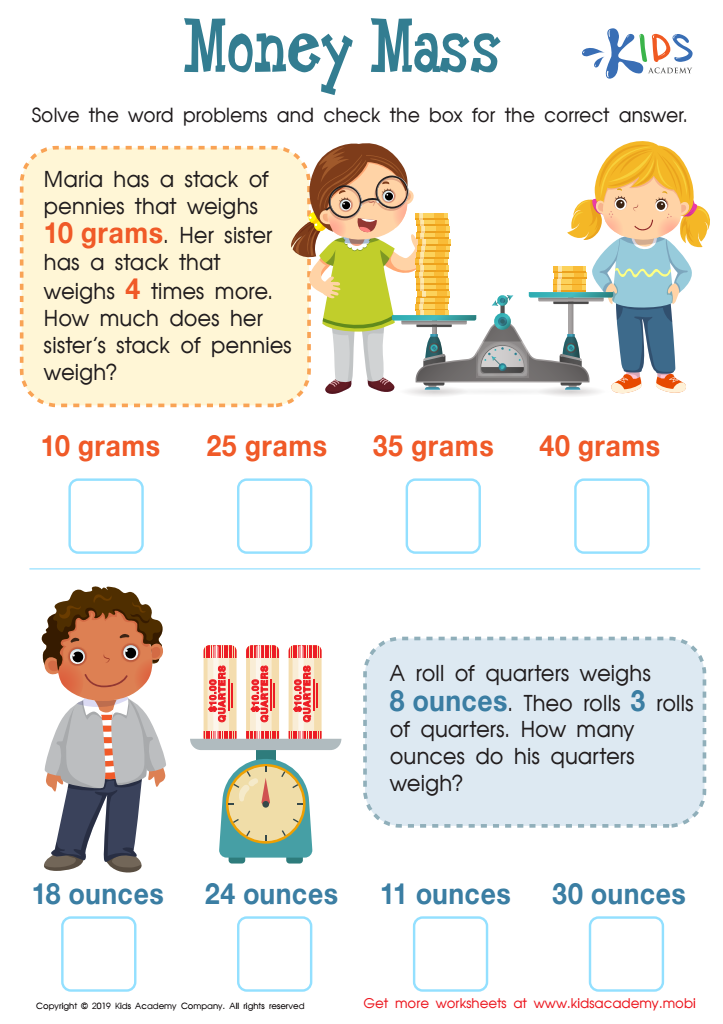
Money Mass Worksheet






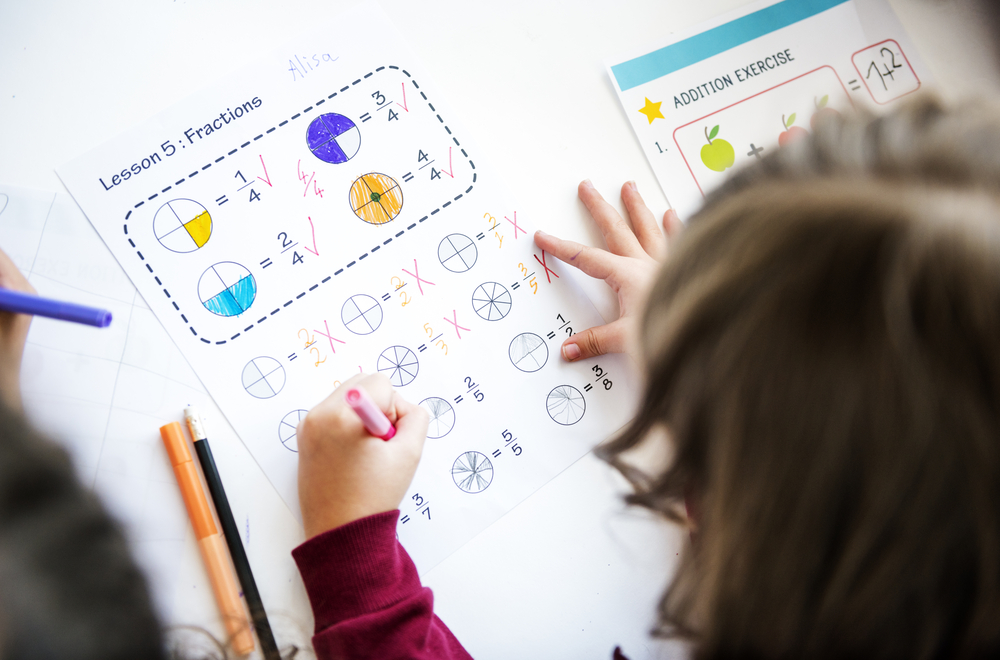

Understanding money math is crucial for children aged 6-9 as it lays the foundation for practical life skills and cognitive development. Firstly, learning about money—such as recognizing coins, bills, and their values—helps children understand the basic concepts of numeracy in a real-world context. This knowledge strengthens their arithmetic skills like addition, subtraction, and multiplication in more meaningful and engaging ways.
Moreover, financial literacy at an early age encourages responsible money management habits, such as saving, budgeting, and making informed spending decisions. These habits can lead to better financial decisions in adulthood.
Applying math to money also helps children grasp broader concepts such as the value of work, the cost of goods and services, and the idea of limited resources, which can instill a sense of responsibility and hard work.
Teachers and parents are instrumental in this process; they provide guidance, practical experiences, and encouragement. For example, parents might give children a small allowance and teach them to allocate it wisely, or teachers might use classroom activities and games that involve simple transactions. A strong foundation in money math not only boosts educational achievement but also prepares children for lifelong financial well-being. So, equipping children with these skills is an investment in their future.








