Word Recognition Math Worksheets for Ages 6-9
8 filtered results
-
From - To
Enhance your child's math skills with our Word Recognition Math Worksheets for ages 6-9! These engaging worksheets seamlessly combine language and math, helping young learners grasp essential mathematical concepts while boosting their reading abilities. Designed by educational experts, each worksheet includes fun exercises with clearly illustrated problems and vocabularies. Perfect for classroom or home use, these worksheets are an excellent resource to support a child's numerical and verbal development. By integrating word recognition with math learning, we empower children to build a strong foundation for future academic success. Explore our collection today and watch your child thrive!
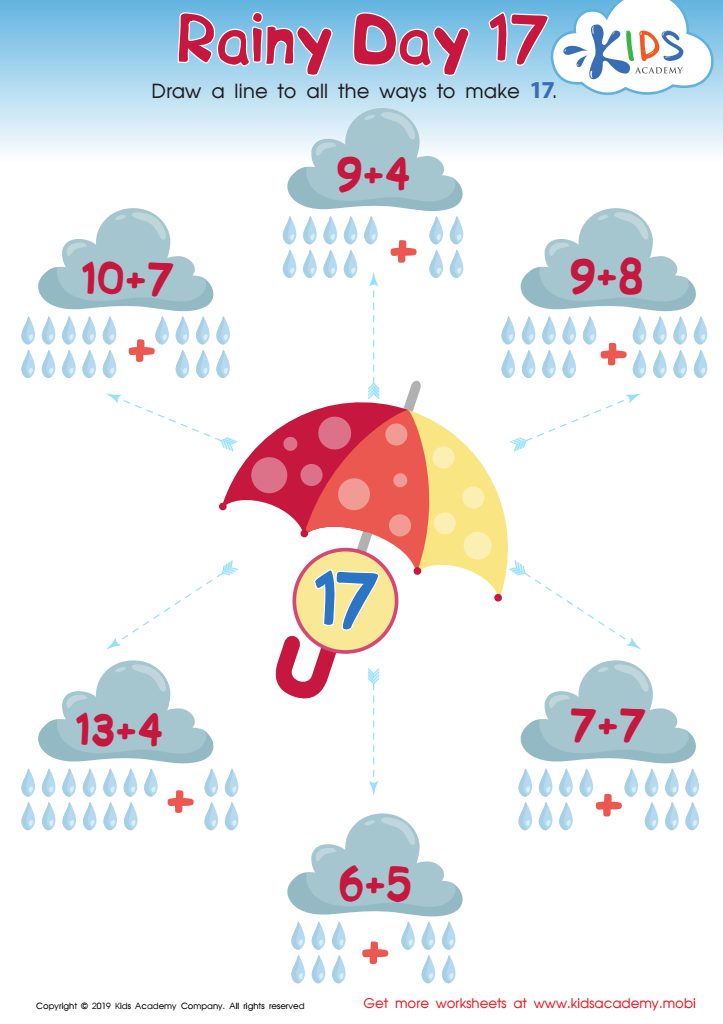
Rainy Day 17 Worksheet
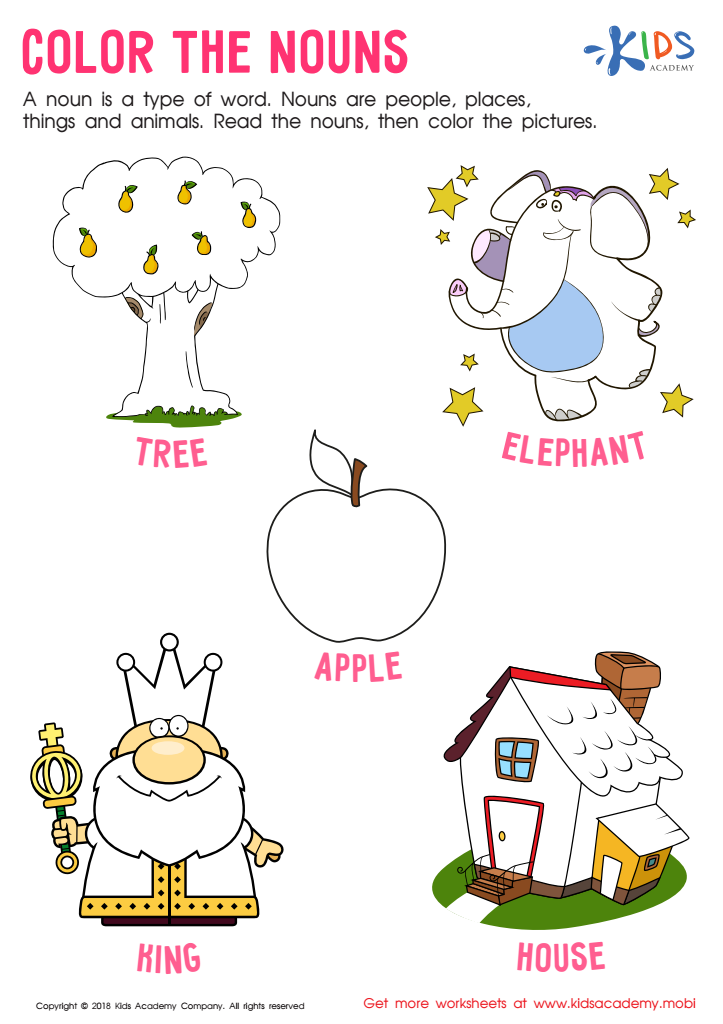
Color the Nouns Worksheet
 Assign to My Students
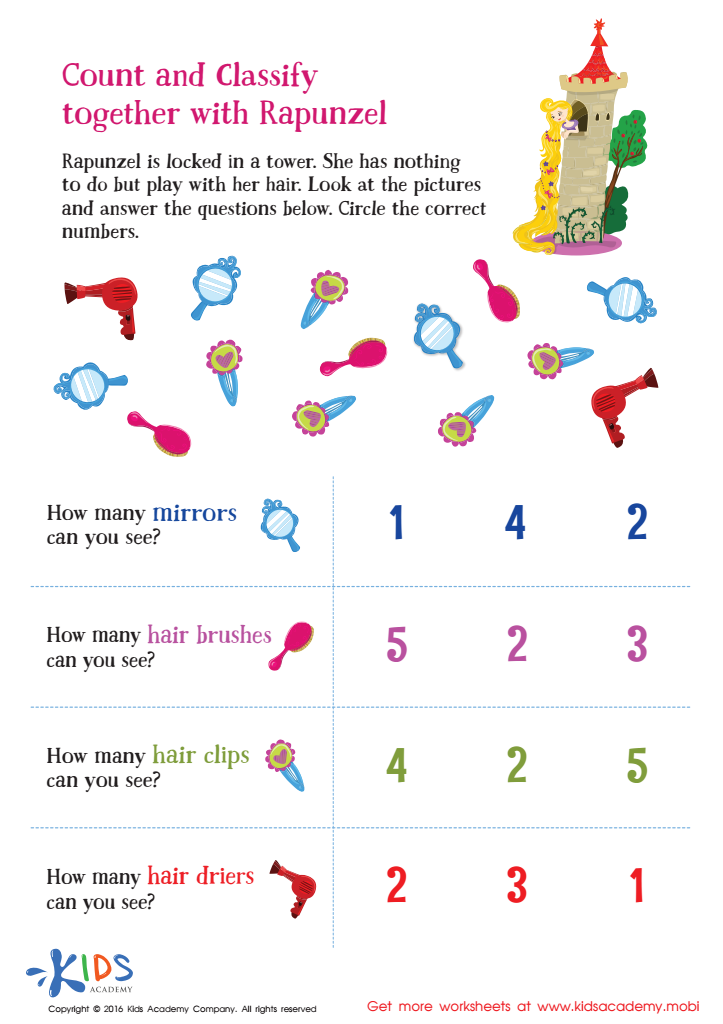
Fairy Tale Worksheet: Count and Classify with Rapunzel
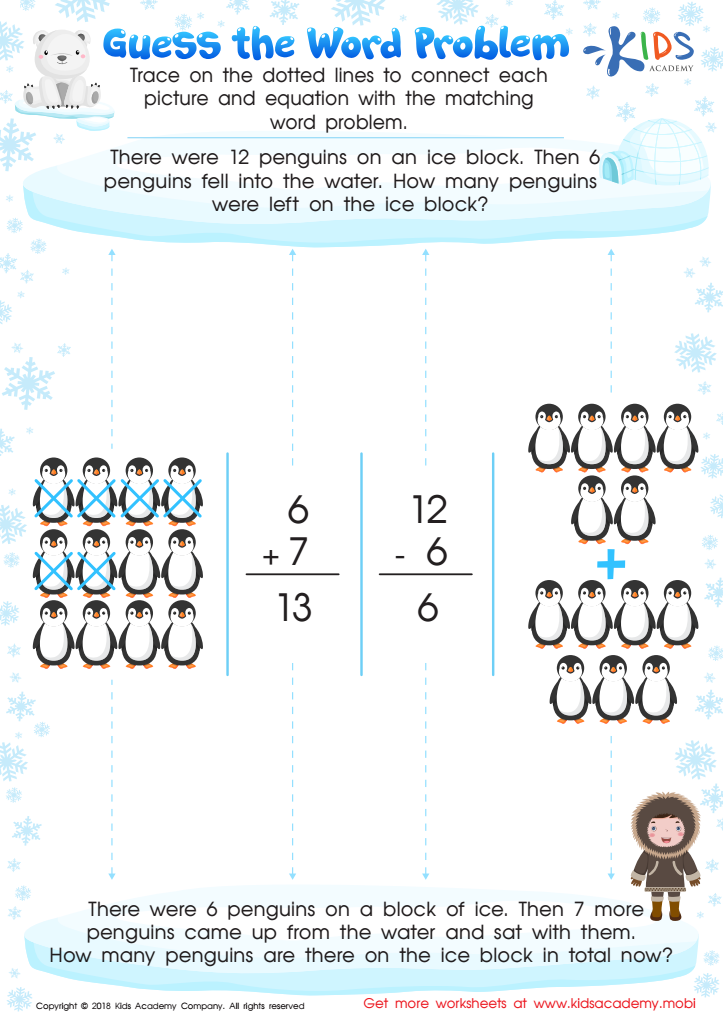
Guess the Word Problem Worksheet





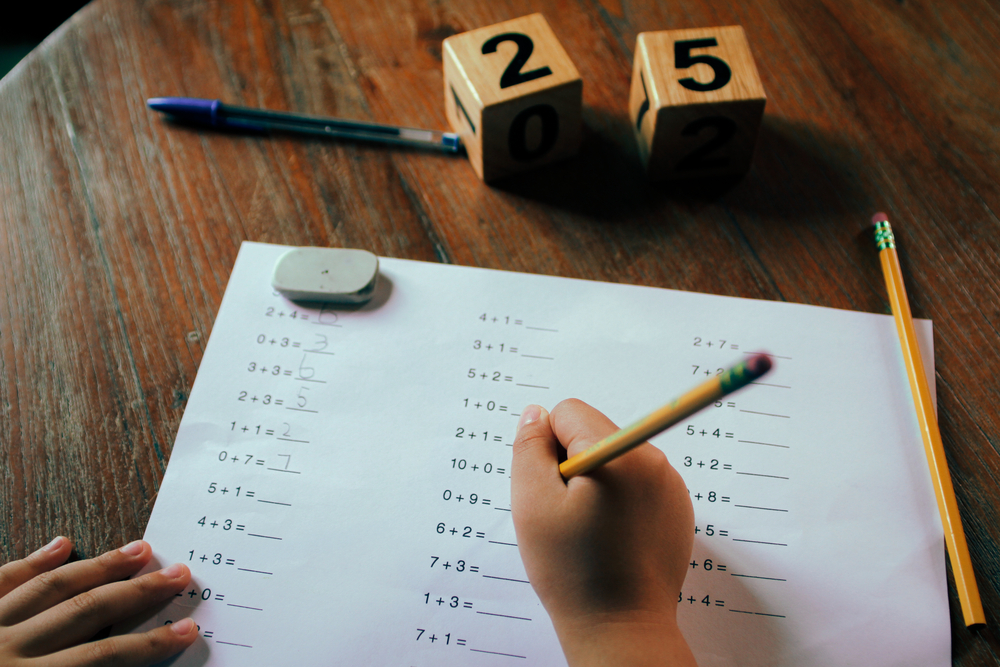


Word recognition in math for children aged 6-9 is essential for several reasons, making it crucial for both parents and teachers to actively support this skill. During these formative years, children are building foundational literacy and numeracy skills that set the stage for future academic success. By integrating word recognition with math, they bridge the gap between language and numerical understanding.
Understanding math-related vocabulary such as "addition," "subtraction," "equals," and more abstract terms like "difference" or "total," helps children comprehend word problems and mathematical instructions across subjects. It enhances their ability to follow multi-step problems and fosters critical thinking.
Additionally, familiarizing students with mathematical words aids in problem-solving and contributes to better comprehension overall. It enables children to read and interpret questions accurately before trying to solve them, which improves their confidence and performance.
For parents, engaging in activities at home that promote both reading and math, like counting games and story problems, can turn everyday scenarios into learning opportunities, reinforcing classroom lessons. Teachers, by aligning math vocabulary with reading exercises, create an enriched learning environment that overlaps critical academic areas. Together, they establish a strong, well-rounded educational foundation that benefits a child's long-term cognitive development and academic achievement.








