Counting skills Matching Worksheets for Ages 6-9
17 filtered results
-
From - To
Our Counting Skills Matching Worksheets for ages 6-9 are designed to enhance your child’s numerical abilities in a fun and engaging way. These expertly crafted activities help students build strong counting skills through various matching exercises. By connecting numbers with corresponding groups of objects, children will improve their understanding of number values, sequencing, and basic arithmetic. These printable worksheets are perfect for supplementing classroom learning or at-home practice, encouraging kids to develop confidence with numbers. Ideal for young learners, these tools support cognitive development and lay the groundwork for more advanced mathematical concepts. Download now for interactive, enjoyable learning!
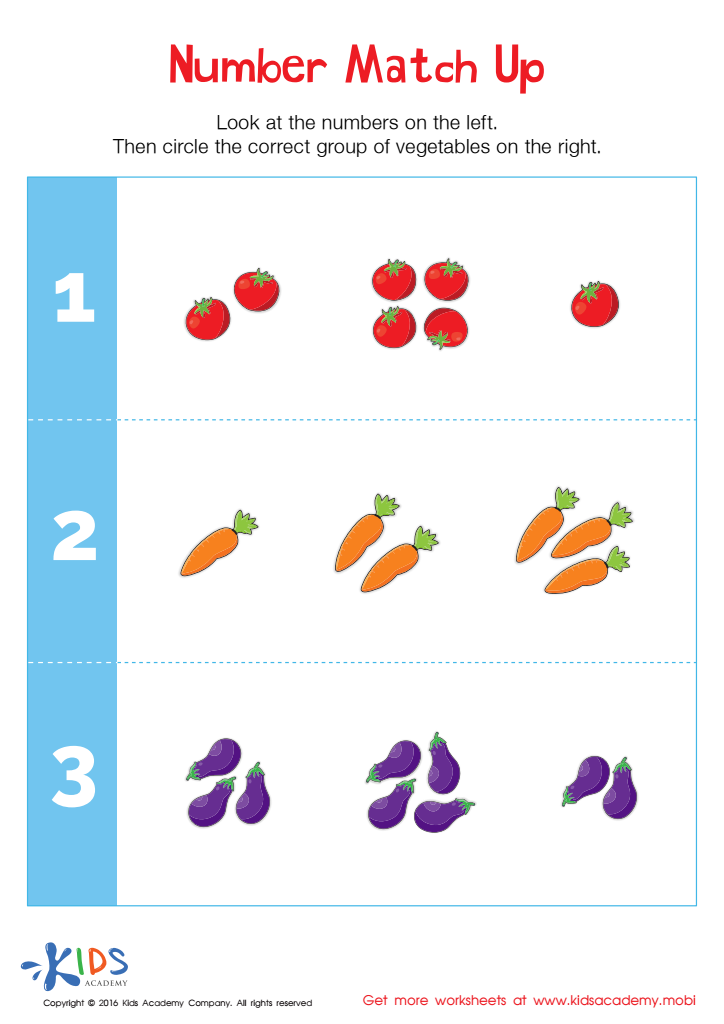
Number Match Up Worksheet
 Assign to My Students
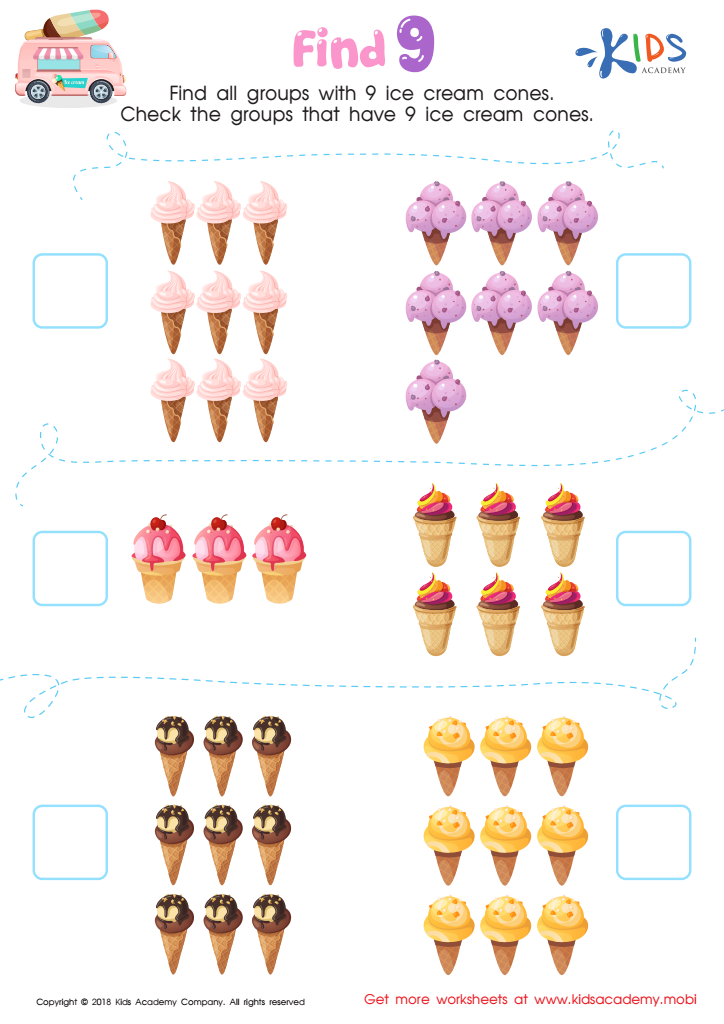
Find 9 Worksheet
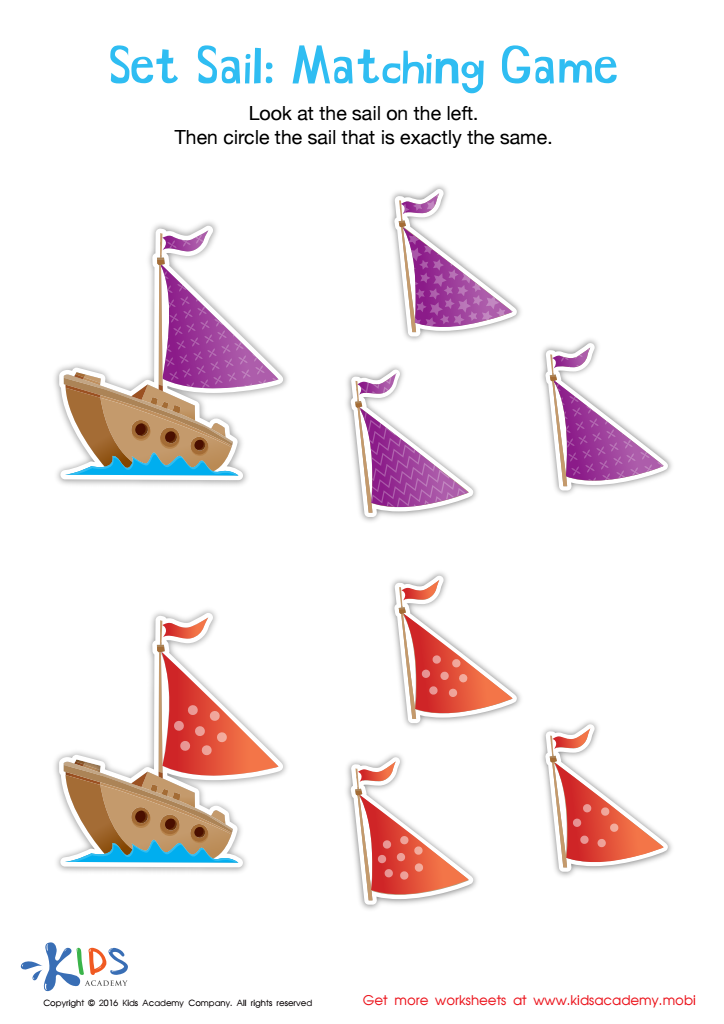
Set Sail Worksheet
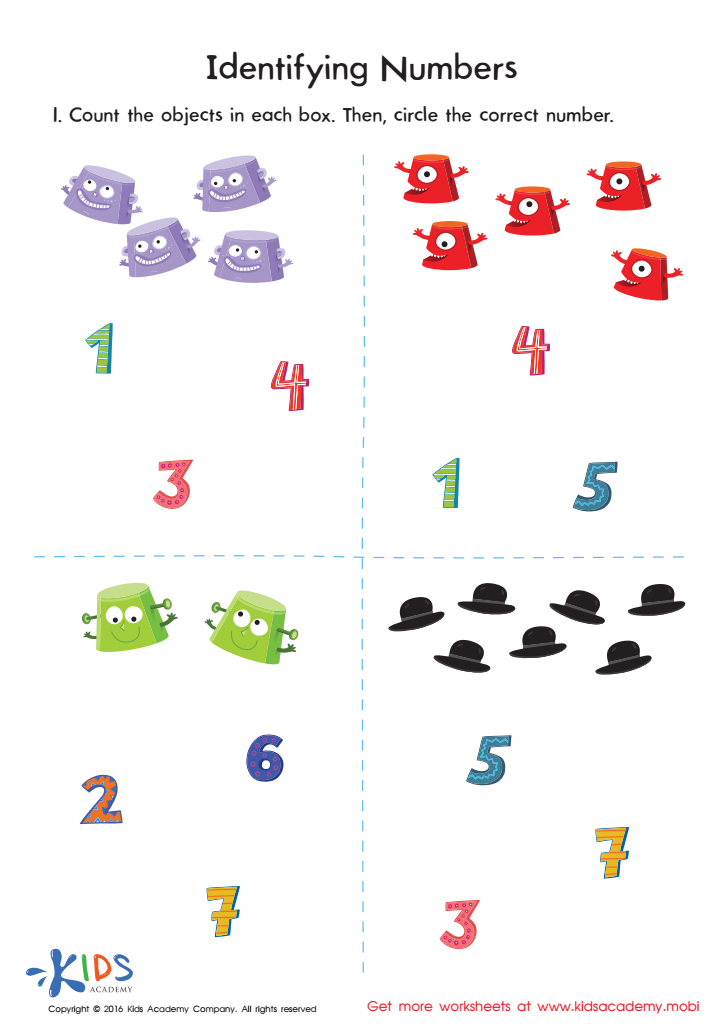
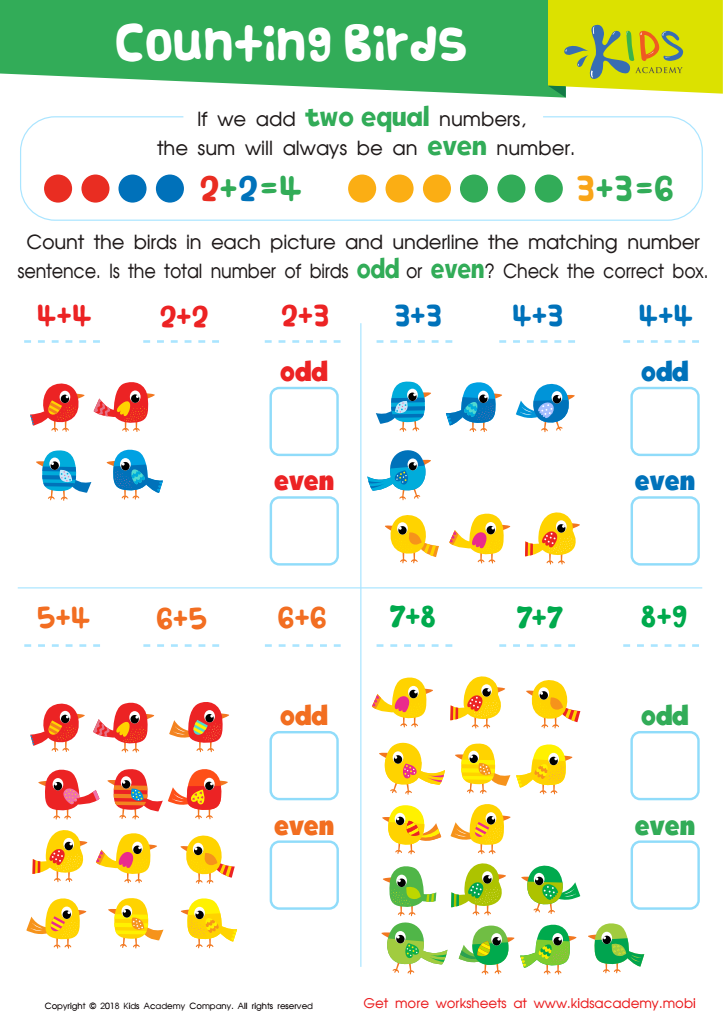
Counting Birds Worksheet
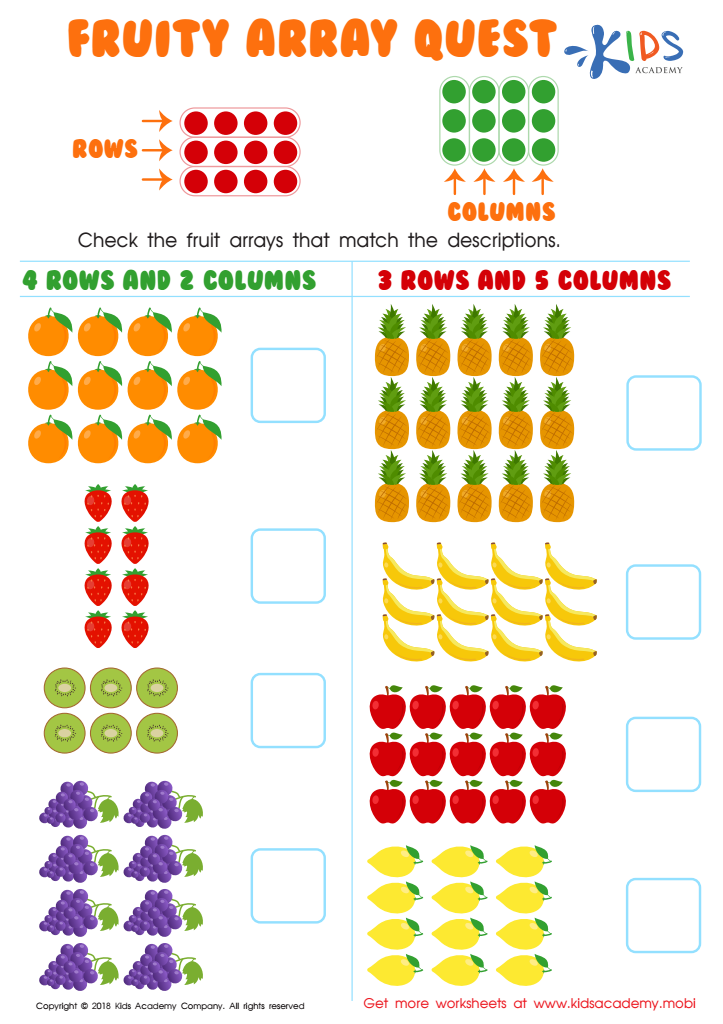
Fruity Array Quest Worksheet
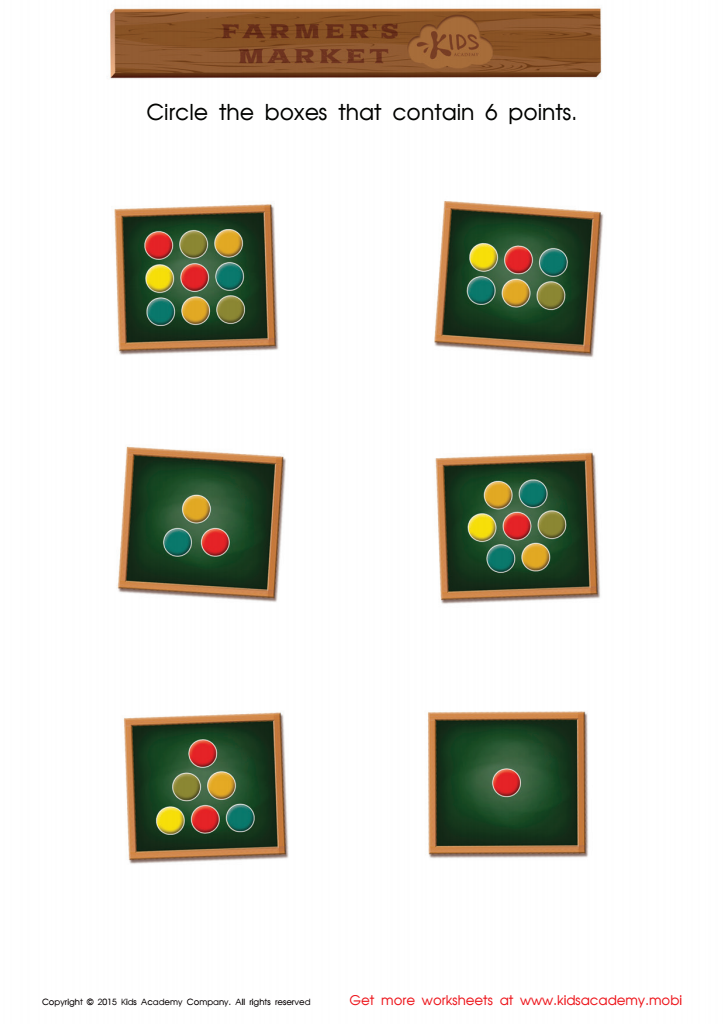
Count and Match Points 6 Math Worksheet
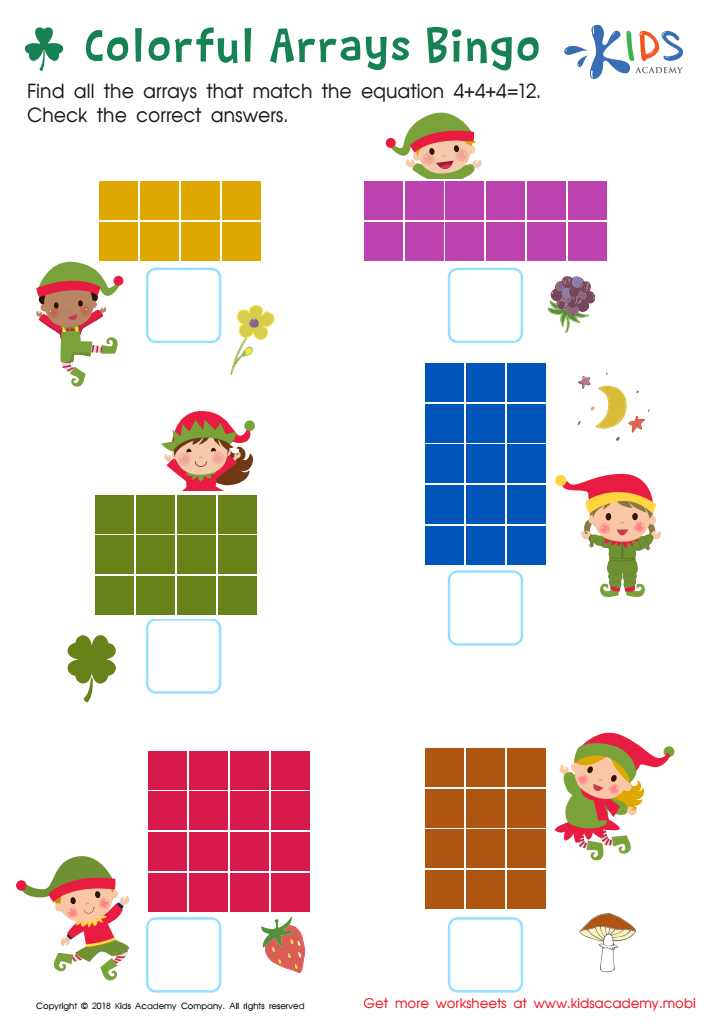
Colorful Arrays Bingo Worksheet
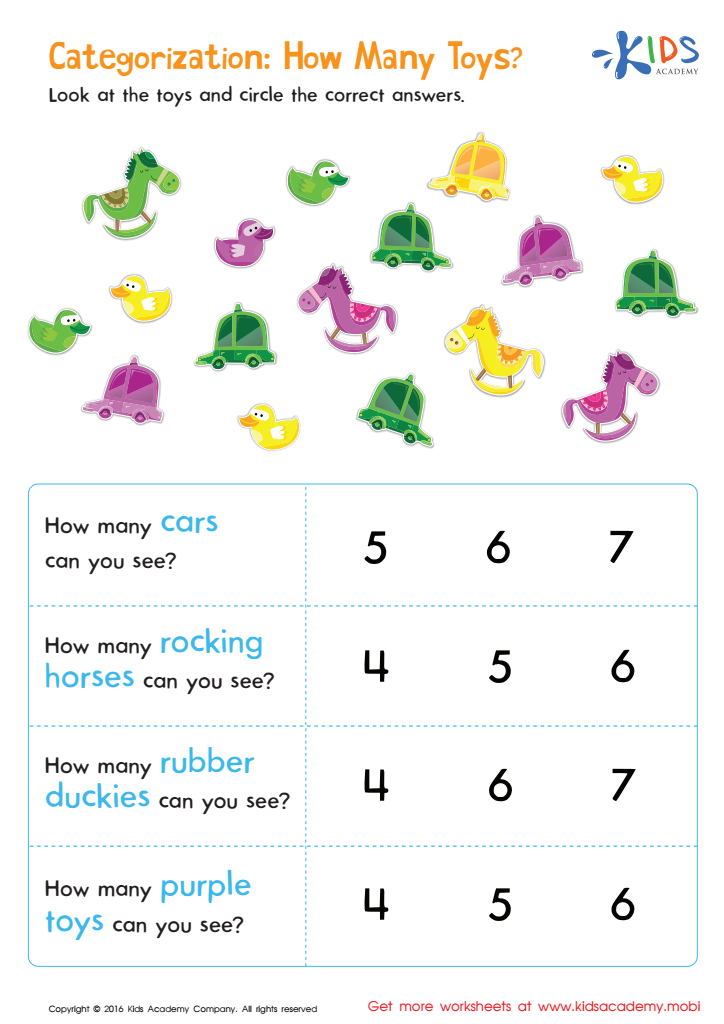
Classifying Toys by Type and Color Sorting Worksheet
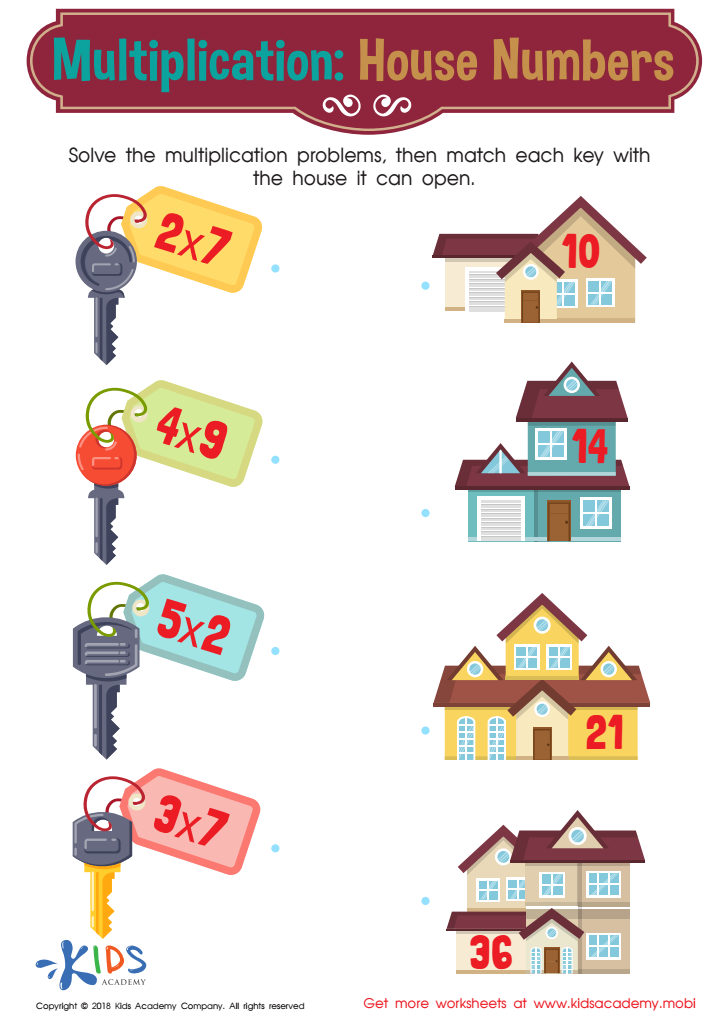
House Numbers Worksheet
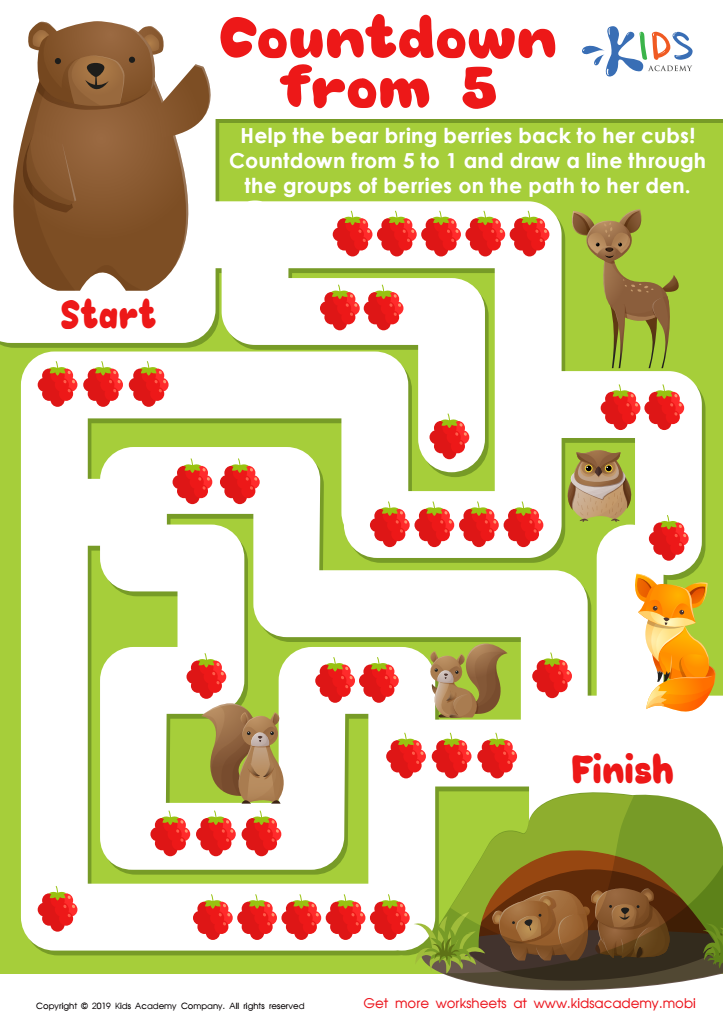
Countdown from 5 Worksheet
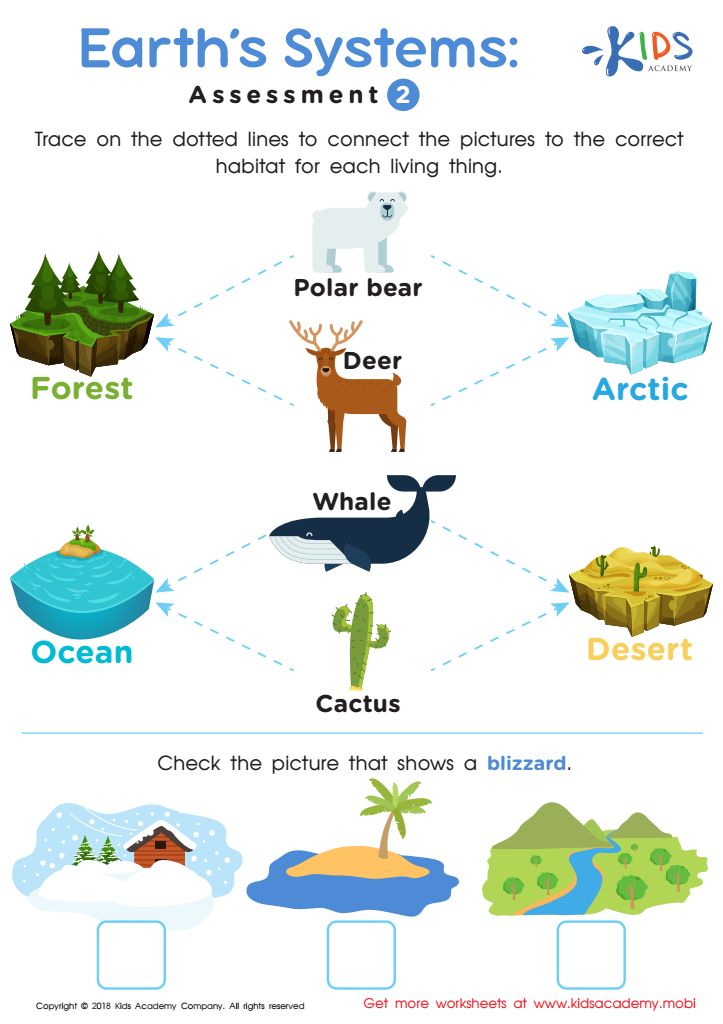
Earth's Systems: Assessment 2
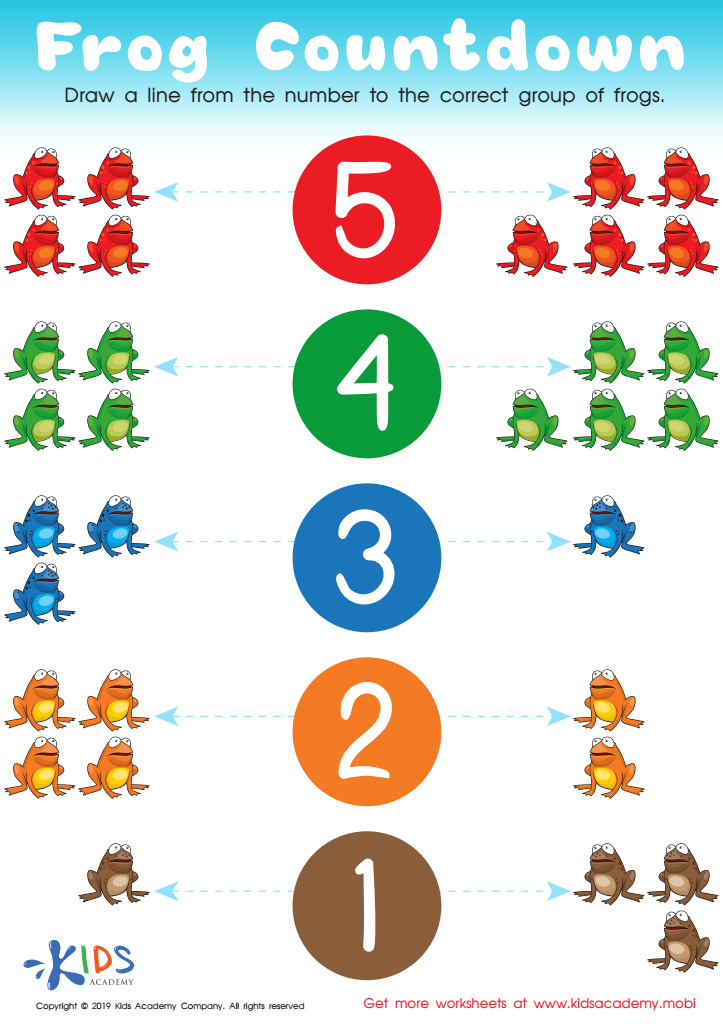
Frog Countdown Worksheet
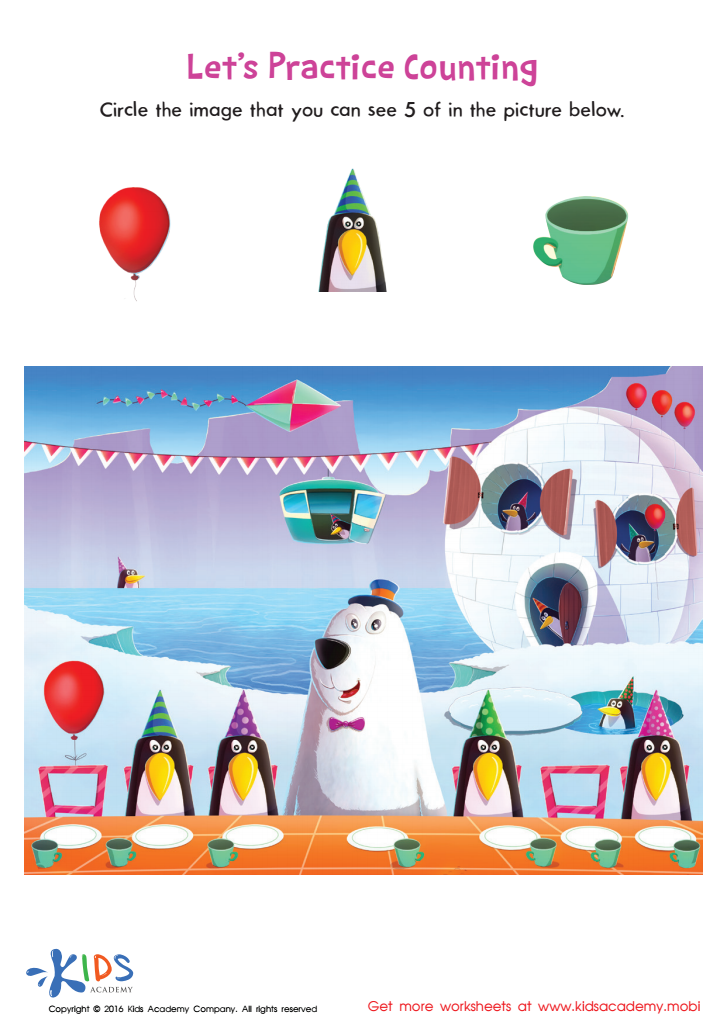
Counting Worksheet: Let's Practice Counting
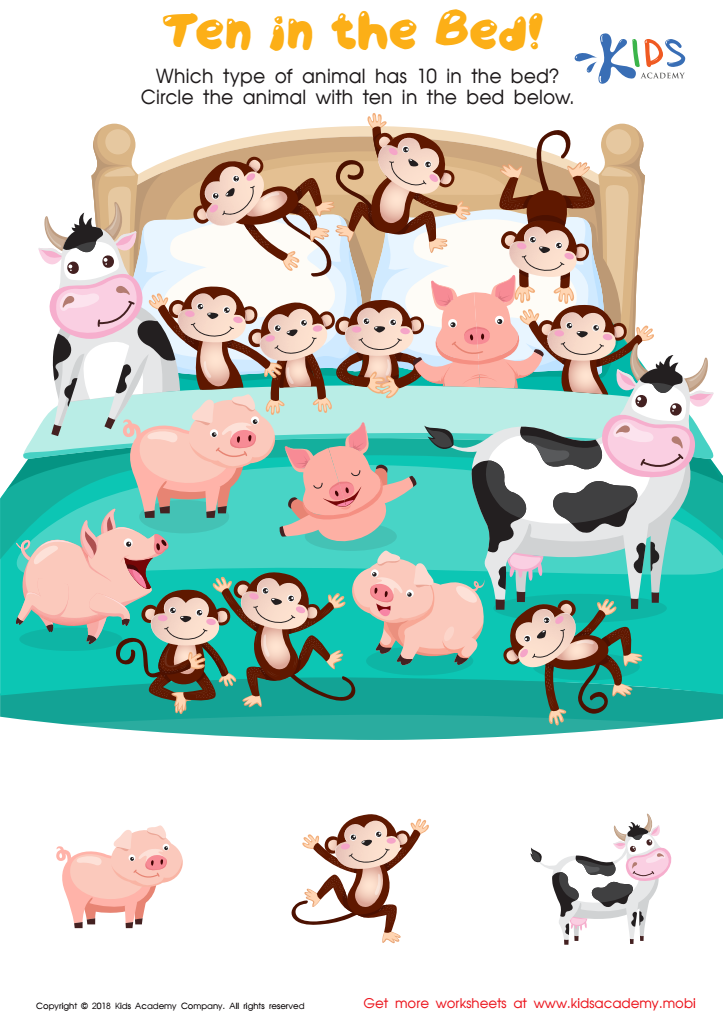
Ten in the Bed Worksheet
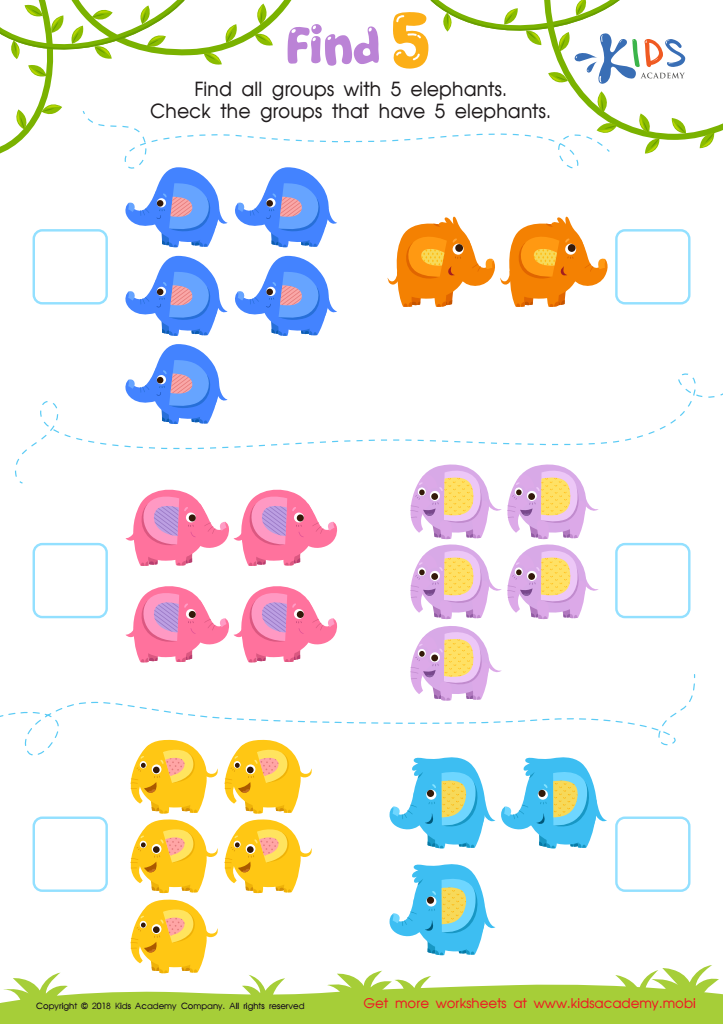
Find 5 Worksheet
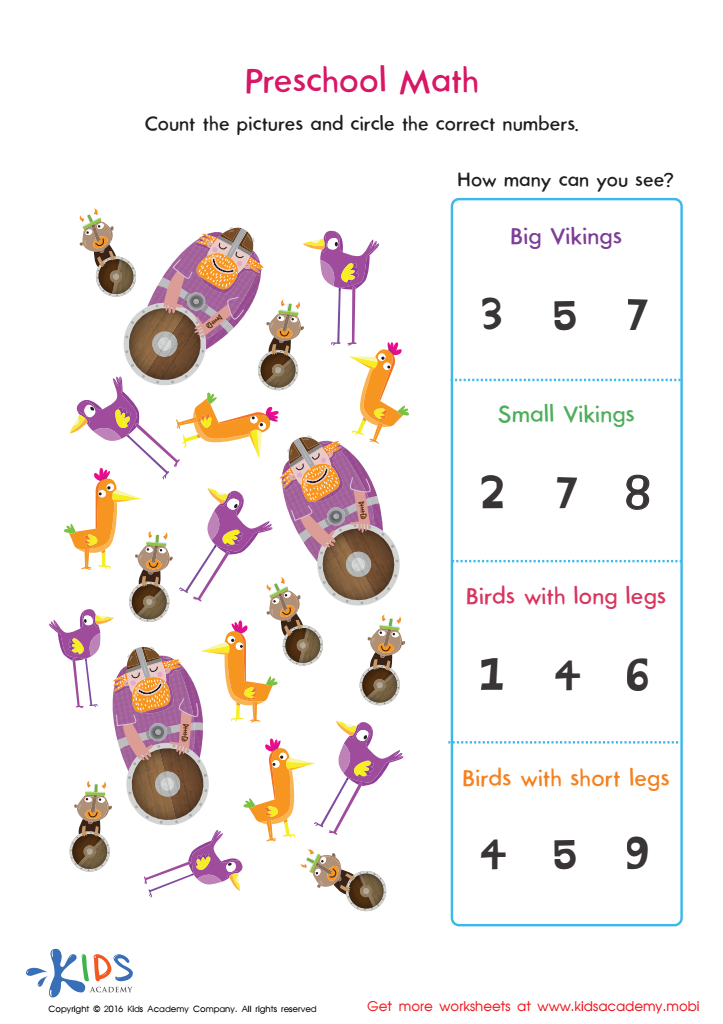








Counting skills and matching activities for children aged 6-9 are crucial for several developmental reasons. First, these skills are foundational for mathematical understanding, enabling children to grasp more complex concepts such as addition, subtraction, and even multiplication. Mastery in counting provides a sense of numerical order and quantity comprehension, integral for future academic success.
Possessing strong counting abilities also helps children competitively engage in everyday tasks, from sorting objects to managing simple financial transactions, fostering independence. Matching skills, on the other hand, enhance cognitive functions by promoting memory recall, pattern recognition, and logical thinking. When children match objects, numbers, or shapes, they learn to observe attributes and differences, a skill set that's beneficial across multiple disciplines, including reading and science.
Moreover, integrating counting and matching exercises into a child’s routine encourages fine motor skills and eye-hand coordination through activities like arranging items or writing numbers. This builds their physical dexterity, preparing them for writing tasks and other precise movements.
In social contexts, these skills foster a sense of achievement, boosting the child's confidence and reducing anxiety about participating in group activities or discussions. Parents and teachers caring about these skills show their commitment to fostering a well-rounded, confident, and capable individual, thus setting a strong foundation for lifelong learning and success.








