Comparing quantities Building Vocabulary Worksheets for Ages 6-9
3 filtered results
-
From - To
Discover our engaging "Comparing Quantities Building Vocabulary Worksheets" designed specifically for children aged 6-9! These interactive resources help young learners enhance their vocabulary while mastering the essential skill of comparing quantities. Through fun exercises and relatable examples, children will explore concepts like more, less, greater, and fewer, fostering both language development and critical thinking. Ideal for classroom activities or home practice, our worksheets create an enjoyable learning experience that encourages kids to express their understanding effectively. Download our worksheets today to support your child’s educational journey and watch their confidence soar as they master comparing quantities with ease!
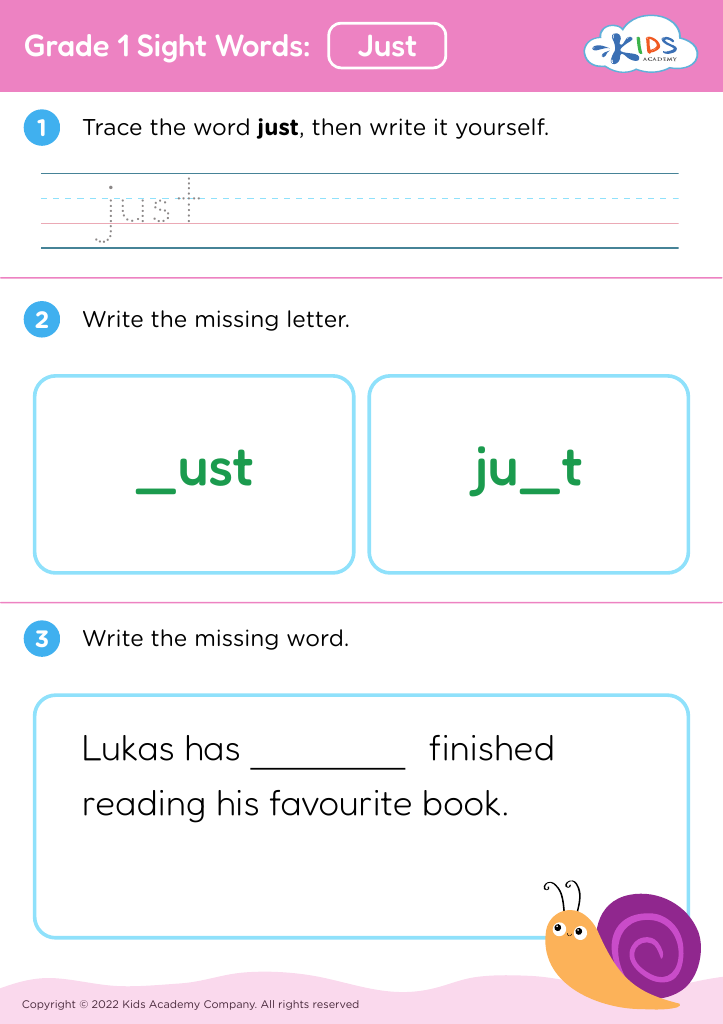











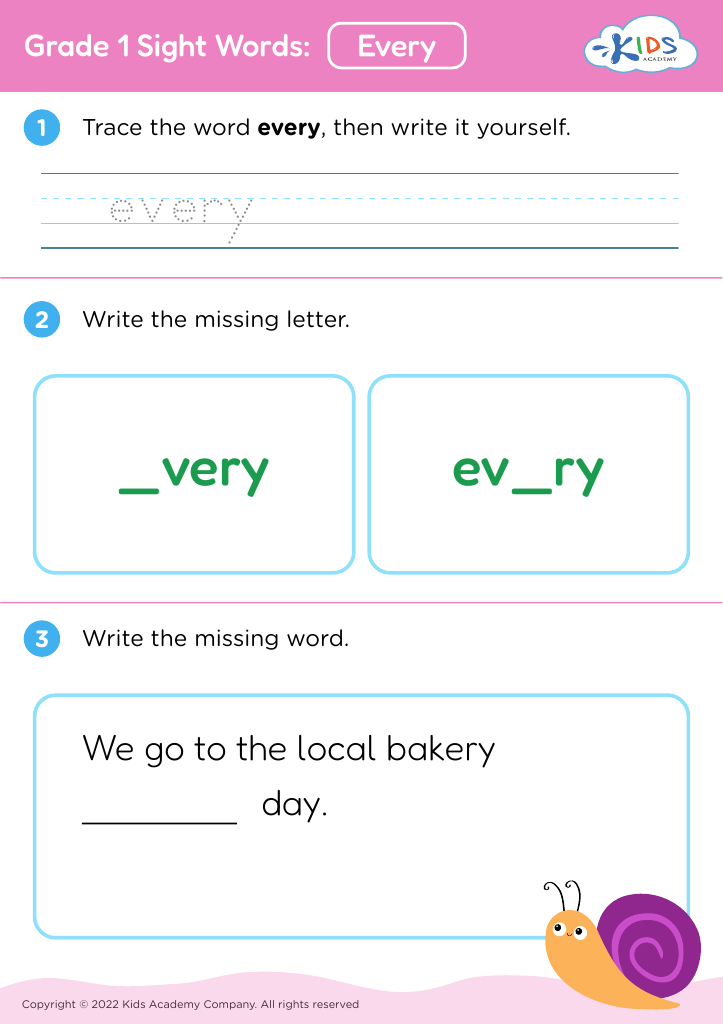
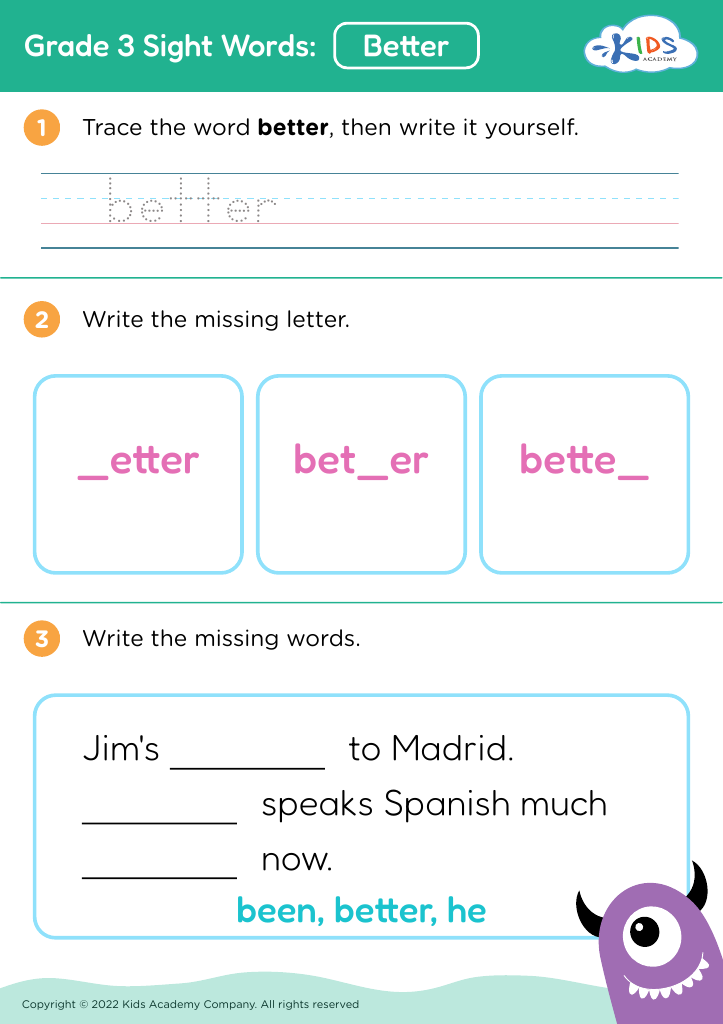








Parents and teachers should prioritize comparing quantities and building vocabulary for children aged 6-9 because these skills are essential for cognitive and academic development. Comparing quantities helps children understand concepts of size, volume, and measurement, which forms a foundation for later math skills. As they learn to compare numbers, they also develop critical thinking and problem-solving abilities, fostering a greater understanding of the world around them.
Building vocabulary in this age group is equally crucial. A rich vocabulary enhances reading comprehension and communication skills. When children can express their thoughts and ideas effectively, they become more engaged learners. By expanding their vocabulary, students learn to articulate comparisons, which is key in math and science discussions. Moreover, enhanced vocabulary supports social interactions and emotional expression, helping kids build strong relationships with peers.
Together, these skills prepare children for academic success and lifelong learning by promoting literacy, numeracy, and social skills. In caring for these developmental aspects, parents and teachers set a strong educational foundation, allowing children to navigate future challenges with confidence and competence. Encouraging these skills in early education is an investment in a child’s intellectual and personal growth.








