
Counting skills Building Vocabulary Worksheets for Ages 6-9
26 filtered results
Difficulty Level
Grade
Age
-
From - To
Subject
Activity
Standards
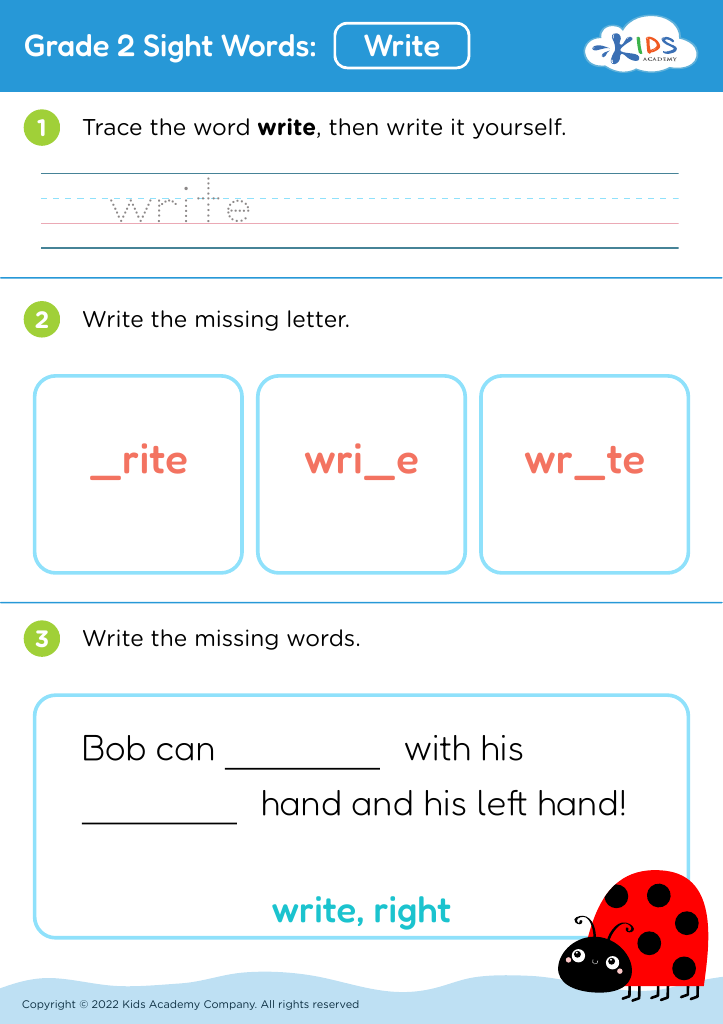
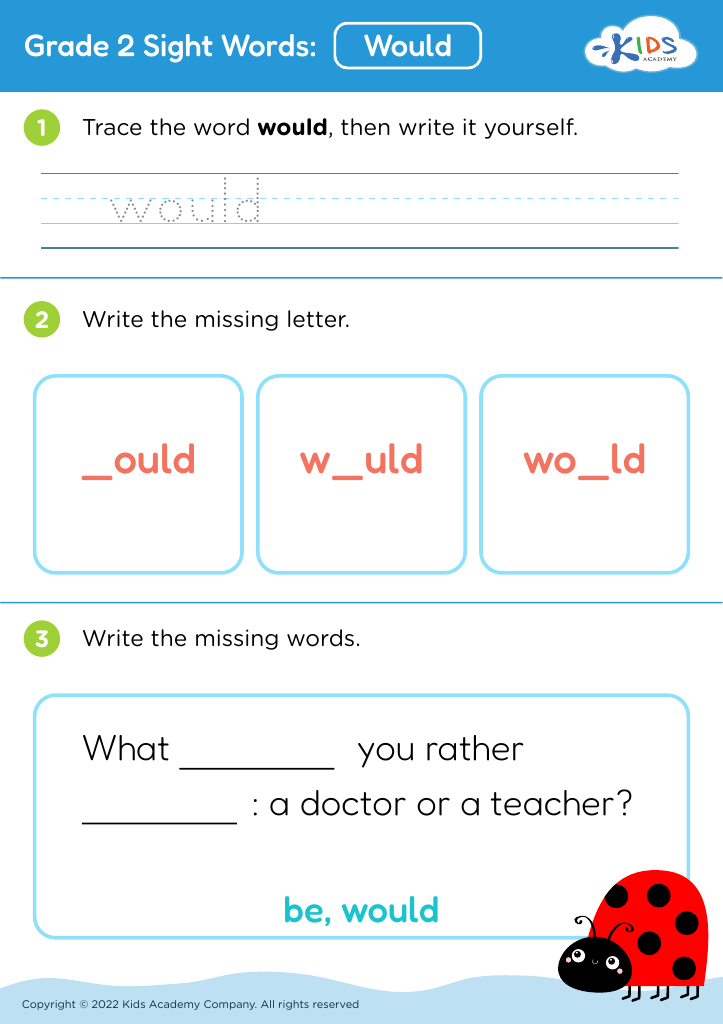
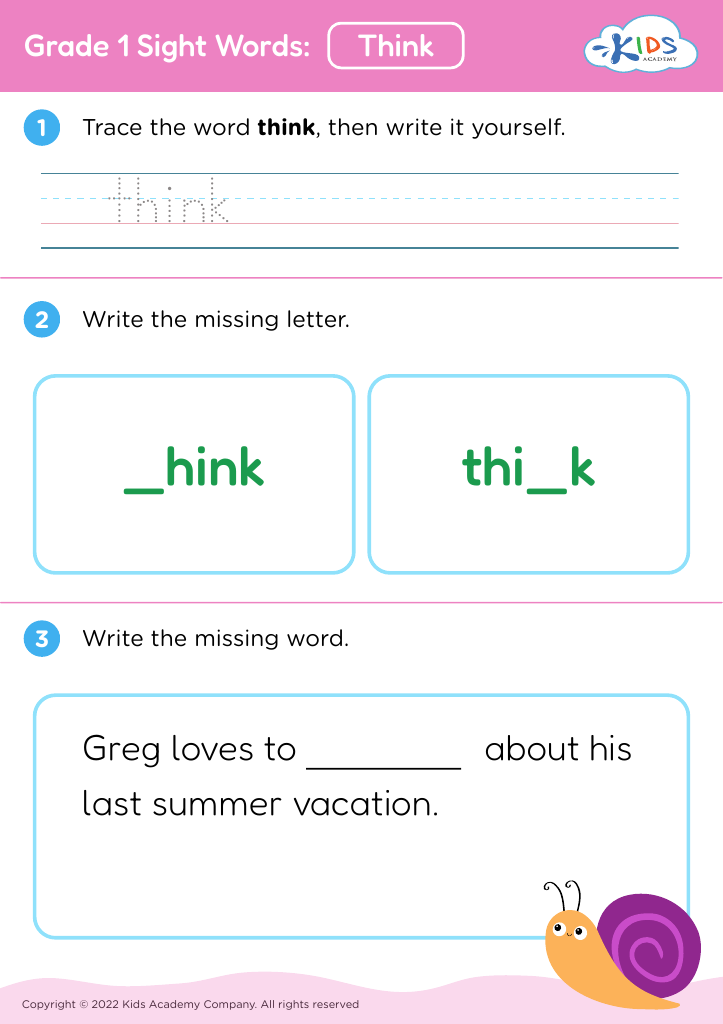
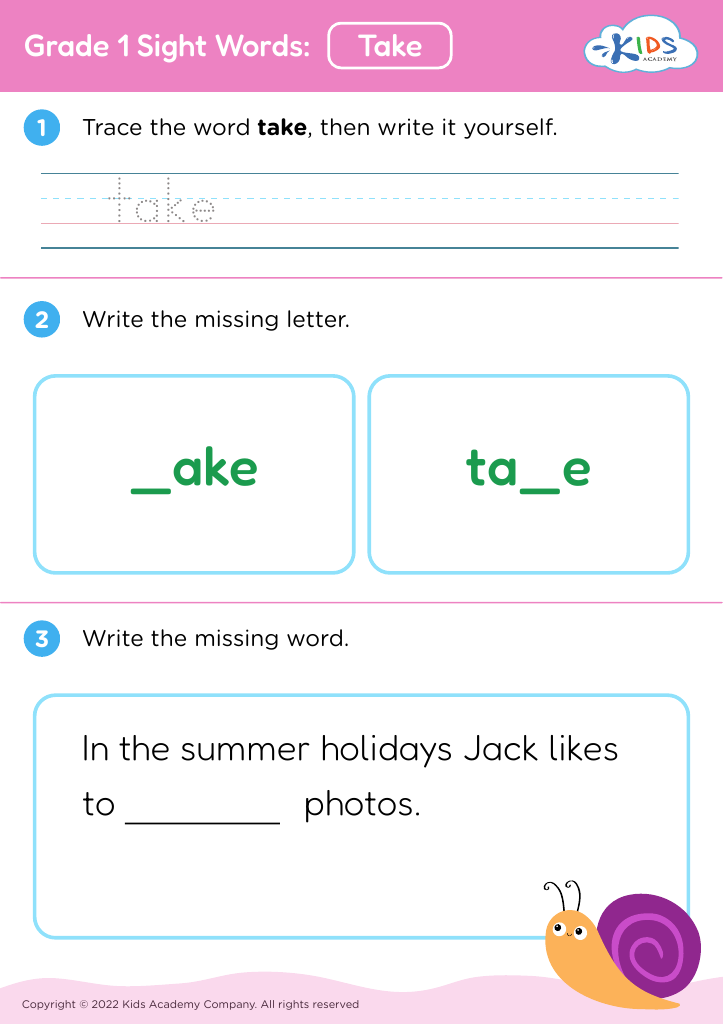
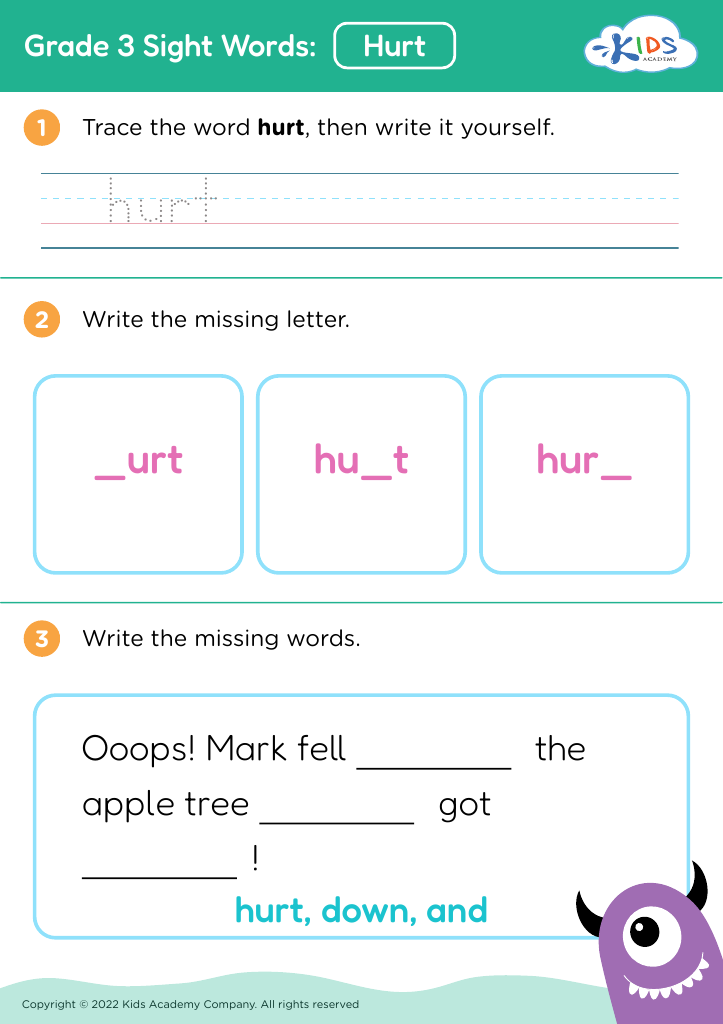
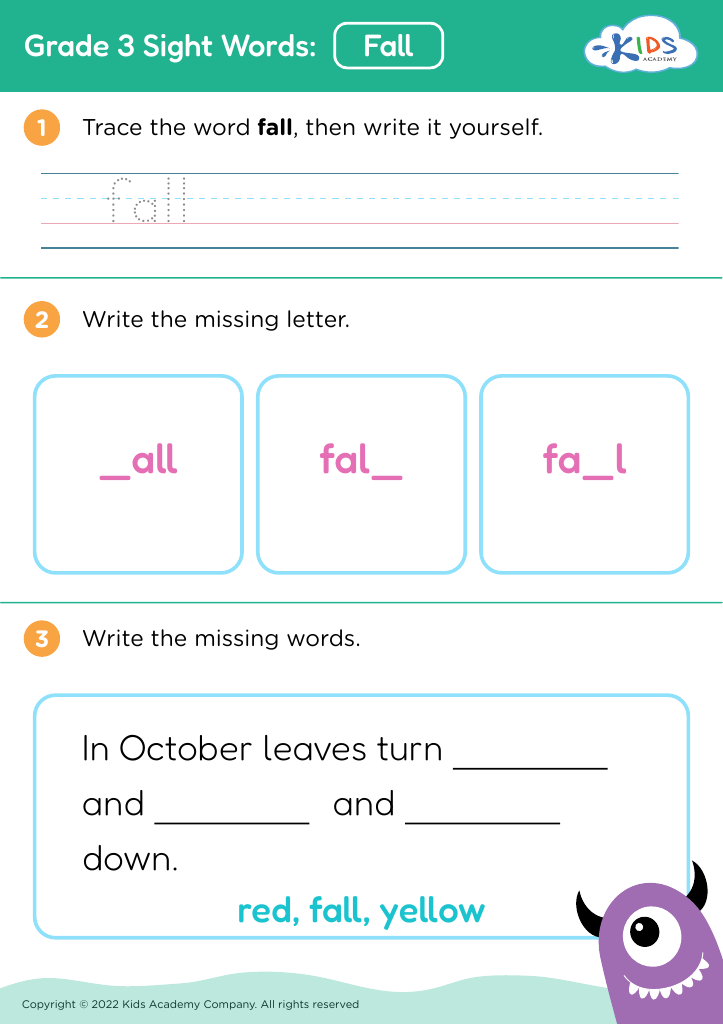
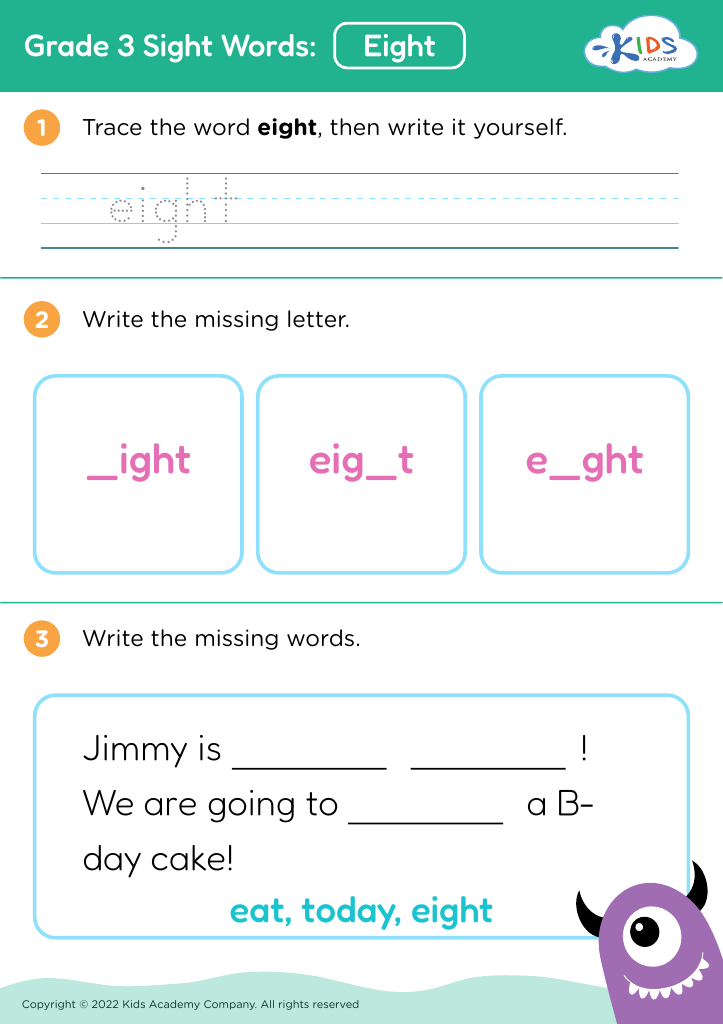
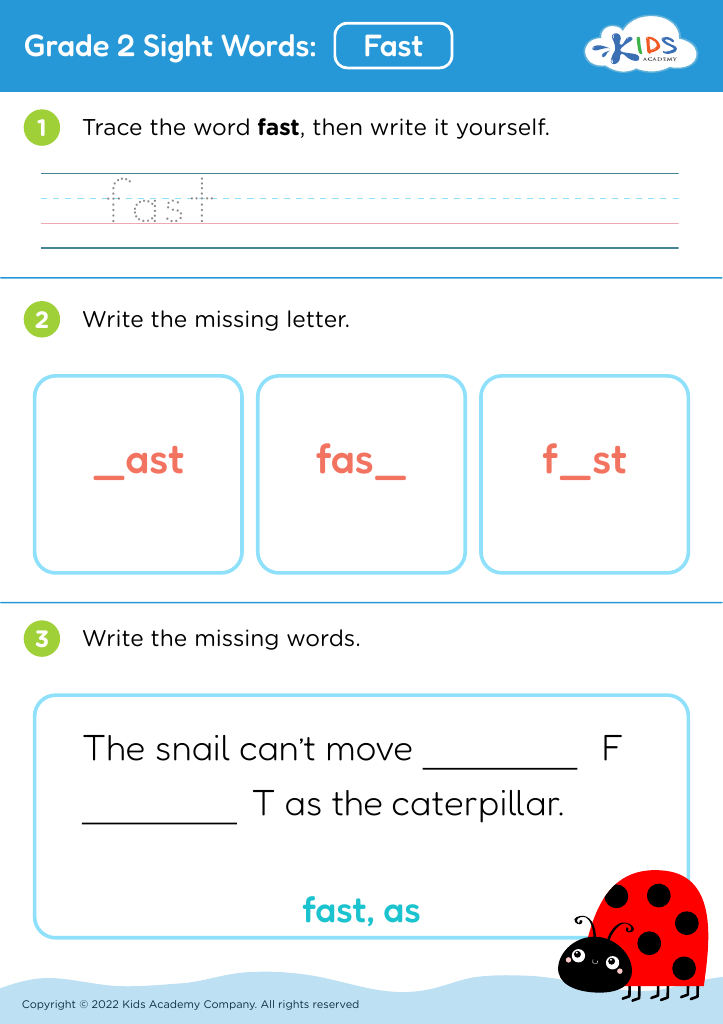
Enhance your child's learning experience with our Counting Skills Building Vocabulary Worksheets designed specifically for ages 6-9. These engaging worksheets combine counting exercises with vocabulary development, making learning enjoyable and effective. Kids will practice essential math skills while expanding their word knowledge through fun activities and interactive tasks. Our resources are tailored to reinforce number recognition, basic arithmetic, and vocabulary comprehension, paving the way for improved literacy and numeracy skills. Perfect for home or classroom use, these worksheets help foster a confident learning environment, preparing young learners for academic success. Begin your child’s journey toward mastery today!
Favorites
With answer key
Interactive
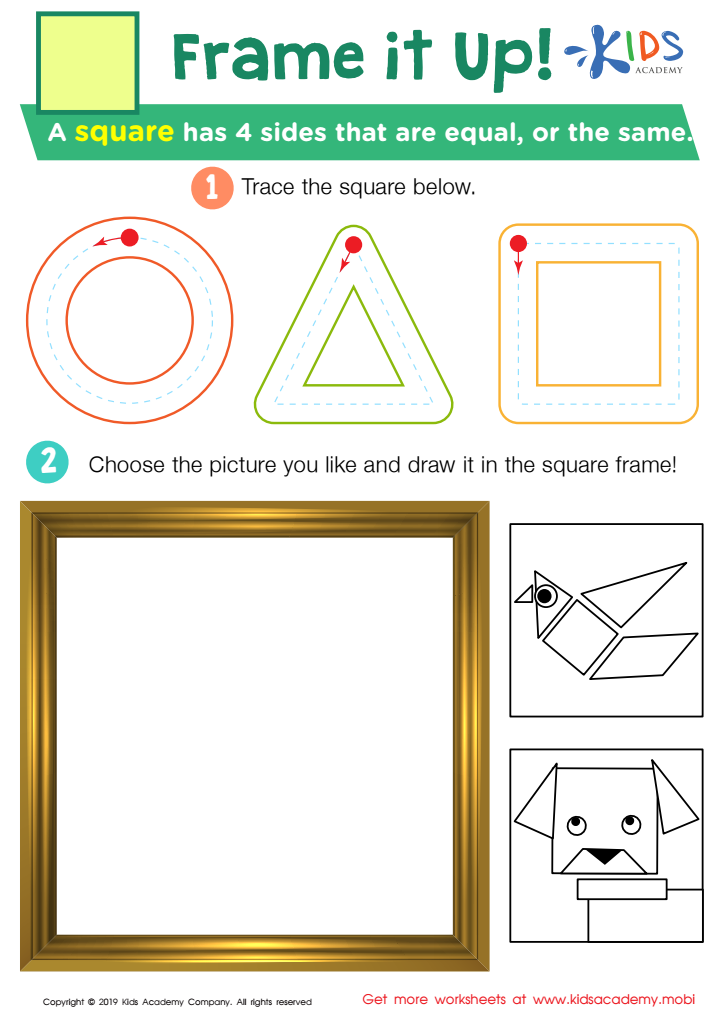
Frame it Up Worksheet
This worksheet helps kids learn the difference between squares and other shapes. It guides them to trace a square and draw a picture inside it. Examples of shapes-based drawings are included. Kids will have fun and clear up any confusion about squares.
 Assign to My Students
Frame it Up Worksheet
Worksheet











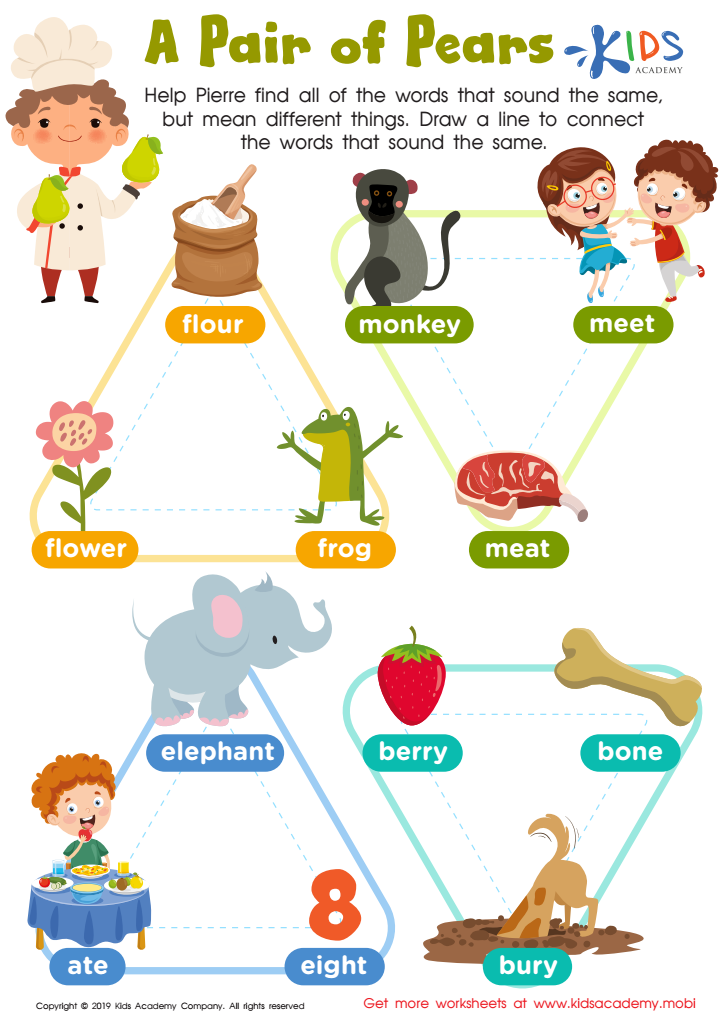
Pair Pears Worksheet
Young readers can have difficulty knowing when to use the right homophone. This free worksheet helps them use familiar imagery to understand better by connecting words that sound similar but are spelled and mean different things. Students will trace the lines to form a picture and have a reference image to differentiate between the different homophones.
Pair Pears Worksheet
Worksheet
Join Kids Academy for Free
Who is primarily going to use this learning content?




.jpg)


Counting skills and vocabulary development are essential components of education for children aged 6-9, as they lay the groundwork for academic success and everyday life. First, counting skills enable children to understand numbers and quantities, providing a foundation for mathematical concepts they'll encounter as they progress through school. Mastering these skills also boosts problem-solving abilities, logical thinking, and ultimately fosters a sense of confidence in handling numerical tasks.
On the other hand, vocabulary building enriches a child's language skills, enabling them to express themselves effectively and improving their comprehension in various subjects, including reading and science. A strong vocabulary enhances communication abilities, which are vital for social interactions and collaborative learning experiences.
Moreover, combining counting skills with vocabulary acquisition creates opportunities for dynamic learning experiences, such as counting objects or using math-related terms in conversations. This integrated approach encourages critical thinking and fosters a love for learning.
Thus, parents and teachers should prioritize both counting skills and vocabulary development, as these foundational elements not only support academic achievement but also contribute to a child's overall cognitive and social development, setting the stage for lifelong learning and success.








