Math problem-solving Building Vocabulary Worksheets for Ages 6-9
6 filtered results
-
From - To
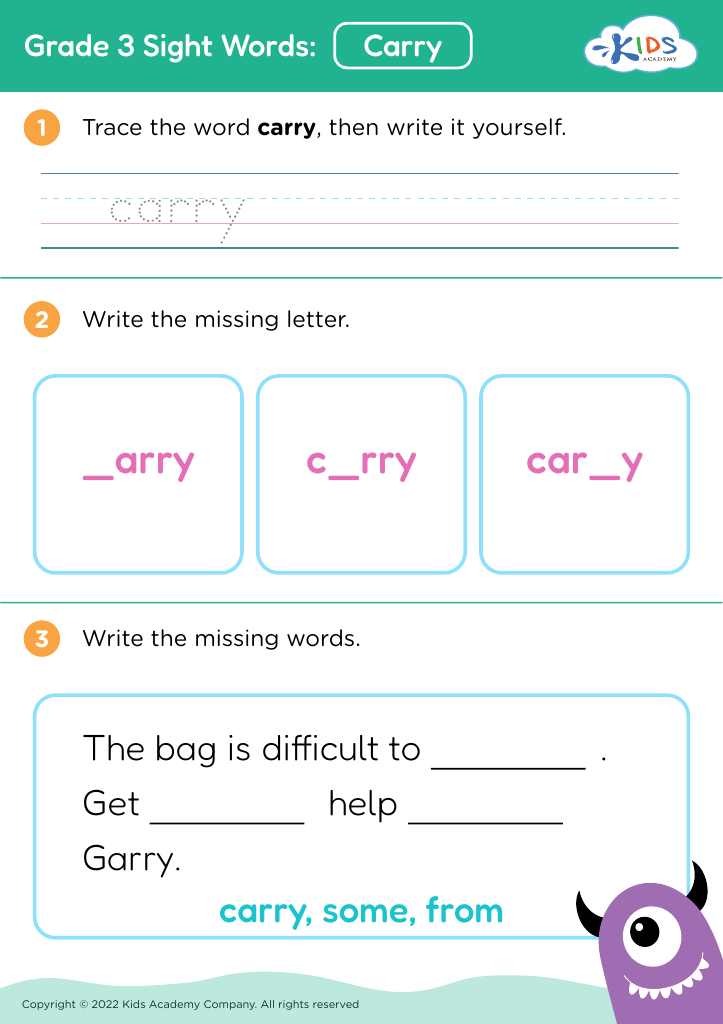
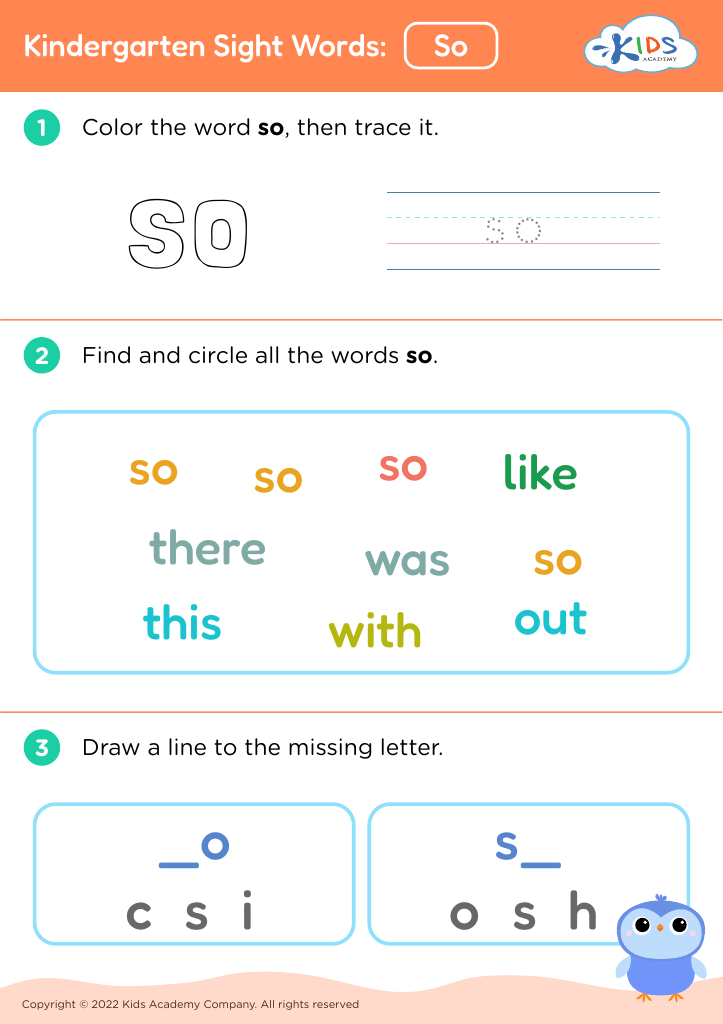
Unlock your child’s potential with our Math Problem-Solving Building Vocabulary Worksheets for Ages 6-9. Specifically crafted, these engaging worksheets blend mathematical challenges with vocabulary development. Strengthen their problem-solving skills as they learn essential math terms in an interactive and fun manner. Each worksheet features age-appropriate exercises geared towards enhancing critical thinking and comprehension. Ideal for both classroom use and home practice, these resources make mastering math concepts an enjoyable journey for young learners. Equip your child with the vocabulary and confidence needed to tackle math problems successfully. Explore our collection today and watch their skills soar!



















Parents and teachers should prioritize building vocabulary tailored to math problem-solving for children ages 6 to 9 because it lays the foundation for academic success and everyday mathematical literacy. At this developmental stage, children's cognitive abilities are rapidly expanding, and having a strong math vocabulary enables them to grasp and articulate fundamental concepts more effectively.
First and foremost, a robust vocabulary helps children understand and follow problem-solving steps accurately. Terms like "sum," "difference," "equal," "greater than," and "less than" make it easier for kids to comprehend and solve problems, reducing frustration and anxiety. Moreover, a well-developed math vocabulary fosters critical thinking, as children are better equipped to recognize patterns, ask relevant questions, and approach problems systematically.
Secondly, math vocabulary is integral to communication. When children can clearly express mathematical ideas and understand the terms used in classroom instructions or textbooks, they are more likely to participate in discussions and collaborative activities, enhancing their learning experience.
Lastly, foundational vocabulary builds confidence. As children grow accustomed to using and understanding math-specific language, they become more self-assured in their problem-solving abilities. This early confidence can translate to a positive attitude toward math in later years, promoting continuous academic success.
In summary, a strong math vocabulary is essential for understanding, communicating, and enjoying mathematics during these formative years, setting the stage for lifelong skills and knowledge.








