
Recognizing Patterns Building Vocabulary Worksheets for Ages 6-9
4 filtered results
Difficulty Level
Grade
Age
-
From - To
Subject
Activity
Standards
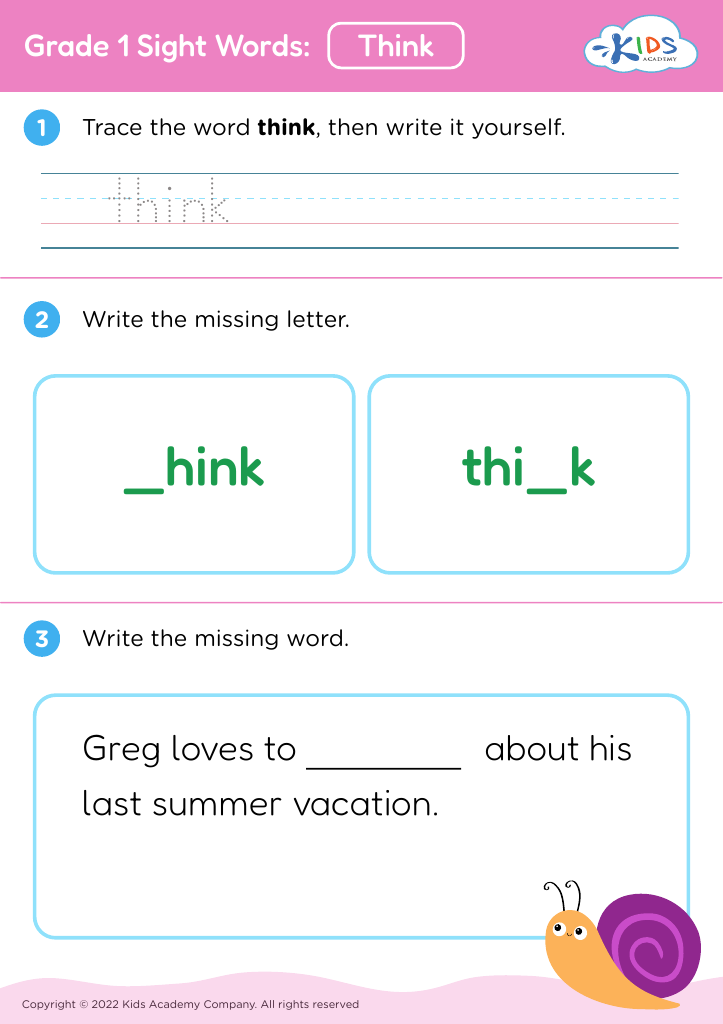
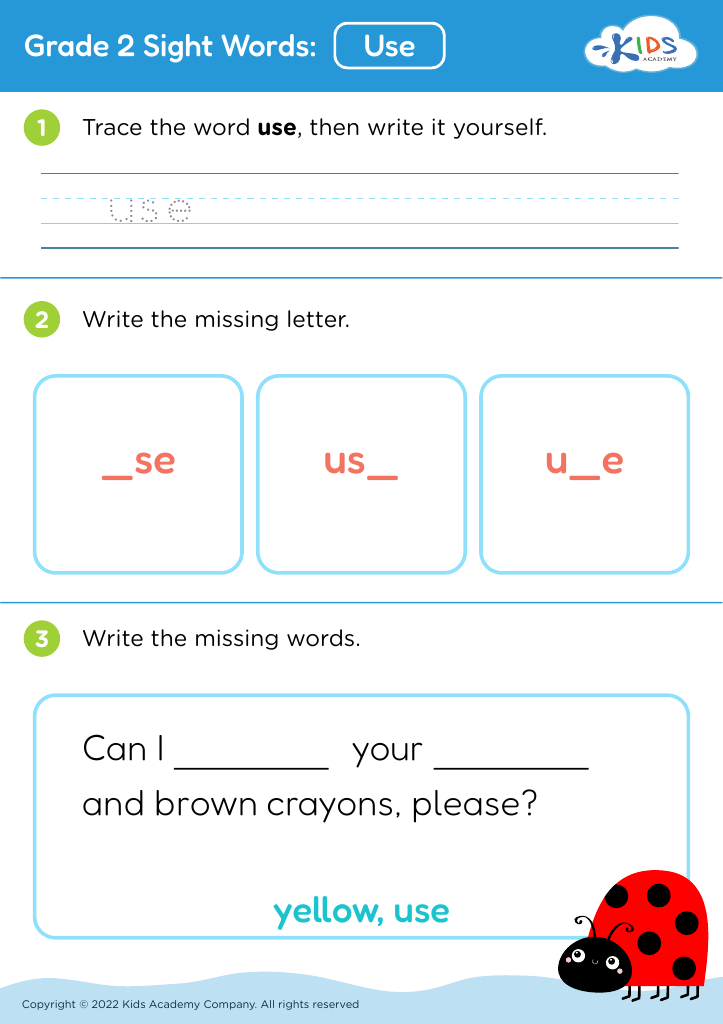
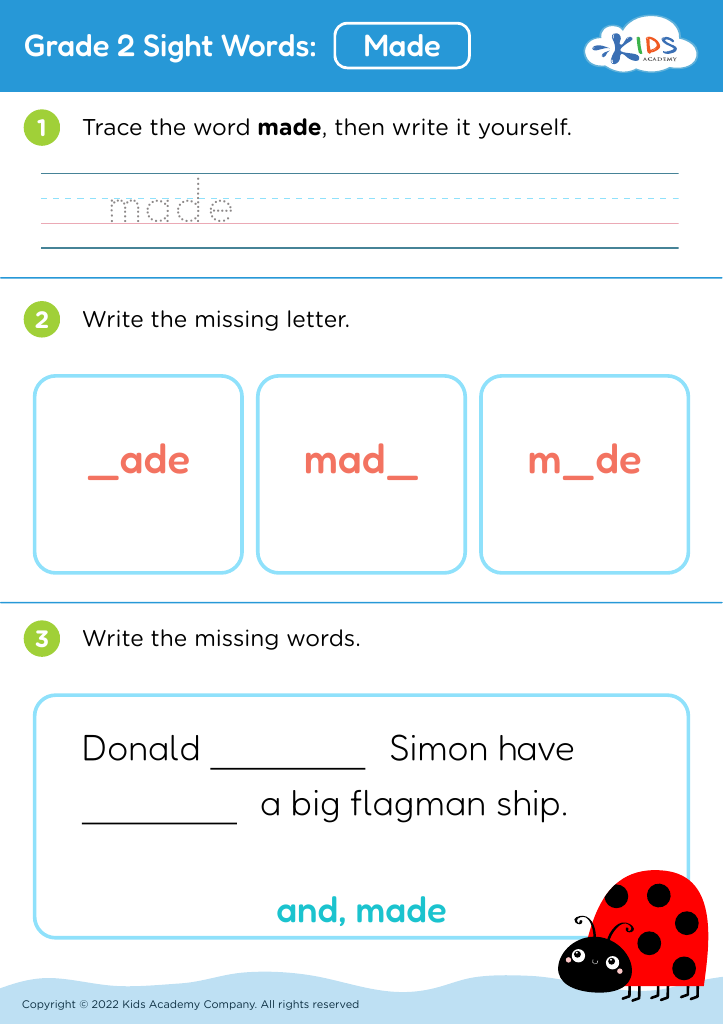
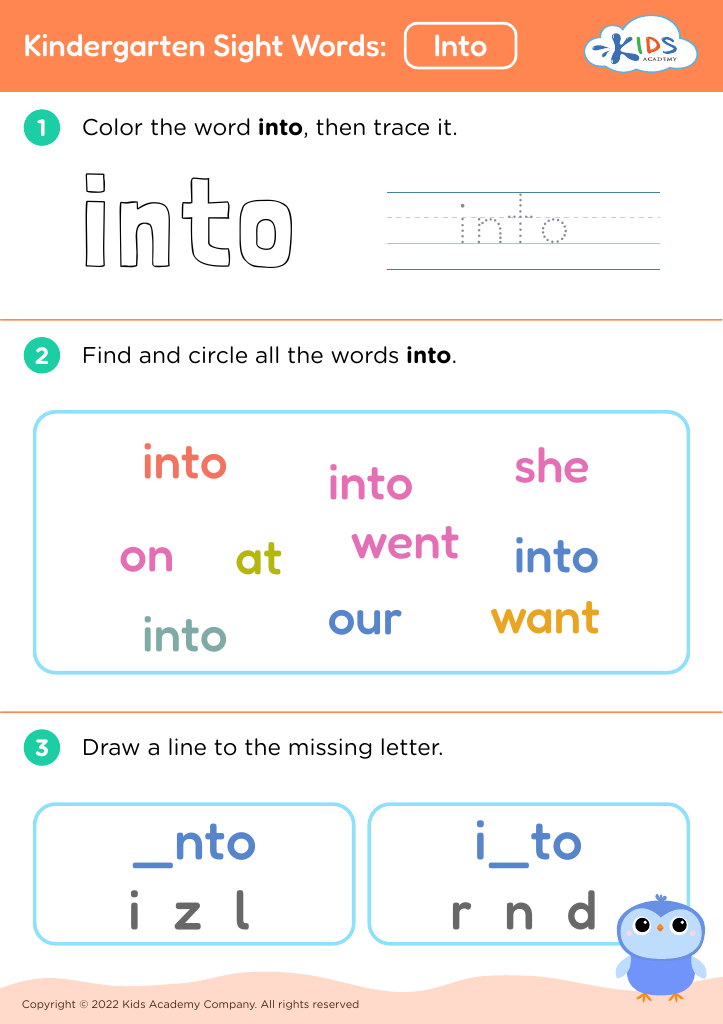
Discover our engaging "Recognizing Patterns Building Vocabulary Worksheets" designed for children ages 6-9. These interactive worksheets help young learners identify and understand patterns, enhancing their vocabulary in a fun and meaningful way. By incorporating visual and verbal patterns, children will refine their reading skills, improve comprehension, and make connections between words and contexts. Each worksheet features colorful illustrations and age-appropriate exercises that capture children's interest while fostering a love for learning. Perfect for teachers and parents seeking to support literacy development, these resources make vocabulary building enjoyable and effective! Start enhancing your child's language skills today with our carefully curated content.
Favorites
With answer key
Interactive











Join Kids Academy for Free
Who is primarily going to use this learning content?







Recognizing patterns and building vocabulary are essential skills for children aged 6 to 9, and it is crucial for both parents and teachers to prioritize these areas in a child’s education. Understanding patterns fosters critical thinking and problem-solving abilities. When children can identify similarities, sequences, or relationships among numbers, shapes, or events, they enhance their cognitive abilities, paving the way for future mathematical and scientific learning.
Building vocabulary, on the other hand, is fundamental to language development and literacy. A robust vocabulary not only improves reading comprehension but also enhances a child's ability to express ideas and engage in meaningful conversations. When children encounter new words, they learn to make connections and expand their language skills, which boosts their confidence in both academic and social settings.
Moreover, recognizing patterns and building vocabulary are interconnected; as children learn new words and concepts, they begin to see relationships among them. Hence, parents and teachers should actively incorporate activities such as storytelling, word games, and pattern recognition tasks to foster these skills. Investing in these foundational areas during these formative years ensures children are well-equipped for academic success, ultimately laying the groundwork for lifelong learning and exploration.








