Simplifying Fractions Building Vocabulary Worksheets for Ages 6-9
6 filtered results
-
From - To
Boost your child's math and vocabulary skills with our "Simplifying Fractions Building Vocabulary Worksheets for Ages 6-9". These expertly crafted worksheets help young learners grasp essential concepts of fractions while enhancing their word knowledge. Engaging activities make mastering simplification fun and intuitive, ensuring children enjoy the learning process. Ideal for classroom or home use, our worksheets cater to various skill levels, providing clear instructions and examples. Empower your child to excel in both math and language with our comprehensive and educational worksheets. Start building a strong mathematical and vocabulary foundation today!











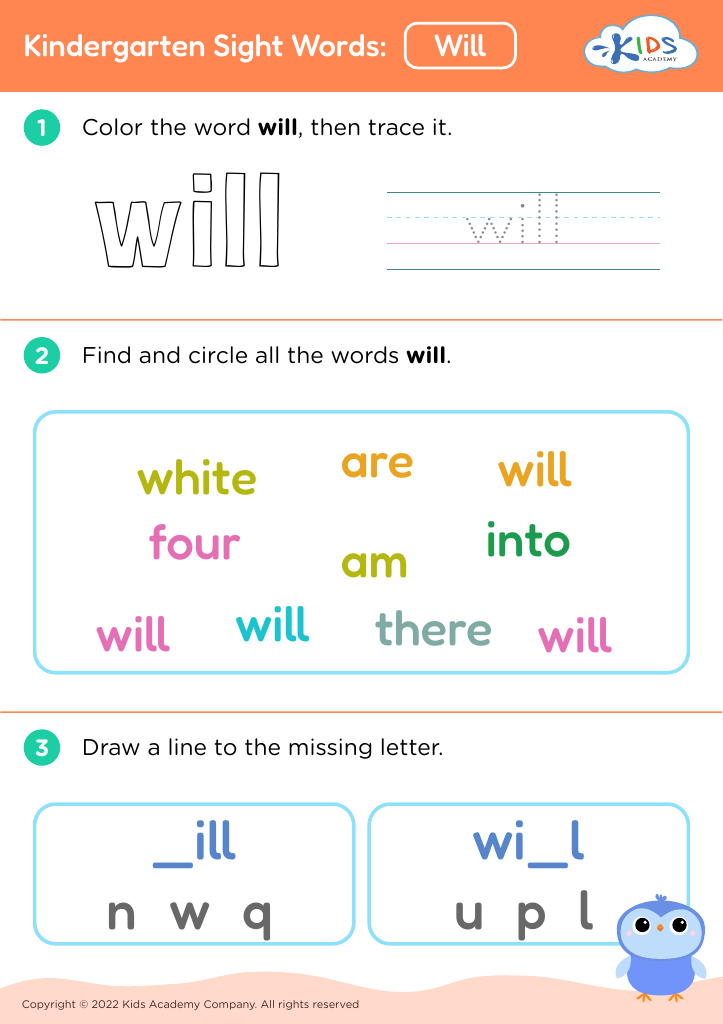
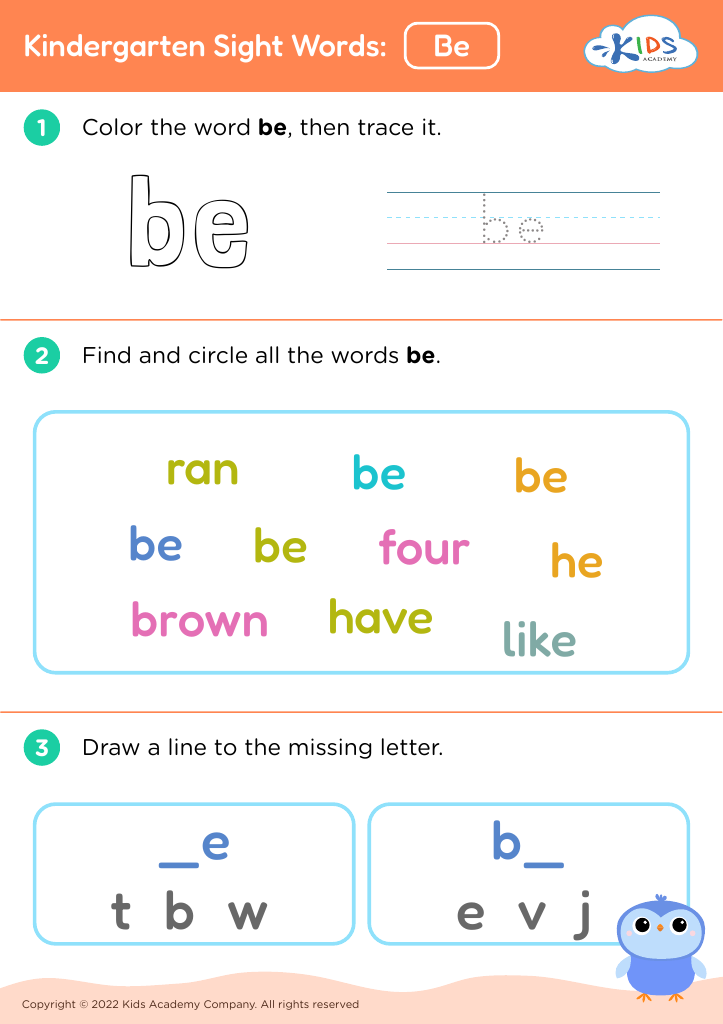








Parents and teachers should care about simplifying fractions and building vocabulary in children aged 6-9 because these skills form the foundation for future mathematical proficiency and general academic success. Fractions often appear as an intimidating concept for young learners, but when broken down into simple, understandable terms, children can grasp these foundational concepts more easily. Simplifying fractions allows students to understand the relationships between different numbers and provides an essential skill for advanced arithmetic, problem-solving, and algebraic thinking.
Building vocabulary around fractions (e.g., numerator, denominator, equivalent, simplify) is equally critical. When children have the proper language to describe their mathematical thinking, they can communicate their ideas more clearly, understand instructions fully, and engage more meaningfully with math problems. Introducing this vocabulary at a young age encourages children to become more confident in their math skills and fosters a positive attitude toward learning.
Moreover, improving these skills can enhance cognitive development, including better memory, attention, and logical thinking. Integrating simplified fraction concepts and vocabulary into everyday learning ensures children are not merely memorizing procedures but developing a robust understanding of mathematics. This foundational knowledge is indispensable, setting the stage for their continuous success in school and beyond.








