Color Identification Reading Worksheets for Ages 6-9
11 filtered results
-
From - To
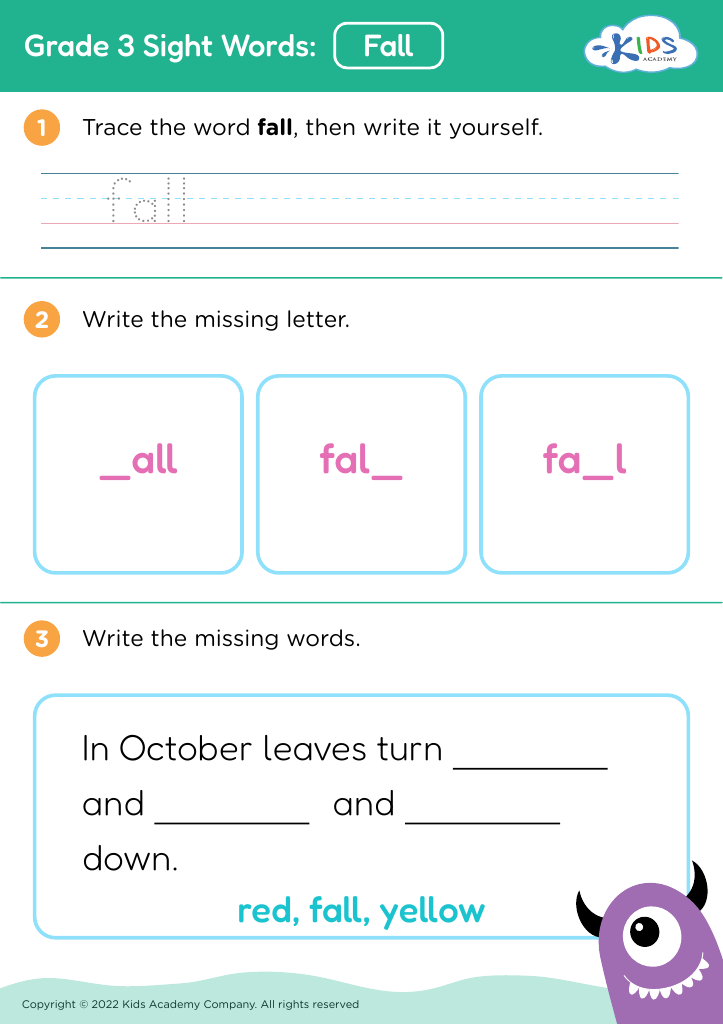
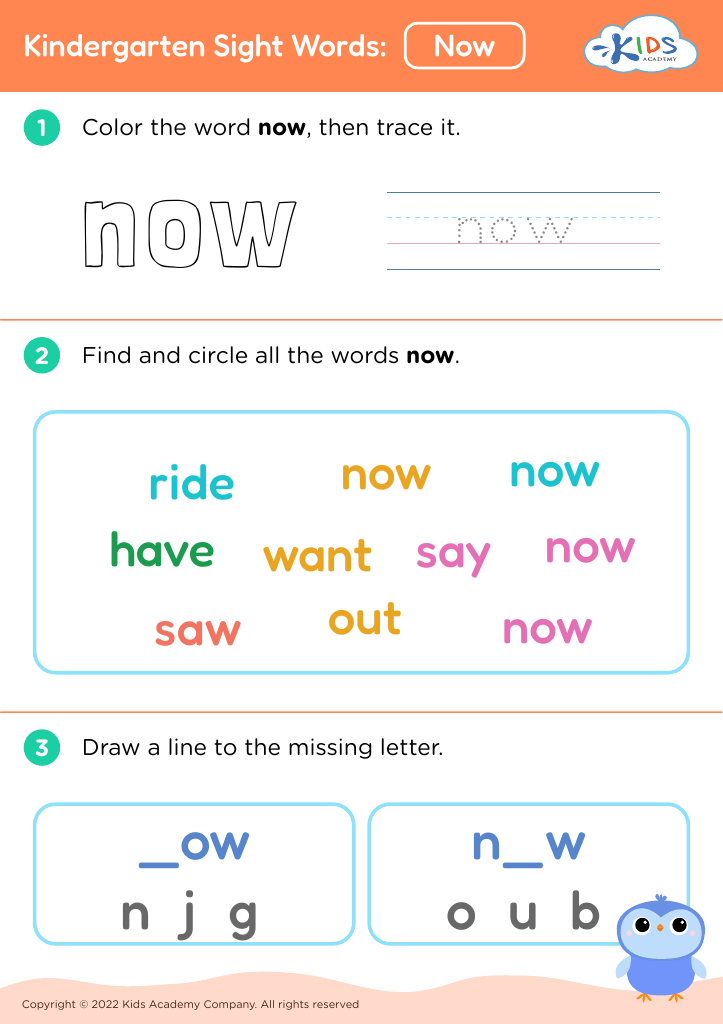
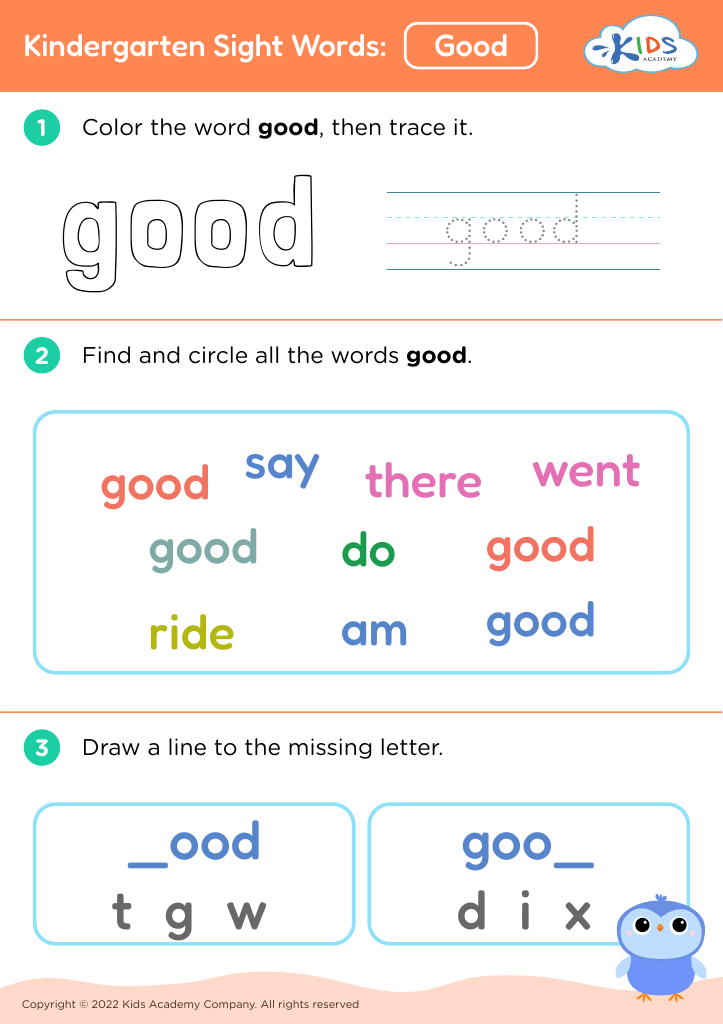
Discover our engaging Color Identification Reading Worksheets designed specifically for children ages 6-9! These interactive worksheets help young learners recognize and name colors while developing essential reading skills. Each worksheet features vibrant illustrations and simple texts that captivate students' attention, making learning fun and effective. Ideal for classroom use or at-home practice, these resources boost literacy and color recognition simultaneously. Perfect for beginners, our worksheets also support critical thinking and comprehension through fun exercises and activities. Enhance your child’s educational journey with these printable worksheets, paving the way for future academic success while enjoying the brilliance of colors!
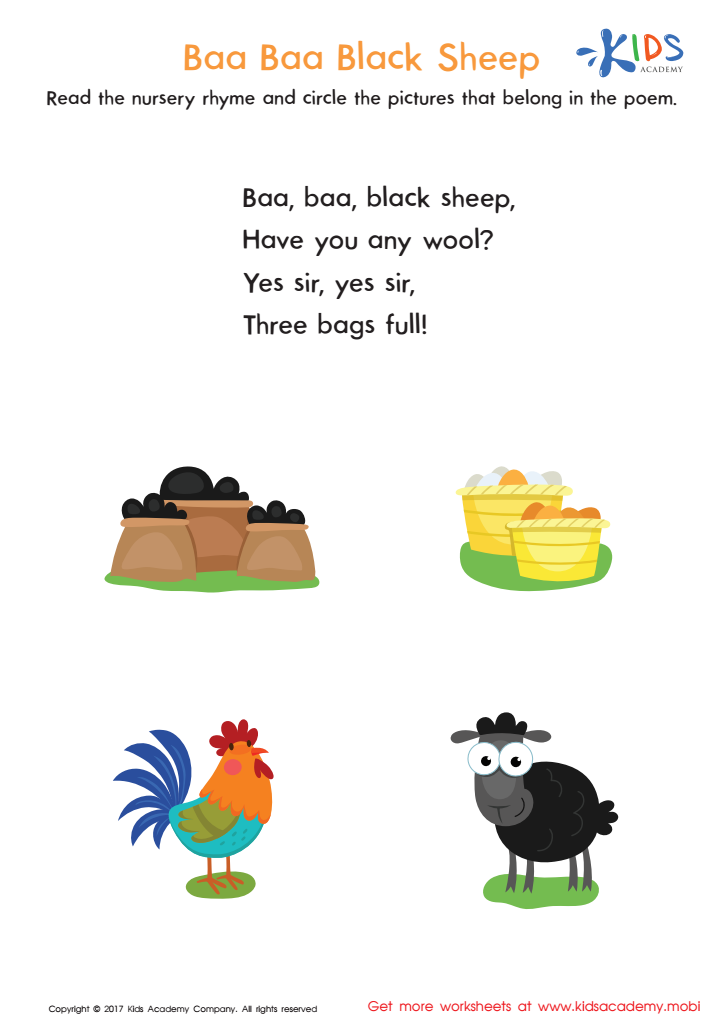
Baa Baa Black Sheep Printable
 Assign to My Students
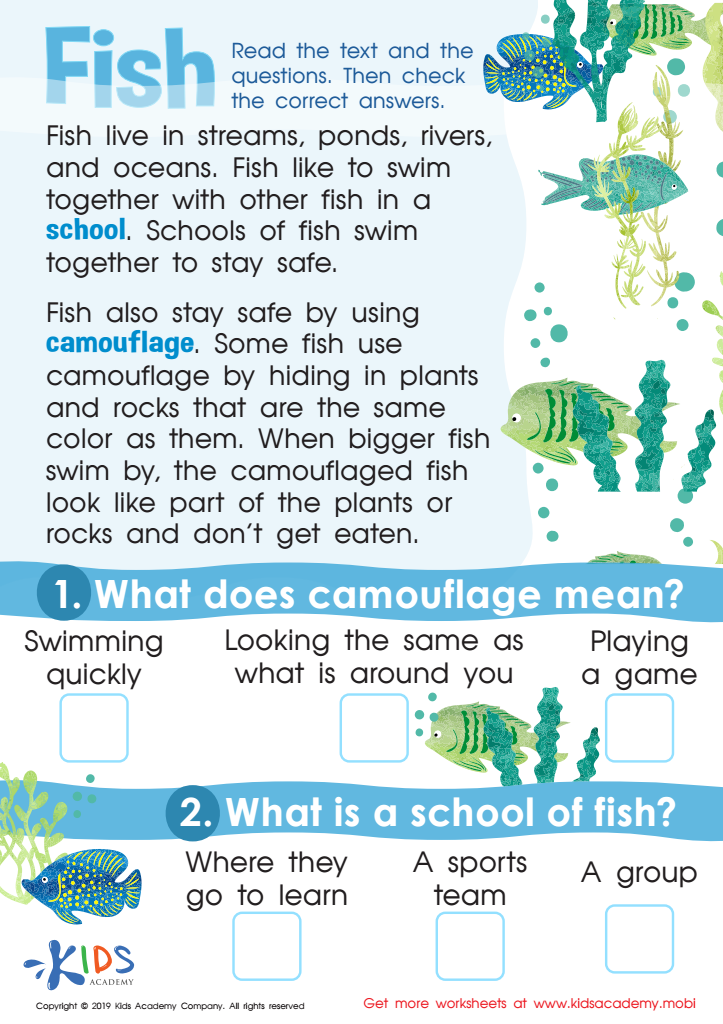
Fish Worksheet
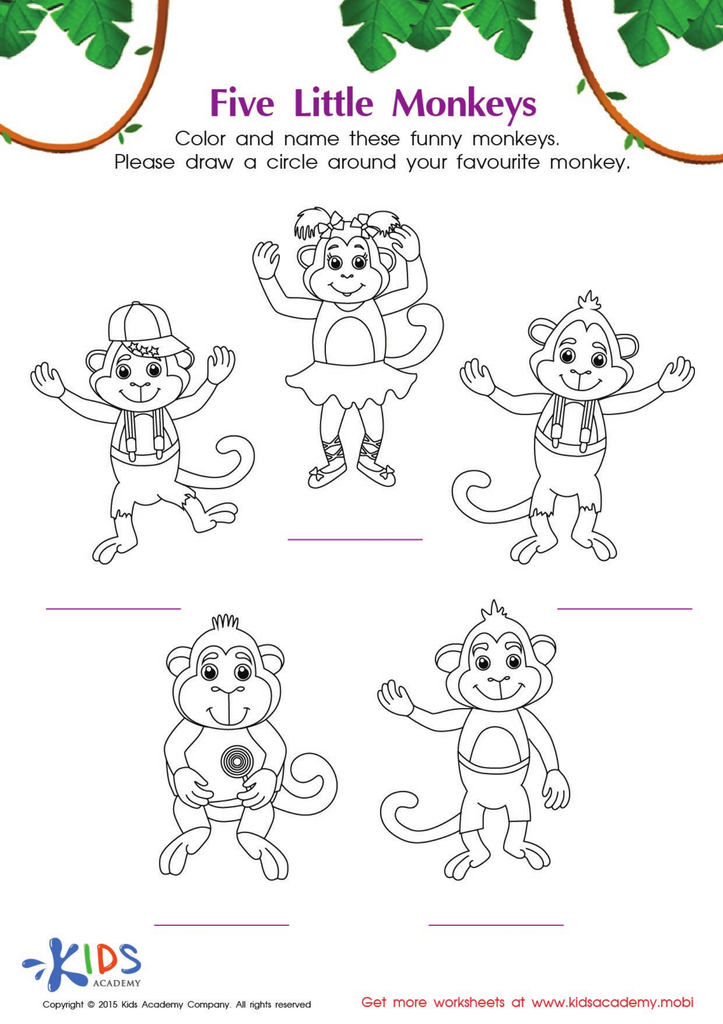
The Five Little Monkeys Coloring Worksheet
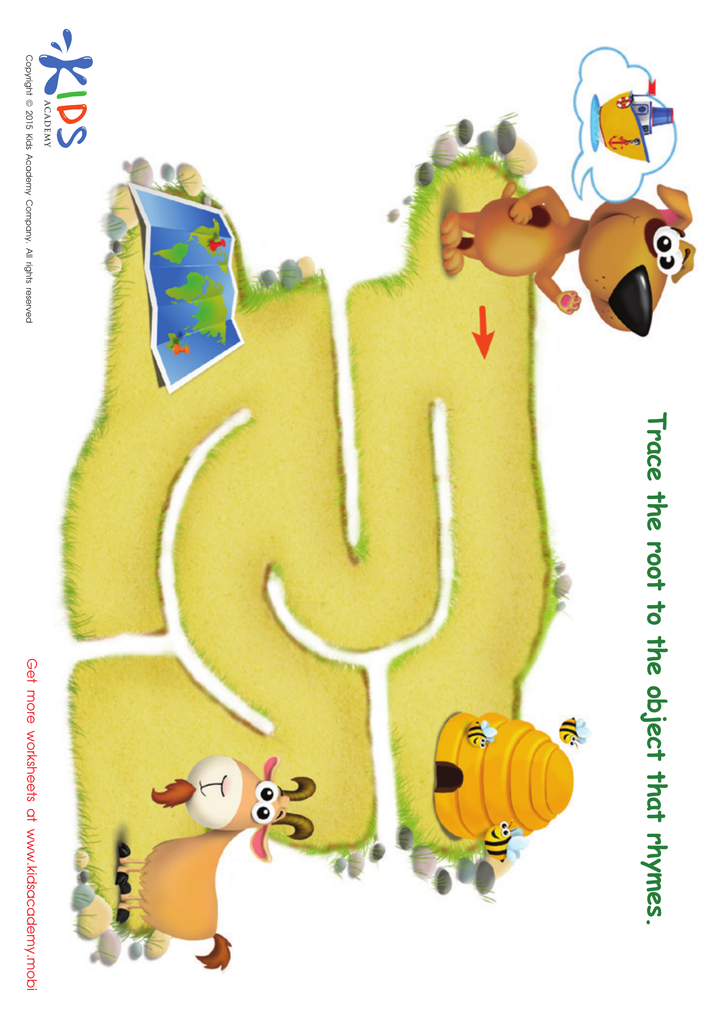
Boat Rhyming Words Worksheet
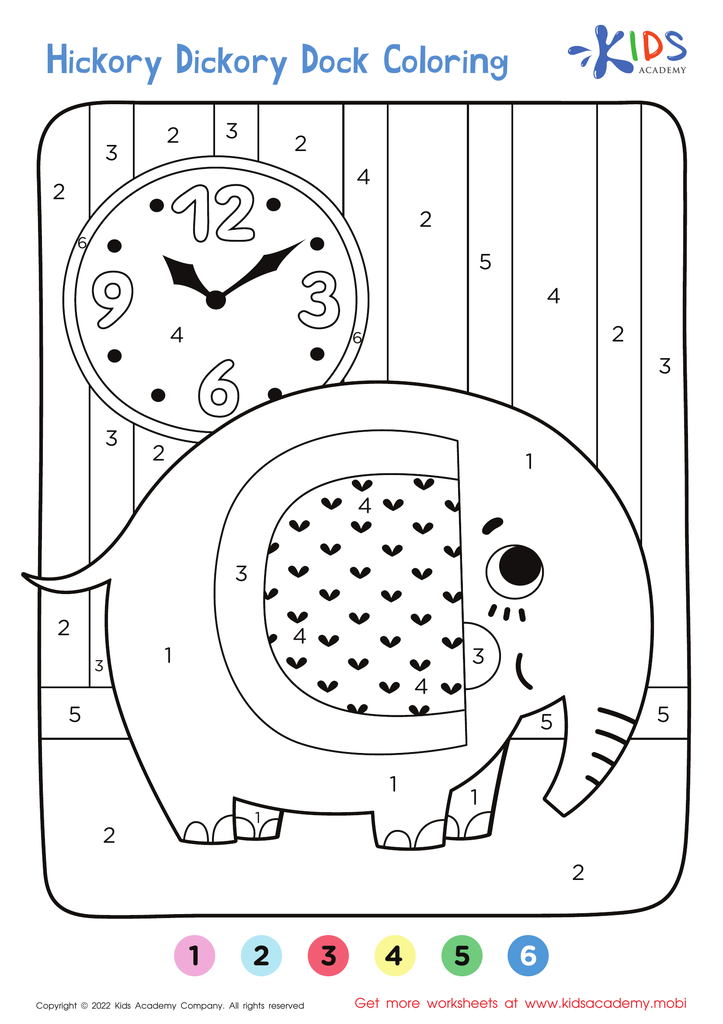
Hickory Dickory Dock – Coloring by Numbers
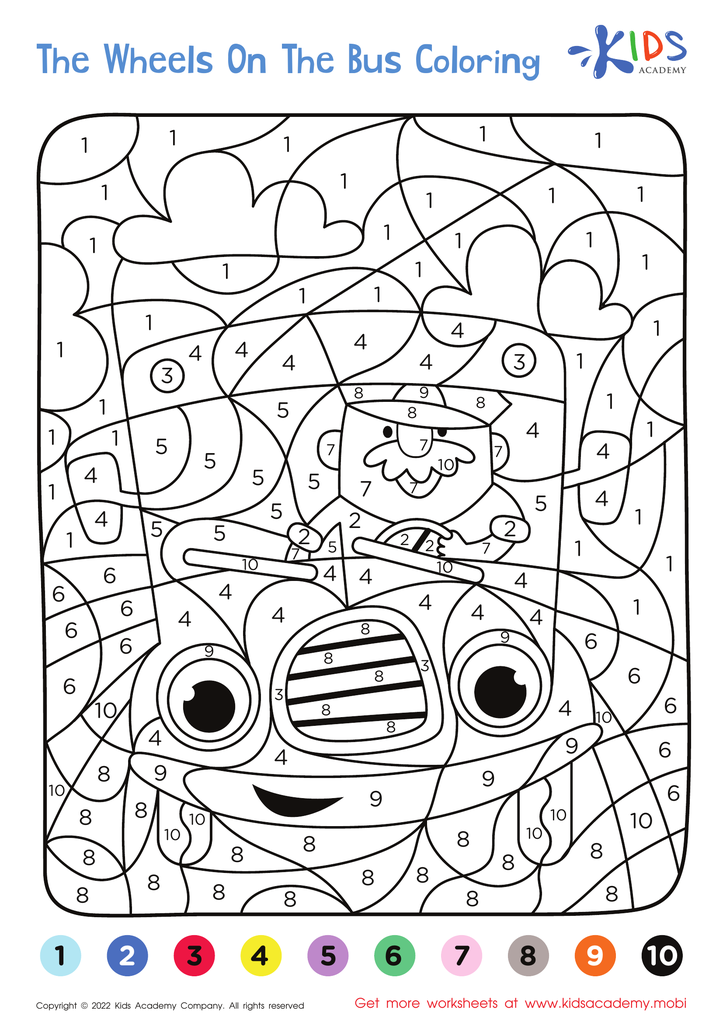
Wheels on the Bus – Coloring by Numbers
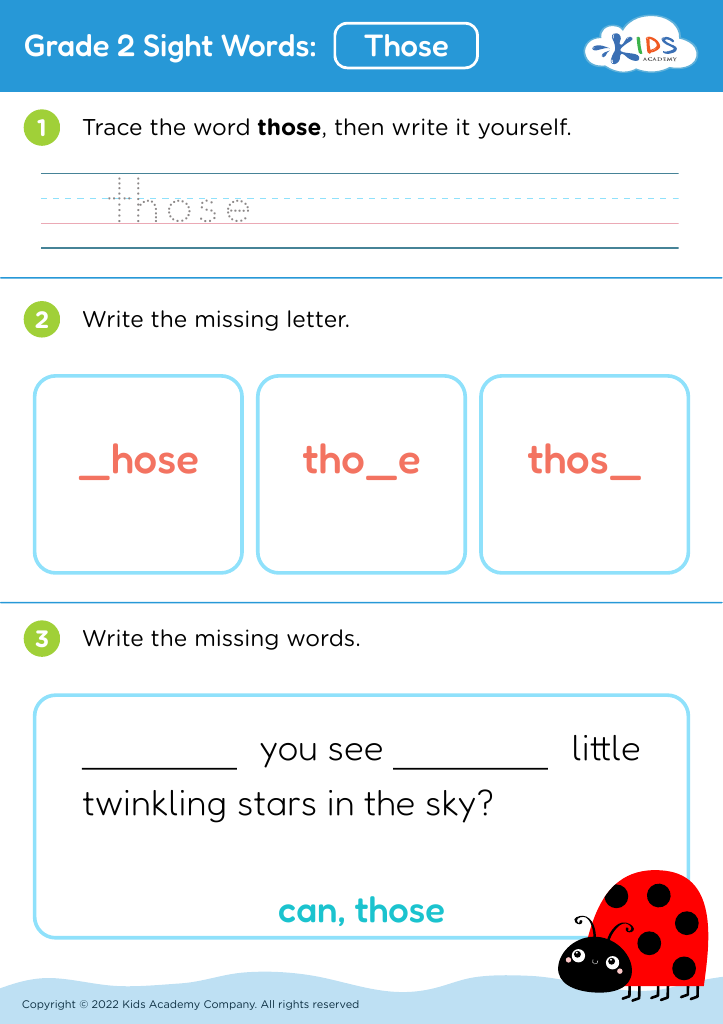
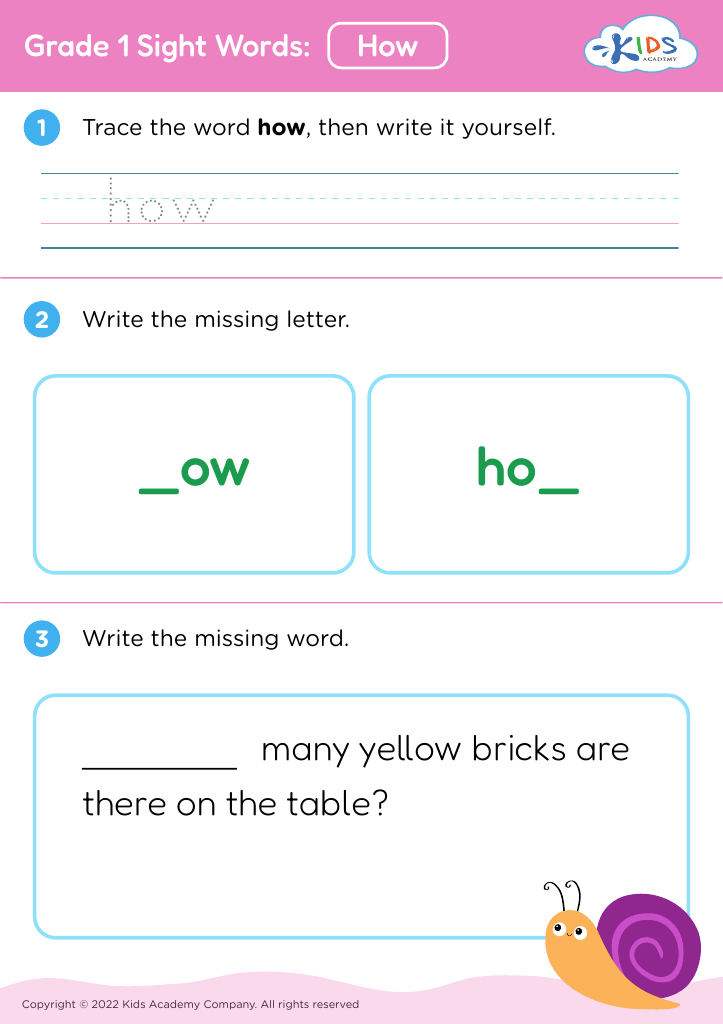








Color identification is a crucial skill for children aged 6 to 9, playing a significant role in their overall learning experience. For parents and teachers, nurturing this ability is essential for several reasons. First, color recognition is foundational for language development and literacy skills. It helps children expand their vocabulary and understand descriptive language, facilitating better comprehension in reading activities.
Moreover, colors serve as a natural way to engage children during learning sessions. Using vibrant colors can capture attention and enhance memory retention, making tasks like sorting, categorizing, and identifying objects more enjoyable. This visual stimulation fosters a positive learning environment and encourages participation.
In addition, understanding colors aids in the development of cognitive skills such as critical thinking and problem-solving. Children learn to associate colors with their meanings and contextual uses, allowing them to interpret emotions, symbols, and themes in storytelling and daily experiences.
Teaching color identification also has social implications; it helps children express themselves creatively and communicate their ideas effectively. Overall, supporting color identification enriches not only academic learning but also emotional intelligence and social interaction among children, making it a vital aspect of early education that teachers and parents should prioritize.








