Coloring skills Reading Worksheets for Ages 6-9
5 filtered results
-
From - To
Explore our engaging Coloring Skills Reading Worksheets designed specifically for children aged 6-9! These worksheets blend creativity with learning, helping young readers enhance their reading skills while enjoying the art of coloring. Each worksheet features fun illustrations that encourage children to practice recognition, comprehension, and vocabulary development. As they color, kids will stay engaged and motivated to improve their literacy skills. Perfect for classrooms or home use, our worksheets provide a delightful way for young learners to express themselves artistically while building a strong foundation in reading. Download now and let your child's imagination flourish alongside their reading journey!
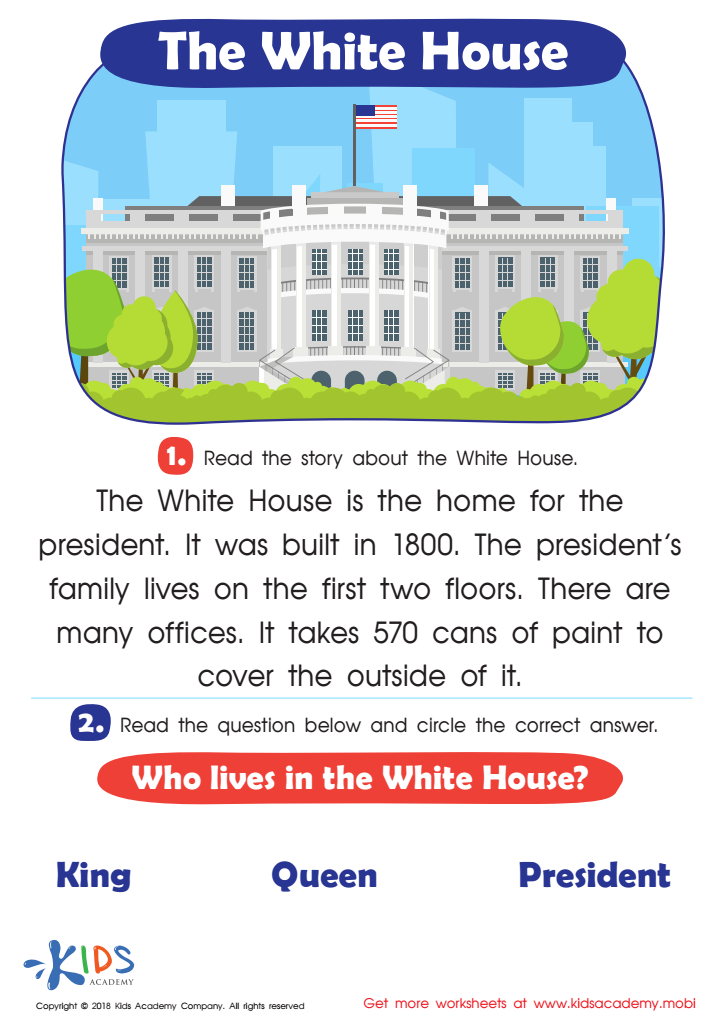
White House Worksheet
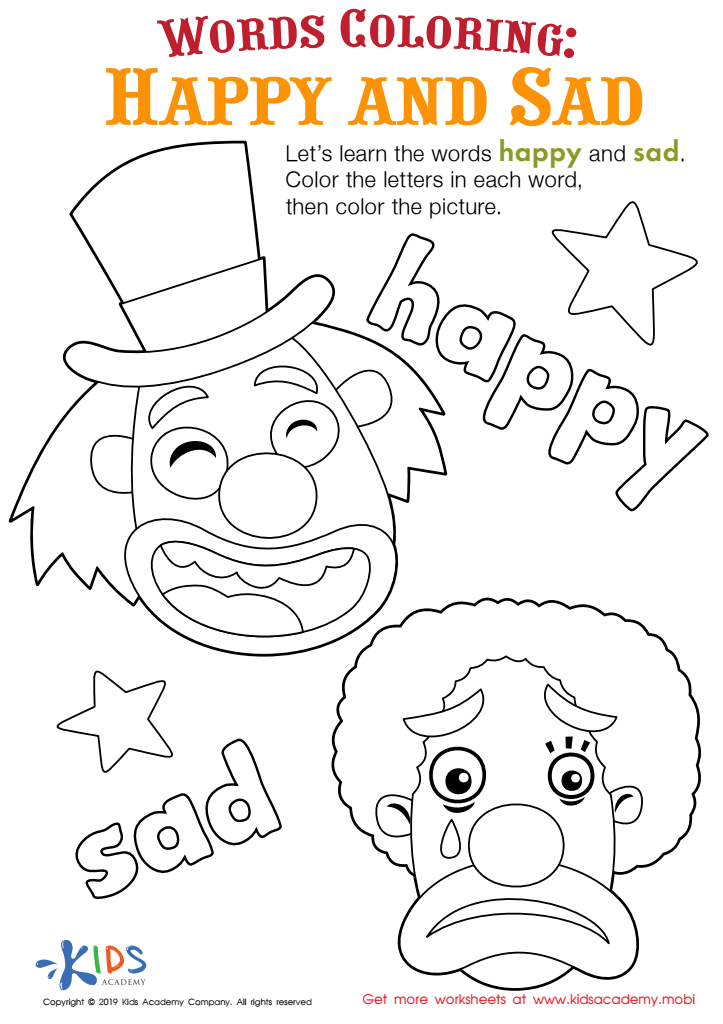
Happy and Sad Words Coloring Worksheet
 Assign to My Students
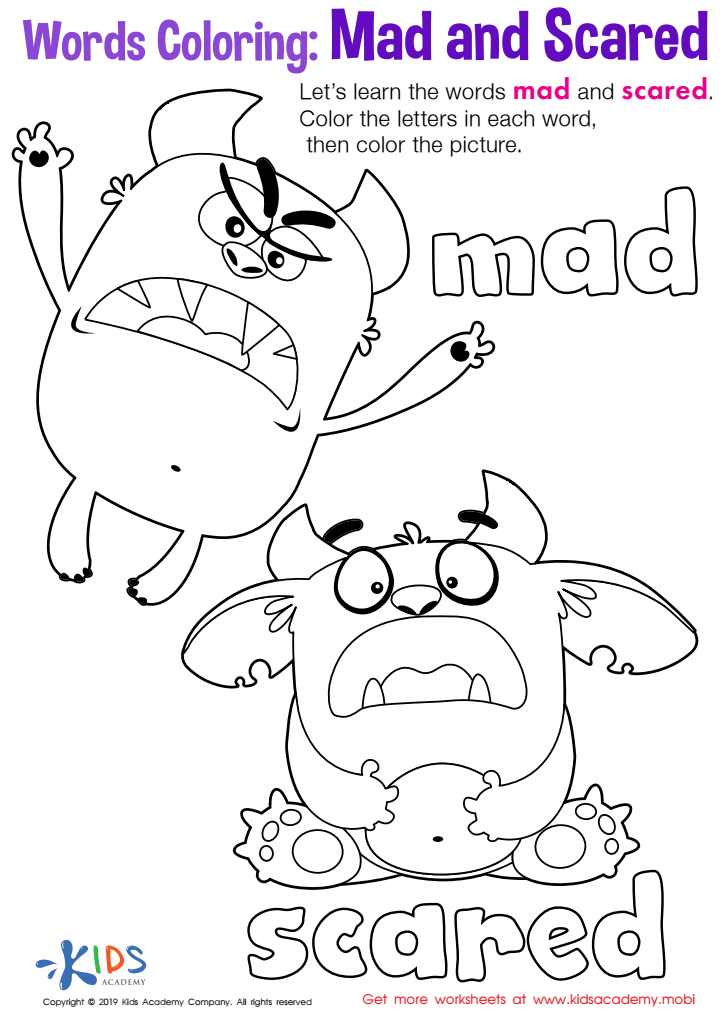
Mad and Scared Words Coloring Worksheet
Assign to My Students
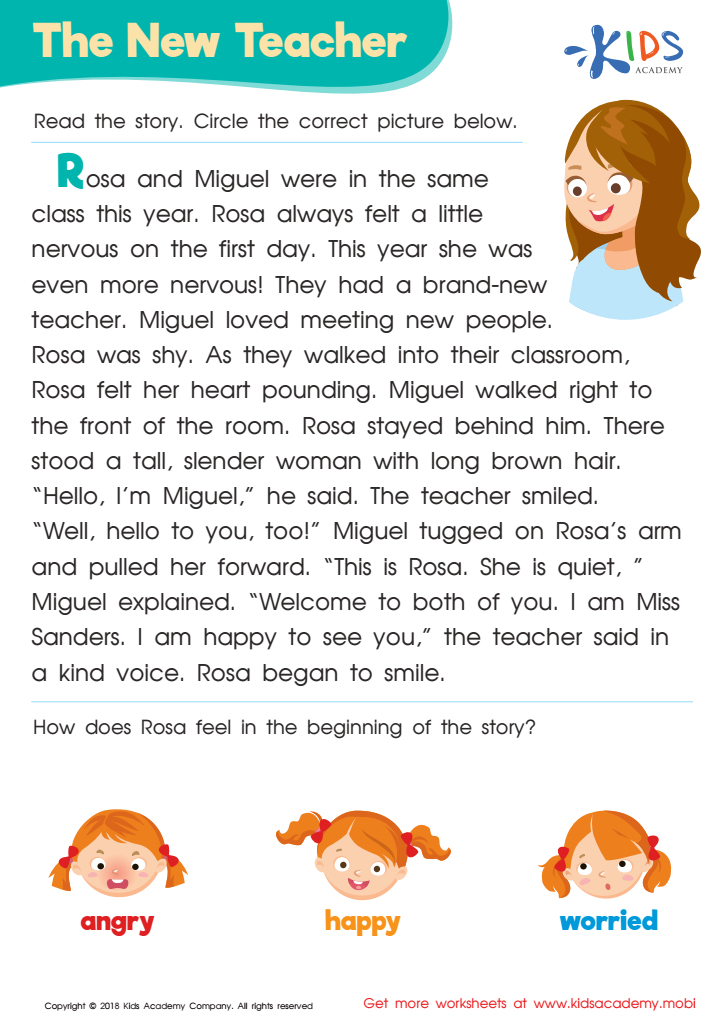
The New Teacher Worksheet





.jpg)

Parents and teachers should care about coloring skills in children aged 6-9 because these abilities are not merely artistic; they are foundational for cognitive, motor, and social development. Coloring enhances fine motor skills, as children learn to control their hand movements, which is crucial for later writing proficiency. By grasping crayons or pencils with varying pressures, they develop hand-eye coordination and dexterity.
Additionally, coloring fosters creativity and imagination, allowing children to express themselves and explore color theory, which can bolster their visual thinking and problem-solving skills. As they choose colors and create designs, they engage in early decision-making processes, enhancing critical thinking abilities.
Coloring can also be an excellent tool for literacy development. The process of coloring often involves following instructions, which parallels aspects of reading comprehension. When adults engage with children during coloring activities—whether by discussing colors or narrating stories about their creations—they contribute to language development and expand vocabulary.
Moreover, coloring is a calming activity that can improve focus and help with self-regulation. By incorporating opportunities for coloring into educational routines, parents and teachers support the holistic growth of children, laying the groundwork for future academic success and personal expression.








