Enhancing Counting Skills Reading Worksheets for Ages 6-9
3 filtered results
-
From - To
Welcome to our "Enhancing Counting Skills Reading Worksheets" for children aged 6-9! These engaging worksheets combine counting practice with reading comprehension, helping young learners develop essential math skills while improving their literacy. Designed by educators, each worksheet includes fun illustrations and challenging counting activities perfect for reinforcing numbers through vibrant stories and interactive exercises. Kids will enjoy counting objects, solving puzzles, and answering questions that stimulate critical thinking. Our resources are suitable for both classroom use and at-home learning, ensuring that children gain confidence and enthusiasm in both counting and reading. Explore our collection and watch your child thrive!
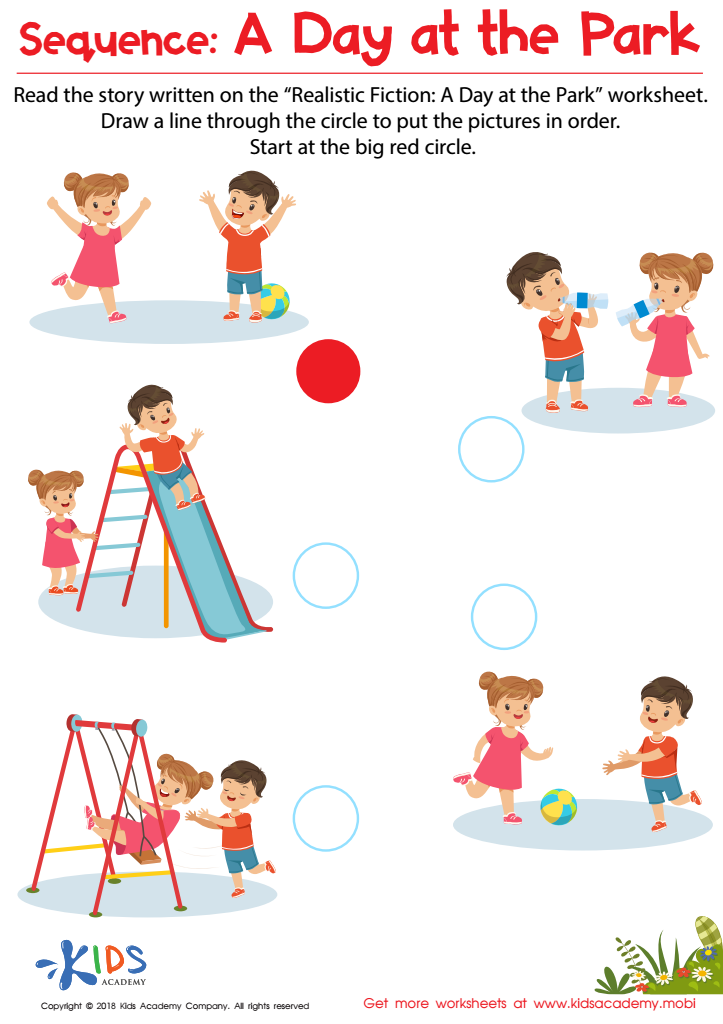
Sequence: A Day at the Park Worksheet
 Assign to My Students
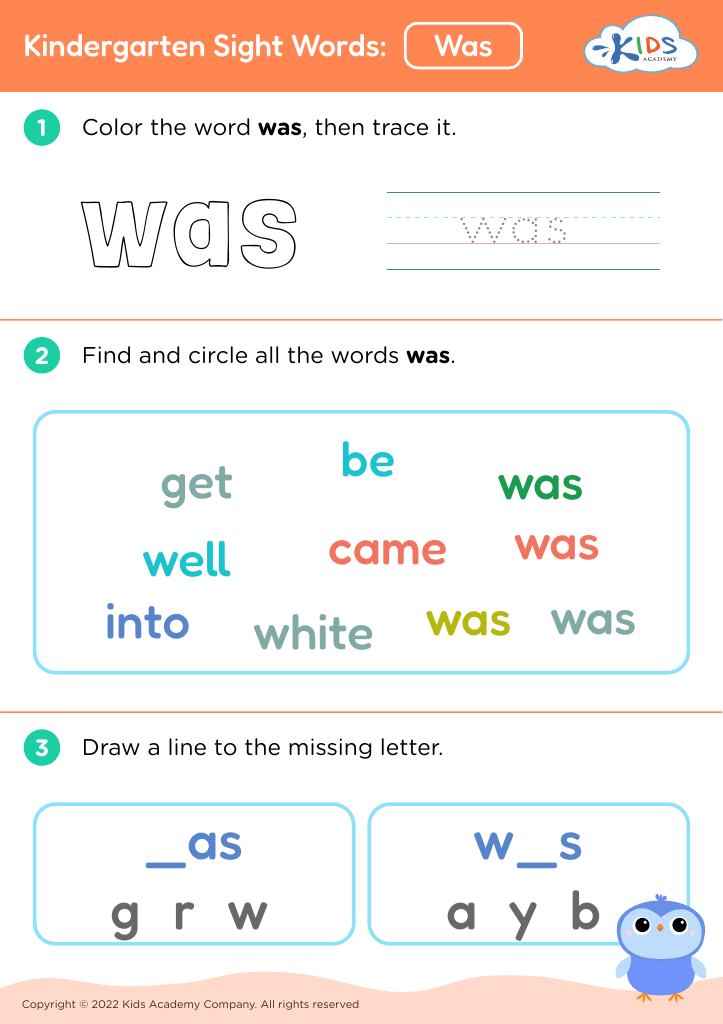
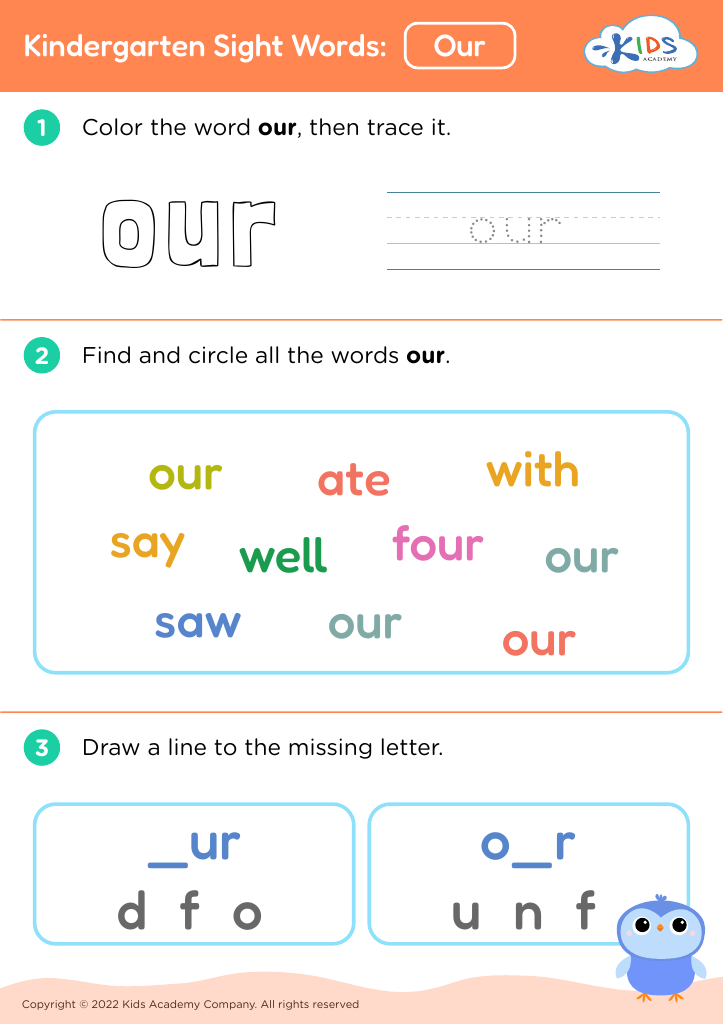






Enhancing counting skills through reading is essential for children aged 6-9 as it lays the groundwork for their mathematical understanding and overall cognitive development. At this age, children are highly impressionable, making it the perfect opportunity to integrate counting concepts into engaging stories. By connecting numerical skills with narrative contexts, children can better grasp abstract mathematical ideas, leading to improved anxiety reduction in future math learning.
Moreover, counting is foundational for everyday life; fostering these skills can lead to greater confidence during grocery shopping, playing games, and understanding money. Readers are more likely to count objects, number characters, or recognize patterns when stories highlight these concepts, supporting the transfer of skills across various settings.
Reading enriches vocabulary and comprehension, which are vital for grasping more complex math problems down the line. Collaborative reading activities with parents or teachers can create a nurturing environment that encourages curiosity and exploration of numbers through stories, poems, and rhymes.
Lastly, cultivating these skills early on promotes positive attitudes toward math, instilling a lifelong love of learning. When parents and teachers prioritize counting through reading, they invest in creating confident, capable learners who can effectively navigate their academic and real-world experiences.








