Improve vocabulary Reading Worksheets for Ages 6-9
5 filtered results
-
From - To
Unlock your child's linguistic skills with our "Improve Vocabulary Reading Worksheets for Ages 6-9." Specifically designed to make learning fun and effective, these worksheets cover a variety of engaging activities to enhance vocabulary. From exciting word searches to creative writing prompts and comprehension exercises, our resources support reading development and linguistic confidence. Ideal for both classroom use and at-home practice, these worksheets adapt to different learning styles, ensuring children grasp new words with ease. Lay a solid foundation for your child's reading proficiency and vocabulary growth with Kids Academy's expertly crafted worksheets today.
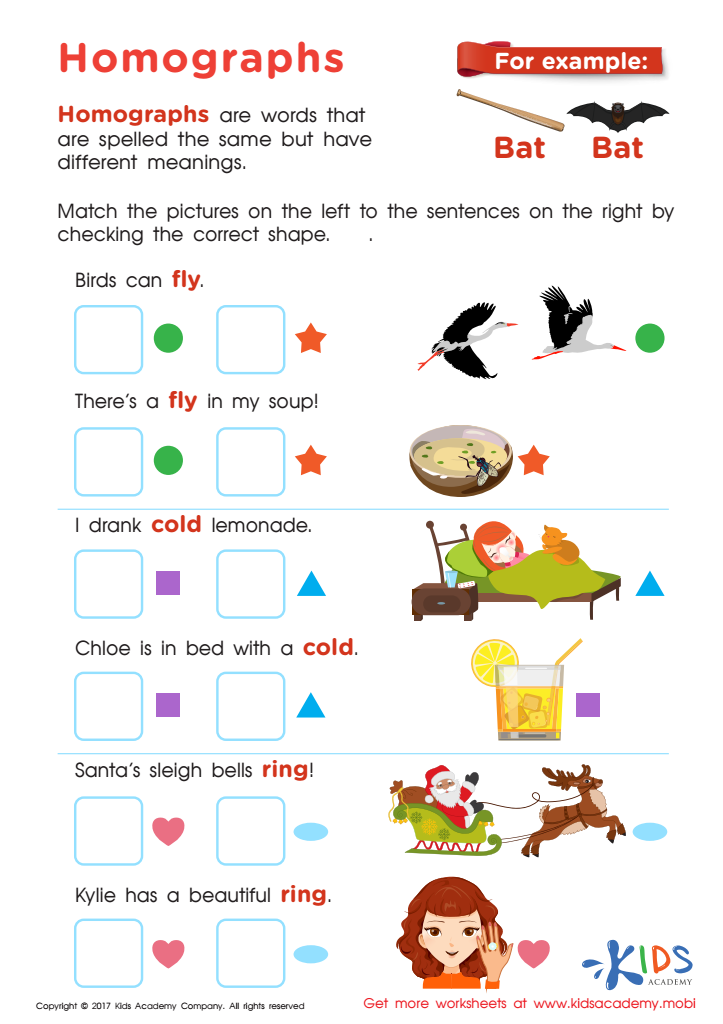
Homographs Free Printable Worksheet
 Assign to My Students
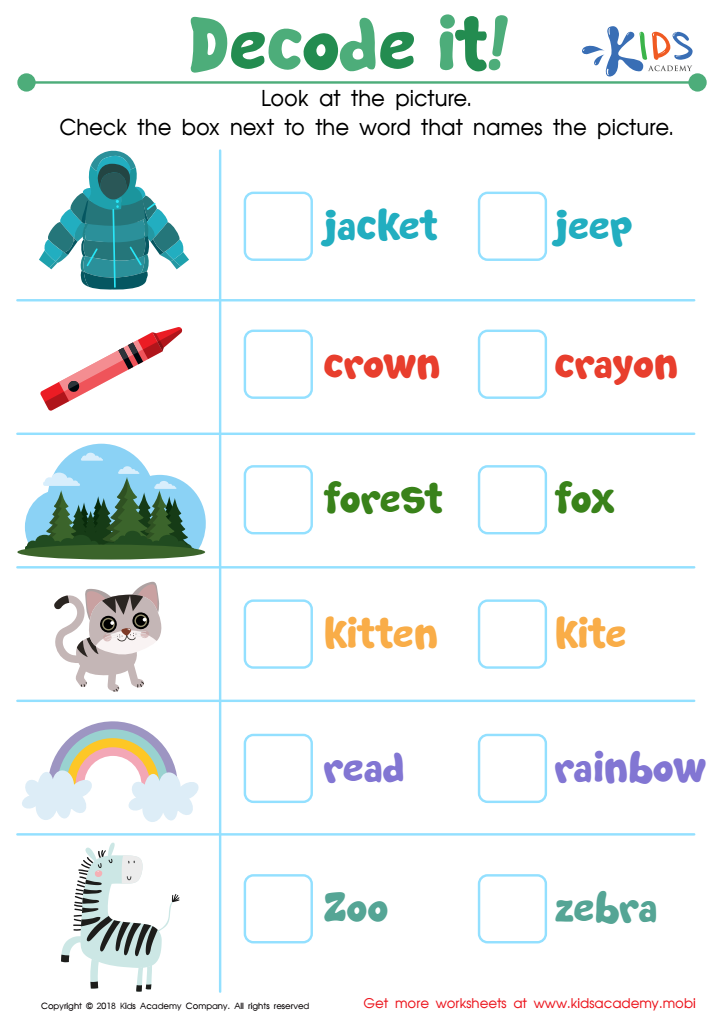
Reading: Decode It Worksheet
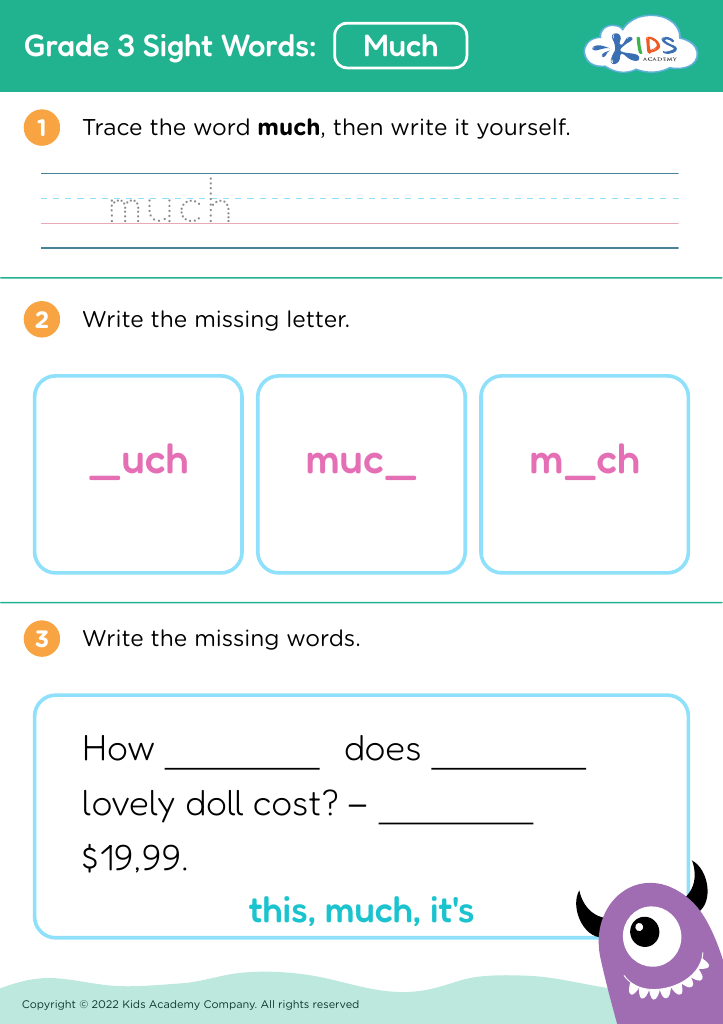
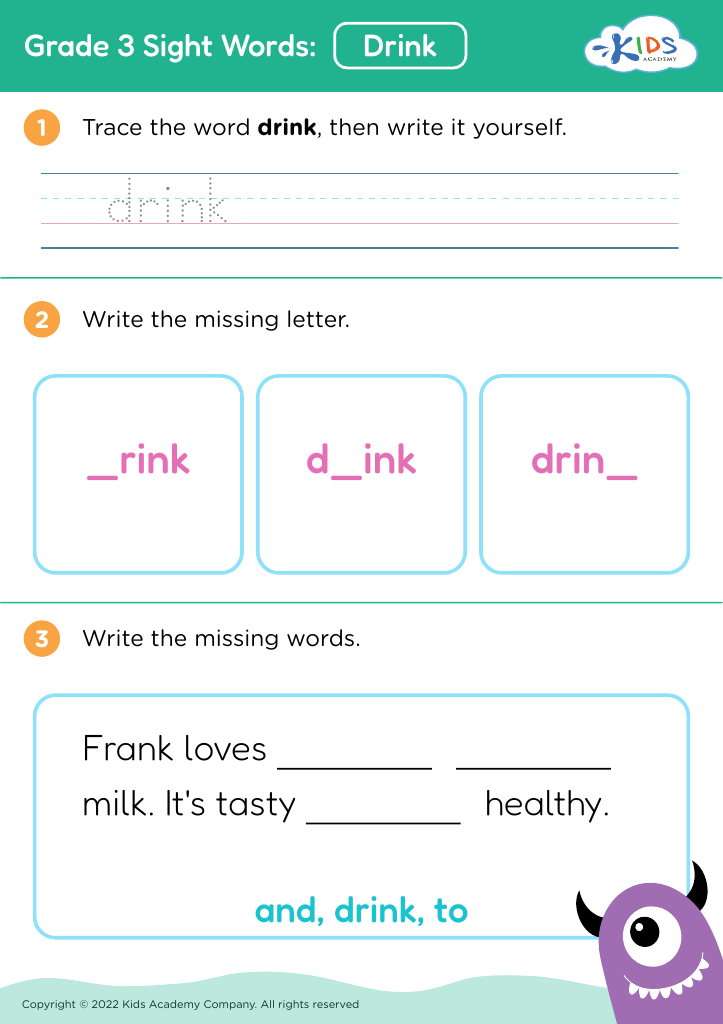
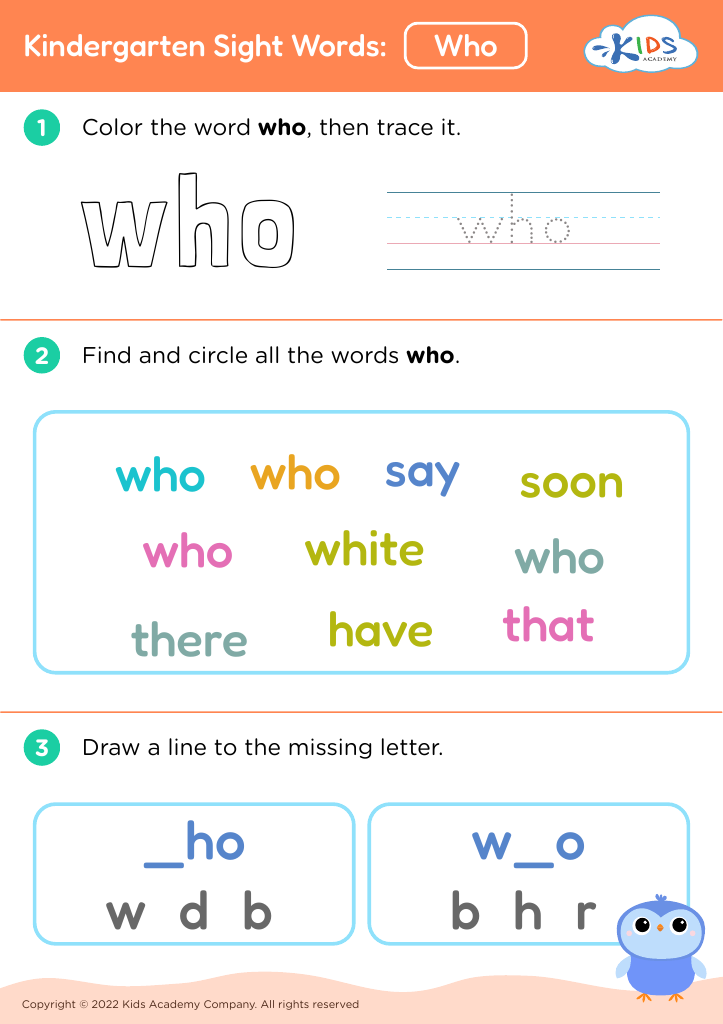








Improving vocabulary for children aged 6-9 is crucial for several reasons. At this developmental stage, kids are transitioning from learning to read to reading to learn, which sets the foundation for future academic success. A rich vocabulary enables children to comprehend more complex texts, fostering better understanding and retention of information across subjects. When children have a broad vocabulary, they can express themselves more clearly and confidently, facilitating better communication with peers, teachers, and parents.
Furthermore, enhanced vocabulary skills can significantly improve reading fluency, allowing children to read smoother and with greater ease. This boost in fluency is directly linked to improved comprehension, as children can focus more on understanding the content rather than decoding each word. A strong vocabulary also sparks curiosity and a love for reading, encouraging lifelong learning and intellectual growth.
Additionally, vocabulary acquisition is tied to cognitive development, as learning new words challenges children’s brains to think in different ways, enhancing problem-solving skills. Early strides in vocabulary improvement can bridge the gap between different learning capacities, helping children from diverse backgrounds achieve more equitable educational outcomes. Hence, prioritizing vocabulary development in early grades lays a critical foundation for academic and personal success.








