
Recognizing Patterns Reading Worksheets for Ages 6-9
4 filtered results
Difficulty Level
Grade
Age
-
From - To
Subject
Activity
Standards
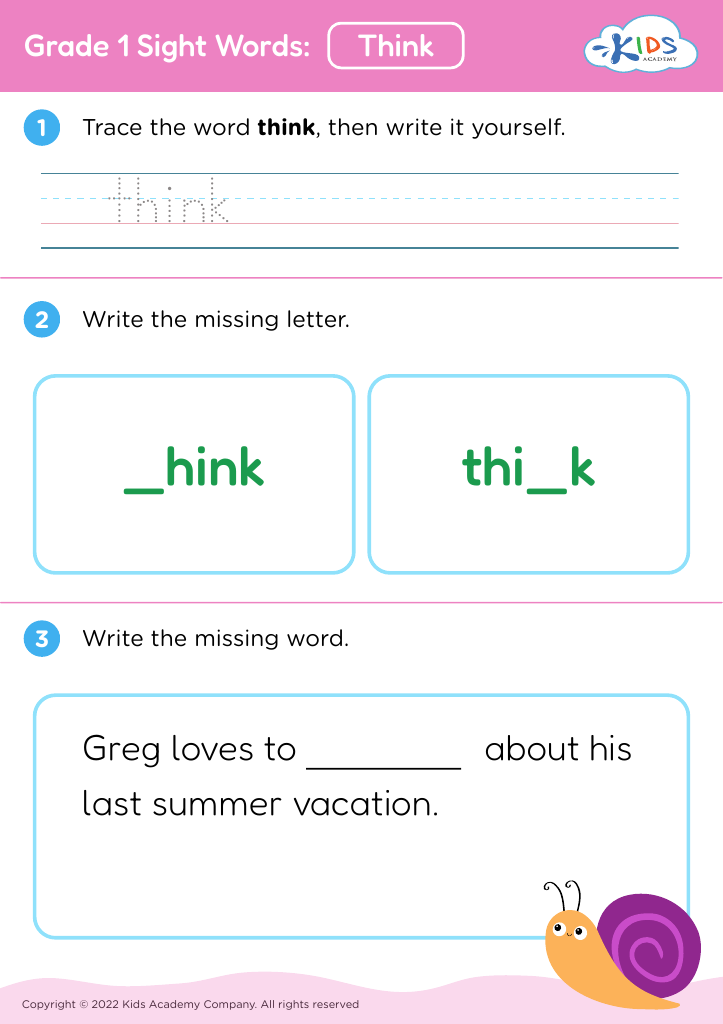
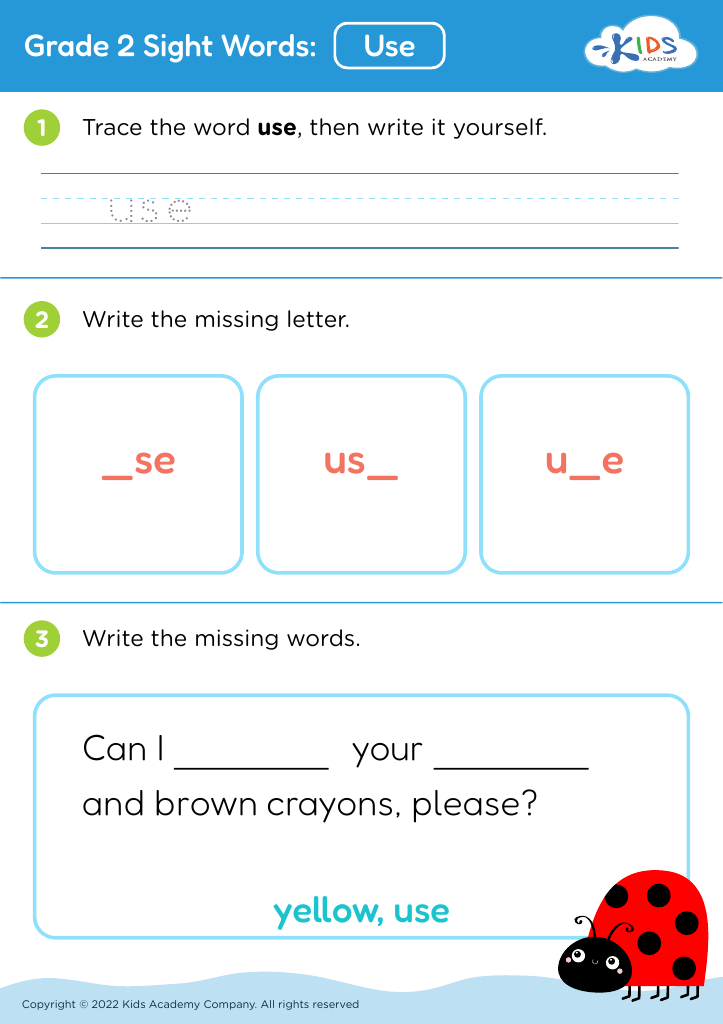
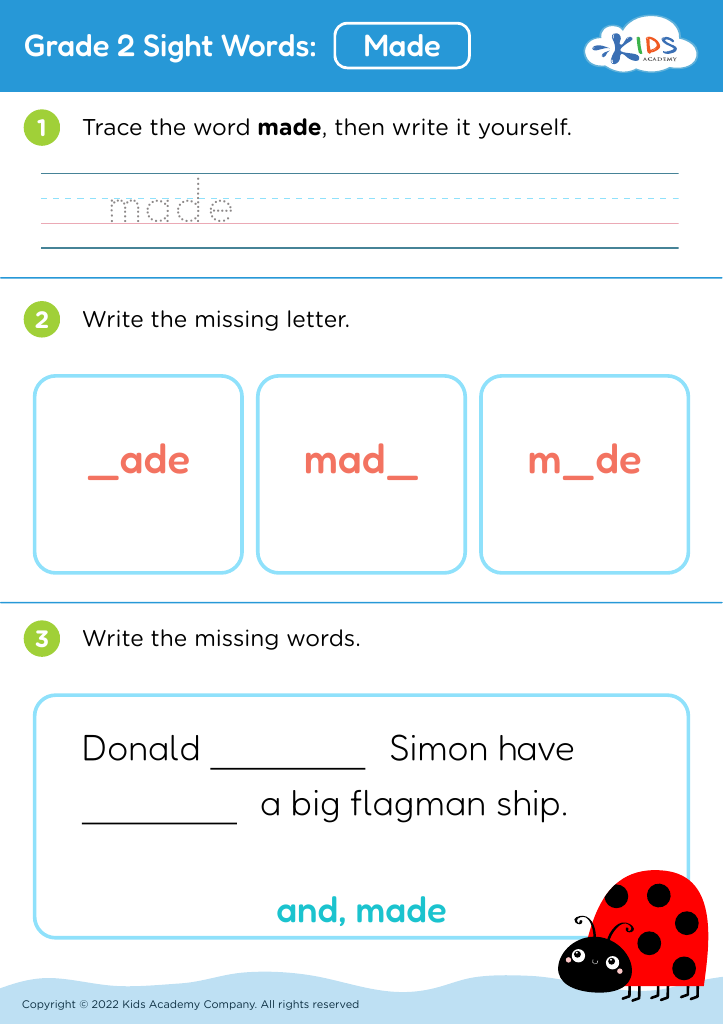
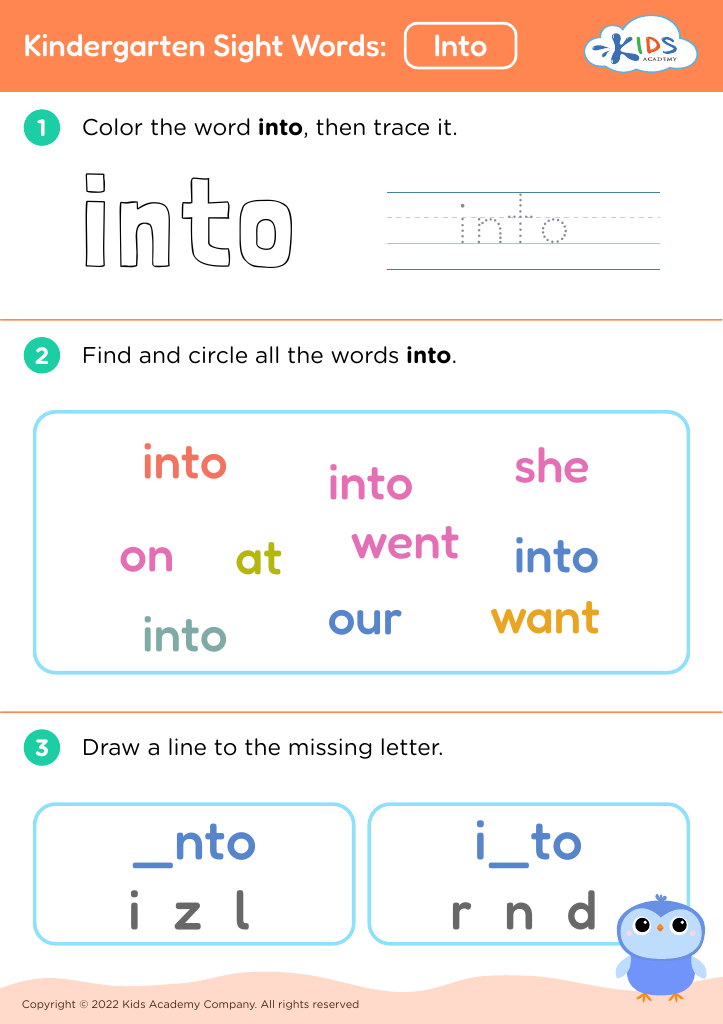
Discover our "Recognizing Patterns Reading Worksheets" designed for children ages 6-9! These engaging and educational worksheets are perfect for helping young learners recognize and understand patterns in text. Through various activities, children will enhance their reading skills while developing critical thinking and observation abilities. Our user-friendly worksheets feature colorful illustrations and entertaining exercises that make learning fun. As kids identify patterns in words and sentences, they'll gain confidence in their reading prowess. Perfect for classroom use or at-home practice, these worksheets support early literacy development and inspire a lifelong love for reading. Explore our collection and watch your child thrive!
Favorites
With answer key
Interactive
Join Kids Academy for Free
Who is primarily going to use this learning content?








Recognizing patterns in reading is a crucial skill for children ages 6-9, making it essential for parents and teachers to care about this aspect of literacy development. First, pattern recognition enhances language comprehension, allowing children to identify and understand recurring sounds, words, and phrases. This foundational skill supports early decoding, helping students make connections between letters and sounds as they transition from learning to read to reading to learn.
Moreover, recognizing patterns contributes to cognitive development by fostering analytical skills. As children identify similarities and differences in texts, they engage in critical thinking, improving their ability to categorize information. This skill not only aids in reading comprehension but is also transferable to problem-solving in mathematics and other subjects.
Additionally, studying patterns can make reading more enjoyable. Children who can recognize rhythms and rhyme schemes are more likely to engage with and love reading, leading to lifelong habits of reading for pleasure and learning.
Finally, parents and teachers can use pattern recognition as a tool for building confidence. When children successfully recognize patterns, they develop a sense of achievement, further motivating them to improve their reading skills. By emphasizing this skill, adults support holistic literacy development and cultivate a positive learning environment.








