Recognizing shapes Reading Worksheets for Ages 6-9
9 filtered results
-
From - To
Discover engaging "Recognizing Shapes" reading worksheets specially designed for kids aged 6-9. Our thoughtfully crafted resources help young learners enhance their shape-identification skills while integrating reading comprehension. Each worksheet features fun activities that promote visual recognition and strengthen vocabulary linked to various shapes, making learning interactive and enjoyable. With colorful illustrations and age-appropriate challenges, children can effortlessly practice recognizing shapes within everyday contexts. Ideal for classroom use or at-home learning, these worksheets support early education goals, setting the foundation for more advanced skills in mathematics and literacy. Explore our full range and watch your child's confidence grow!
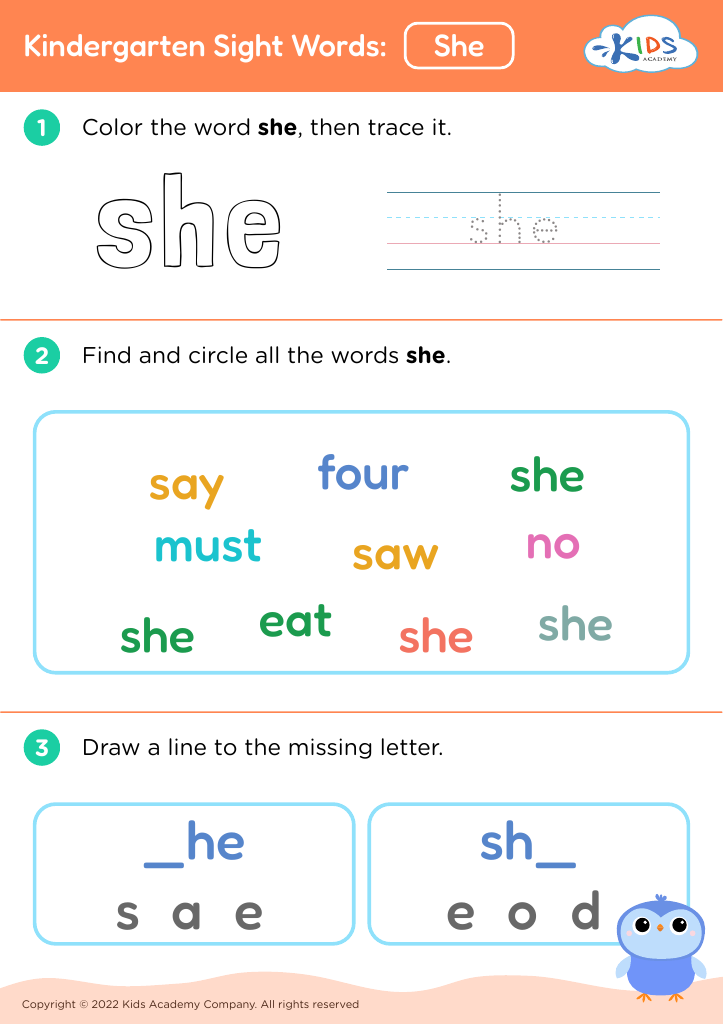








Recognizing shapes is a foundational skill in early education that plays a crucial role in a child's cognitive development. For children ages 6-9, mastering shape recognition not only enhances their spatial awareness but also fosters critical thinking and problem-solving skills. When parents and teachers focus on this essential curriculum, they empower children to connect visual experiences with mathematical concepts.
Understanding shapes offers children the tools to describe, classify, and compare, laying the groundwork for more advanced subjects like geometry. Additionally, it encourages observation skills and attention to detail, as children learn to identify different shapes and their properties in everyday life.
Shape recognition also supports language development, as children learn to articulate their understanding of geometric terms. This reinforces literacy skills when integrated with reading activities. By engaging in interactive and fun shape-related games or activities, parents and teachers can elevate children's enthusiasm for learning.
Ultimately, teaching shape recognition cultivates a love for learning and paves the way for future academic success. Parents and teachers play a vital role in nurturing these skills, ensuring children grow into confident thinkers and problem-solvers capable of navigating a visually complex world.








