
Story analysis Reading Worksheets for Ages 6-9
5 filtered results
Difficulty Level
Grade
Age
-
From - To
Subject
Activity
Standards
Enhance your child’s reading comprehension with our Story Analysis Reading Worksheets designed for ages 6-9. Kids Academy offers a variety of engaging worksheets focused on teaching children to analyze story elements such as characters, setting, plot, and conflicts. These exercises not only build essential reading skills but also encourage critical thinking and creativity. Perfect for both home and classroom use, our worksheets are designed to be fun and interactive, helping young readers to understand and appreciate the deeper meanings in the stories they read. Inspire a love of literature in your child today with these comprehensive analysis tools!
Favorites
With answer key
Interactive
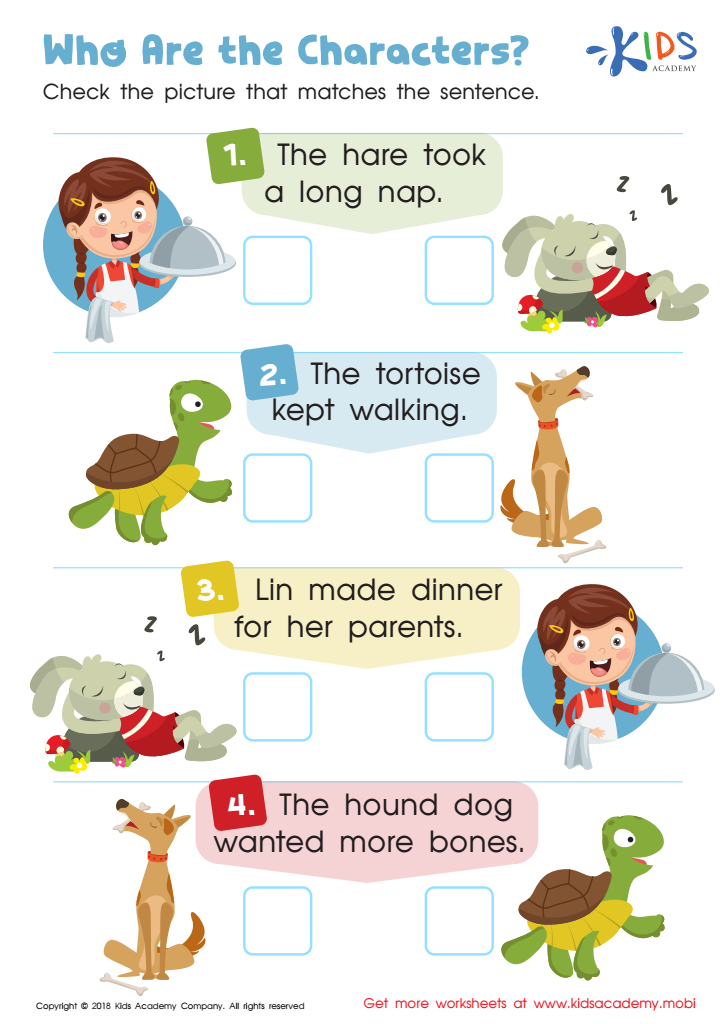
Who Are The Characters Worksheet
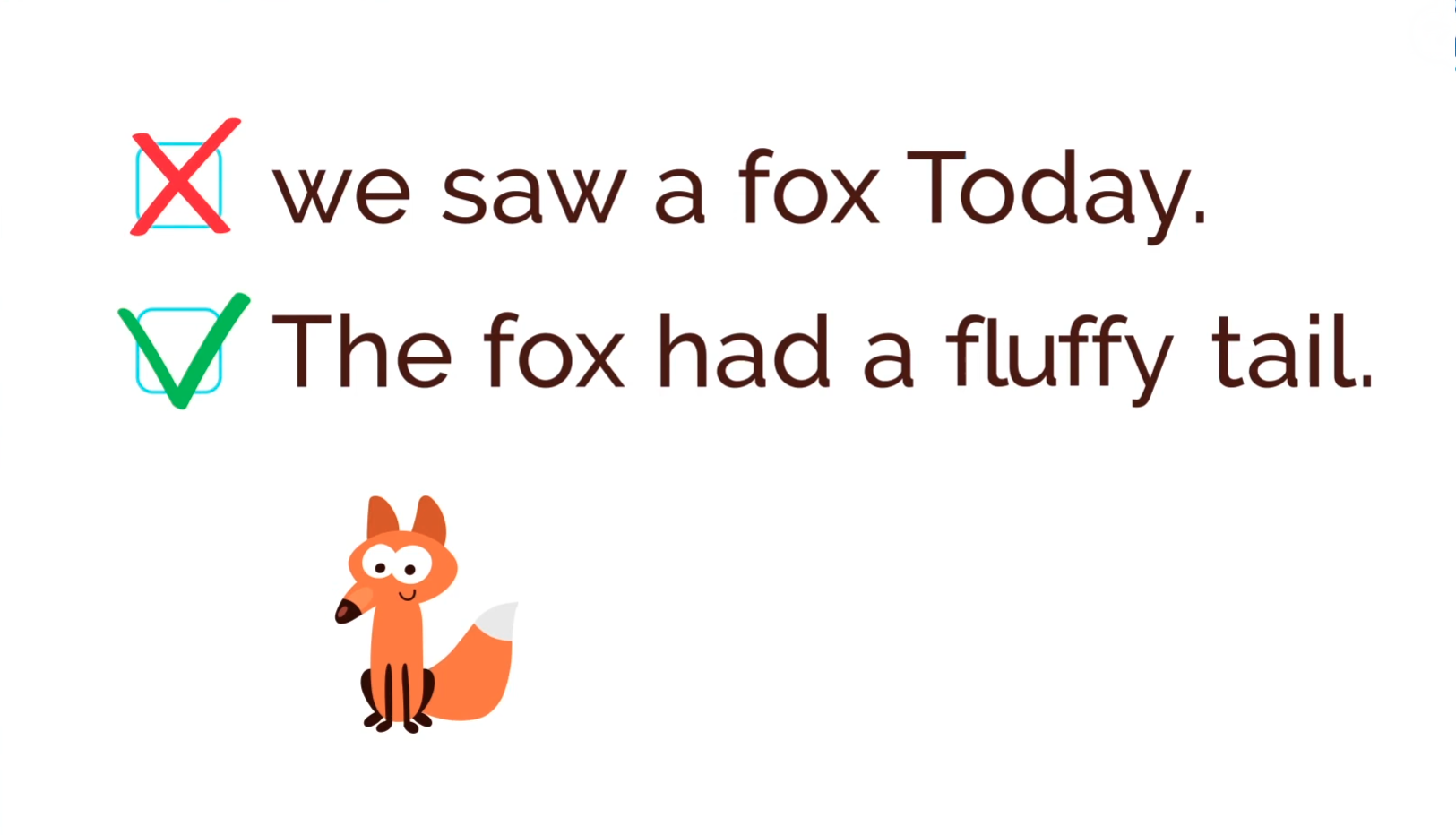
This worksheet tests your child's reading skills. Read each sentence out loud with them, then ask which of the two pictures match it. Help them check, then repeat this for the other sentences.
 Assign to My Students
Who Are The Characters Worksheet
Worksheet
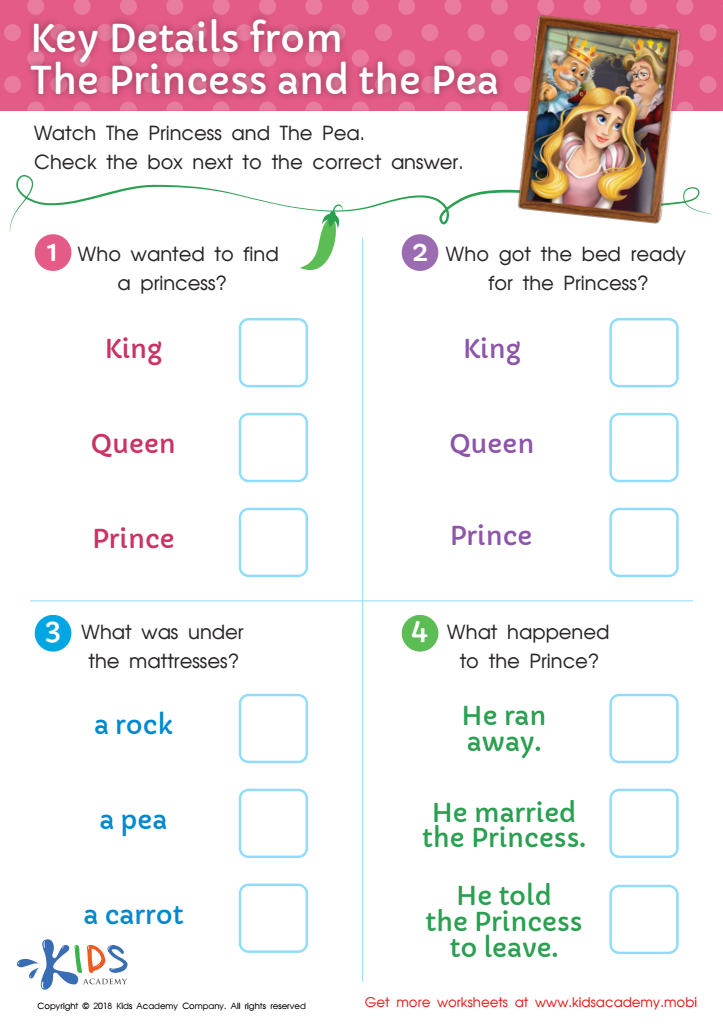
Key Details from the Princess and the Pea Worksheet
After reading The Princess and the Pea, ask your students questions to assess their comprehension of the story. Check their knowledge of key details. This printable can be used to help evaluate their understanding. Encouraging the recall of story events helps build important reading skills.
Key Details from the Princess and the Pea Worksheet
Worksheet
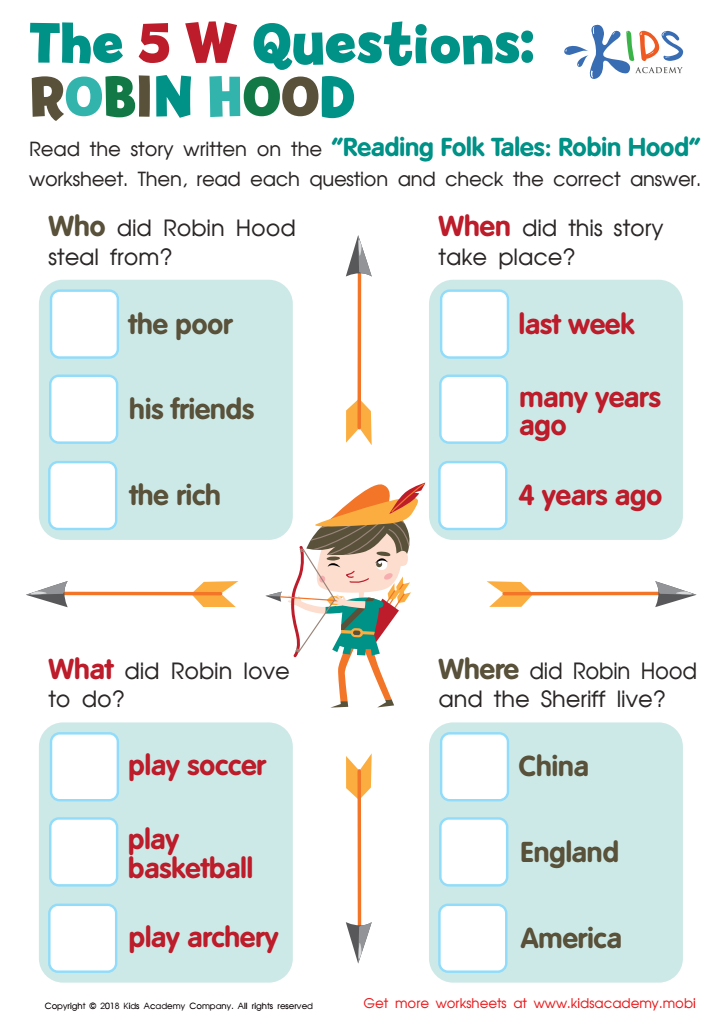
The 5 W Questions: Robin Hood Worksheet
Before embarking on this Robin Hood adventure, ensure your child reads and comprehends the 'Reading Folk Tales: Robin Hood' worksheet. Have them consider the story's lessons, and observe the details. Read the questions and help your kids select the correct answers.
The 5 W Questions: Robin Hood Worksheet
Worksheet
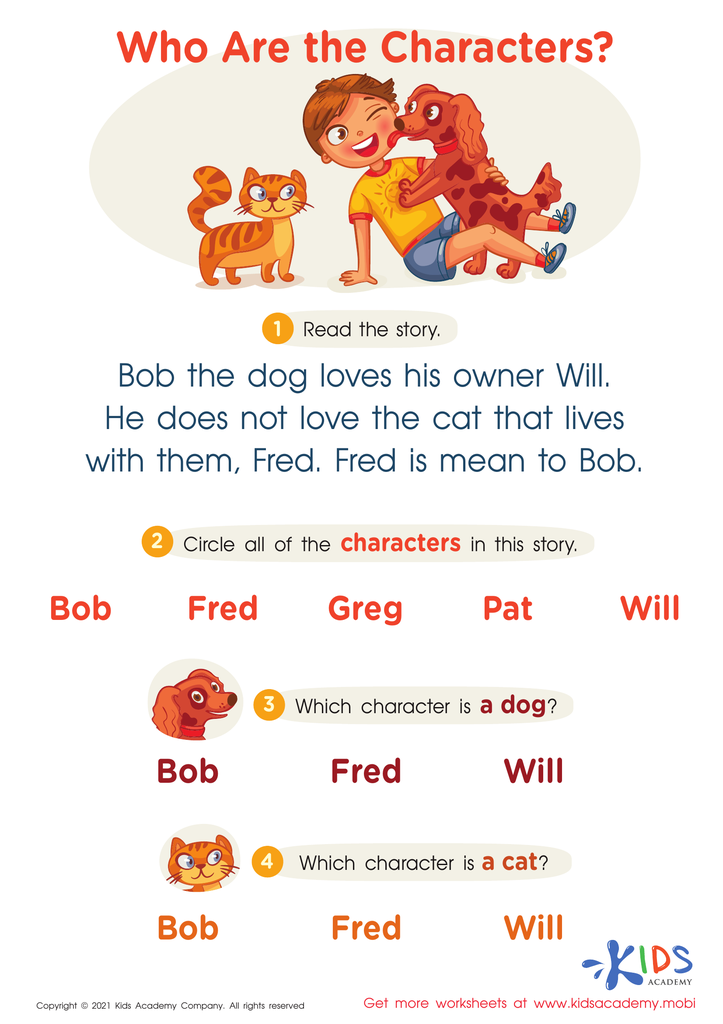
Who Are the Characters? Worksheet
Original:
The annual summer festival takes place on the last day of June and is celebrated with a parade and a carnival that features rides, games, and yummy food.
Rewrite:
Every June end marks the annual summer festival with a parade and carnival. Enjoy rides, games, and delicious food!
Who Are the Characters? Worksheet
Worksheet
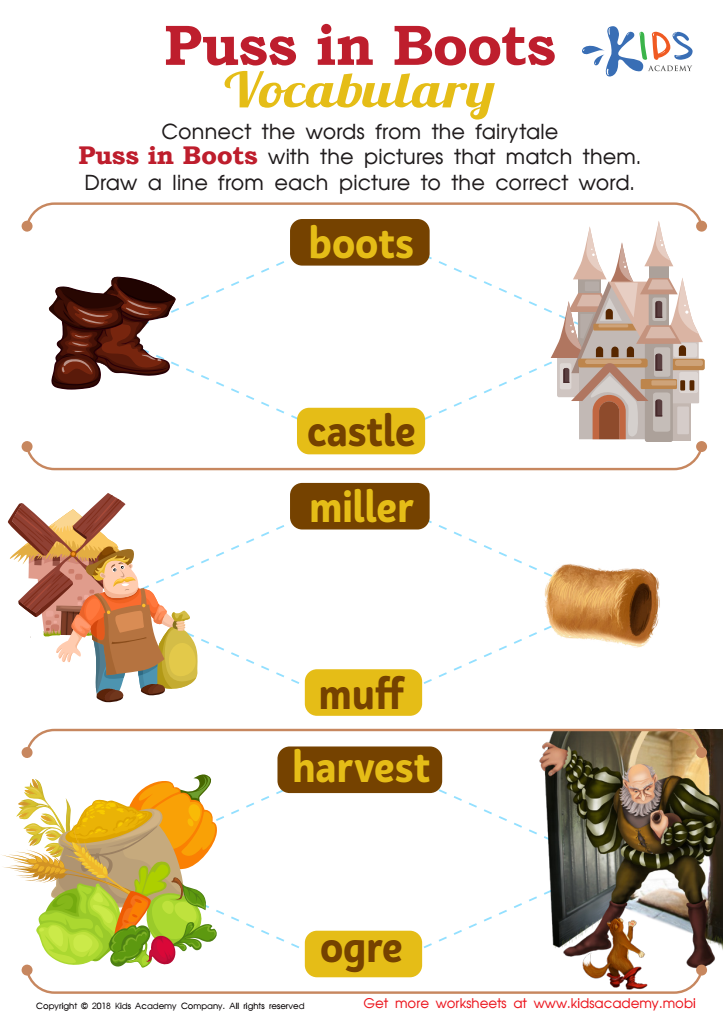
Puss in Boots Vocabulary Worksheet
Let your kids enjoy story-telling while learning at the same time. Help them learn from the fairytale, Puss in Boots, by connecting words from the worksheet with the matching pictures. Ask them to draw a line between each picture and corresponding word to build their vocabulary.
Puss in Boots Vocabulary Worksheet
Worksheet
Join Kids Academy for Free
Who is primarily going to use this learning content?







Parents and teachers should care about story analysis reading for children aged 6-9 because it fosters critical thinking, comprehension, and a love for reading. At this developmental stage, kids transition from learning to read to reading to learn. Story analysis encourages them to delve deeper into narratives, helping them understand characters, plot, setting, and themes. This not only boosts comprehension but also enhances their ability to make inferences, predict outcomes, and appreciate different perspectives.
Analyzing stories can support vocabulary expansion, introduce children to diverse cultures and ideas, and improve their communication skills. When kids discuss stories, they learn to express their thoughts clearly and listen to others, fostering social-emotional learning. Additionally, exploring moral lessons and conflicts within stories can nurture empathy and ethical thinking, crucial for personal development.
Collaborative story analysis in classrooms can promote cooperative learning and improve classroom dynamics. For parents, engaging in story discussions with their children can strengthen bonds and offer insights into their child's creative and cognitive processes.
Overall, story analysis reading is a multifaceted educational tool that enriches children’s literacy, cognitive abilities, and emotional intelligence, laying a strong foundation for future academic and personal success.








